State Guide
Birds of Rhode Island
On May 3, 1954, Governor Dennis J. Roberts signed legislation making the Rhode Island Red chicken the official state bird. It was a contested choice. The Audubon Society of Rhode Island, the Rhode Island Federation of Garden Clubs, and the Providence Journal had run a statewide vote; the Rhode Island Red beat the osprey and the ruby-throated hummingbird. The Department of Agriculture backed the chicken. The poultry industry backed the chicken. The American Legion backed the chicken. Governor Roberts, signing the bill, said: “The Rhode Island Red has become a symbol of Rhode Islanders all over the world.” He was not wrong about the symbolism, though the osprey might have been the more poetic pick. The breed had been developed in Little Compton a century earlier - sturdy, dual-purpose, globally exported - and its centennial was reason enough, in 1954, to formalise what the industry already knew.
The Rhode Island Red is not a wild bird. It does not appear on eBird lists. But the reasoning behind its adoption - that a bird’s significance to a place can be commercial and cultural as well as ecological - gives Rhode Island a state-bird story unlike any other state’s.
The state’s signature species
What Rhode Island lacks in land area it makes up in coastal exposure. The state’s southern shoreline and offshore position on the Atlantic flyway push dense concentrations of birds through a very small geography. The Rhode Island Avian Records Committee has recorded over 450 species for the state.
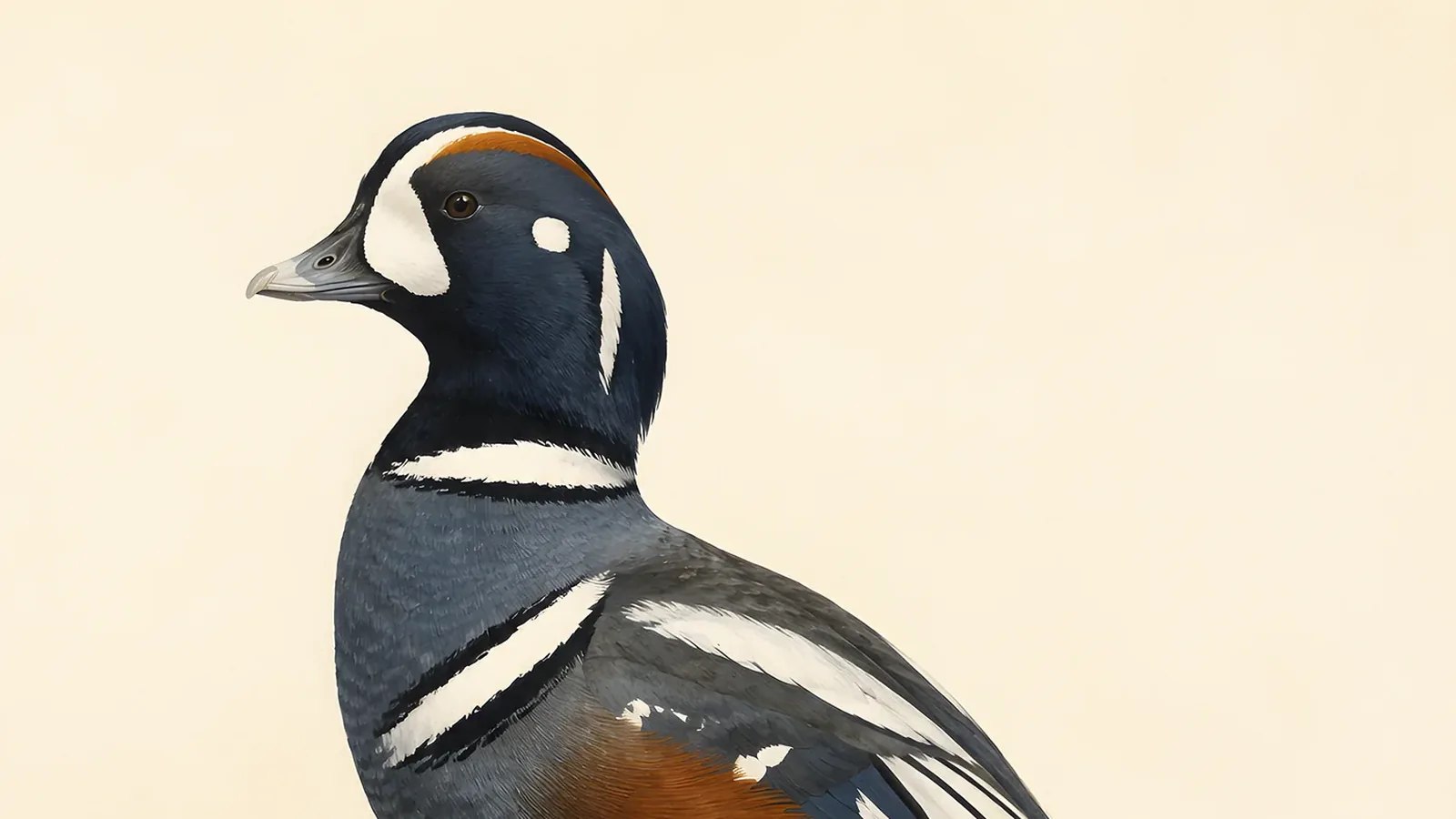
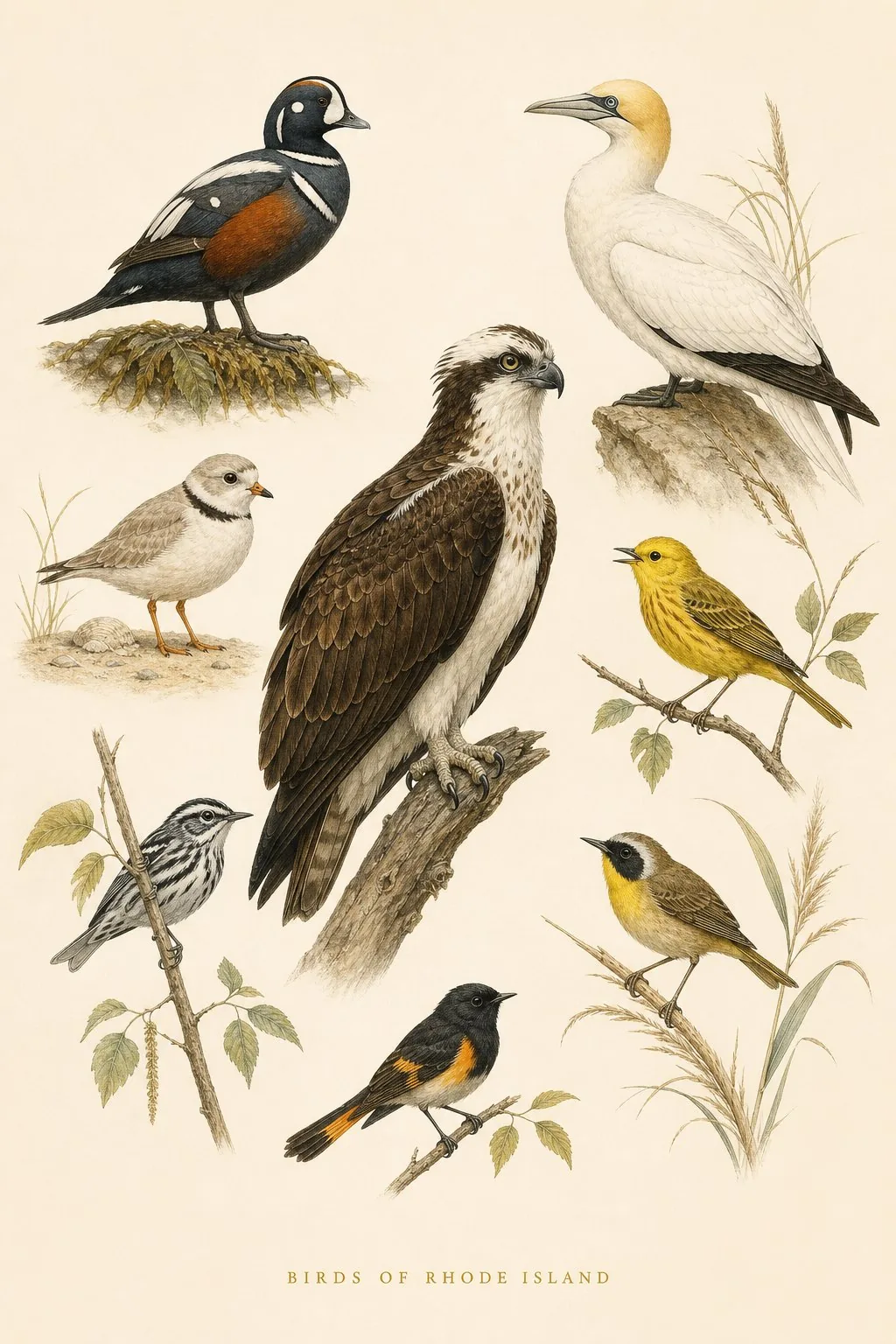
Harlequin Duck (Histrionicus histrionicus) has become the symbol of Sachuest Point. This small sea duck - the male painted in slate blue, chestnut, and white - winters along the rocky surf-zone of the Sachuest Point National Wildlife Refuge in Middletown from November through April. It is the bird serious birders make the trip for. Common Eiders, Black and White-winged Scoters, Long-tailed Ducks, and Purple Sandpipers share that winter shoreline, but the Harlequin is the headliner.
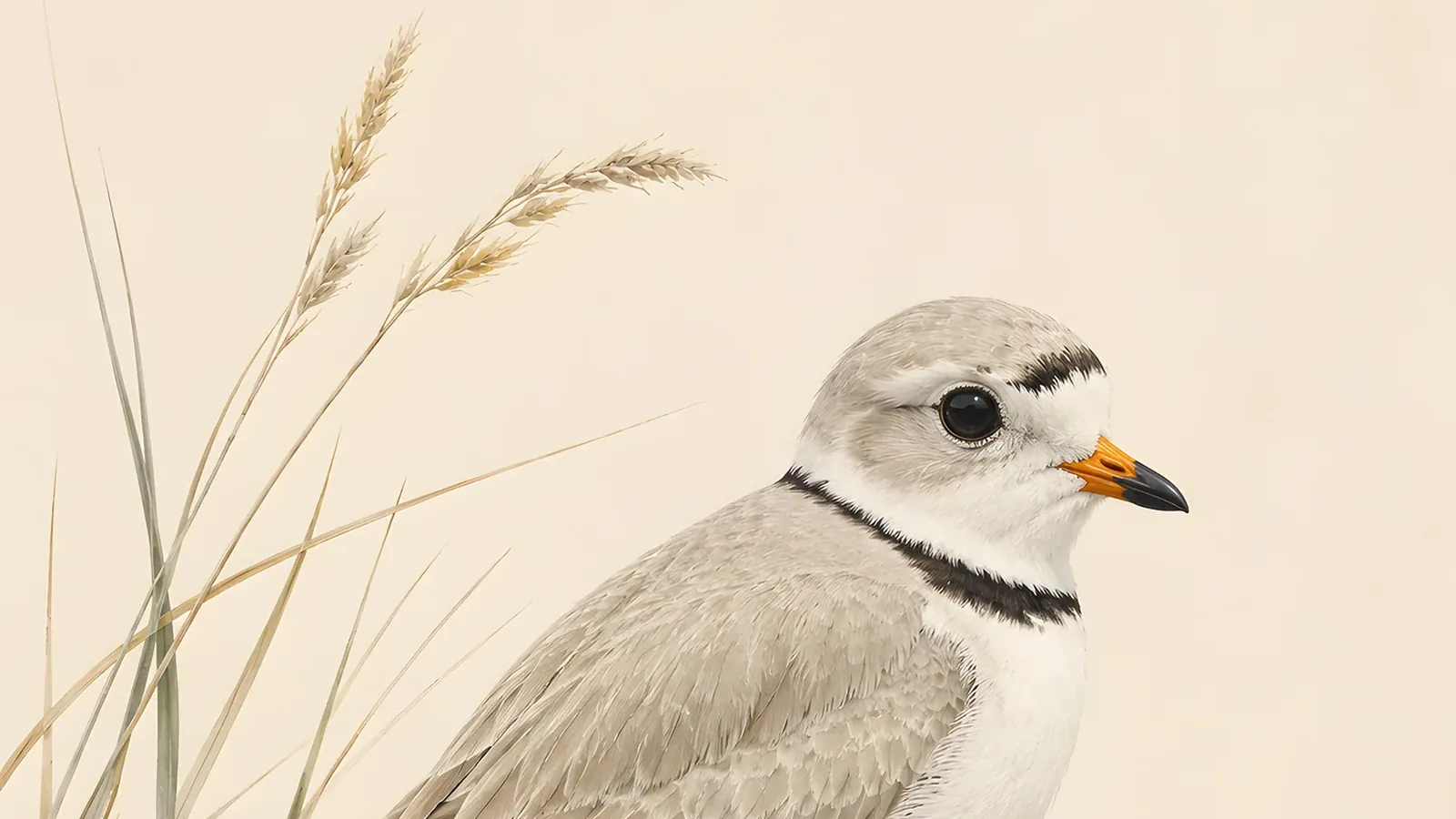
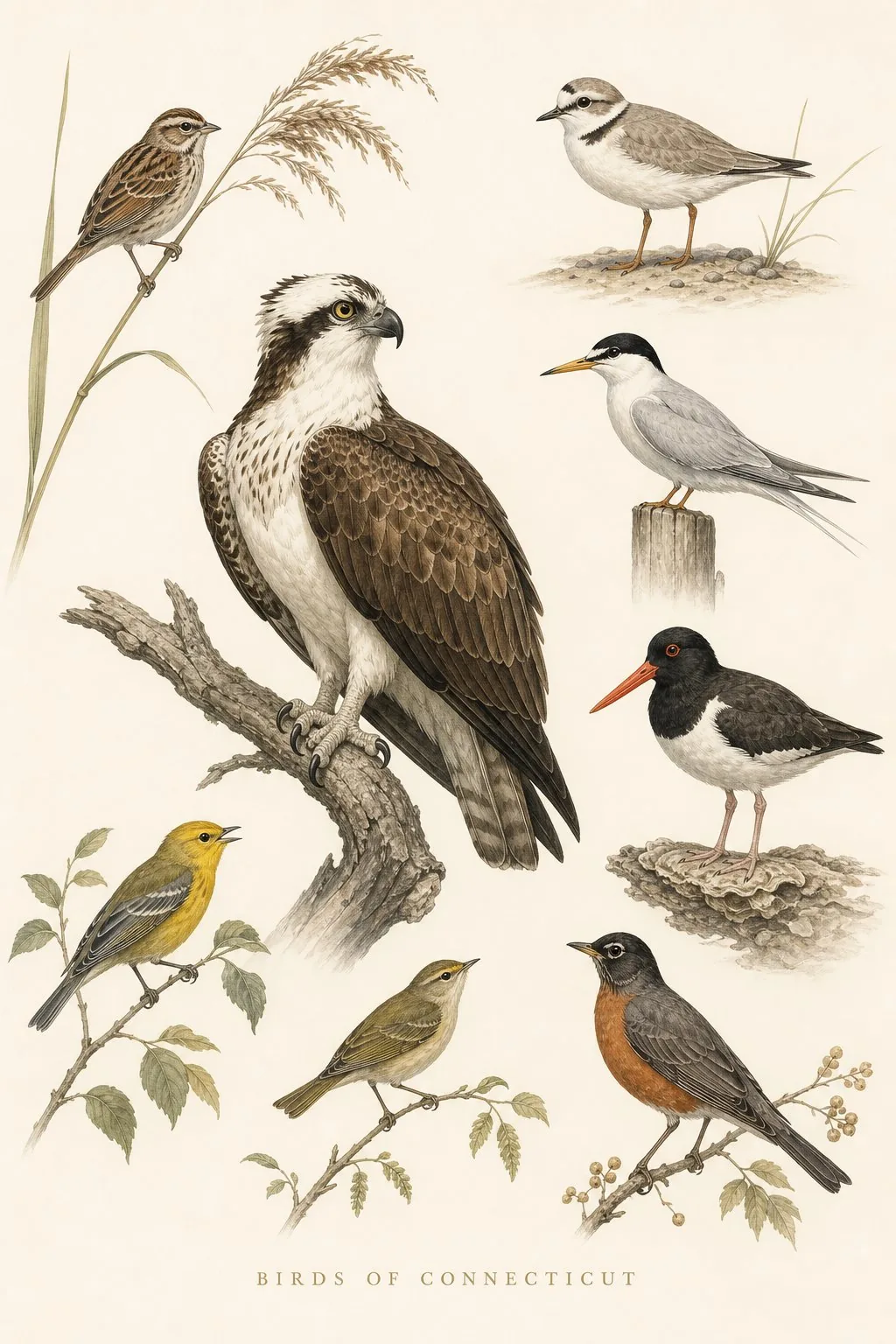
Piping Plover (Charadrius melodus) nests on the sandy barrier beaches of the South Shore. Trustom Pond National Wildlife Refuge closes sections of its shoreline each spring to protect breeding pairs. The species is listed as threatened under the federal Endangered Species Act, and Rhode Island’s coastal habitats are part of its core Atlantic breeding range.
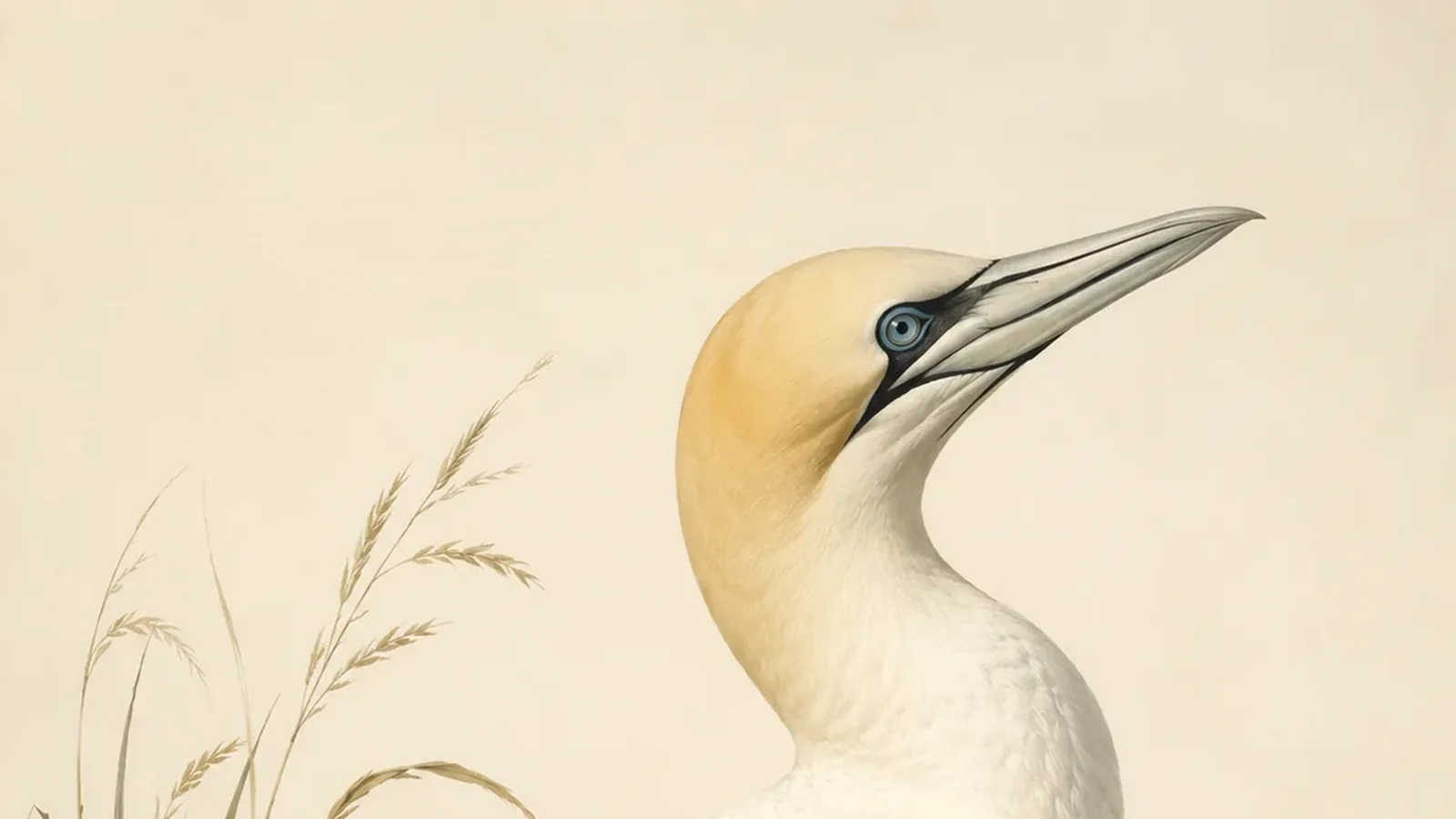
Northern Gannet (Morus bassanus) can be scanned from the shoreline at Sachuest Point and from Block Island’s cliffs in late autumn - the white-and-black adults plunge-diving offshore are one of the more dramatic sights Rhode Island’s coast offers.
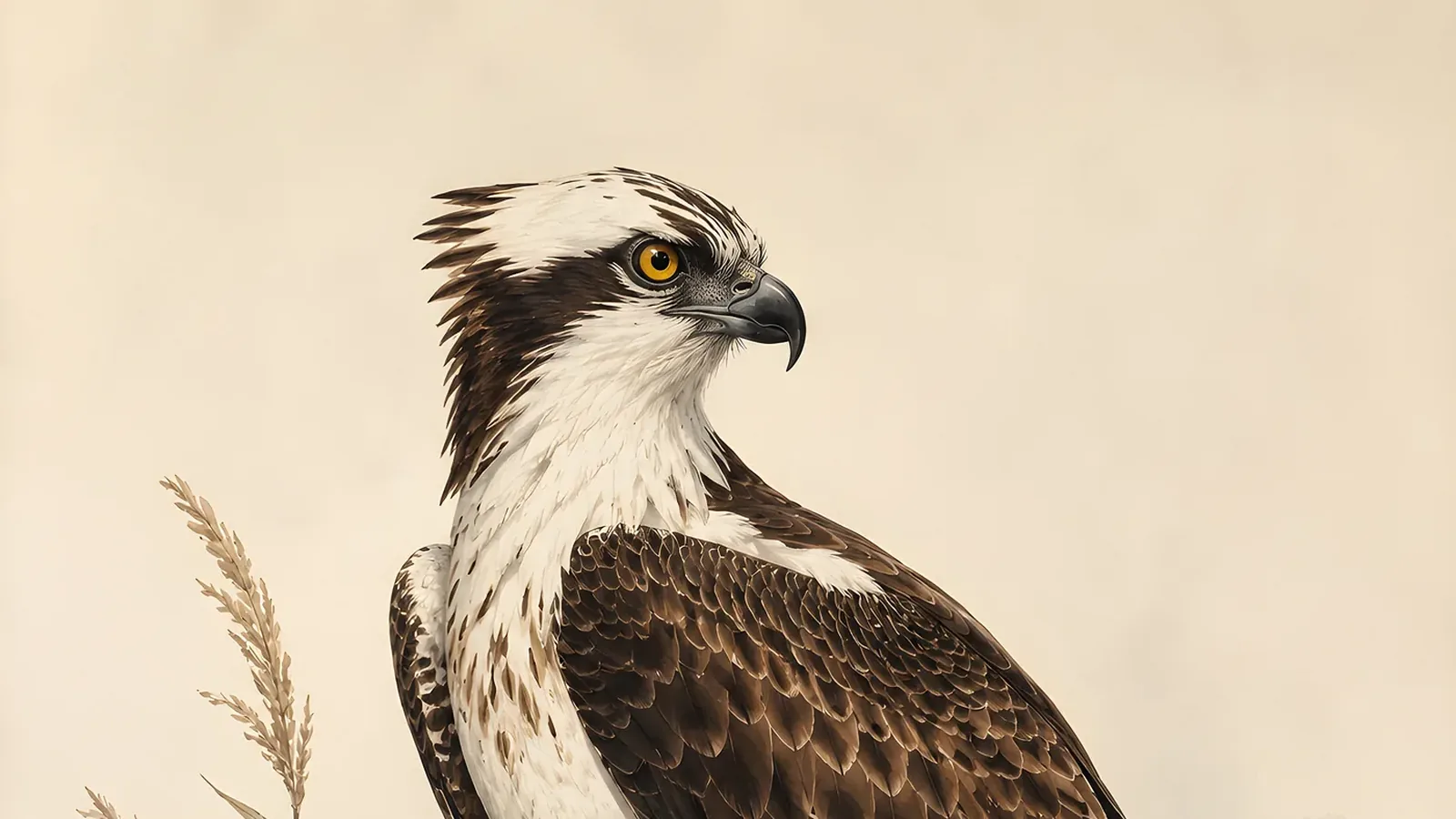
Osprey (Pandion haliaetus) nests widely along Rhode Island’s bays and estuaries, having recovered strongly since the DDT era. Trustom Pond and Ninigret National Wildlife Refuge both support nesting pairs, and the birds are present along coastal waterways from April through September.
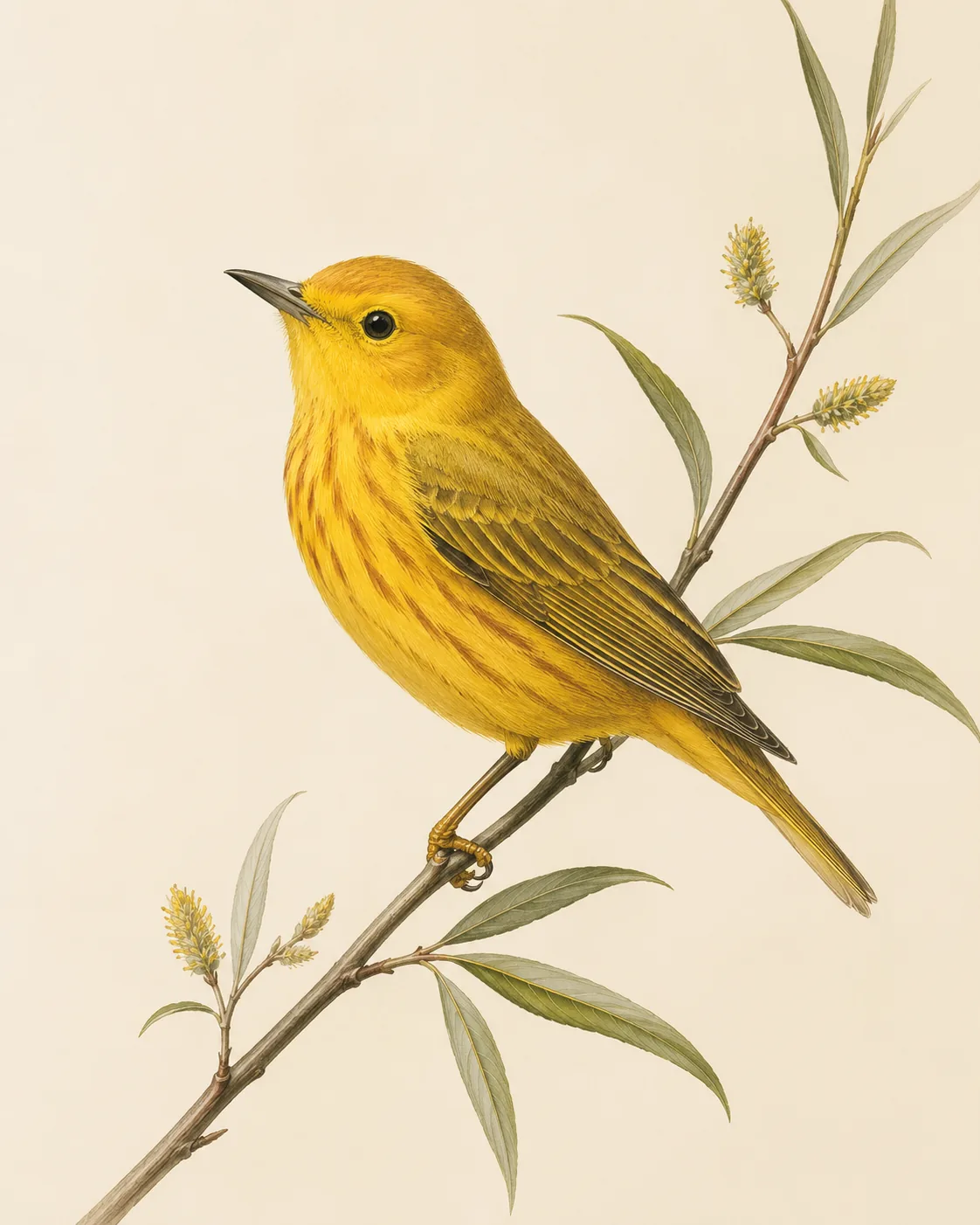
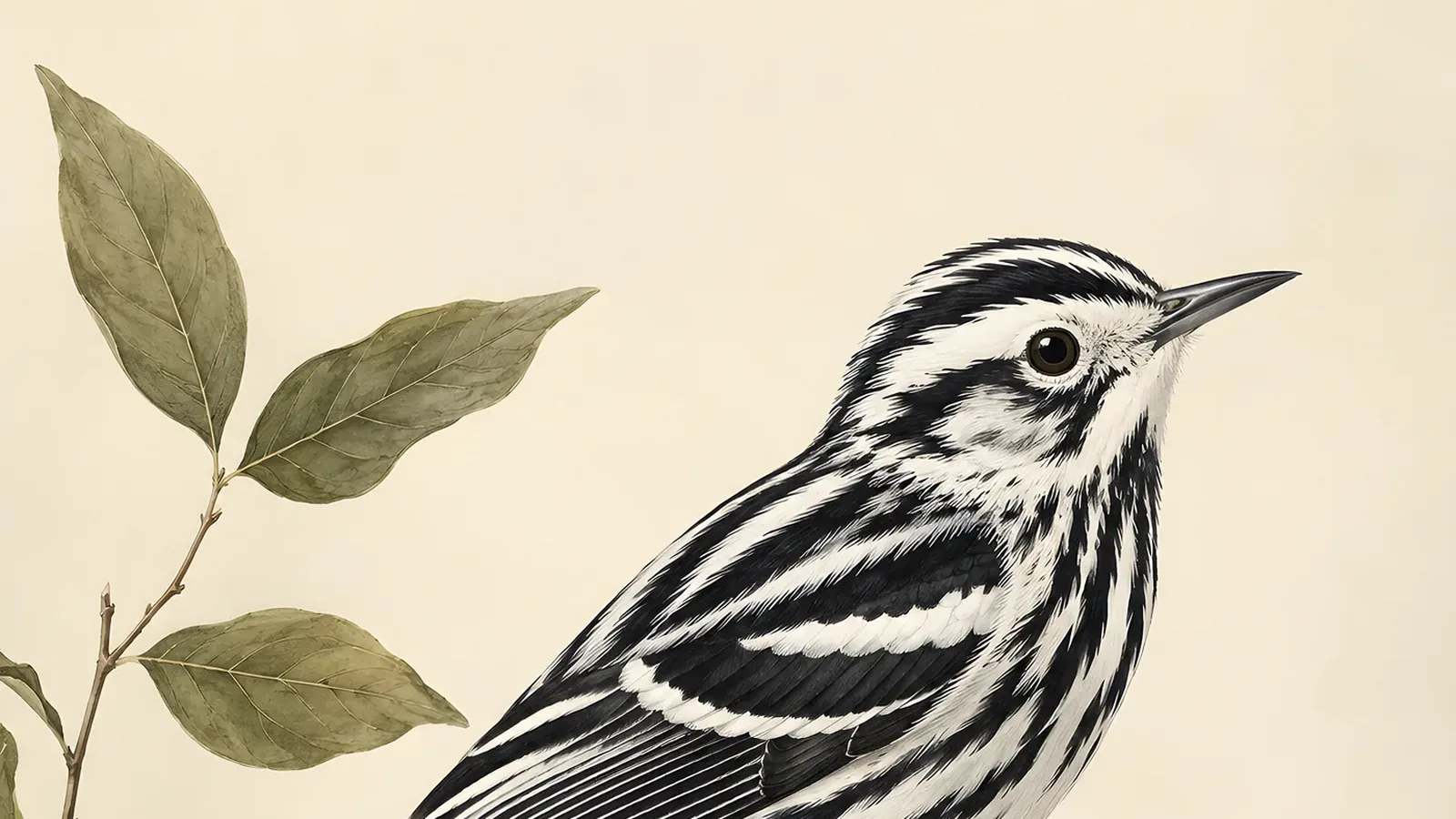
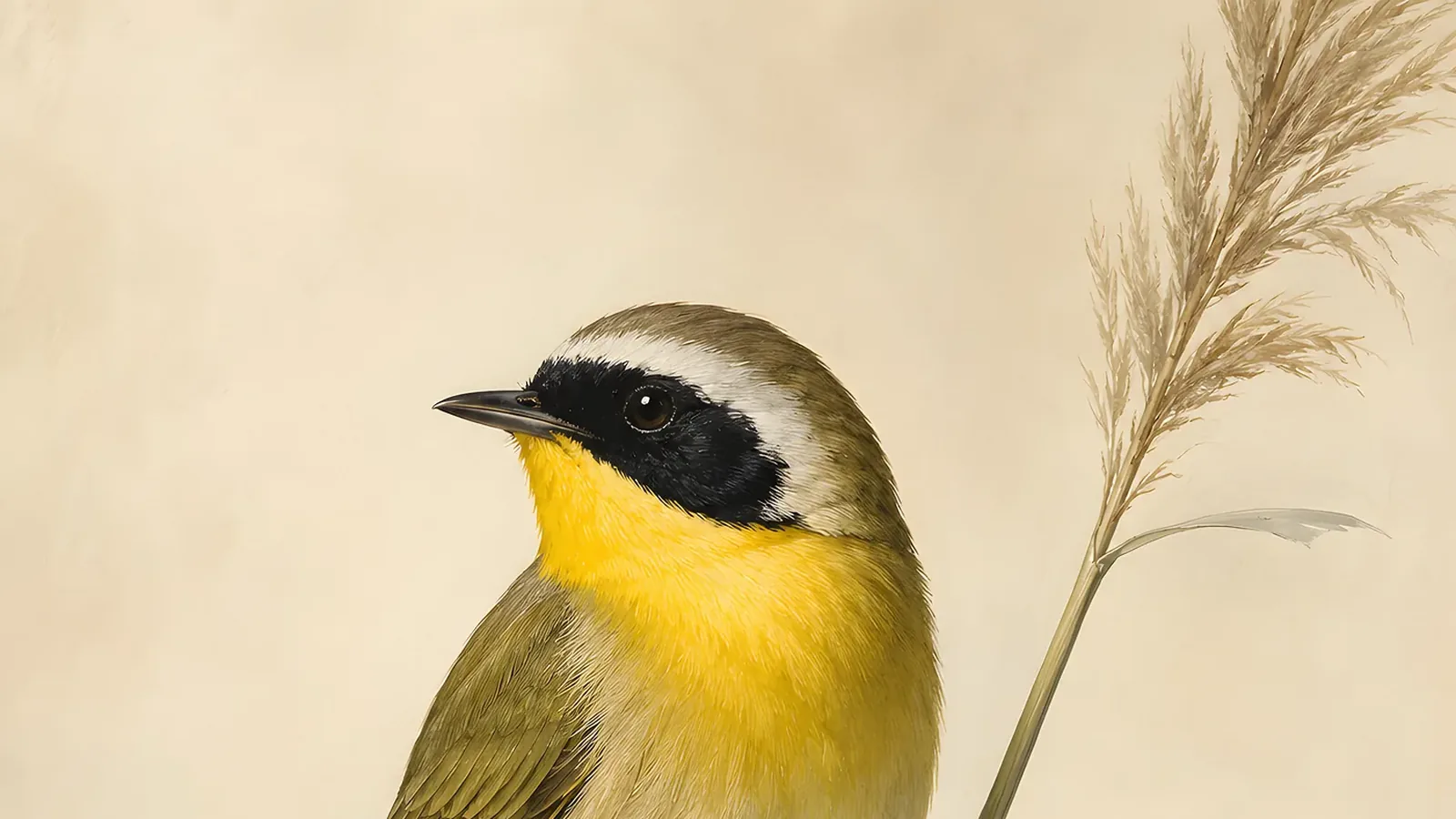
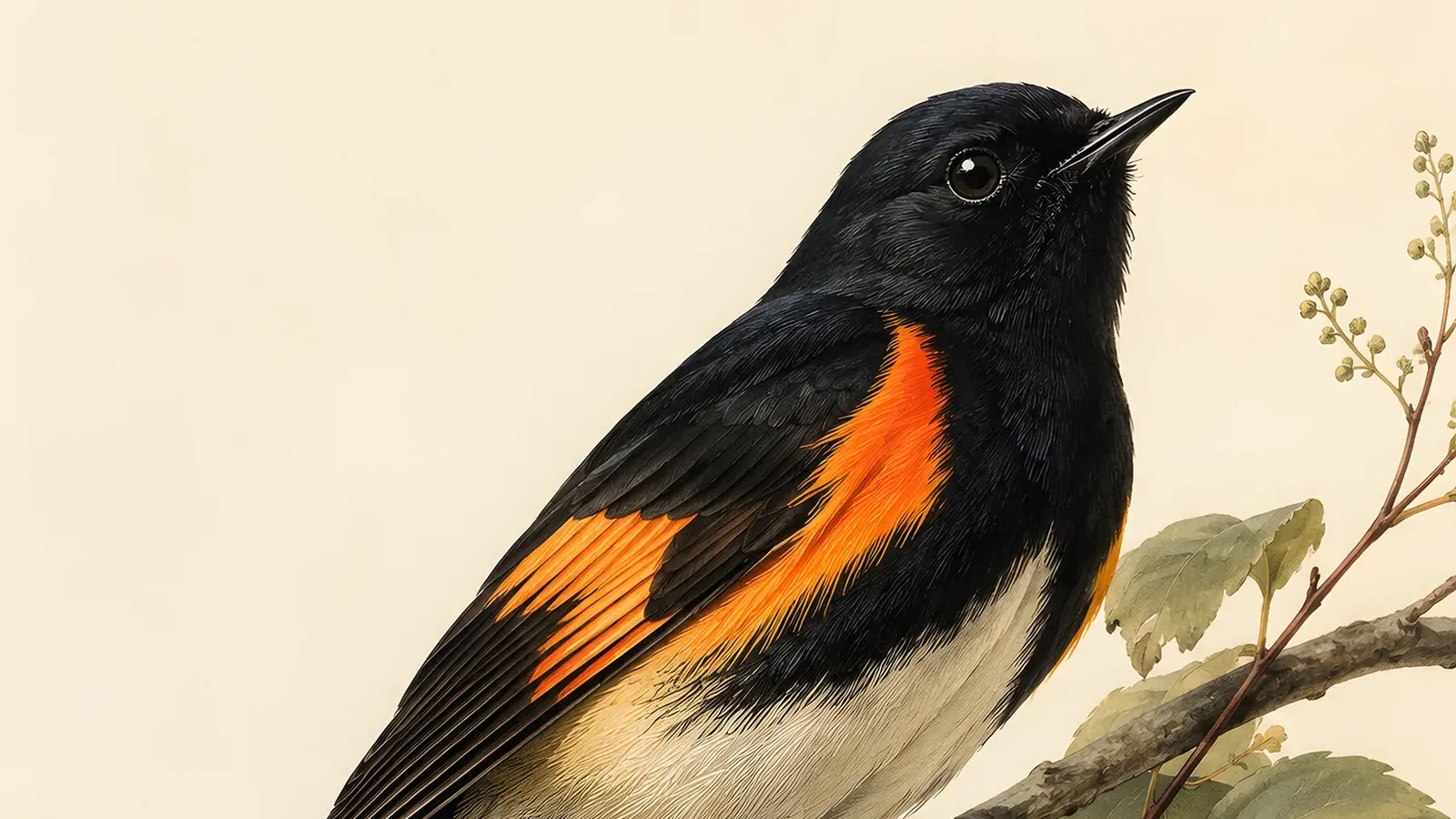
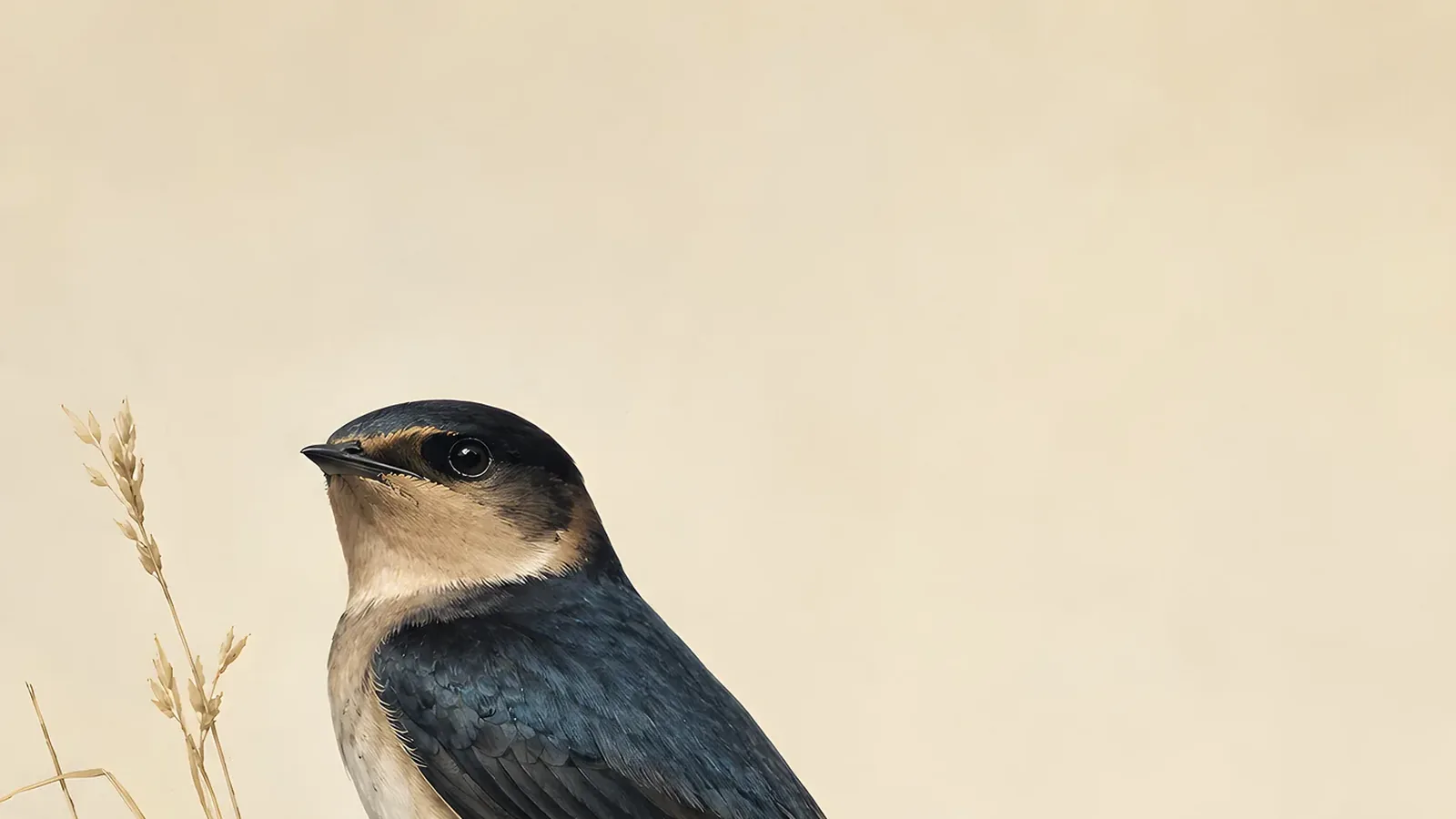
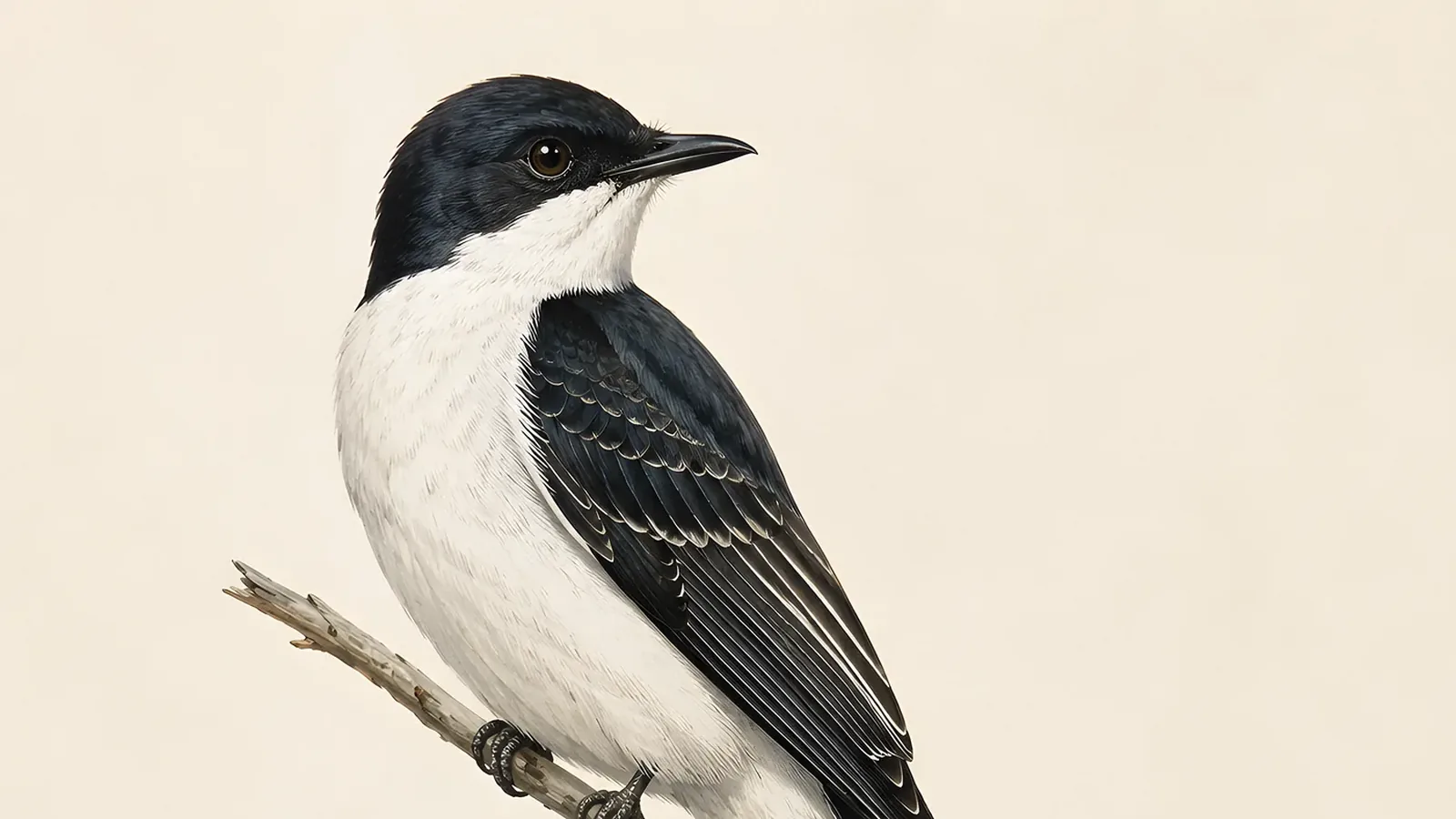
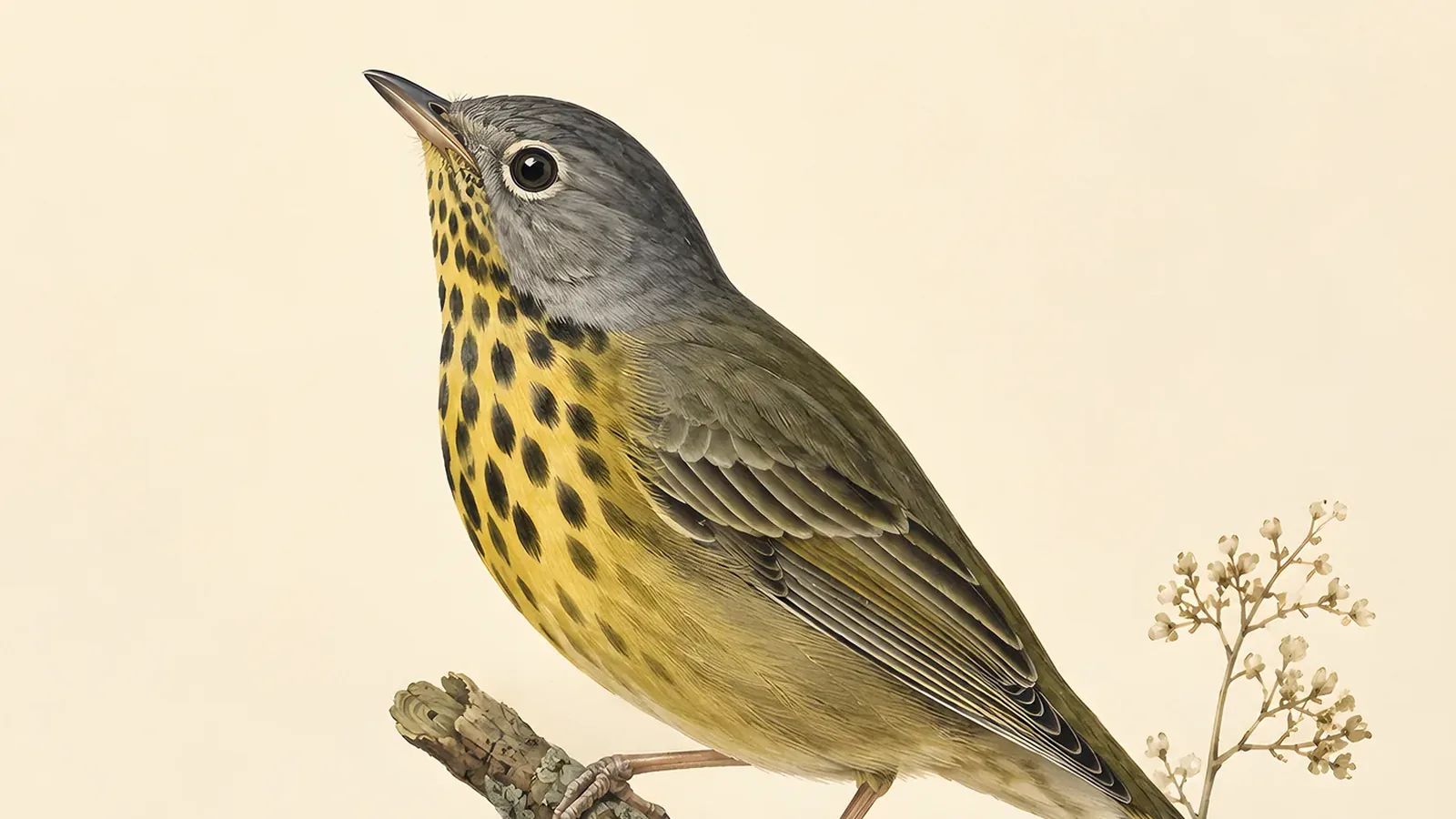
Warblers in fall migration define Block Island’s September birding. Young Yellow Warblers, Black-and-white Warblers, Common Yellowthroats, and American Redstarts congregate in the island’s thickets after over-flying the mainland. The rarer vagrant visitors - Cave Swallow, Fork-tailed Flycatcher, Connecticut Warbler - show up against this reliable migration backdrop. Audubon Society of Rhode Island notes that Block Island’s fall passage is one of the premier Atlantic coast migration events in New England.
Top backyard species
Rhode Island’s suburban and rural gardens sit within the range of a standard New England feeder set, with the coastal position adding a few species that don’t appear inland:
- American Robin (year-round; common on lawns and in hedgerows)
- Northern Cardinal (year-round at feeders)
- Black-capped Chickadee (year-round; the state lies firmly within Black-capped range)
- Tufted Titmouse (year-round)
- American Goldfinch (year-round; peaks at nyjer feeders in winter)
- House Finch (year-round)
- Downy Woodpecker (year-round)
- Mourning Dove (year-round)
- House Sparrow (year-round, introduced)
- Dark-eyed Junco (October through April at most feeders)
- White-throated Sparrow (October through April)
- Song Sparrow (year-round; eBird data show it as one of the most frequently reported species in the state)
- Baltimore Oriole (May through August; nests in tall deciduous trees near water)
- Cedar Waxwing (year-round in flocks, heavily present in autumn berry season)
Seasonal calendar
| Season | What is happening |
|---|---|
| Spring (Mar-May) | Osprey arrive from late March; shorebird migration along the South Shore in May; warblers pass through in the second half of May |
| Summer (Jun-Aug) | Piping Plover breeding on barrier beaches; Osprey raising young on bay structures; Baltimore Oriole nesting; Bobolink in meadow habitats at Trustom Pond |
| Autumn (Sep-Nov) | Block Island fall migration peaks in September and October; Sachuest Point winter seabirds arrive from November; hawk migration visible along coastal ridges |
| Winter (Dec-Feb) | Harlequin Duck and scoters at Sachuest Point; occasional Snowy Owl irruptions on open coastal ground; Bald Eagles along river corridors; large finch flocks in mast years |
Where to watch
Block Island National Wildlife Refuge - 11 miles offshore, accessible by ferry. The most species-rich location in the state by eBird data. Fall migration - September through mid-October - brings over 70 species of migratory songbirds through what amounts to less than 10 square miles of island. Peregrine Falcons hunt the migrants. Rare vagrants from the South American flyway appear most autumns.
Sachuest Point National Wildlife Refuge (Middletown) - the signature winter seabird site. Rocky headland trails with unobstructed Atlantic views. Harlequin Ducks from November; Common Eider, Long-tailed Duck, and scoters throughout winter; Purple Sandpipers on wave-washed rocks. One of the most reliable sites for Harlequin Duck in southern New England.
Trustom Pond National Wildlife Refuge (South Kingstown) - the state’s most varied single habitat. Coastal pond, scrubby woodland edge, and open fields produce over 300 recorded species. Spring Osprey nesting, summer Bobolink meadows, fall shorebirds on mud exposures, winter duck rafts. The Rhode Island Audubon Society identifies it among the state’s top five sites.
Great Swamp Management Area (South Kingstown) - the largest freshwater wetland in the state. Wood Duck, Great Blue Heron, and American Bittern breed here. Winter harriers work the edges. The Swamp is a reliable site for early spring waterfowl before the coastal birds scatter to their nesting grounds.