State Guide
Birds of Hawaii
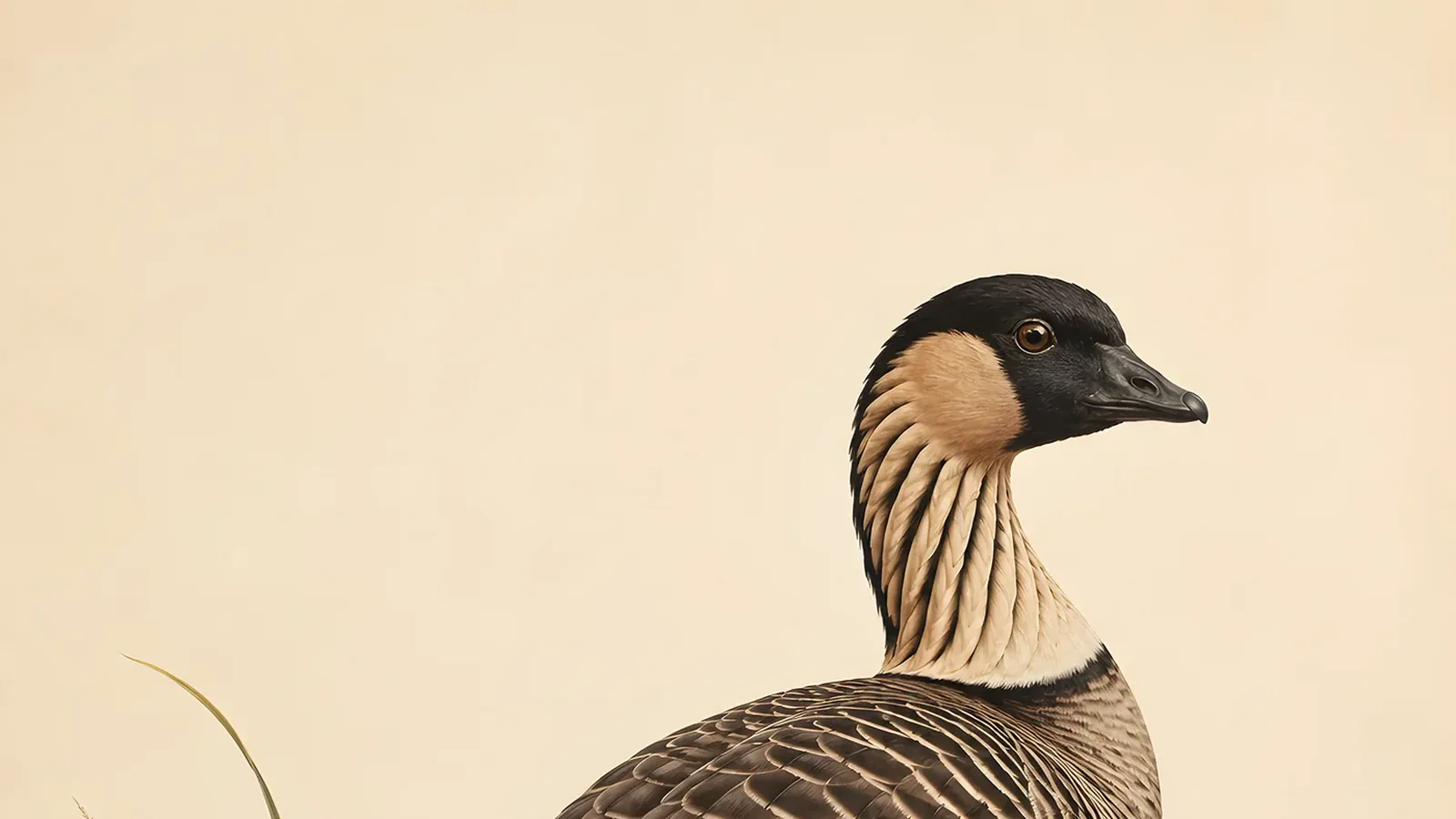
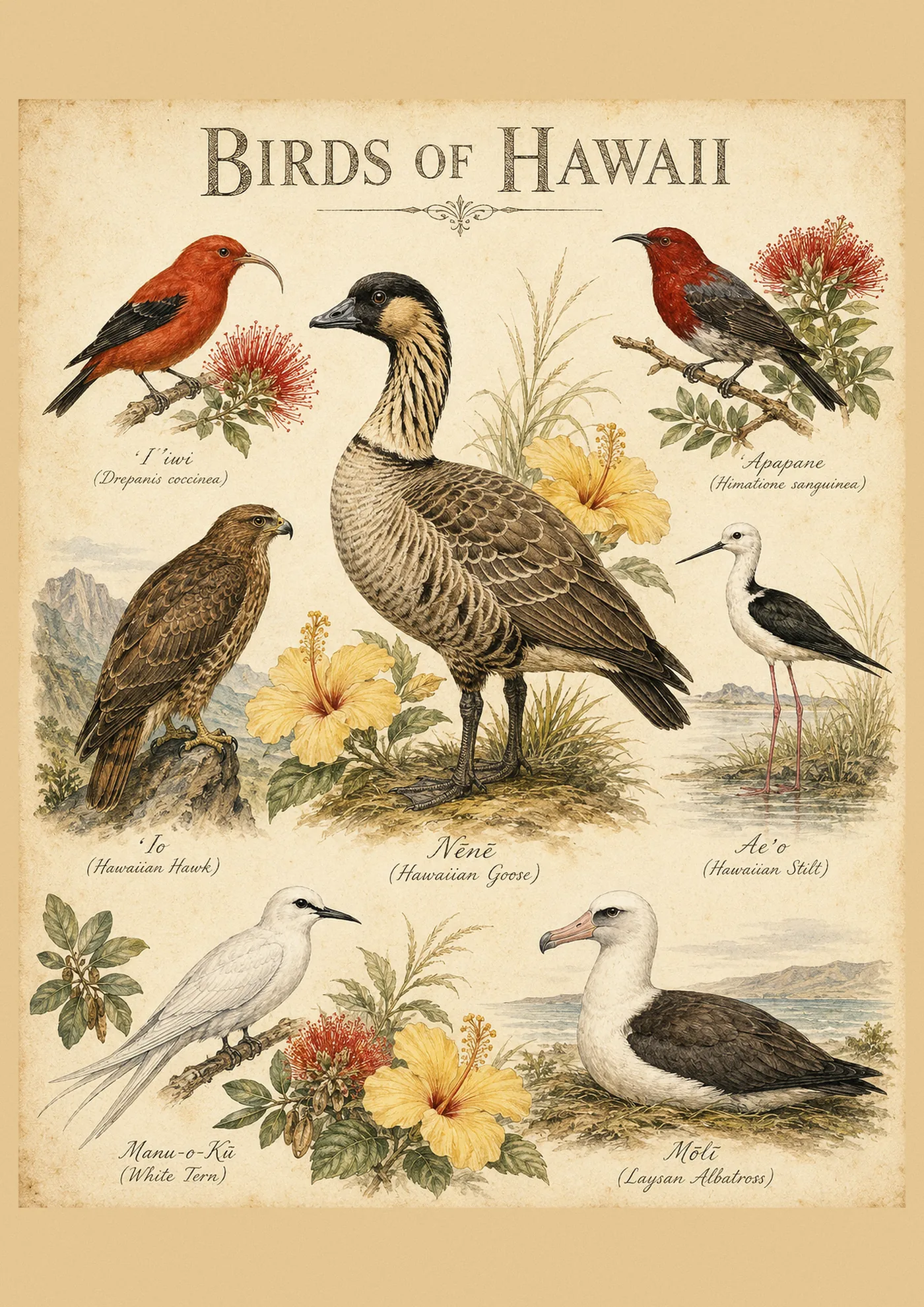
On May 7, 1957, the Hawaii Territorial Legislature designated the Nene (Branta sandwicensis) as the official bird of the state - two years before Hawaii was admitted to the union. The timing was not coincidental. At that point, the world’s entire wild Nene population had been reduced to roughly 30 birds, all on the slopes of Mauna Loa and Mauna Kea. The designation was, among other things, a declaration that the bird still mattered.
The Nene is a goose. It is descended from Canada Goose ancestors that arrived in Hawaii roughly 500,000 years ago and evolved over millennia away from standing water, developing reduced webbing between its toes and longer, stronger legs for walking volcanic terrain. By the 1950s, hunting, habitat conversion, and predation by introduced mongooses, feral cats, and pigs had driven the species to the edge. A captive breeding programme began in 1949 at the Wildfowl and Wetlands Trust in Slimbridge, England. Reintroductions to Haleakala National Park on Maui began in 1962. Today, according to Hawaii’s Division of Forestry and Wildlife, several thousand Nene move across the Big Island, Maui, Kauai, Molokai, and Oahu. In 2019 the US Fish and Wildlife Service downlisted the species from endangered to threatened on the federal list, though Hawaii state authorities continue to treat it as endangered.
The state’s signature species
Hawaii is not simply a US state with birds. It is the most isolated island chain on Earth, and its bird life evolved accordingly. The Hawaii Birds Records Committee lists approximately 340 species on the official state checklist, with around 113 endemics - a proportion found nowhere else in North America.
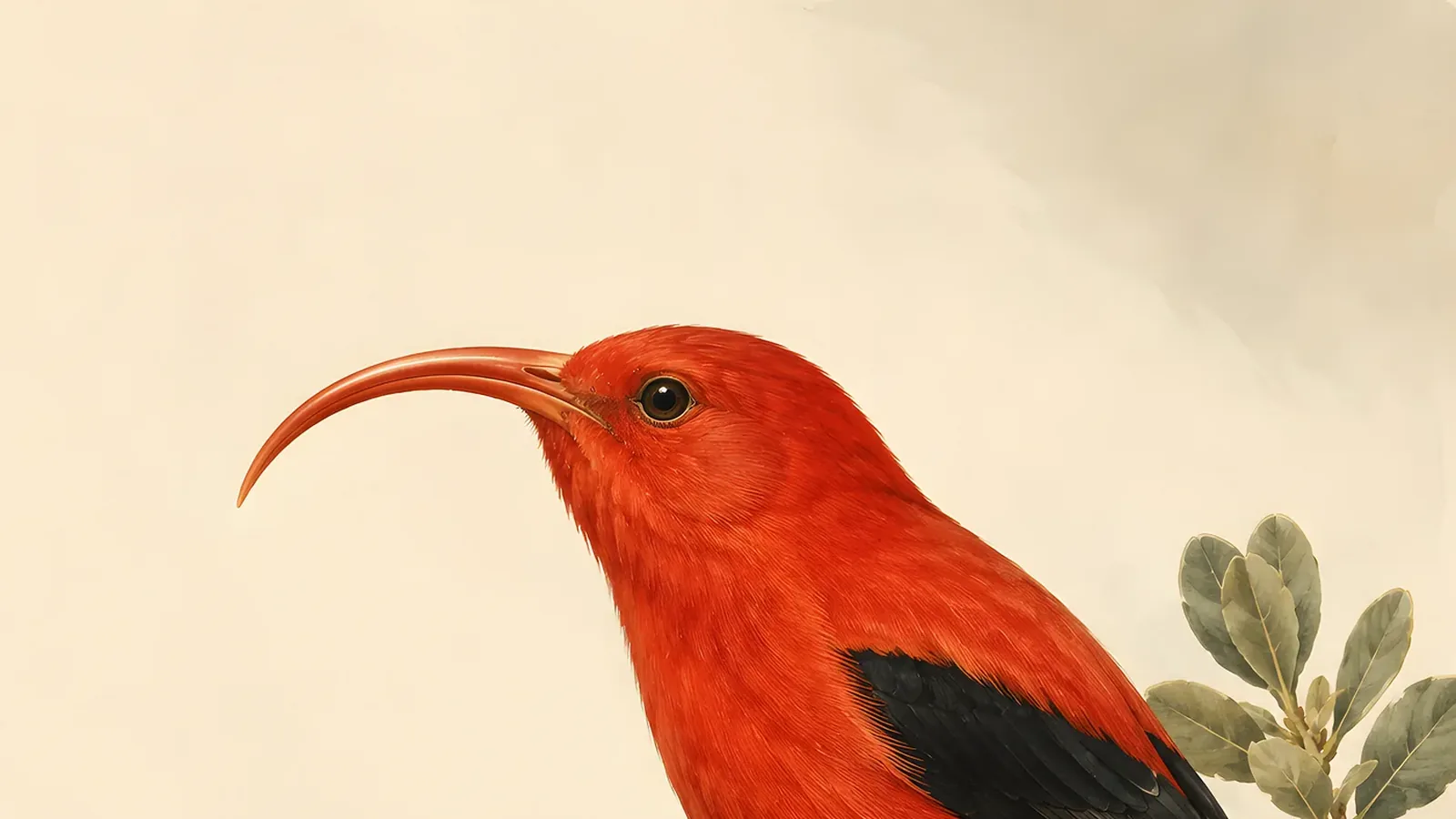
Hawaiian Honeycreepers are the archipelago’s defining radiation, a family of finch-like birds that diversified from a single finch ancestor into scores of species filling every forest niche. Many are now extinct; several more are critically endangered. The ones a birder can still find include the ‘Apapane (Himatione sanguinea), a crimson-and-white bird that is the most abundant honeycreeper on the islands, audible in ohia-lehua forest across the Big Island and Maui. The ‘I’iwi (Drepanis coccinea), scarlet with a long decurved bill shaped for lobelia flowers, was listed as threatened in 2017 as avian malaria and introduced mosquitoes pushed its range higher in elevation. Both species can be found reliably at Hakalau Forest National Wildlife Refuge, which the US Fish and Wildlife Service established in 1985 on the windward slopes of Mauna Kea - the first national wildlife refuge in the country created specifically for forest birds.
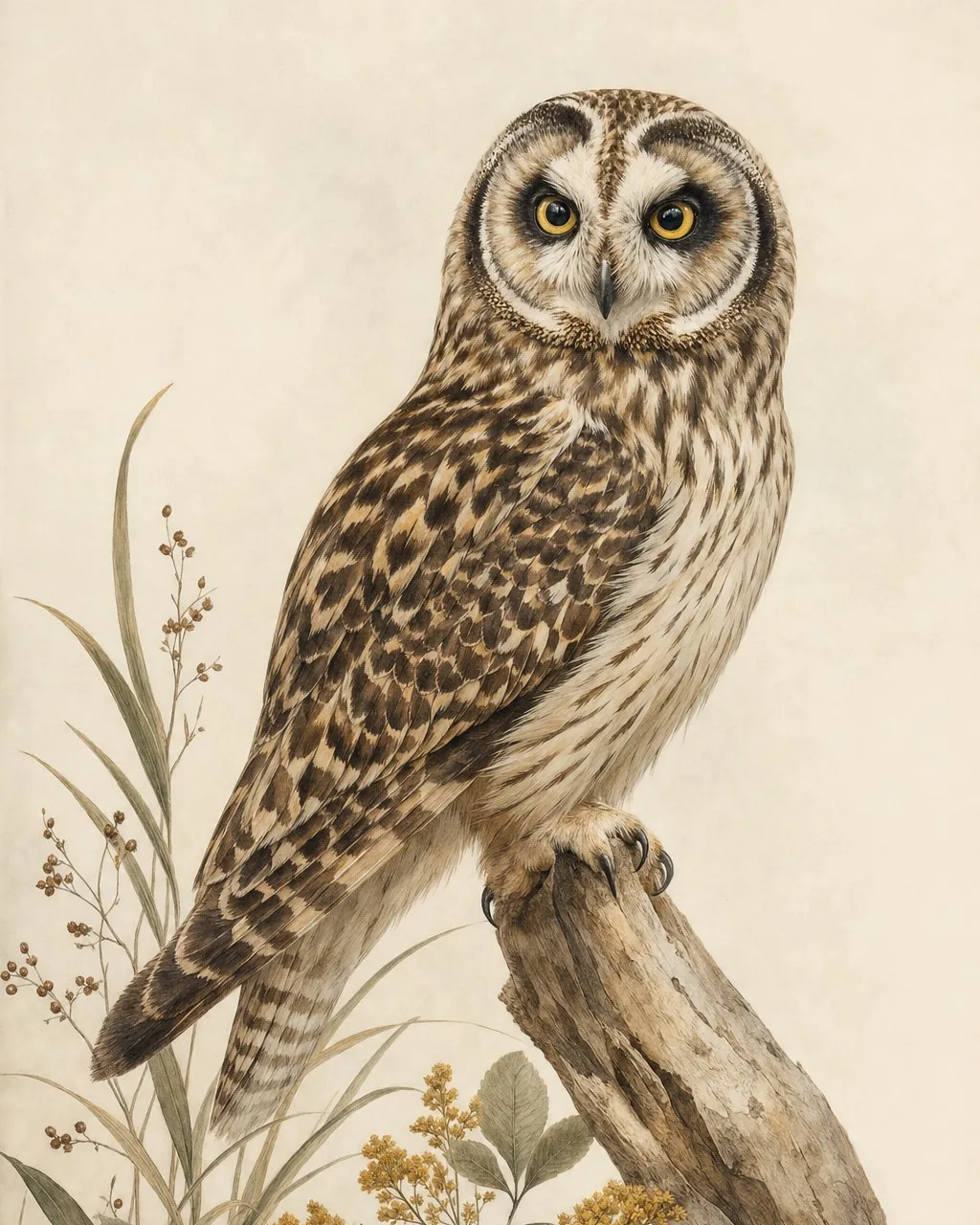
Pueo (Asio flammeus sandwicensis), the Hawaiian Short-eared Owl, is a subspecies that evolved here and holds a place in Hawaiian culture as an ‘aumakua, or ancestral guardian spirit. It hunts by day across open grassland, lava fields, and agricultural land on all the main islands. It is not the Barn Owl, which was introduced to Hawaii in 1958 as rodent control and is now common; the Pueo is smaller, buff-brown, and flies low over the ground in the afternoon light.
Koloa Maoli (Anas wyvilliana), the Hawaiian Duck, is an endangered endemic dabbling duck now mostly confined to Kauai’s wetlands, where it can be seen on taro ponds and river mouths. Hybridisation with introduced Mallards - which arrived via deliberate releases - poses a persistent threat to the gene pool.
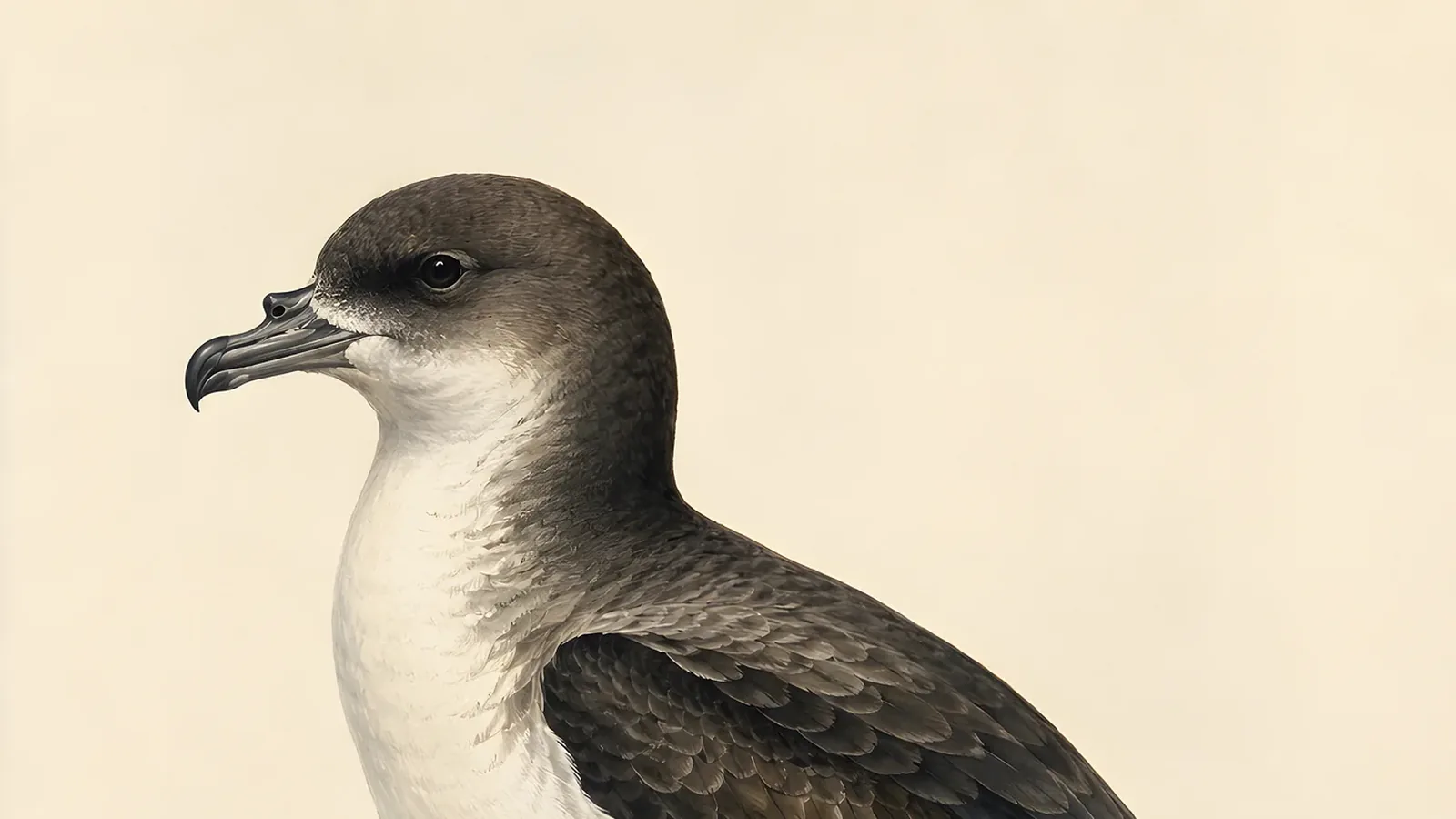
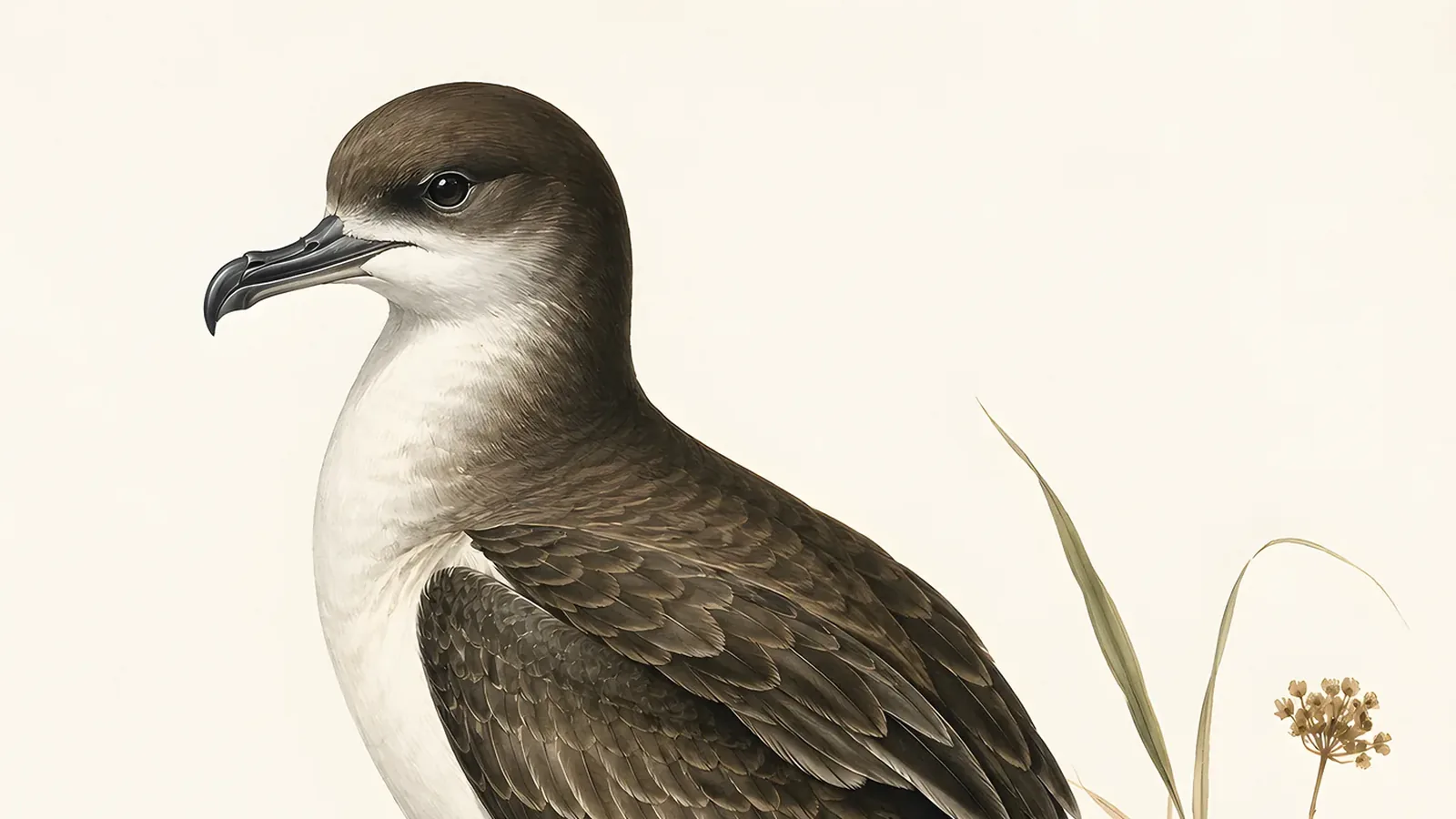
Hawaiian Petrel (Pterodroma sandwicensis) and Newell’s Shearwater (Puffinus newelli) are the state’s open-ocean breeders, nesting in burrows on high volcanic slopes and ranging across the Pacific. They return to their colonies at night, and on Kauai between June and October their eerie wailing calls carry down from the ridgelines above Kokee State Park.
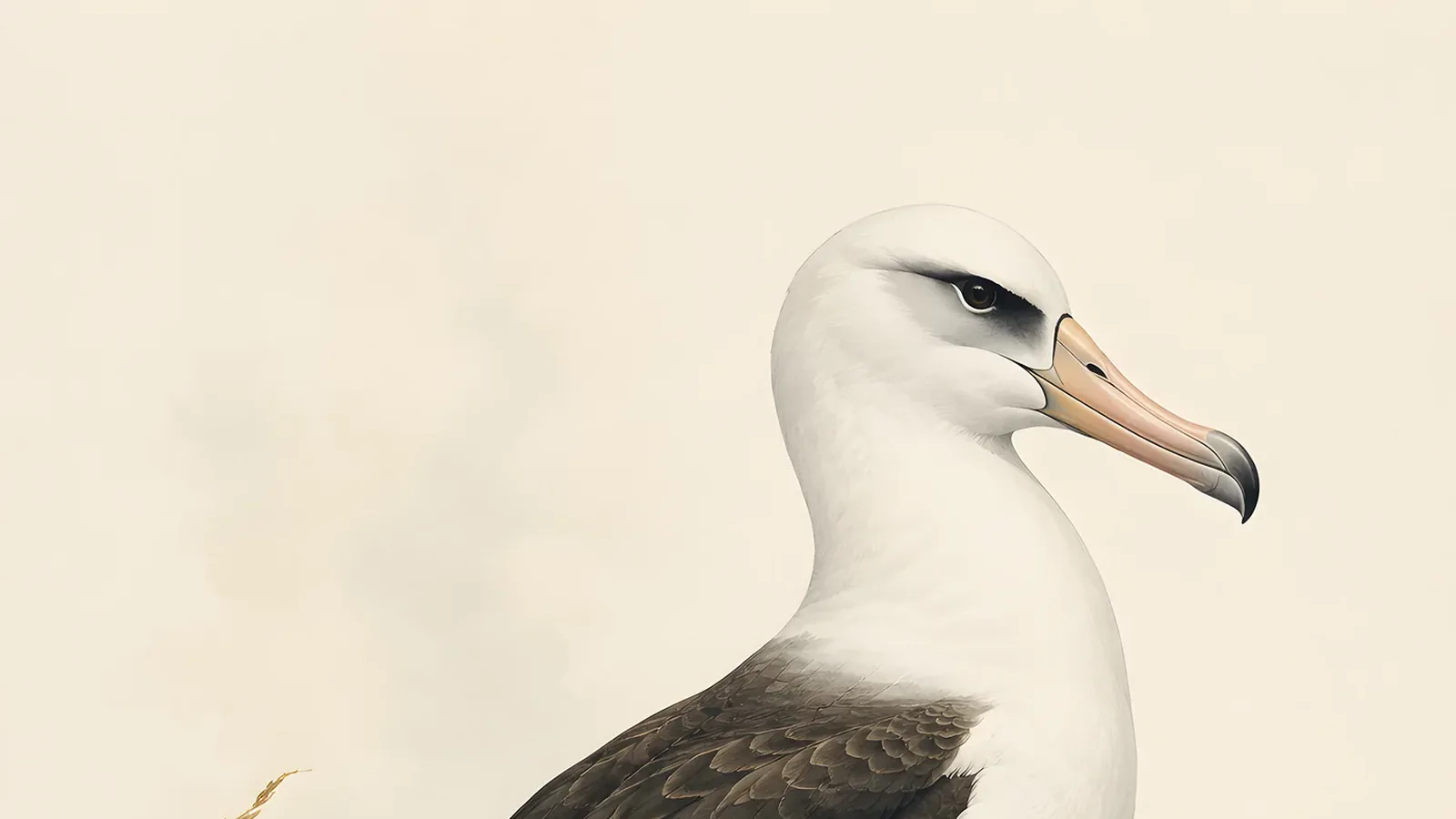
Laysan Albatross (Phoebastria immutabilis) nests on the Northwestern Hawaiian Islands in enormous numbers and visits the main-island coasts. At Kilauea Point National Wildlife Refuge on Kauai’s north shore, albatrosses breed on the clifftop grassland within metres of the lighthouse, and their courtship dances - elaborate, unhurried, performed by birds that will not breed for the first time until they are seven or eight years old - are visible from the visitor path.
Top backyard species
Hawaii’s suburban and garden birds are almost entirely introduced. The most frequent include:
- Common Myna (Acridotheres tristis) - introduced from India in 1865 for pest control, now the dominant open-country bird on every island
- Japanese White-eye (Zosterops japonicus) - introduced in 1929, now one of the most abundant birds in the state
- Zebra Dove (Geopelia striata) - introduced in 1922, ubiquitous on lawns and near restaurants
- Spotted Dove (Spilopelia chinensis) - introduced in the late 1800s from Asia, larger than the zebra dove
- Red-crested Cardinal (Paroaria coronata) - a South American bird with a striking red head, introduced to Oahu, now widespread
- Northern Cardinal (Cardinalis cardinalis) - introduced to Hawaii in the 1920s, common in suburban gardens
- House Finch (Haemorhous mexicanus) - introduced and common at feeders
- Java Sparrow (Lonchura oryzivora) - originally from Indonesia, now established on several islands
- Mallard - present on ponds and golf courses, where its hybridisation with the endangered Koloa Maoli is a documented conservation problem
Native waterbirds in residential areas include the Hawaiian Coot (Fulica alai) and Hawaiian Moorhen (Gallinula galeata sandvicensis), both of which use wetland parks and taro fields close to towns.
Where and when to watch
Hakalau Forest National Wildlife Refuge (Big Island, windward Mauna Kea, 1,500-2,000 m elevation) is the most reliable site in the state for multiple honeycreeper species in a single visit. Access is by permit or guided tour, but on a good morning at Hakalau it is possible to encounter 10 or more Hawaiian endemic species including ‘Apapane, ‘I’iwi, Hawaii ‘Amakihi, and the scarce ‘Akiapola’au. eBird data consistently show this refuge as the top site in Hawaii for native forest birds.
Kilauea Point National Wildlife Refuge (Kauai, north coast) offers the best seabird watching on the main islands. Laysan Albatross breed on the point. Wedge-tailed Shearwater, White-tailed Tropicbird, and Red-footed Booby nest on the cliffs. Nene walk the visitor path year-round. The US Fish and Wildlife Service notes the point is one of the few places in the world where a visitor can observe nesting albatross within walking distance from a paved car park.
Hawaii Volcanoes National Park (Big Island, from sea level to 4,000 m) spans an elevation range that moves from coastal lava fields to subalpine shrubland. Nene are regularly encountered on the Crater Rim Drive. The Thurston Lava Tube area holds ‘Apapane and ‘Omao at forest elevation. The park’s mix of native and degraded habitat makes it the most accessible Big Island site for a first-time visitor seeking endemic species.
Kokee State Park (Kauai, above Waimea Canyon, 1,100-1,500 m) is the best site on Kauai for forest endemics, including the threatened Puaiohi and the Anianiau. Kokee is widely regarded as ranking among the finest birding sites in Hawaii. The access road up through Waimea Canyon adds Nene on the grassland verges and a reasonable chance of Pueo quartering the open slopes.
The practical seasonal window: October through April, when native forest birds are most vocal and the Nene are on nesting territory. Seabirds at Kilauea Point are most active May through September, when tropicbirds and shearwaters are feeding chicks.
The conservation arithmetic in Hawaii is unlike anywhere else in the United States. More than a quarter of all bird species listed under the Endangered Species Act are Hawaiian. Every visit to a site like Hakalau or Kokee is, in a small way, an argument for why the refuges that protect them should exist. The Nene was brought back from 30 birds. The question the state’s remaining endemic species put to a birder is whether that recovery was the beginning of a method or the last time it worked.