State Guide
Birds of Georgia
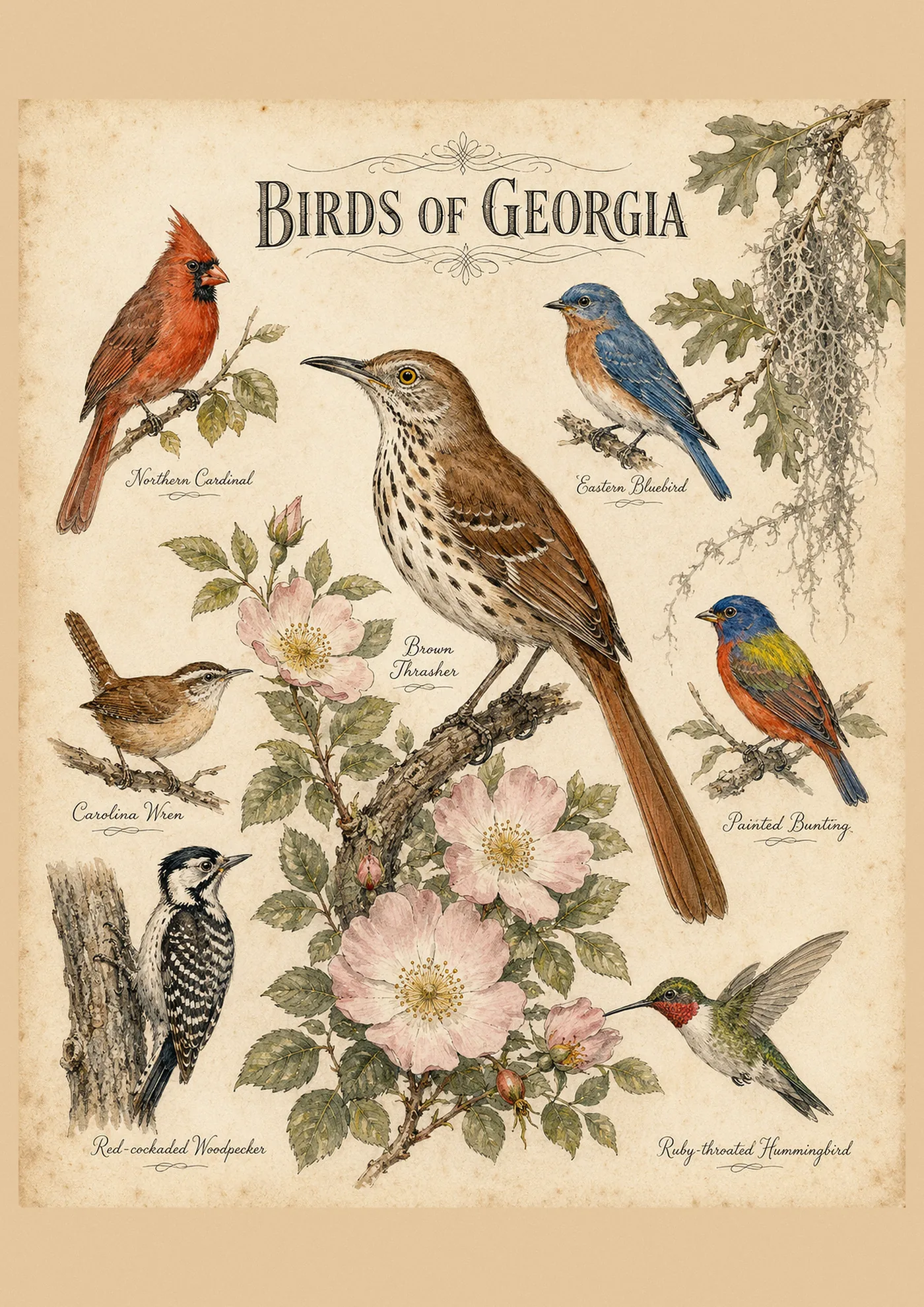
Georgia’s state bird was chosen twice. In 1935, Governor Eugene Talmadge proclaimed the Brown Thrasher (Toxostoma rufum) the official bird by executive declaration. Then nothing happened for 35 years. It took the Garden Clubs of Georgia to finish the job: at their urging, the General Assembly passed Joint Resolution No. 128, which the governor signed on March 20, 1970, making the designation stick in law. The Bobwhite Quail was named the state game bird in the same resolution.
The choice holds up. The Brown Thrasher is, by one widely cited measure, the most accomplished singer in North America. Cornell’s All About Birds documents more than 1,100 distinct song types in a single bird’s repertoire - well above the Northern Mockingbird’s catalogue. The thrasher sings in doubled phrases, each phrase distinct, the whole performance sometimes running uninterrupted for several minutes from a high shrub or fence post. It is not mimicry in the mockingbird sense; the thrasher’s phrases are original compositions, not borrowed calls. Georgia chose a bird that earns the state’s attention every time it opens its beak.
Signature species
Georgia’s geography does the work. The state stretches roughly 500 km from the Blue Ridge Appalachians in the north to the Atlantic barrier islands in the southeast, passing through Piedmont hardwoods, coastal plain pine savanna, and the largest blackwater swamp in North America. Each zone carries its own birds.
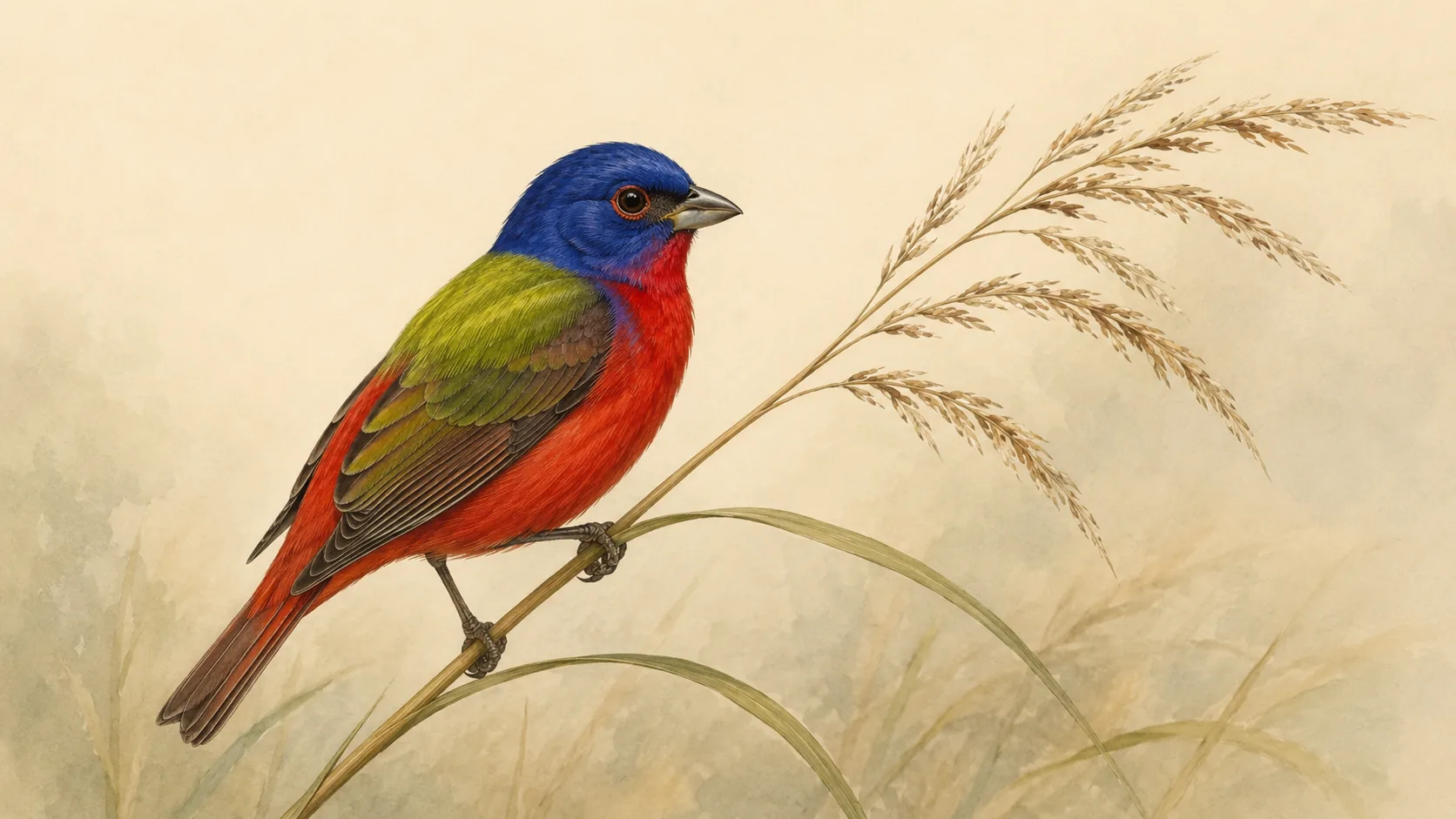
Painted Bunting (Passerina ciris) is the coast’s most-sought species. The eastern breeding population is restricted to a narrow coastal strip from North Carolina to northern Florida, and Georgia sits at the centre of it. Males are unmistakable - blue head, red underparts, green back - and they nest in the dense maritime thickets of the sea islands from late April through July. Population trends on the Georgia coast have declined as development fragments the thicket habitat Cornell’s All About Birds identifies as their core breeding requirement.
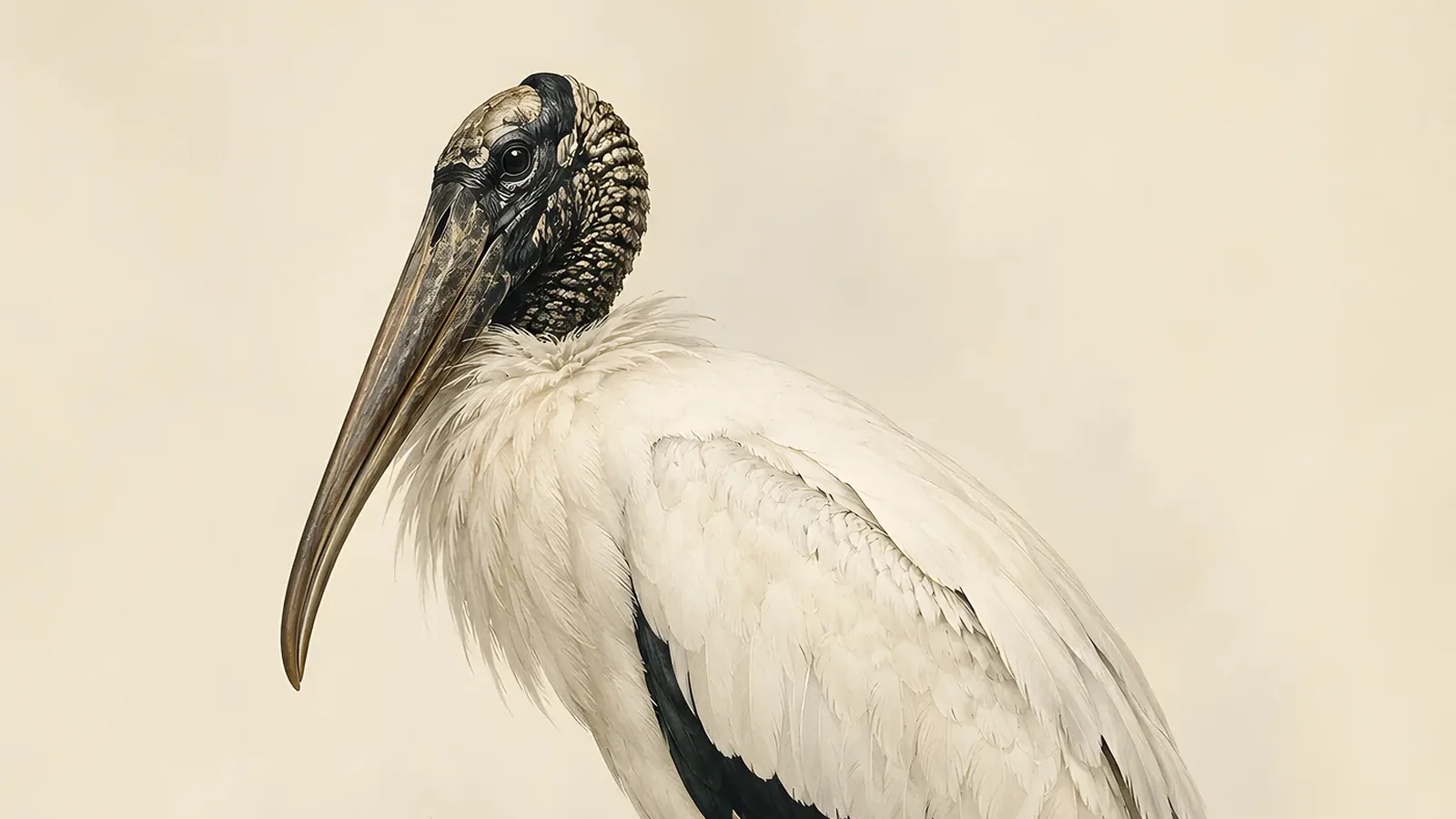
Wood Stork (Mycteria americana) is the large wading bird that defines Georgia’s coastal-plain nesting colonies. Harris Neck National Wildlife Refuge in McIntosh County holds the largest Wood Stork colony in the state, centred on Woody Pond. Nesting begins in late February, chicks fledge by August, and the colony can be observed from the refuge road with a spotting scope. The species was listed as threatened under the Endangered Species Act and remains so; seeing a nesting colony at Harris Neck is one of the more vivid experiences in southeastern birding.
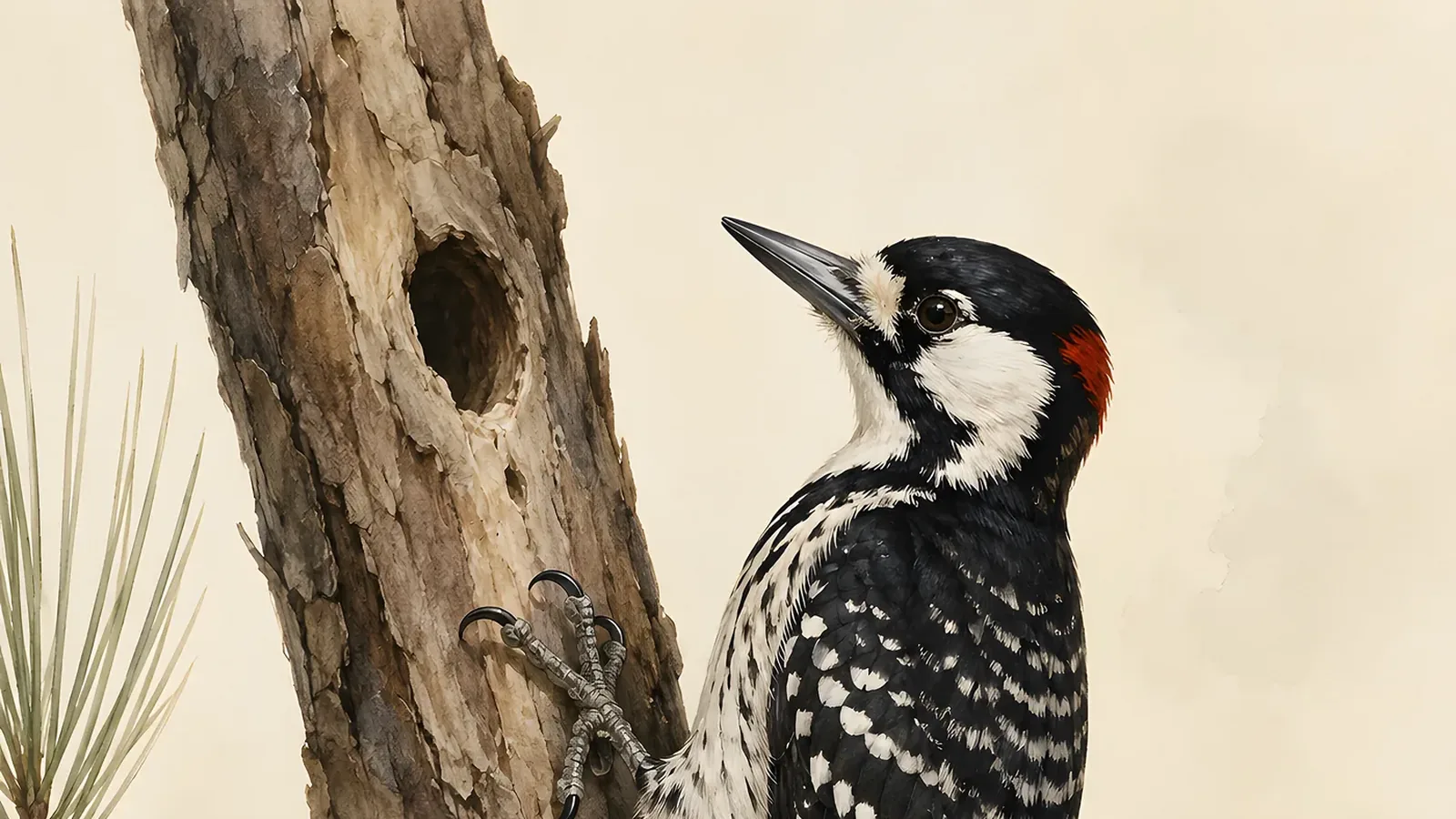
Red-cockaded Woodpecker (Dryobates borealis) is the bird that defines what Georgia has lost and what it is slowly recovering. The species depends on mature longleaf pine - old-growth trees with heartwood soft enough for excavation - and Georgia has lost an estimated 97 per cent of its longleaf forest over the past 150 years. Roughly 3,000 birds remain in the state today, concentrated at Okefenokee National Wildlife Refuge, Fort Stewart, and the private quail plantations around Thomasville. The U.S. Fish and Wildlife Service downlisted the species from endangered to threatened in 2024, citing recovery progress across 11 southeastern states. In Georgia, that progress is real but fragile.
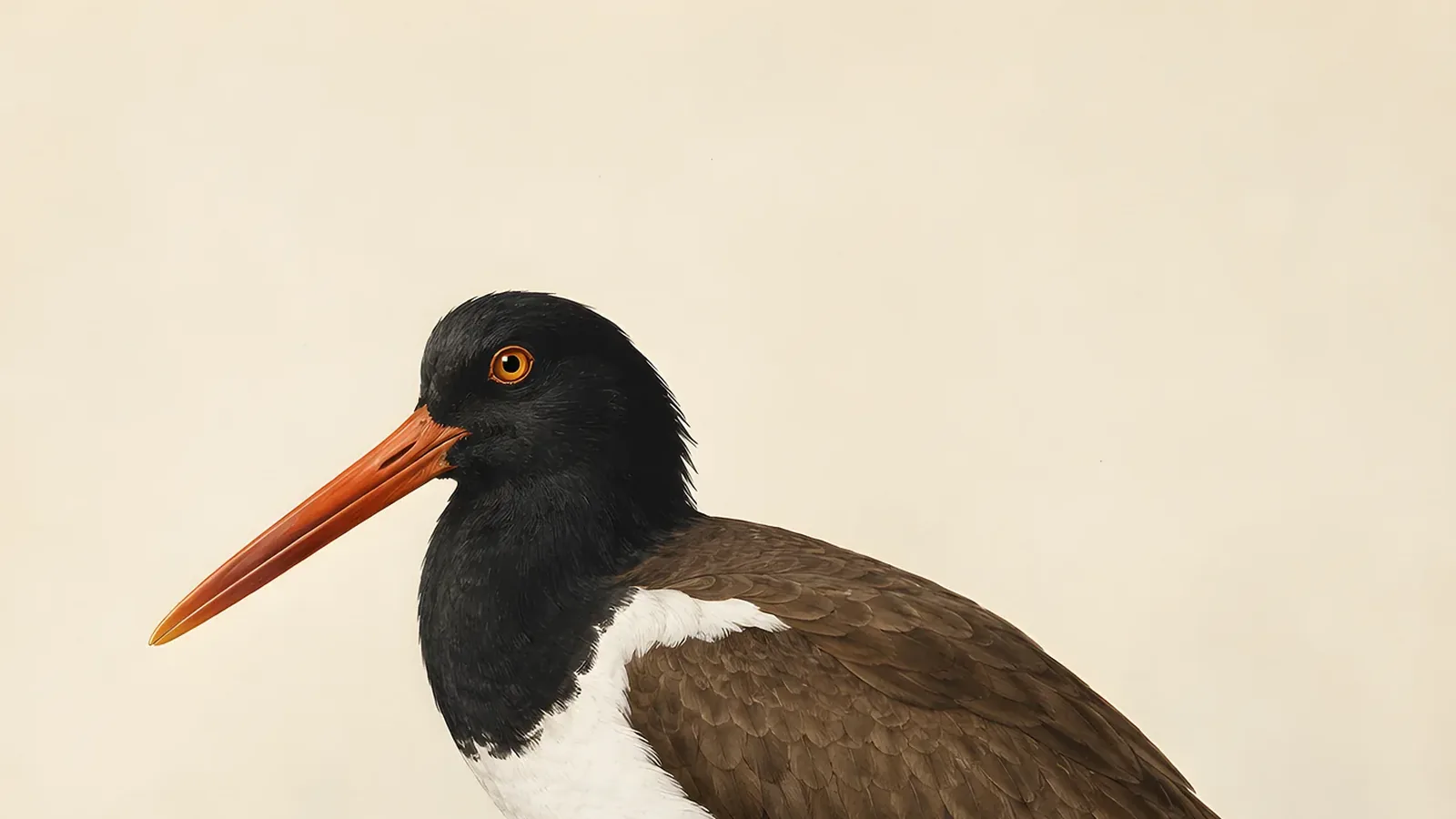
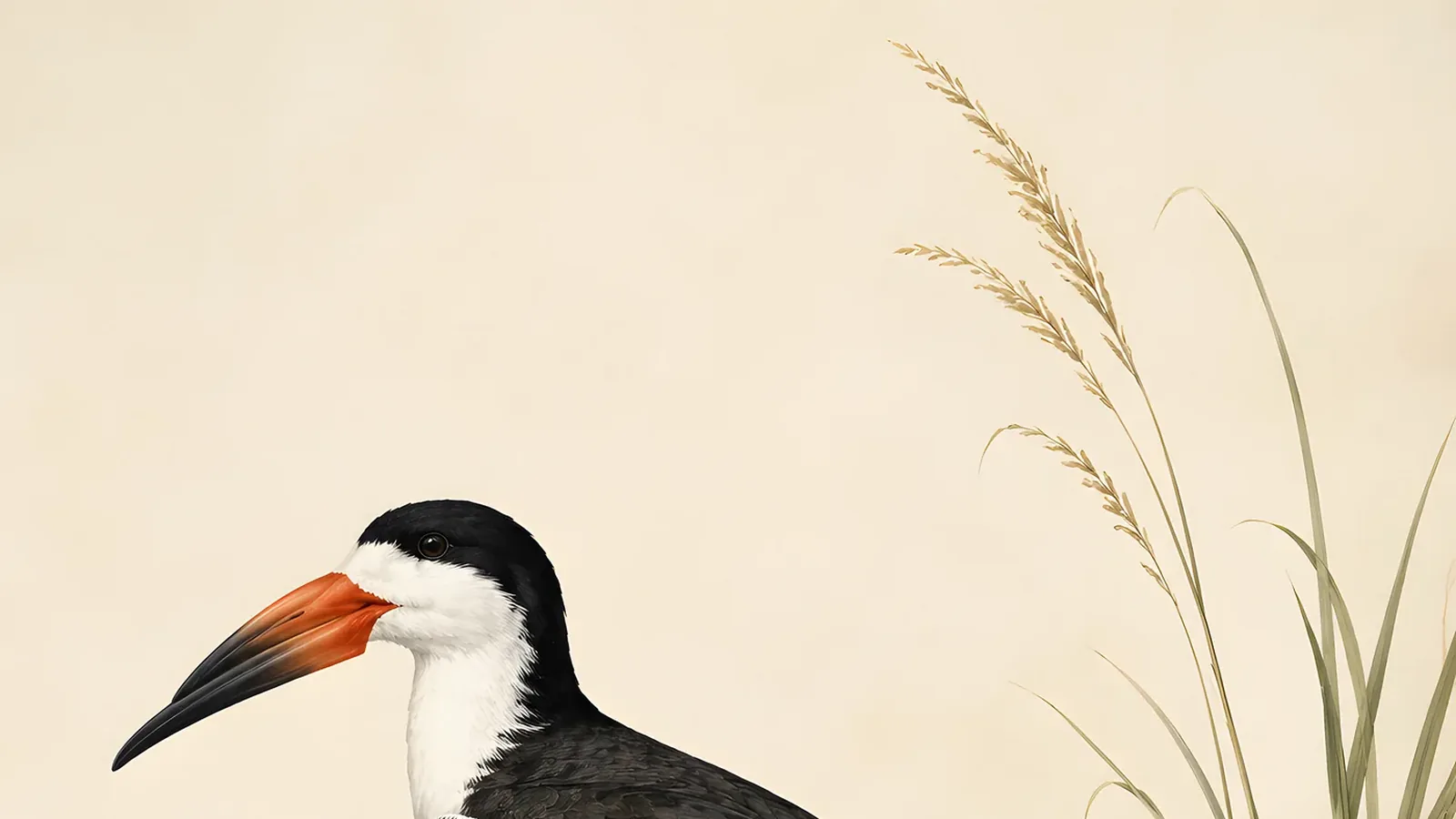
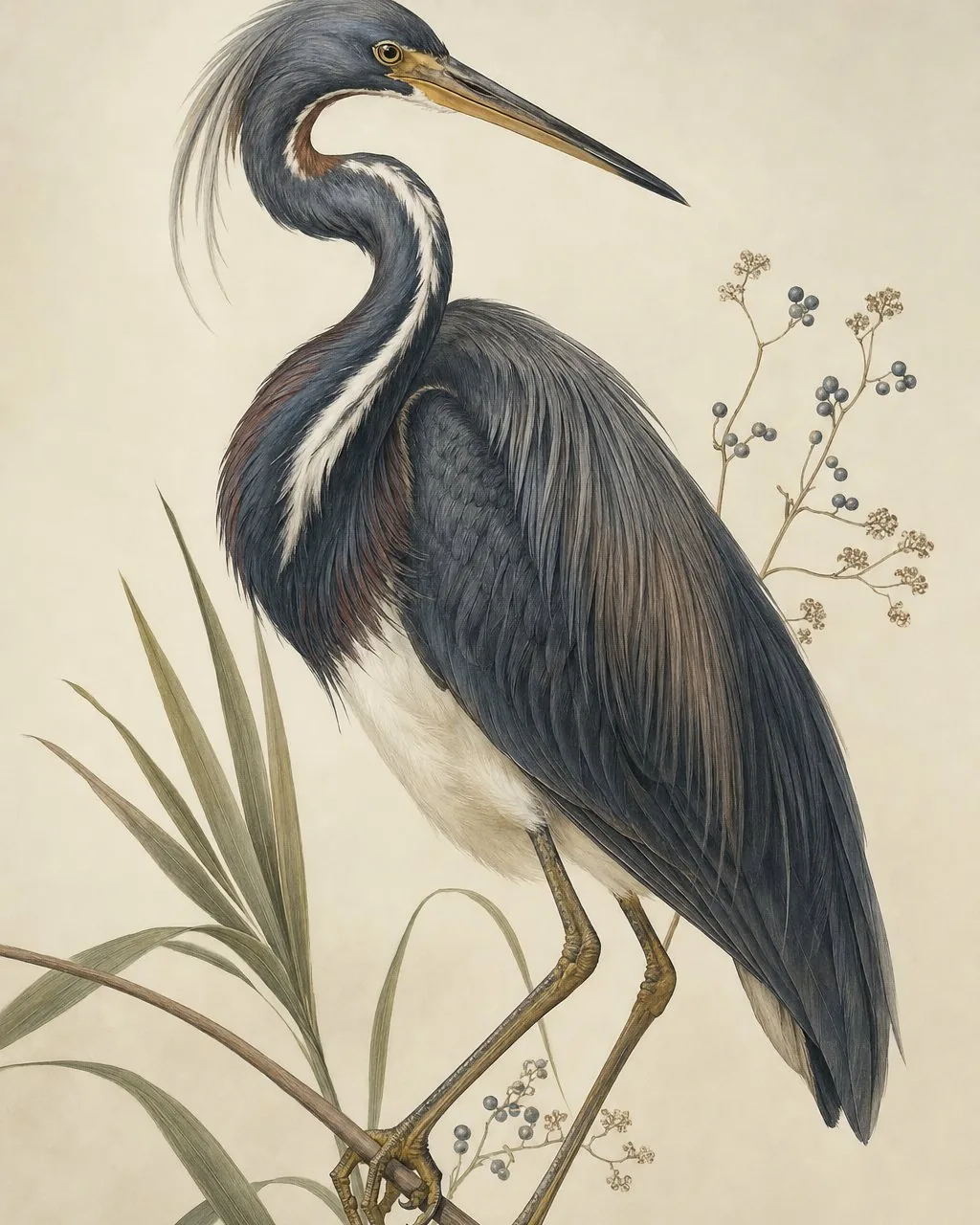
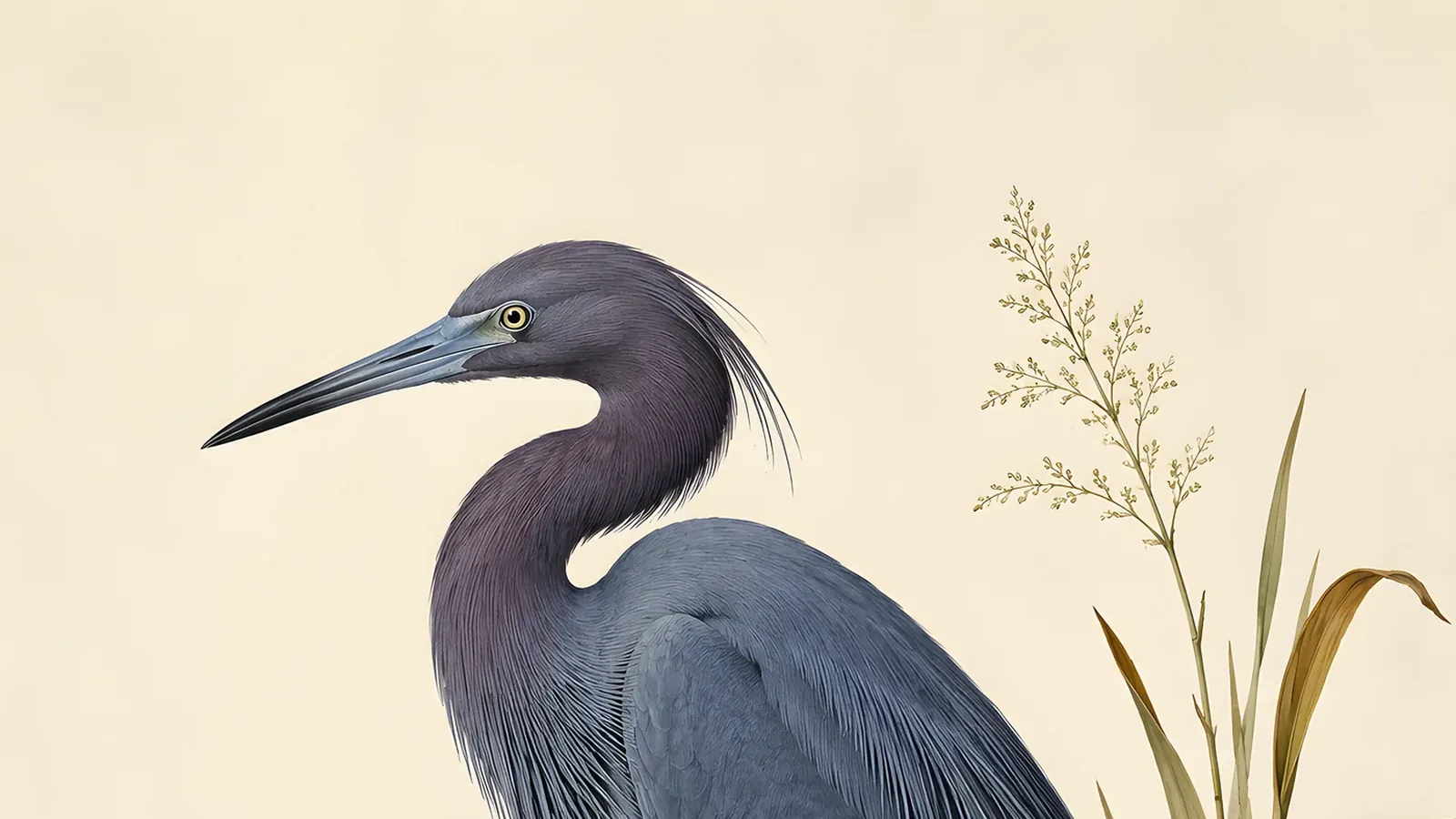
Painted Bunting aside, the coast’s signature waders include the American Oystercatcher, Black Skimmer, and nesting colonies of Tricolored Heron and Little Blue Heron alongside the Wood Storks at Harris Neck - 342 species have been recorded on that single refuge.
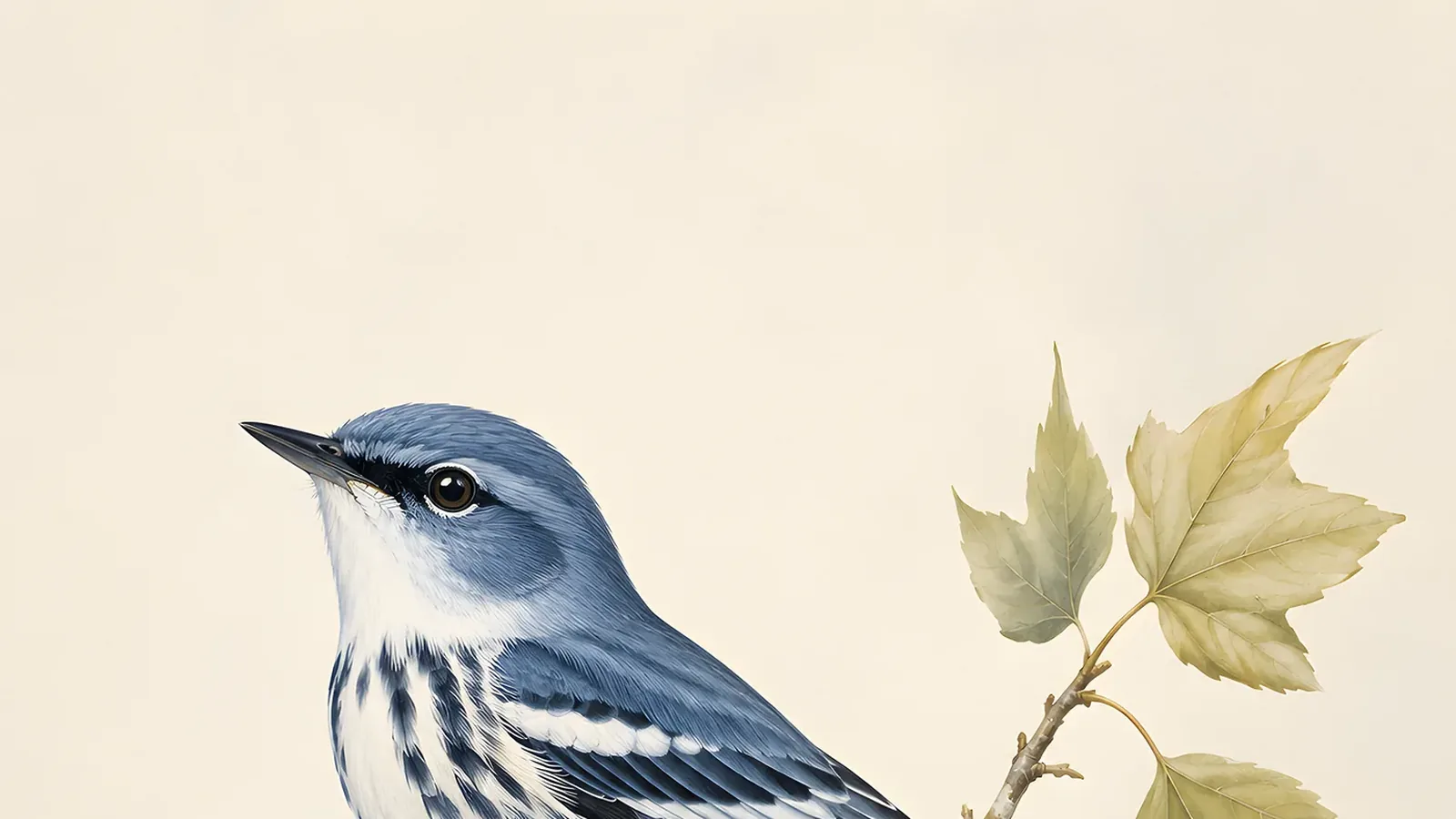
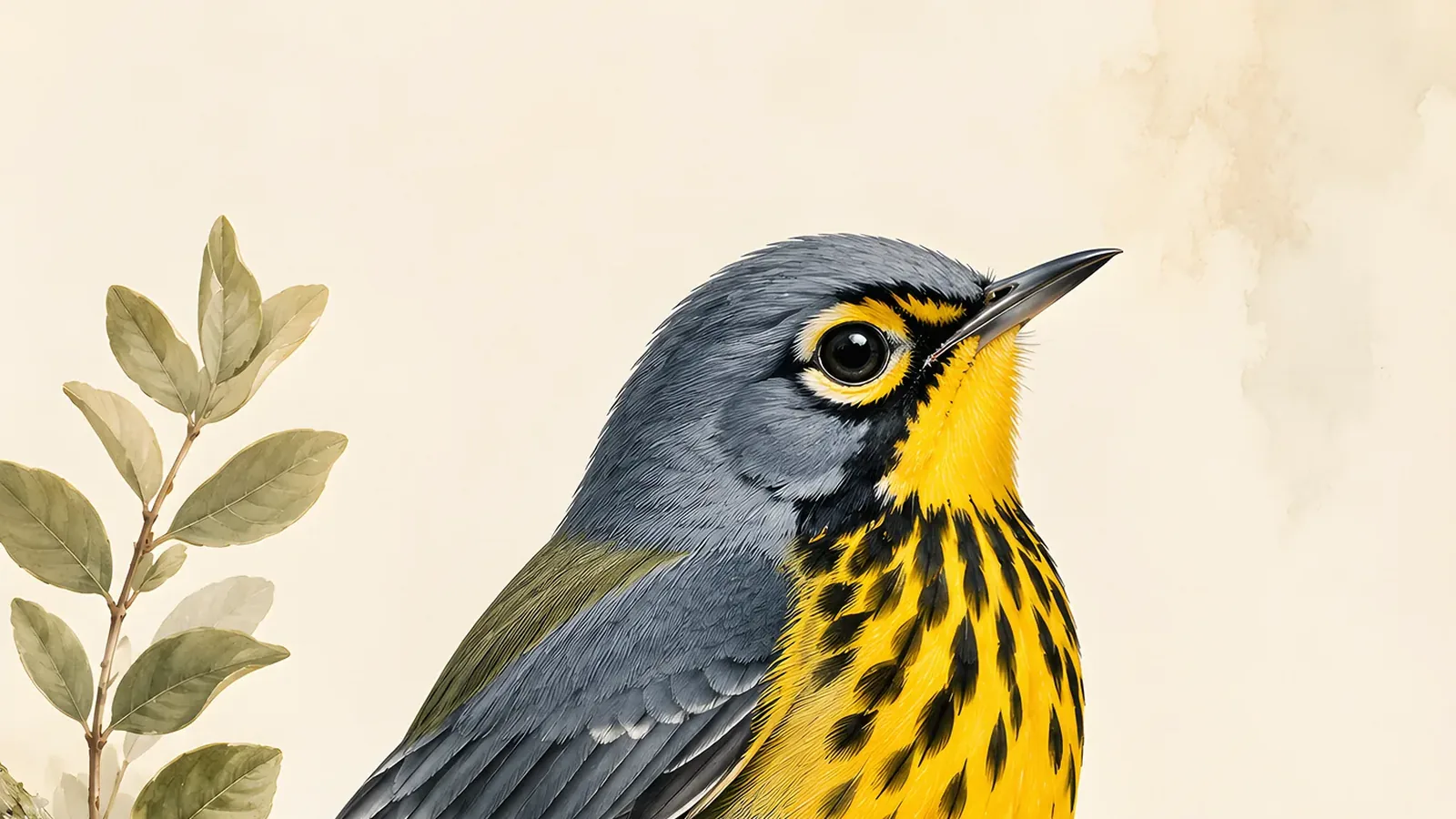
In the Blue Ridge, Cerulean Warbler and Canada Warbler nest in mature cove hardwoods on the upper slopes. These are the same Appalachian breeding specialists found across the mountain chain into Virginia and West Virginia - but in Georgia they are at the southern anchor of that range.
Backyard species
A typical Georgia suburban garden across the Piedmont and coastal plain:
- Northern Cardinal (year-round, abundant)
- Carolina Wren (year-round; Georgia holds some of the densest populations in the country)
- Northern Mockingbird (year-round; aggressive, territorial, conspicuous in every season)
- Eastern Bluebird (year-round; nests readily in nest boxes)
- Ruby-throated Hummingbird (April through October)
- Tufted Titmouse (year-round)
- Carolina Chickadee (year-round; replaces Black-capped Chickadee south of the transition zone, which runs through northern Georgia)
- Brown-headed Nuthatch (year-round; a pine-forest specialist common in Georgia, less so further north)
- Red-bellied Woodpecker (year-round)
- Downy Woodpecker (year-round)
- Mourning Dove (year-round)
- American Goldfinch (winter visitor in the north, year-round in parts of the south)
- House Finch (year-round)
- Brown Thrasher (year-round; more common as a breeding bird than a winter feeder visitor)
Where and when to watch
Okefenokee National Wildlife Refuge (Charlton and Ware counties) is the centrepiece. Over 402,000 acres of cypress swamp, wet prairie, and open water support more than 230 bird species. Sandhill Cranes winter here by the thousands. Anhingas, herons, and ibis nest in the cypress colonies through spring. The refuge is accessible by canoe along designated wilderness trails or by the boardwalk at the Okefenokee Swamp Park entrance near Waycross.
Harris Neck National Wildlife Refuge (McIntosh County, 1 hour south of Savannah) offers the best single-site wading bird spectacle in the state. The 4-km auto tour passes freshwater impoundments and salt marsh, and Woody Pond holds the Wood Stork colony as well as Tricolored Herons, Little Blue Herons, White Ibis, and Anhingas from late winter through summer. 342 bird species have been recorded on the refuge.
Jekyll Island holds the highest species total of any single site in Georgia - the Audubon Society’s article on Georgia birding cites over 300 species recorded there. The island’s mix of beach, tidal flat, maritime forest, and freshwater pond makes it a reliable migrant trap from September through November and a shorebird destination through the summer.
Kennesaw Mountain National Battlefield Park (Cobb County, northwest of Atlanta) is the access point for Piedmont birders during spring warbler migration. The mountain’s wooded slopes concentrate warblers, tanagers, and vireos in late April and early May, and the site functions as Atlanta’s equivalent of Chicago’s Montrose Point - an elevated forested corridor that funnels migrants for the surrounding suburban population.
The seasonal rhythm
Spring migration runs through the Appalachians and across the barrier islands from late March through May. The last week of April and the first week of May are the peak for warblers in the Blue Ridge; 20 or more warbler species in a single morning is achievable at Amicalola Falls or along the Appalachian Trail corridor.
Summer concentrates the coastal specialists - Wood Storks, Painted Buntings, shorebirds, and terns - from May through August. The interior heats, and passerine activity drops; the best summer birding is on the coast or in the swamps.
Autumn migration along the coast from late July through November brings southbound shorebirds first, then raptors, then waterfowl. Purple Sandpipers appear at Tybee Island by November and stay through winter.
Winter is the season for the Okefenokee, where Sandhill Crane numbers peak, and for coastal waterfowl from November through February.
The Georgia Ornithological Society’s Checklist and Records Committee maintains the official state list - a number that now exceeds 425 species by most recent counts and reflects the state’s position at the intersection of Appalachian, Piedmont, and Atlantic coastal systems.
The Brown Thrasher, singing from a hedgerow in Macon in April, connects all of it. Georgia chose that bird not for its looks - the thrasher is brown, streaked, and long-tailed, nothing dramatic in winter light - but the choice, whether the governor knew it or not, picked the state’s most musically accomplished resident. Every phrase it sings is original.