State Guide
Birds of Idaho
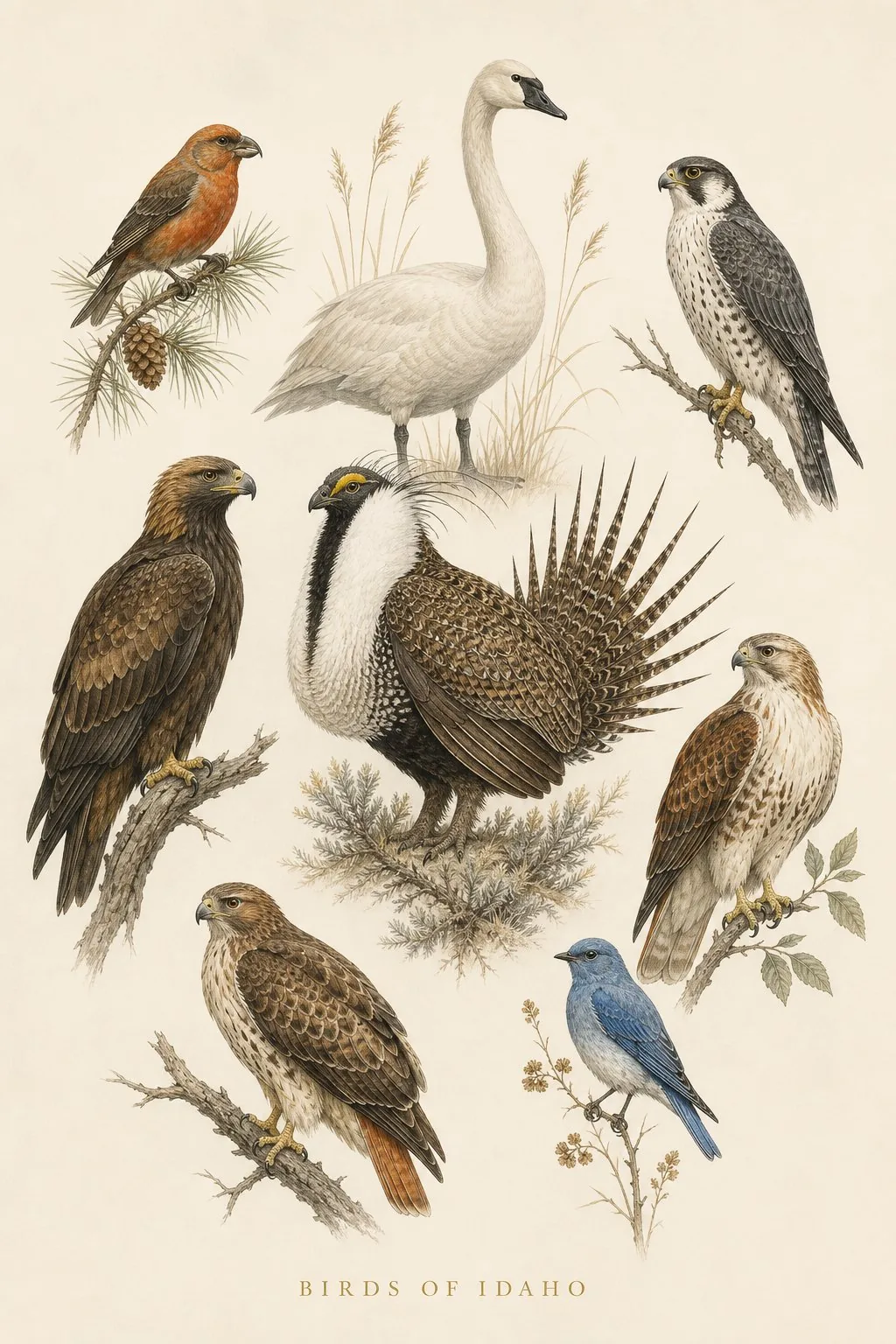
On February 28, 1931, the Twenty-first Session of the Idaho Legislature passed a brief statute: “The Mountain Bluebird (Sialia currucoides) is hereby designated and declared to be the state bird of the state of Idaho.” The act was straightforward. The bird it named is not. The male Mountain Bluebird is the clearest blue of any North American songbird - a sky-colour, not a sapphire, covering head, back, wings, and tail with almost no break. He is a bird of open high country, perching on fence posts and sagebrush stems across Idaho’s mountains and plateaus, hunting by hovering and dropping to take insects from the ground below. The female is a study in restraint: grey-brown overall with just a wash of blue on wing and tail, working the same territory with less announcement.
The Mountain Bluebird nests in tree cavities and readily uses nest boxes, which has made it a familiar bird wherever nest-box programmes run along high-elevation roadsides. It winters at lower elevations and in the Great Basin rather than leaving the western states entirely. Idaho’s sagebrush-steppe and mountain meadow landscape is exactly the open country the species prefers.
Idaho’s signature species
The Mountain Bluebird earns its designation. But Idaho’s most consequential bird story involves a species no other state can claim.
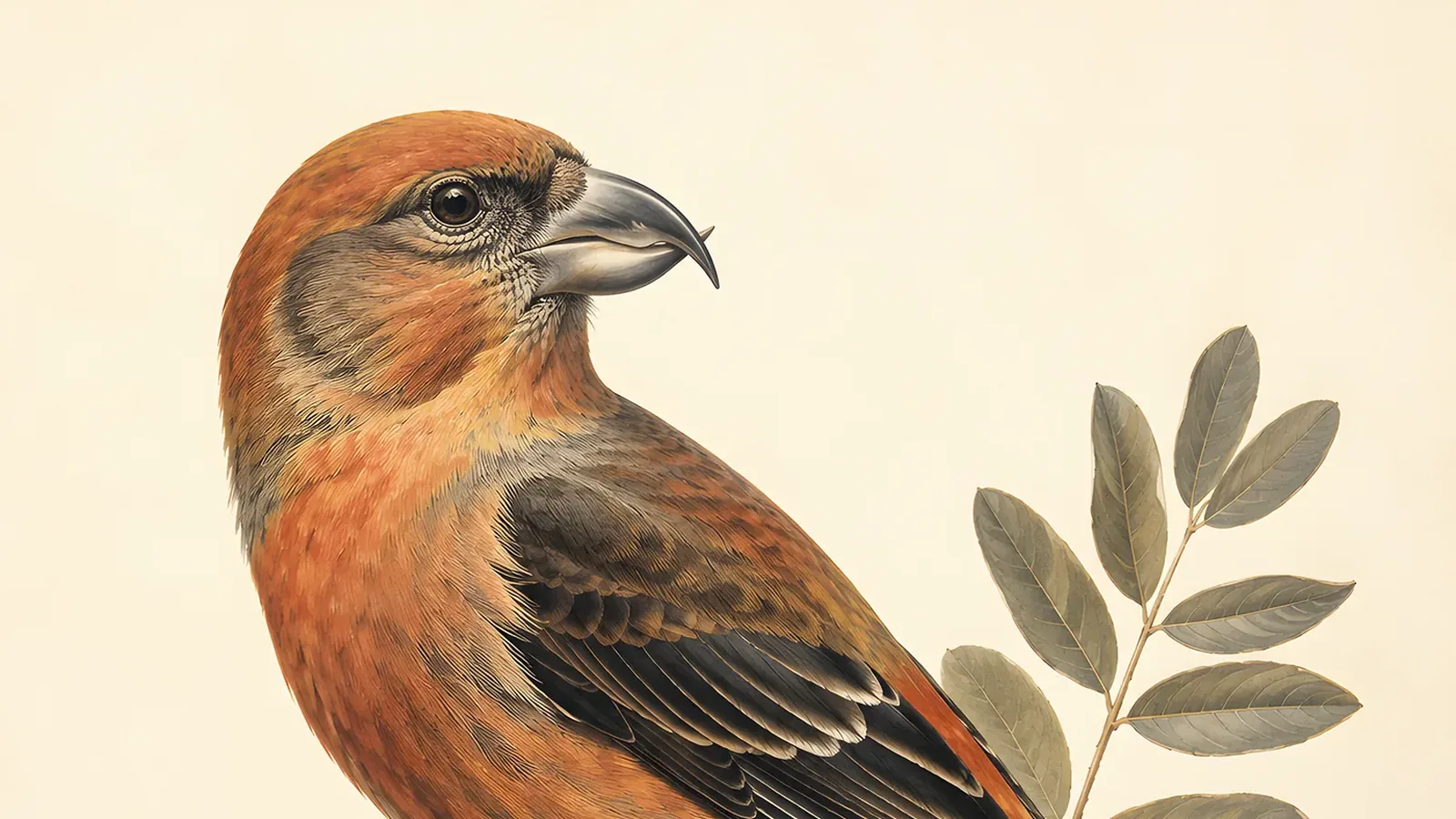
The Cassia Crossbill (Loxia sinesciuris) exists on a patch of Rocky Mountain lodgepole pine forest in the South Hills and Albion Mountains of southern Cassia County - roughly 70 square kilometres of habitat, supporting a population of around 6,000 individuals. No other bird is confined to Idaho in this way. The American Ornithological Society formally recognised it as a distinct species in 2017. The name sinesciuris means “without squirrel” - the South Hills lack red squirrels, the primary competing seed predator elsewhere in crossbill range, and the local lodgepole pines responded over time by evolving thicker cone scales. The crossbill responded by evolving a deeper bill. The result is a species that cannot easily feed on pines elsewhere and does not need to: unlike every other North American crossbill, this one is sedentary. You can find Cassia Crossbills in the South Hills in any month of the year.
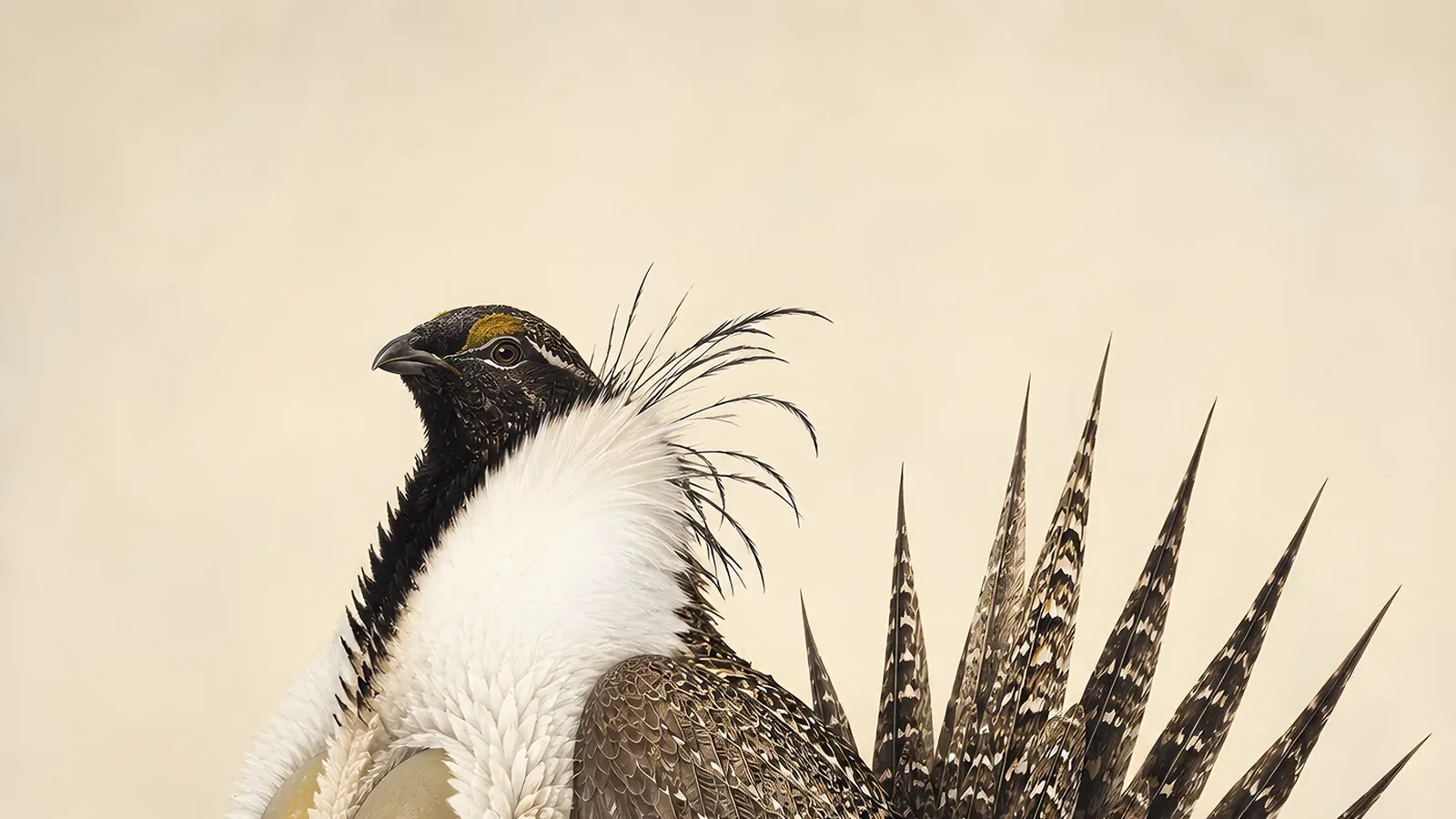
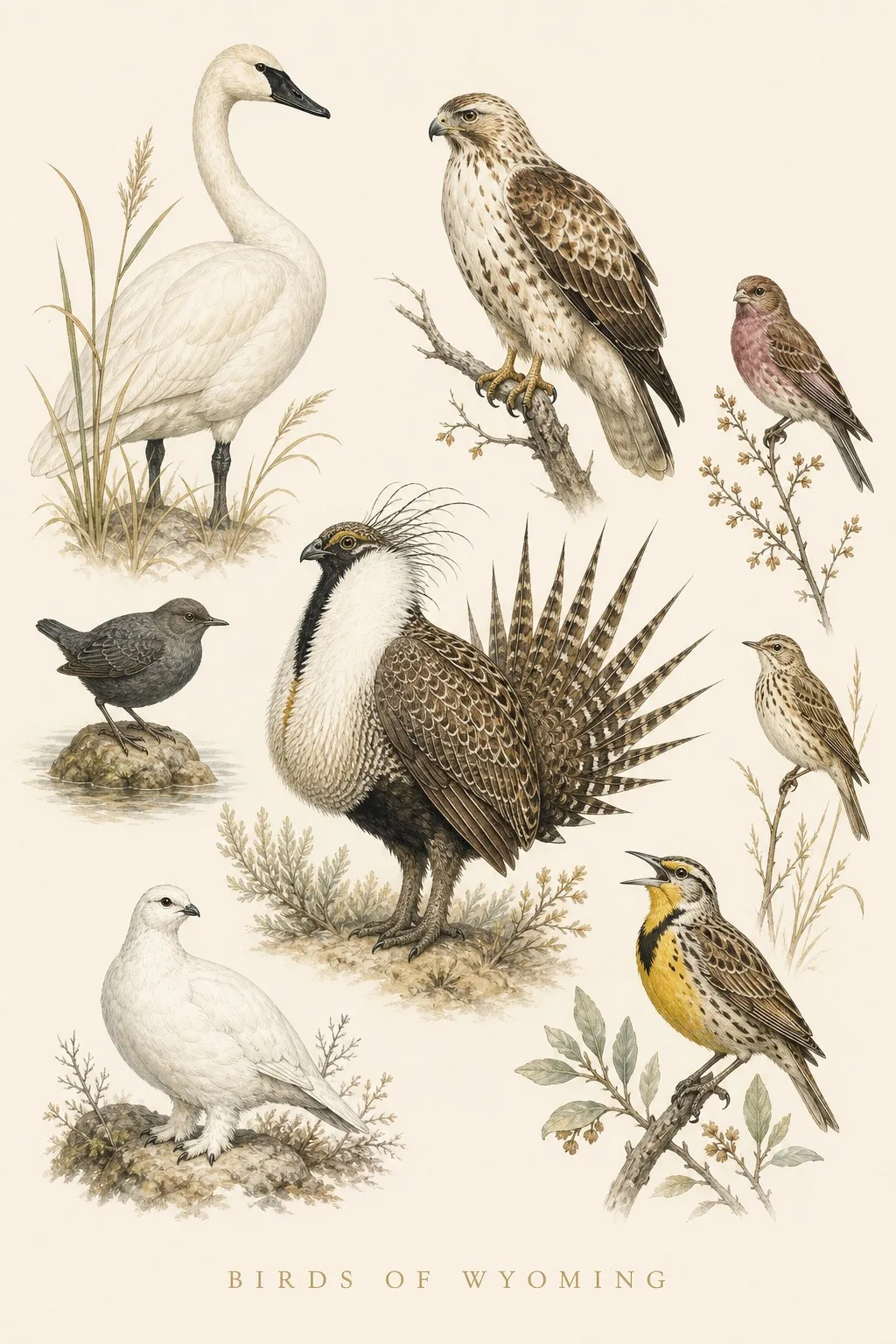
Greater Sage-Grouse (Centrocercus urophasianus) perform their booming leks on sagebrush flats across southern and central Idaho each spring morning from March through May. Idaho holds one of the larger remaining sage-grouse populations in the American West, and the Idaho Department of Fish and Game tracks lek counts annually. Finding an active lek before sunrise is a different kind of birding - more cold and mud than binoculars, but the spectacle of a dozen males inflating their yellow air sacs on the sage at first light is genuinely hard to replicate.
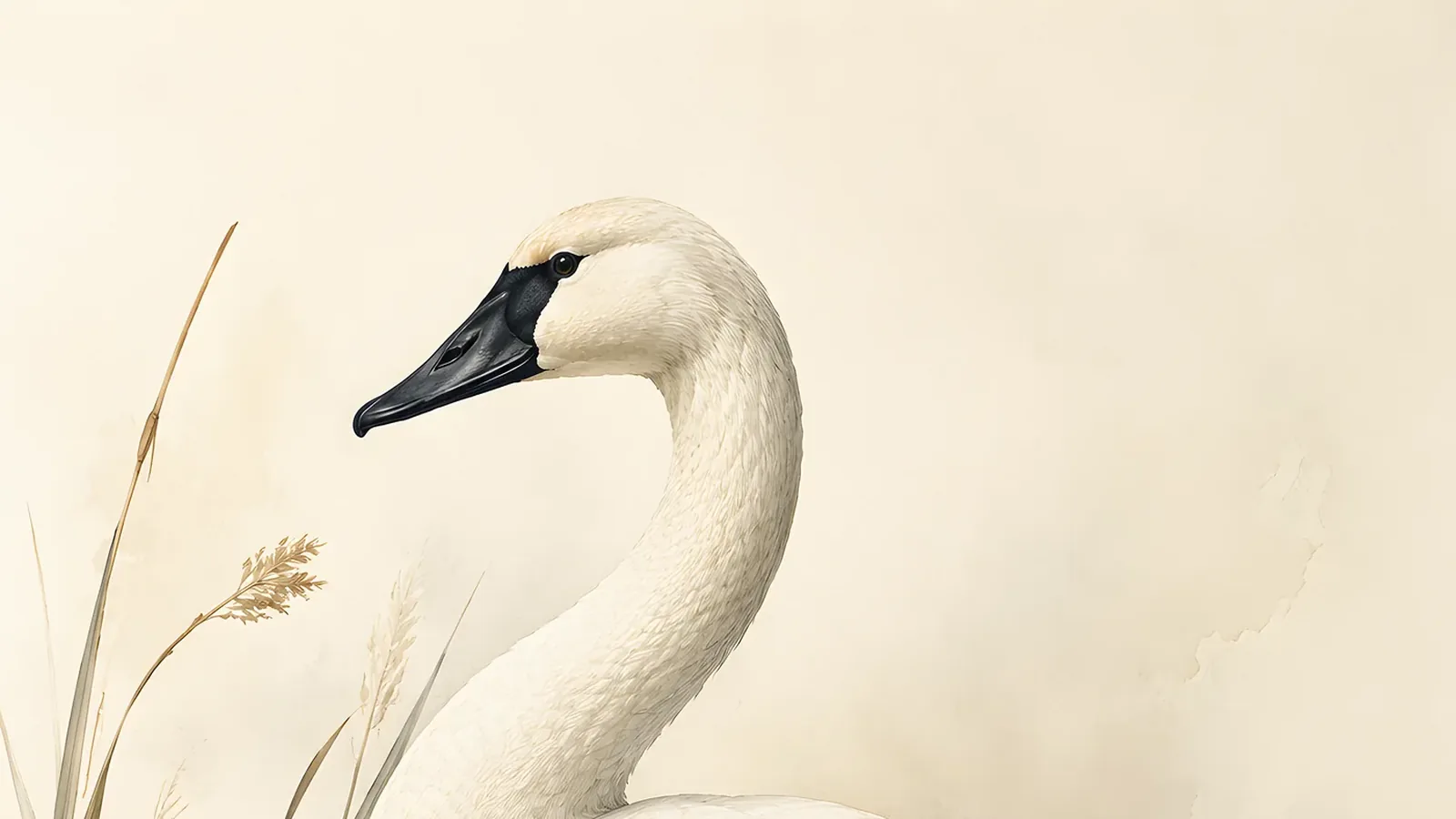
Trumpeter Swans (Cygnus buccinator) winter in numbers at Harriman State Park on the Henry’s Fork of the Snake River in eastern Idaho. The park sits within the Greater Yellowstone Ecosystem and holds geothermally warmed water that stays open through hard winters. Cornell’s All About Birds notes the Trumpeter Swan as the heaviest bird native to North America, and the sight of several hundred of them resting on the Henry’s Fork in January is the kind of thing that recalibrates scale.
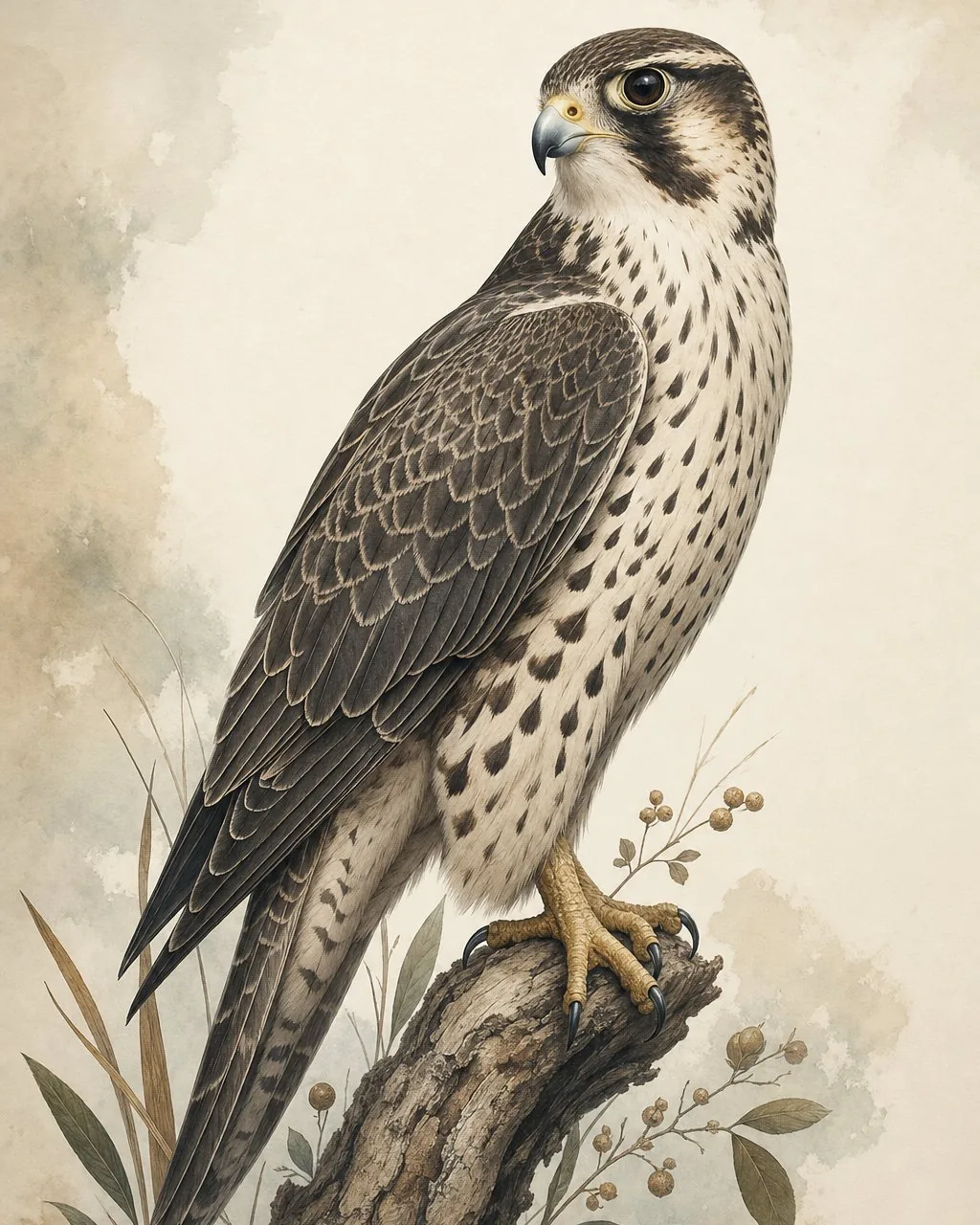
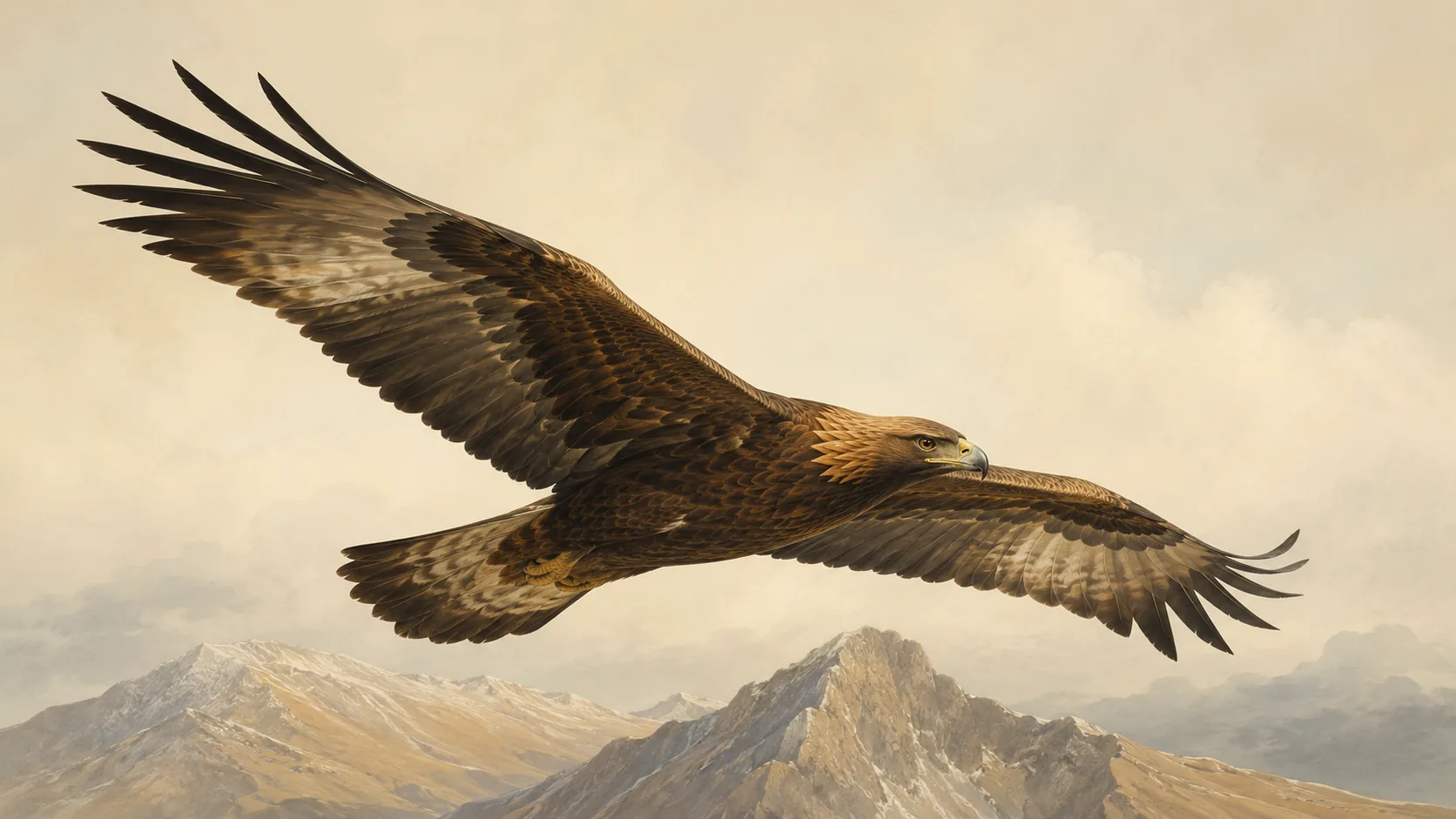
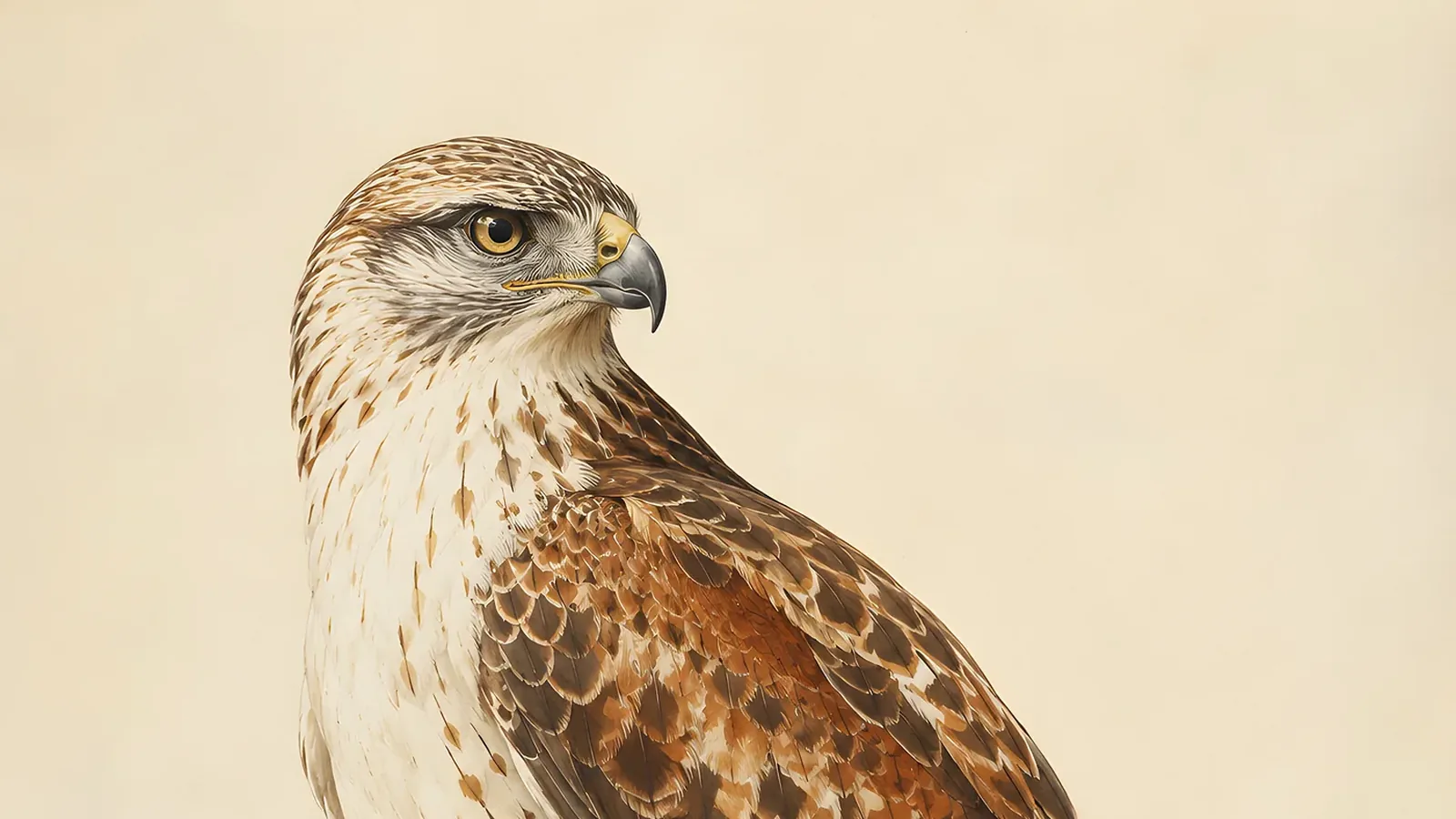
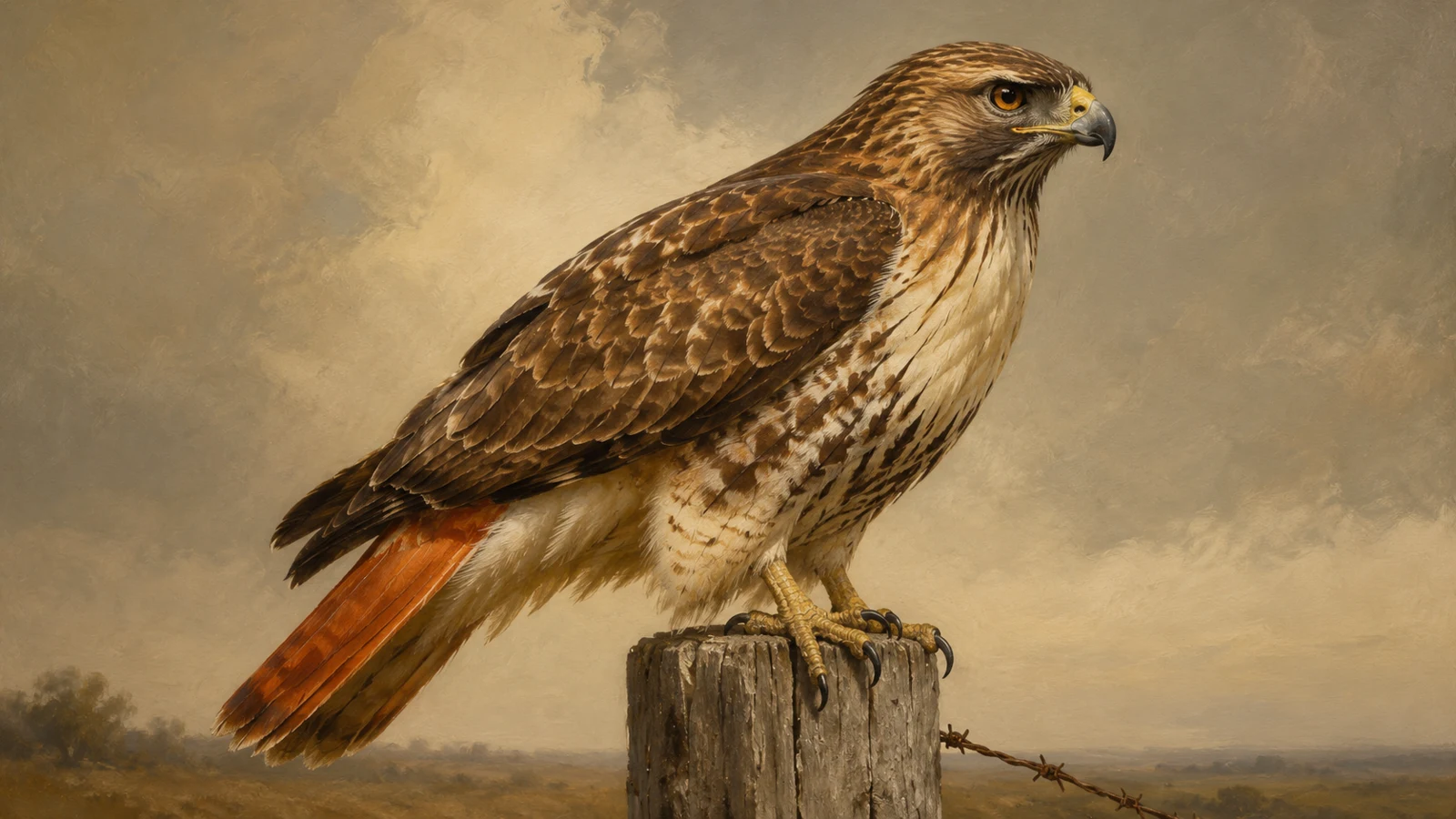
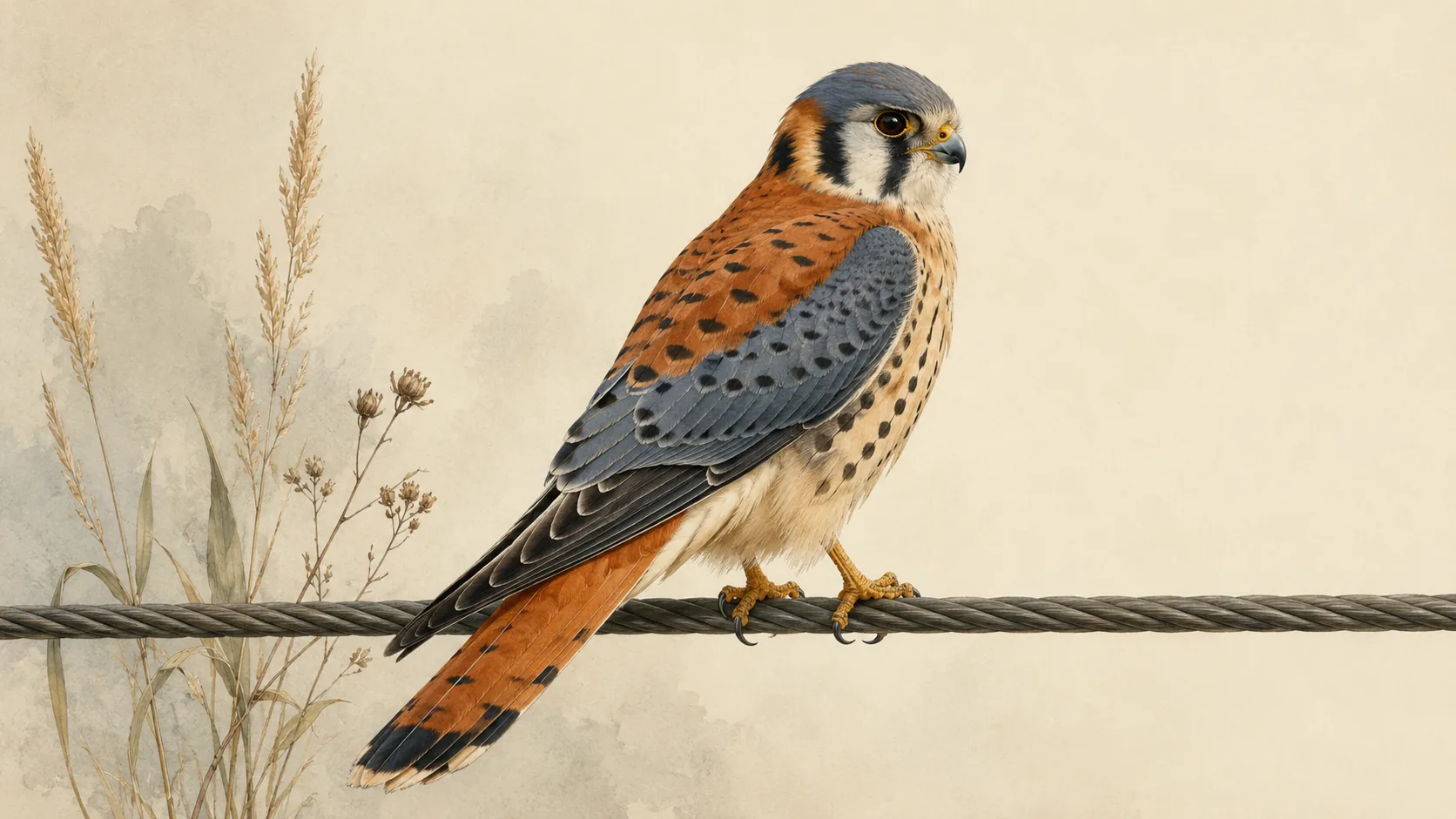
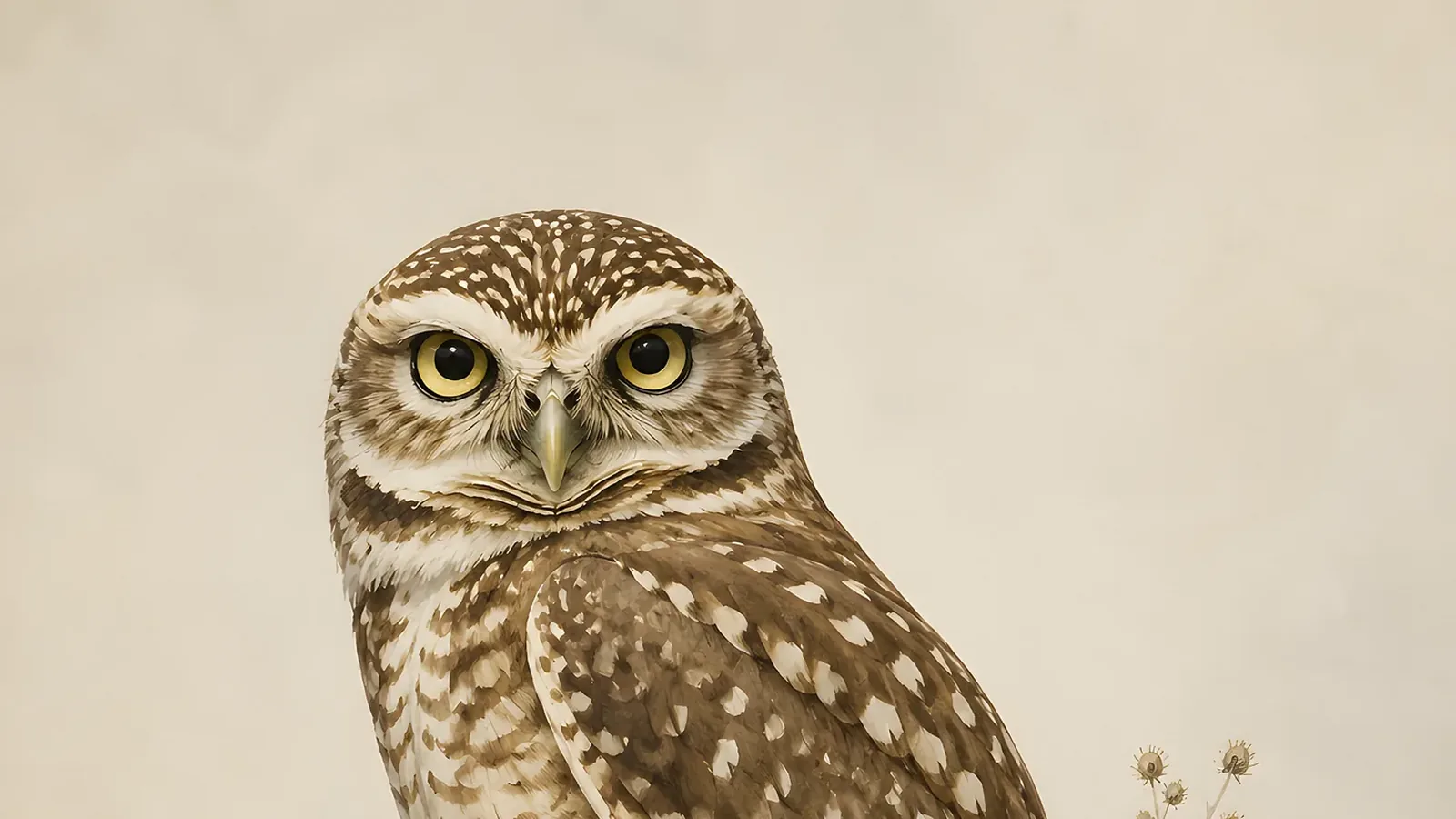
The Morley Nelson Snake River Birds of Prey National Conservation Area (NCA) protects 81 miles of Snake River canyon southwest of Boise and is, by any reasonable measure, the raptor capital of the continent. The Audubon Society and the U.S. Fish and Wildlife Service both document this as the greatest concentration of nesting birds of prey in North America. Prairie Falcon, Golden Eagle, Ferruginous Hawk, Red-tailed Hawk, American Kestrel, and Burrowing Owl all breed on the canyon walls and adjacent uplands. The basalt rimrock above the river holds the nesting density. The prey base - ground squirrels, jackrabbits, and pocket mice - on the surrounding agricultural plain provides the food.
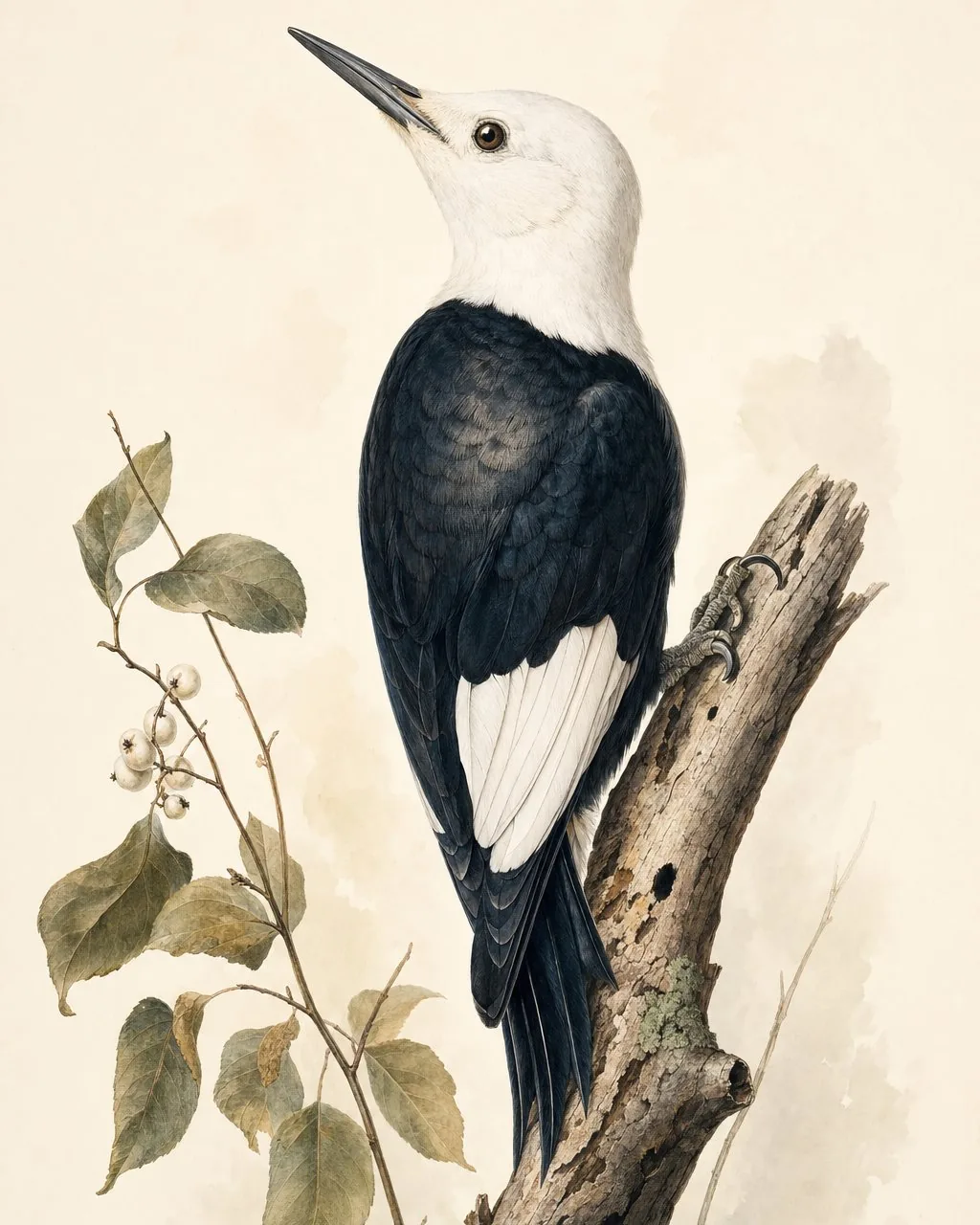
White-headed Woodpecker (Dryobates albolarvatus) reaches the northern edge of its range in the mixed pine forests of central and northern Idaho. It is a ponderosa specialist, prying seeds from pine cones rather than excavating insect galleries like most woodpeckers. The Sawtooth National Recreation Area holds a reliable population.
Top backyard species
A typical Idaho suburban garden, from Boise north to Coeur d’Alene:
- Steller’s Jay (year-round, particularly in wooded areas and near conifers)
- American Robin (year-round, common on lawns)
- Black-capped Chickadee (year-round)
- House Finch (year-round)
- American Goldfinch (year-round, peaks in late summer on thistles and sunflowers)
- Mourning Dove (year-round)
- Downy Woodpecker (year-round)
- Red-tailed Hawk (year-round, hunting fence lines and agricultural edges)
- Dark-eyed Junco (year-round at elevation, winter visitor in lowlands)
- House Sparrow (year-round, introduced)
- European Starling (year-round, introduced)
- Canada Goose (year-round near water)
- Mallard (year-round near water)
The Western Bluebird overlaps with the Mountain Bluebird at mid-elevations and in open woodlands across the southern part of the state. Both will use nest boxes. They are easy to confuse in the field: the Western Bluebird male has a chestnut-brown breast and back patch, while the Mountain Bluebird male is blue across the breast with no brown. Female Western Bluebirds have an orange-tinged breast that female Mountain Bluebirds lack.
Where and when to watch
Snake River Birds of Prey NCA (southwest of Boise, Owyhee County) is the state’s flagship raptor site. The season runs from late March through June, when resident raptors are on eggs and at the nest. The Dedication Point trailhead overlooks the deepest section of the canyon. eBird data consistently show Prairie Falcon, Ferruginous Hawk, and Golden Eagle in this stretch through spring and early summer.
Camas National Wildlife Refuge (eastern Idaho, near Hamer) logs more than 260 species and is consistently ranked by Idaho birders as the most productive vagrant trap in the state. The Idaho Birds website notes it has produced more first state records than any other Idaho site. Waterfowl peak in early April. Shorebird migration runs through May. Breeding Trumpeter Swans and Sandhill Cranes are present through summer.
Deer Flat National Wildlife Refuge (near Nampa, southwest Idaho) centres on Lake Lowell, a reservoir with wooded shorelines surrounded by agricultural fields and the Snake River. The refuge records over 250 bird species. Winter brings Bald Eagles to the lake edge and concentrations of diving ducks. The refuge offers two self-guided driving tours totalling more than 75 miles, covering both the lake unit and the Snake River islands unit downstream.
Harriman State Park (Island Park, eastern Idaho) is the Trumpeter Swan site. The Henry’s Fork here runs clear and fast, and the geothermally influenced water temperature keeps sections open through January and February when the surrounding landscape is deep in snow. The park also holds Sandhill Cranes in spring and fall, and the surrounding caldera plateau offers Bobolink in wet meadows in early summer.
Idaho maintains a 2,000-mile Idaho Birding Trail connecting more than 175 sites statewide, managed by the Idaho Department of Fish and Game. The Camas Prairie Centennial Marsh south of Fairfield and the Silver Creek Preserve in the Wood River Valley are worth the detour for anyone working the central part of the state.