State Guide
Birds of Delaware
On April 14, 1939, the Delaware legislature adopted the Blue Hen Chicken as the state bird. The choice is historical rather than ornithological. During the Revolutionary War, men of Captain Jonathan Caldwell’s company, recruited in Kent County, carried fighting gamecocks with them to battle - birds bred for their fierce blue plumage and combat temperament. The Delaware soldiers fought with such intensity at Long Island and White Plains that they earned the name “the Blue Hen’s Chickens.” The legislature was honouring that regiment, not naming a species found in the woods.
The Blue Hen is not a recognised breed. Fewer than half the chicks from blue parents inherit blue feathers. Delaware adopted a legend. The actual birds worth watching here are something else entirely.
Delaware Bay and the shorebird spectacle
Delaware’s claim on serious birders rests on a single ecological event: the May shorebird migration on the shores of Delaware Bay.
Every spring, horseshoe crabs crawl onto Delaware’s bay beaches to spawn. The eggs are small, soft, and packed with protein. Migratory shorebirds, arriving from South American wintering grounds after flights of several thousand miles, time their arrival to coincide with the spawn. The birds are emaciated when they land. Within a fortnight, feeding almost without pause, they can double their body weight on horseshoe crab eggs. Then they fly to the Arctic to breed.
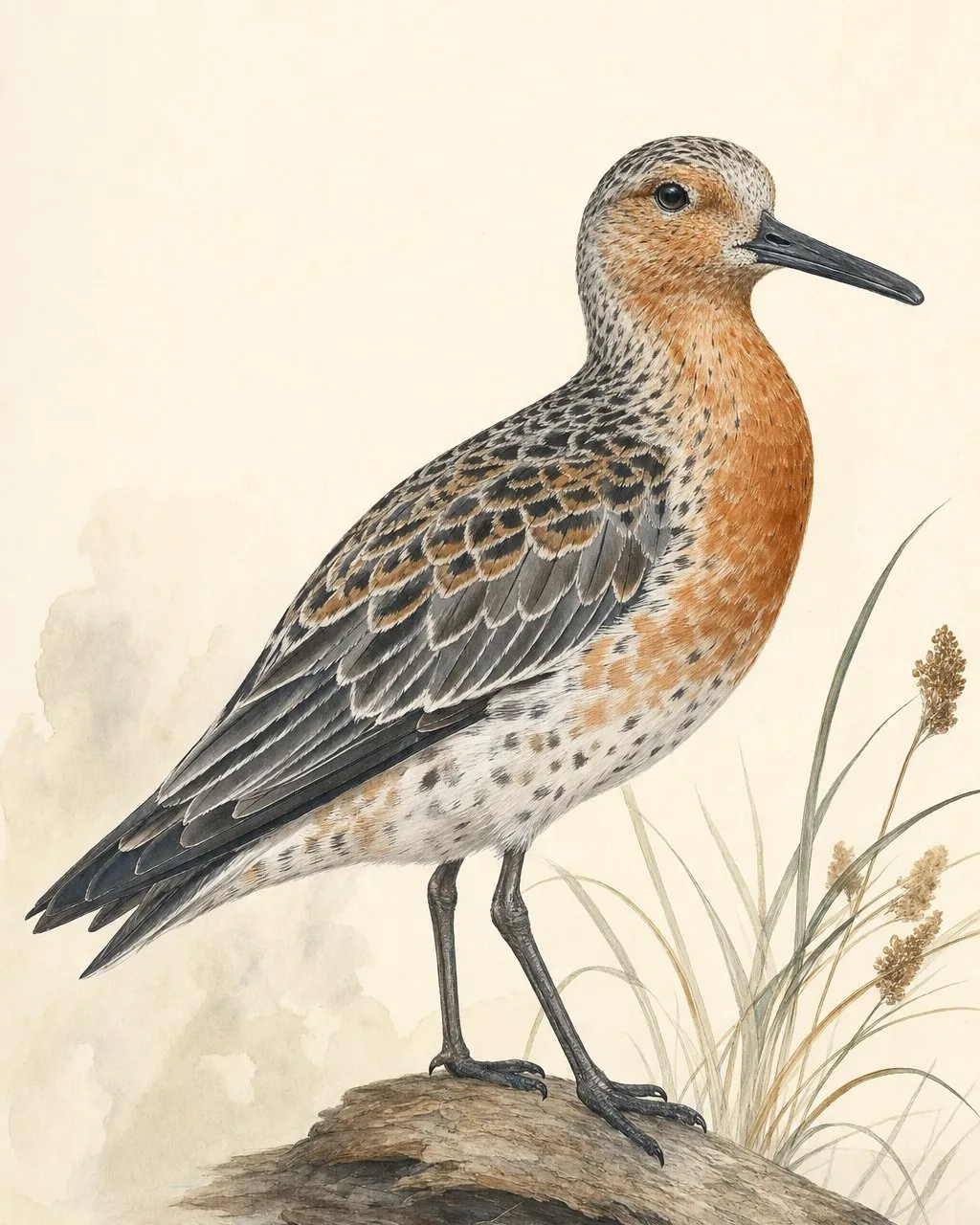
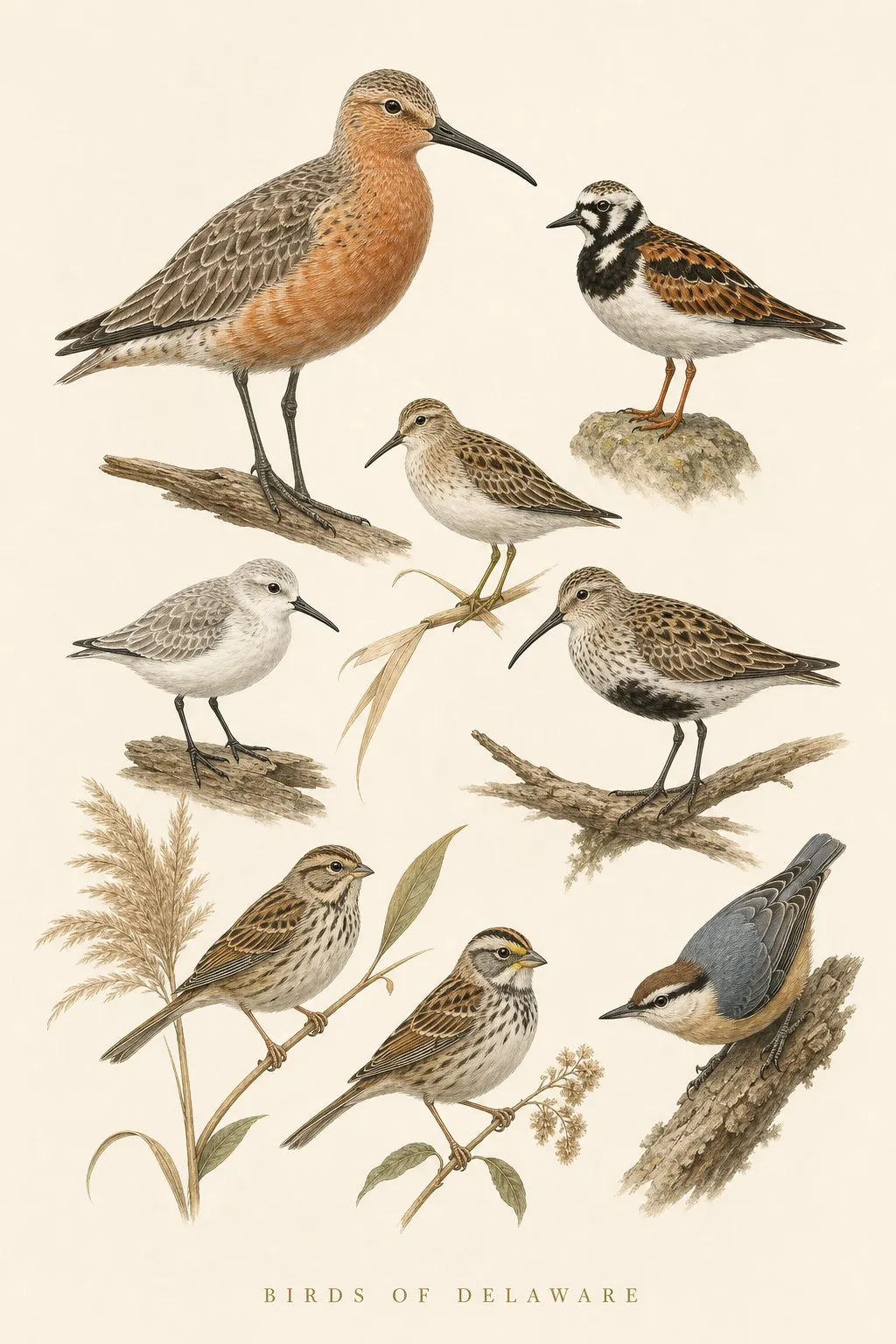
The Rufa Red Knot (Calidris canutus rufa) is the species most closely associated with this stopover. Federally listed as threatened, the rufa subspecies has seen its population fall from roughly 100,000 birds to around 40,000, tracked by Delaware’s Shorebird Project and documented in a 2022 population study from Delaware Bay. The state’s beaches in May are among the most important staging areas this subspecies has on its entire flyway.
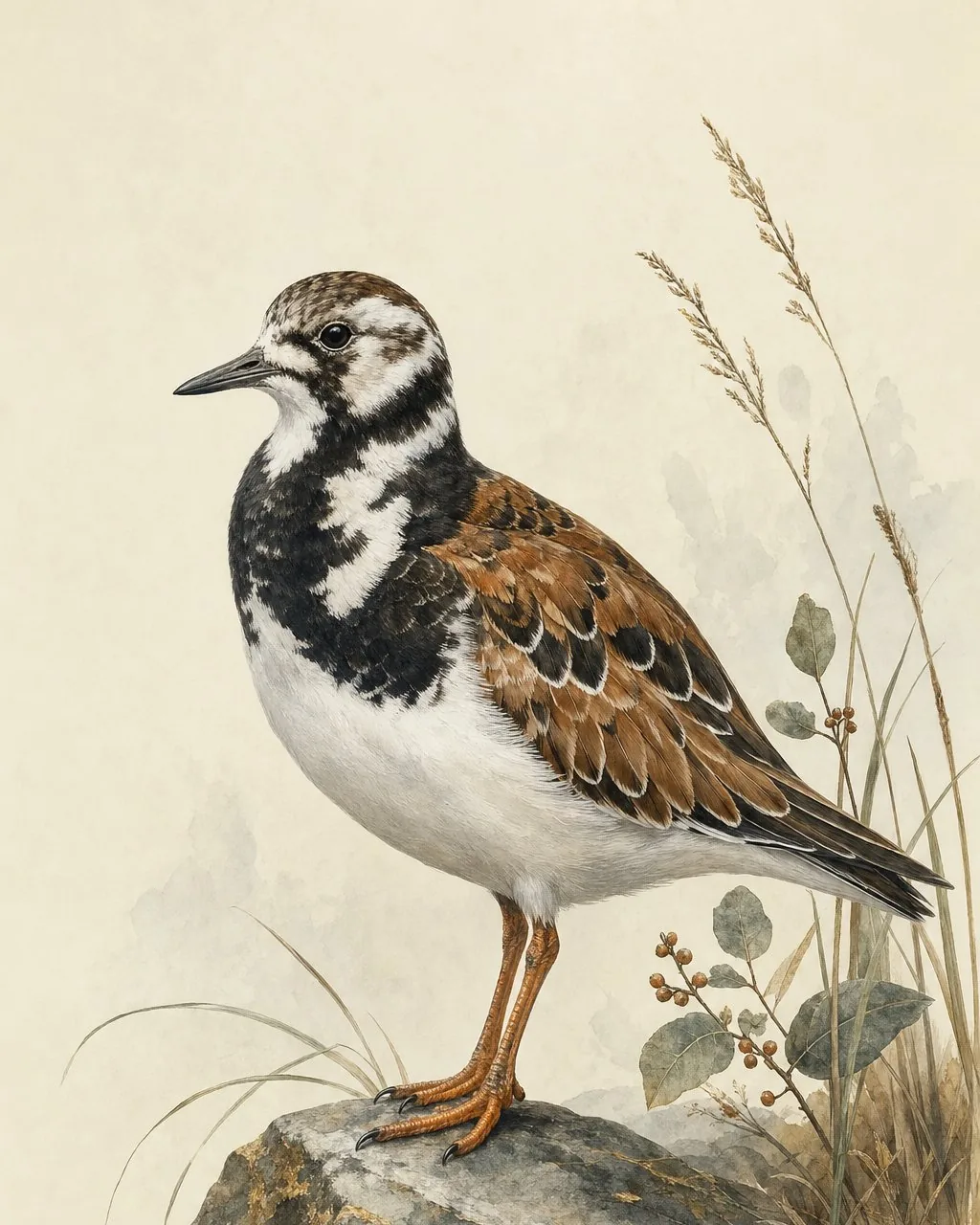
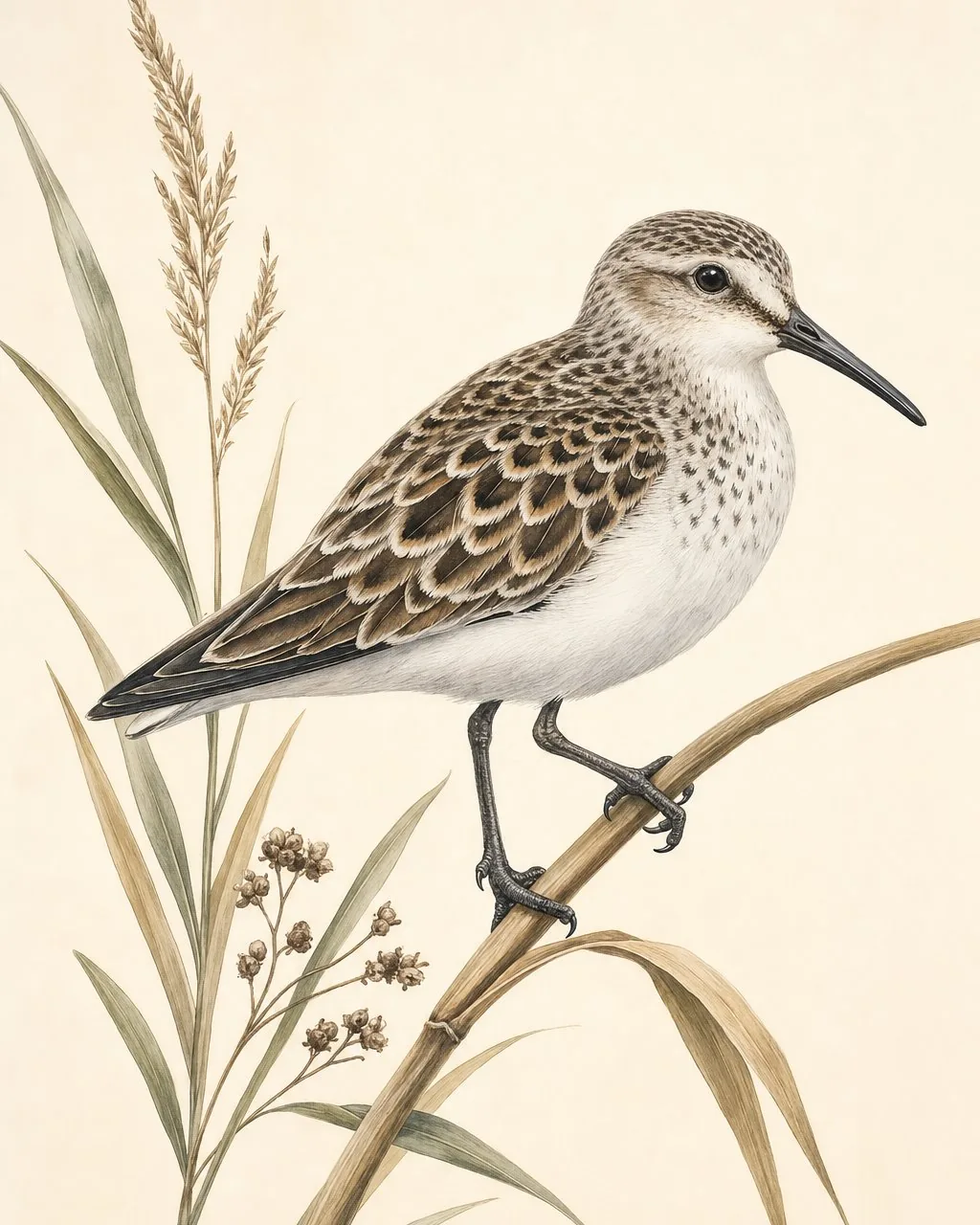
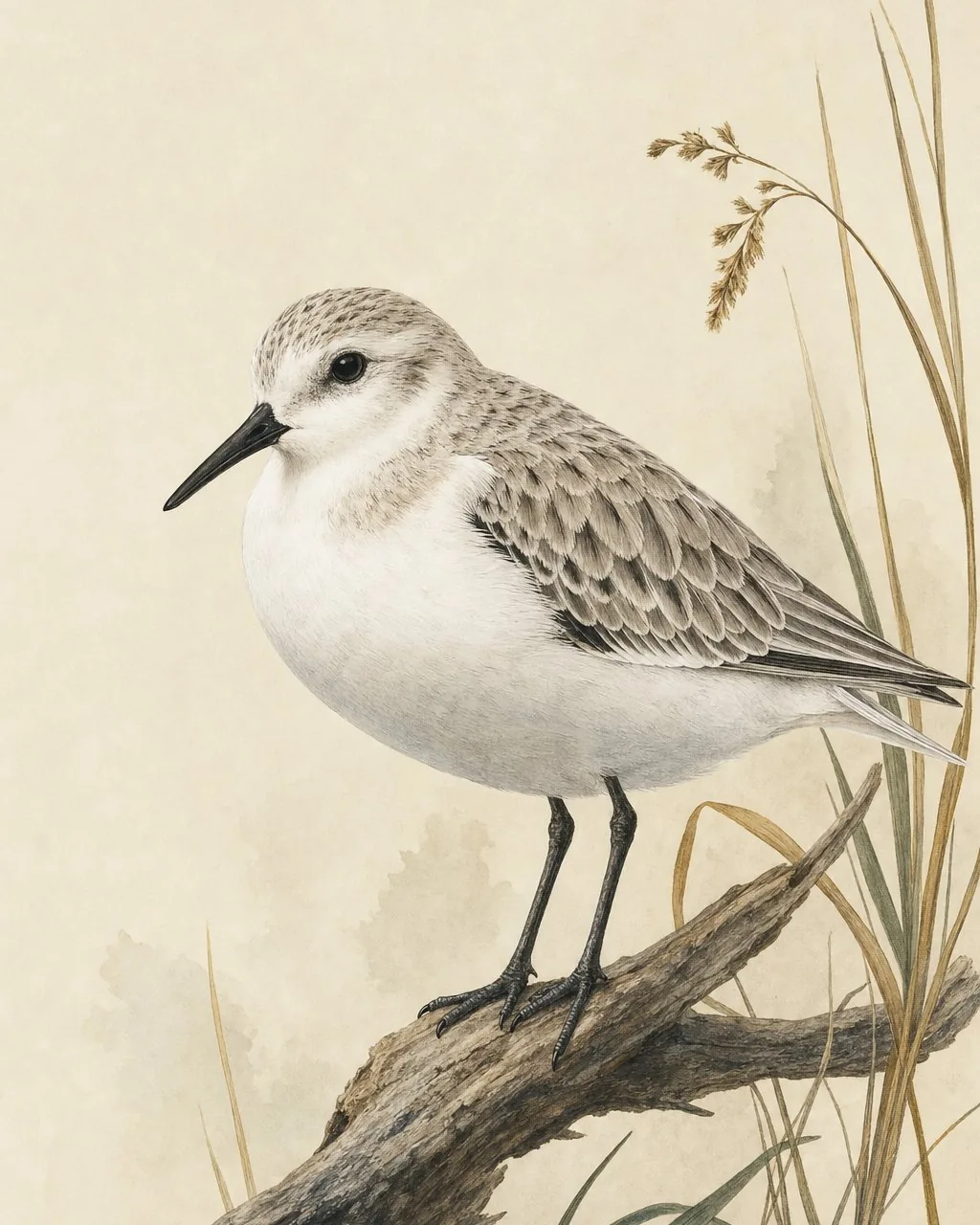
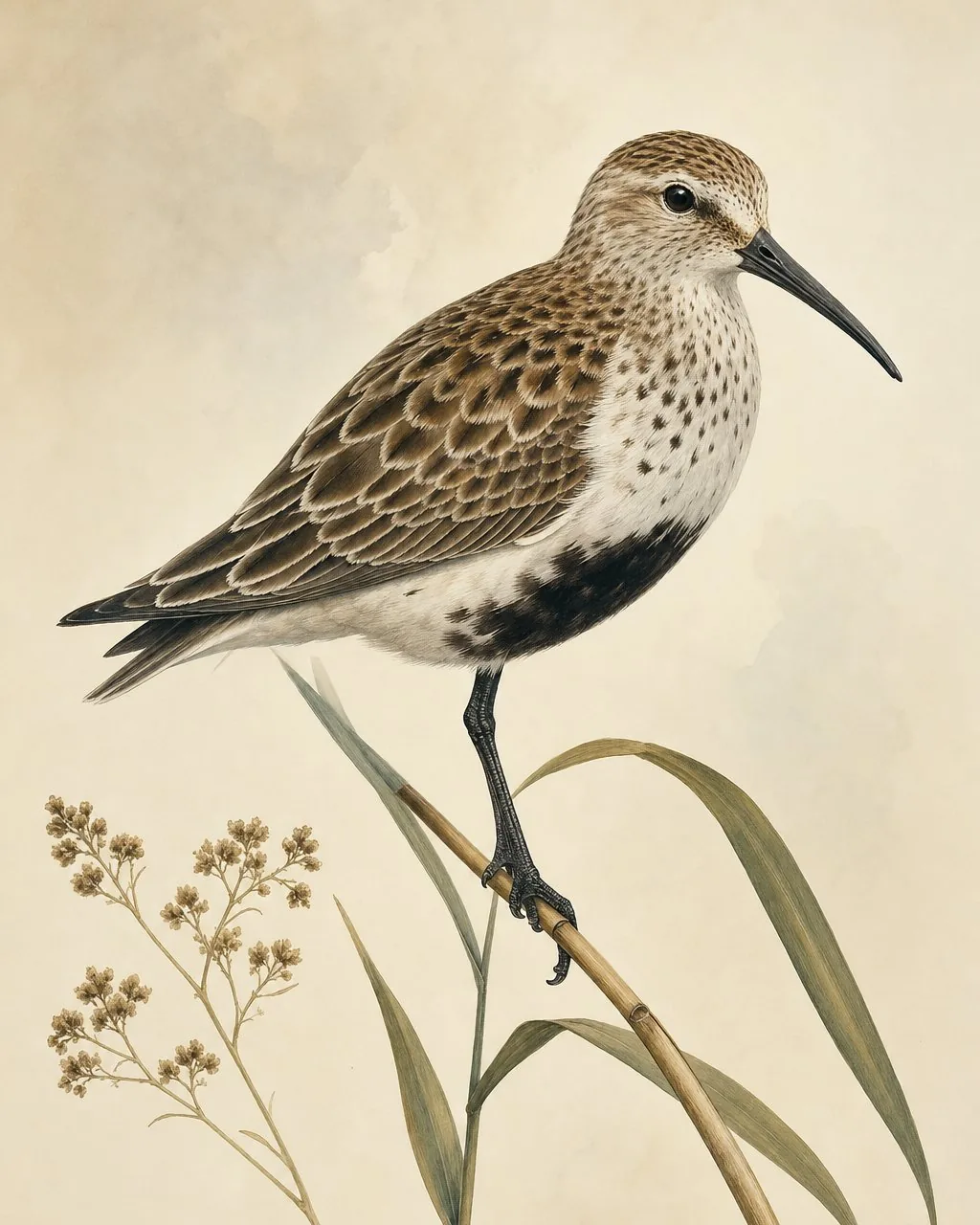
Alongside the knot come Ruddy Turnstone, Semipalmated Sandpiper, Sanderling, and Dunlin in numbers that can reach 500,000 birds on a peak day across the bay. Delaware’s bay shoreline - from Slaughter Beach north through Mispillion Harbor to Kitts Hummock - is the American side of a Western Hemisphere Shorebird Reserve Network site of global significance.
Bombay Hook and the inland marshes
Ninety kilometres north of the bay beaches, Bombay Hook National Wildlife Refuge covers more than 16,000 acres of tidal salt marsh on Delaware Bay’s western shore. The Delaware Ornithological Society lists it among the state’s premier year-round sites, and the numbers support that: over 320 bird species recorded.
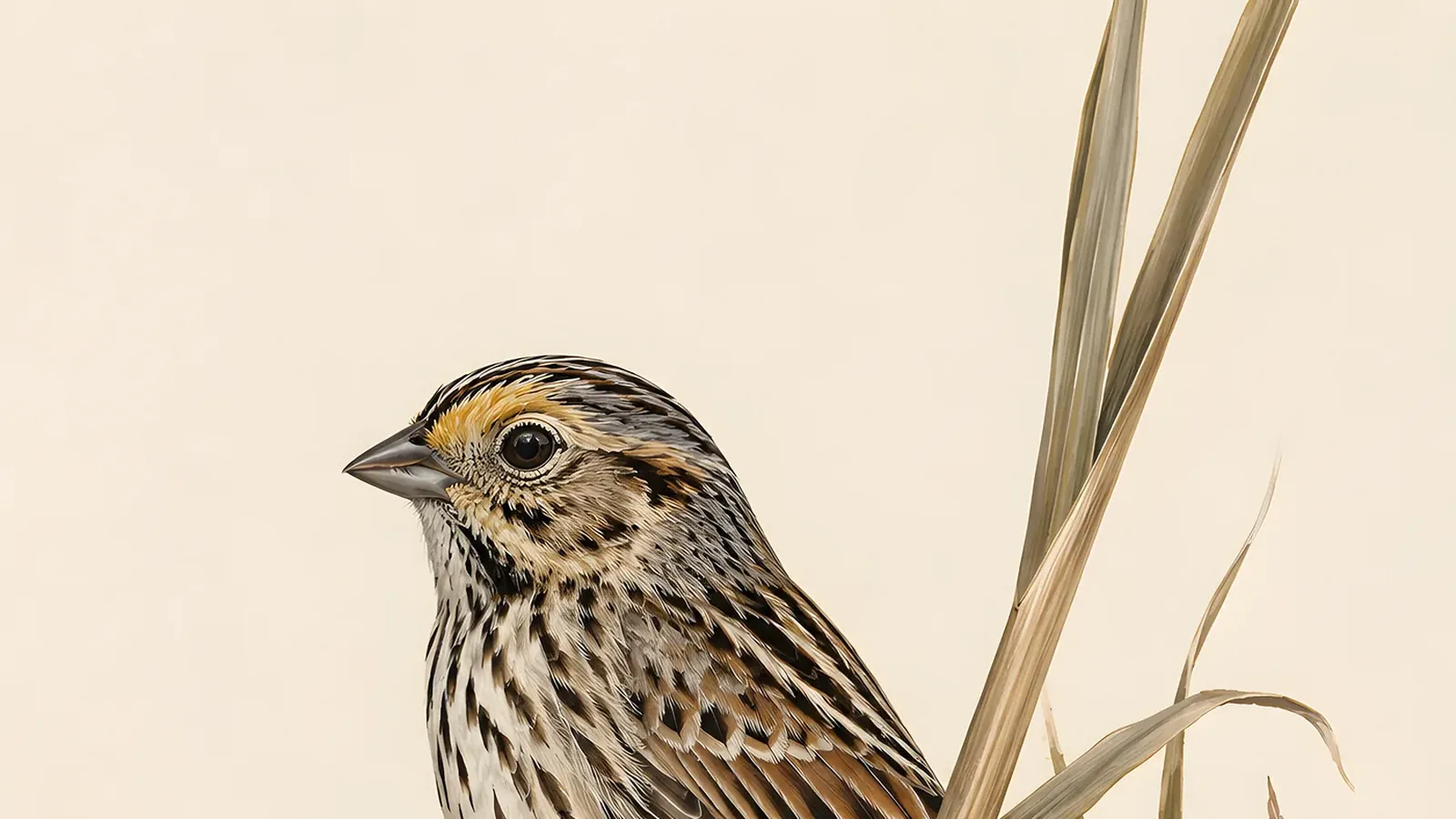
Bombay Hook holds Bald Eagle year-round. The auto tour passes four freshwater impoundments that in winter carry Snow Goose and Tundra Swan in numbers counted in the tens of thousands. In the reed beds and high marsh: Clapper Rail, King Rail, Saltmarsh Sparrow, and Seaside Sparrow. The saltmarsh sparrows alone make Bombay Hook a destination - Saltmarsh Sparrow is a species in steep decline across its Atlantic coast range, and the Kent County marshes are among its more reliable addresses.
In summer, Black-necked Stilt and American Avocet nest at the impoundments, both at the northern edge of their breeding range on the Atlantic coast.
Prime Hook National Wildlife Refuge, 10,000 acres to the south, offers the same suite of marsh and waterfowl species with the addition of productive woodland trails for breeding warblers and thrushes.
Cape Henlopen and the coastal point
Where Delaware Bay meets the Atlantic Ocean, Cape Henlopen State Park forms a sand spit with unobstructed views of open water in three directions. Cornell’s All About Birds notes this geography makes it one of the state’s best sites for seabirds and waterfowl in winter - loons, Northern Gannet, Great Cormorant, scoters, and in good years Purple Sandpiper on the rock jetties.
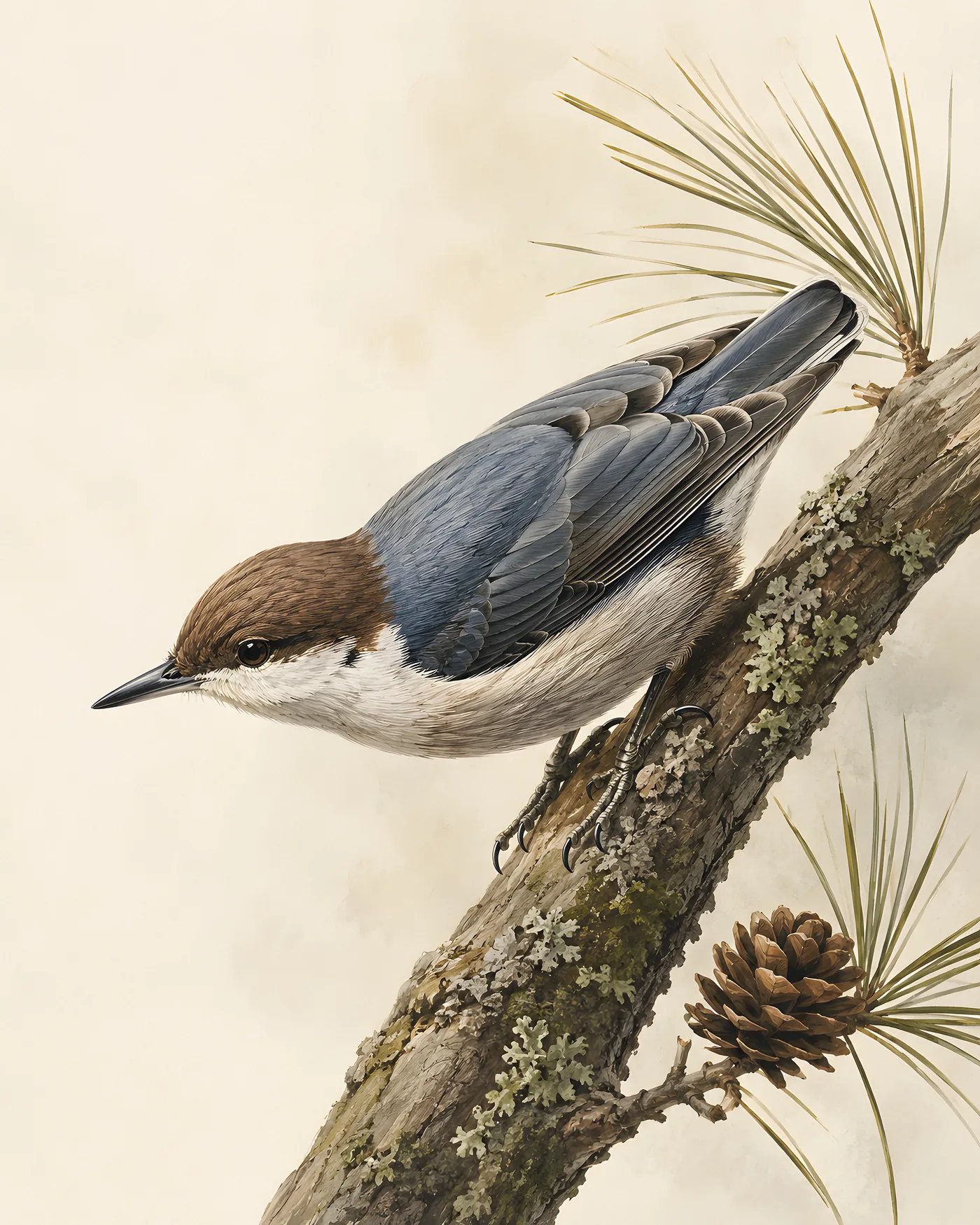
The park’s pine groves shelter one of the state’s more unexpected species: the Brown-headed Nuthatch, near the northern limit of its Atlantic coastal pine range. The fall hawk watch runs from September 1 through November 30, drawing sharp-shinned, Cooper’s, and Peregrine Falcon funnelling down the coast.
Top backyard species
A Delaware garden across most of the state:
- Northern Cardinal (year-round; the most frequently reported feeder species in state eBird data)
- Carolina Wren (year-round; among the highest feeder-site frequency of any state east of the Appalachians)
- Blue Jay (year-round)
- Mourning Dove (year-round)
- Downy Woodpecker (year-round)
- American Goldfinch (year-round)
- House Finch (year-round)
- Carolina Chickadee (year-round in most of the state; the state sits at the boundary with Black-capped Chickadee, which appears north of Wilmington)
- Eastern Bluebird (year-round)
- American Robin (summer resident; some winter in fruiting shrubs)
Seasonal rhythm
| Season | What is happening |
|---|---|
| Spring (Apr-May) | Horseshoe crab spawn on bay beaches; peak shorebird migration mid-to-late May; warbler migration in Brandywine Creek and White Clay Creek woodlands |
| Summer (Jun-Aug) | Breeding season; Black-necked Stilt and Avocet at Bombay Hook impoundments; Brown-headed Nuthatch in Cape Henlopen pines |
| Autumn (Sep-Nov) | Hawk watch at Cape Henlopen; Snow Geese and Tundra Swan building at Bombay Hook; waterfowl arrival through November |
| Winter (Dec-Feb) | Peak waterfowl at Bombay Hook and Prime Hook; Bald Eagle year-round but most visible in winter; saltmarsh sparrows in high marsh |
Where to watch
- Bombay Hook National Wildlife Refuge (Kent County) - 16,000 acres of tidal marsh, year-round, strongest in winter and autumn migration.
- Prime Hook National Wildlife Refuge (Sussex County) - wintering waterfowl, breeding warblers, productive year-round.
- Cape Henlopen State Park (Sussex County) - coastal point, fall hawk watch, winter seabirds, Brown-headed Nuthatch.
- Brandywine Creek State Park and White Clay Creek State Park (New Castle County) - inland woodland migration in spring and autumn; Scarlet Tanager and Baltimore Oriole breeding in summer.
- Mispillion Harbor / Slaughter Beach (Kent County) - the central staging beaches for the May horseshoe crab and shorebird spectacle.
The Delaware Birding Trail connects 27 official sites across six ecological regions.
The Blue Hen is an invented bird - a legend given feathers. The Rufa Red Knot is real, and it arrives at Delaware’s beaches with its life depending on the tides and the horseshoe crabs. That bird is a more honest emblem of what Delaware means to the living world than any fighting cock from 1776.