State Guide
Birds of California
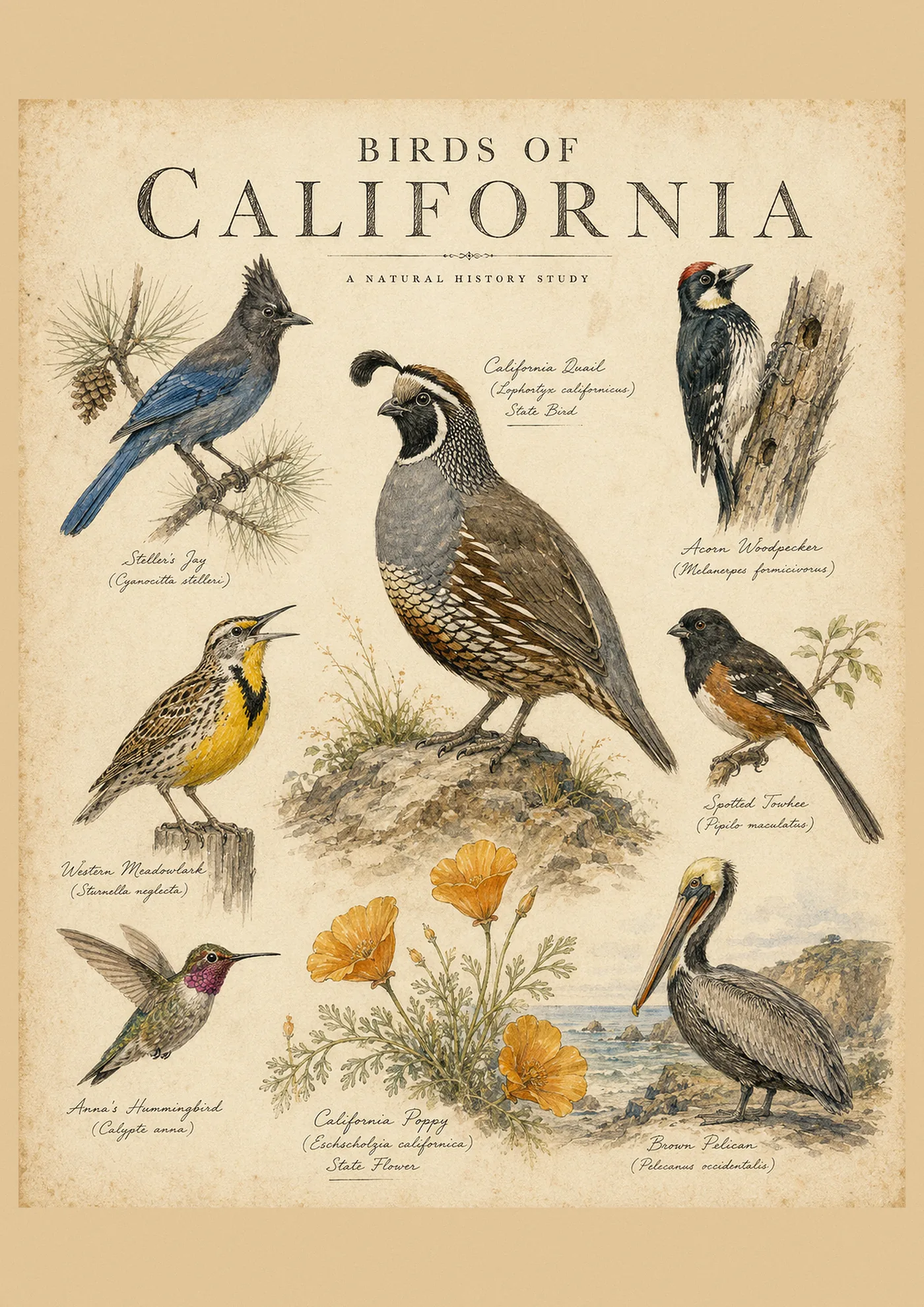
On June 12, 1931, Governor James Rolph Jr. signed Assembly Bill No. 776 into law, and the California Valley Quail became the official bird and avifaunal emblem of the State of California. The bill had moved quickly: introduced January 21, passed the Assembly April 10, cleared the Senate May 12. Audubon Society naturalists had recommended the species. The legislature agreed. Ninety-five years on, the bird still earns the designation without argument.
The California Quail (Callipepla californica) is a chunky, ground-hugging bird of chaparral and oak woodland, identified at a glance by the comma-shaped topknot that droops forward over its bill. The male is finely scaled below with a dark face, the female softer brown and quieter. They travel in coveys, moving low through brush, and the Chi-ca-go call - three stiff syllables - is among the most characteristic sounds of the California hills. Cornell Lab’s All About Birds notes the species is tolerant of human settlement and turns up regularly in suburban gardens, city parks, and agricultural margins throughout its range.
California itself is so ecologically varied that the Audubon Society’s birding guide for the state lists 15 major destinations spanning four distinct geographic zones. That diversity shows in the numbers. The California Bird Records Committee currently lists 695 species on the official state checklist, one of the longest lists in the nation, reflecting both the state’s habitat range - Pacific coastline, Central Valley, Sierra Nevada, Mojave Desert - and its position at the intersection of Pacific Flyway migration and year-round ocean-driven climate.
Two endemics, several near-endemics
California holds the distinction of two birds found nowhere else on Earth.
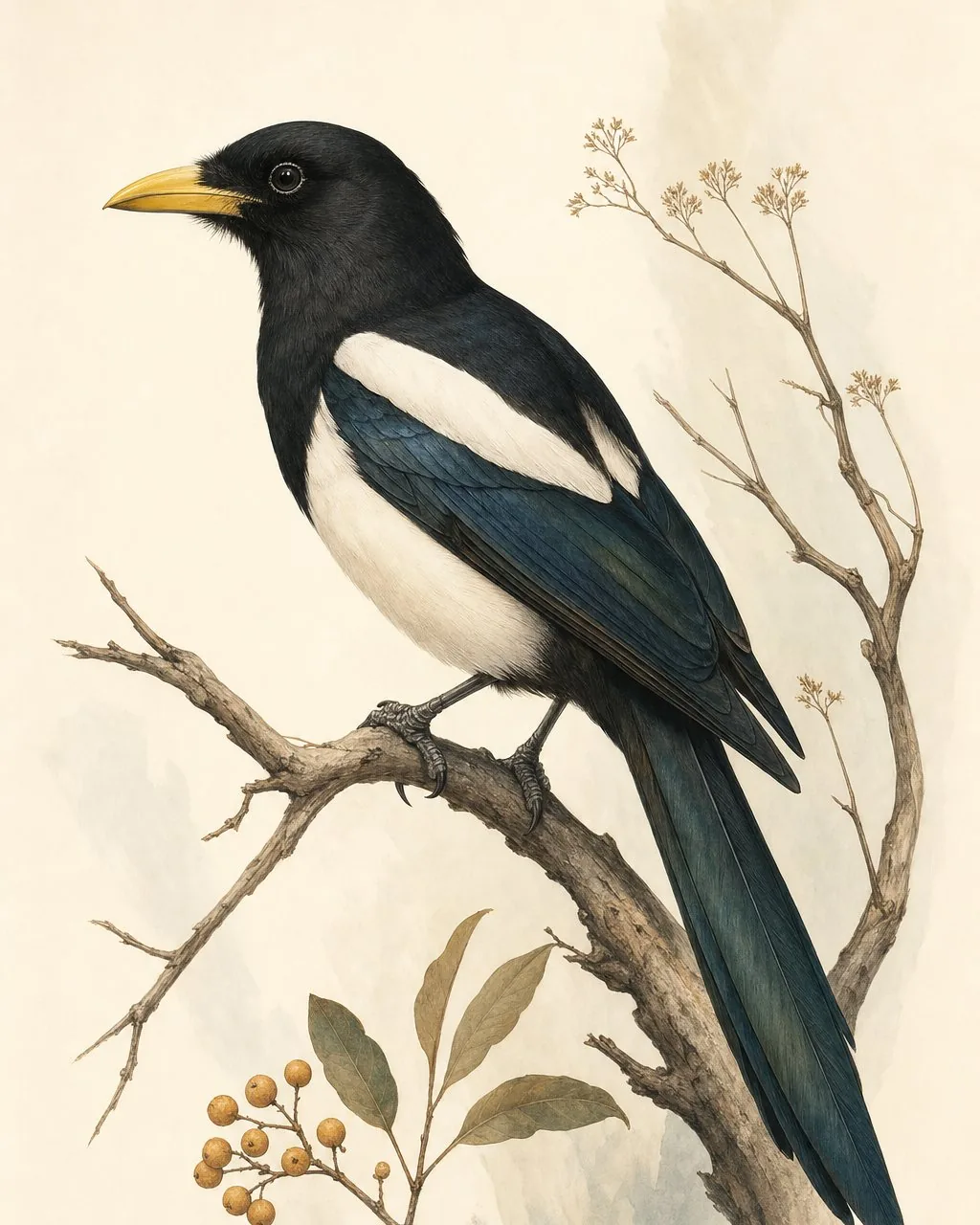
The Yellow-billed Magpie (Pica nuttalli) is the more visible of the two. It lives in the oak savannah and grassland-edge habitats of the Central Valley, the Coast Ranges, and the Sierra Nevada foothills - a corridor roughly 500 miles north to south and less than 150 miles wide. It does not migrate. Birders coming from outside North America who want a California-only tick stop here first. Cornell Lab of Ornithology places its total population at 10,000 to 15,000 individuals, which makes it a genuinely scarce bird measured against the state’s other residents.
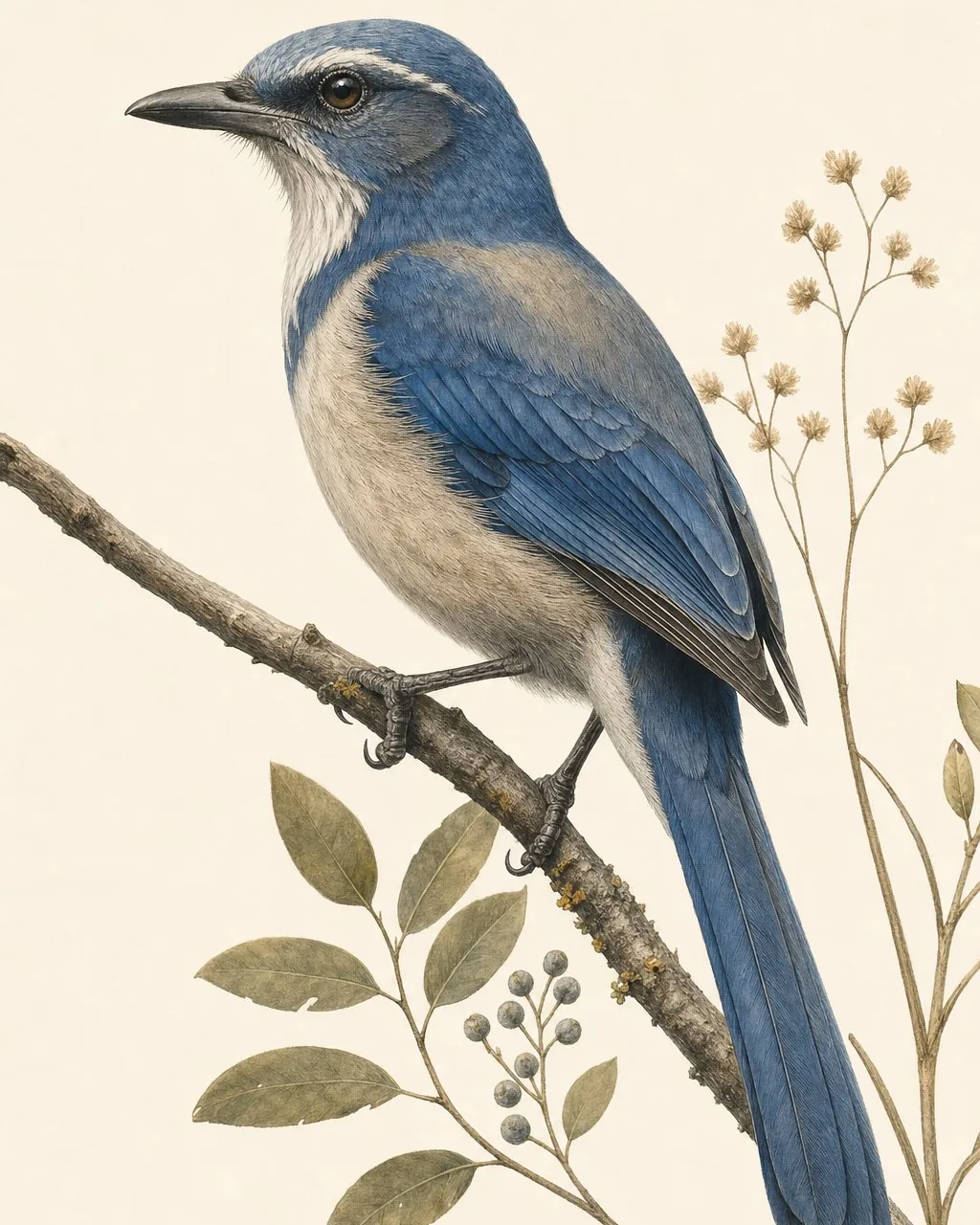
The Island Scrub-Jay (Aphelocoma insularis) is the other endemic, confined to Santa Cruz Island in the Channel Islands National Park. It is larger and deeper blue than its mainland relative and is regularly cited as a prize by birders who have exhausted the state’s coastal hotspots and are ready to board the ferry from Ventura.
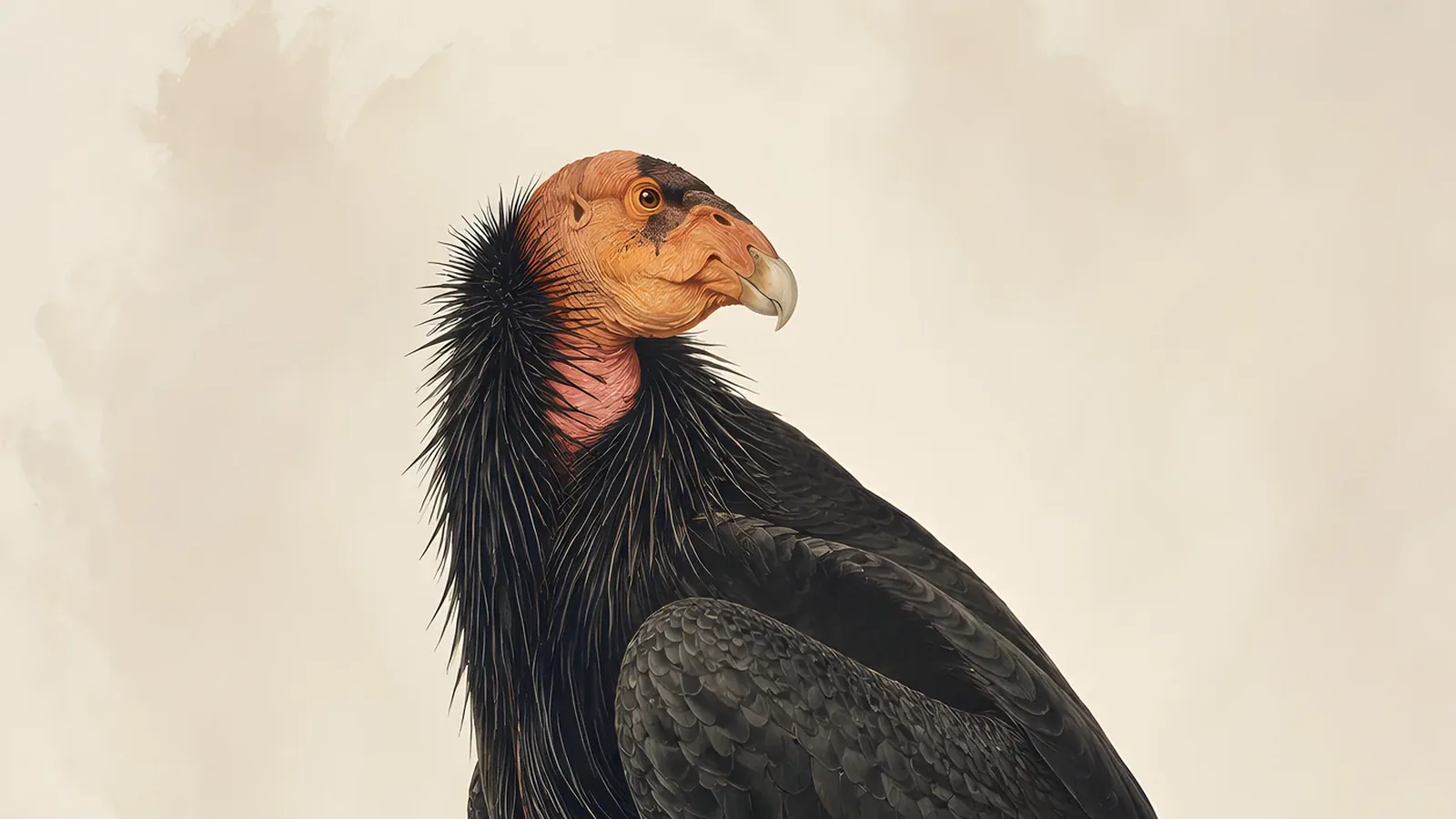
The California Condor (Gymnogyps californianus) is not technically endemic, but the California story is where its recovery is most visible. The entire wild population was caught in 1987 - 27 birds - for a captive breeding emergency that pulled the species back from the edge. Birds began returning to the wild in California in 1992. As of December 2025, the U.S. Fish and Wildlife Service recorded a world population of 607 individuals. Wild birds are most reliably seen from the High Peaks trail at Pinnacles National Park and at the Big Sur coastal bluffs, where they ride thermals over the Pacific.
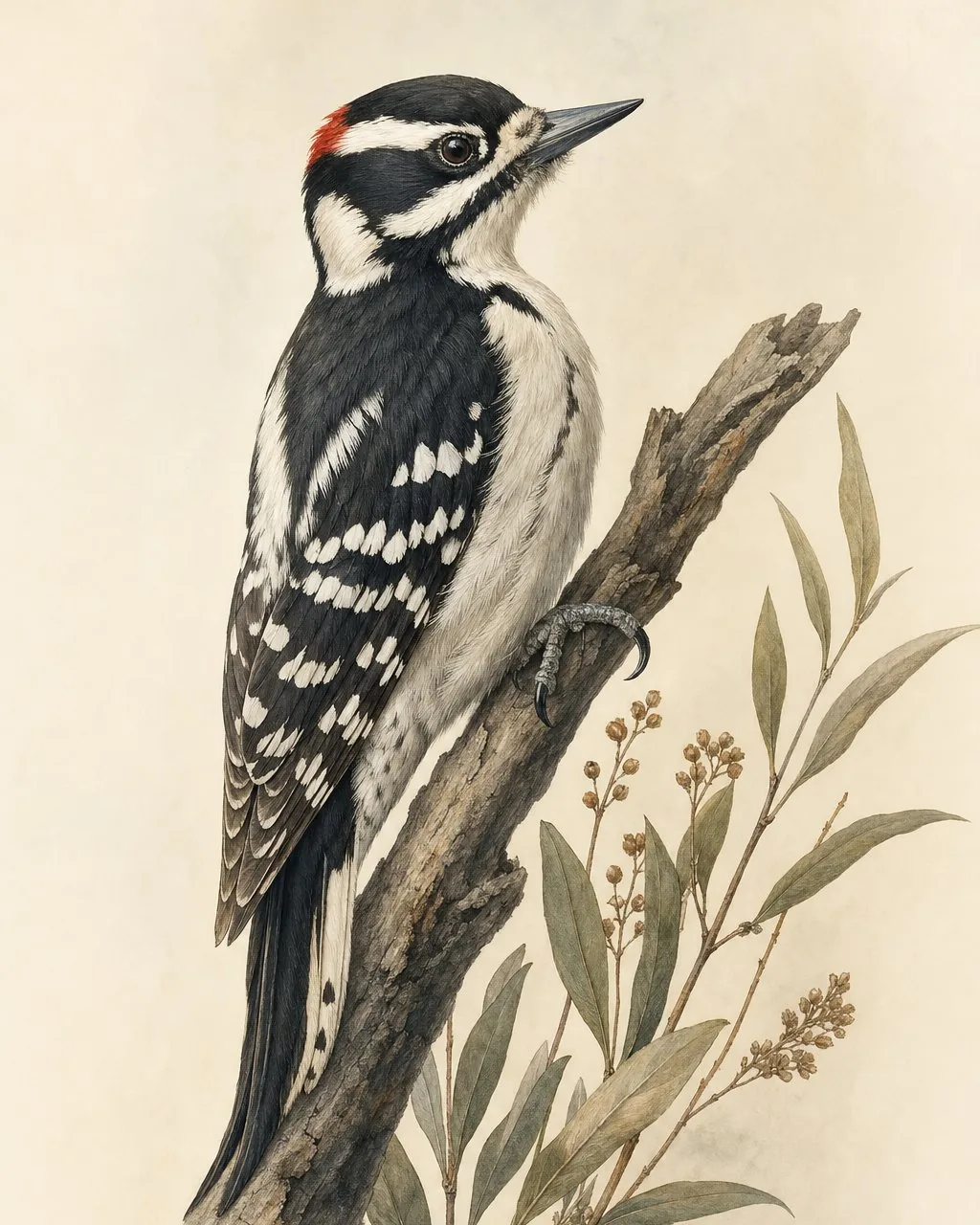
Nuttall’s Woodpecker (Dryobates nuttallii) is a near-endemic, extending only a short distance into Baja California and rarely straying north to Oregon. Small, black-and-white barred, and inseparable from California’s oak woodlands - it is one of those species that rewards birders who slow down in the foothill forests of the Sierra Nevada and the Coast Ranges rather than rushing south toward the desert.
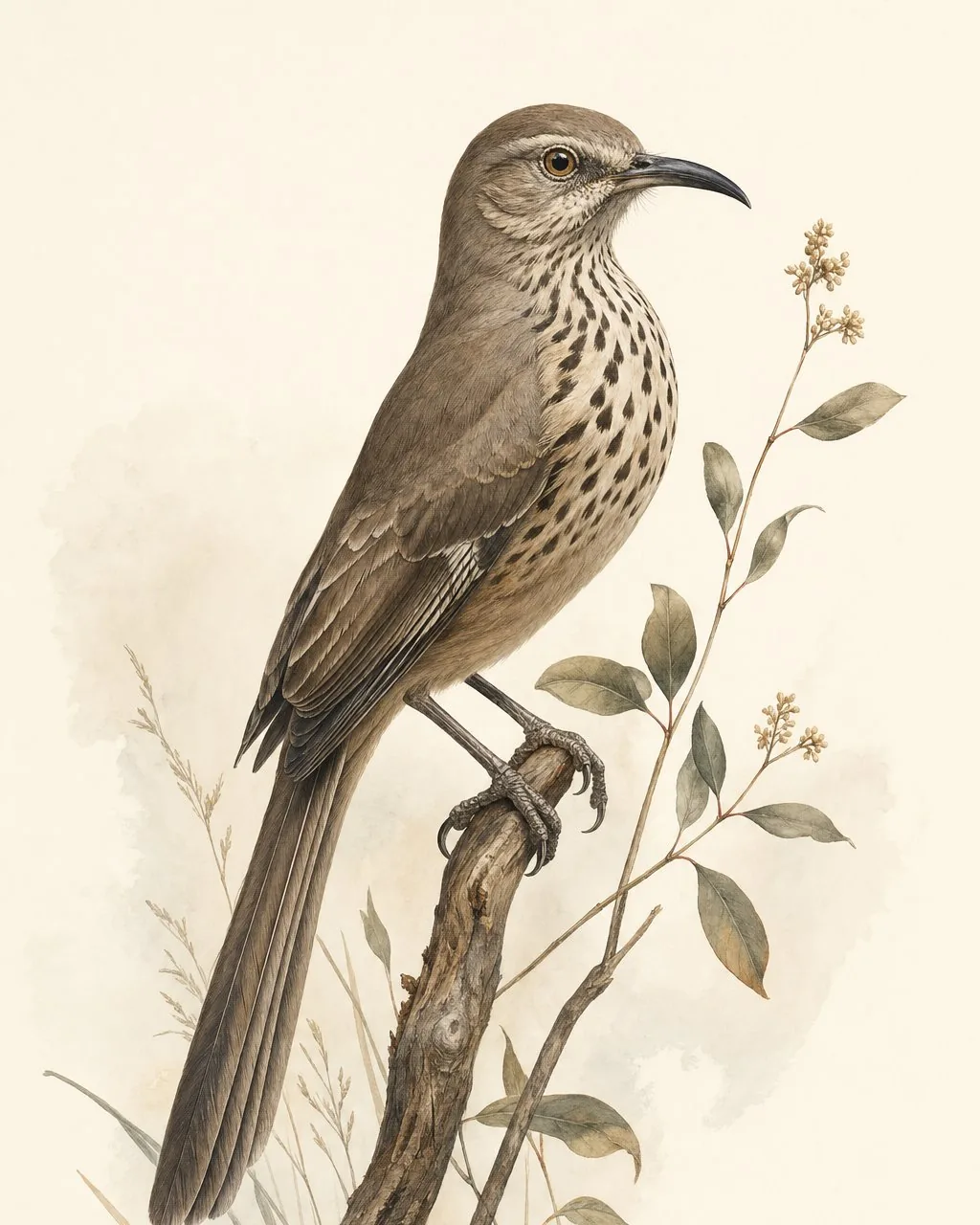
The California Thrasher (Toxostoma redivivum) is another species whose range barely crosses the Baja border. A large, sickle-billed bird of dense chaparral scrub, it tends to stay low and move fast, but its rich, improvisational song - delivered from an exposed shrub in the early morning - is easy to locate. The Audubon Society lists it alongside the California Towhee and California Gnatcatcher as species that define the character of Southern California brushland.
Top backyard species
The suburban and urban garden from San Diego to Eureka will produce:
- Anna’s Hummingbird (year-round, the most reliably present hummingbird species)
- Western Bluebird (year-round in foothill and valley suburbs)
- Mourning Dove (year-round, abundant)
- House Finch (year-round)
- Lesser Goldfinch (year-round in most of the state)
- American Crow (year-round)
- Steller’s Jay (year-round in forested areas, mountain suburbs)
- Northern Mockingbird (year-round in the south and Central Valley)
- California Towhee (year-round, brushy suburban gardens)
- Cooper’s Hawk (year-round, feeds on feeder birds)
- Turkey Vulture (year-round along the coast and valleys)
- Peregrine Falcon (year-round in coastal cities)
Where and when to watch
Point Reyes National Seashore (Marin County) is one of the premier birding sites in the country. Audubon’s coastal birding guide places it at approximately 470 recorded species. The headland catches fall vagrants from both Atlantic and Pacific populations. In late April and May the woodland trails through Bear Valley produce breeding warblers, and the point itself is the best land-based seabirding location on the northern California coast.
Elkhorn Slough (Moss Landing, Monterey County) lists over 340 species and offers some of the most accessible shorebirding on the Pacific. At low tide in November and December, the exposed mudflats hold Western Sandpiper, Dunlin, Long-billed Curlew, and Marbled Godwit in concentrations that draw comparisons to the Gulf Coast. Sea otter presence in the slough is not the birder’s primary concern but is universally appreciated.
Mono Lake (Eastern Sierra) is primarily known for California Gulls, which breed here in tens of thousands and which Audubon notes use this site as their primary staging ground before dispersing across the western interior. The lake also concentrates Red-necked and Wilson’s Phalaropes during southbound migration in July and August - numbers that can reach into the hundreds of thousands in a good year.
Salton Sea (Imperial and Riverside counties) is the desert specialist’s destination. The Yellow-footed Gull (Larus livens), a Pacific Mexican species that barely crosses the border, appears here reliably each summer - one of the very few places in the United States where it can be found. Audubon’s guide also flags Wood Stork, Gull-billed Tern, and Burrowing Owl as Salton Sea regulars that are scarce or absent elsewhere in the state.
Seasonal rhythm
Spring migration along the coast runs from late March through May. The best warbler concentration in the state moves through Point Reyes and the coastal headlands in the first two weeks of May. Summer is the season for Salton Sea desert specialties and high-Sierra breeding birds including White-tailed Ptarmigan at elevation. The Central Valley holds the state’s most dramatic winter spectacle: hundreds of thousands of Ross’s and Snow Geese staging at Sacramento National Wildlife Refuge and the surrounding refuges of the Sacramento Valley, one of the largest waterfowl concentrations on the continent.
The California Quail is present in all of this, largely indifferent to the visiting birder, moving through the chaparral in its coveys. It was there when the legislature chose it in 1931. It will be there when the condors no longer need monitoring. Some designations are simply accurate.