State Guide
Birds of Wyoming
On February 5, 1927, Governor Frank C. Emerson signed Senate File No. 9 into law, adopting the Western Meadowlark as Wyoming’s official bird. Six states in all have settled on the same bird (Oregon designated it the same year), and the reasoning recorded in Wyoming’s legislative file has a plainness that suits the place: the meadowlark helps control harmful insects, it has a beautiful song, and it can be seen throughout the state wherever grasslands and open fields are found. That is not poetry. It is testimony.
The Western Meadowlark belongs to the blackbird family, not the lark family, despite its name. It is built for open ground: short wings, a heavy bill for gaping into soft soil after invertebrates, and a territory-song so far-carrying that a single male can fill a quarter-section of pasture. Wyoming Game and Fish notes that the bird’s flute-like call marks spring’s arrival across the plains, typically returning to lower elevations in March before breeding pairs disperse into the sagebrush steppe and grassland foothills.
Geographically Wyoming is one of the most varied states in the interior West. It runs from high-plains shortgrass at the Nebraska border to the alpine tundra of the Wind River and Absaroka ranges, from the Red Desert basin in the southwest to the lodgepole forests of Yellowstone. That range - from roughly 1,000 metres to over 4,000 metres - compresses habitat zones that other states spread across hundreds of kilometres. The Wyoming Bird Records Committee currently lists approximately 461 species recorded in the state.
The state’s signature species
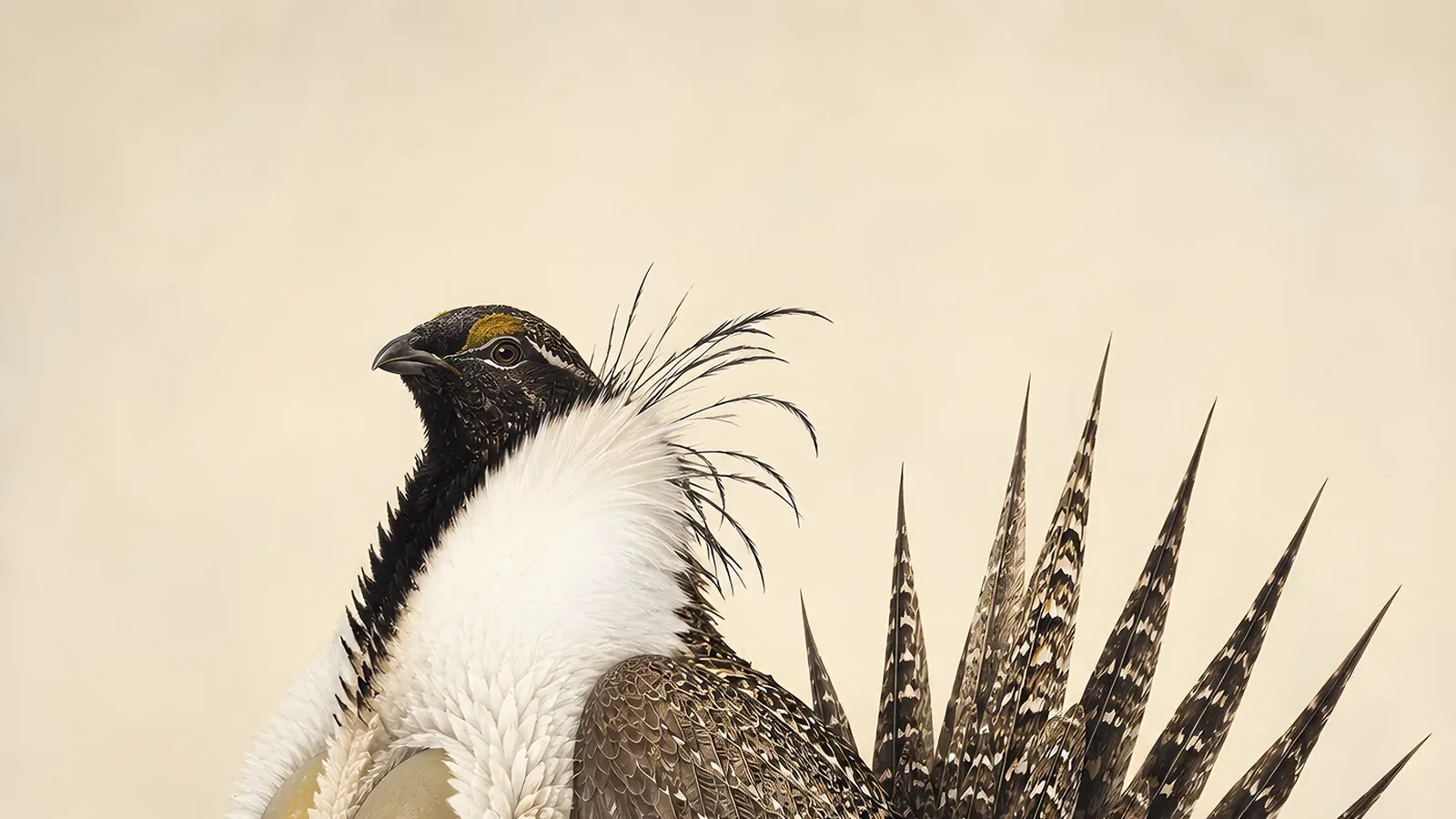
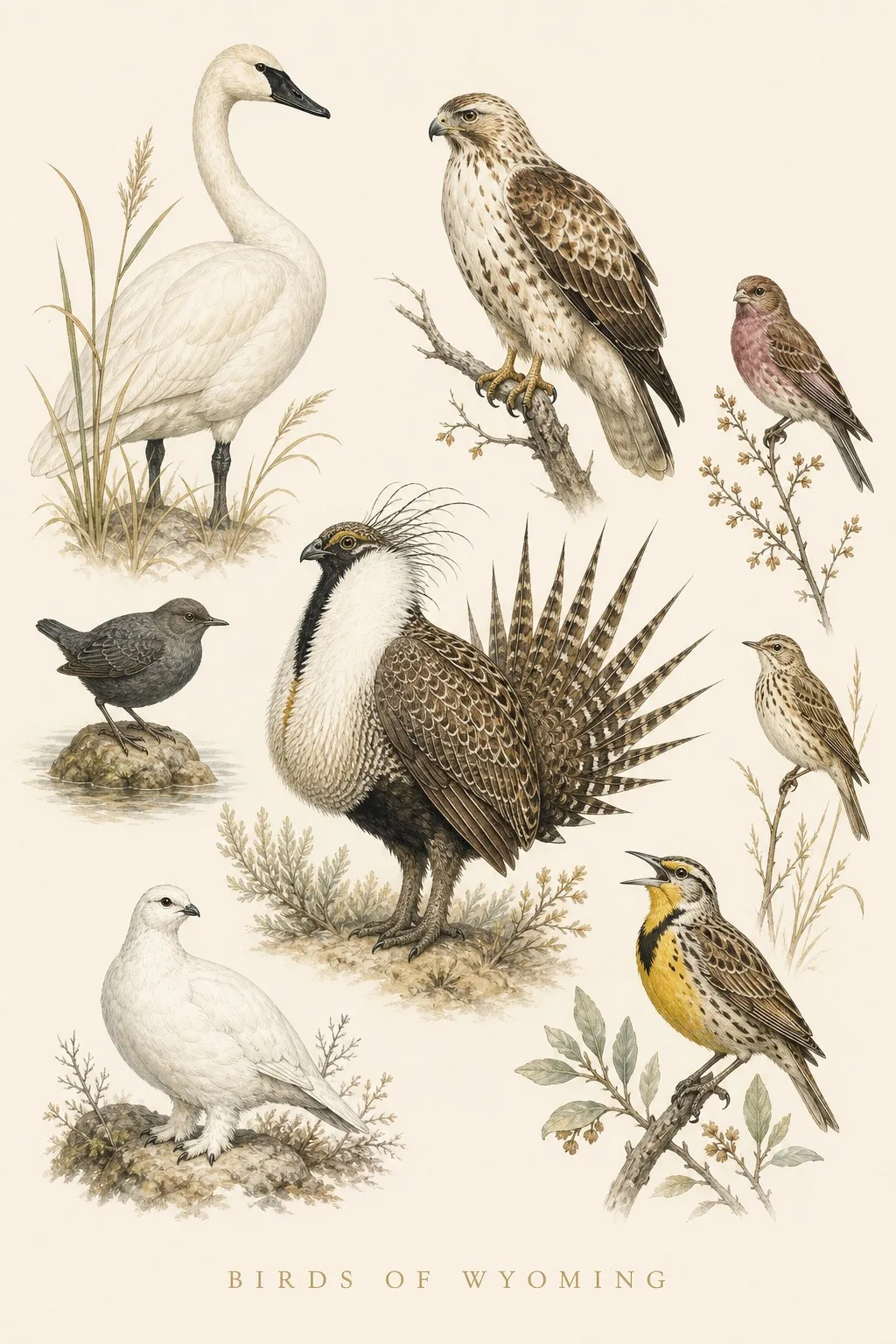
Greater Sage-Grouse is Wyoming’s most consequential bird. The Wyoming Game and Fish Department reports that Wyoming holds 37 per cent of the known range-wide male population and more active leks than any other state. Each spring from late March through May, male Greater Sage-Grouse gather before dawn on these traditional display grounds to inflate their air sacs, fan their spiky tail feathers, and produce a sequence of pops and whistles that carries far across the flats. The Moulton Lek inside Grand Teton National Park is one of the most accessible public viewing sites; Grand Teton staff run guided morning walks there in April and early May.
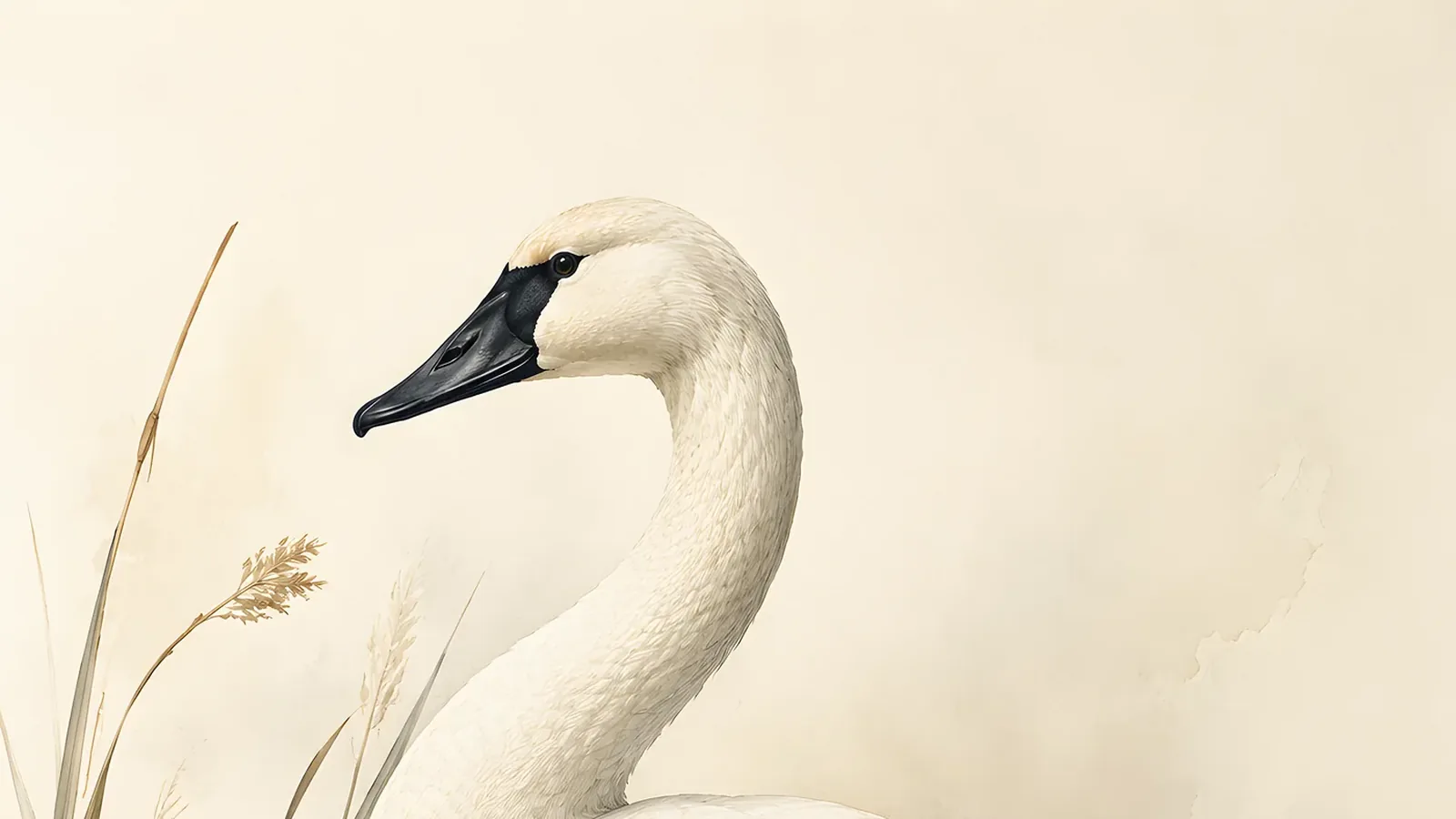
Trumpeter Swan nests at Yellowstone Lake and along the Green River corridor at Seedskadee National Wildlife Refuge. The species came close to extinction in the lower 48 by the mid-20th century, and Yellowstone held one of the last breeding populations. Cornell’s All About Birds notes the Trumpeter Swan as the heaviest bird native to North America. Pairs return to the same nest territories year after year, and the open stretches of the Green River at Seedskadee are among the most reliable places in the West to find breeding birds.
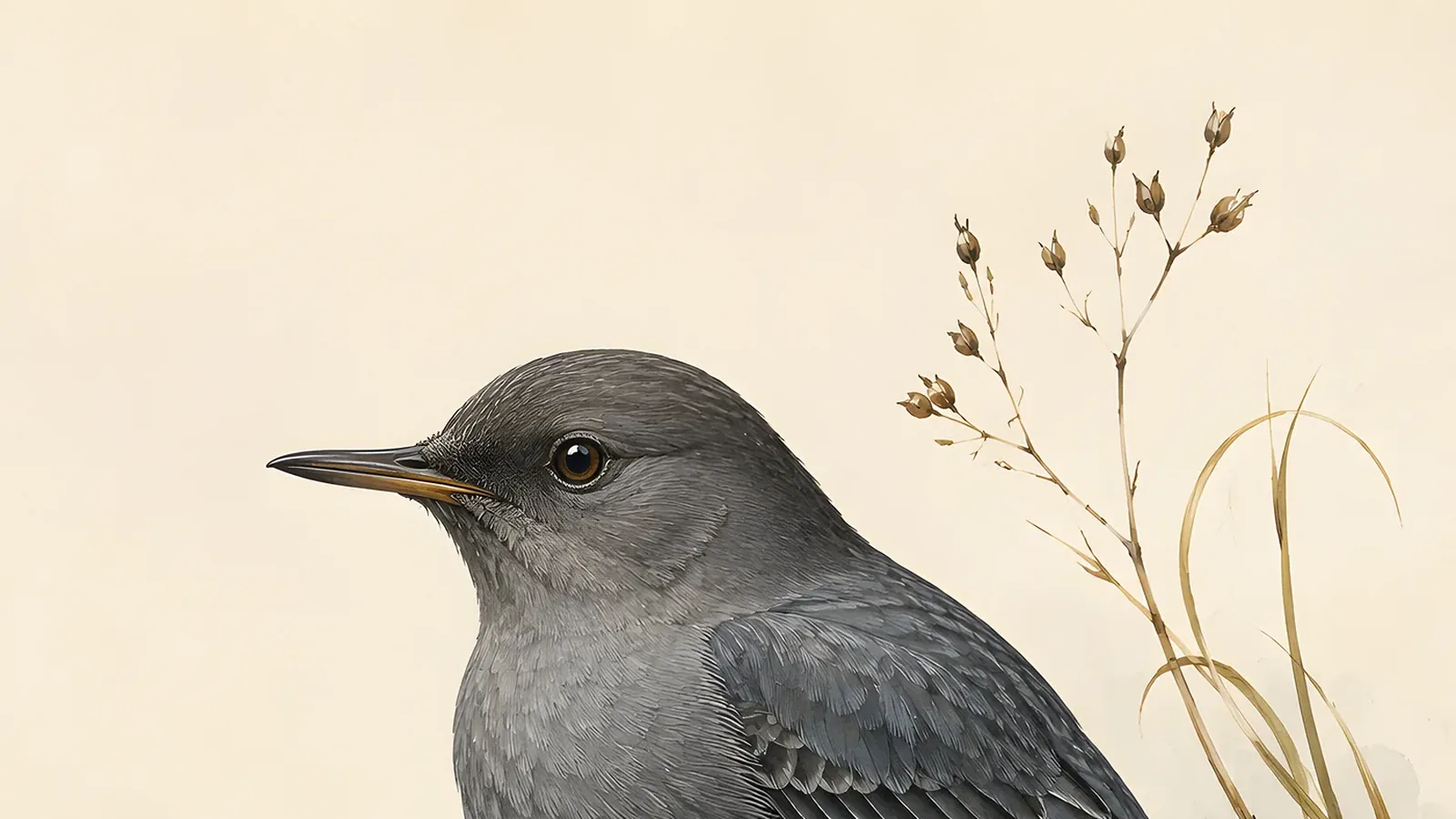
American Dipper is the surprise bird for visitors to Yellowstone and Grand Teton. This grey, plump songbird walks underwater along fast-moving streams, foraging on aquatic invertebrates. It does not migrate. In winter it stays on sections of river where the current keeps the water open, and its song - a loud, bubbly run of phrases - carries through snow and cold that drives most passerines south. Any clear, swift tributary in Yellowstone or the Tetons is worth checking.
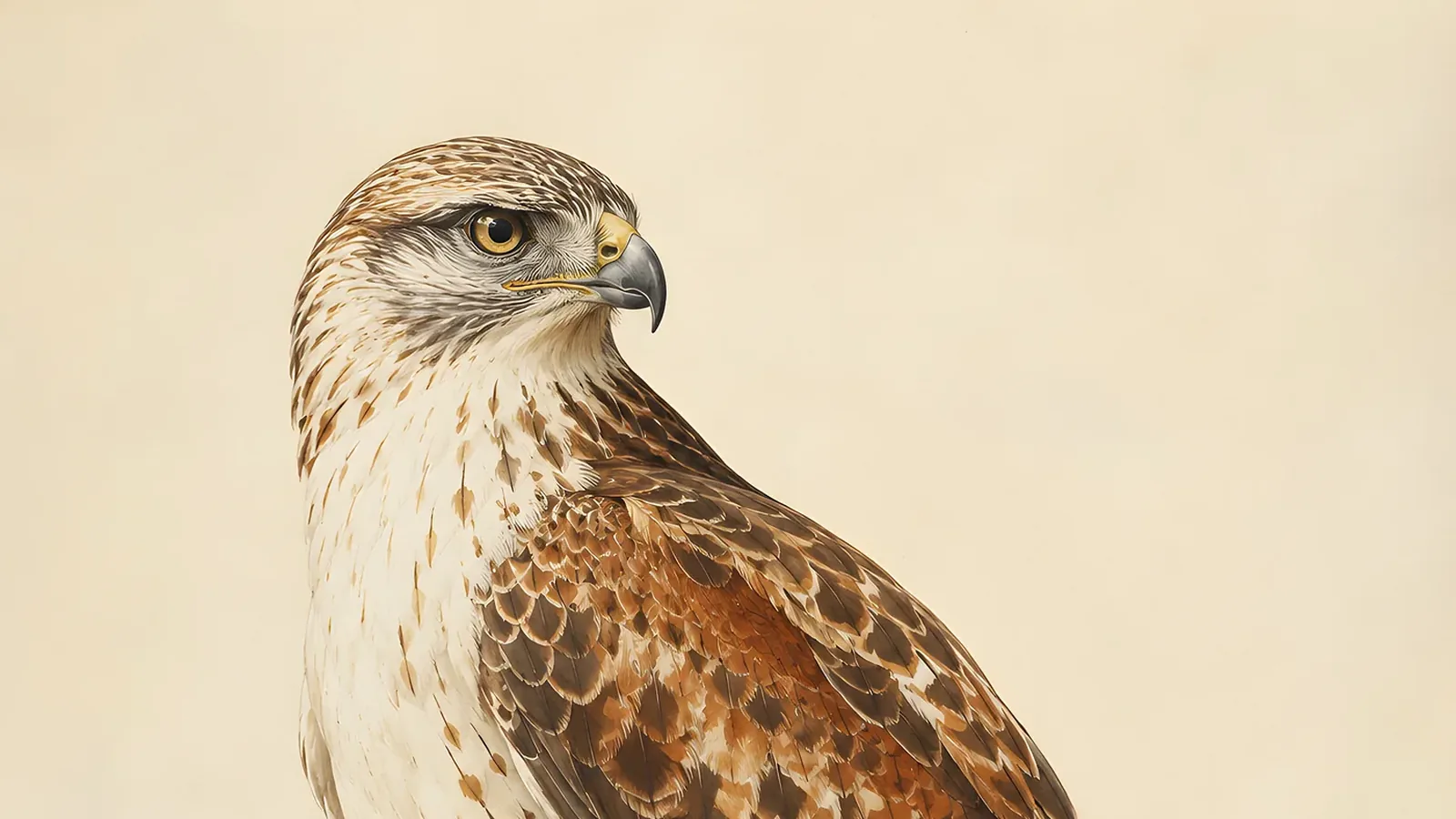
Ferruginous Hawk breeds on the open shortgrass and sagebrush flats of eastern and central Wyoming. The largest buteo in North America, it nests on cliff ledges or in isolated trees and requires large, undisturbed tracts. The Red Desert region between Rock Springs and Rawlins is one of the most reliable areas in the United States to find this species in summer.
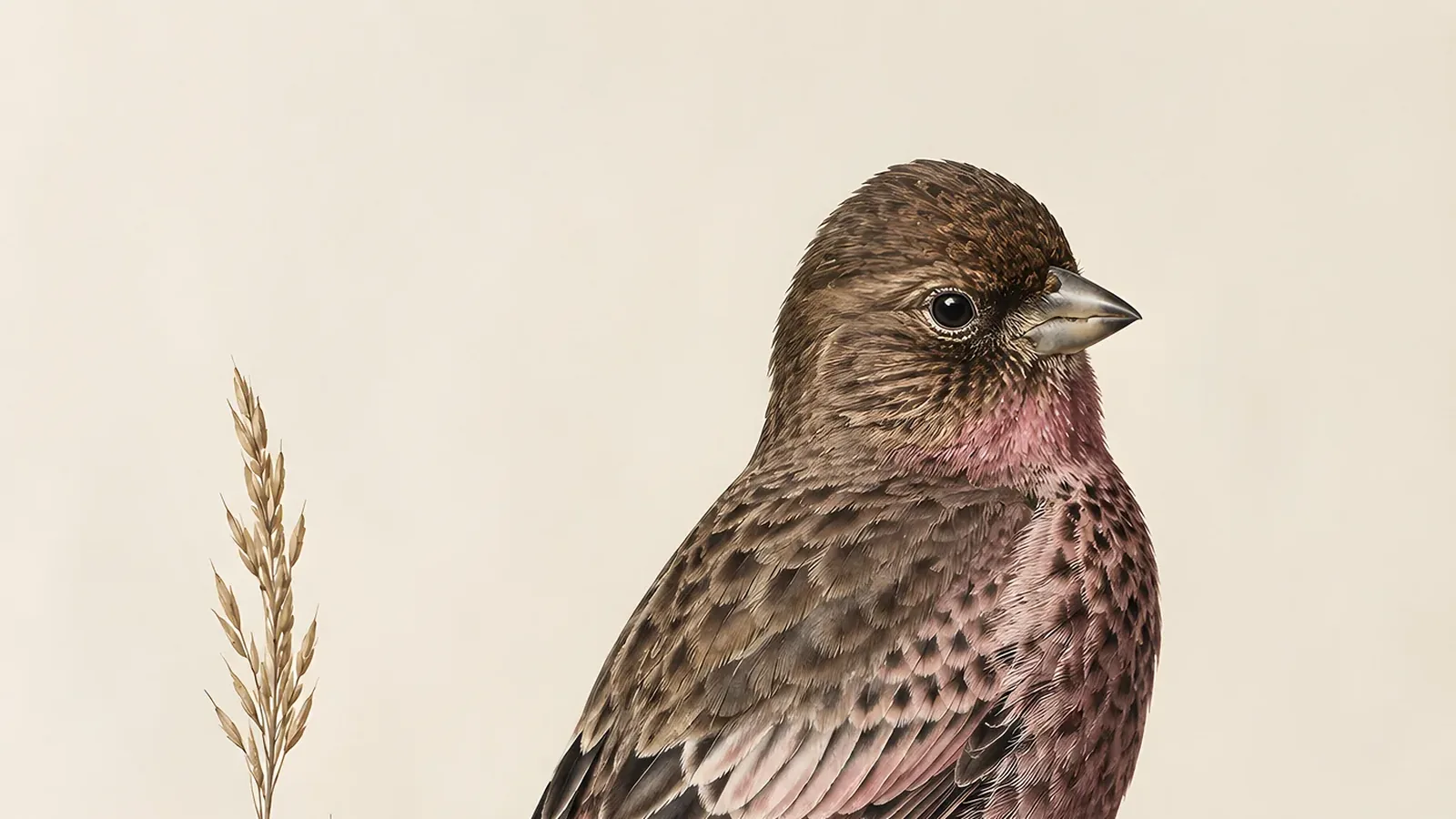
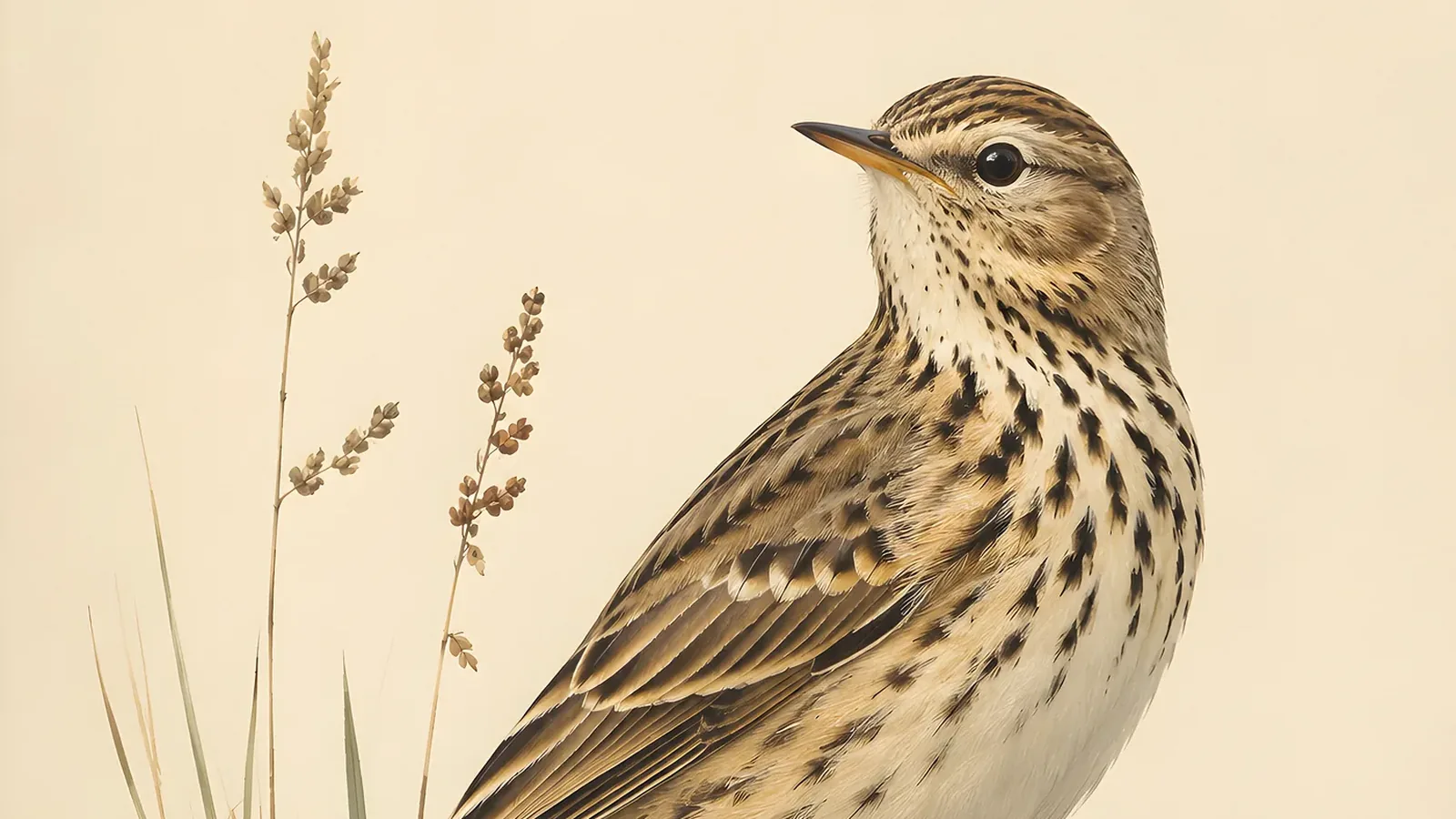
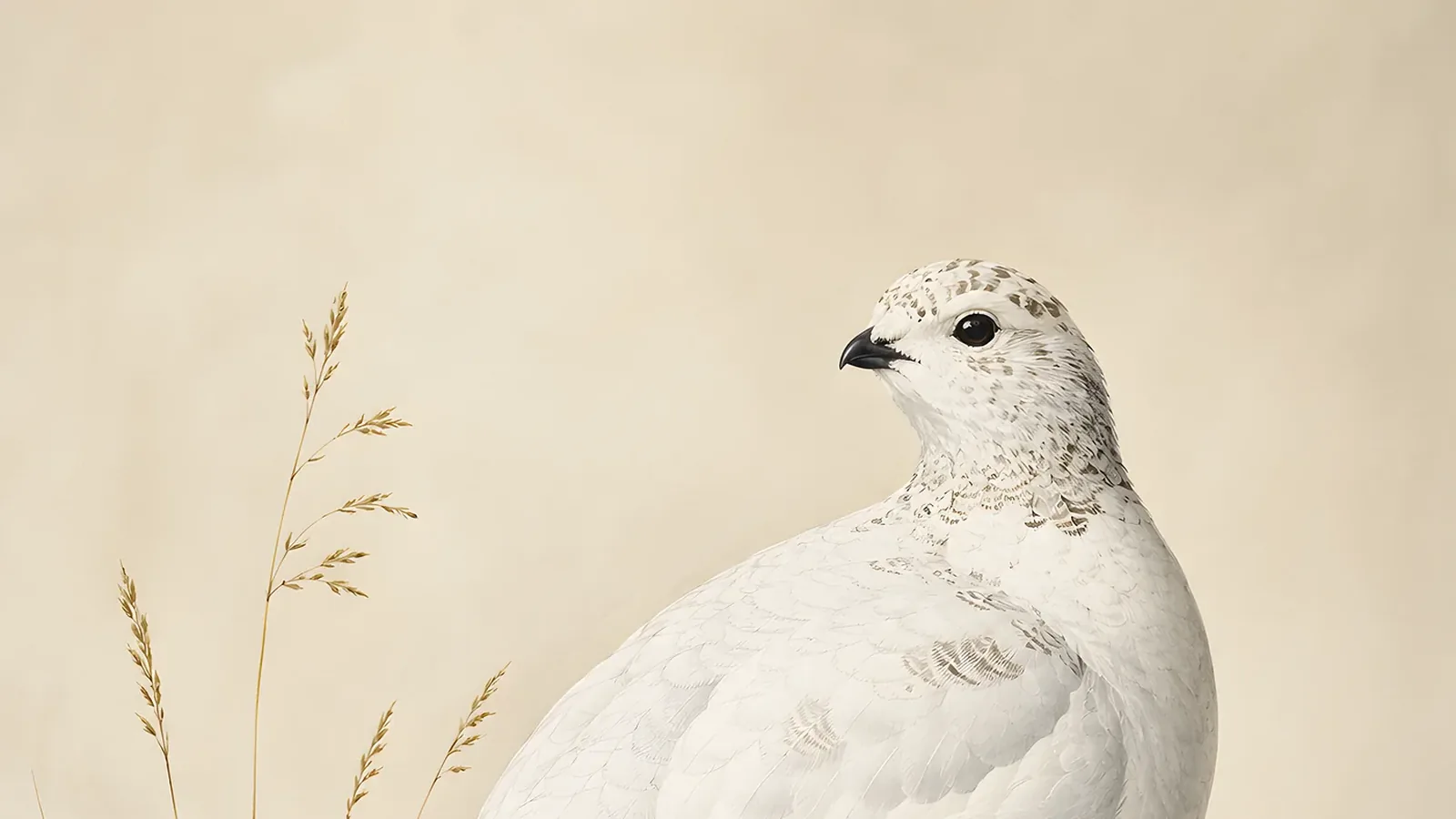
Brown-capped Rosy-Finch reaches the southern edge of its range in Wyoming’s highest peaks. In summer it nests in alpine boulder fields and snowfields, foraging on insects blown up from lower elevations and immobilised by the cold. The Snowy Range Scenic Byway in the Medicine Bow Mountains, which crests at just under 3,300 metres, is the most accessible site for this and other alpine species including American Pipit and White-tailed Ptarmigan.
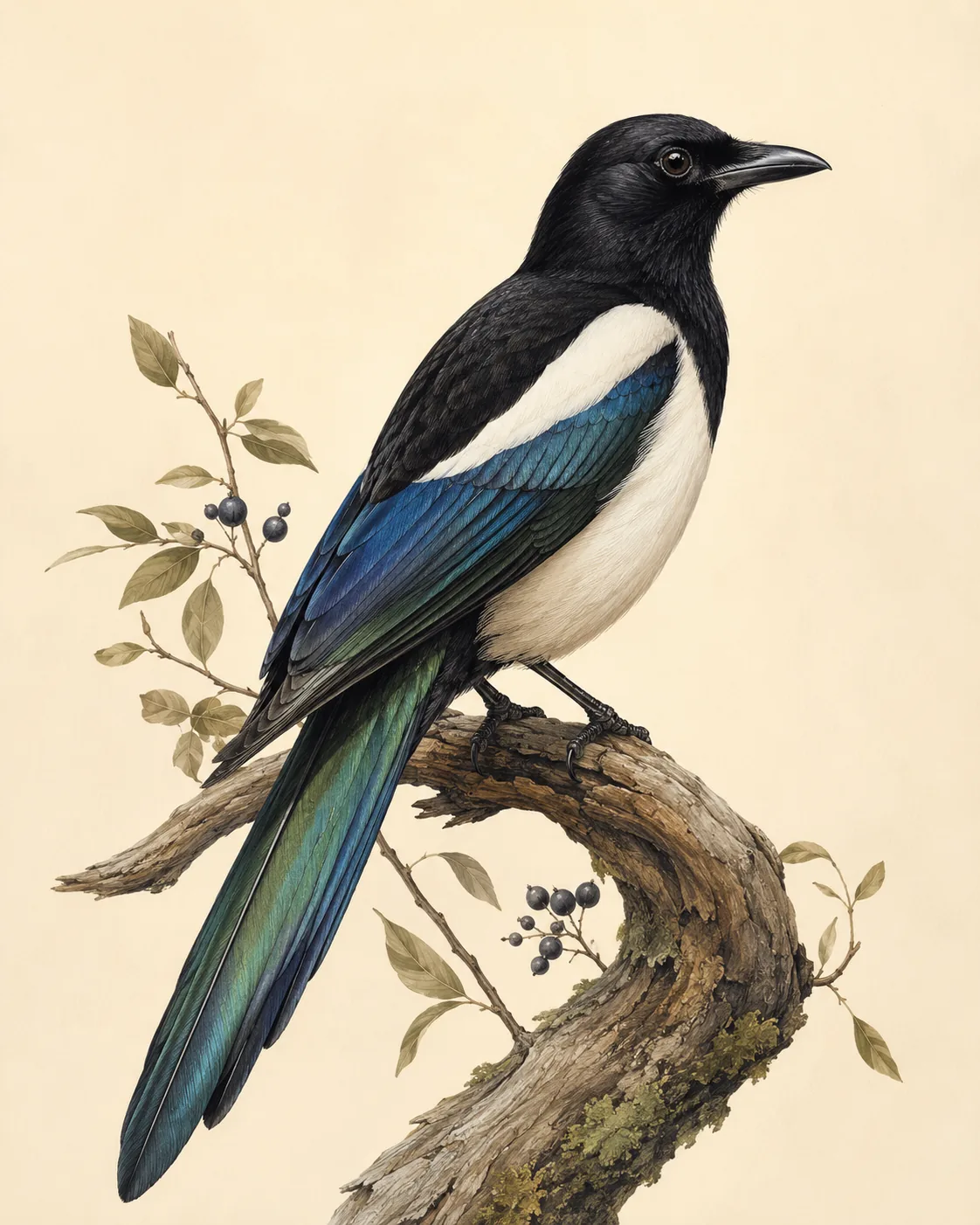
Black-billed Magpie is the year-round corvid of the Wyoming landscape - conspicuous in any town, ranch yard, or campground across the state. Its long wedge-shaped tail and bold black-and-white plumage make it unmistakeable. eBird data consistently place it among the most frequently reported species in the state.
Top backyard species
A typical Wyoming yard or garden, depending on elevation and region:
- American Robin (year-round, the most frequently reported species statewide on eBird)
- Black-billed Magpie (year-round)
- Dark-eyed Junco (year-round at higher elevations, winter visitor in the southeast)
- House Finch (year-round)
- House Sparrow (year-round, introduced)
- European Starling (year-round, introduced)
- Mourning Dove (year-round in lower elevations)
- Mountain Bluebird (summer resident, nests in cavities and nest boxes across open country)
- Canada Goose (year-round on water bodies, increasingly in suburban parks)
- Steller’s Jay (year-round in ponderosa pine and lodgepole forest; the western equivalent of the Blue Jay)
- Downy Woodpecker (year-round in wooded areas)
- Red-tailed Hawk (year-round)
- Western Meadowlark (spring through autumn in grasslands; the state bird)
Where and when to watch
Yellowstone National Park is the single most productive birding destination in the region. The park’s ornithological record dates to 1872, and the current documented species count is over 280. Hayden Valley in June and July concentrates Sandhill Crane, American White Pelican, Osprey, Bald Eagle, and waterfowl in numbers unmatched elsewhere in the interior West. The Yellowstone River below the upper falls is one of the most photographed Osprey nest sites in North America.
Grand Teton National Park adds sagebrush habitat, riparian cottonwood corridors, and high-alpine zones to the mix. Oxbow Bend on the Snake River is the established spot for Trumpeter Swan, beaver, and moose at dawn. The Moulton Lek near Antelope Flats Road operates April through early May. Over 300 species have been recorded in the park.
Seedskadee National Wildlife Refuge sits along 36 miles of the Green River in southwestern Wyoming. The refuge protects nesting Trumpeter Swan and hosts spring Greater Sage-Grouse lek displays on adjacent sagebrush. The US Fish and Wildlife Service documents over 222 species using the refuge.
Keyhole State Park in northeastern Wyoming (a 14,700-acre reservoir near Sundance) is the top inland water site in the state’s northeast quadrant, drawing shorebirds on exposed mudflats in late summer and waterfowl through autumn migration. Birders coming from the Black Hills of South Dakota frequently add it to a Wyoming trip.
Spring migration in Wyoming runs April through May. The first Western Meadowlarks return to the plains in March; Greater Sage-Grouse leks are active from late February. Summer at high elevation is brief and intense: Calliope Hummingbird (North America’s smallest bird) passes through the Tetons in July; Brown-capped Rosy-Finch is at the nest in July and August. By September, shorebird numbers build at reservoir mudflats. In winter, Bald Eagles concentrate along unfrozen river stretches - the North Platte, the Green, the Shoshone - and Golden Eagles hunt the open plains.
The meadowlark that persuaded Wyoming’s legislature in 1927 is not rare, not threatened, not hard to find. It sits on a wire above sagebrush and sings as if the wide basin belongs to it, which - for birding purposes - it largely does. Wyoming is a state where the common species are worth the attention, and the specialities are genuinely extraordinary.