State Guide
Birds of New Hampshire
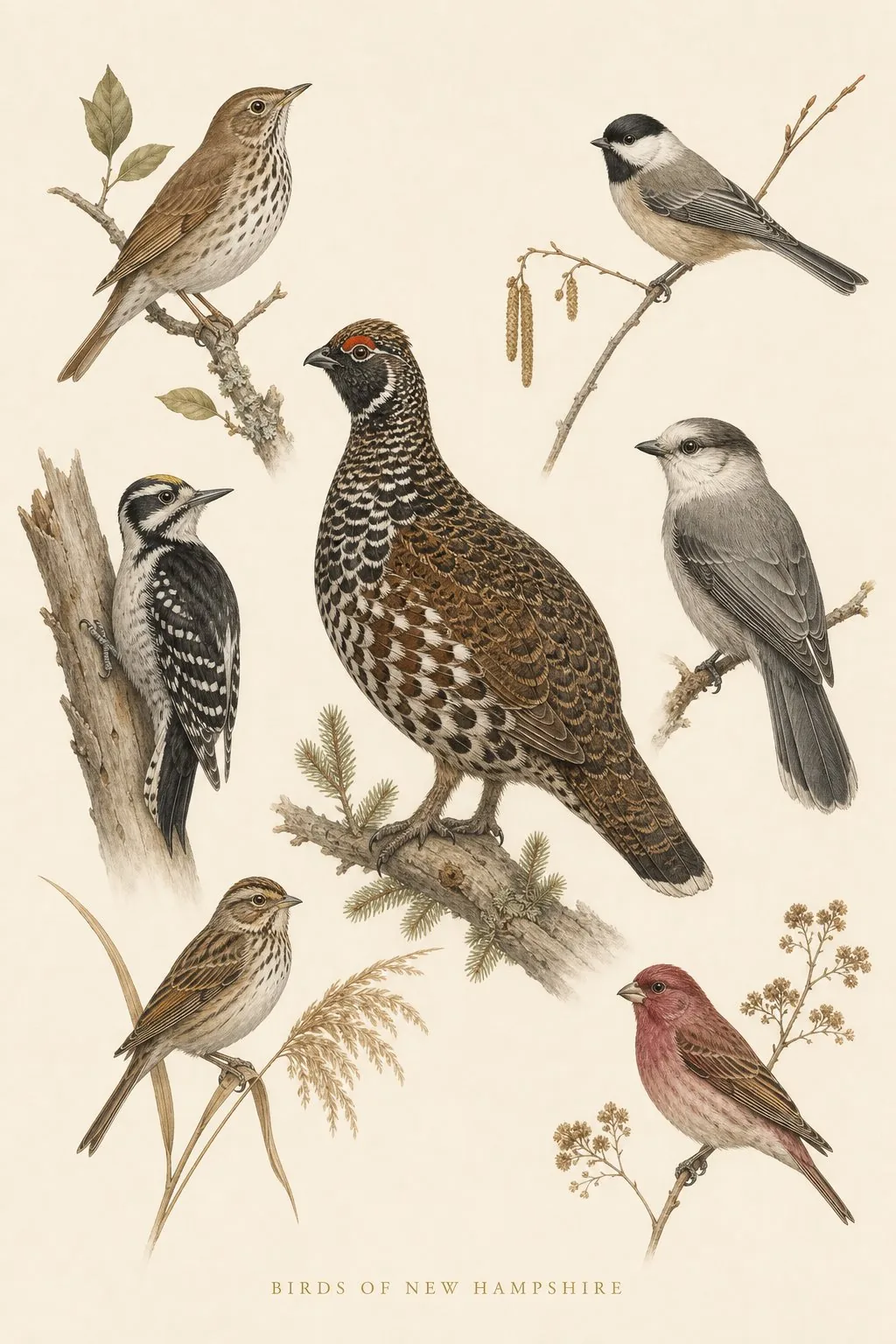
On April 25, 1957, Governor Lane Dwinell of Lebanon signed the Purple Finch into law as New Hampshire’s official state bird. The bill had been sponsored by Representative Robert S. Monahan of Hanover - then Dartmouth College’s forester - and had sailed through the legislature with backing from New Hampshire Audubon, the State Federation of Garden Clubs, and the State Federation of Women’s Clubs. It cleared the House on February 12 and the Senate concurred shortly after, brushing aside a rival bill that would have given the honour to the New Hampshire hen.
It was a practical choice as much as an aesthetic one. The Purple Finch (Haemorhous purpureus) is not purple: the male is a deep wine-raspberry, heavily saturated on the head and breast, fading to streaked white on the flanks. Cornell Lab’s All About Birds describes the male as looking “like he’s been dipped in raspberry juice” - the most useful field note anyone has written about the species. The female is cryptically brown and white, with a bold facial pattern that looks like nothing else in the finch family. Both forms are year-round residents across much of the state, nesting in spruce-fir forest and wintering widely at feeders. The Purple Finch is, in short, a New Hampshire bird in the way that a Snowy Owl is an Arctic bird: the association is real and the habitat is the reason.
The state’s signature species
New Hampshire is a small state that punches far above its size for birding. Its 15-mile strip of Atlantic coastline, the White Mountain boreal zone above 2,500 feet, and the Connecticut Lakes country near the Canadian border each hold species that birders travel hundreds of miles to find.
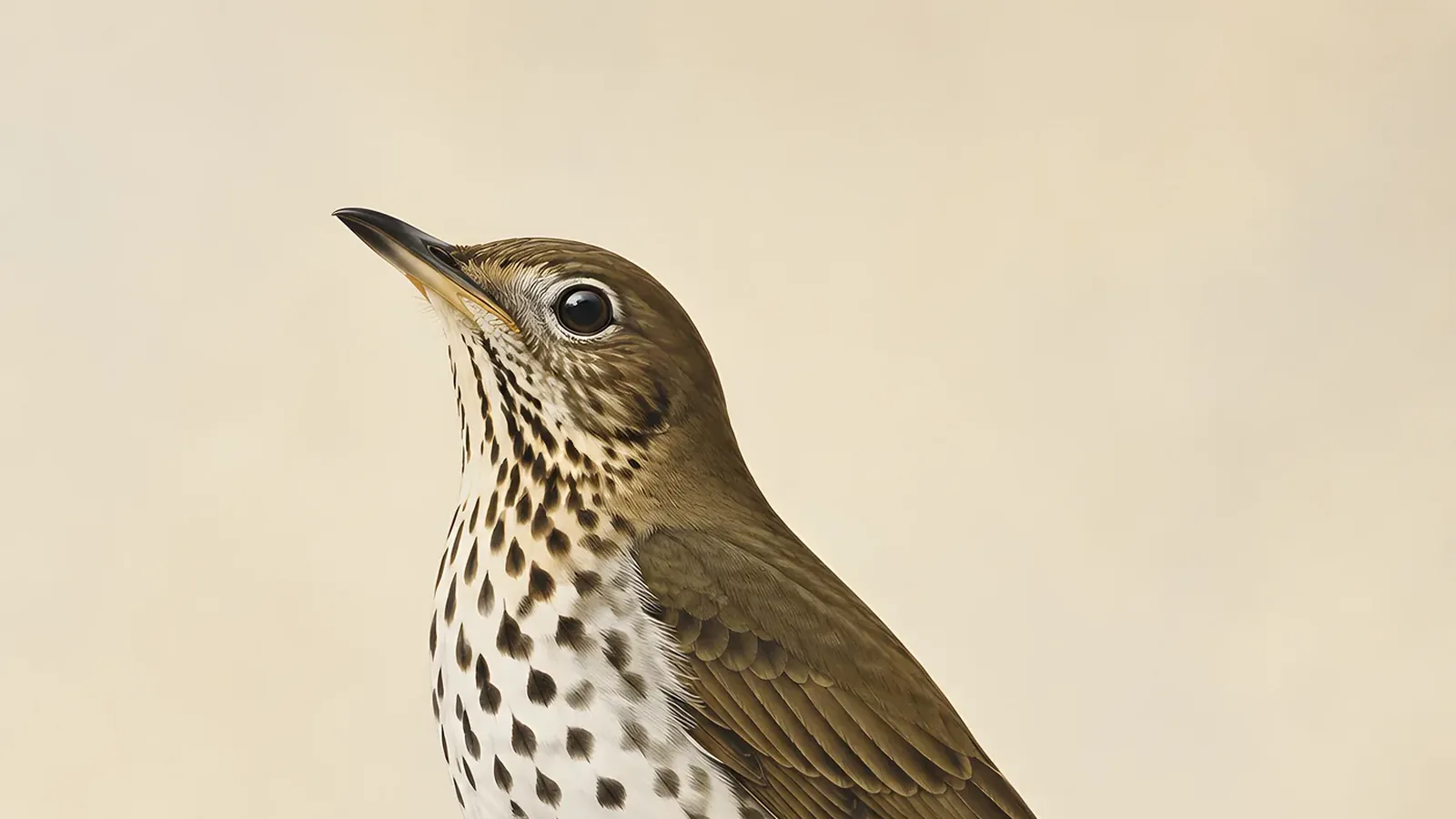
Bicknell’s Thrush is the mountain target. This reclusive species - one of North America’s rarest breeding songbirds - nests at high elevation in the spruce-fir krummholz of the Presidential and Franconia ranges. The Mount Washington Auto Road is the most accessible point of entry: the species can be heard singing from the half-way house upward in late May and June. Cannon Mountain’s summit and Caps Ridge Trail on Mount Jefferson are alternatives for those who prefer their legs to a toll road.
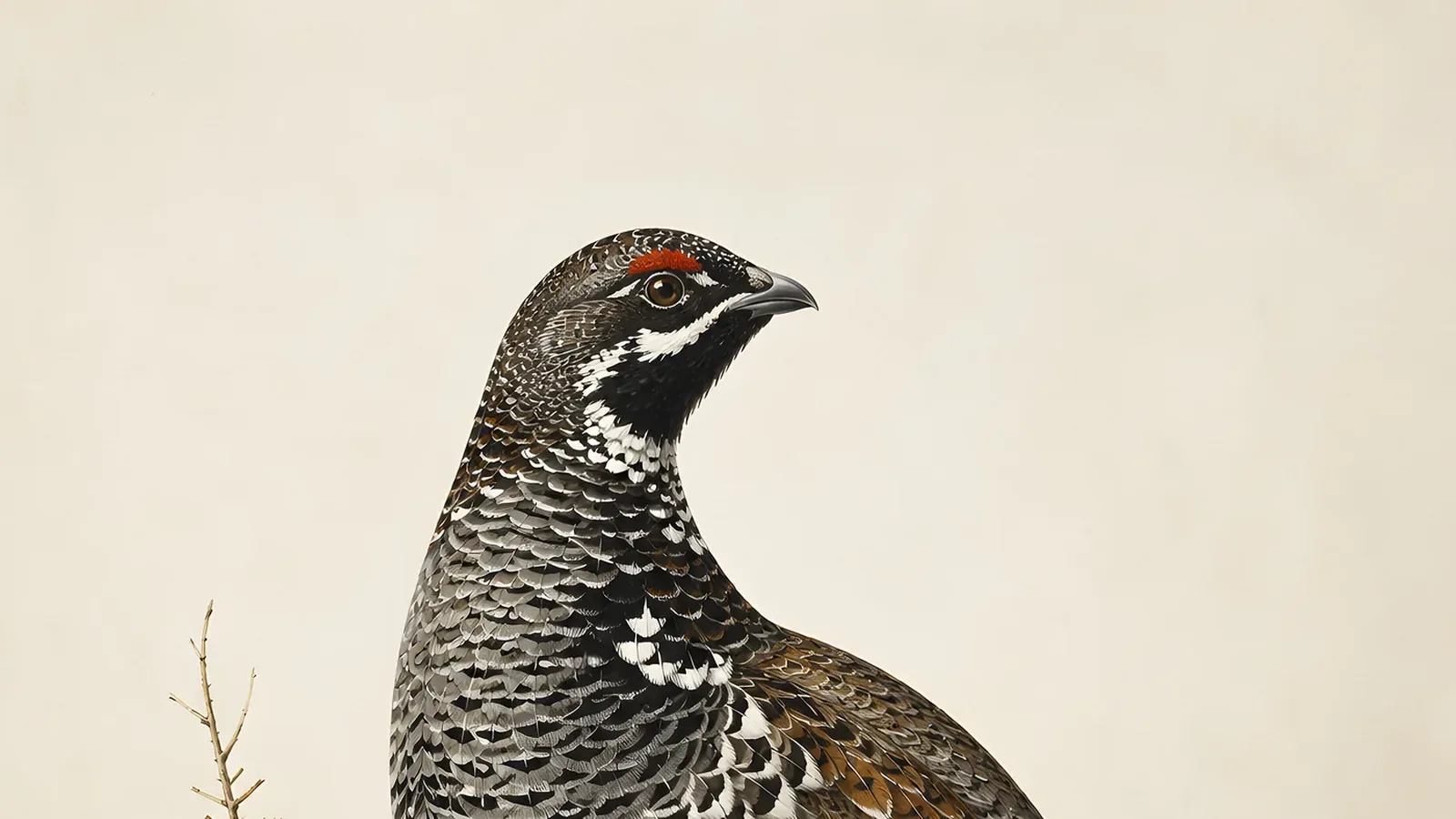
Spruce Grouse holds an almost mythic status in the White Mountains because it is simultaneously secretive and, when found, astonishingly tame. Field naturalists historically called it the ‘fool hen’ precisely because it would stand motionless while hikers passed within arm’s reach. The species is reliably encountered near the Mizpah Springs hut area on the Crawford Path in summer, in the spruce-fir belt above 3,000 feet.
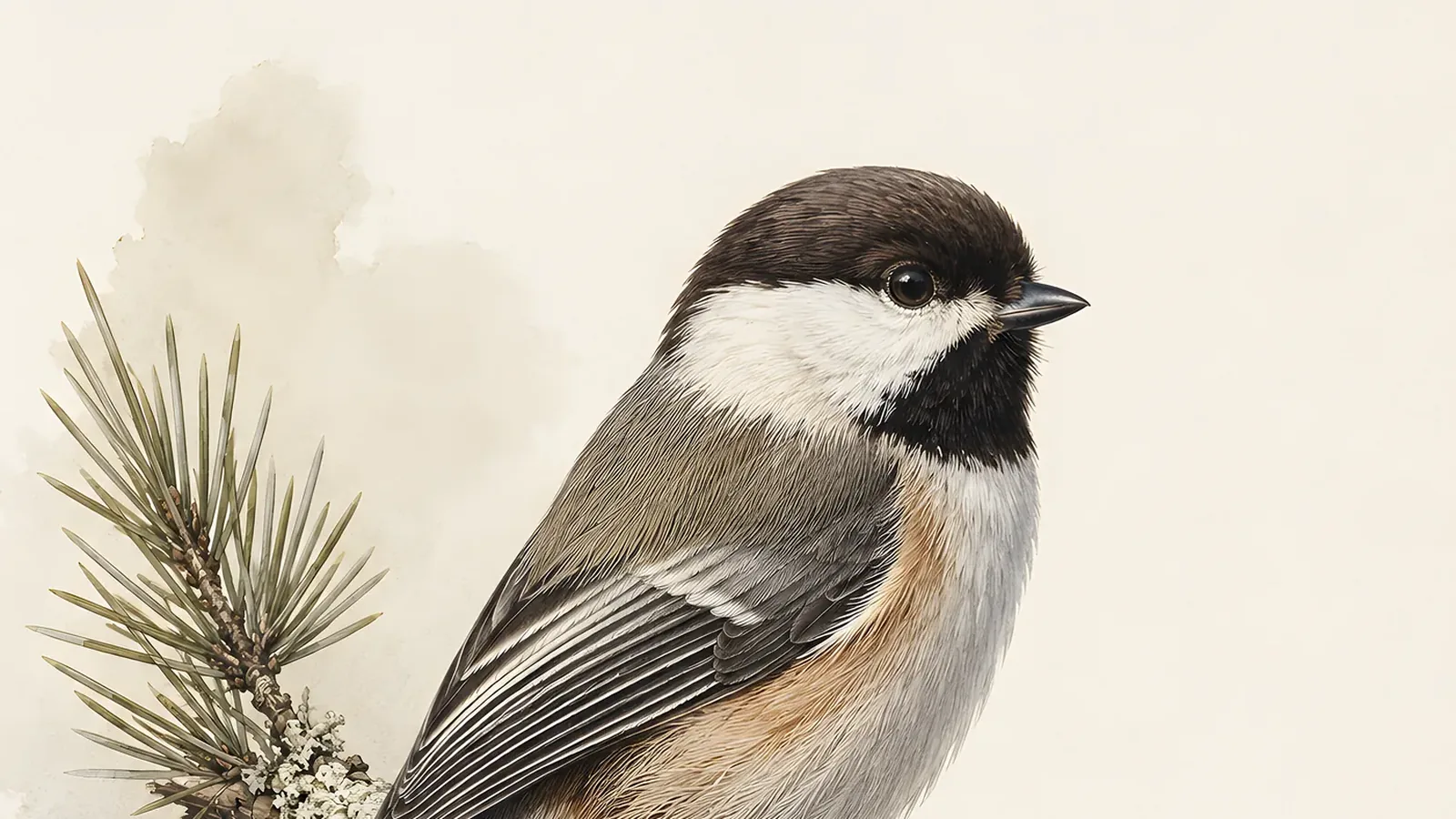
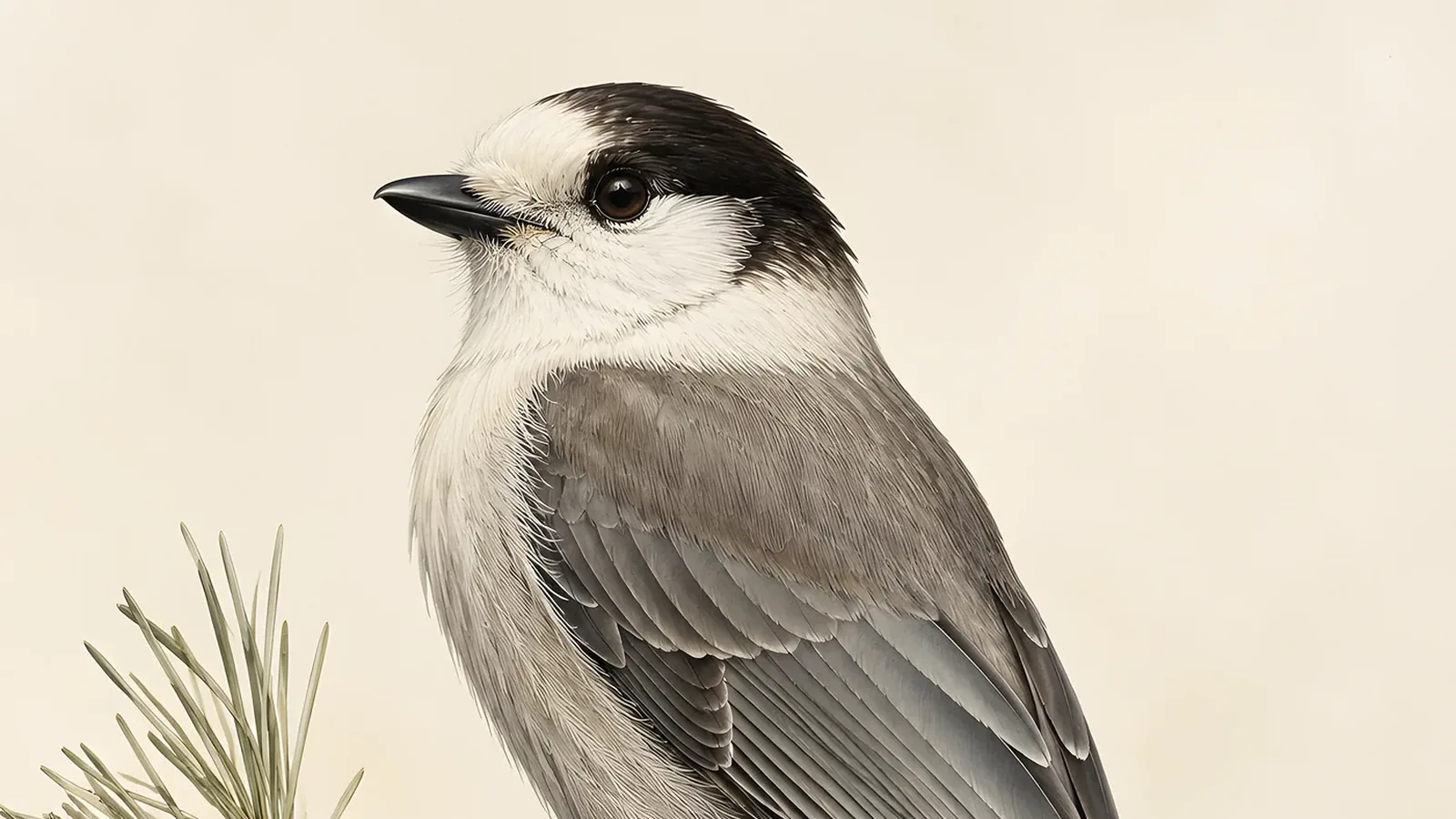
Boreal Chickadee and Gray Jay are the other two boreal sought-after species. Both occur in mature spruce-fir stands through the North Country - the Lake Umbagog area near Errol, Pittsburg, and the Jefferson Notch Road corridor all hold resident populations. The Gray Jay, now officially renamed Canada Jay by the American Ornithological Society, caches food through the summer and begins nesting in February, raising young in snow.
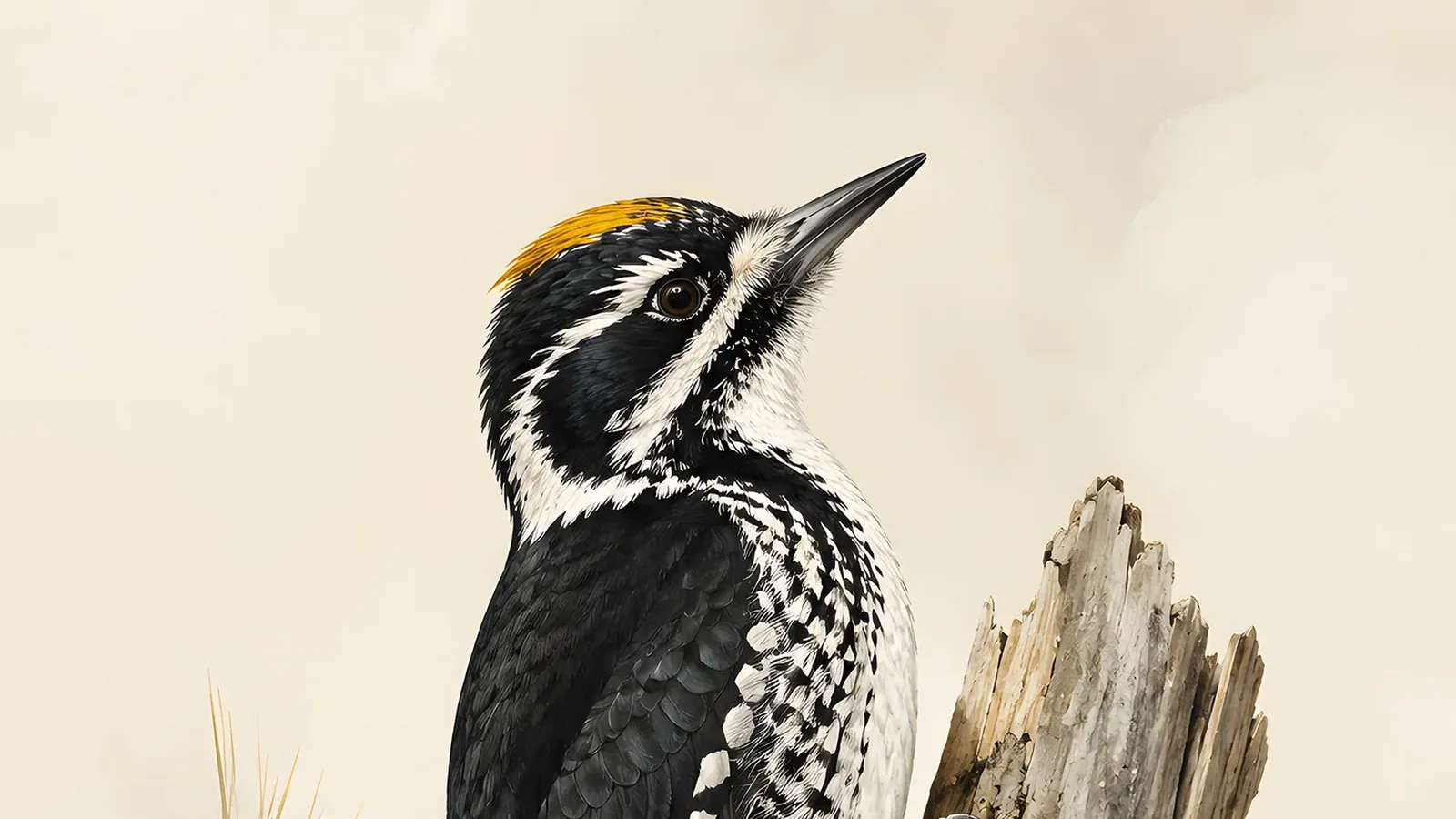
Black-backed Woodpecker works burned and insect-killed conifers across the northern tier of the state. The species is irregular in distribution but appears with some frequency in the Lake Umbagog National Wildlife Refuge area, particularly after fire or major blowdown.
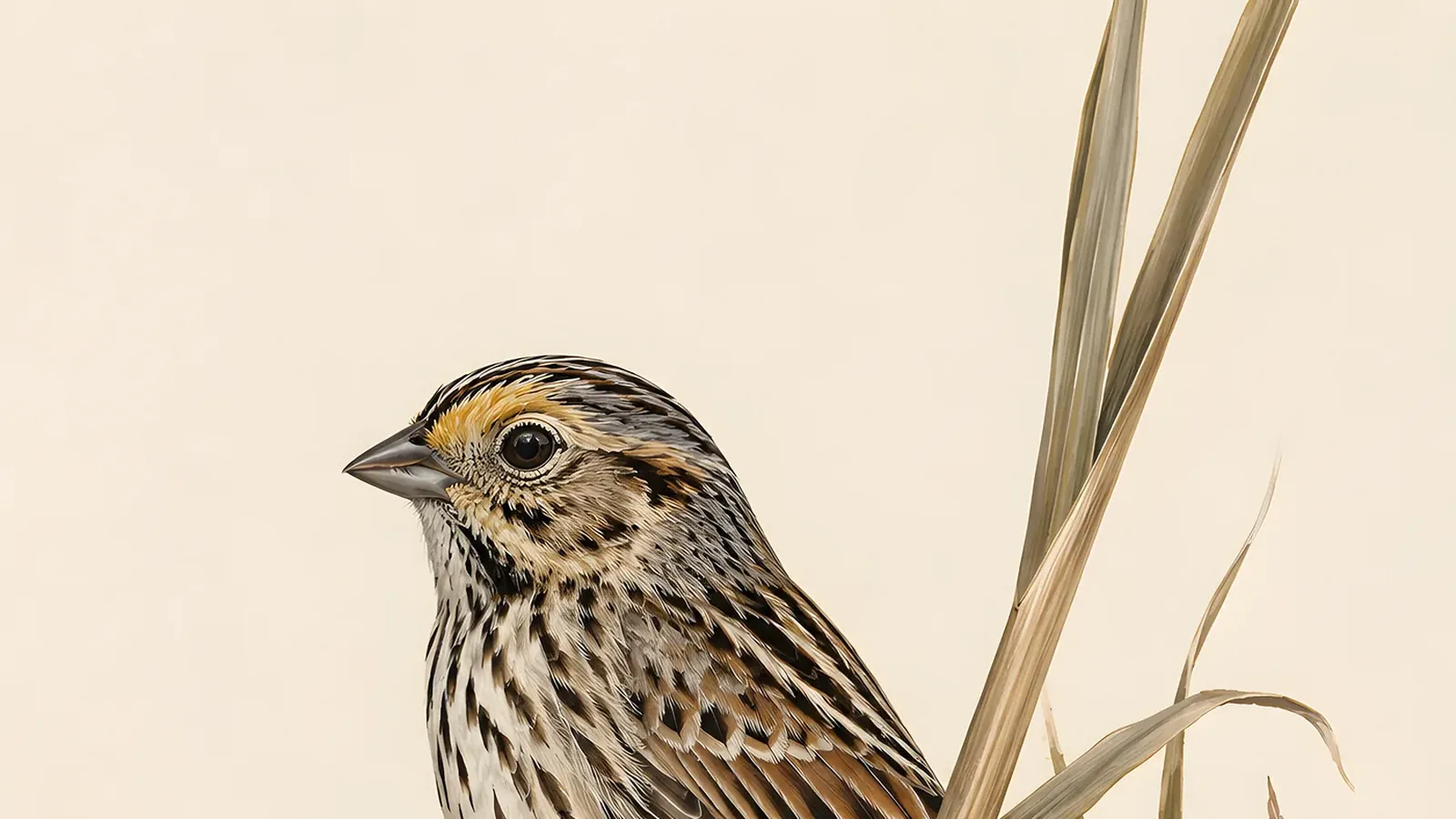
Saltmarsh Sparrow breeds in the tidal cordgrass marshes along the short New Hampshire coastline. It is one of North America’s most range-restricted songbirds, confined almost entirely to Atlantic Coast salt marshes, and New Hampshire’s Great Bay estuary represents a significant northern breeding concentration.
Top backyard species
A typical New Hampshire suburban garden, from the Lakes Region north to the foothills, will see most of these year-round:
- Purple Finch (state bird; resident, numbers augmented in winter by northern migrants)
- Black-capped Chickadee (year-round; the most recorded feeder bird in the state, present at close to 99 per cent of feeder sites in eBird data)
- American Goldfinch (year-round; males bright yellow in summer, olive-drab in winter)
- Downy Woodpecker (year-round)
- Hairy Woodpecker (year-round)
- Blue Jay (year-round)
- American Robin (year-round in the south; most withdraw from the far north in winter)
- Mourning Dove (year-round)
- House Finch (year-round)
- Dark-eyed Junco (year-round at elevation; lowland birds swell in winter as northerly populations move south)
- White-breasted Nuthatch (year-round)
- Tufted Titmouse (year-round in the southern half)
- Northern Cardinal (year-round, expanding northward)
- Red-bellied Woodpecker (year-round in the south, still an uncommon recent coloniser in the north)
Where and when to watch
Pondicherry Wildlife Refuge in Jefferson and Whitefield was named New Hampshire’s first Important Bird Area in 2004. Its 6,405 acres take in spruce-fir forest, open ponds, wetlands, and riparian woodland beneath the northern flanks of the Presidential Range. The site is open all year and best from late April through early October. Boreal Chickadee, Gray Jay, and Black-backed Woodpecker are possible year-round. Warblers peak in May and June.
Odiorne Point State Park in Rye carries what Audubon magazine has described as the highest single-site species total in the state. Its 330 acres compress seven distinct habitats - rocky shore, tidal pools, salt pond, scrub, and upland forest - into a single hour’s walk. The site is an Atlantic Flyway migrant trap in spring and autumn, productive for shorebirds, warblers, and occasional rarities blown off course.
Great Bay National Wildlife Refuge in Newington protects tidal mudflat, salt marsh, and woodland along the eastern shore of Great Bay, New Hampshire’s largest inland salt water body. The U.S. Fish and Wildlife Service manages the refuge and notes that it supports the state’s largest winter concentration of Bald Eagles - some years holding 20 or more birds. Saltmarsh Sparrow nests in the cordgrass in June and July. The Ferry Way Trail runs two miles out to a bay overlook.
Mount Washington Auto Road is the only practical route to the alpine zone for most visitors. The toll road (open mid-May through October, weather permitting) reaches 6,288 feet and puts the spruce-fir belt, the krummholz, and the exposed alpine tundra within reach of a morning. Bicknell’s Thrush, Horned Lark, American Pipit, and Yellow-rumped Warbler are consistent finds above the tree line from late May. Peregrine Falcon has recolonised the granite cliff faces of the Presidentials and is most visible from late May through early July when adults are provisioning young.
Seasonal rhythm
Spring migration along the Atlantic coast arrives early at Odiorne Point, with Osprey appearing by late March and warbler passage building through April and May. The interior forests reach peak breeding activity in late May and early June, when both resident boreal species and neotropical migrants are holding territory simultaneously. Summer in the north country is for deliberate searching: canoe the Magalloway River corridor near Errol, or work the boreal bogs at Scott Bog in Pittsburg for breeding-season specialities.
Autumn brings a second surge of migrants through the coast and the Connecticut River valley. Hawk Ridge migrants funnel south along the mountains; Common Loon and scoters move offshore in October and November. Winter in New Hampshire concentrates birds predictably - Bald Eagles at Great Bay, Pine Siskin and Common Redpoll at feeders in irruption years, and the occasional Snowy Owl on coastal grassland in the hard winters.
The state ornithological society - NH Audubon and the New Hampshire Rare Bird Committee jointly - currently lists more than 425 species for New Hampshire. That is a long list for a state of modest size. The boreal north, the Atlantic coast, and the migration corridor along the Connecticut River valley each contribute species that do not overlap, which is why the total runs so high and why birders return season after season.
The Purple Finch sitting at a New Hampshire feeder in February is not a tourist. He is a resident of the spruce-fir forest, displaced slightly to lower ground by the cold, taking sunflower seeds until the snow goes off the ridge. The 1957 legislature picked well.