State Guide
Birds of Colorado
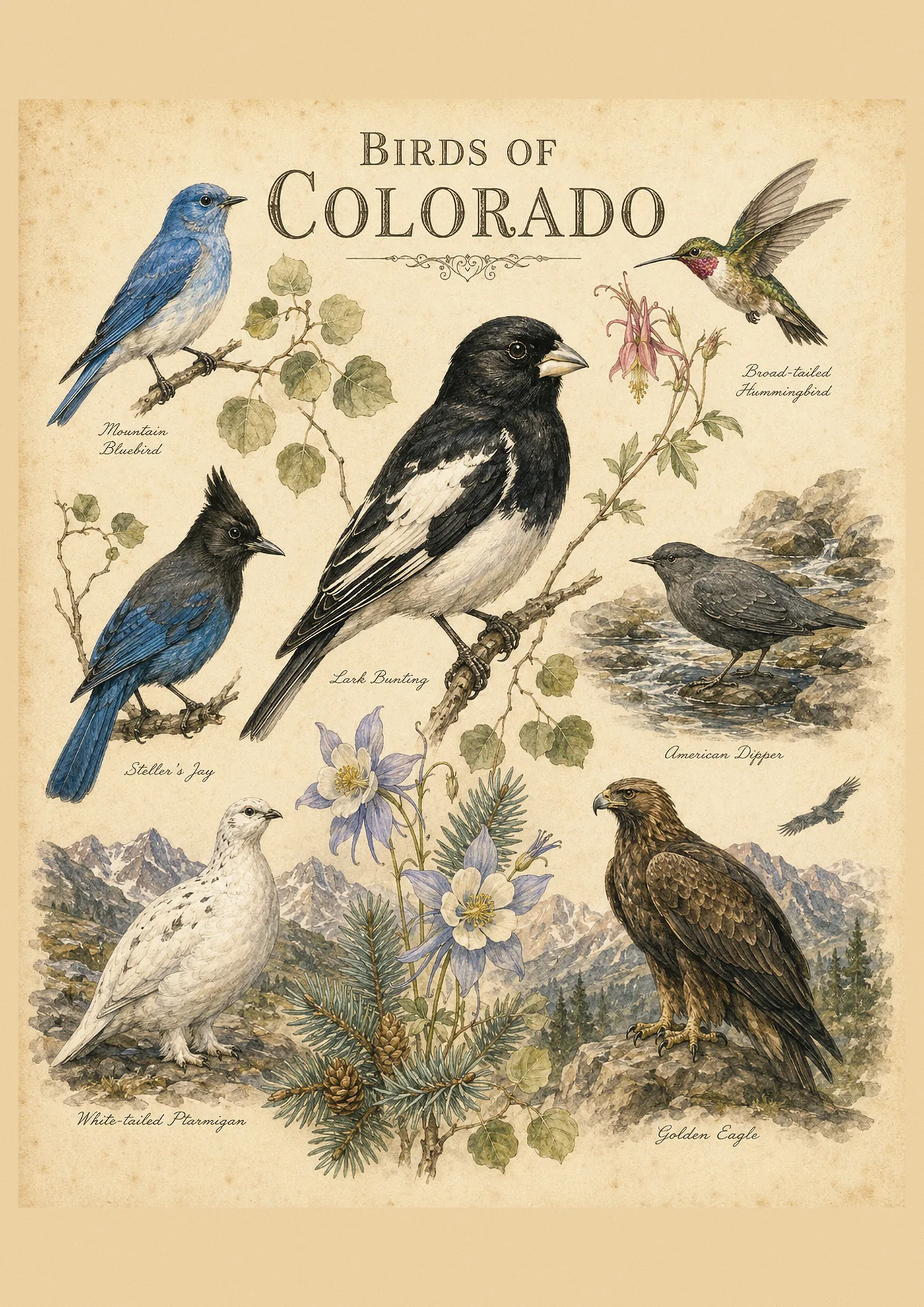
On April 29, 1931, the Colorado legislature passed Senate Bill No. 251 and made the Lark Bunting the official state bird. The bill’s champion was Roy Langdon, a Fort Collins educator and president of the Colorado Audubon Society, who had been making his case since 1927. His argument was blunt: the Meadowlark was already the state bird in four states, the Robin in three, and the Bluebird in two. The Lark Bunting belonged to no one. Colorado should take it.
The Lark Bunting (Calamospiza melanocorys) is a member of the sparrow family, though the breeding male looks nothing like one. He is black with broad white wing patches - a striking bird of the short-grass prairie, arriving in April in loose flocks and departing again by September. The female, brown and streaked, is easier to miss. Both nest on the eastern plains in the same grassland habitats that defined early Colorado settlement. That was Langdon’s other argument: the state’s symbols had long favored mountain flora and fauna, and the prairie deserved a voice.
The state’s signature species
Colorado holds more than 520 species on the official state list maintained by the Colorado Bird Records Committee (CBRC). The range of habitats driving that number is exceptional: shortgrass prairie, riparian cottonwood corridors, pinon-juniper slopes, subalpine spruce-fir forest, and high alpine tundra, all within a state that barely touches sea level at its lowest point.
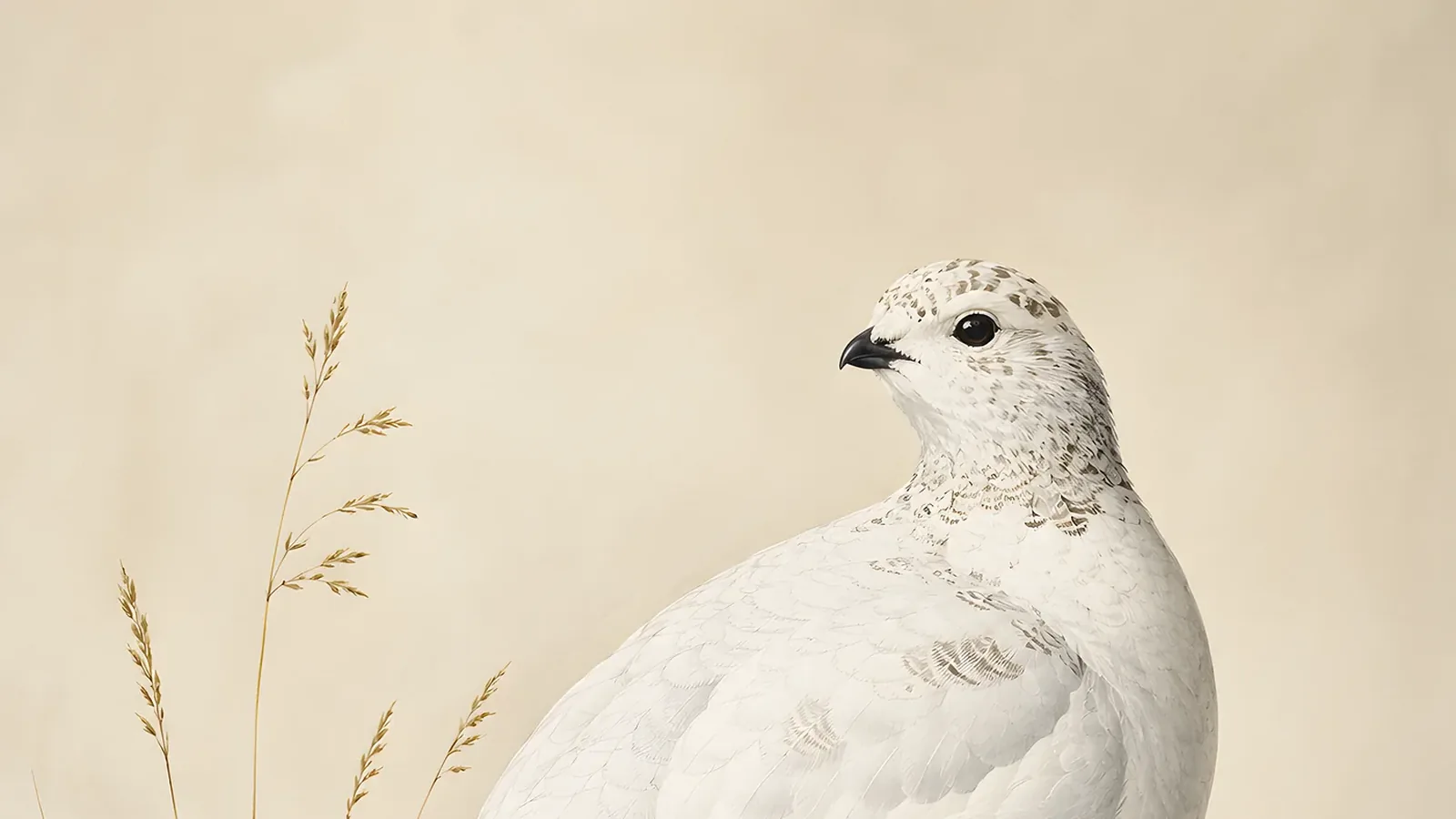
White-tailed Ptarmigan is Colorado’s most specialized resident. It is the only ptarmigan species found in the state, and it lives year-round above timberline on alpine tundra, often above 12,000 feet. The bird spends roughly eight months of every year molting between two plumages - mottled brown-grey in summer to blend with lichen-covered rock, pure white in winter to disappear into snow. Rocky Mountain National Park and the tundra above Loveland Pass offer the most reliable access. The U.S. National Park Service notes the species as characteristic of Rocky Mountain’s highest terrain.
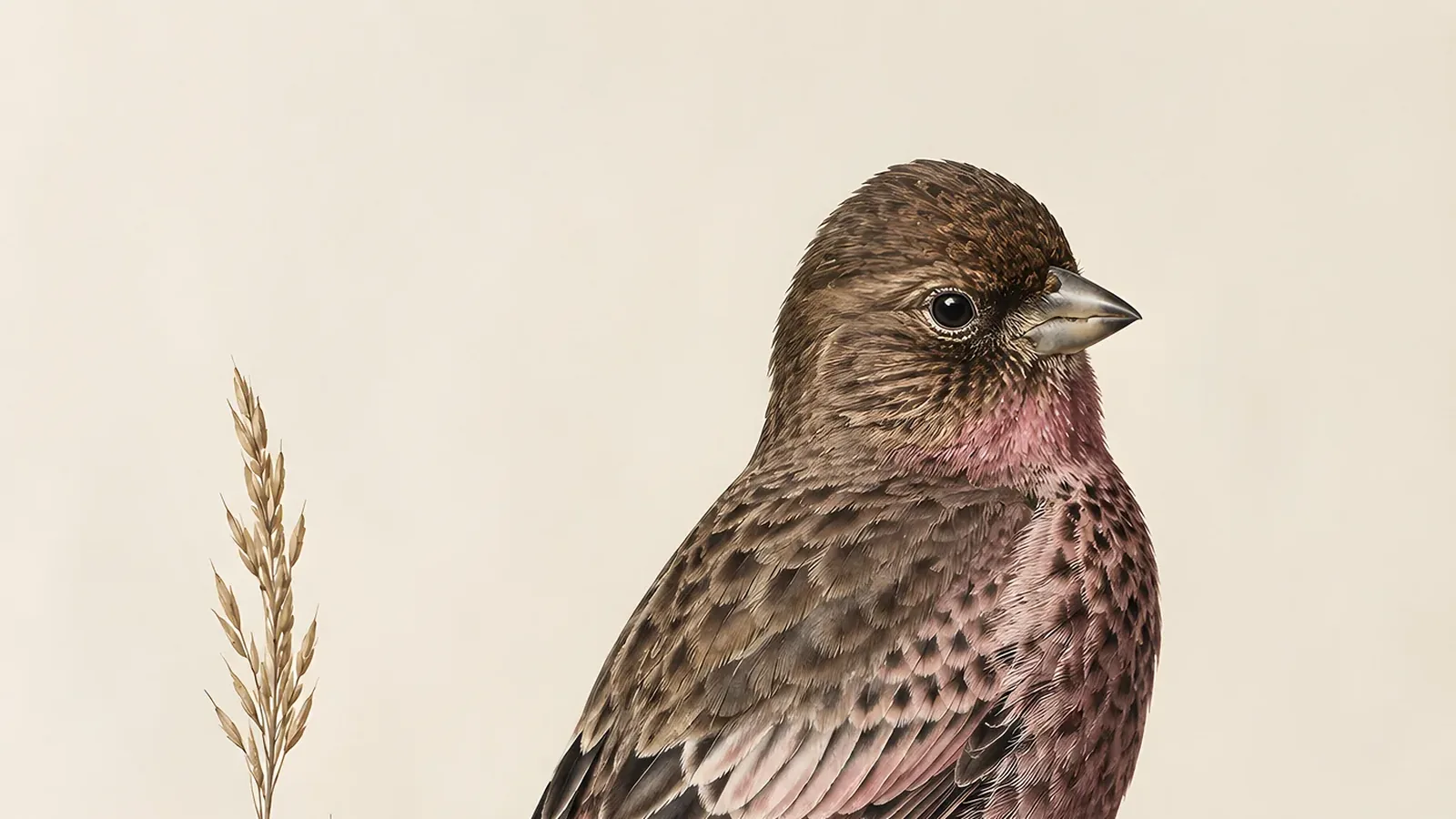
Brown-capped Rosy-Finch breeds almost exclusively in Colorado - it has the smallest range of the three North American rosy-finch species and is as close to a state endemic as the continental United States offers. It nests on cliffs at elevations approaching 14,000 feet, foraging along the edges of melting snowfields for seeds and insects that the thaw exposes. In winter it descends in flocks to lower elevations. Cornell Lab’s All About Birds lists its breeding stronghold as the high southern Rockies, centered on Colorado.
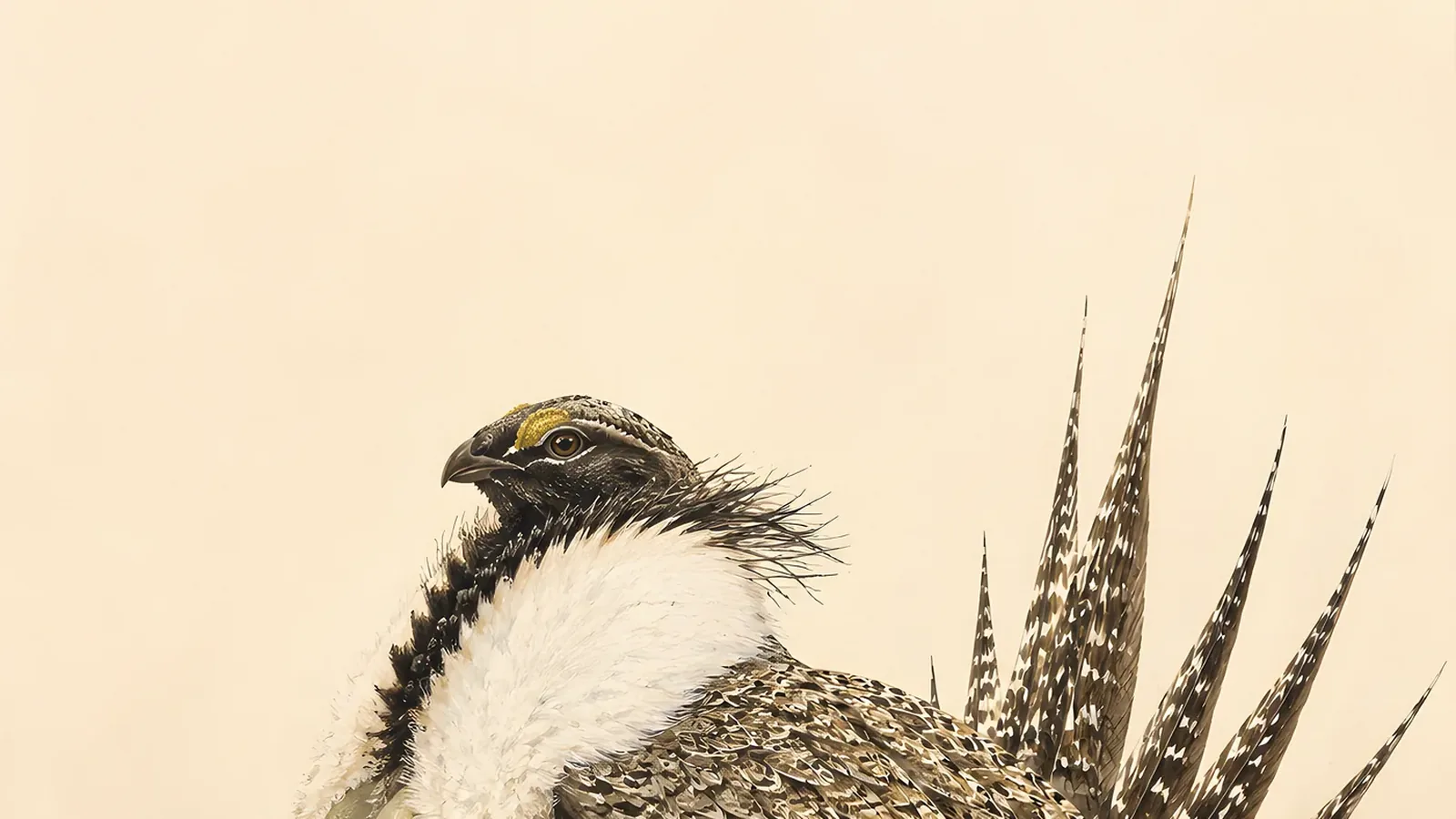
Gunnison Sage-Grouse was not formally recognized as a species separate from the Greater Sage-Grouse until the year 2000 - the first newly described bird species in the United States since the 19th century. Its world population is concentrated in seven populations in southwestern Colorado and a small fragment of southeastern Utah. It was listed as federally threatened in November 2014. Male Gunnison Sage-Grouse perform their lekking display in early spring on sagebrush flats in Gunnison County; the filoplume display - long white plumes radiating from the neck - is more elaborate than that of the Greater Sage-Grouse and is the key visual difference.
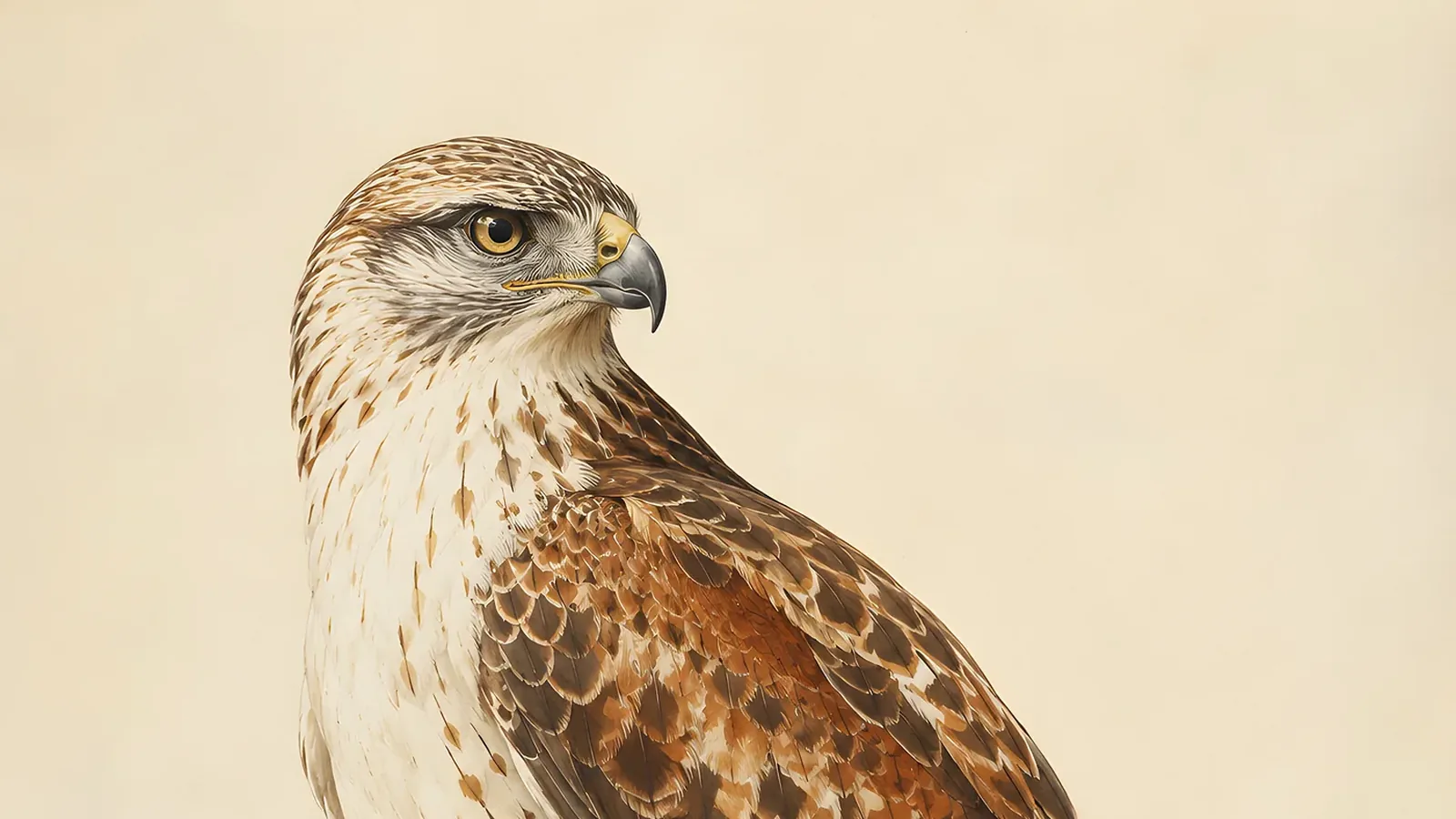
Ferruginous Hawk breeds on the eastern Colorado plains, the largest buteo in North America. Open grassland and prairie dog colonies are its core habitat. Pawnee National Grassland holds one of the more reliable populations in the state.
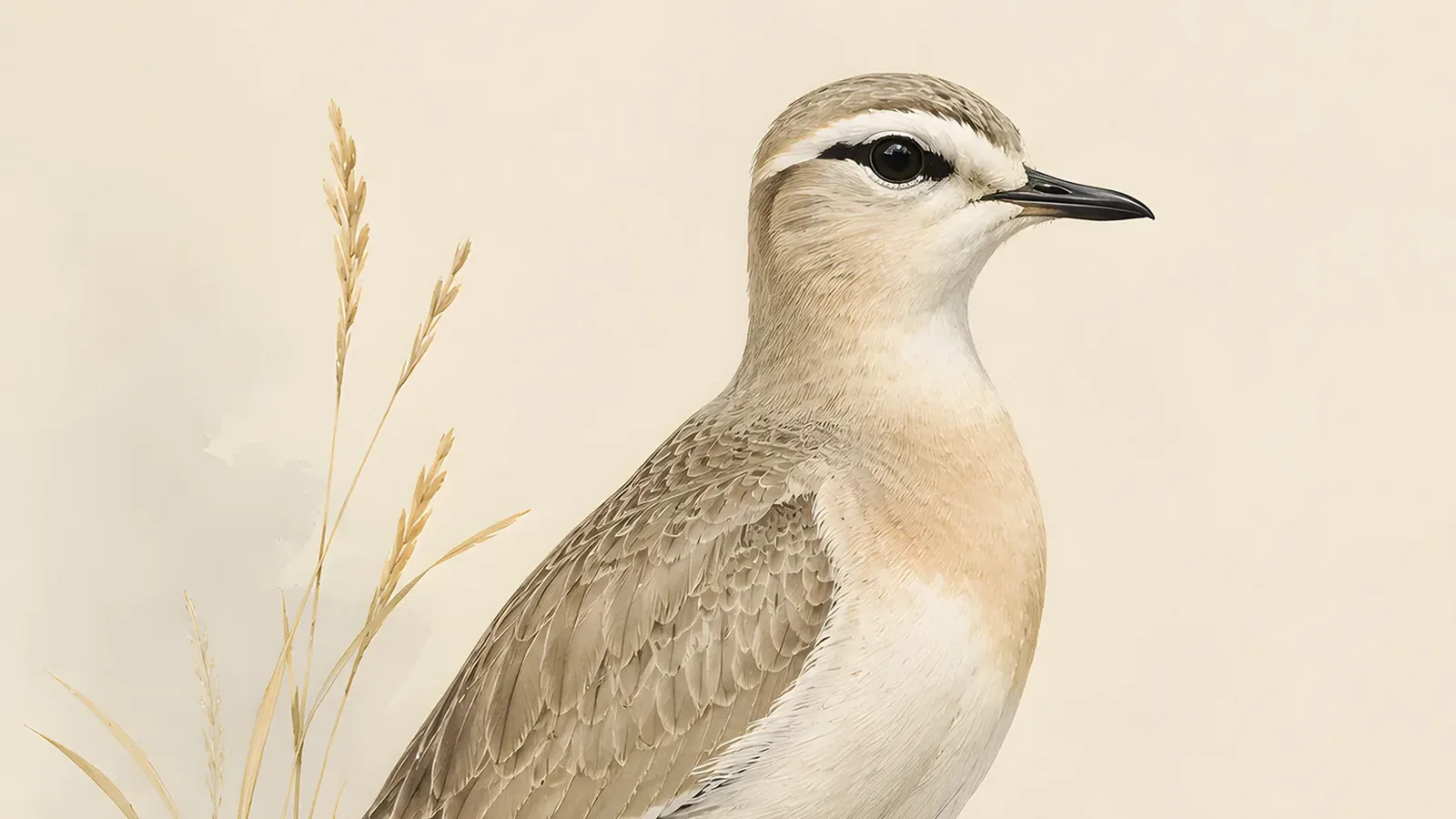
Mountain Plover is a plains species whose name misleads. It breeds on the short-grass and bare-dirt habitats of northeastern Colorado - often on active prairie dog towns - not in the mountains. Cornell’s All About Birds describes it as one of the least mountain-associated “mountain” birds on the continent. Colorado holds a significant share of the global population.
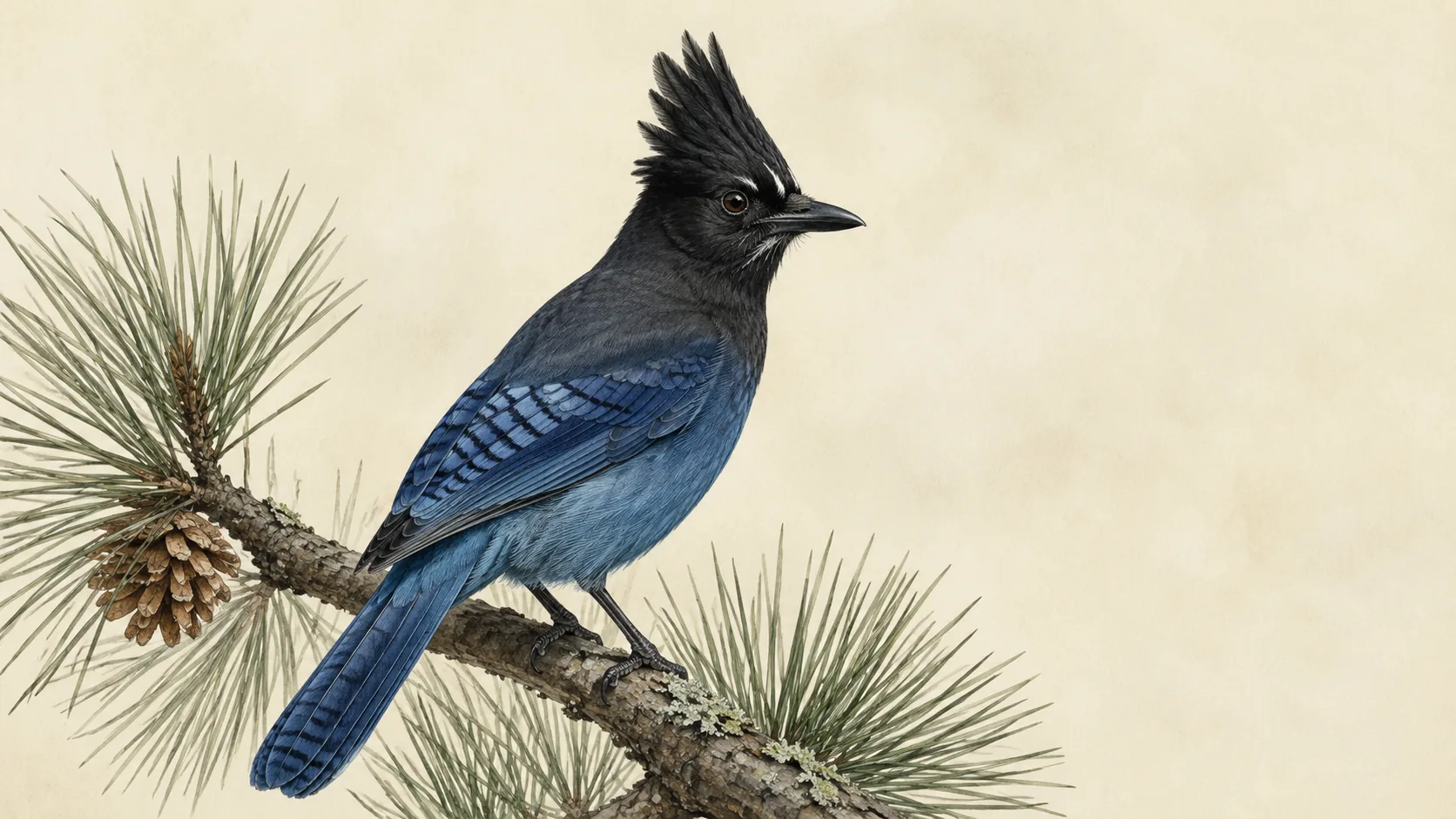
Steller’s Jay is the signature corvid of Colorado’s mountain forests, common in ponderosa and spruce-fir zones from the foothills to timberline. It is the only crested jay in the western United States. Its dark crest and blue body make it unmistakable at feeders in mountain towns.
Top backyard species
Colorado backyards vary sharply by elevation and location - a Denver suburb feeds different birds than a mountain town at 8,500 feet.
- House Finch (year-round statewide)
- American Goldfinch (year-round; summer plumage from April)
- Black-capped Chickadee (year-round, lower elevations and montane)
- Steller’s Jay (year-round in mountain areas)
- Black-billed Magpie (year-round statewide)
- American Robin (year-round at lower elevations)
- Northern Flicker (year-round)
- Broad-tailed Hummingbird (April through September; the males’ trilled wingbeat is the sound of a Colorado summer)
- Western Bluebird (year-round in foothill areas)
- Dark-eyed Junco (year-round in mountains, common in winter at lower elevations)
- Common Raven (year-round in mountain regions)
- Red-tailed Hawk (year-round; conspicuous along roadsides)
- Mourning Dove (year-round at lower elevations)
Where and when to see birds
Pawnee National Grassland (Weld County, northeastern Colorado) is the state’s premier prairie birding site. The grassland holds Lark Bunting in summer, as well as Mountain Plover, Ferruginous Hawk, McCown’s Longspur, Chestnut-collared Longspur, and Burrowing Owl. The driving loops off Highway 14 near Briggsdale give access without needing to leave the car. eBird data place this site among the highest-count grassland locations in the state.
Rocky Mountain National Park offers the most accessible alpine birding on the Front Range. Trail Ridge Road, the highest continuous paved road in the United States, crosses tundra at over 12,000 feet where White-tailed Ptarmigan, Brown-capped Rosy-Finch, and American Pipit are the target species. Forests below treeline hold Steller’s Jay, Gray Jay, Clark’s Nutcracker, and Dusky Grouse. June through August is the practical window when the high road is open.
Monte Vista National Wildlife Refuge (Rio Grande County, San Luis Valley) attracts up to 20,000 Sandhill Cranes during spring and fall migration, with the peak in March. The Monte Vista Crane Festival each March is one of the more significant birding events in the southern Rockies. Year-round residents include waterfowl, wading birds, and raptors benefiting from the Valley’s irrigated fields.
Barr Lake State Park (Brighton, 30 minutes from Denver) holds more than 370 recorded species and has been a consistent birding destination for well over a century. The reservoir and riparian fringe produce Bald Eagle, American White Pelican, Great Blue Heron, and - during migration - a wide array of shorebirds and rare gulls. Audubon Society of Greater Denver designates it as an Important Bird Area.
The seasonal rhythm in Colorado compresses the birding calendar. The eastern plains open early: Lark Buntings arrive in April, longspurs and Mountain Plovers by May. The alpine zone doesn’t unlock until June when snowmelt exposes the tundra. Migration in the mountain parks runs late into September. Winter concentrates raptors along the Front Range reservoirs and brings rosy-finch flocks to mountain town feeders where birders sometimes record all three species in a single morning.