State Guide
Birds of South Dakota
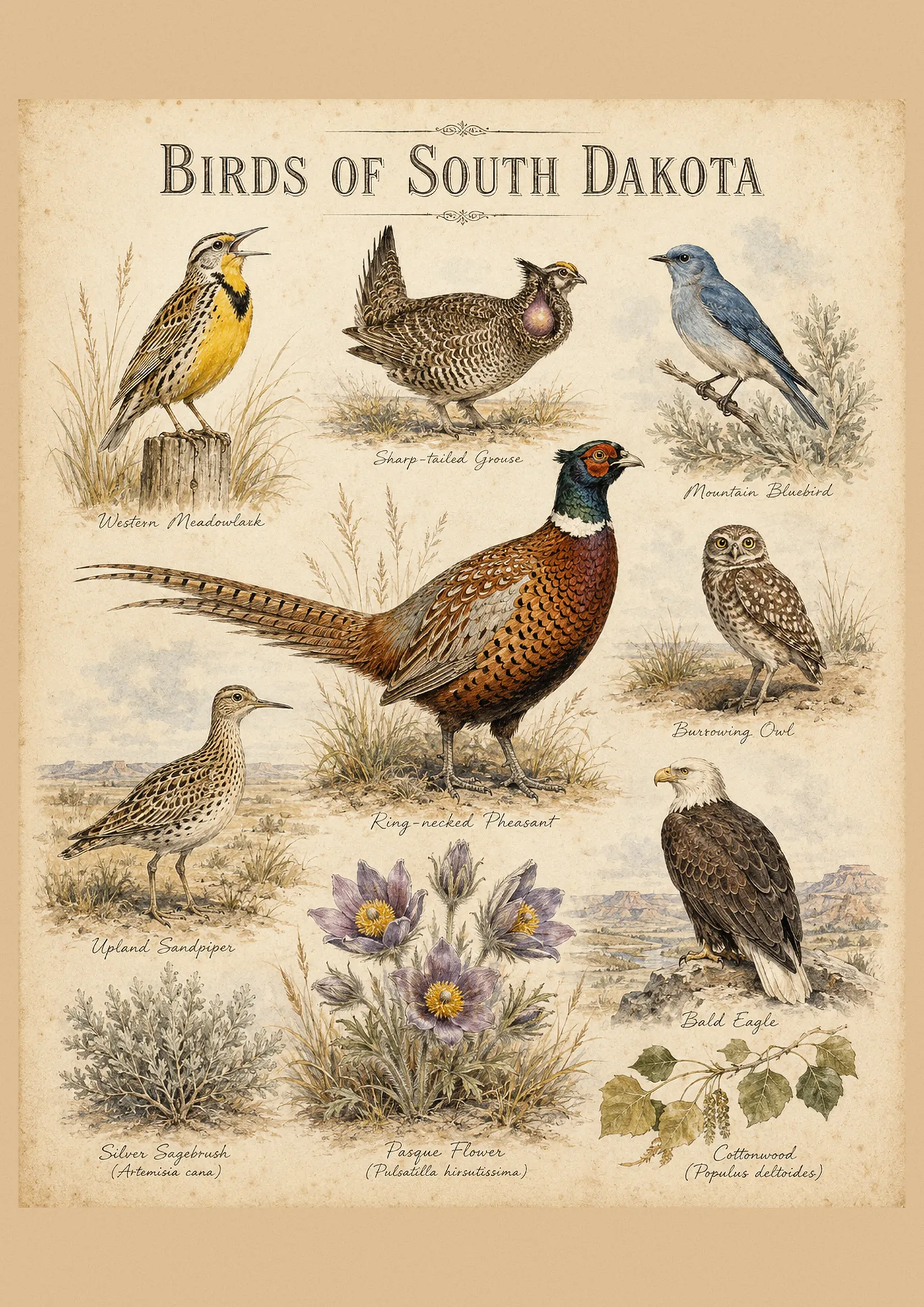
On February 13, 1943, the South Dakota legislature designated the Ring-necked Pheasant (Phasianus colchicus) as the official state bird under SL 1943, ch 272. The choice was unusual: this is the only state bird in the United States that is not native to North America. The pheasant arrived in South Dakota in 1908, when breeding pairs were released near Doland in Spink County. Within 11 years the population had grown enough to support a hunting season - initially one day, in Spink County only. By 1935 the state estimated 12 million birds. That number has declined since, but the cock pheasant remains the most recognisable bird in the state, and South Dakota promotes itself as the pheasant hunting capital of the world.
The legislature’s choice was not sentimental. It was economic. By the 1940s pheasant hunting had become one of the state’s most significant rural industries, and the bird’s selection reflected how thoroughly an introduced species had reshaped the culture of the Great Plains in three decades.
The state’s signature species
South Dakota divides, broadly, into three zones: the Missouri River corridor down the centre, the prairie potholes of the northeast, and the Black Hills rising in the southwest. Each zone holds different birds.
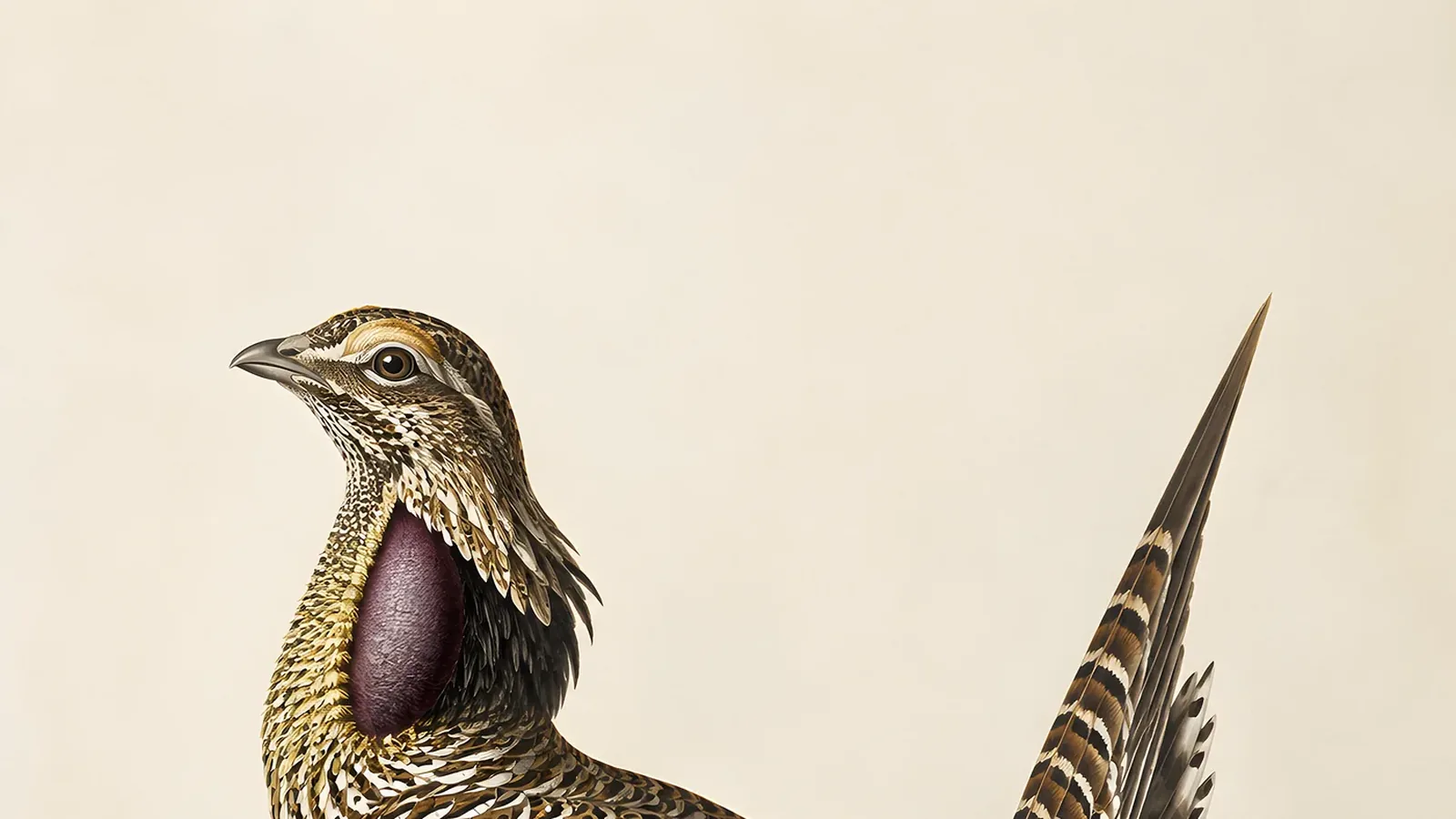
Sharp-tailed Grouse (Tympanuchus phasianellus) is the signature native grouse of the northern grasslands, performing its spring dancing-ground displays on leks across the mixed-grass prairie from late March into May. The species requires large expanses of undisturbed grassland and has declined wherever cultivation has pushed into its range. Fort Pierre National Grasslands holds one of the more reliable viewing populations.
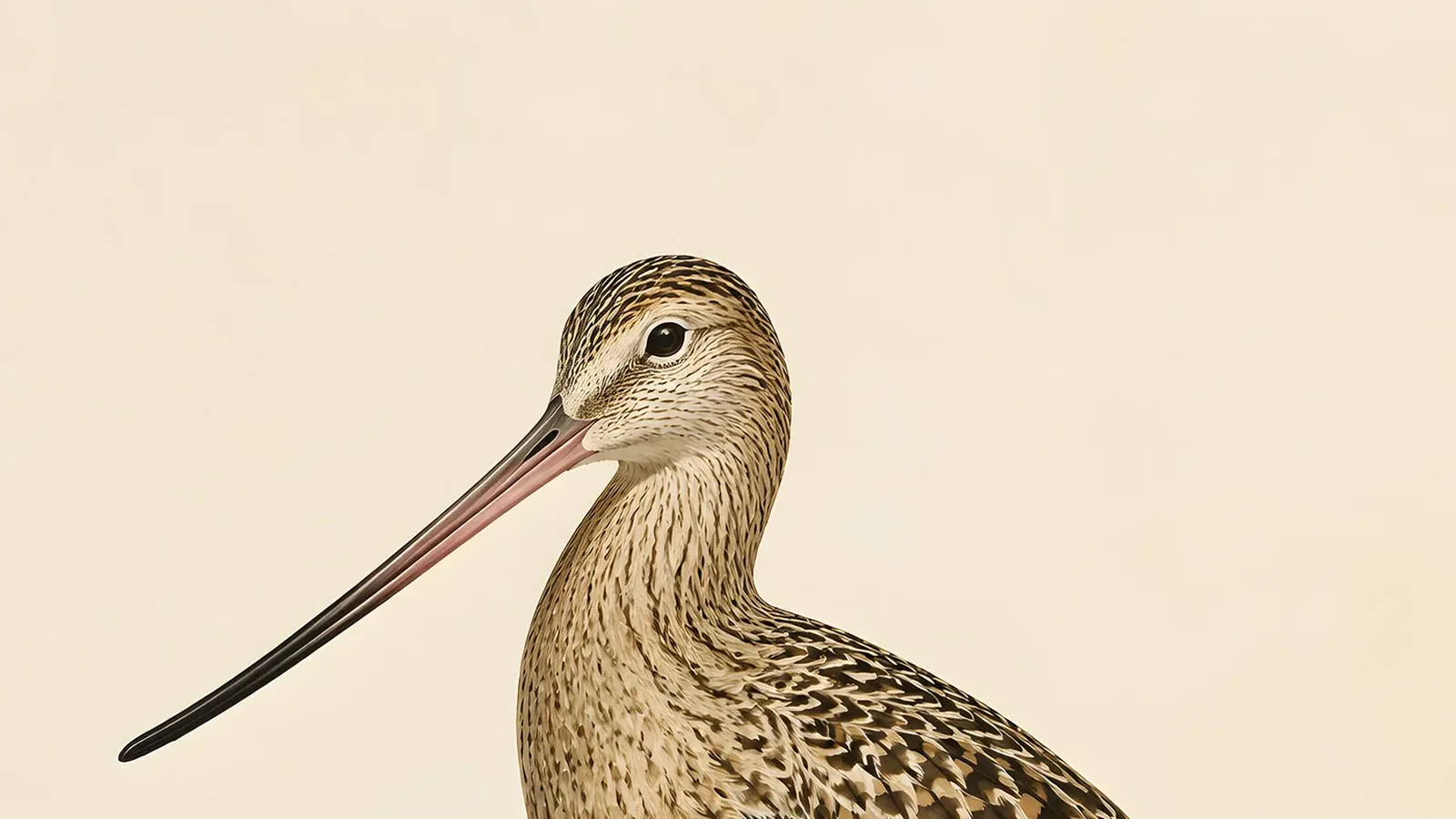
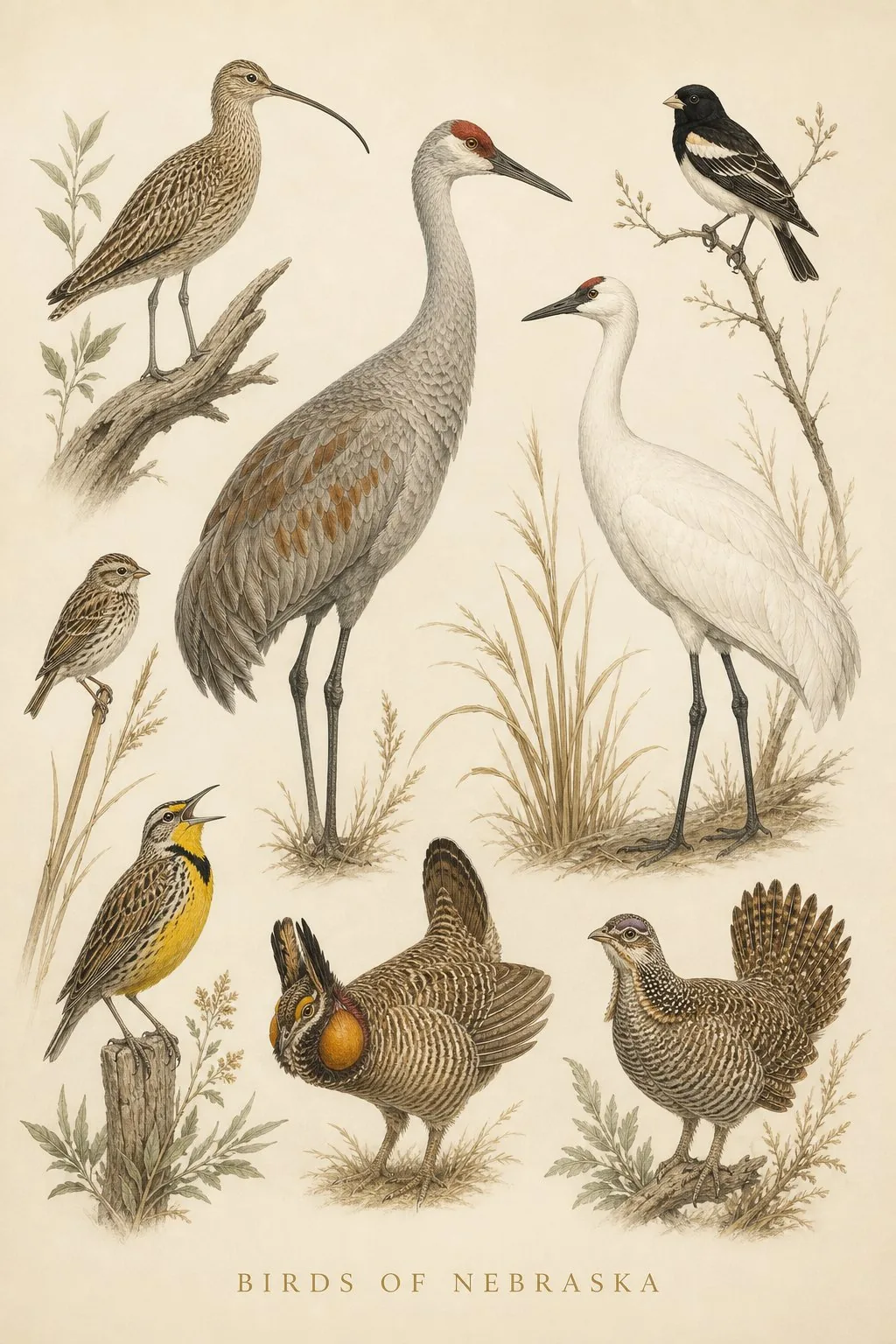
Marbled Godwit (Limosa fedoa) breeds in the northern prairies and is one of the defining shorebirds of the Great Plains. South Dakota sits in the core of its breeding range. The birds arrive in April, work the wet meadows and pothole edges through June, and depart southward by midsummer.
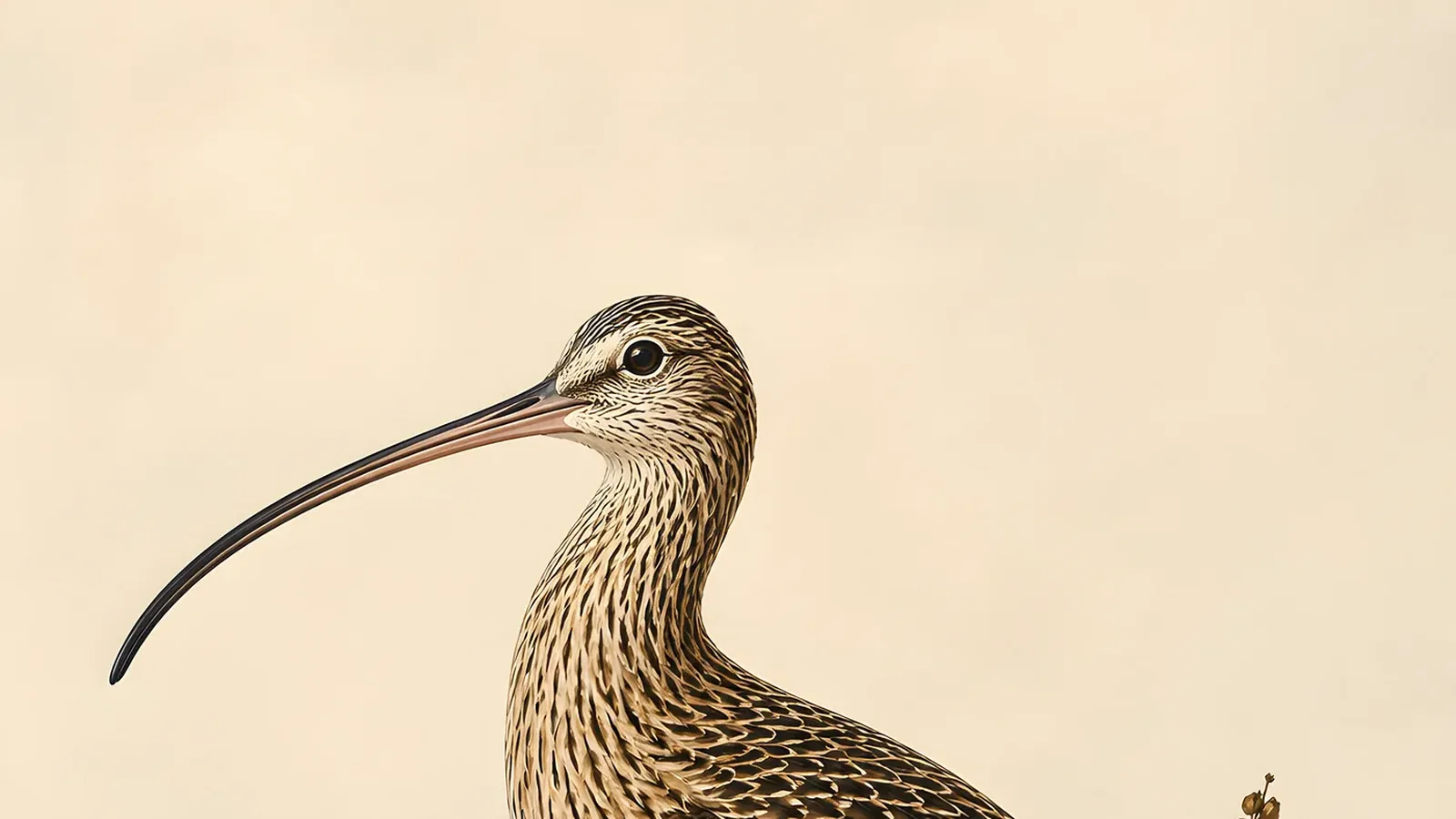
Long-billed Curlew (Numenius americanus) nests in shortgrass and mixed-grass prairie. Its two-syllable rising call carries far across open ground. The South Dakota Game, Fish and Parks Breeding Bird Atlas records it as a regular breeder in the west-central part of the state.
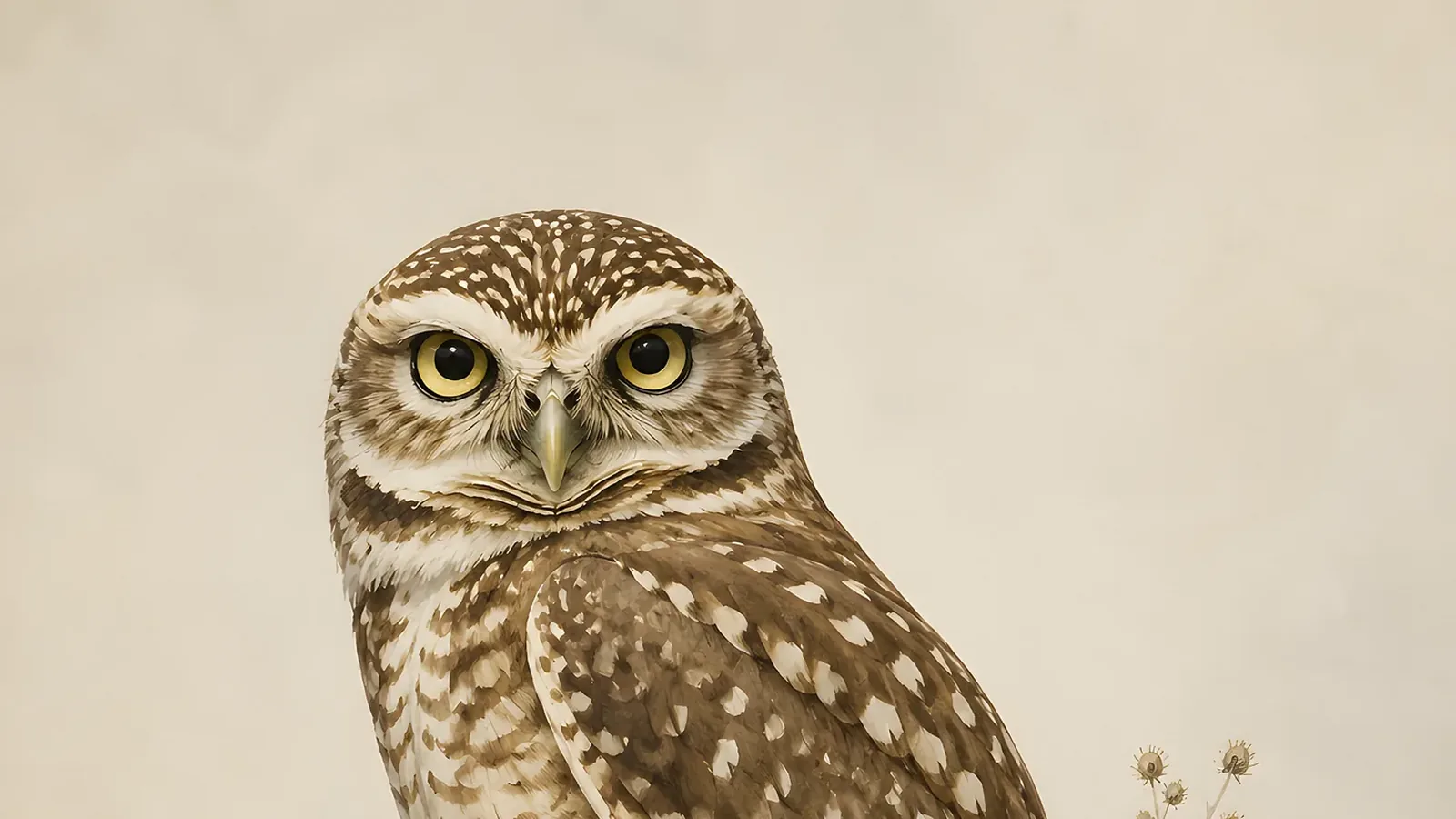
Burrowing Owl (Athene cunicularia) nests in the burrows of prairie dogs across the western grasslands. The Badlands and the shortgrass prairies to the north and east hold some of the most accessible colonies. eBird shows the species arriving reliably by late April and departing by September.
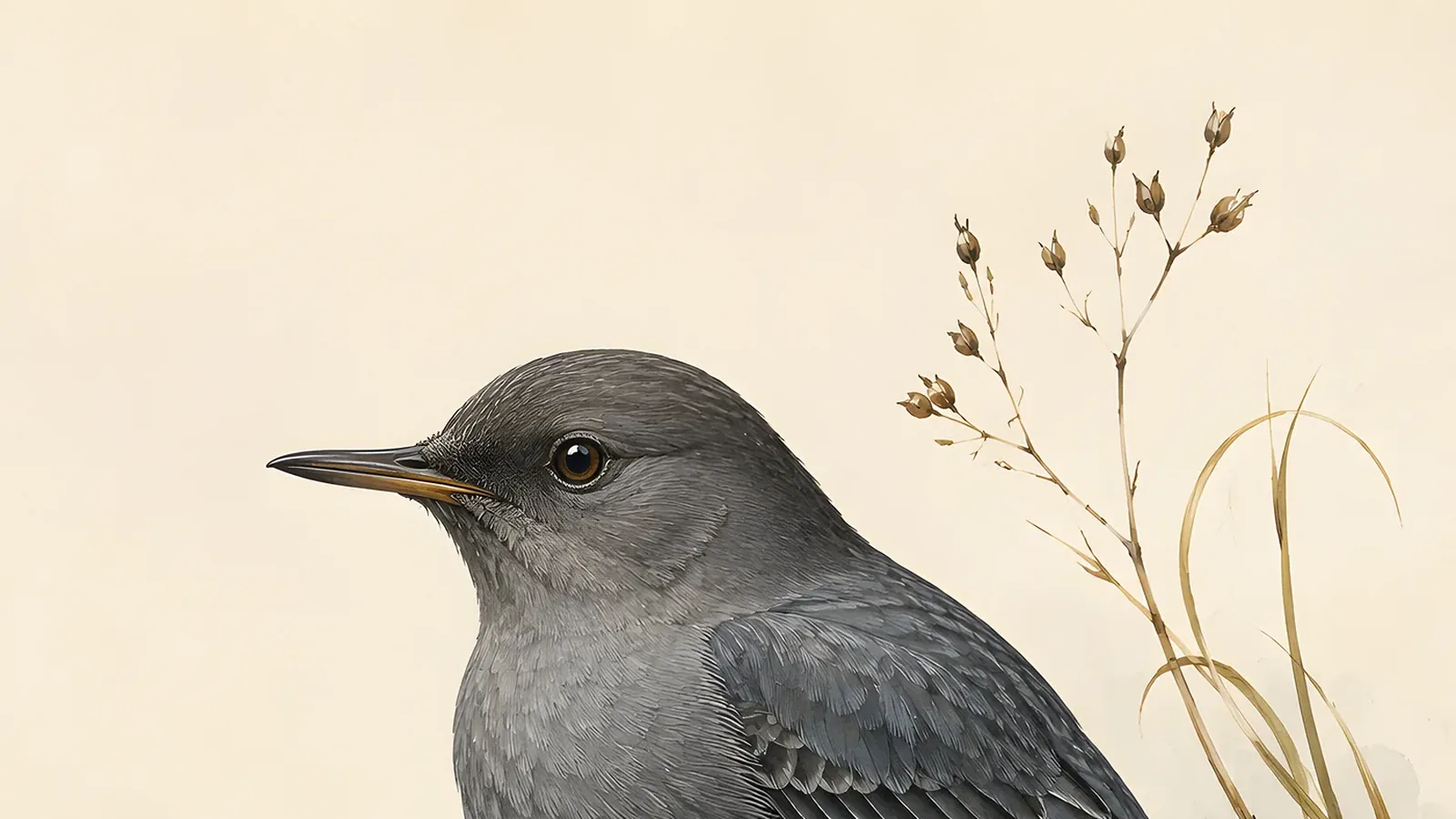
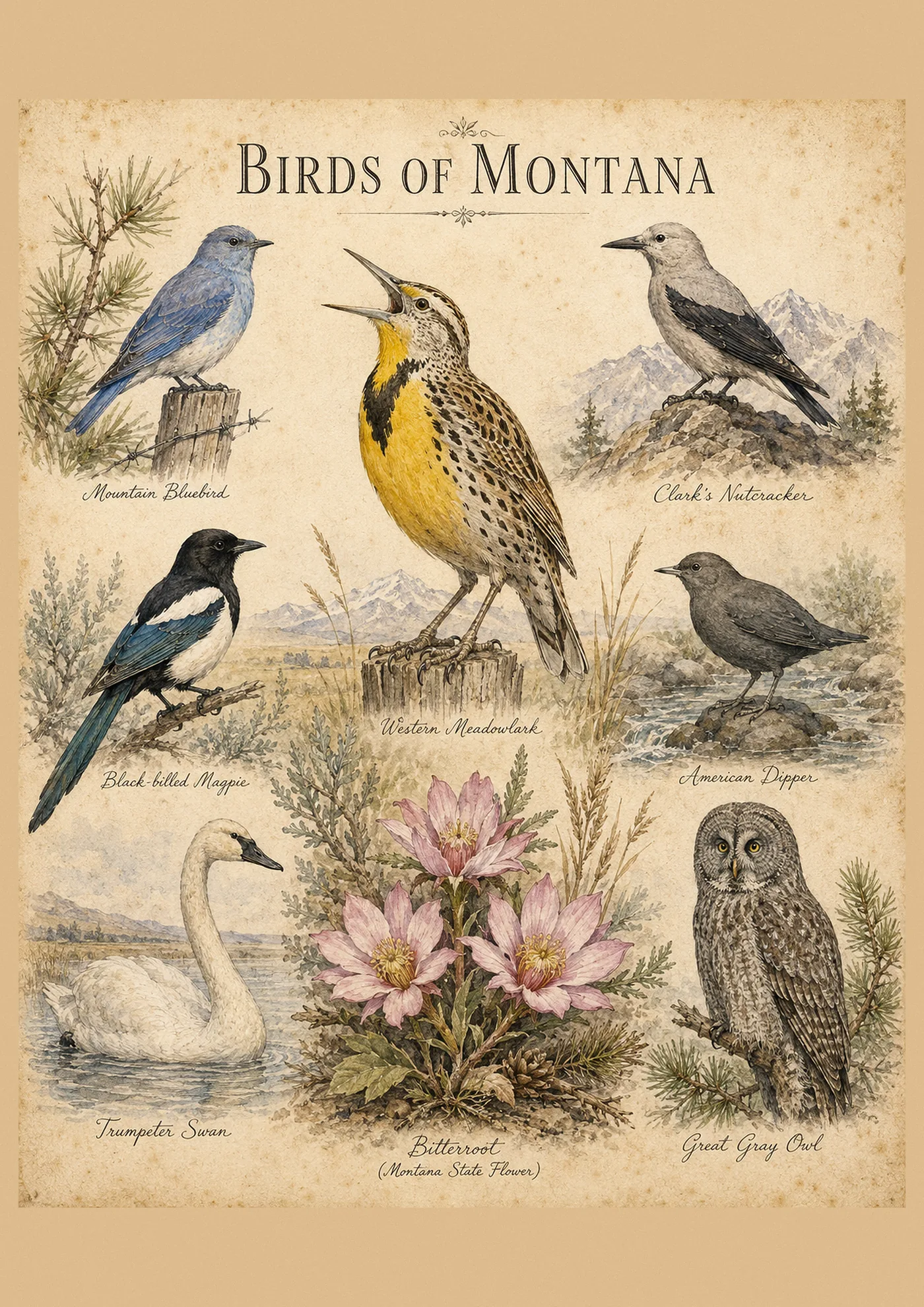
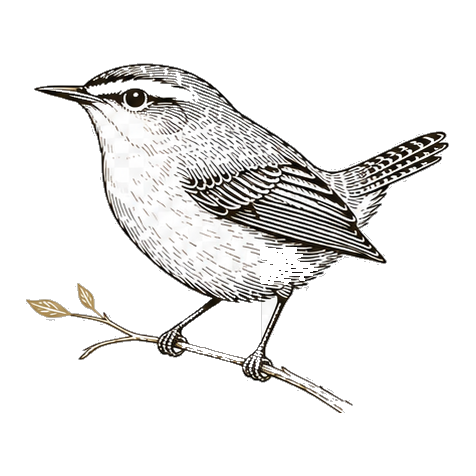
American Dipper (Cinclus mexicanus) is South Dakota’s most surprising speciality. This stocky, wren-shaped bird of fast-moving mountain streams reaches the easternmost limit of its range in the Black Hills. Spearfish Creek, in Spearfish Canyon, is the most reliable site - the only known nesting location for the species in the state, according to the Audubon Society’s South Dakota birding guide.
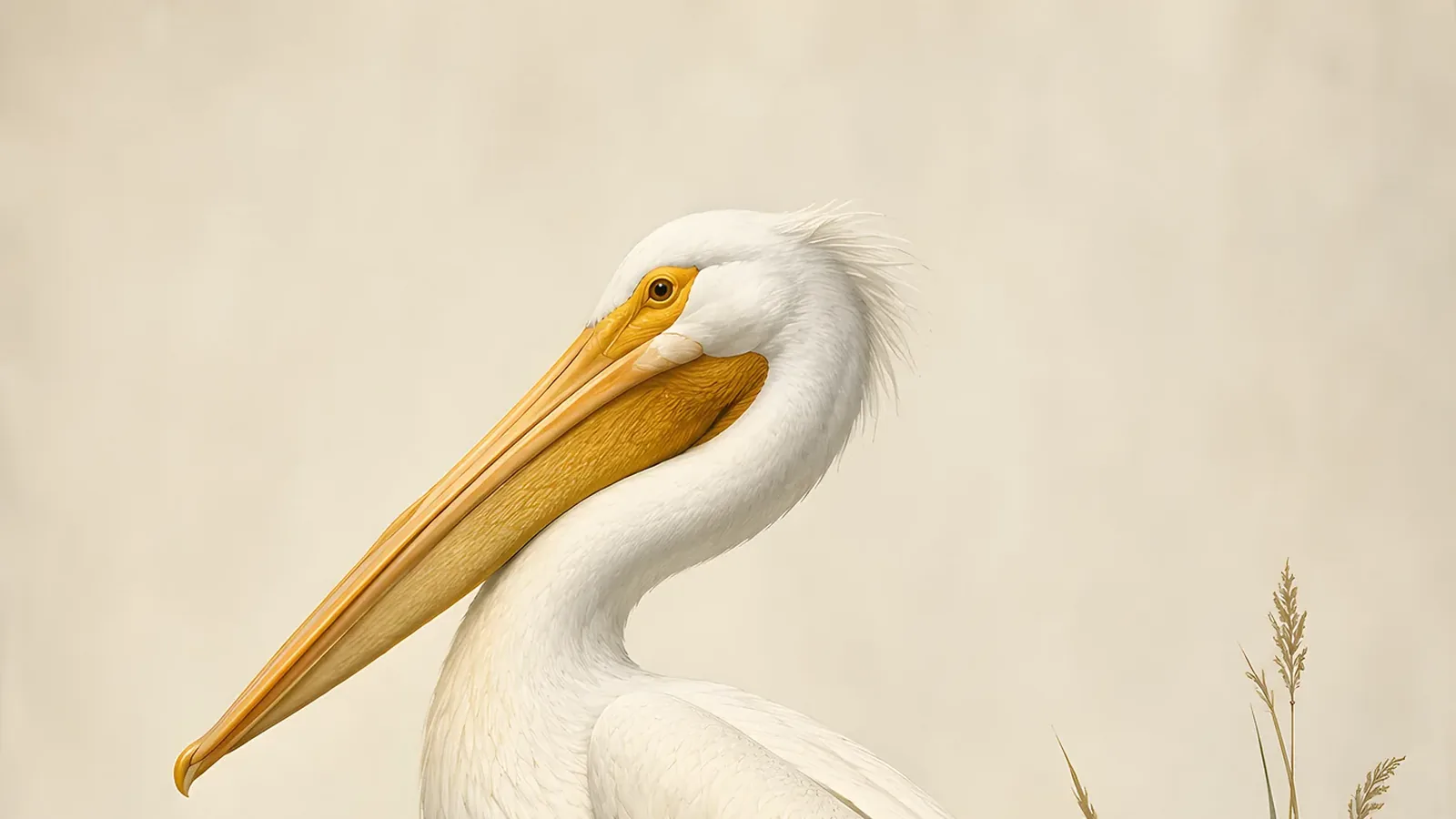
American White Pelican (Pelecanus erythrorhynchos) breeds on islands in the prairie lakes and gathers in spectacular numbers at Sand Lake and other northeastern refuges through spring and summer. Flocks numbering in the thousands are not unusual during migration.
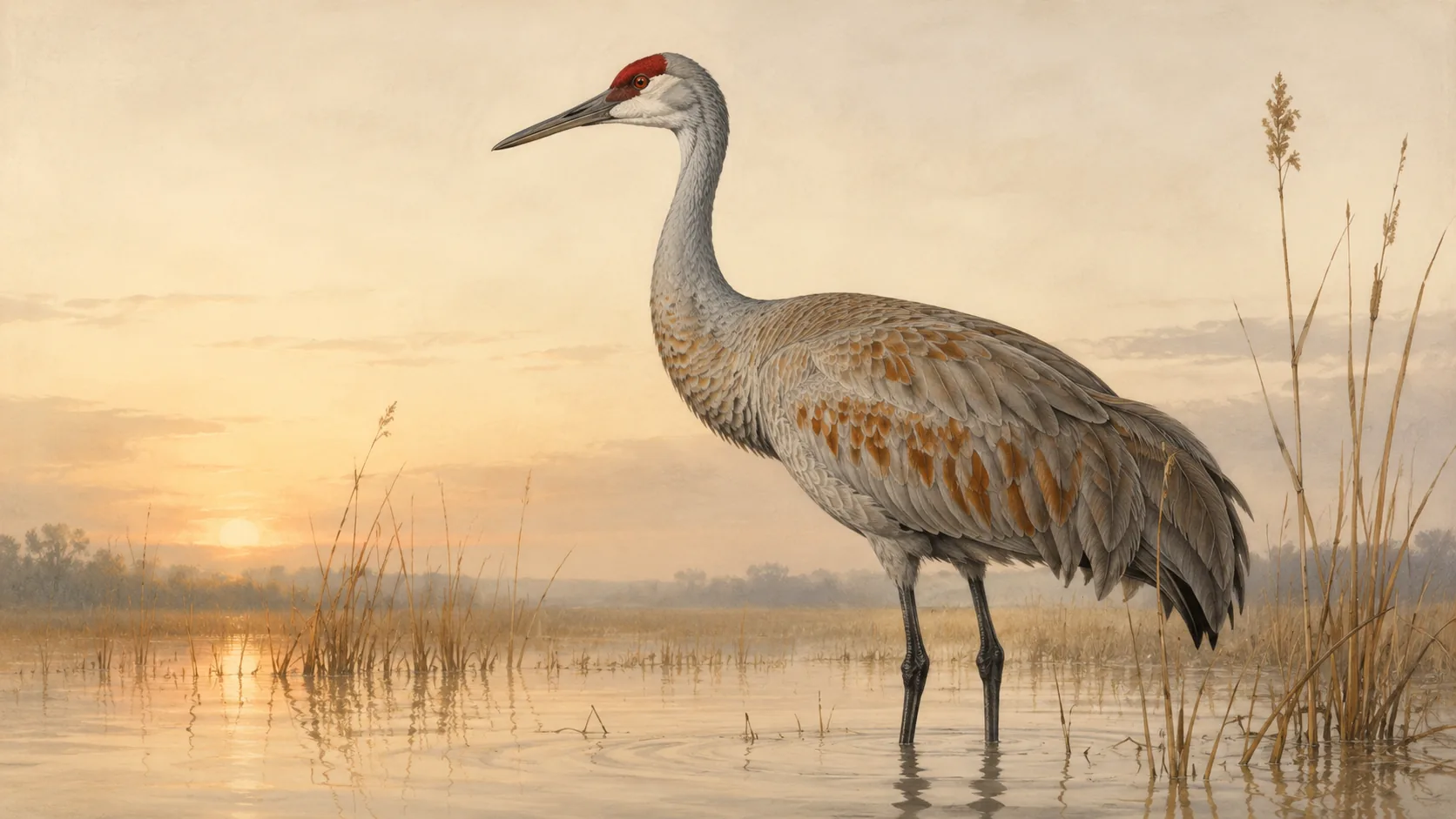
Sandhill Crane (Antigone canadensis) stages across the Missouri River corridor during migration, with the main movement in October. While the Nebraska Platte River sandbars are better known, South Dakota’s wetland complexes also hold significant stopover concentrations.
Top backyard species
A suburban yard in Sioux Falls or Rapid City will reliably attract:
- Ring-necked Pheasant (state bird; walks through larger properties near open fields)
- American Robin (year-round, nests in shrubs and trees)
- Mourning Dove (year-round, ground feeder)
- Black-capped Chickadee (year-round; the standard chickadee statewide)
- White-breasted Nuthatch (year-round)
- Downy Woodpecker (year-round)
- House Finch (year-round)
- American Goldfinch (year-round; peaks in summer when males are at full yellow)
- House Sparrow (year-round, introduced)
- European Starling (year-round, introduced)
- Dark-eyed Junco (October through April, often in small flocks)
- Bald Eagle (winter, along the Missouri River and larger lakes)
Where and when to watch
Sand Lake National Wildlife Refuge (Brown County, northeast South Dakota) is the state’s single most productive birding site. The American Bird Conservancy has designated it a Globally Important Bird Area and a Wetland of International Importance. The refuge hosts the world’s largest breeding colony of Franklin’s Gulls, and migration brings waterfowl flocks that can exceed one million individuals across the wetlands in peak weeks. More than 266 species have been recorded. A 15-mile auto tour route is open April through mid-October.
Waubay National Wildlife Refuge (Day County) sits in the Prairie Pothole Region and records 245+ species across 4,650 acres. It sits at the intersection of eastern and western bird ranges - Red-bellied Woodpeckers and Northern Cardinals at the western edge of their range alongside species typical of the northern plains. The refuge hosts breeding Red-necked Grebes and LeConte’s Sparrows, both near the southern limit of their nesting range.
Badlands National Park rewards grassland birders. Burrowing Owl is seen near prairie dog colonies along the Loop Road. Long-billed Curlew, Upland Sandpiper, Ferruginous Hawk, and Golden Eagle are all regular in the right season. The park’s open terrain makes raptors easy to spot, and autumn concentrations of Prairie Falcons draw serious hawk watchers.
Spearfish Canyon in the Black Hills offers an entirely different experience - a narrow limestone canyon with a fast stream, forested walls, and a Rocky Mountain bird community. American Dipper works the creek year-round. Red-naped Sapsucker, Canyon Wren, Black-headed Grosbeak, and Western Tanager all breed here, species a birder from eastern South Dakota would need to travel 400 miles to find in any other context.
Seasonal rhythm
Spring begins with the dancing-ground displays of Sharp-tailed Grouse in late March and peaks in April and May as waterfowl flood the pothole region. May brings nesting warblers to the Black Hills forests and shorebirds to the wet meadows. Summer is breeding season across all habitats. Autumn migration, especially October, moves enormous numbers of waterfowl and cranes through the Missouri corridor. Winter concentrates raptors - Golden Eagle, Rough-legged Hawk, and in irruption years, Snowy Owl - on the open plains, and Bald Eagles gather along the Missouri River wherever open water remains.
The South Dakota Ornithologists’ Union maintains the state’s official distributional checklist at 440 species. For a state that sits well inland on the Great Plains, that figure reflects the productive overlap of the Central Flyway, the Missouri River drainage, and the Black Hills - three distinct systems running through a single political boundary.
The pheasant legislature chose in 1943 is still everywhere. But the birds that make ornithologists drive to South Dakota are the ones the legislature never considered: a dipper working the cold current in Spearfish Canyon in January, or a million Franklin’s Gulls lifting off Sand Lake in May.