State Guide
Birds of Mississippi
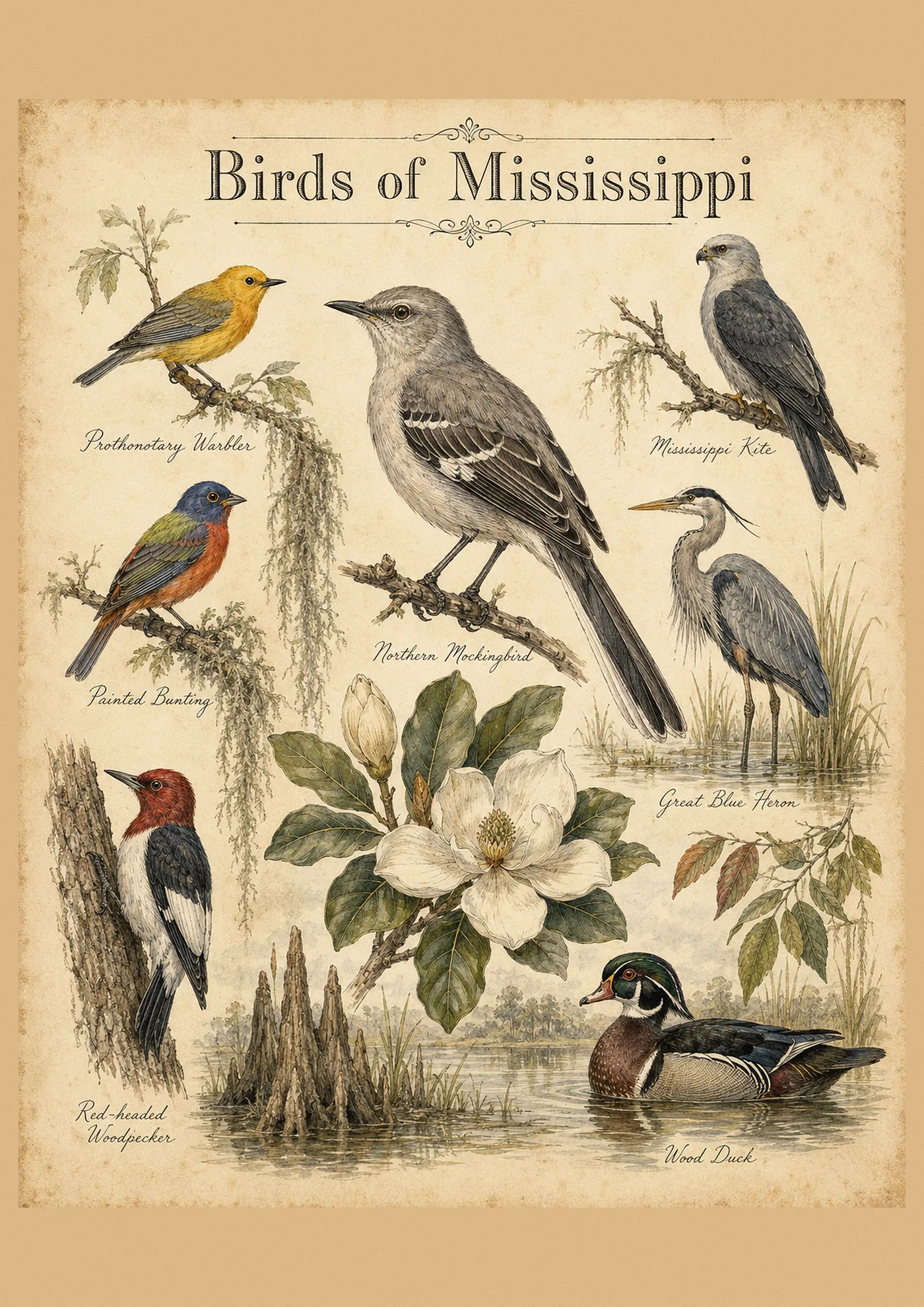
On 23 February 1944, the Mississippi legislature passed unanimously a bill designating the Northern Mockingbird (Mimus polyglottos) as the official state bird. The push came from the Mississippi Federation of Women’s Clubs, who had already adopted the mockingbird as their own club bird and lobbied both chambers of the legislature to formalise the choice. Both the House and the Senate agreed without a dissenting vote.
The mockingbird earns its place. It sings year-round, not seasonally - a male on a power line in January runs through 30 or more song types, borrowing from other species’ calls, insect noises, car alarms, and whatever else he has catalogued. Cornell’s All About Birds notes that male mockingbirds can continue adding new songs throughout their lives, a capacity essentially unique among North American songbirds. In Mississippi, the bird is not scarce or suburban-only: it occupies roadsides, agricultural edges, and suburban gardens statewide, a consistent presence from the Delta flatlands north to the Tennessee border.
Mississippi’s geography creates an extraordinary corridor. The state sits at the base of the Mississippi River flyway, one of the continent’s primary migration routes, and faces the Gulf of Mexico at the south. That combination - flyway funnelling birds south and coastline collecting trans-Gulf arrivals - gives the state a bird list the Mississippi Ornithological Society places well above 400 species.
Signature and speciality species
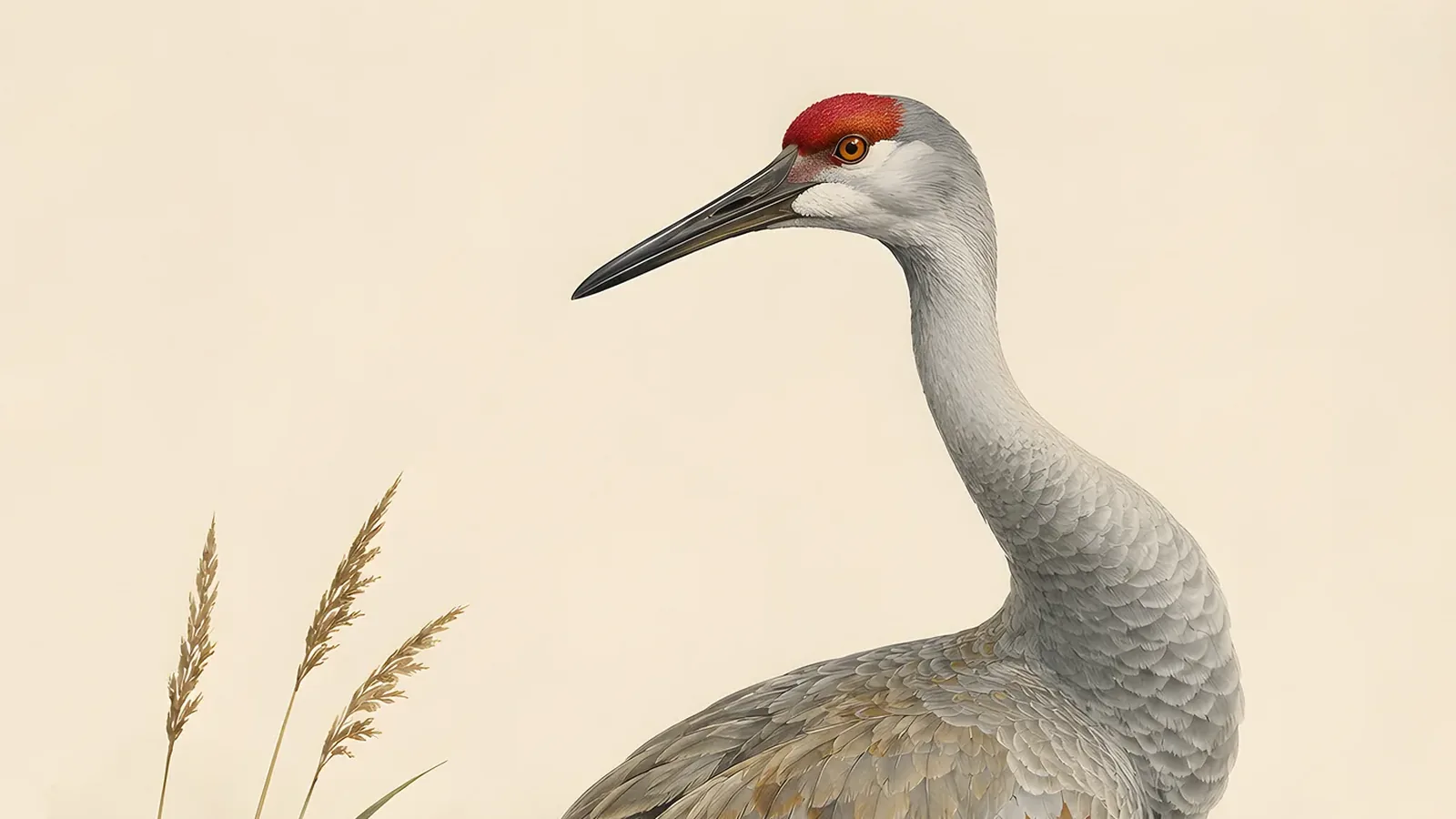
The state’s most striking story belongs to the Mississippi Sandhill Crane (Antigone canadensis pulla), a distinct non-migratory subspecies found nowhere else on earth. When the Mississippi Sandhill Crane National Wildlife Refuge was established in 1975, under the authority of the Endangered Species Act, the population stood at roughly 30 to 35 birds. Careful management, captive breeding, and habitat restoration in the refuge’s wet pine savannas along the Jackson County coast have brought the population to approximately 200 birds. They do not migrate. They are present year-round in the savanna grasslands between Gautier and Pascagoula, and autumn and winter are the most reliable seasons to find them in the open.
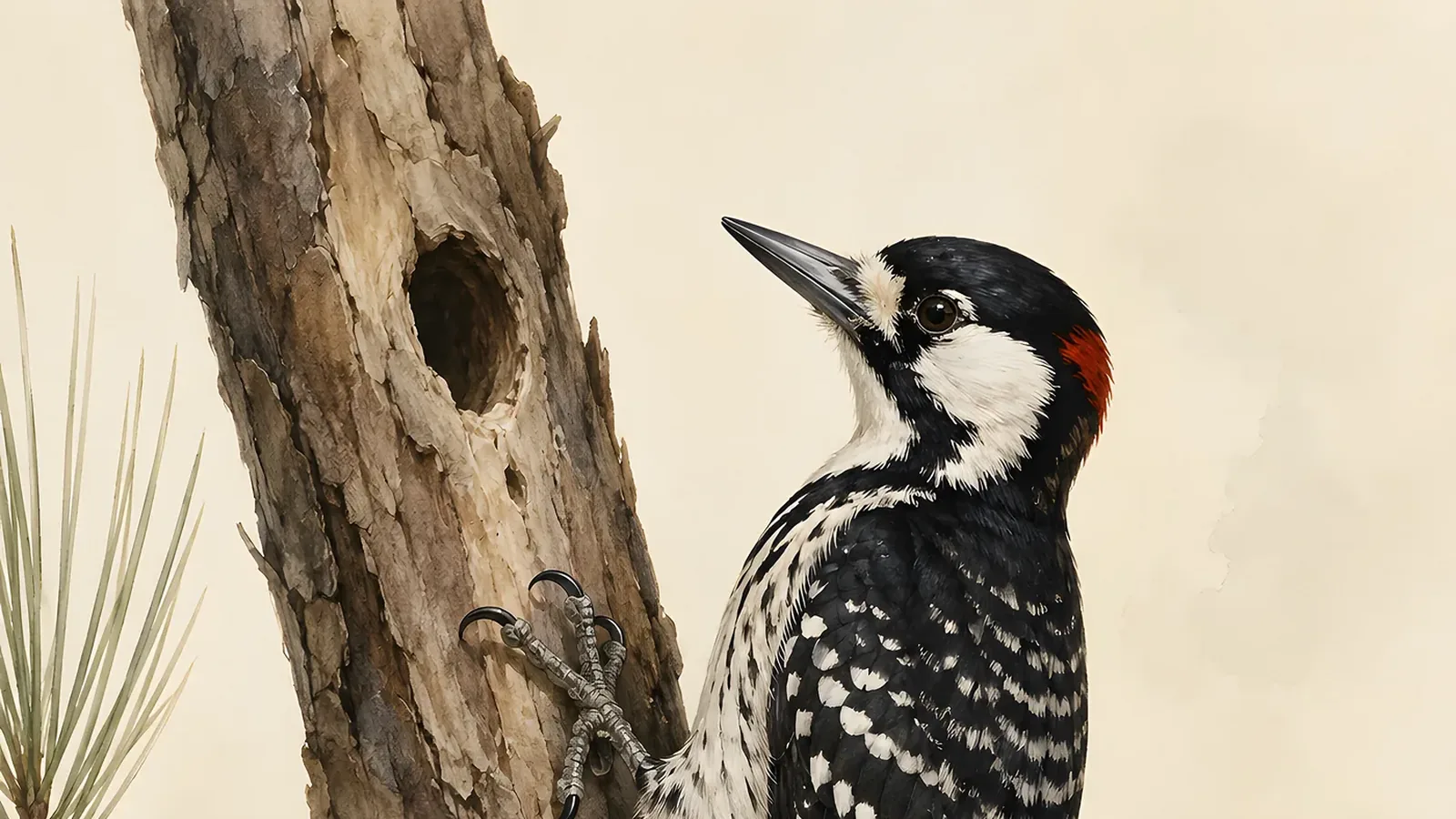
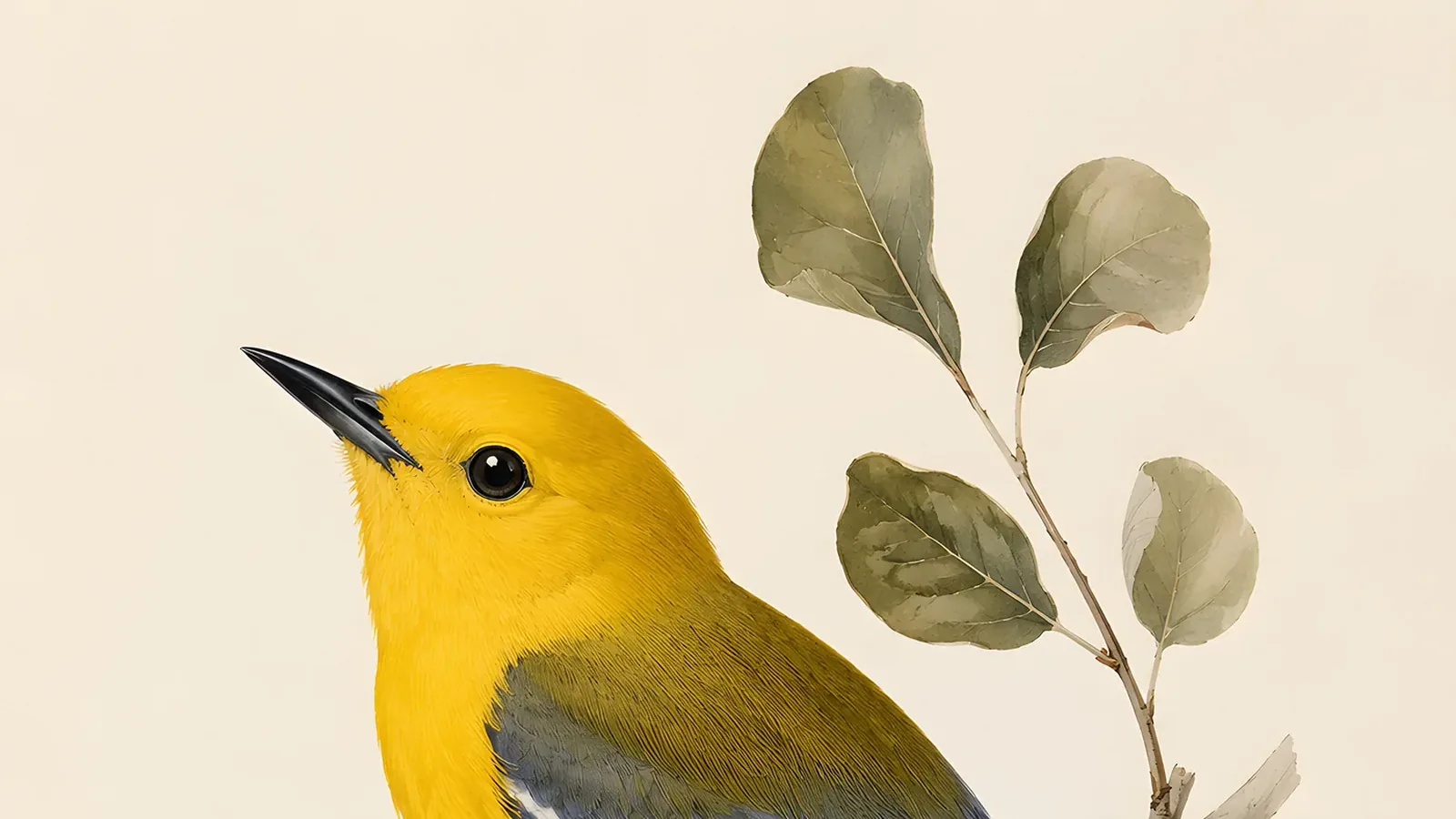
Red-cockaded Woodpecker (Dryobates borealis) is the state’s other federally endangered resident. The species requires old longleaf pine trees with red-heart fungal infections, which it excavates for nest cavities - a process that can take years. Sam D. Hamilton Noxubee National Wildlife Refuge, near Brooksville roughly 20 miles south of Starkville, holds a breeding population in its managed pine forest. The refuge’s bottomland hardwood tracts alongside Noxubee Lake are also reliable for Prothonotary Warbler (Protonotaria citrea) in spring - the gold-orange cavity-nesting warbler that Audubon himself painted. Look for it in the standing water below the bald cypress from late March through June.
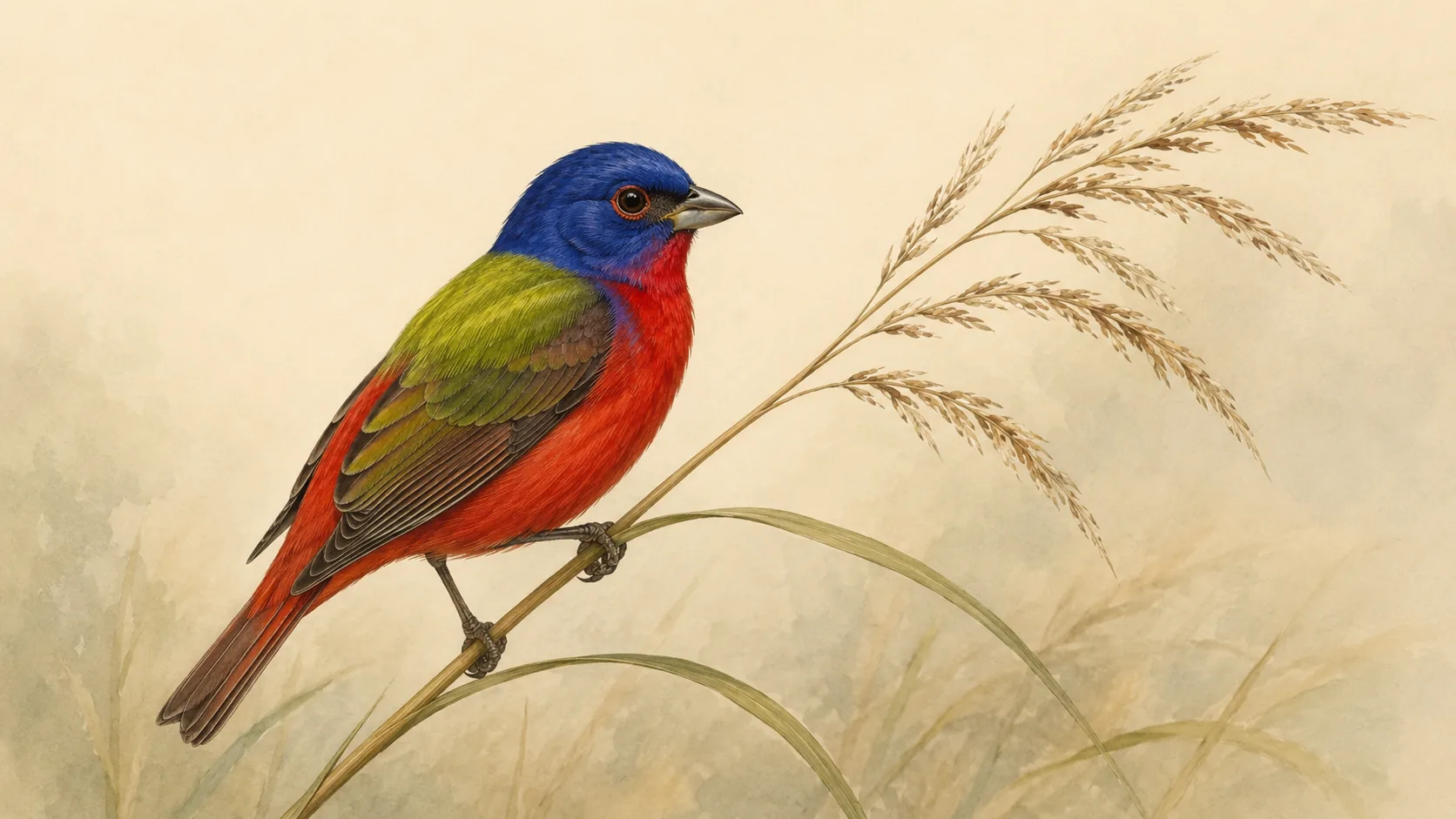
Along the Gulf Coast, Painted Bunting (Passerina ciris) breeds in coastal scrub and thickets in Hancock and Harrison counties. The male - blue head, red underparts, green back - is among the most saturated colour combinations in North American bird plumage. Spring migration concentrations occur at feeding stations late March through April. Audubon Society data indicate the species is declining across its breeding range, making the Mississippi Gulf Coast population locally significant.
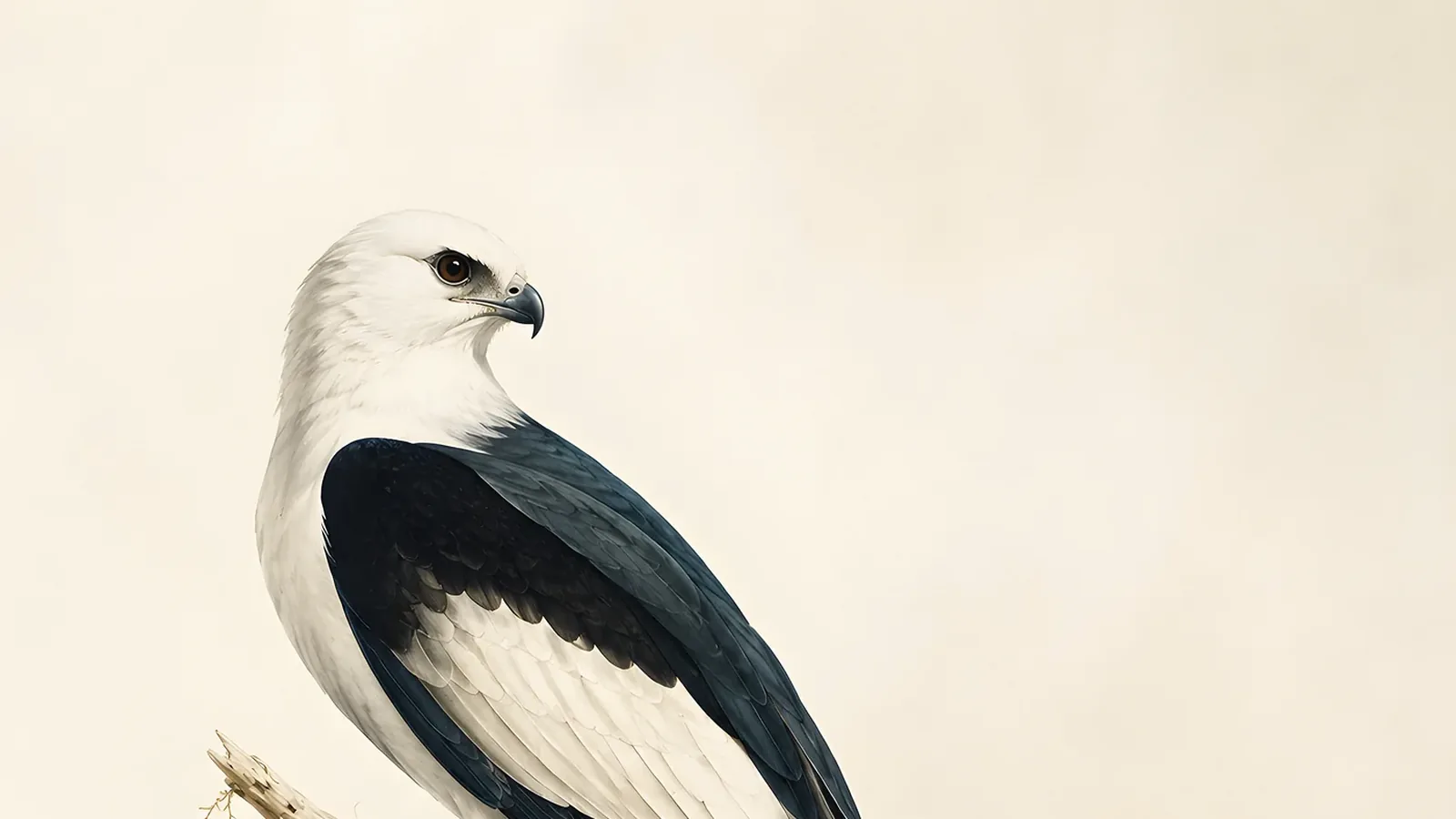
Swallow-tailed Kite (Elanoides forficatus) is a reliable spectacle in the cypress swamps of the lower Pearl and Pascagoula river drainages. Spring birds arrive as early as late February and early March. The species breeds in river-bottom forest in small numbers, though the Pascagoula corridor’s unlogged bottomlands provide better habitat than most states in the region can offer.
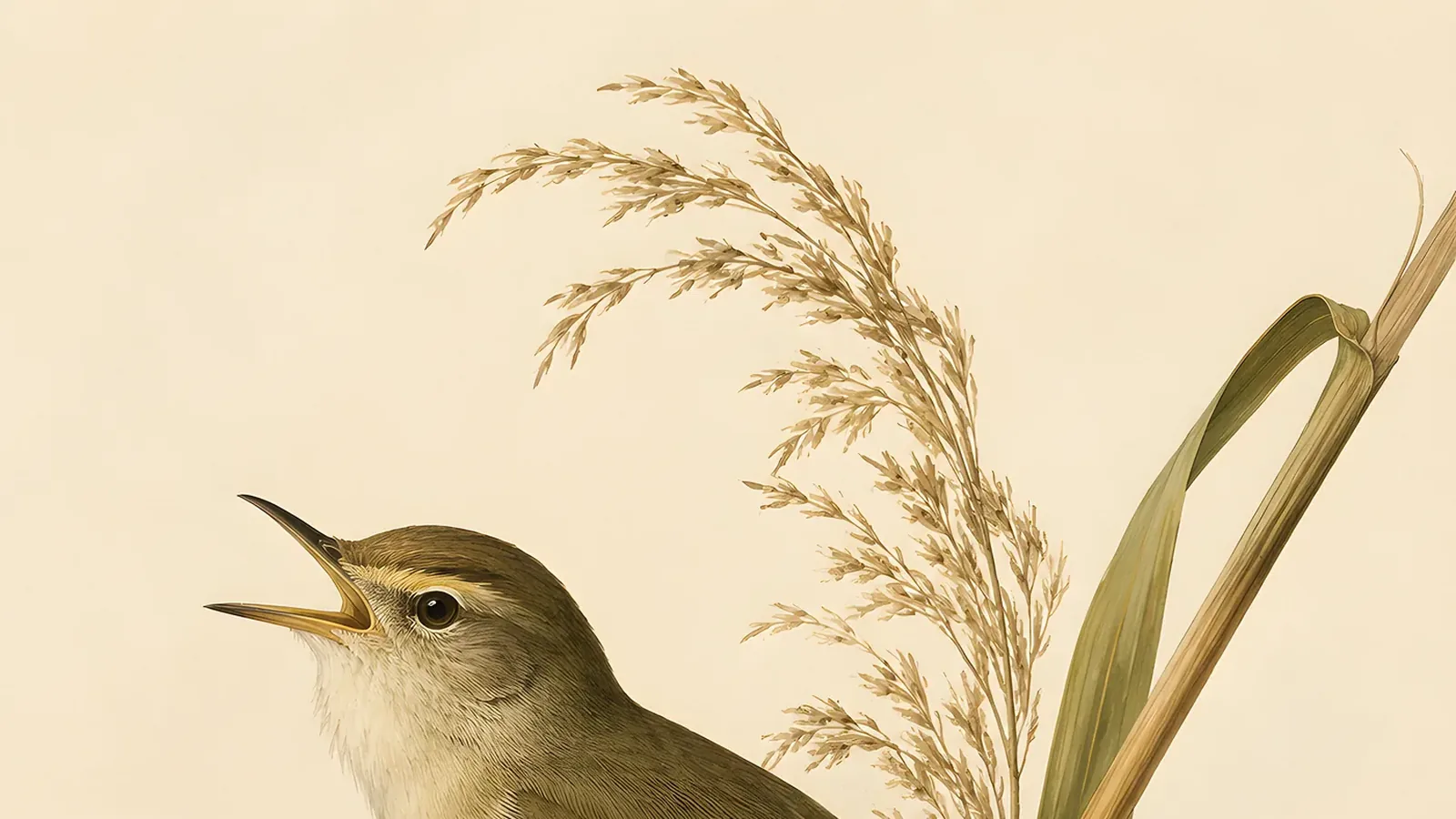
Swainson’s Warbler (Limnothlypis swainsonii) breeds in dense canebrakes and bottomland thickets across much of the state’s forested interior - one of the hardest breeding warblers in the eastern United States to see, easier to hear. Its loud, rising, slightly buzzy song is distinctive once learned.
Top backyard species
In a typical Mississippi garden, year-round:
- Northern Mockingbird (state bird, sings in every season)
- Northern Cardinal (year-round, abundant at feeders)
- Carolina Wren (year-round, resident in dense shrubs)
- Mourning Dove (year-round, ground feeders)
- Red-bellied Woodpecker (year-round)
- Downy Woodpecker (year-round)
- Blue Jay (year-round)
- American Robin (year-round, more visible in winter flocks)
- House Finch (year-round)
- American Goldfinch (winter, October through April)
- Ruby-throated Hummingbird (April through October at nectar feeders)
Where and when to watch
Sam D. Hamilton Noxubee National Wildlife Refuge anchors the interior birding year. More than 48,000 acres of bottomland hardwood and managed pine forest hold the state’s most accessible Red-cockaded Woodpecker colony, along with Pileated and Red-headed Woodpeckers, Barred Owls, and Wood Ducks on the refuge lakes. Spring warbler migration peaks in late April and early May.
Mississippi Sandhill Crane National Wildlife Refuge on the Jackson County coast is the only reliable site in the world to see the Mississippi sandhill crane. The wet pine savanna habitat is also good for Bachman’s Sparrow, Brown-headed Nuthatch, and wintering sparrows. Fall and winter are the best seasons, when the cranes move into open grassland.
Grand Bay National Estuarine Research Reserve, on the Mississippi-Alabama border, records over 250 species across its coastal marshes, wet pine savannas, and tidal flats. Shorebirds concentrate on the tidal mudflats in late summer; Seaside Sparrows and Clapper Rails occupy the saltmarsh year-round.
Pascagoula River Audubon Center anchors access to the Pascagoula River corridor - the largest un-dammed river system in the contiguous United States. The intact floodplain forest along Pipeline Road yields breeding warblers, Swallow-tailed Kites in spring, and steady woodland migration in April and May. Audubon’s own Mississippi work has documented around 200 species along this stretch alone.
Spring is the decisive season. Trans-Gulf migrants arriving at the barrier islands and the Gulf Coast after overnight crossings of open water concentrate in the first available trees - a phenomenon birders call a fallout. A north wind after a warm front passage can pack an ordinary wood edge with dozens of warblers, tanagers, orioles, and vireos in a single morning. The Pascagoula corridor and the coastal scrub are the prime locations.
In winter the Delta’s oxbow lakes fill with waterfowl, and Bald Eagles concentrate along the unfrozen reaches of the Mississippi River. Dark-eyed Juncos appear at feeders statewide from November through March. The mockingbird, as always, is singing.