State Guide
Birds of Pennsylvania
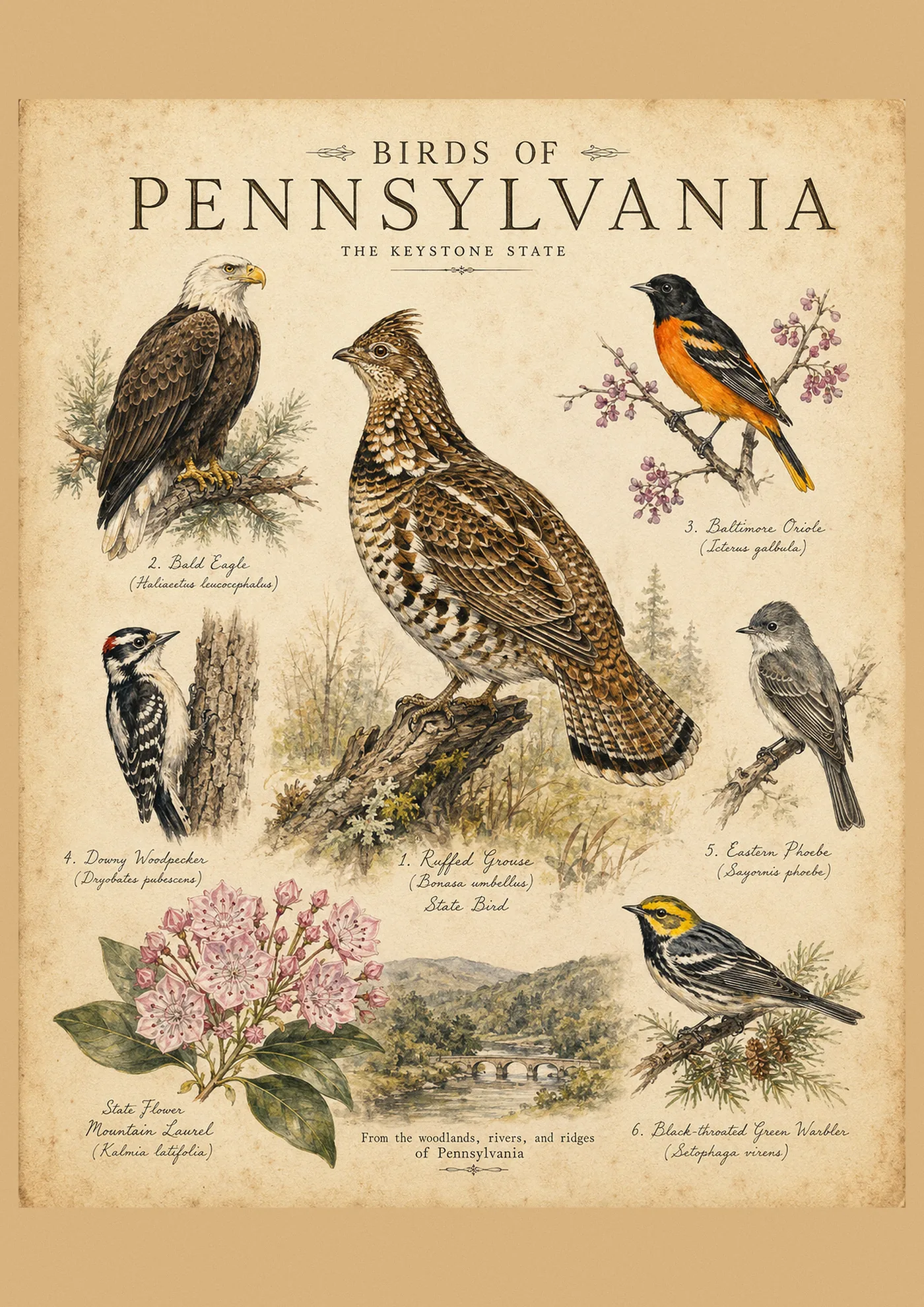
In 1931 the Pennsylvania legislature named the Ruffed Grouse (Bonasa umbellus) the official state bird - not from sentiment but from a frank recognition of what Pennsylvania was and what it had lost. The state was, and in large patches still is, a forest state. Young second-growth after the great logging of the nineteenth century held enormous grouse populations, and the bird’s drumming display - a male standing on a log, fanning his tail, and beating the air with his wings until the sound builds from a slow thump into a continuous whir - was as characteristic a Pennsylvania woodland sound as rain on chestnut leaves.
The Pennsylvania Game Commission now identifies habitat loss and West Nile Virus as the two main forces pushing grouse numbers down. The “king of the gamebirds” has become an indicator species: where young forest persists under 20 years of age, grouse hold on. Where it does not, they vanish. The Commission manages thousands of acres annually to recover that habitat. The state bird’s standing is, in a quiet way, a standing commitment.
Geographically Pennsylvania moves from the Lake Erie plain in the northwest through the Allegheny Plateau and Ridge and Valley province to the Piedmont and coastal plain in the southeast. That gradient, 560 km across, is enough to hold both boreal breeders in the north and southern-affinity species along the Delaware. The Pennsylvania Ornithological Records Committee’s 2024 official list carries 447 accepted species, with a further 10 on the Provisional List.
Signature and speciality species
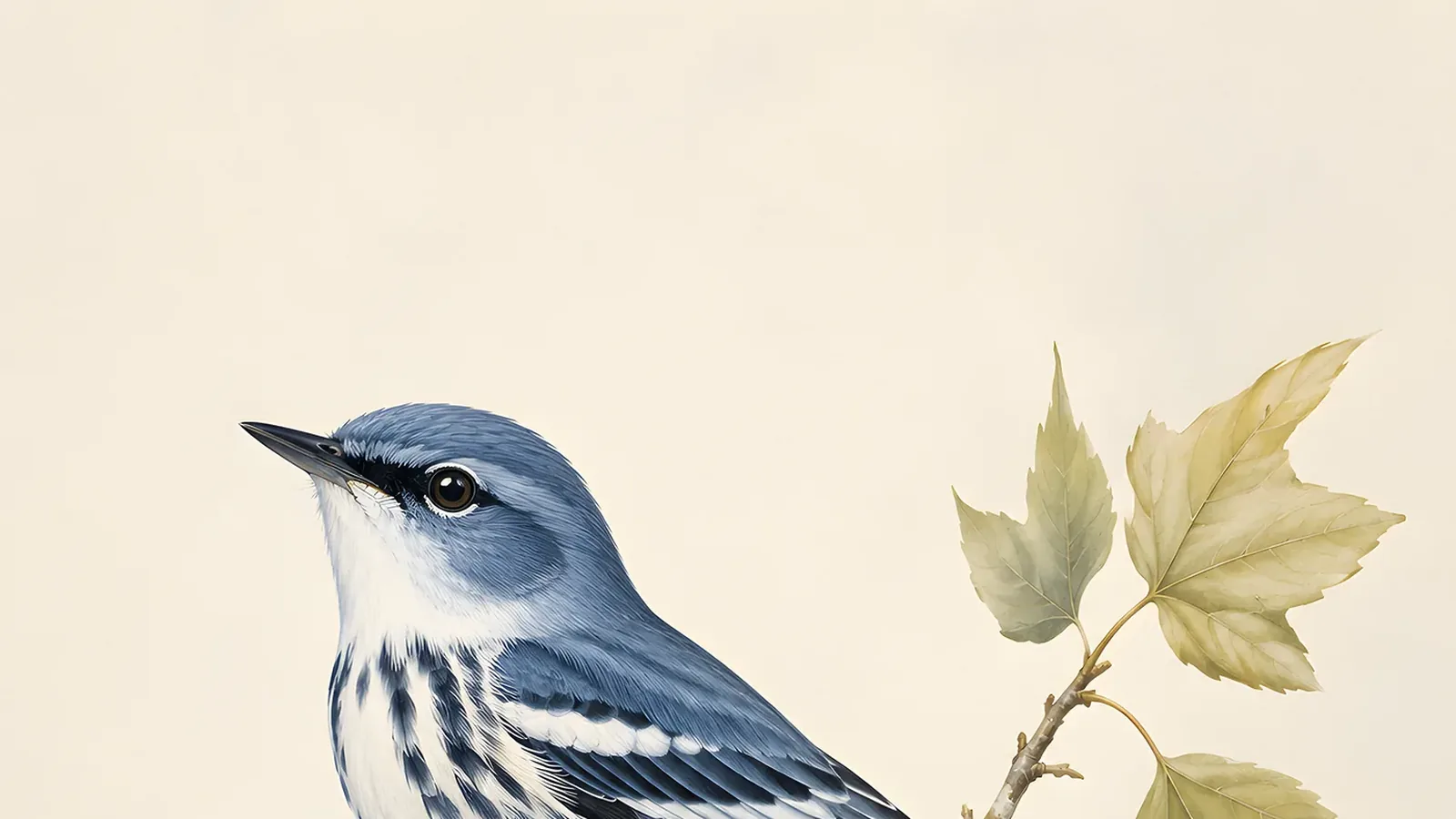
Cerulean Warbler (Setophaga cerulea) breeds in the mature oak-dominated hardwood forests of the Ridge and Valley and the Allegheny Plateau. Penn’s Woods hold one of the larger eastern US breeding populations of this blue canopy warbler, and the Pennsylvania Game Commission notes the state consequently carries significant stewardship responsibility for a species whose numbers have fallen more than 70 percent since Breeding Bird Surveys began in 1966. Loyalsock State Forest and the Tiadaghton State Forest hear singing males from late May through July.
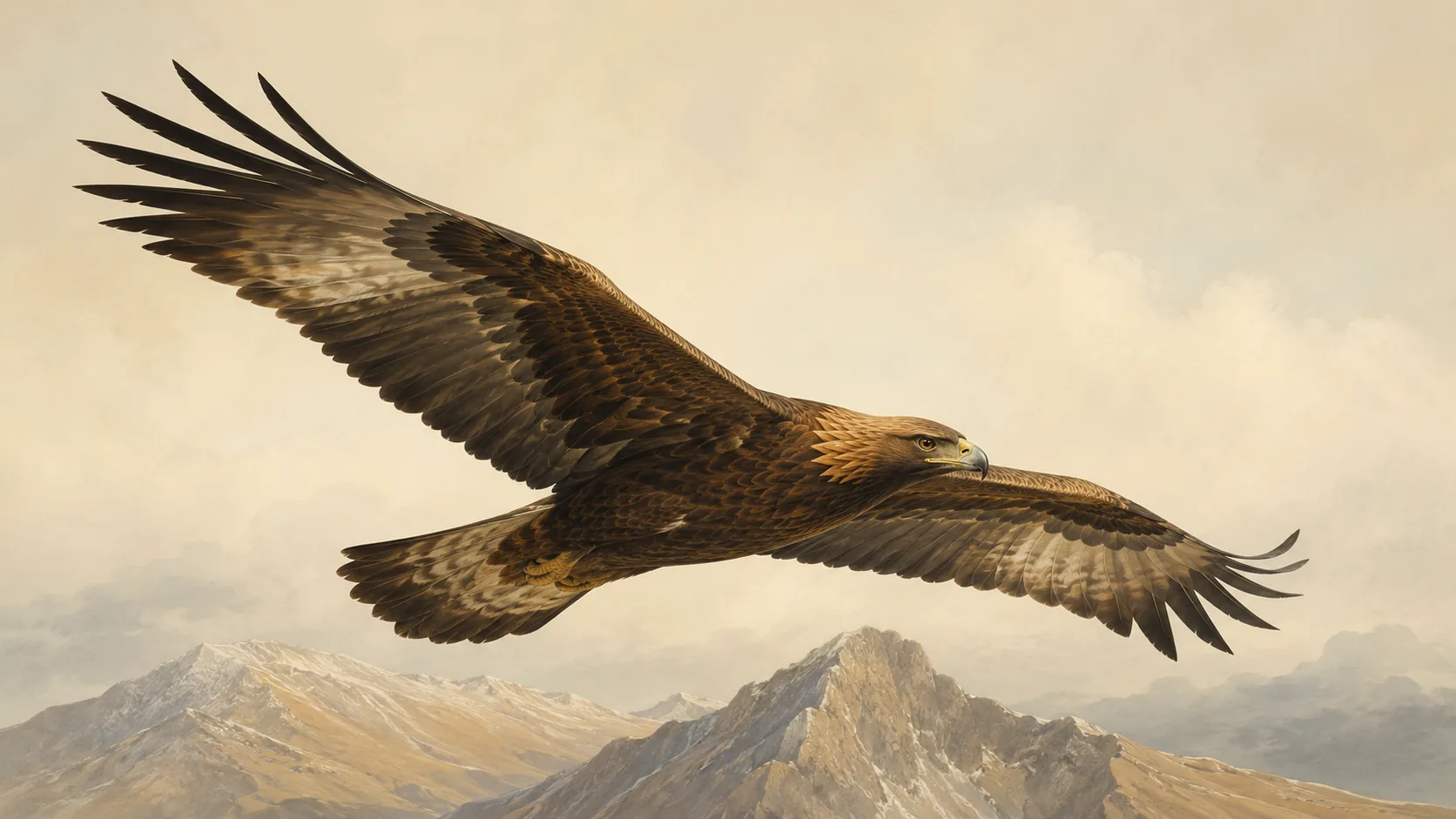
Golden Eagle (Aquila chrysaetos) is a Pennsylvania autumn event. The Pennsylvania Game Commission records regular migration from mid-October through early December through the Ridge and Valley Province between the Allegheny Front and the Kittatinny Ridge, with the spring return passage from late February into April. Hawk Mountain Sanctuary’s North Lookout sits directly on this corridor.
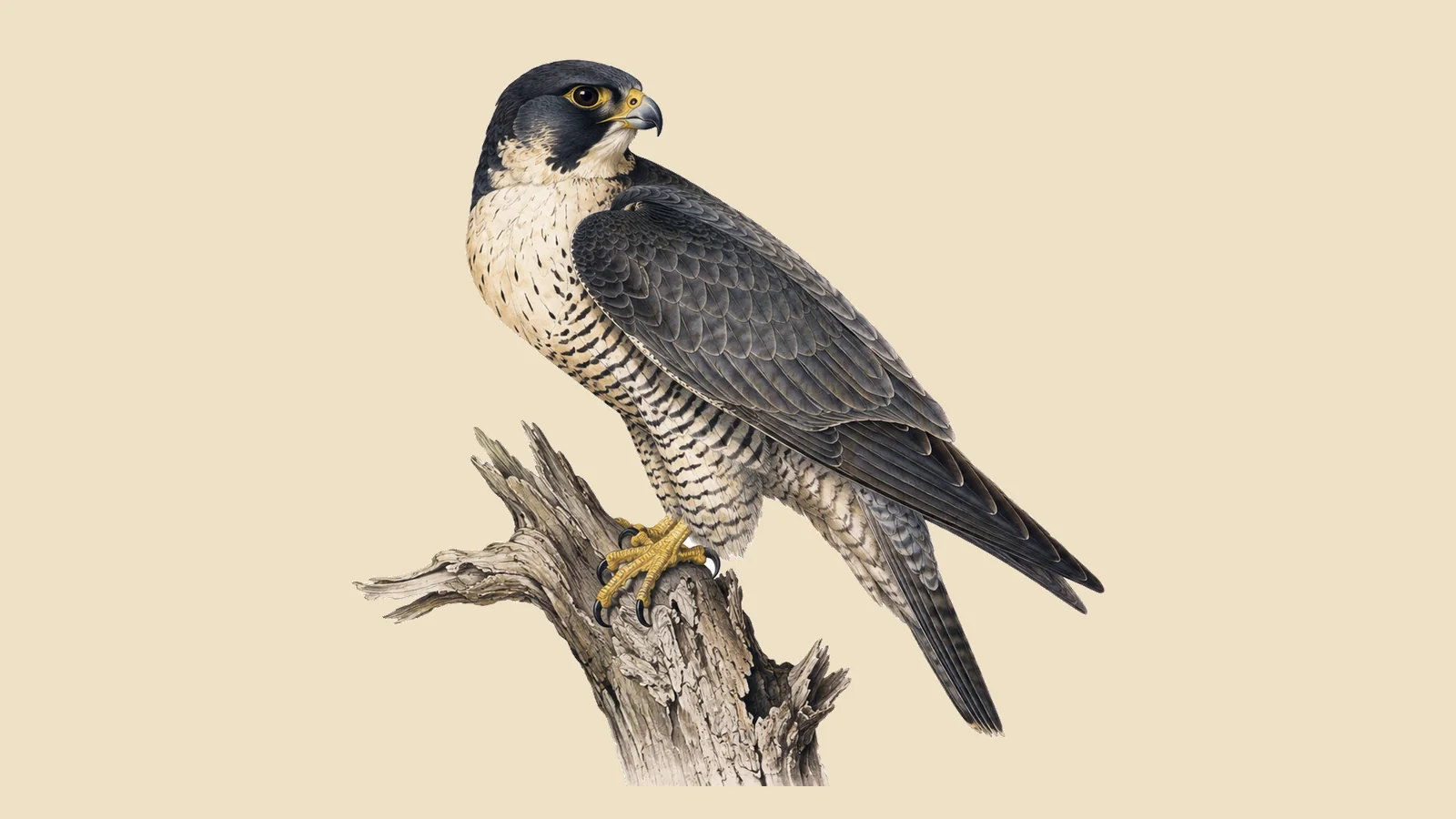
Peregrine Falcon (Falco peregrinus) has recolonised Pennsylvania’s cities after the DDT recovery. Pairs now nest on several Philadelphia and Pittsburgh skyscrapers. eBird data show year-round sightings concentrated around the urban cores and along the Delaware River corridor.
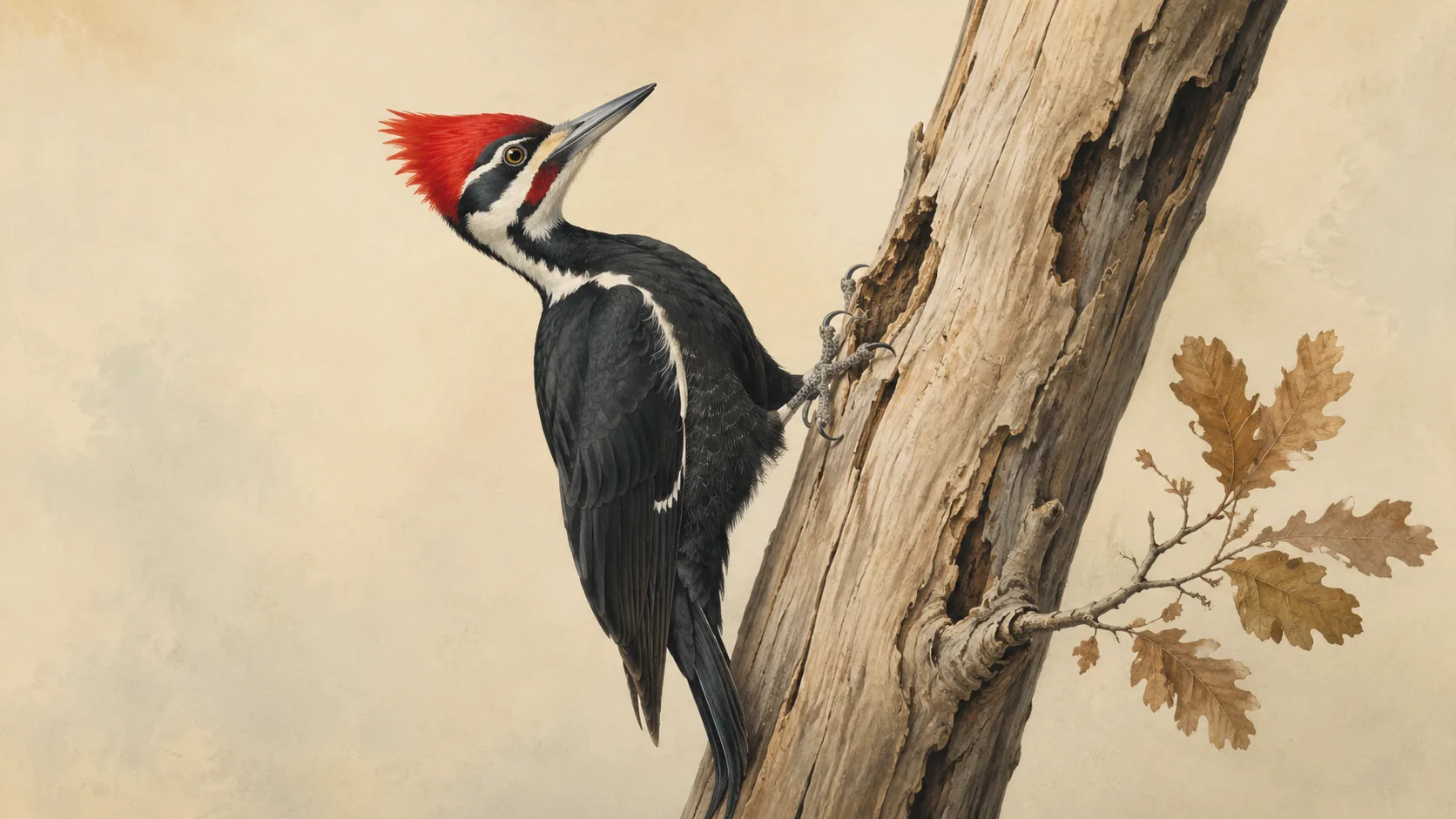
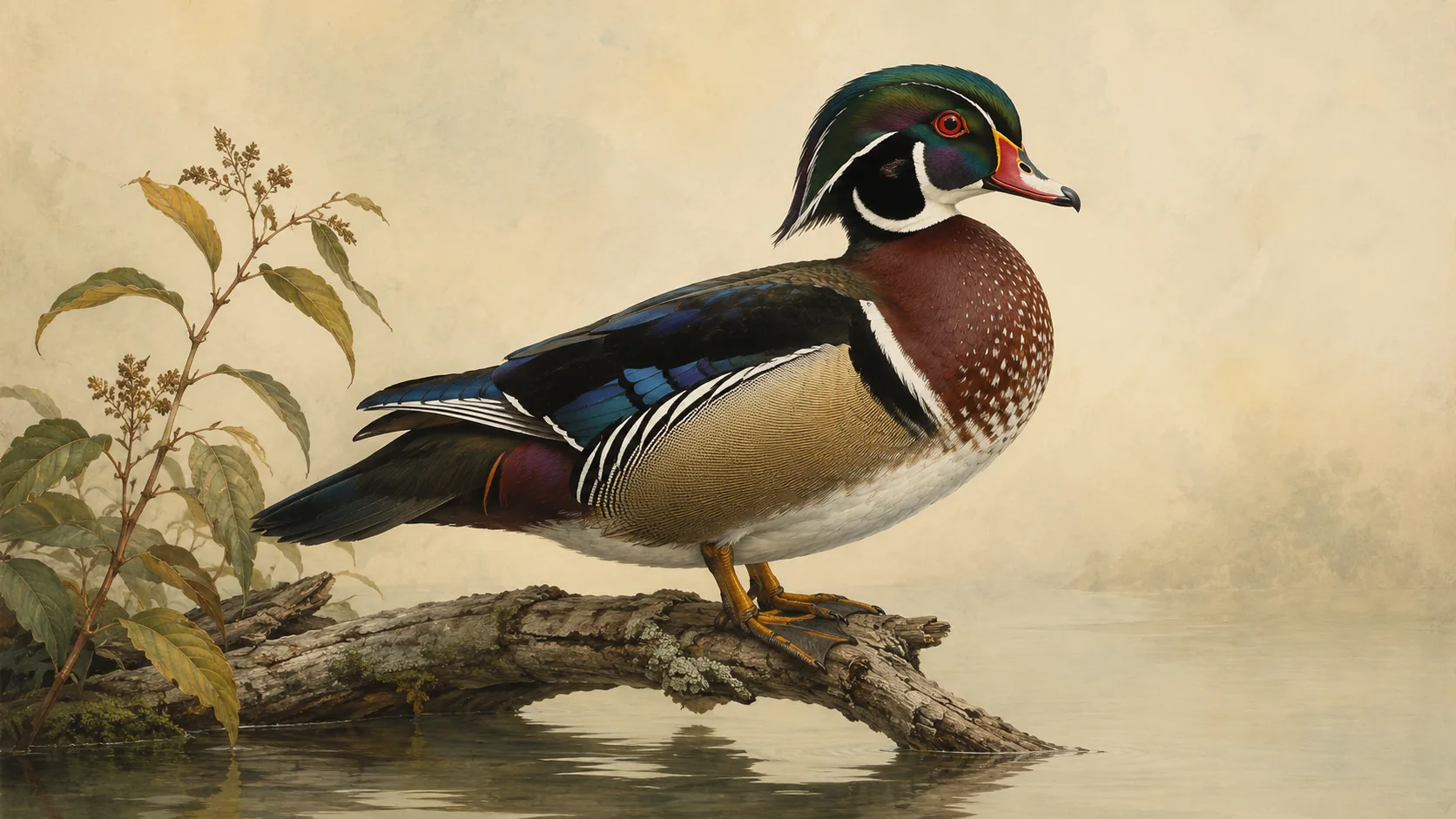
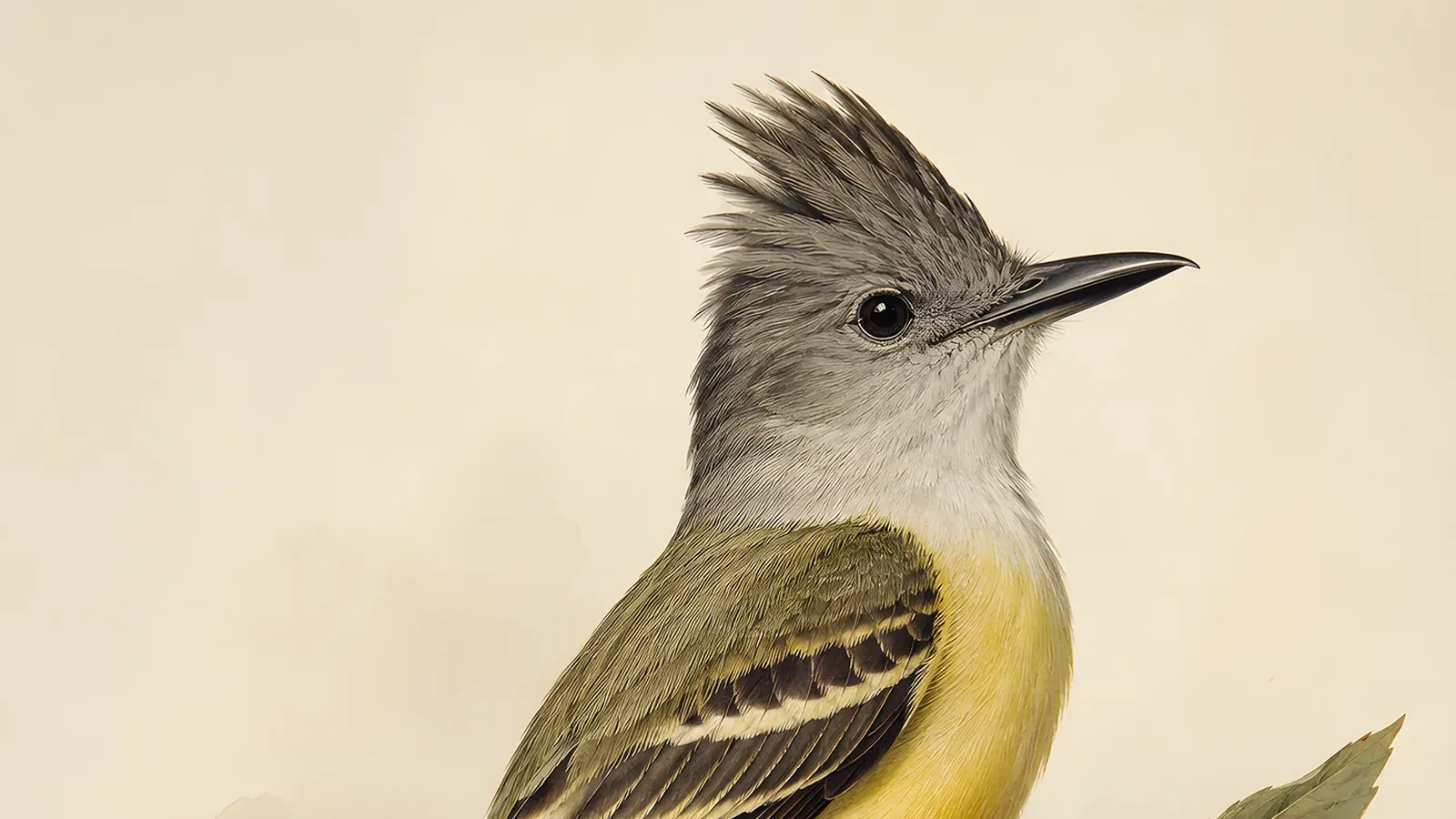
Pileated Woodpecker (Dryocopus pileatus) is the forest anchor. The crow-sized excavator is common in mature forest blocks across northern and central Pennsylvania, and the rectangular cavities it leaves in dying hardwoods become critical nesting sites for Wood Duck, Great Crested Flycatcher, and a chain of cavity-dependent species.
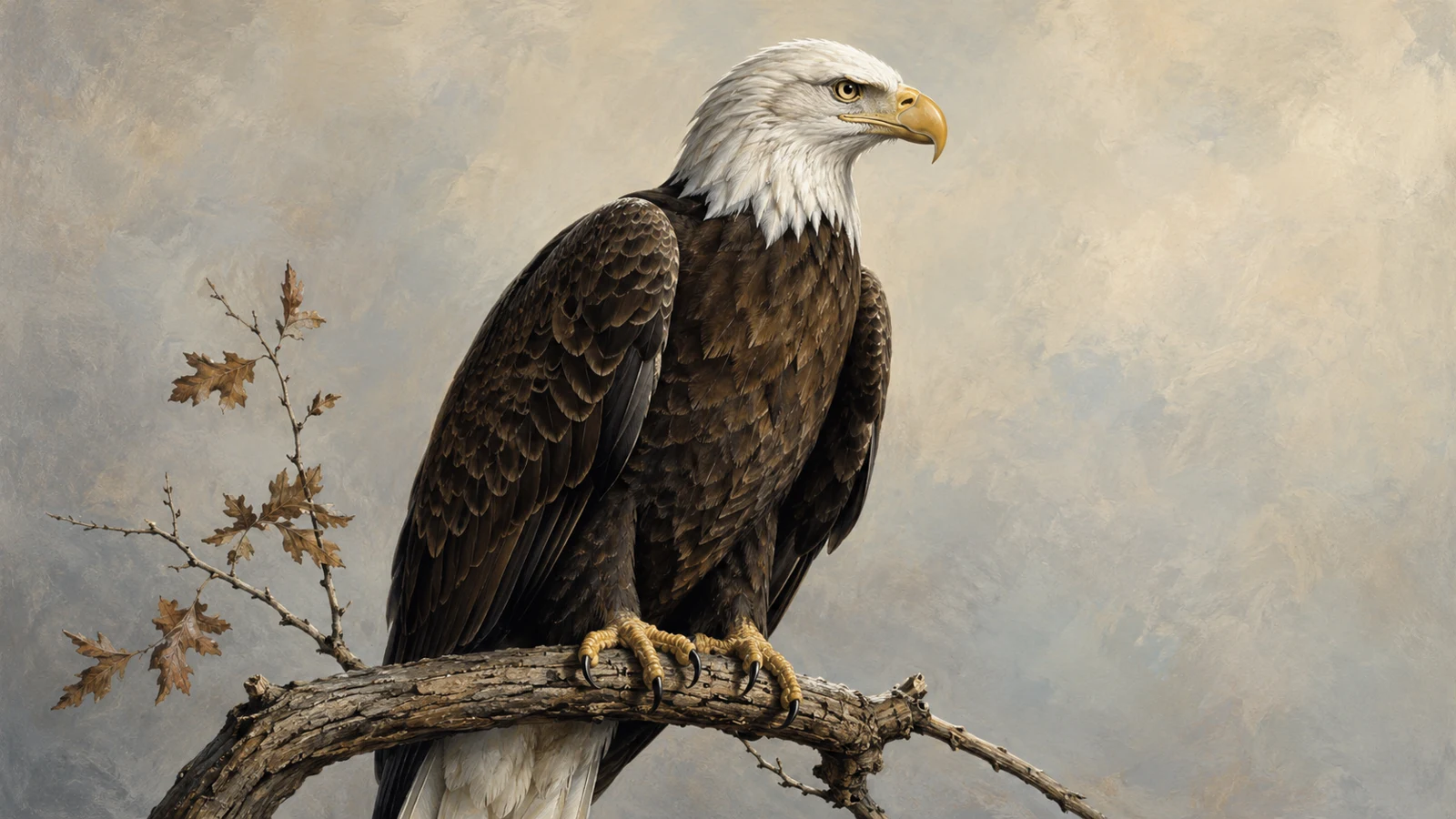
Bald Eagle (Haliaeetus leucocephalus) recovered dramatically. Pennsylvania now holds one of the largest breeding Bald Eagle populations in the northeastern United States, concentrated along the Susquehanna, Delaware, and Allegheny drainages. Winter sees additional birds moving in from further north to take advantage of open water on large reservoirs.
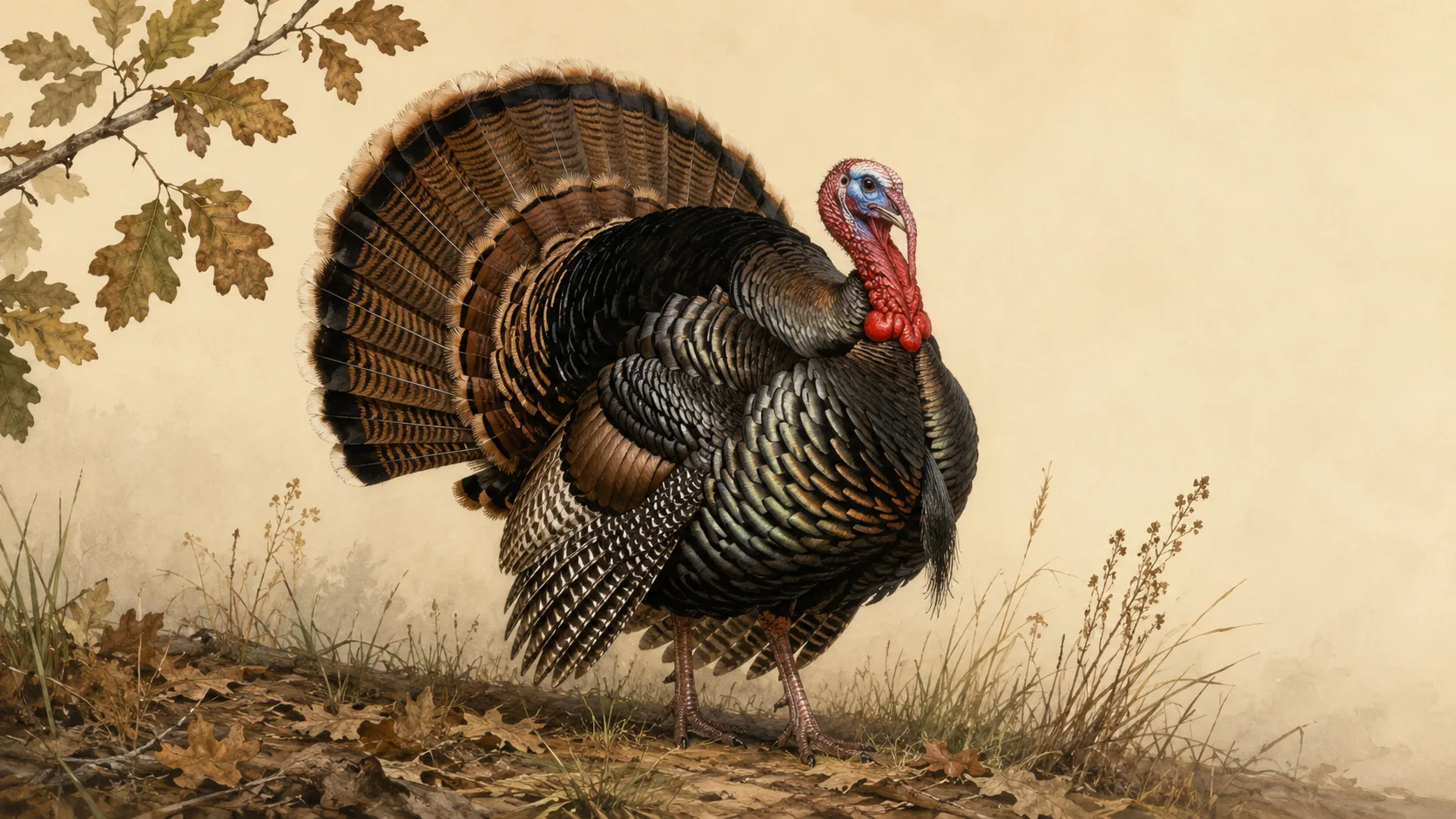
Wild Turkey (Meleagris gallopavo) is ubiquitous across the state’s forest and farmland edge. Pennsylvania’s forest cover - more than half the state’s land area - supports a population dense enough that turkeys appear at suburban feeders in forested counties with regularity.
Top backyard species
A Pennsylvania residential garden from the Lehigh Valley to the Pittsburgh suburbs:
- Northern Cardinal (Cardinalis cardinalis) - year-round, the male visible at every feeder
- American Robin (Turdus migratorius) - year-round resident, abundant from March through November
- Blue Jay (Cyanocitta cristata) - year-round
- Black-capped Chickadee (Poecile atricapillus) - year-round; Carolina Chickadee replaces it at lower elevations in the southeast corner
- Downy Woodpecker (Picoides pubescens) - year-round, the small woodpecker at suet through all seasons
- American Goldfinch (Spinus tristis) - year-round; males in bright yellow appear from May
- Carolina Wren (Thryothorus ludovicianus) - year-round in the south; expanding north
- Mourning Dove (Zenaida macroura) - year-round
- Dark-eyed Junco (Junco hyemalis) - October through April at nearly every feeder in the state
- House Finch (Haemorhous mexicanus) - year-round, introduced to the East Coast in 1940
Where and when to watch
Hawk Mountain Sanctuary (Berks County) sits on the Kittatinny Ridge and has run the world’s longest continuous raptor migration count since 1934. The autumn flight at the North Lookout can exceed 3,000 raptors in a single day around mid-September, with Broad-winged Hawk, Sharp-shinned Hawk, and Golden Eagle all moving through the same corridor between September and December. Audubon has described the Hawk Mountain count as one of the most consequential conservation datasets in North American ornithology.
Presque Isle State Park (Erie County) is a sand peninsula projecting into Lake Erie, with the peninsula’s unique position on the Atlantic Flyway making it a magnet for migrants that have crossed the lake and need immediate landfall. The park’s species list has exceeded 330 birds; shorebird movement peaks in April and September, warbler passage in mid-May. The site is recognised as an Important Bird Area by Audubon Pennsylvania.
John Heinz National Wildlife Refuge at Tinicum (Philadelphia) is the largest remaining freshwater tidal marsh in Pennsylvania, a 1,200-acre refuge embedded inside the urban core. Over 300 species have been recorded. Spring shorebird and wader movement is the headline event, but the marsh holds breeding Great Blue Heron (Ardea herodias), Great Egret, and nesting Wood Duck through summer.
Middle Creek Wildlife Management Area (Lancaster and Lebanon Counties) is principally a snow goose and Tundra Swan staging site in late February and March. The numbers are Pennsylvania-scale: flocks can reach tens of thousands of Snow Geese on the impoundments in a single morning.
Spring unfolds from late February (Tundra Swans at Middle Creek, singing Carolina Wren in the south) through the May warbler push at Presque Isle and along the Blue Mountain ridges. Summer is the season for Cerulean Warblers in the old-growth oaks and Wild Turkey broods on forest roads. Autumn belongs to Hawk Mountain, running from September’s Broad-wings to December’s last Golden Eagles. Winter fills the large rivers and reservoirs with Bald Eagles and brings Snowy Owl to open farmland in flight years.
The state’s bird list is the accumulated record of all of that - 447 accepted species, a state bird whose drumming still sounds from enough ridge-top clearcuts to matter, and a raptor count that has been running without interruption since the year before the Second World War.