State Guide
Birds of Texas
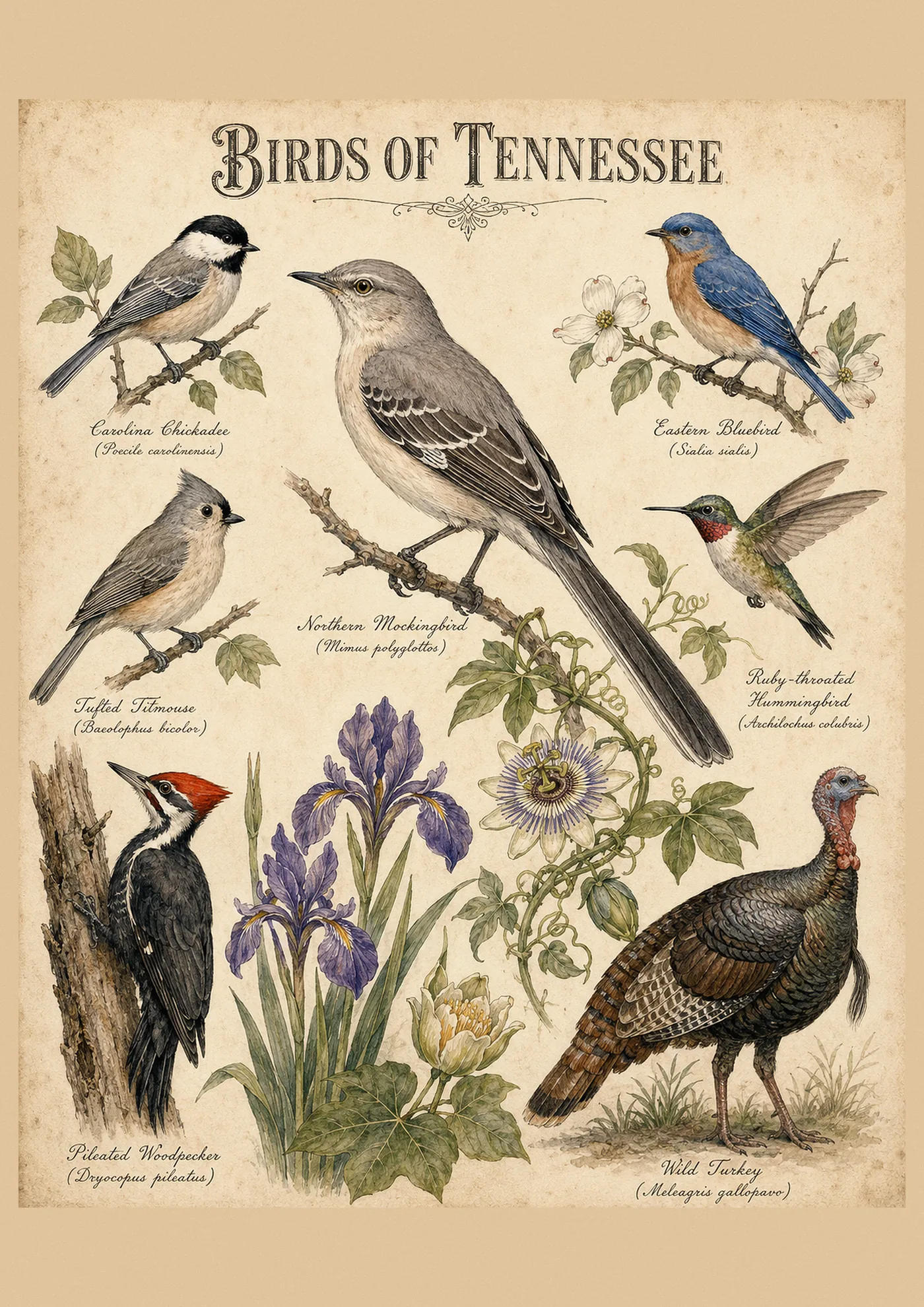
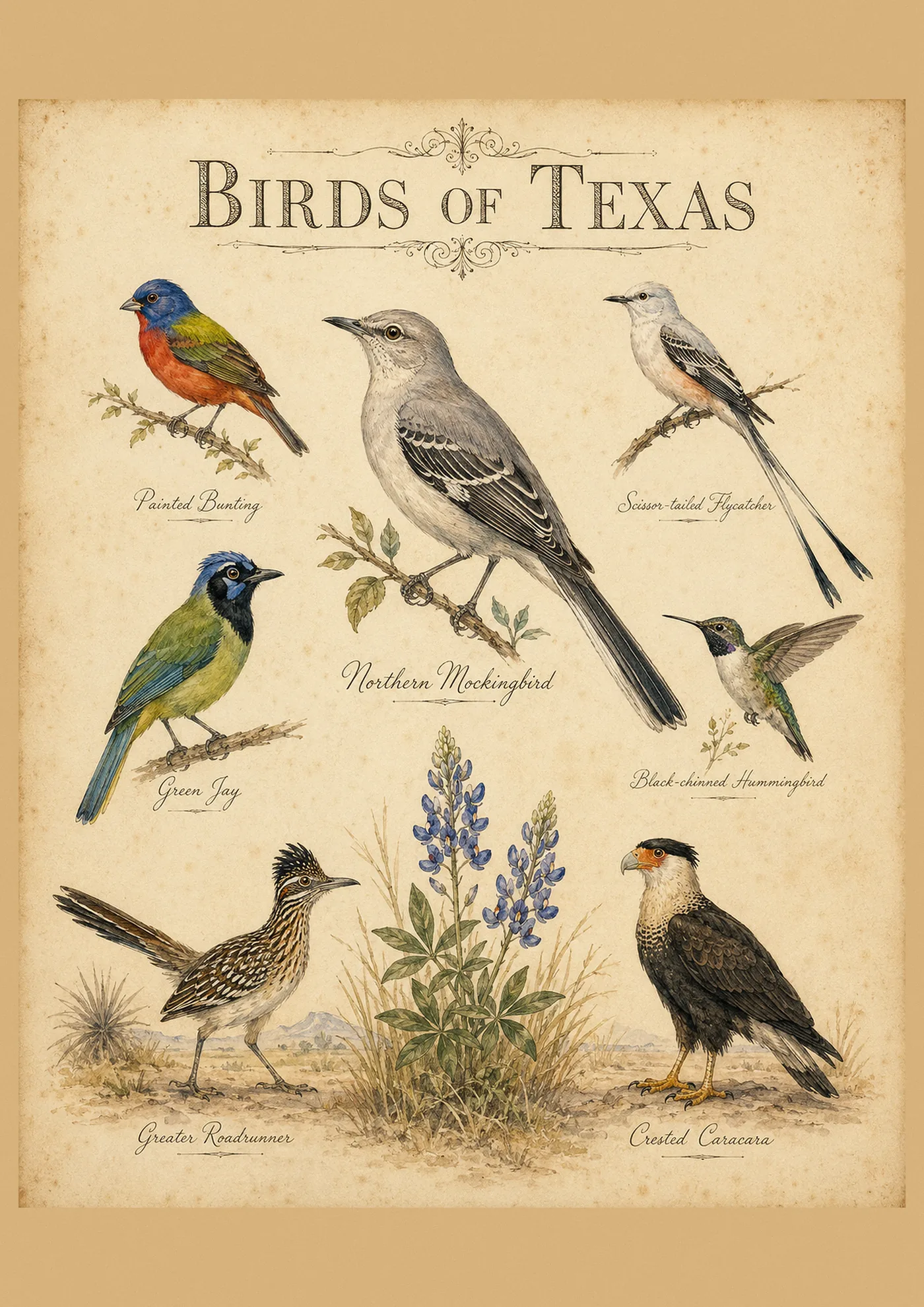
On January 31, 1927, the 40th Texas Legislature adopted the Northern Mockingbird (Mimus polyglottos) as the official state bird through Senate Concurrent Resolution No. 8. The Texas Federation of Women’s Clubs had pressed the case, and their argument to the legislature was worth reading: the mockingbird, they argued, was “a fighter for the protection of his home, falling if need be in its defense, like any true Texan.” Ornithologists, musicians, and educators all signed on. Governor Dan Moody approved the measure. Texas was among the first states to name an official bird, and the choice has not aged badly.
The mockingbird earns the designation several times over. He sings through the night in April. He holds a territory against birds three times his size. He learns new songs continuously - Cornell’s All About Birds notes that a male may accumulate more than 200 distinct song types over his lifetime. He is resident in every county in Texas, from the Panhandle to Brownsville, in January and in August. The legislature was not wrong.
Signature and specialty species
Texas is, by a wide margin, the most species-rich state in the United States. The Texas Bird Records Committee counts 677 accepted species - a number that reflects the state’s position at the intersection of four major migratory flyways and four distinct ecological zones. A birder covering all corners of the state in a calendar year will encounter species from the American tropics, the Mexican interior, the Arctic coast, and the eastern deciduous forest.
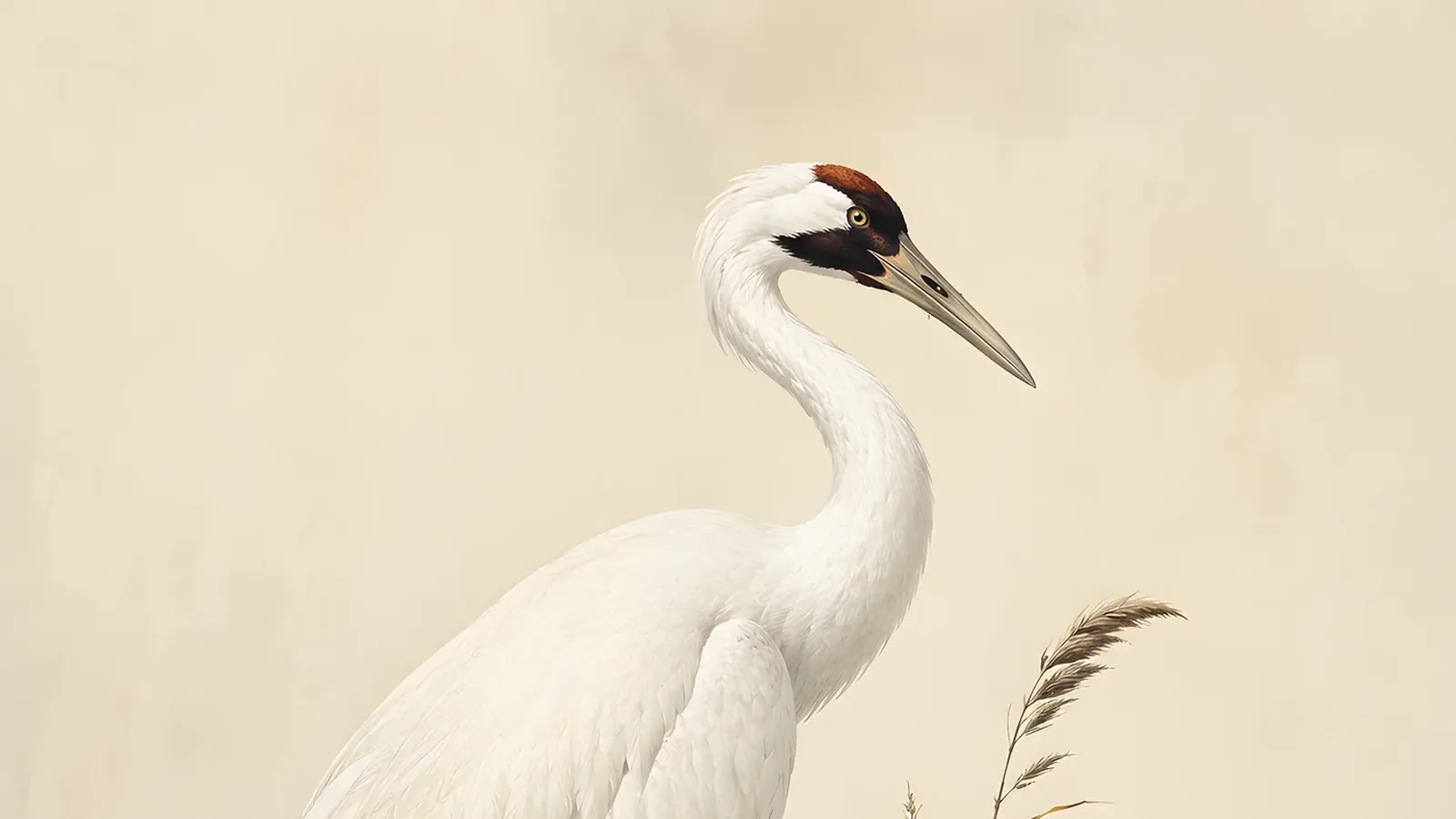
Whooping Crane (Grus americana) is the most celebrated bird in the state and the most closely watched. The entire self-sustaining wild population of this species - North America’s tallest bird and one of its longest-studied conservation cases - winters at Aransas National Wildlife Refuge on the central Texas coast. Boat tours from Rockport run November through March, and the cranes feed the tidal flats with the measured confidence of birds that know exactly where they are.
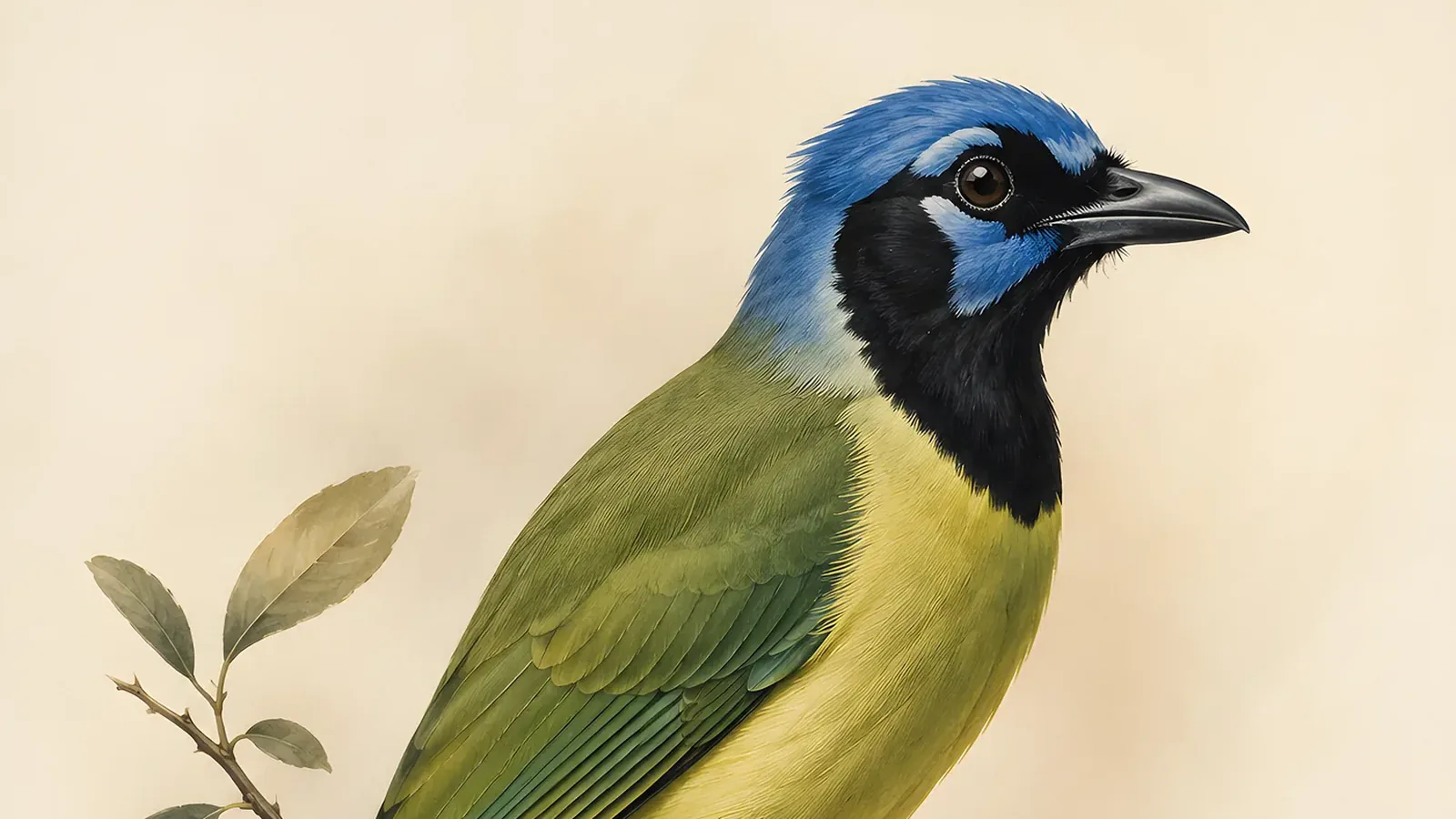
Green Jay (Cyanocorax yncas) does not occur anywhere else in the United States except south Texas. The bird’s combination of yellow, green, black, and blue is genuinely startling at the feeders of Santa Ana National Wildlife Refuge or the resaca edges around Laguna Atascosa. The Audubon Society notes that the lower Rio Grande Valley holds a community of neotropical species - this bird among them - that has no parallel in any other part of the country.
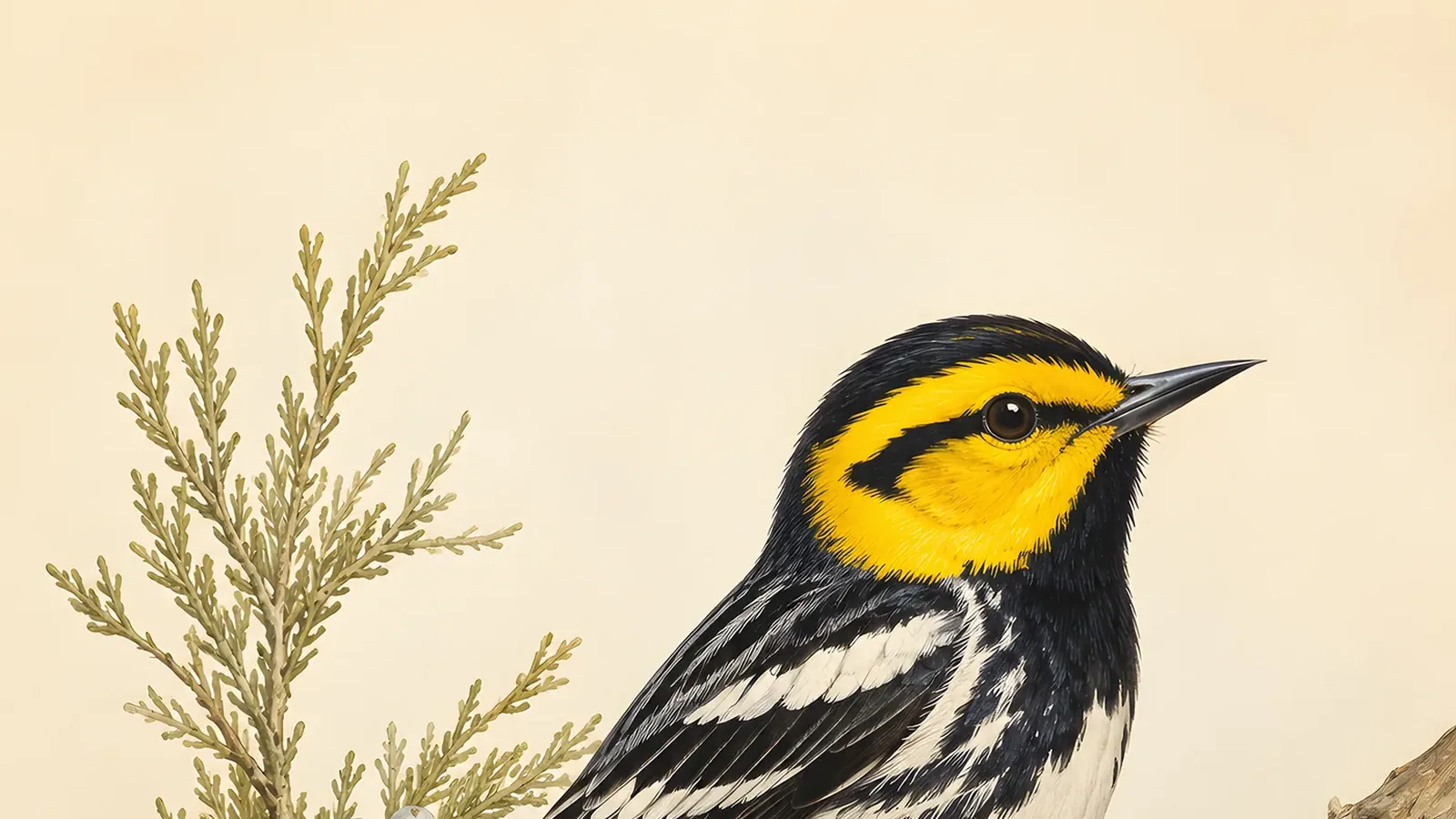
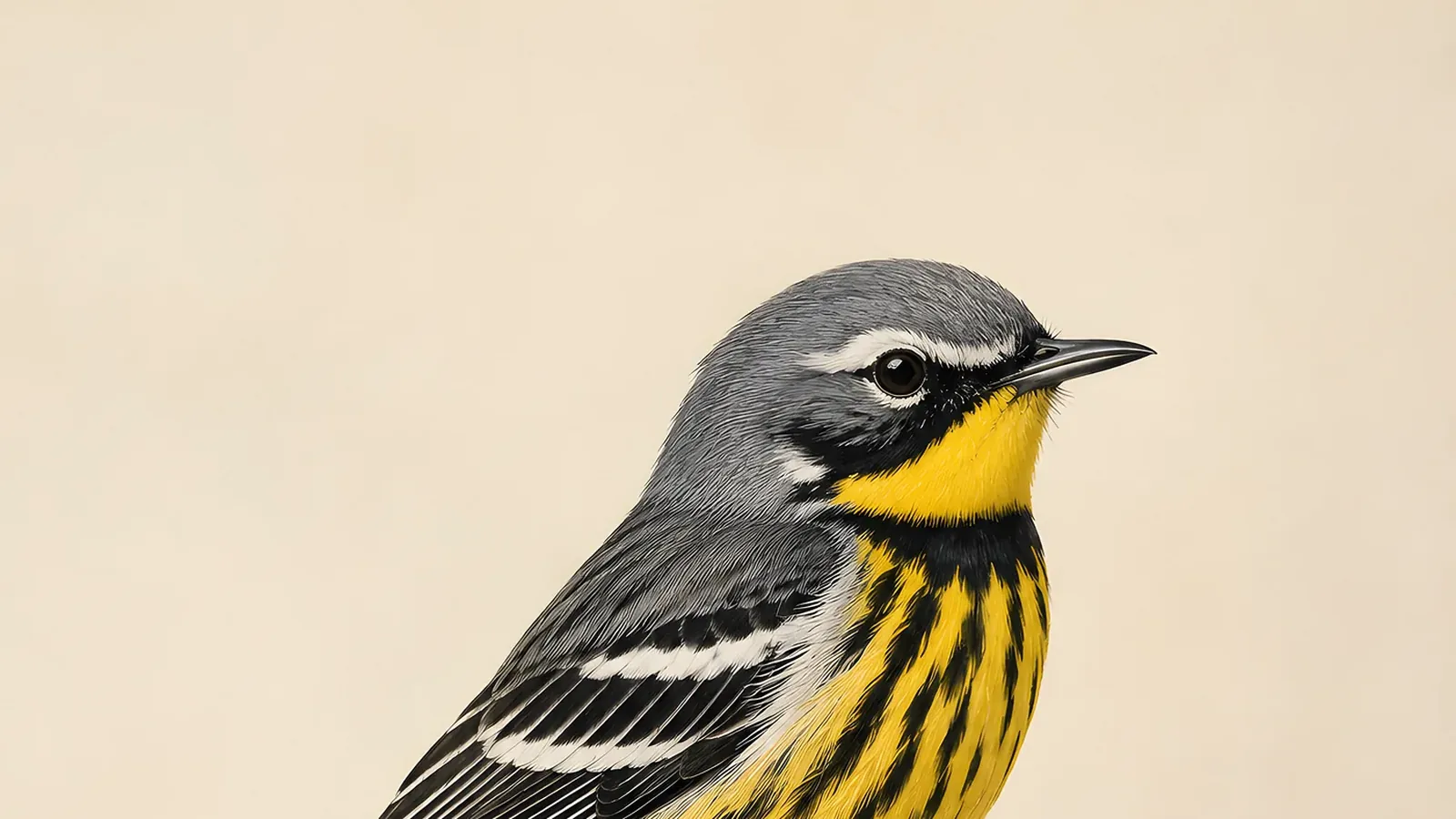
Golden-cheeked Warbler (Setophaga chrysoparia) breeds only in Texas. The species requires old-growth Ashe juniper with peeling bark, which it uses to build its nest - a material found almost exclusively in the Hill Country between Austin and Kerrville. Lost Maples State Natural Area and the Balcones Canyonlands National Wildlife Refuge both hold breeding populations. No other state can list this bird.
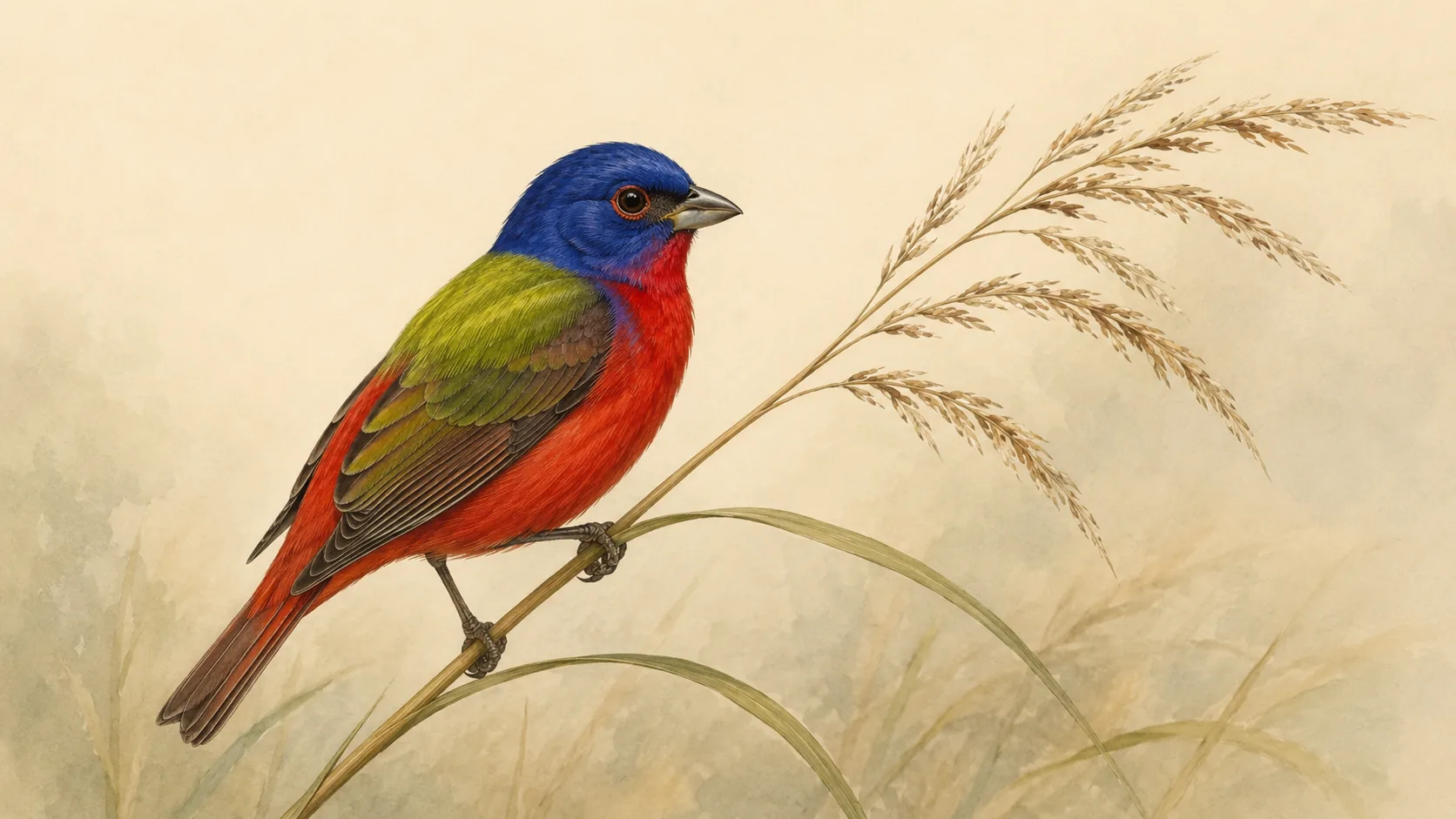
Painted Bunting (Passerina ciris) breeds across Texas in two distinct populations: an eastern group along the Gulf coast and a western group through the southern Plains. The male is one of the most colour-saturated birds in North America, blue on the head, red on the breast, green on the back. Cornell’s All About Birds describes him as looking like a bird painted by several people at once, each working from a different palette.
Colima Warbler (Leiothlypis crissalis) is found in the United States at exactly one location: the Chisos Mountains of Big Bend National Park, at elevations above around 1,800 metres. The spring hike to Boot Canyon is the standard route. eBird data show the species arriving in the Chisos in late March and departing by September.
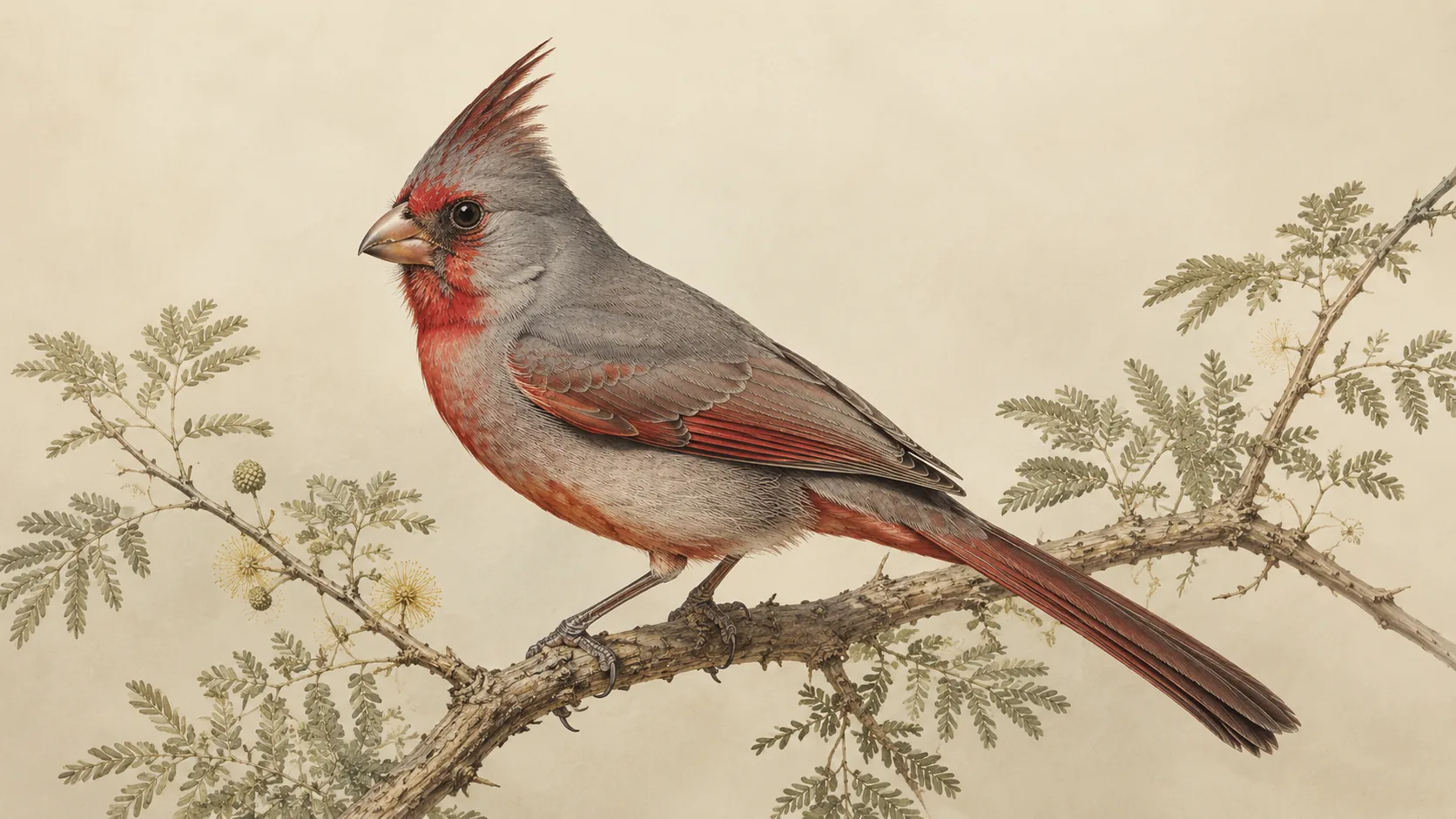
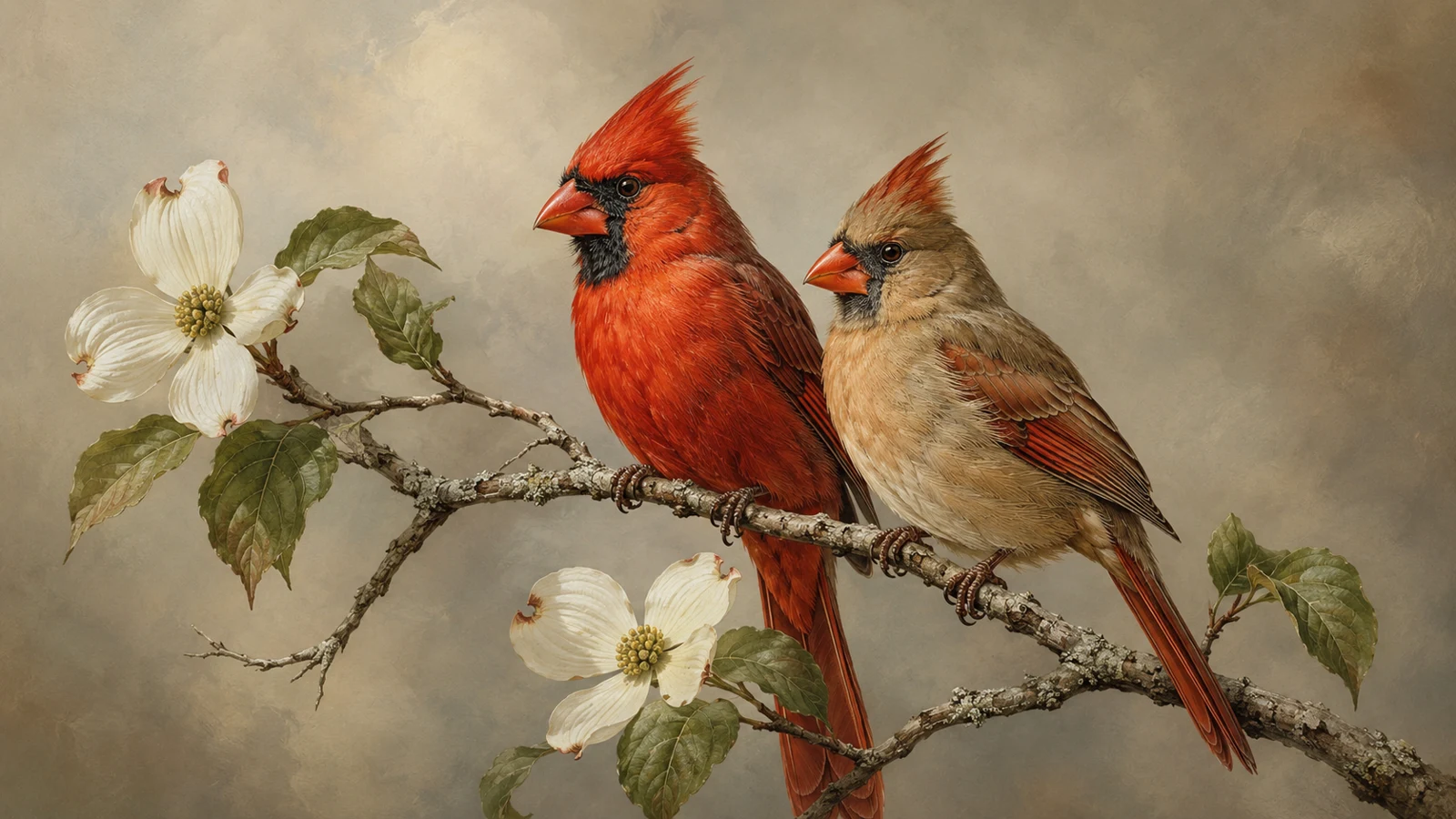
Pyrrhuloxia (Cardinalis sinuatus) - the desert cardinal - is a resident of the Trans-Pecos and the brush country of southwest Texas. He looks like a washed-out version of his red relative, grey where the Northern Cardinal is red, with a curved parrot-like bill suited to cracking hard desert seeds. The two species occupy adjacent niches with minimal overlap, sorted by rainfall and vegetation.
Top backyard species
A typical Texas suburban garden, anywhere from the Piney Woods of East Texas to the suburbs of Austin or San Antonio:
- Northern Mockingbird (state bird, year-round, year-round singer)
- Northern Cardinal (year-round, abundant)
- Mourning Dove (year-round, appears in nearly half of all Texas checklists)
- White-winged Dove (year-round in most of the state, range expanded northward steadily over the past 30 years)
- Blue Jay (year-round in eastern and central Texas)
- Carolina Chickadee (year-round in eastern two-thirds of the state)
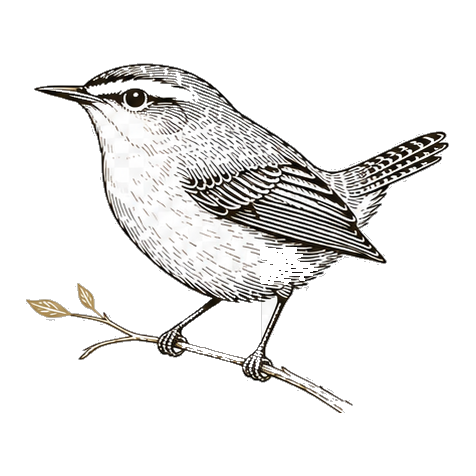
- Carolina Wren (year-round, louder than its size suggests)
- Ruby-throated Hummingbird (spring and autumn migrant, summer breeder in east Texas)
- House Finch (year-round)
- Great-tailed Grackle (year-round, ubiquitous in parking lots and open areas)
- Turkey Vulture (year-round, soaring on thermals over suburbs and countryside alike)
Seasonal calendar
| Season | What is happening |
|---|---|
| Spring (Mar-May) | Gulf-crossing songbird migration produces ‘fallout’ events at High Island in April; Painted Buntings arrive on breeding grounds; Whooping Cranes depart Aransas for Canada |
| Summer (Jun-Aug) | Breeding season for Golden-cheeked Warbler in Hill Country; Colima Warbler in Chisos Mountains; shorebirds begin southbound movement in July |
| Autumn (Sep-Nov) | Hawk migration concentrates at Hazel Bazemore County Park near Corpus Christi - one of the largest raptor counts in North America; first Whooping Cranes return to Aransas in November |
| Winter (Dec-Feb) | Aransas holds the full Whooping Crane population; Rio Grande Valley specialties accessible year-round; wintering sparrow diversity peaks in brushy south Texas |
Where to watch
Aransas National Wildlife Refuge (central coast, near Rockport) holds the wintering Whooping Crane population from November through March. The refuge lists over 400 species. Boat tours from Rockport offer the best close views of the cranes on the tidal flats.
High Island (Bolivar Peninsula, near Galveston) is the primary spring migration concentration point on the upper Texas coast. When south winds back to north after a migrant departure, Gulf-crossing warblers, tanagers, orioles, and buntings pile into the live oak mottes in numbers that are described as ‘fallout’ events. The Houston Audubon Society manages several sanctuaries on the peninsula.
Big Bend National Park (west Texas, Trans-Pecos) holds the longest bird list of any national park in the United States. The Chisos Mountains, desert flats, and Rio Grande corridor each hold distinct communities. The Colima Warbler is found here and nowhere else in the country.
Santa Ana National Wildlife Refuge (lower Rio Grande Valley, near McAllen) covers 2,088 acres of subtropical thornscrub. Green Jay, Great Kiskadee, Altamira Oriole, and Plain Chachalaca are resident. Audubon identifies Laguna Atascosa National Wildlife Refuge nearby as holding the highest recorded bird count of any U.S. refuge - 417 species at last count.