State Guide
Birds of Oregon
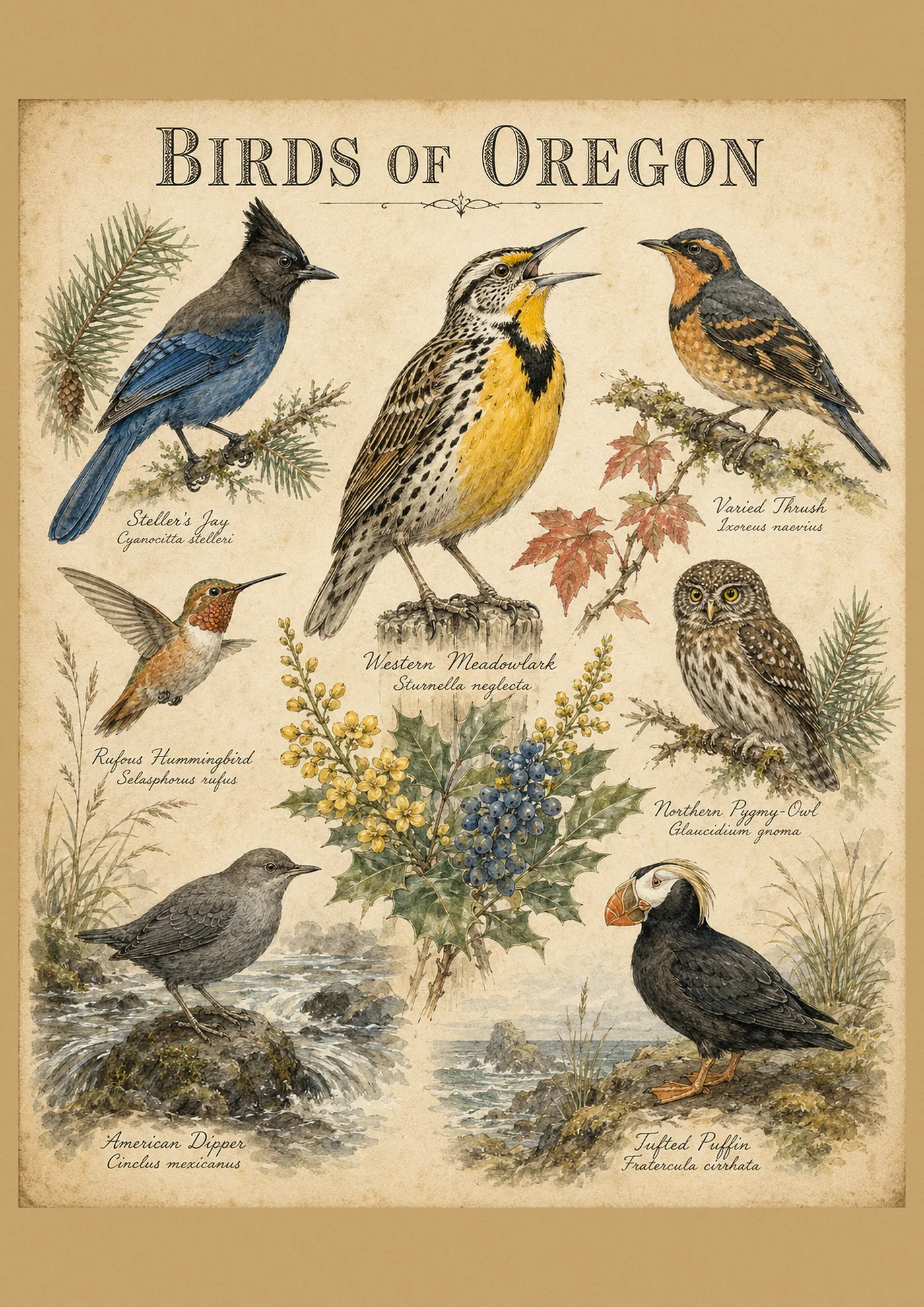
In 1927, the Oregon Audubon Society circulated ballots to schoolchildren across the state and asked them to choose a bird. The Western Meadowlark (Sturnella neglecta) collected 40,000 of the 75,000 votes cast. Governor I. L. Patterson proclaimed it Oregon’s state bird that same year. What Patterson neglected was any legislative ratification. The proclamation sat unconfirmed for 90 years. In 2017, when a Republican state senator from Stayton pushed to replace the meadowlark with the Osprey on the grounds that five other states already claim it, the Oregon Legislature resolved the old ambiguity with a characteristically northwestern compromise: the meadowlark became the official state songbird, the osprey became the state raptor, and nobody had to concede.
Both choices are defensible. In the high desert grasslands of eastern Oregon, a meadowlark singing from a fence post in April is still the quickest proof that spring has arrived. The bird’s song - a complex, flute-like phrase that carries across open country - was the soundtrack to the original ballot campaign, and it remains the most recognisable bird call in rural Oregon.
Geographic range and why the list is long
Oregon’s bird diversity rests on geography. The state’s terrain spans Pacific coast beaches, Sitka spruce fog forest, the Willamette Valley floor, the volcanic Cascade Range, the Klamath Mountains, and the Great Basin desert - all within a day’s drive of each other. The Oregon Bird Records Committee lists approximately 550 species recorded in the state, placing Oregon among the top six states in the nation for species totals. The Pacific Flyway runs directly through, funnelling vast waterfowl and shorebird movements through the Willamette Valley and the Columbia River corridor each autumn and spring.
Signature species
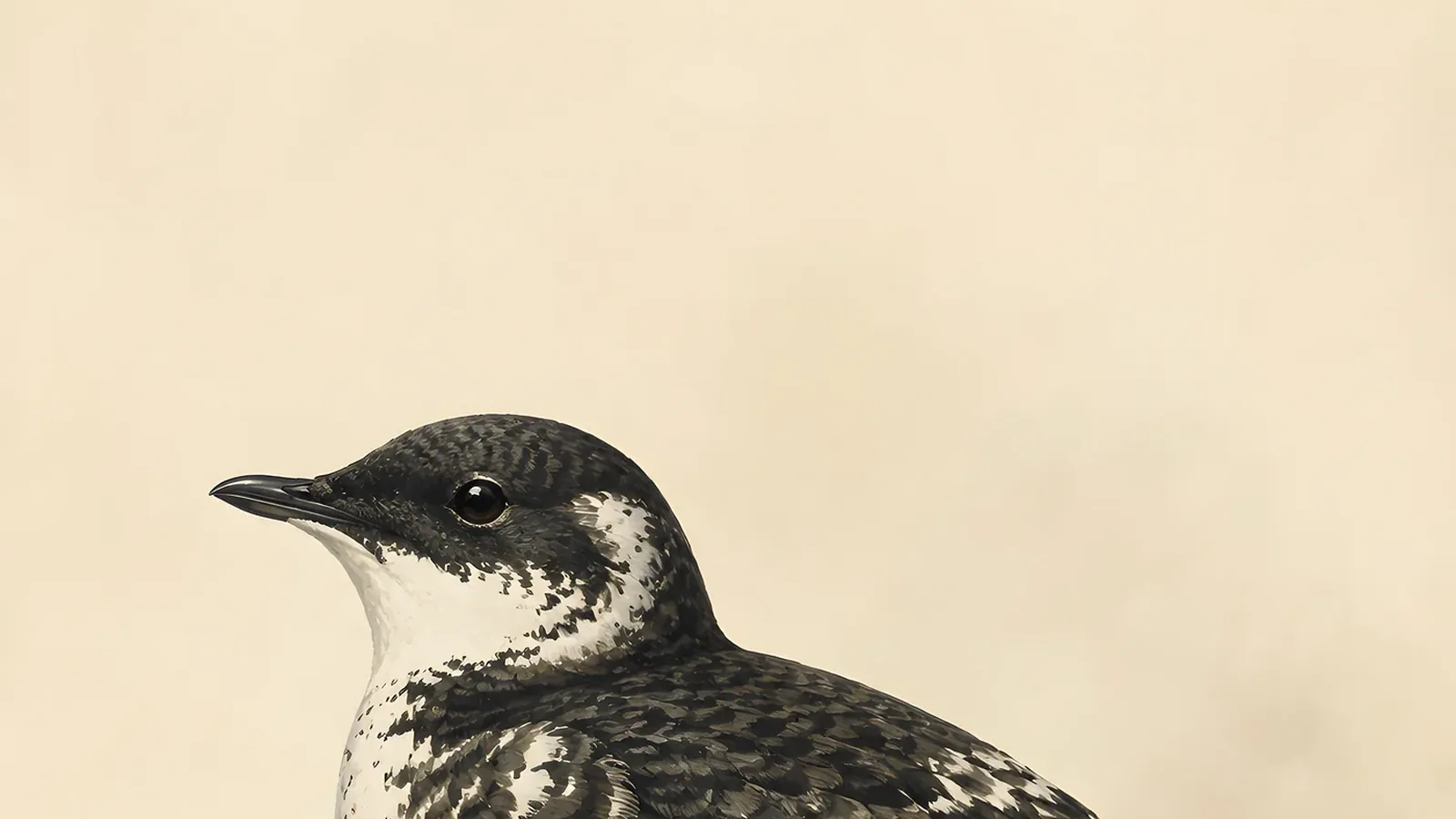
Marbled Murrelet (Brachyramphus marmoratus) is Oregon’s most ecologically charged bird. This small seabird feeds at sea but nests inland, choosing the wide, mossy limbs of old-growth conifers up to 50 km from the coast. It was federally listed as threatened in 1992 and remains endangered at the state level. The Marbled Murrelet is a direct index of old-growth coast forest - where it breeds, ancient trees remain. The Oregon Department of Fish and Wildlife monitors its breeding status closely, particularly in the Coast Range and Klamath Mountains.
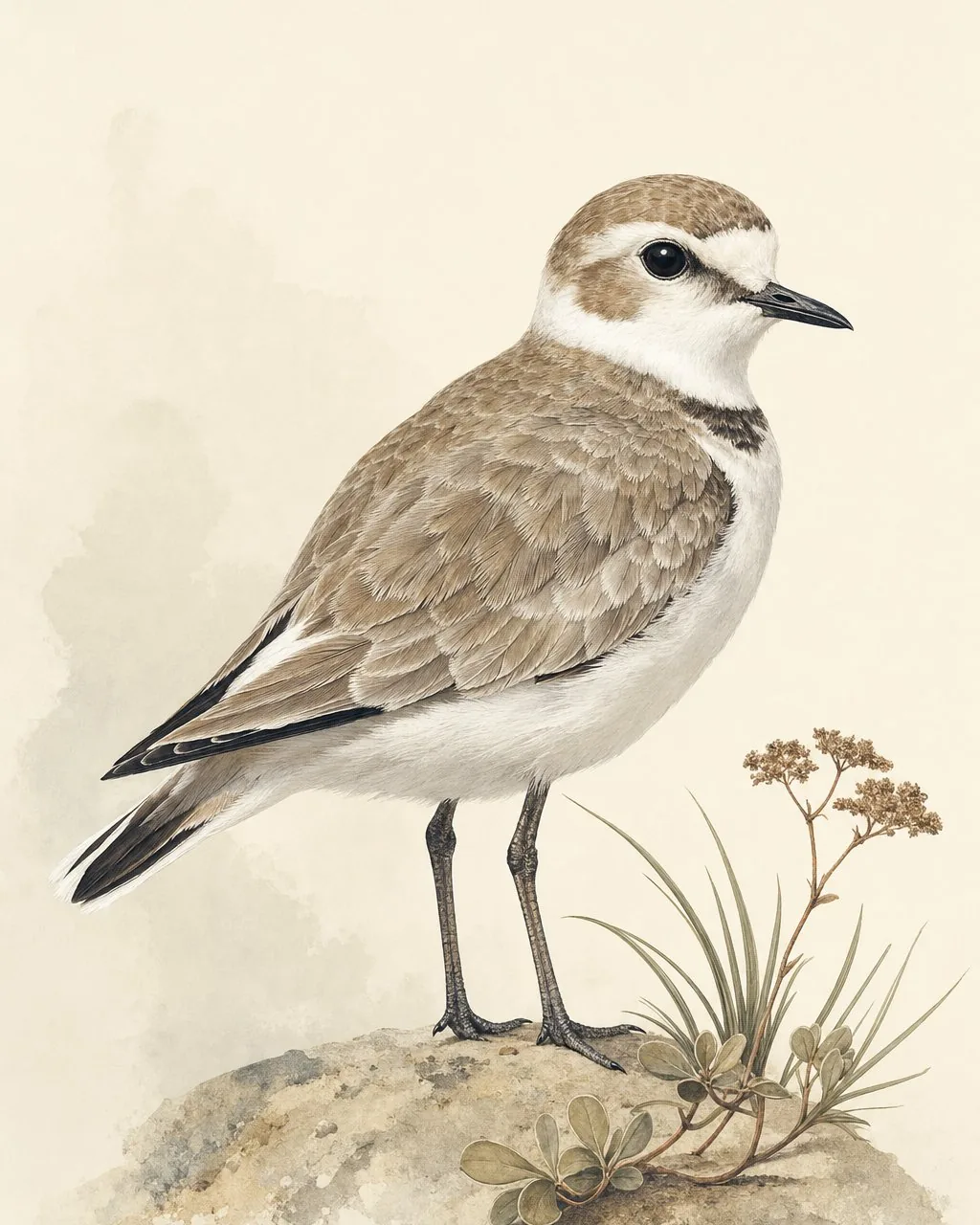
Western Snowy Plover (Charadrius nivosus) nests on open beach sand between Heceta Head and Cape Blanco on the southern Oregon coast. The Pacific coast population was listed as threatened in 1993. ODFW coordinates seasonal closures on nesting beaches, and a dedicated monitoring programme tracks individual nest success each summer. The plover is tiny, cryptically coloured, and genuinely difficult to see until it moves. Finding one on a spring walk at Bandon Beach is a genuine field achievement.
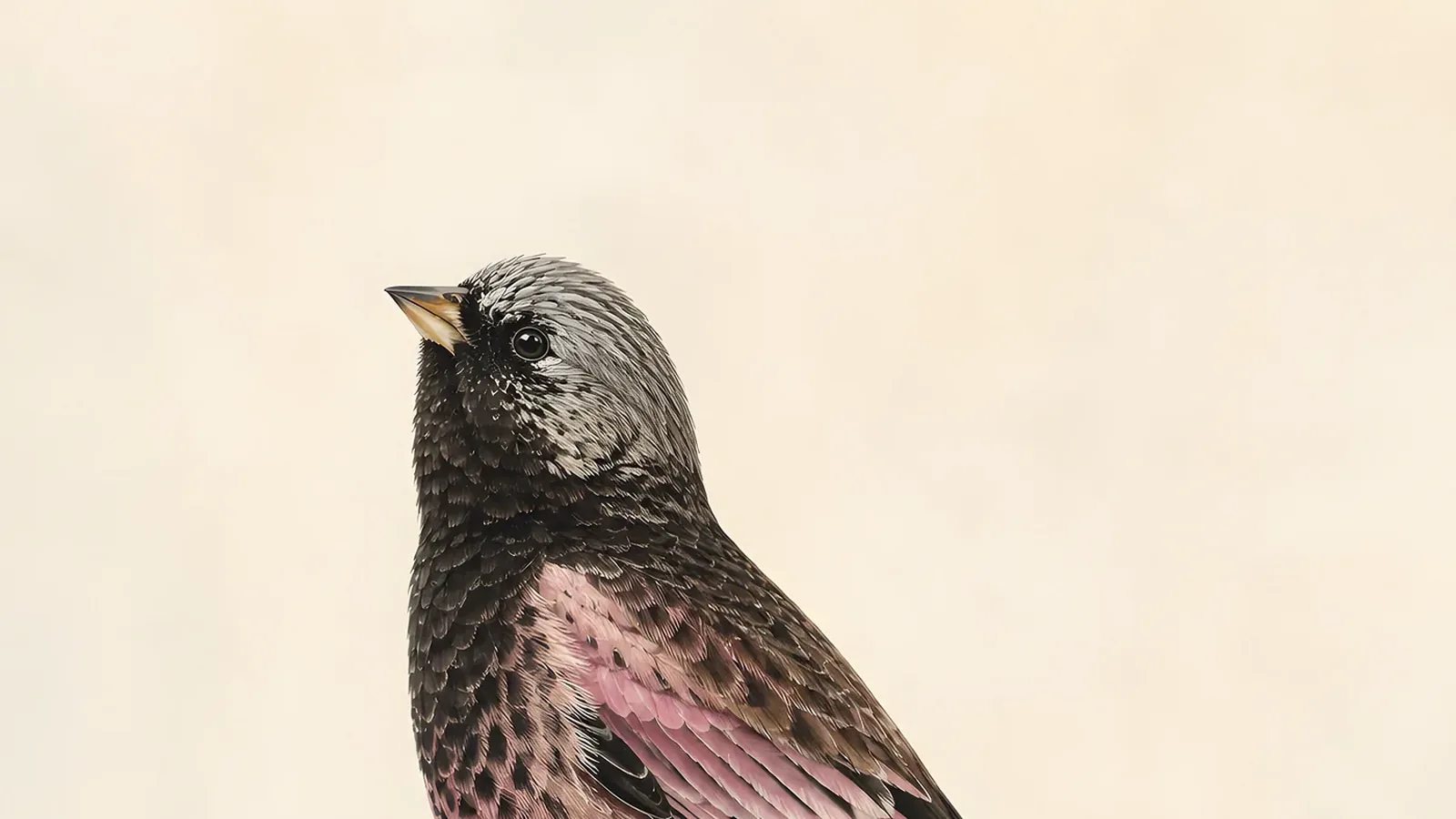
Gray-crowned Rosy-Finch (Leucosticte tephrocotis) breeds on snowfields and rocky talus near volcanic summits in the Cascades. The species feeds on insects paralysed or killed by cold on the snow surface, exploiting a food source that nothing else reaches. In winter, flocks descend to lower elevations across eastern Oregon. Cornell Lab’s All About Birds notes that the Oregon population includes birds with both grey and brown head patterns, reflecting the complexity within this species group.
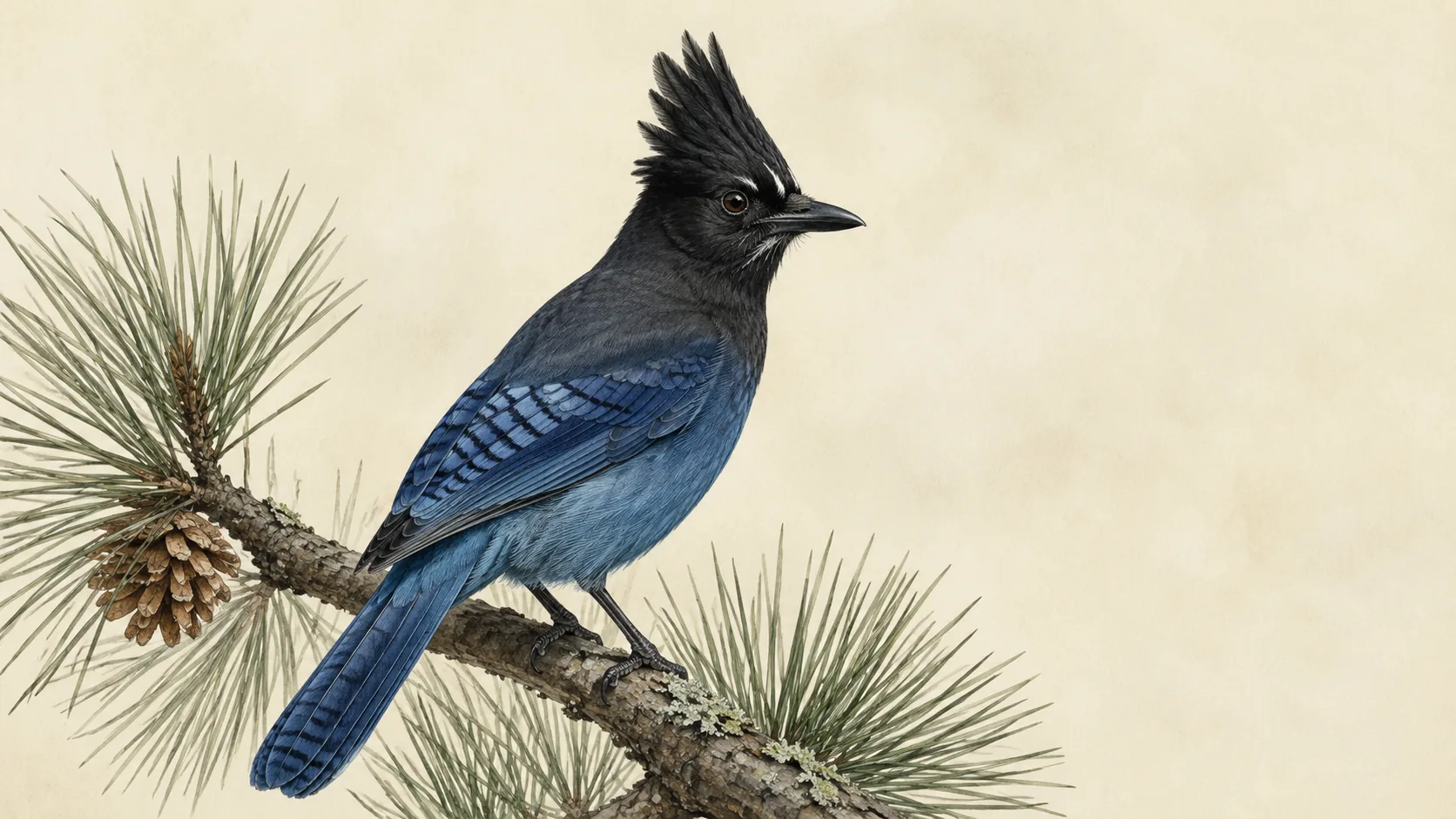
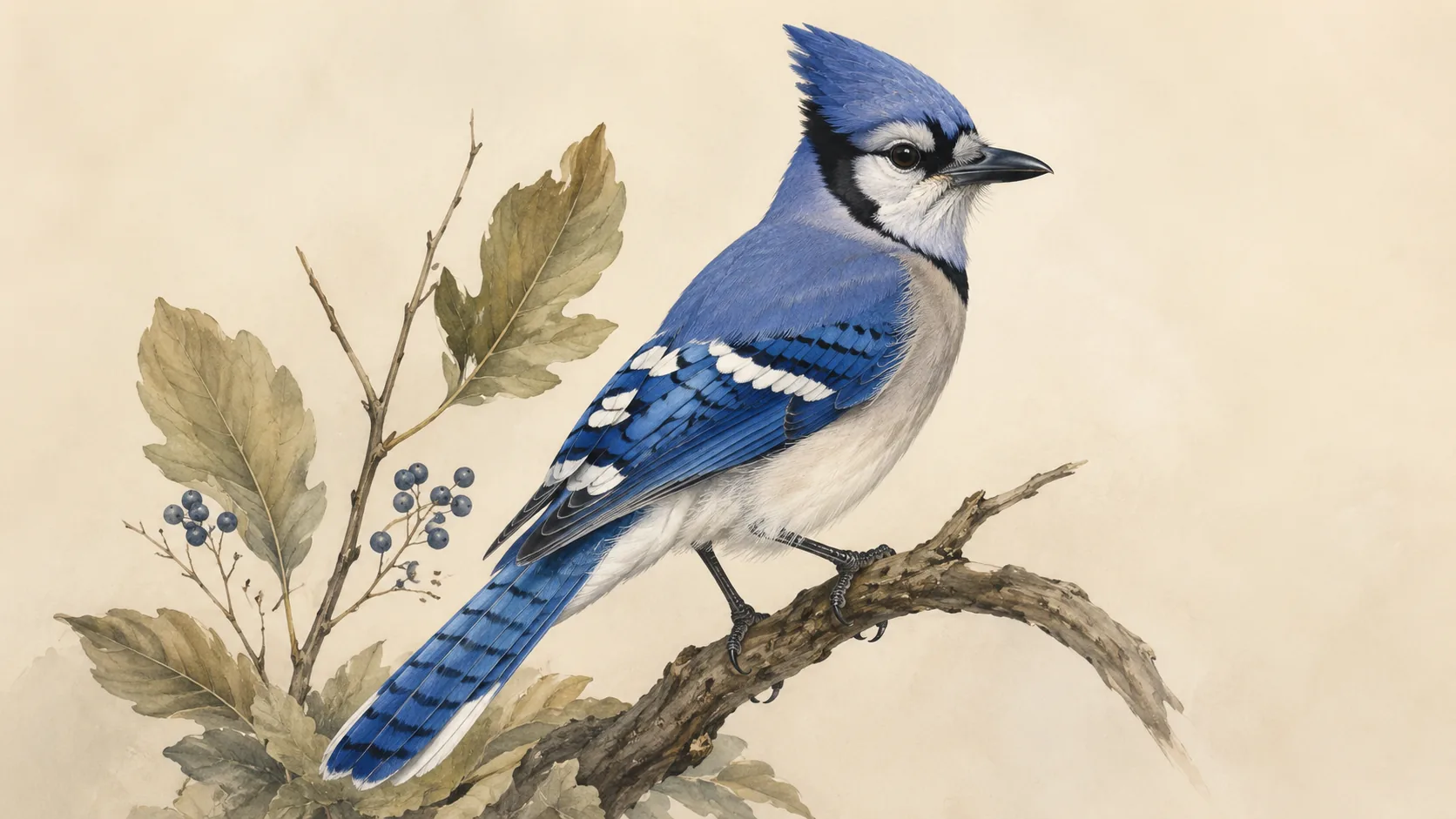
Steller’s Jay (Cyanocitta stelleri) is the dominant corvid of western Oregon’s conifer forests - bold, loud, and present at every campground from the coast to the Cascade crest. The species replaces the Blue Jay west of the Rockies and can be separated from it at a glance by the long black crest and the absence of white in the wings. It is year-round in western Oregon and moves through mixed forest in the east.
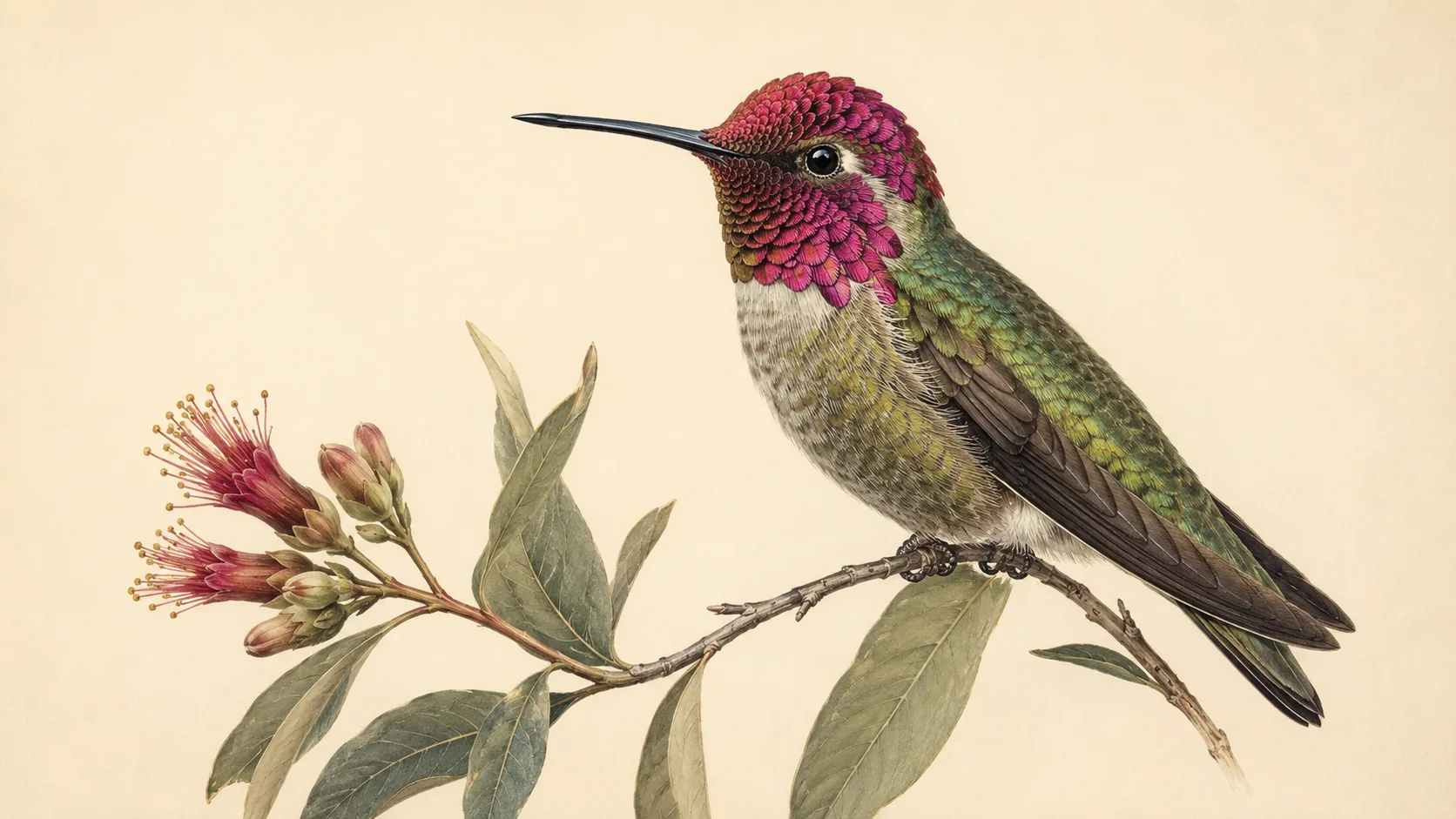
Anna’s Hummingbird (Calypte anna) is one of the Pacific Northwest’s ornithological surprises: a hummingbird that does not migrate. Males court in January in the Portland suburbs, hovering above females while producing a sharp buzzing dive-note. Cornell Lab notes that the species has expanded its winter range northward through the twentieth century, following ornamental plantings and feeder availability. Western Oregon now supports a genuine year-round population, something no other hummingbird achieves this far north.
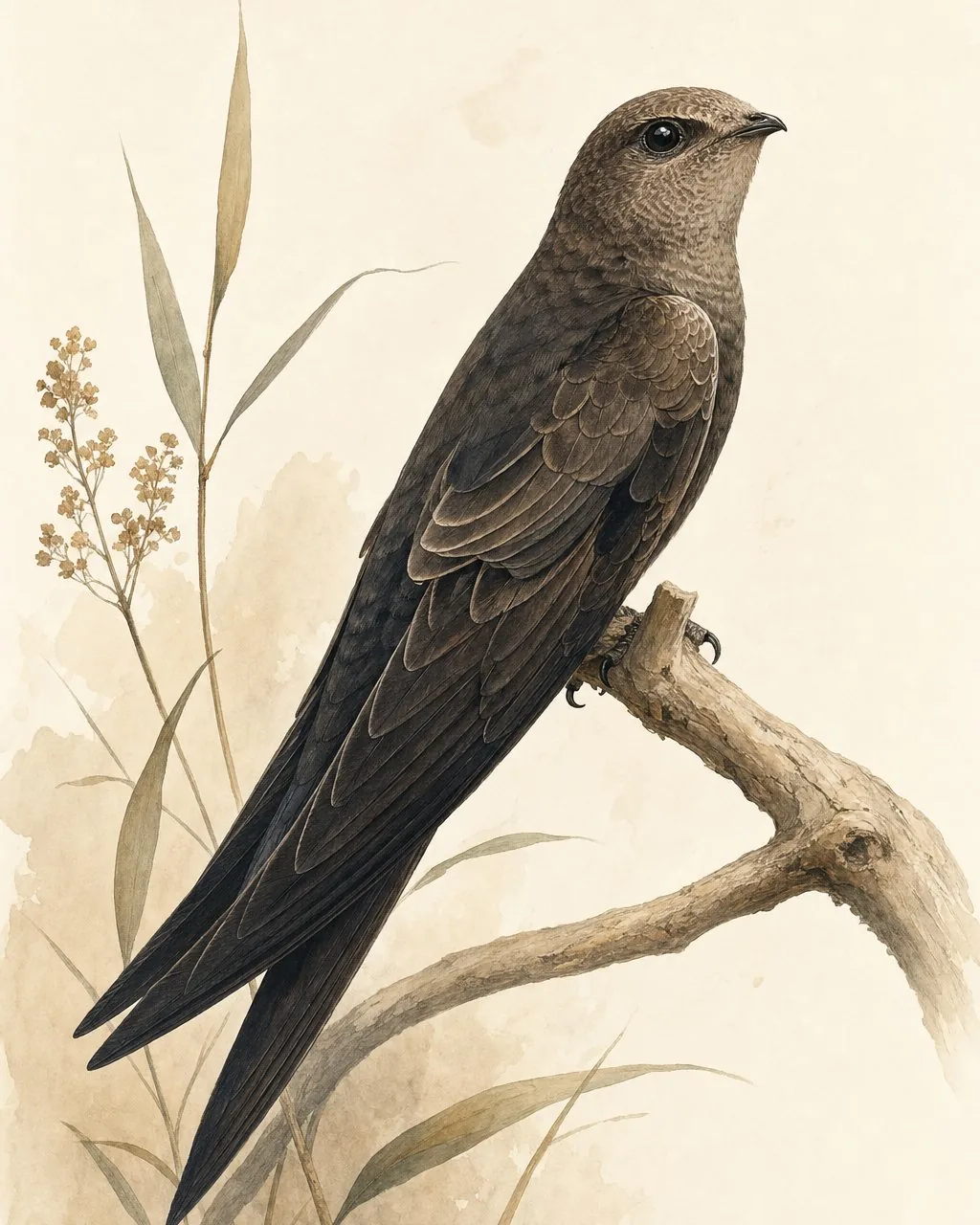
Vaux’s Swift (Chaetura vauxi) roosts communally in hollow snags and brick chimneys during migration. Every August and September, swifts spiral down into the old brick chimney at Chapman Elementary School in northwest Portland by the tens of thousands, a spectacle that draws crowds with folding chairs and applause. The Chapman swifts are one of the Pacific Northwest’s best-known urban wildlife events.
Backyard species
A western Oregon suburban garden in any month of the year is likely to hold:
- Steller’s Jay (year-round, conifer country)
- Anna’s Hummingbird (year-round west of the Cascades)
- American Robin (year-round)
- Black-capped Chickadee (year-round)
- American Crow (year-round)
- House Finch (year-round)
- Dark-eyed Junco (year-round, abundant)
- Song Sparrow (year-round)
- Spotted Towhee (year-round)
- Northern Flicker (year-round)
- Downy Woodpecker (year-round)
- Mourning Dove (year-round)
- Bald Eagle (winter visitor along rivers and coast)
East of the Cascades, Western Meadowlark and Red-winged Blackbird dominate the open country, with Swainson’s Hawk overhead in summer and Rough-legged Hawk in winter.
Where and when to watch
Malheur National Wildlife Refuge (Harney County, southeastern Oregon) is the state’s premier destination by general agreement. The refuge covers 187,000 acres of high desert marsh, wet meadow, and rimrock, and records more than 320 migratory and resident species. During peak spring migration in late April and May, the refuge holds over 250,000 ducks, 125,000 geese, and up to 6,000 Lesser Sandhill Cranes at once. American White Pelican, Long-billed Curlew, American Avocet, and Western Grebe are among the species that arrive in late March and hold through summer. The 42-mile auto tour route is the standard approach.
Sauvie Island (Columbia River, northwest of Portland) is the Willamette Valley’s most productive wetland for birdwatching. Over 250 species have been recorded here. Sandhill Cranes arrive in large autumn flocks, Bald Eagles concentrate along the sloughs in winter, and shorebird diversity peaks in late summer as seasonal mudflats are exposed. It is accessible from Portland in under an hour.
Fort Stevens State Park (Clatsop County, coast) offers consistent seabird and shorebird viewing from the jetty and beach at the Columbia River mouth. Loons, scoters, grebes, and alcids are present offshore in winter, and the park’s freshwater wetlands add waterfowl variety.
Crater Lake National Park is the place for high-elevation Cascade specialists. Cornell Lab notes Williamson’s Sapsucker, American Three-toed Woodpecker, and Clark’s Nutcracker as characteristic species. Vaux’s Swift breeds in snags around the crater rim in summer. The volcanic landscape and the absence of introduced predators make it a surprisingly good breeding-bird destination from June through August.
Seasonal rhythm
Spring migration arrives at Malheur first, in mid-March, when waterfowl and cranes move north through the high desert. The Pacific coast begins seeing shorebird movement from April onwards. Warbler migration in the Willamette Valley peaks in early May. By June, the coast, Cascades, and east Oregon high desert are all in full breeding mode. Autumn waterfowl movement starts as early as late August in eastern Oregon and rolls through November. Winter is raptor season in the Willamette Valley, where the flat farmland holds Rough-legged Hawks, Short-eared Owls, and Peregrine Falcons hunting the same fields.
Oregon is not a state where you come for one bird and leave satisfied. It rewards the habit of looking in different directions at once.