State Guide
Birds of Maryland
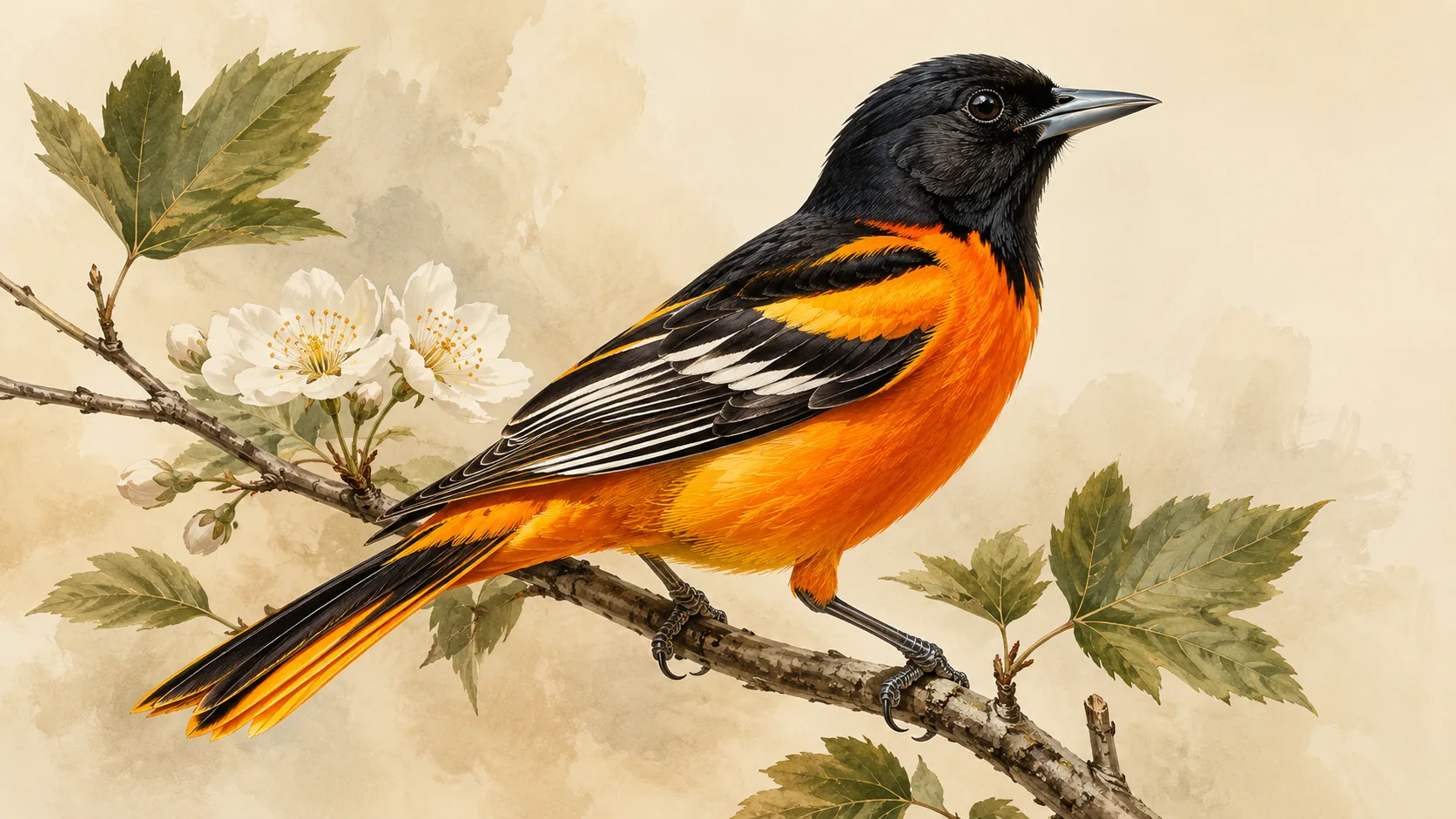
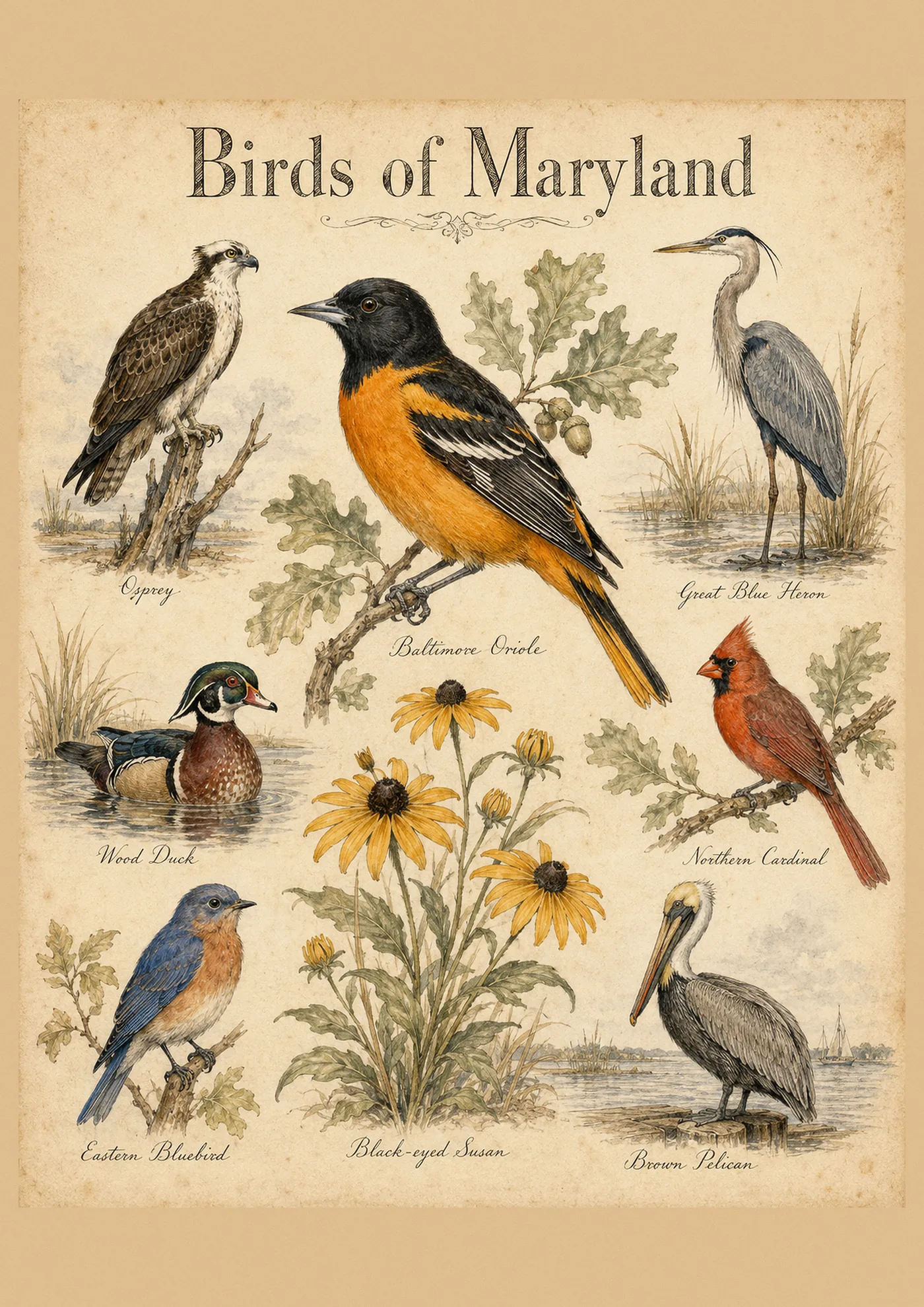
In 1698, Lord Baltimore’s agents shipped live specimens of “Baltemore Birds” from the Maryland colony to the royal gardens. The male’s black and golden-orange plumage exactly matched the Calvert family coat of arms. When the Maryland General Assembly formally adopted the Baltimore Oriole as state bird in 1947 - through Chapter 54, Acts of 1947 - the decision carried nearly 250 years of precedent. It was less a choice than a ratification.
Maryland is one of the most geographically compressed birding states on the continent. Within a few hours’ drive you can move from the high-elevation spruce forests of Garrett County in the far west, across the Piedmont and Chesapeake Bay, to the Atlantic barrier islands of Assateague. That compression gives the state an unusually long bird list. The Birders Guide to Maryland and DC, a project of the Maryland Ornithological Society, records 463 species on the official state tally.
The state’s signature species
Baltimore Oriole (Icterus galbula) arrives in Maryland in late April, earlier than most Neotropical migrants. He prefers tall deciduous trees near open ground - elms, sycamores, cottonwoods - and his fluted whistle is one of the cleaner field marks in the state. She builds a hanging basket nest that takes roughly a week to weave, suspended from a branch tip where cats and raccoons cannot reach it. The species is a summer breeder throughout the state and a reliable draw for any May birder working woodland edges along the Chesapeake.
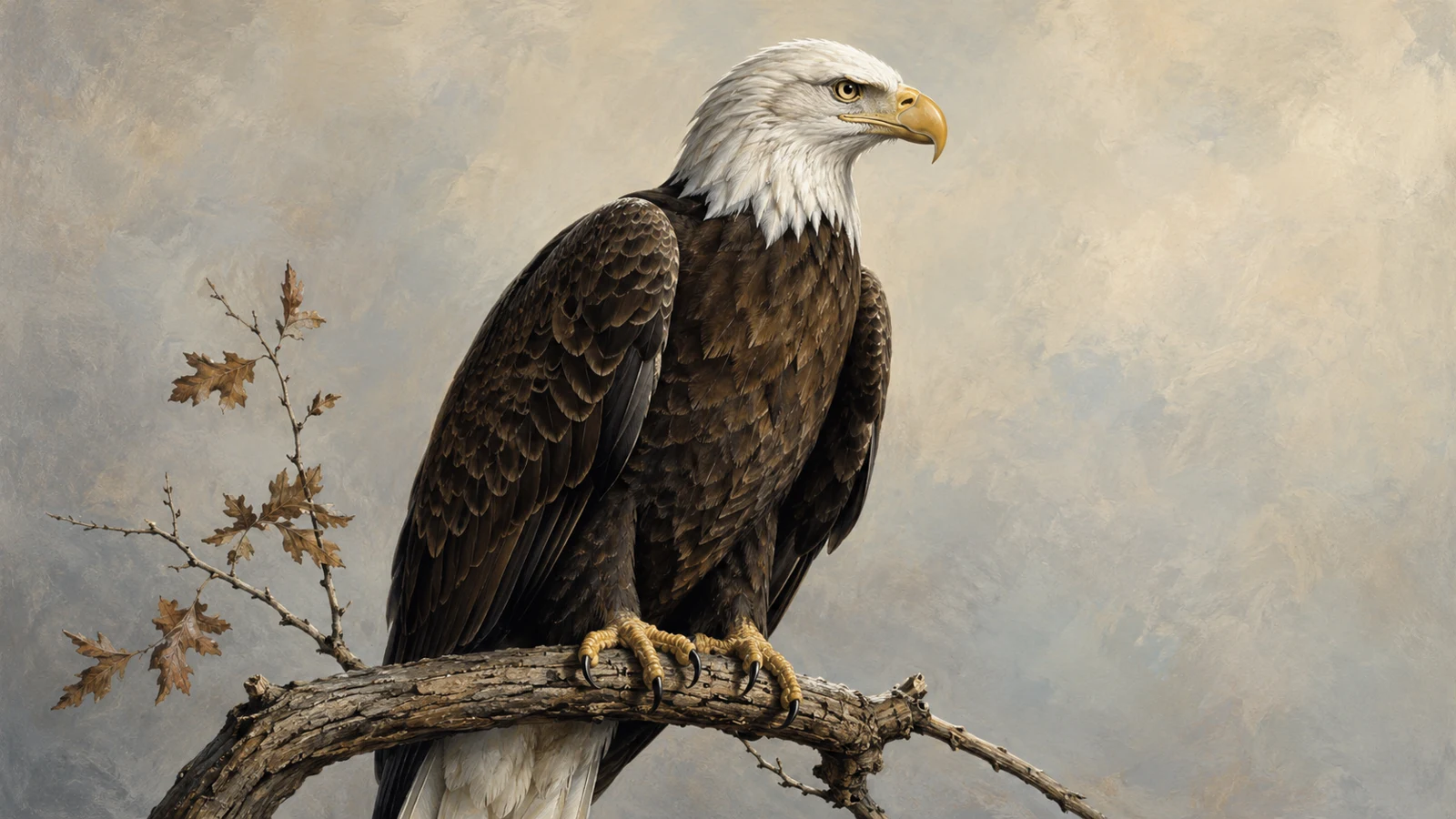
Bald Eagle nests at higher density in Maryland than anywhere else on the Atlantic Coast north of Florida, according to Audubon Society reporting on Blackwater National Wildlife Refuge. The tidal marshes of the lower Eastern Shore provide year-round foraging. The species is visible in winter in large numbers along the Potomac River as well.
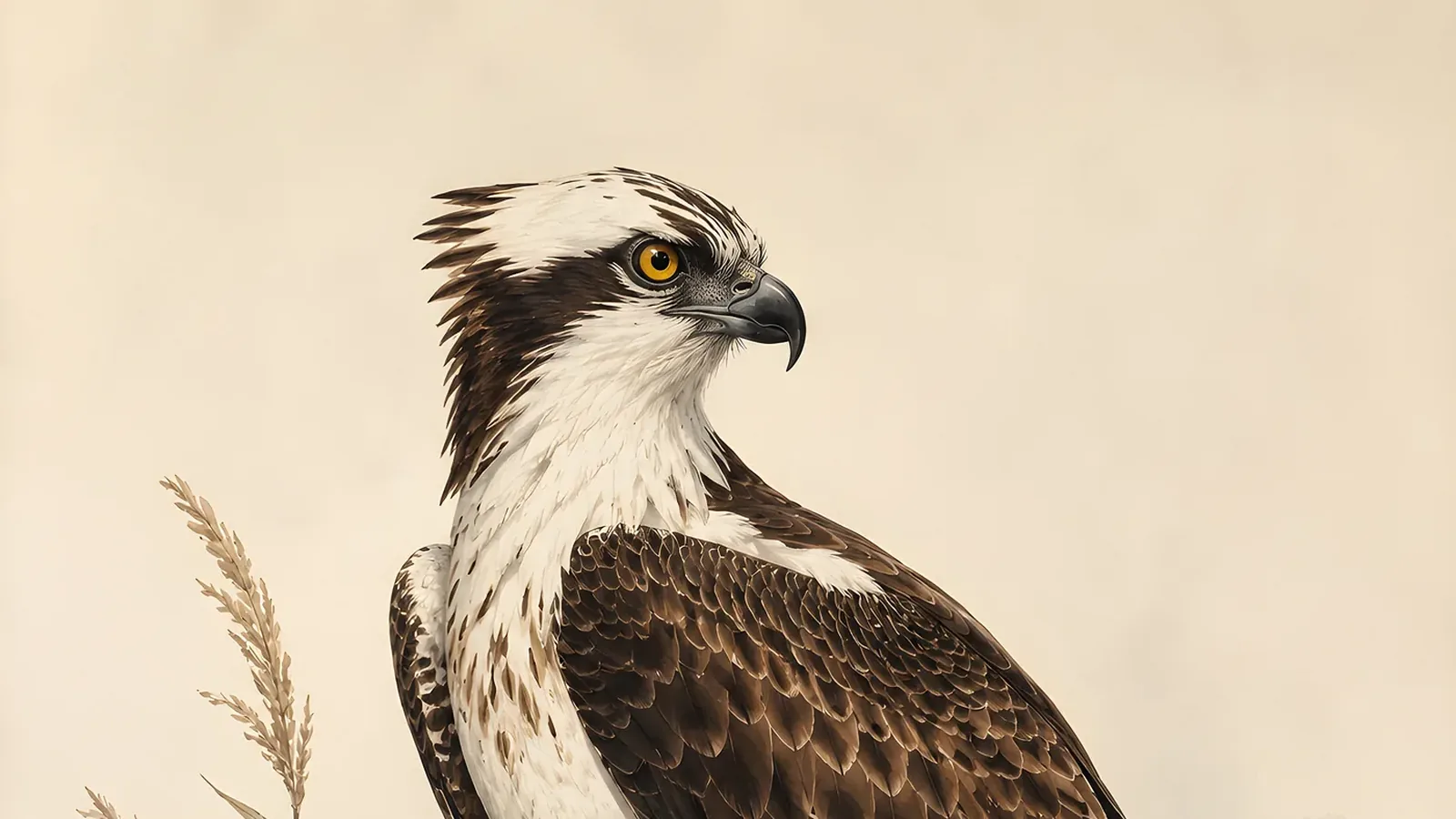
Osprey is the Chesapeake Bay’s signature raptor. The bay’s combination of clear, shallow water and abundant fish makes it one of the most productive breeding grounds for the species on the East Coast. Spring arrival runs through March and April; by August the young birds are hunting on their own.
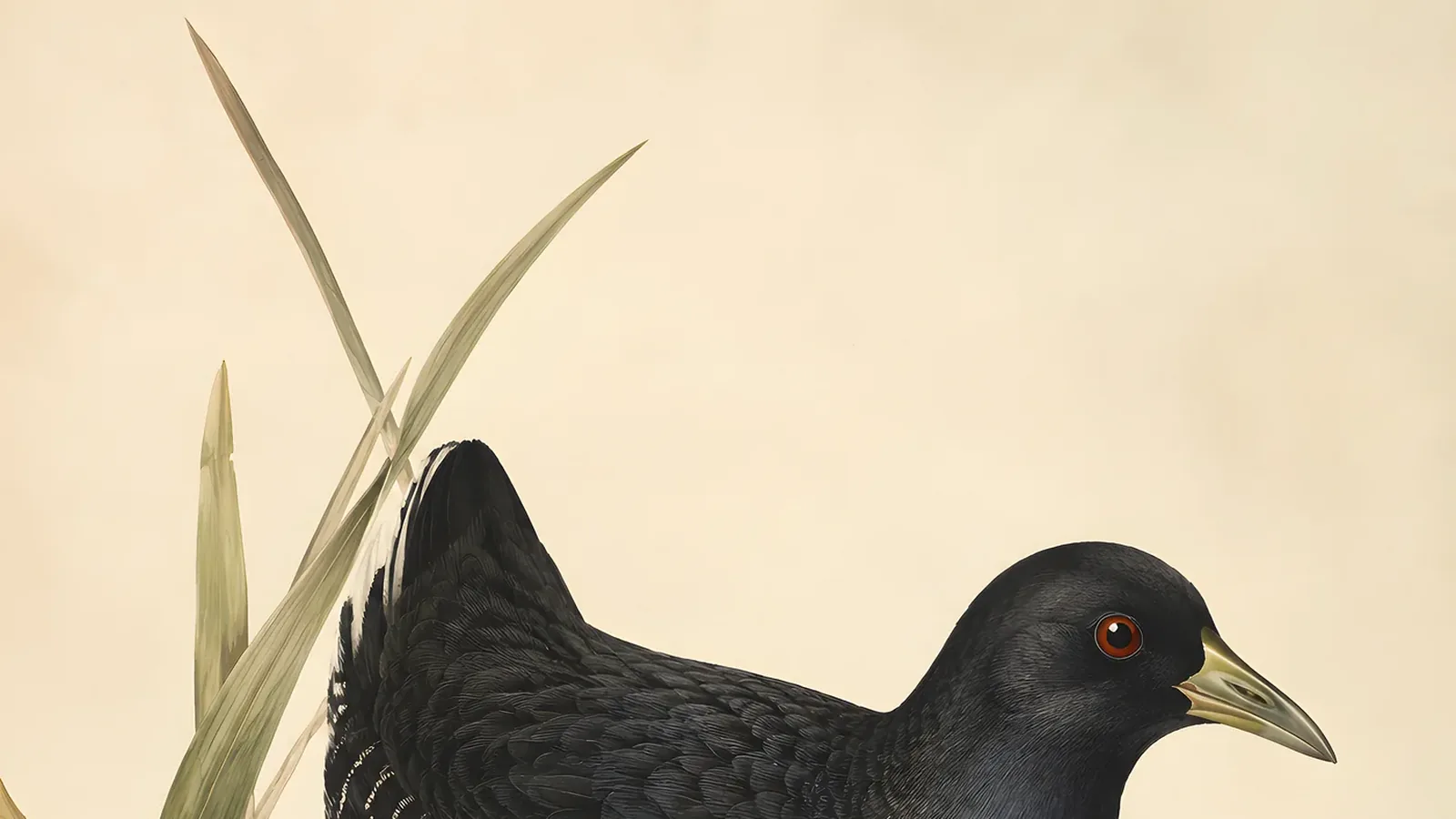
Black Rail was once a breeding bird in the Chesapeake’s tidal salt marsh. A Maryland DNR survey in 2006 found the species had declined more than 85 percent from early 1990s levels, and the state has since listed it as Endangered. Sea level rise is drowning the low-marsh habitat that the bird requires, and Blackwater NWR has lost an estimated 5,000 acres of marsh since the 1930s. The Black Rail is now a genuine rarity.
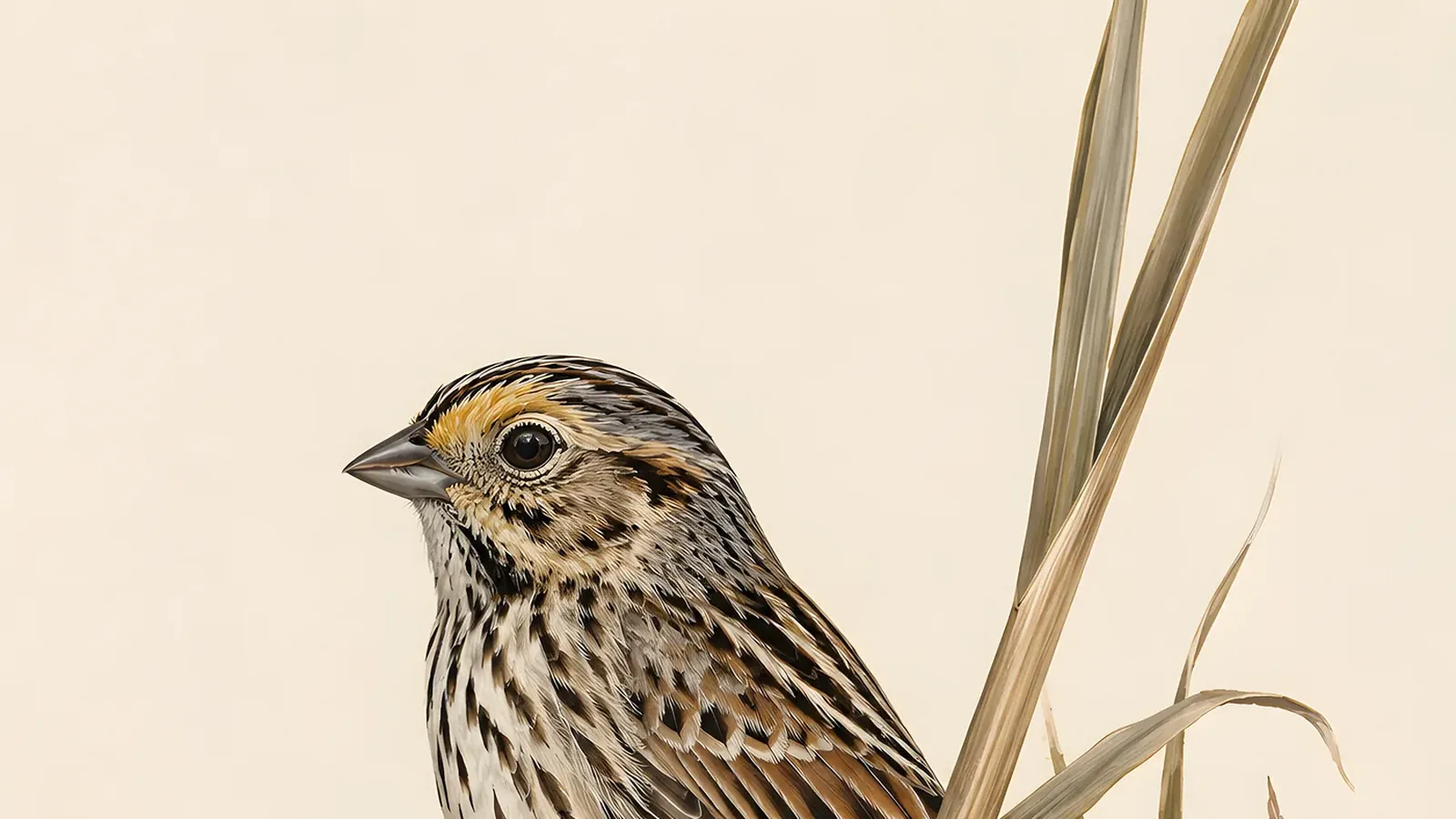
Saltmarsh Sparrow (Ammospiza caudacuta) is a bird in statistical trouble. Audubon Society surveys estimate the species is declining at roughly nine percent per year, driven by flooding of Atlantic coast tidal marshes. Maryland hosts a substantial share of the global breeding population - a quarter of the world’s saltmarsh sparrows breed in the state, according to Audubon Maryland-DC salt marsh bird survey data. Elliott Island Road in Dorchester County, near Blackwater, gives the best consistent access to nesting birds.
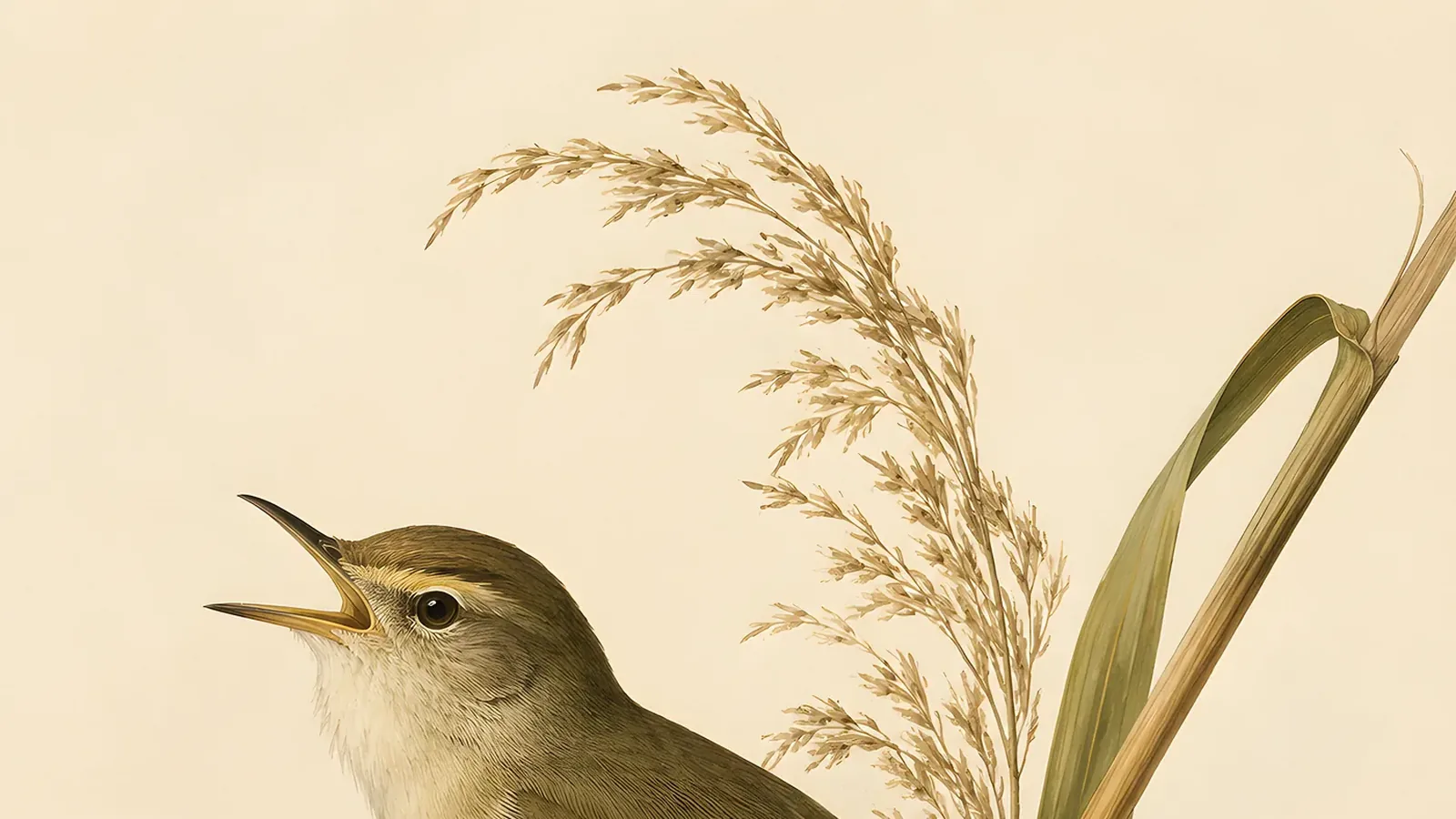
Swainson’s Warbler reaches its northern range limit in Maryland, breeding in the dense cane thickets and bottomland hardwoods of the lower Eastern Shore. The Maryland-DC Breeding Bird Atlas lists it as a priority species under state S1/S2 designations - genuinely at risk and genuinely hard to see. Hearing its loud, lemon-yellow warbler song in a cedar swamp in May is the kind of encounter Maryland birders remember.
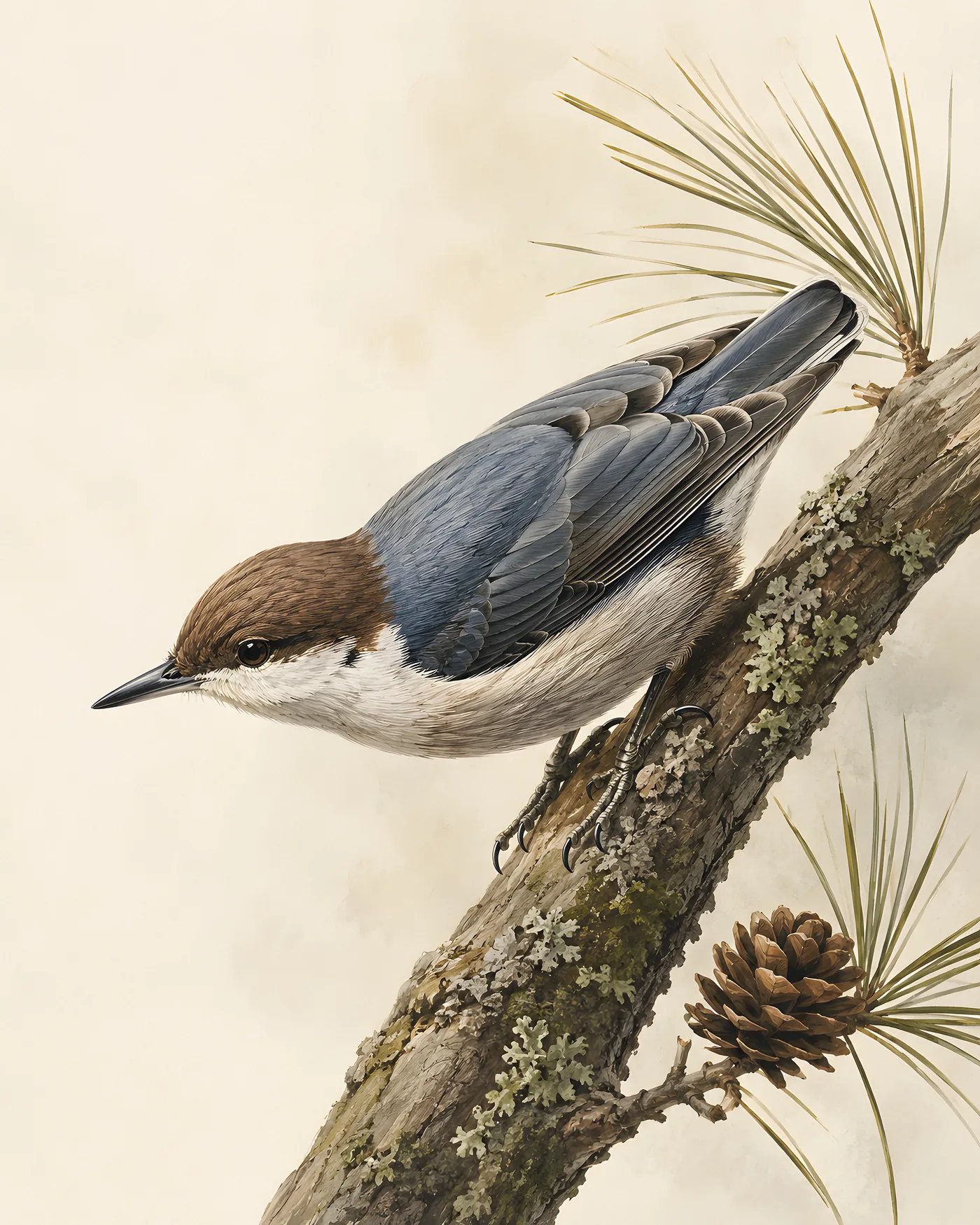
Brown-headed Nuthatch occupies the loblolly pine forests of the lower Eastern Shore and coastal plain - Blackwater NWR’s pine stands being the most accessible spot. Maryland sits near the northern edge of its range, and the species is largely absent from the rest of the mid-Atlantic.
Top backyard species
A typical Maryland suburban garden year-round:
- Northern Cardinal (state bird candidate before the Oriole; year-round, abundant)
- Carolina Wren (year-round, loud for its size)
- American Robin (year-round)
- Mourning Dove (year-round)
- Downy Woodpecker (year-round)
- American Goldfinch (year-round, peak color in summer)
- House Finch (year-round)
- House Sparrow (year-round, introduced)
- Baltimore Oriole (late April through August; attracted by halved oranges and grape jelly)
- Ruby-throated Hummingbird (late April through September)
- Canada Goose (year-round near water)
- Northern Mockingbird (year-round, especially in suburban shrubs)
Seasonal calendar
| Season | What is happening |
|---|---|
| Spring (Mar-May) | Osprey return in March; Baltimore Oriole arrives late April; May warbler migration peaks along the Chesapeake shore and at Assateague |
| Summer (Jun-Aug) | Breeding Bald Eagles on the Eastern Shore; Saltmarsh Sparrow nesting in Dorchester County marshes; shorebird staging begins in late July |
| Autumn (Sep-Nov) | Hawk and falcon migration through Point Lookout; massive Snow Goose and Canada Goose flocks building on the Eastern Shore by October; songbird fallouts at Assateague |
| Winter (Dec-Feb) | Tundra Swans at Eastern Neck NWR in numbers; Bald Eagles concentrated along the Potomac and at Blackwater; Dark-eyed Juncos at feeders statewide |
Where to watch
Blackwater National Wildlife Refuge (Dorchester County, Eastern Shore) holds the highest density of nesting Bald Eagles on the Atlantic Coast north of Florida. The 28,000-acre refuge combines tidal marsh, managed freshwater wetland, and loblolly pine forest. It is the best place in Maryland for Brown-headed Nuthatch, Saltmarsh Sparrow, and wintering Snow Geese. Late October through November brings the largest waterfowl concentrations.
Assateague Island National Seashore runs along Maryland’s Atlantic coast and ranks as the top eBird hotspot in the combined Maryland-DC area by number of species recorded, with more than 345 species reported across the island’s hotspots. The barrier island’s combination of ocean, bay, marsh, and scrub forest concentrates migrants in autumn, and the beach holds nesting Piping Plover in summer.
Point Lookout State Park (St. Mary’s County) sits at the confluence of the Potomac River and the Chesapeake Bay - a peninsula that funnels southbound migrants in autumn. eBird ranks it among the top sites in the state. Fall raptors include Peregrine Falcon, Merlin, and multiple hawk species; winter brings loons, scoters, and Great Cormorant to the bay side.
Eastern Neck National Wildlife Refuge (Kent County) is a tidal island in the upper Bay known for large winter concentrations of Tundra Swans, which arrive from November through March. The refuge also holds year-round Bald Eagles and productive shorebird habitat in season.