State Guide
Birds of Massachusetts
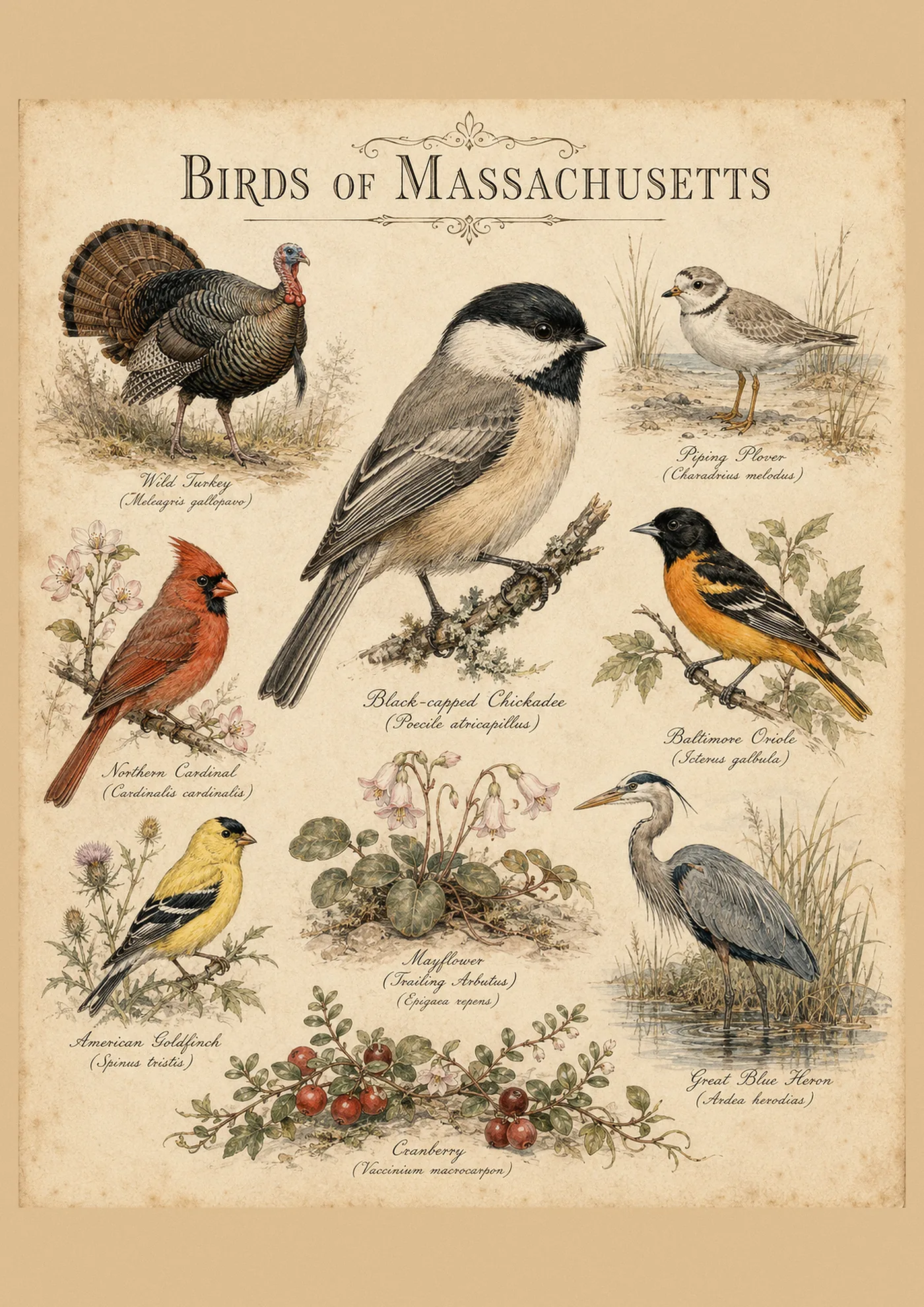
On March 21, 1941, the Massachusetts Legislature designated the Black-capped Chickadee (Poecile atricapillus) as the official bird of the Commonwealth, codified in Massachusetts General Laws, Chapter 2, Section 9. The designation came nearly a decade after an earlier proposal - the State Federation of Women’s Clubs had pushed for the veery in 1931, but that bill failed. The chickadee won the second time around without ceremony. It was the right call. The bird is present in every county, every month, in every habitat from the Berkshire hill towns to the scrub oak plains of Cape Cod.
The chickadee’s winter behaviour alone justifies the honour. Cornell Lab’s research on the species notes that Black-capped Chickadees are scatter-hoarders, caching thousands of individual food items each autumn in tree bark, dead leaves, and soil, and recalling the locations for up to 28 days. The hippocampus expands measurably in autumn to accommodate this feat. No other Massachusetts bird works harder to survive February.
The Massachusetts Avian Records Committee (MARC), established in 1989, maintains the official state checklist, which stood at 524 species as of January 2026. That number reflects the Commonwealth’s position at the intersection of the Atlantic Flyway, the southern edge of the boreal zone, and a 1,500-mile coastline that gathers seabirds, shorebirds, and northern vagrants in numbers few inland states can match.
Signature and speciality species
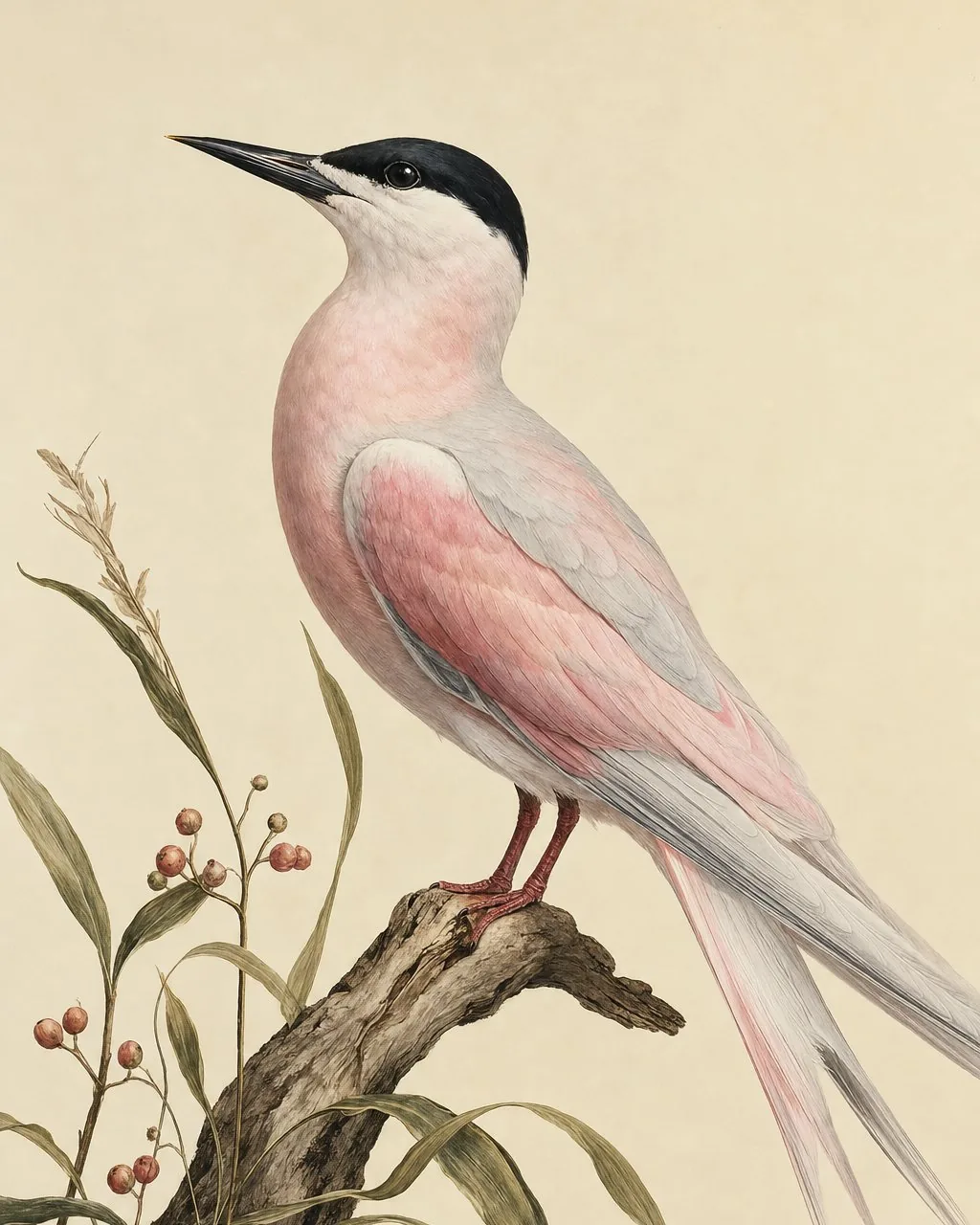
Roseate Tern (Sterna dougallii) is Massachusetts’s rarest coastal obligation. Audubon notes that roughly half of North America’s breeding Roseate Terns nest on two small islands in Buzzards Bay - Bird Island and Ram Island - making the Commonwealth the centre of the species’ North American breeding range. The birds arrive in May and depart by September. Access is restricted, but the terns feed in visible numbers off the Cape Cod National Seashore beaches throughout summer.
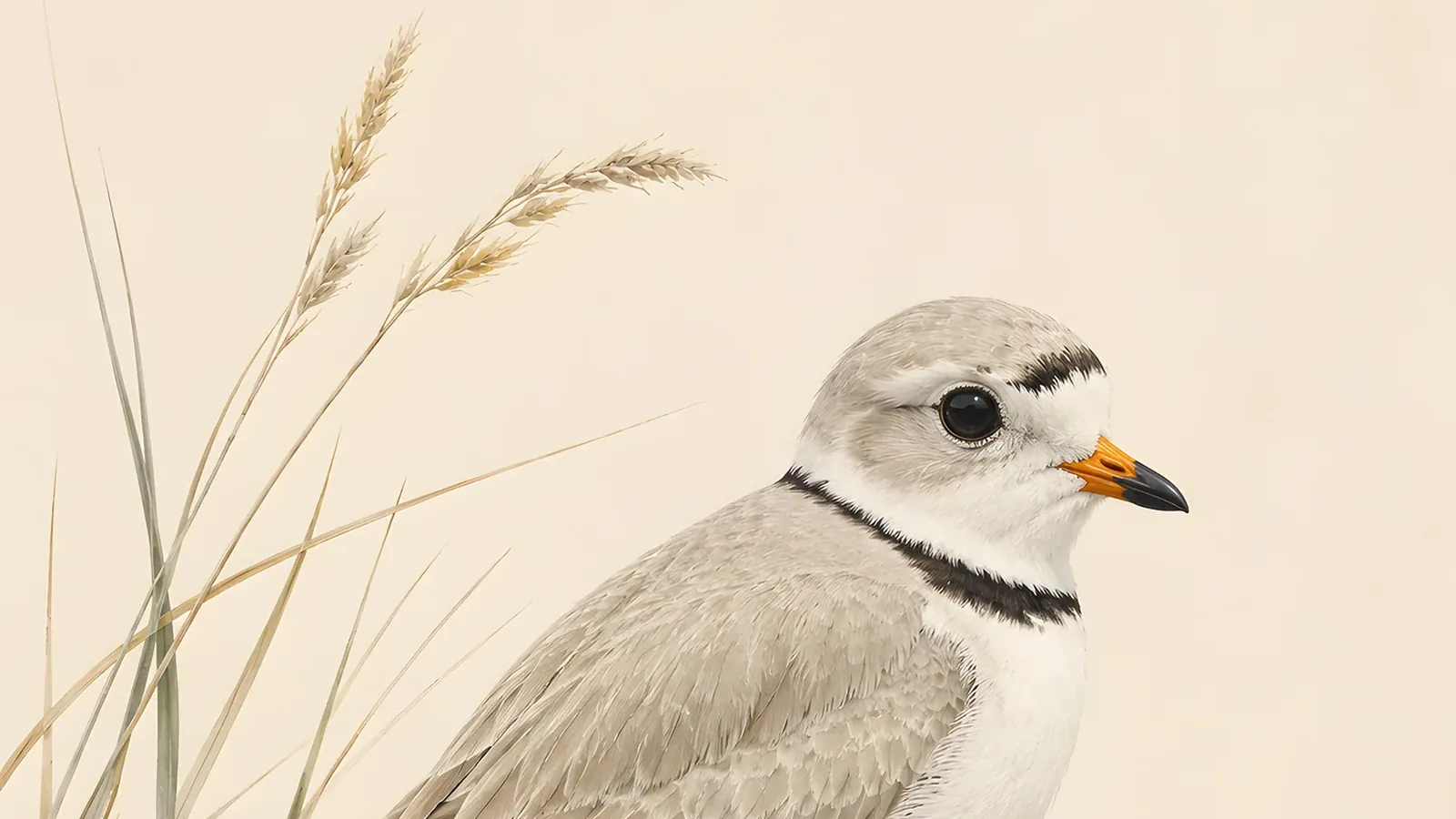
Piping Plover (Charadrius melodus) breeds along the entire Massachusetts coastline from Salisbury Beach south through Cape Cod and the outer islands. The species is federally threatened. Mass Audubon’s Coastal Waterbird Program monitors nesting pairs annually, and sections of Plum Island and Cape Cod beaches close each spring to protect nest sites. Finding one crouching in the wrack line at Parker River in April is routine; it never stops being startling.
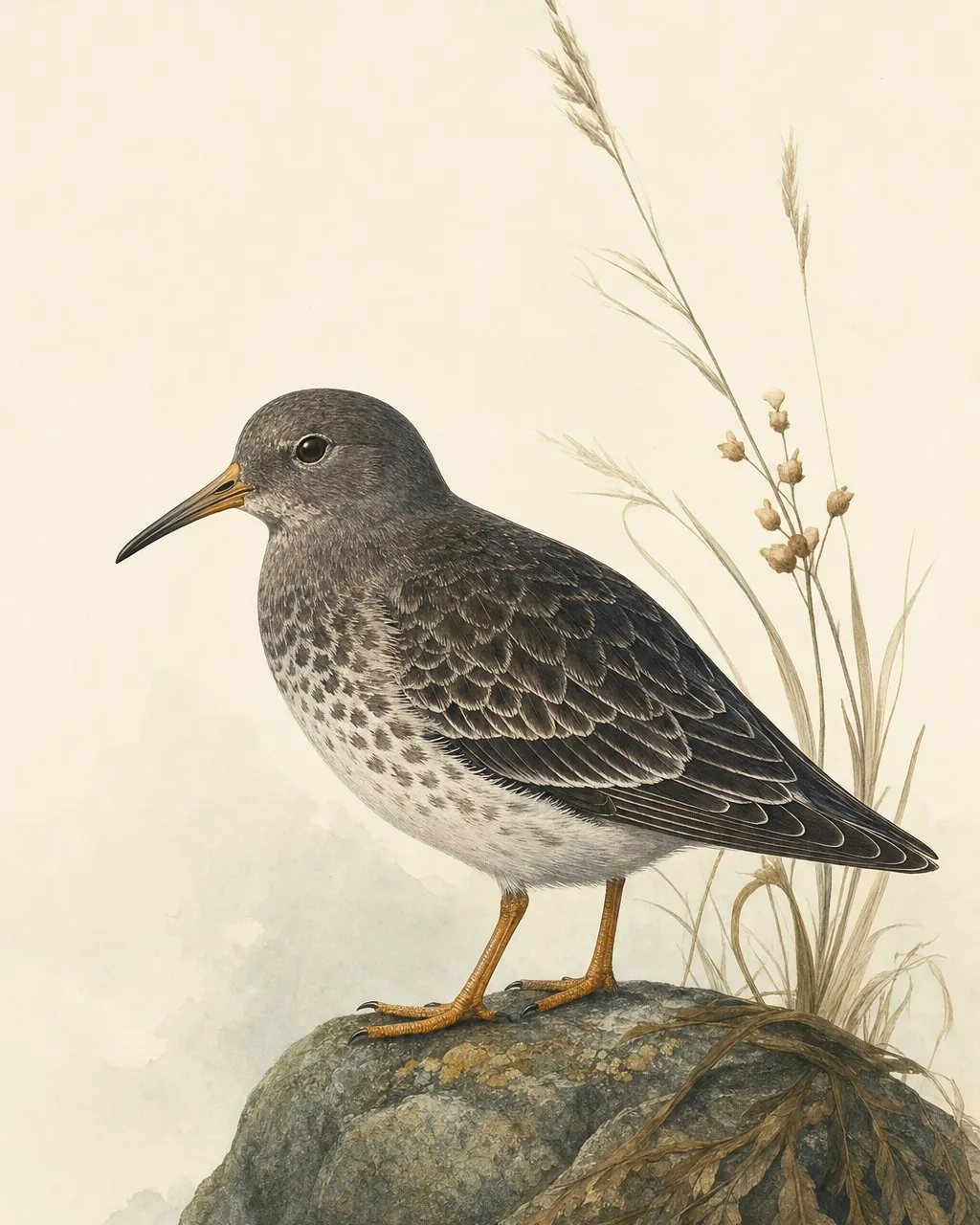
Purple Sandpiper (Calidris maritima) arrives on the rocky New England shore in October and stays through March. The jetties at Gloucester, the granite points at Nahant, and Manomet Point in Plymouth all hold reliable winter flocks. The bird is cold-specialist - small, dark, unassuming, and one of the more satisfying finds for anyone making a first winter coast walk.
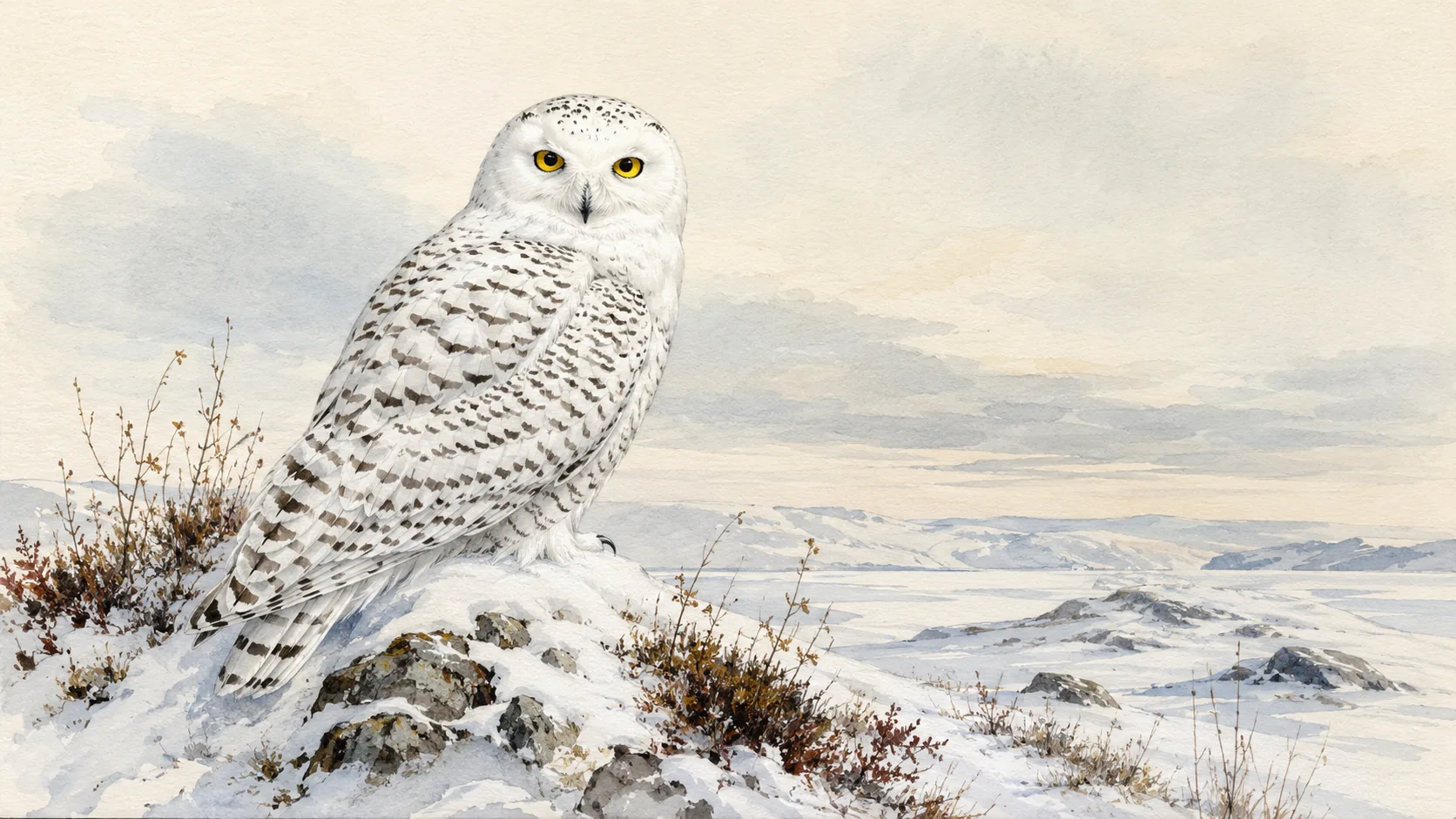
Snowy Owl (Bubo scandiacus) arrives most winters along the coast and on airport grasslands. Parker River NWR, Logan Airport’s surrounding fields, and the dunes of Plum Island are the standard watch sites. In irruption years - when lemming populations crash on the Arctic tundra - birds appear inland as far as the Connecticut River valley.
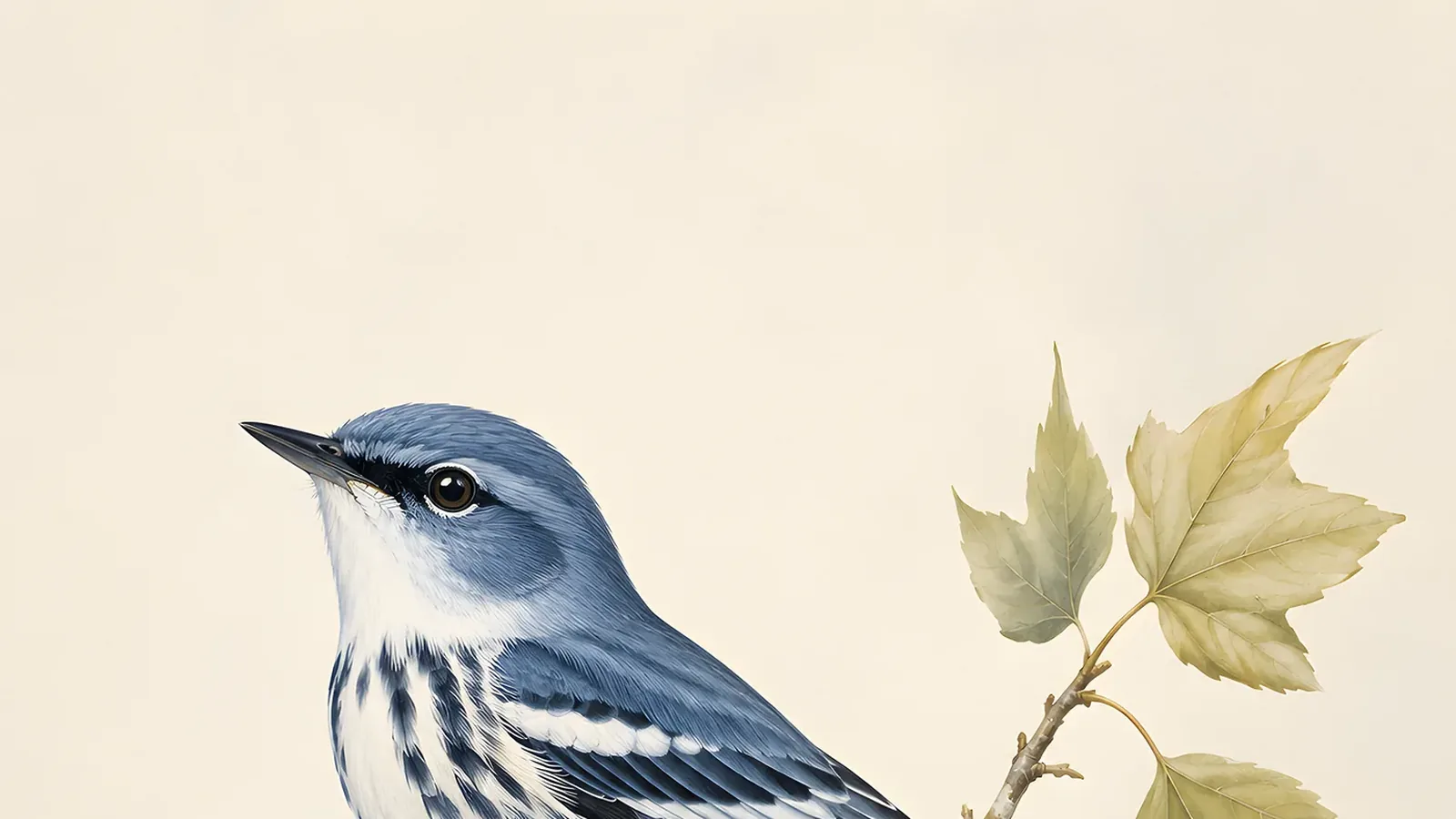
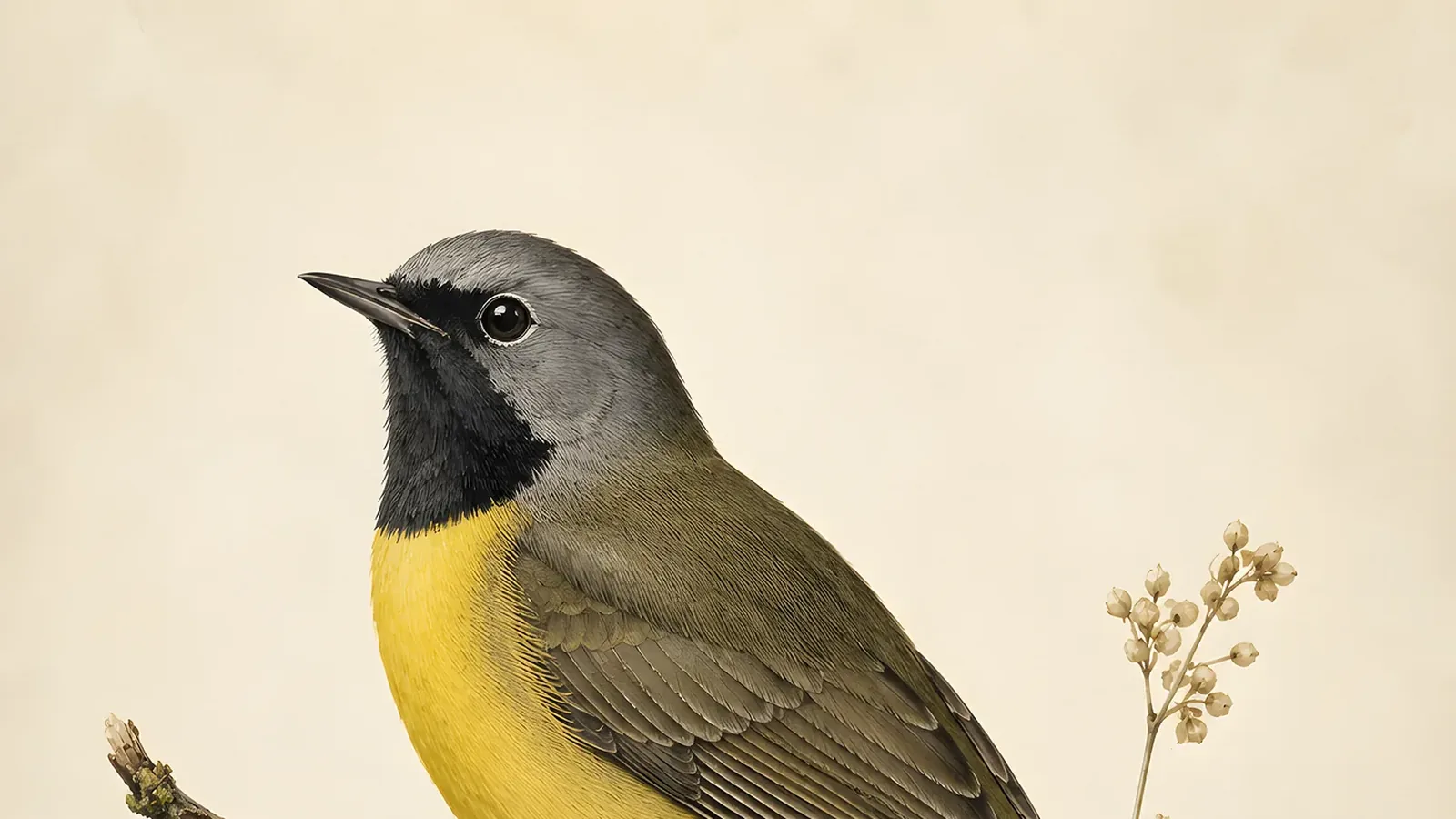
Cerulean Warbler (Setophaga cerulea) and Mourning Warbler (Geothlypis philadelphia) breed in the mature hardwood forests of the Berkshires and the Connecticut River valley. Both are genuinely difficult in most of their range. Western Massachusetts is one of the more reliable places in the Northeast to find them on territory in June.
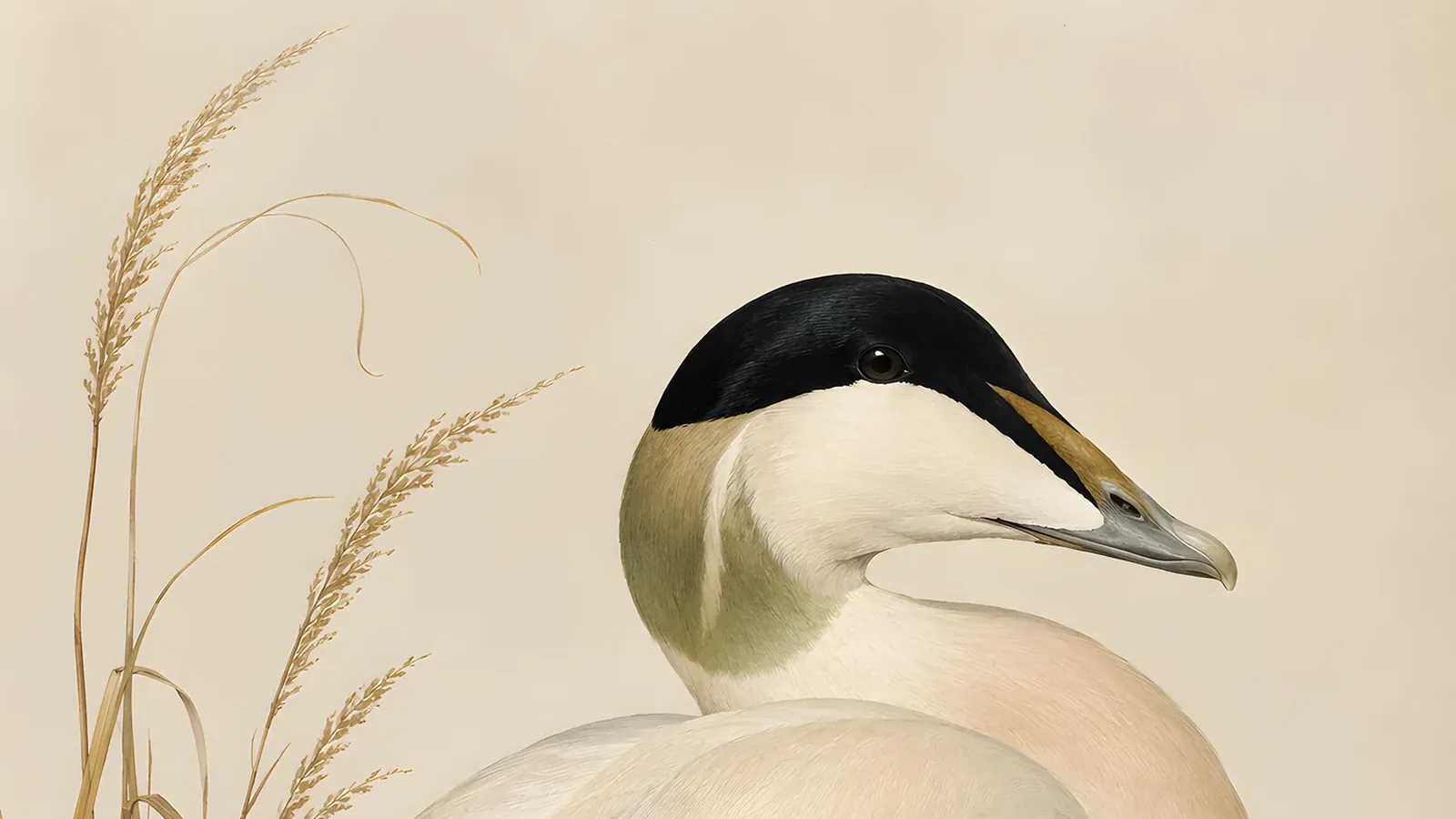
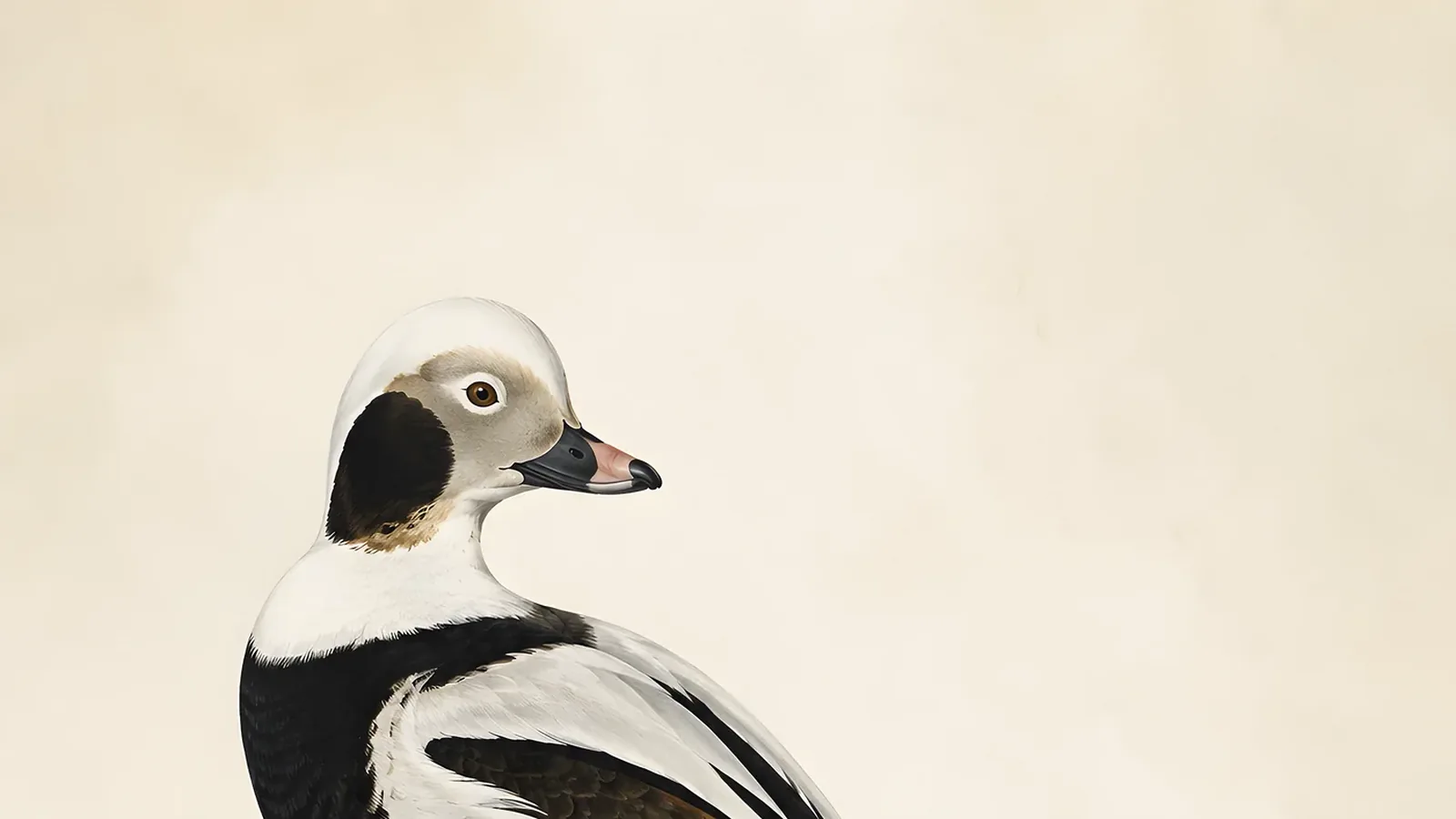
Common Eider (Somateria mollissima), Long-tailed Duck, and three scoter species spend the winter in Massachusetts waters in large numbers. The bays at Wellfleet, Gloucester Harbour, and Nantucket Sound carry thousands of sea ducks from November through March, visible from the shoreline with a scope.
Backyard species
A typical Massachusetts suburban garden, year-round:
- Black-capped Chickadee (state bird; present every month)
- American Robin (year-round, abundant)
- Blue Jay (year-round)
- American Goldfinch (year-round; brightest in summer)
- Mourning Dove (year-round)
- Downy Woodpecker (year-round)
- House Finch (year-round, introduced)
- House Sparrow (year-round, introduced)
- Tufted Titmouse (year-round)
- White-breasted Nuthatch (year-round)
- Dark-eyed Junco (winter feeder bird, reliable October through April)
- Ruby-throated Hummingbird (May through September)
Where and when to watch
Parker River National Wildlife Refuge, Plum Island - the North Shore standard. The refuge on this 11-mile barrier island holds over 360 species on its cumulative eBird list. It is an Atlantic Flyway concentration point for shorebirds and waterfowl in spring and autumn. Piping Plovers breed on the beach annually. Snowy Owls quarter the dunes most winters. The greenhead flies in July are the one genuine deterrent.
Mount Auburn Cemetery, Cambridge - a 174-acre Victorian garden cemetery in Cambridge and Watertown that functions as a migrant trap for the entire greater Boston area. Audubon’s guide to Massachusetts birding calls it one of the best spring and autumn watch sites in New England. May warblers here include more than 30 species in a strong week. The cemetery is open to the public year-round.
Wellfleet Bay Wildlife Sanctuary, Cape Cod - Mass Audubon’s Cape Cod flagship. Nearly 300 species recorded on site. The sanctuary borders Wellfleet Harbor and the tidal flats that draw shorebirds and wading birds throughout the warmer months. Cape Cod is also the departure point for pelagic trips into the Gulf of Maine and Georges Bank, where White-faced Storm-Petrels and Wilson’s Storm-Petrels appear regularly in late summer.
Quabbin Reservoir, central Massachusetts - the state’s largest inland body of water, created in the 1930s when four Swift River valley towns were deliberately flooded. The surrounding 81,000-acre watershed is managed as a water supply protection forest and holds breeding Bald Eagles, nesting Common Loons, and a wintering concentration of waterfowl that few central-Massachusetts sites can rival. Access is via designated trails; the reservoir itself is closed to recreational boats.
Seasonal calendar
| Season | What to watch |
|---|---|
| Spring (Mar-May) | Shorebirds northbound through Parker River from late April; warbler migration at Mount Auburn peaks in early May; Piping Plover and Roseate Tern return to coastal breeding sites in April-May |
| Summer (Jun-Aug) | Roseate Tern and Piping Plover at Buzzards Bay and Cape Cod; pelagic seabirds off the Cape; Cerulean and Mourning Warbler on territory in the Berkshires |
| Autumn (Sep-Nov) | Hawk migration along the coast; shorebird fallout at Parker River; sea ducks arriving in the bays by October; early Snowy Owls by November |
| Winter (Dec-Feb) | Sea ducks and alcids at Gloucester and Wellfleet; Snowy Owls on Plum Island and airport grasslands; Purple Sandpipers on the jetties; Dark-eyed Juncos at every feeder statewide |
Massachusetts has no genuinely quiet season for birding. The winter coast alone - scoters, eiders, Purple Sandpipers on the granite, the occasional alcid blown in by a nor’easter - runs close to what the spring migration delivers inland. The MARC checklist has grown by dozens of species in the past 30 years. The birds are still arriving.