State Guide
Birds of Ohio
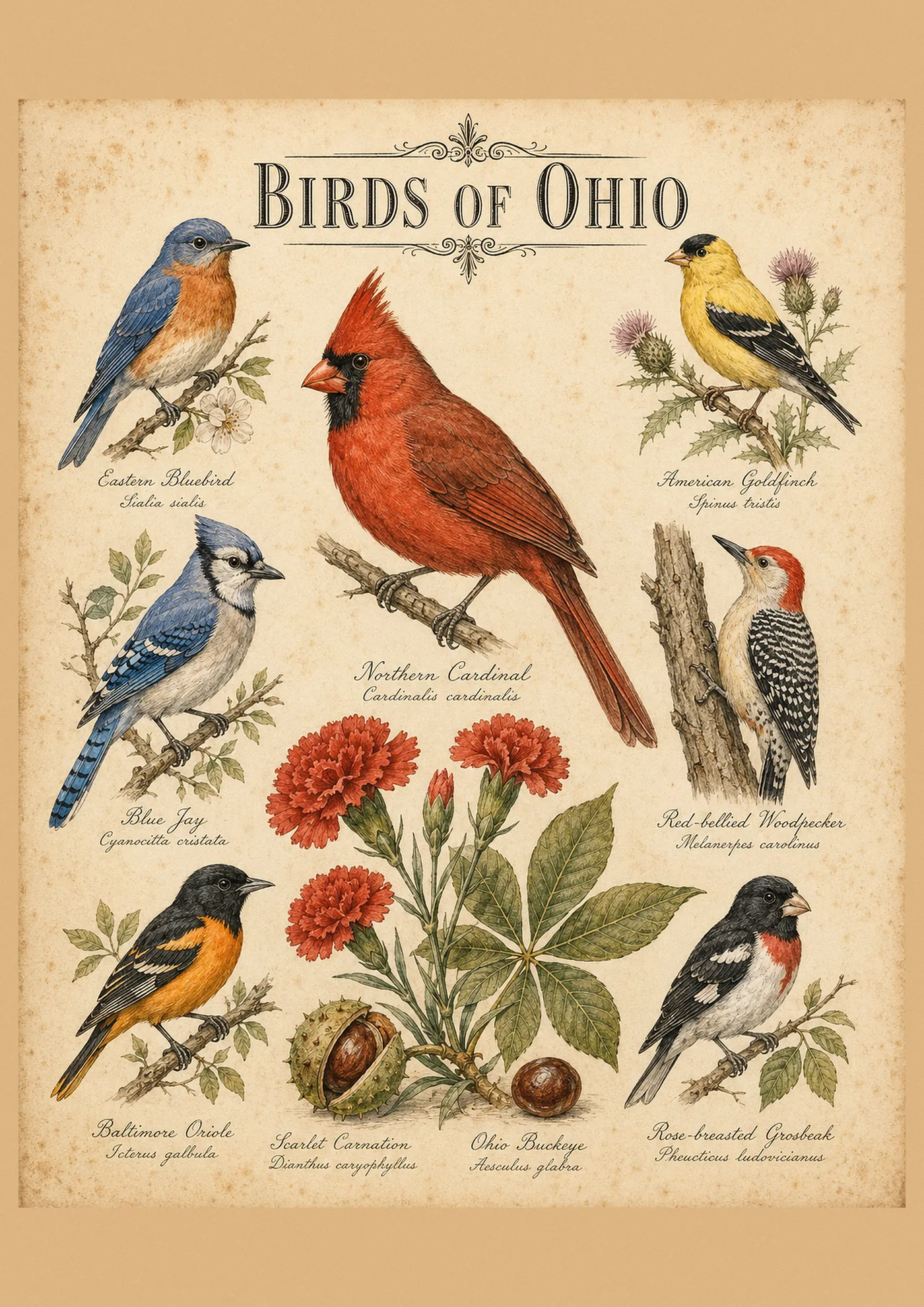
The Northern Cardinal was officially adopted as the state bird of Ohio in 1933, the third state to do so. Kentucky was first in 1926, Illinois second in 1929, and Indiana adopted the cardinal in 1933 the same year as Ohio. North Carolina followed in 1943, West Virginia in 1949 and Virginia in 1950. Seven cardinal-state-bird states in total, all of them contiguous, and the cardinal is by a wide margin the most-claimed state bird in the United States.
Ohio is also the state where the cardinal’s modern northward range expansion has been most clearly documented. In 1900 the bird was scarce north of the Ohio River. By 1940 he was breeding into the central counties. By 1990 he was abundant on the Lake Erie shore. Today he is a year-round resident from Cincinnati to Toledo, and the Lake Erie shoreline marks roughly the northern centre of the species’ current dense range.
The Magee Marsh phenomenon
Ohio’s signature birding event is not in May for an accidental reason. The Lake Erie southern shore at the western basin holds Magee Marsh Wildlife Area and the adjacent Ottawa National Wildlife Refuge, and the week of approximately May 5 through May 12 produces the densest single-site warbler migration concentration in North America.
What happens: warblers and other neotropical migrants crossing the Gulf of Mexico in late winter and early spring move north through the eastern United States in waves. On reaching Lake Erie, they hesitate. The lake is too wide to cross casually, and birds bank along the southern shore waiting for favourable wind. Magee Marsh sits at the funnel point. On the best mornings the boardwalk holds 25 to 30 species of warbler at eye level, hundreds of birds at a time, in plumage and behaviour and sheer concentration that does not happen anywhere else.
The Biggest Week in American Birding is the festival built around this. It runs for ten days in early May. International birders fly to Cleveland for it. The event has, on its own, generated a quietly significant ecotourism economy for north-western Ohio.
The state’s signature species
Beyond the cardinal:
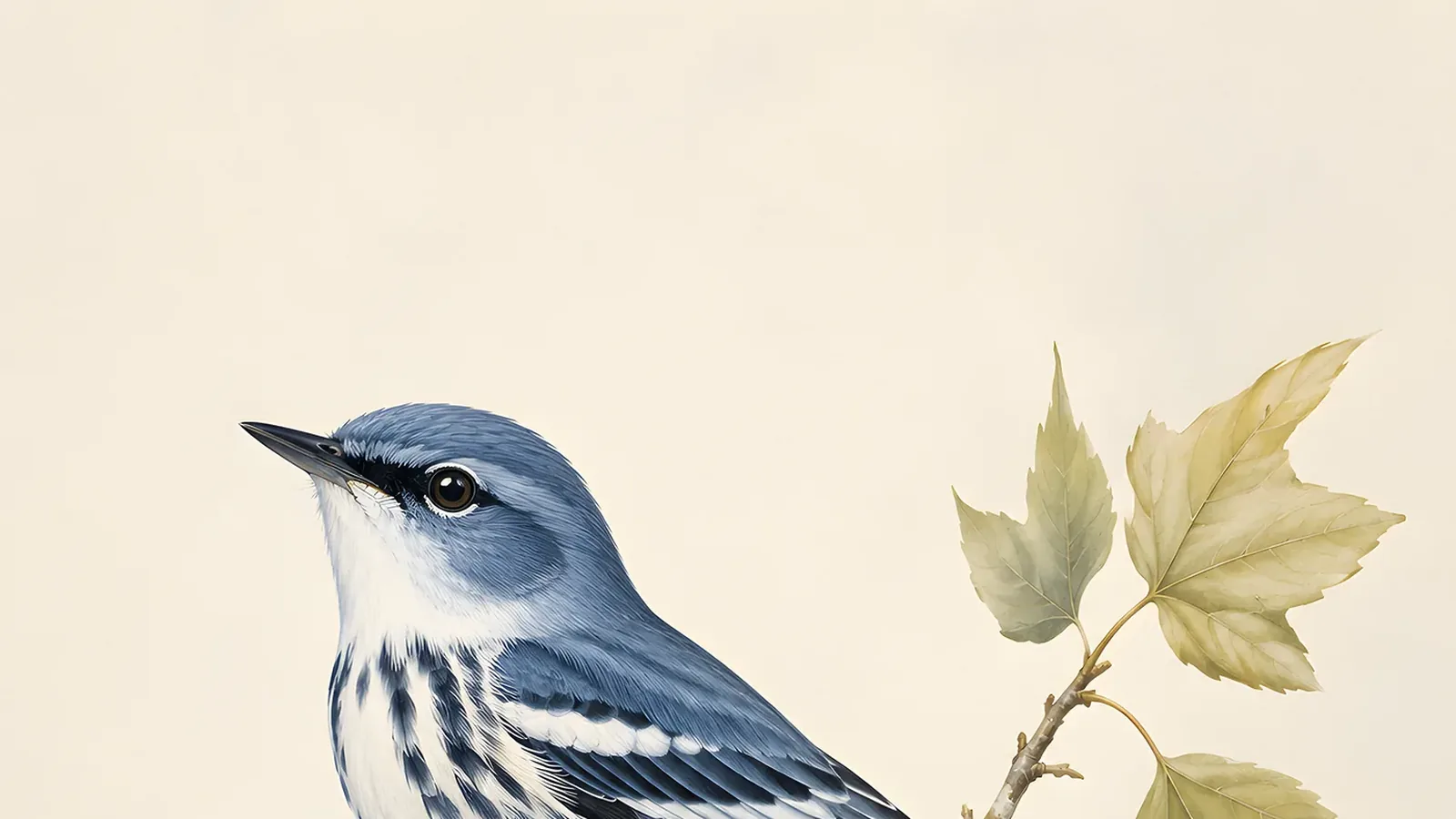
Cerulean Warbler is Ohio’s specialty warbler, a small sky-blue bird of mature hardwood forest canopies. The species is in steep decline across its range. Ohio’s southeast Appalachian counties hold some of the most important remaining breeding habitat.
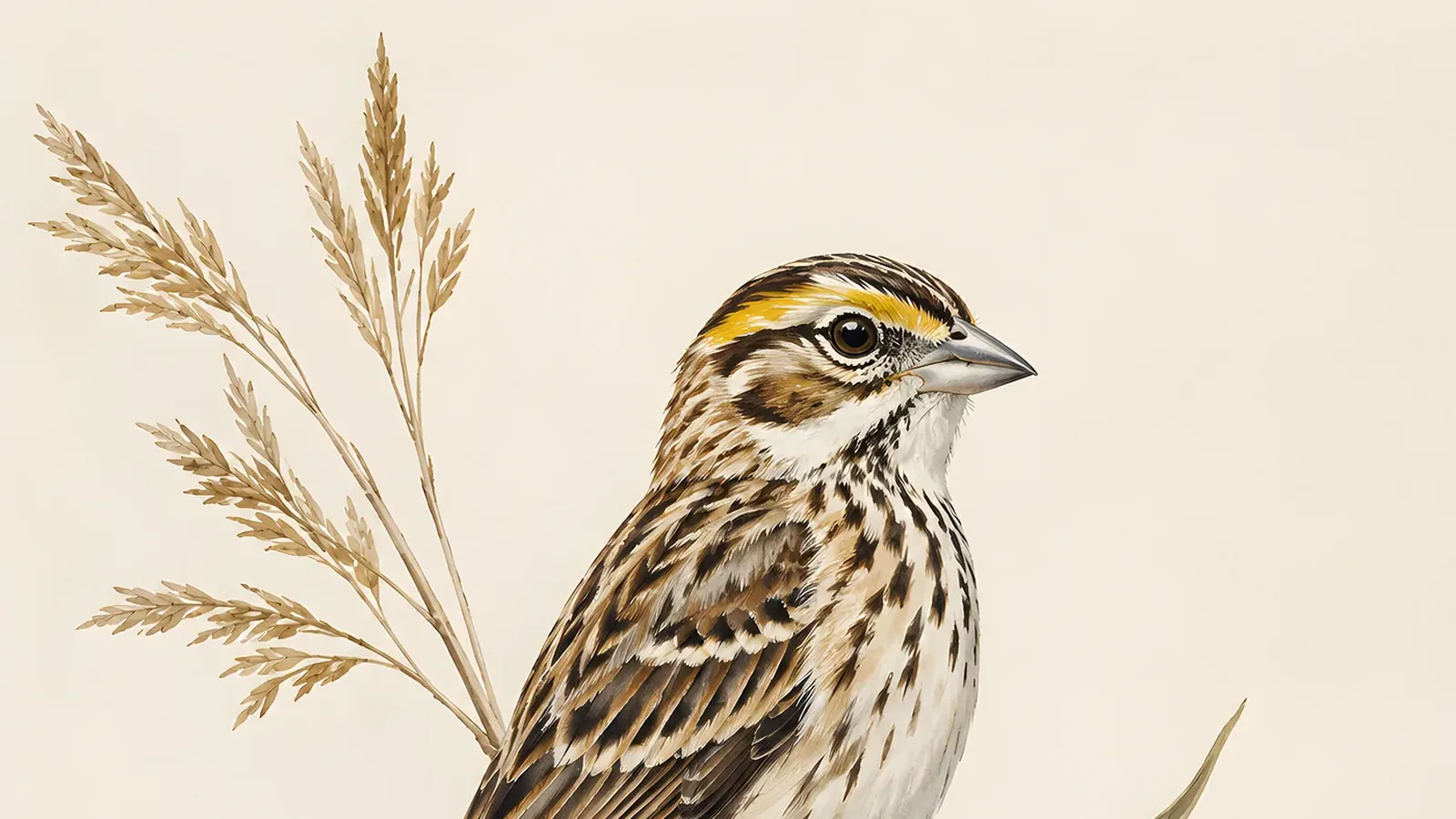
Henslow’s Sparrow is a grassland specialist of southeastern Ohio’s reclaimed strip mines. The species nearly disappeared in the mid-20th century with the loss of native prairie and has recovered on accidentally suitable post-mining grasslands. Ohio is one of the few states where Henslow’s Sparrow has become more common in the last fifty years.
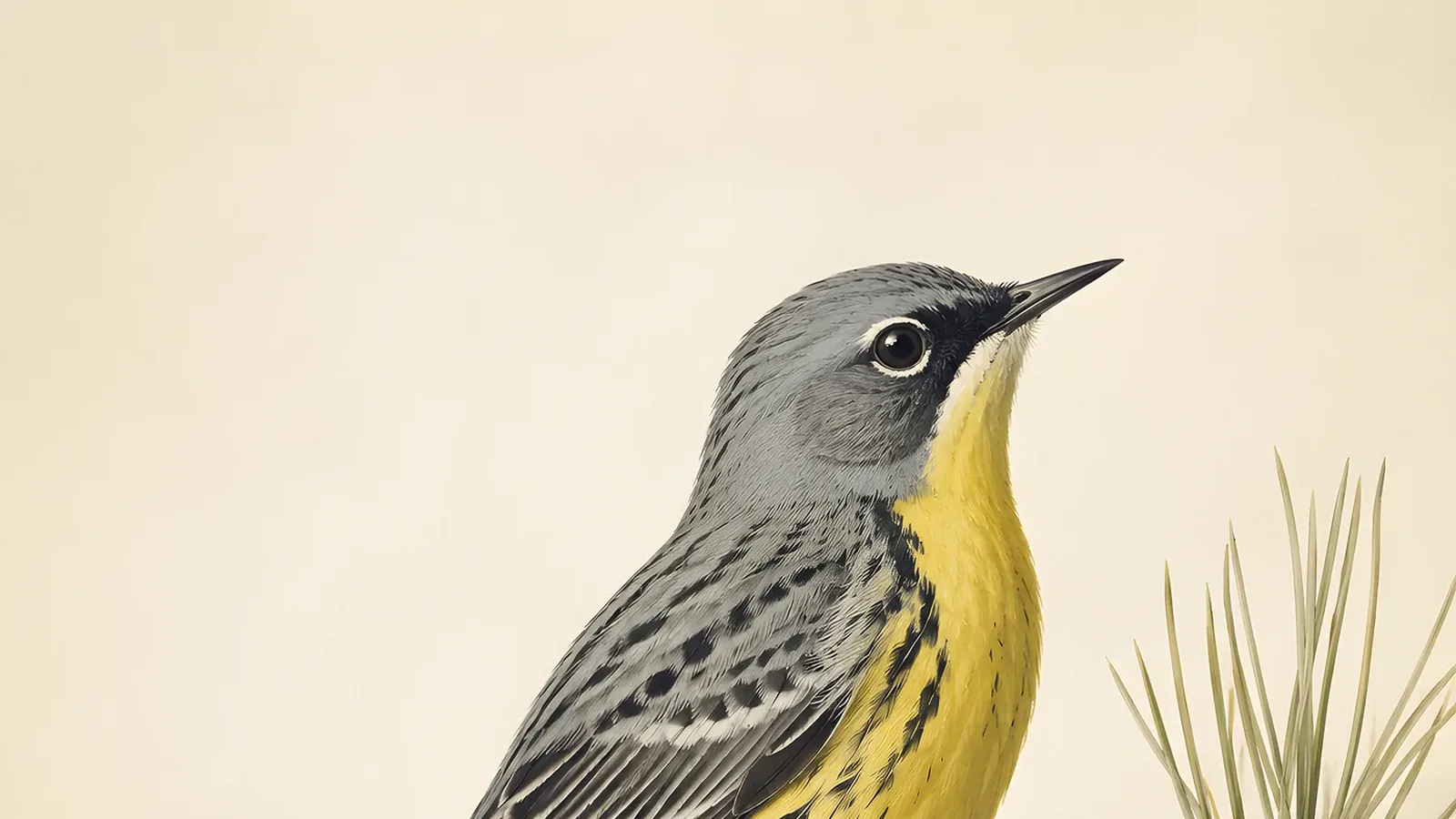
Kirtland’s Warbler is the rarest of Ohio’s regular migrants. The species breeds in young jack pine forests in Michigan’s lower peninsula and passes through Ohio in May on the way to its winter range in the Bahamas. Population recovery from a low of 167 singing males in 1987 to over 2,000 today is one of the great endangered-species success stories in North America.
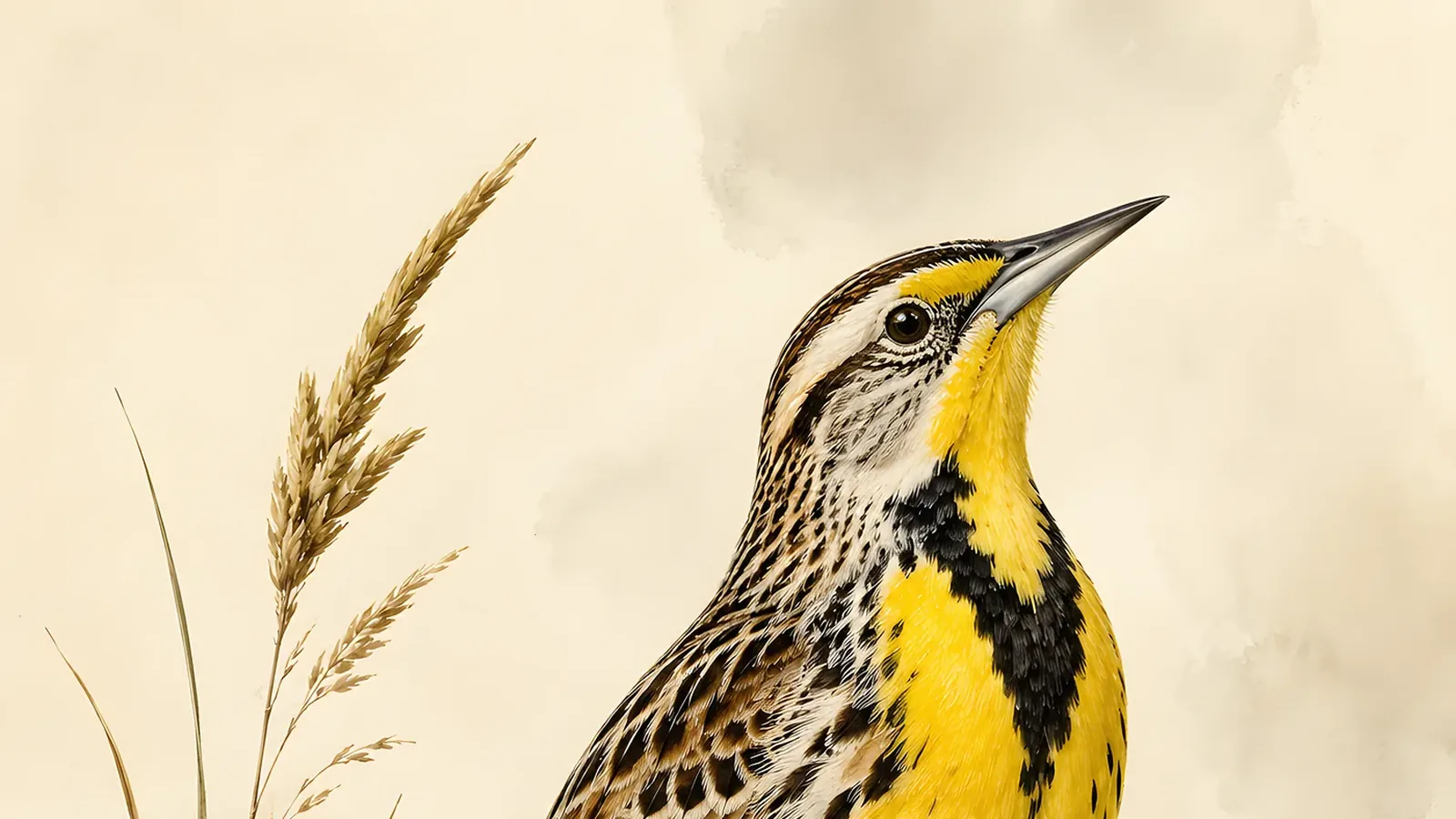
Eastern Meadowlark is the state’s signature open-country bird. Yellow breast with a black V, ringing whistled song from fence posts. The species is in decline with the loss of open pasture but still breeds in most Ohio counties.
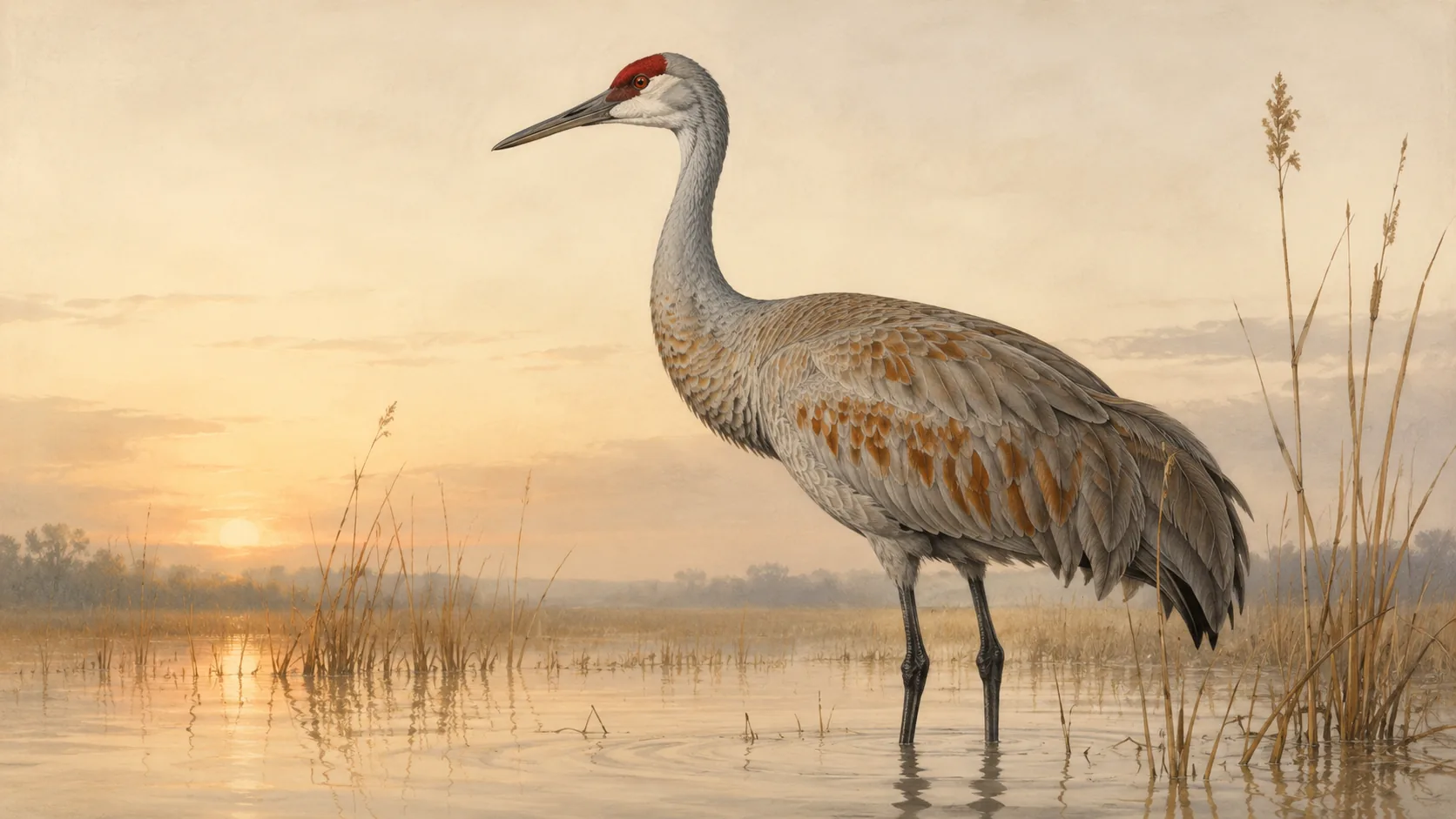
Sandhill Crane has returned to Ohio in the last thirty years. The species breeds at Funk Bottoms Wildlife Area and a handful of other wetlands. The 2015 estimate was fewer than 50 breeding pairs in the state. The 2024 estimate is over 150.
Top backyard species
A typical Ohio suburban garden hosts:
- Northern Cardinal (state bird, year-round)
- American Robin (year-round in southern Ohio, summer-resident in the north)
- Blue Jay (year-round, abundant)
- Black-capped Chickadee (north) or Carolina Chickadee (south)
- Tufted Titmouse (year-round)
- White-breasted Nuthatch (year-round)
- Downy Woodpecker (year-round)
- Red-bellied Woodpecker (year-round, expanding north)
- Mourning Dove (year-round)
- House Finch (year-round)
- American Goldfinch (year-round)
- House Sparrow (year-round, introduced)
- European Starling (year-round, introduced)
- Eastern Bluebird (year-round in most counties)
Seasonal calendar
| Season | What is happening |
|---|---|
| Spring (Mar-May) | Cardinal first broods in March; warbler migration peaks at Magee Marsh in early May; Ruby-throated Hummingbirds arrive late April |
| Summer (Jun-Aug) | Breeding season; cardinal molting begins late July |
| Autumn (Sep-Nov) | Southbound migration; Sandhill Crane staging at Funk Bottoms in late October |
| Winter (Dec-Feb) | Cardinal pair-bond maintenance; Snowy Owl irruptions in some years on Lake Erie shoreline; Bald Eagles concentrating along the unfrozen Ohio River |
Where to watch
- Magee Marsh Wildlife Area (Oak Harbor) - the spring warbler boardwalk. Early May.
- Ottawa National Wildlife Refuge (adjacent to Magee) - waterfowl, marsh birds, more warblers.
- Lake Erie south shore (Headlands Beach, Conneaut) - hawk migration in autumn, gulls in winter.
- Mohican State Park (north-central Ohio) - breeding warblers in mature mixed forest.
- Wayne National Forest (southeast Ohio) - Cerulean Warbler, Worm-eating Warbler, mature Appalachian hardwoods.
- Lake Erie shoreline west of Cleveland - winter waterfowl including Long-tailed Duck, Common Goldeneye.