State Guide
Birds of Kentucky
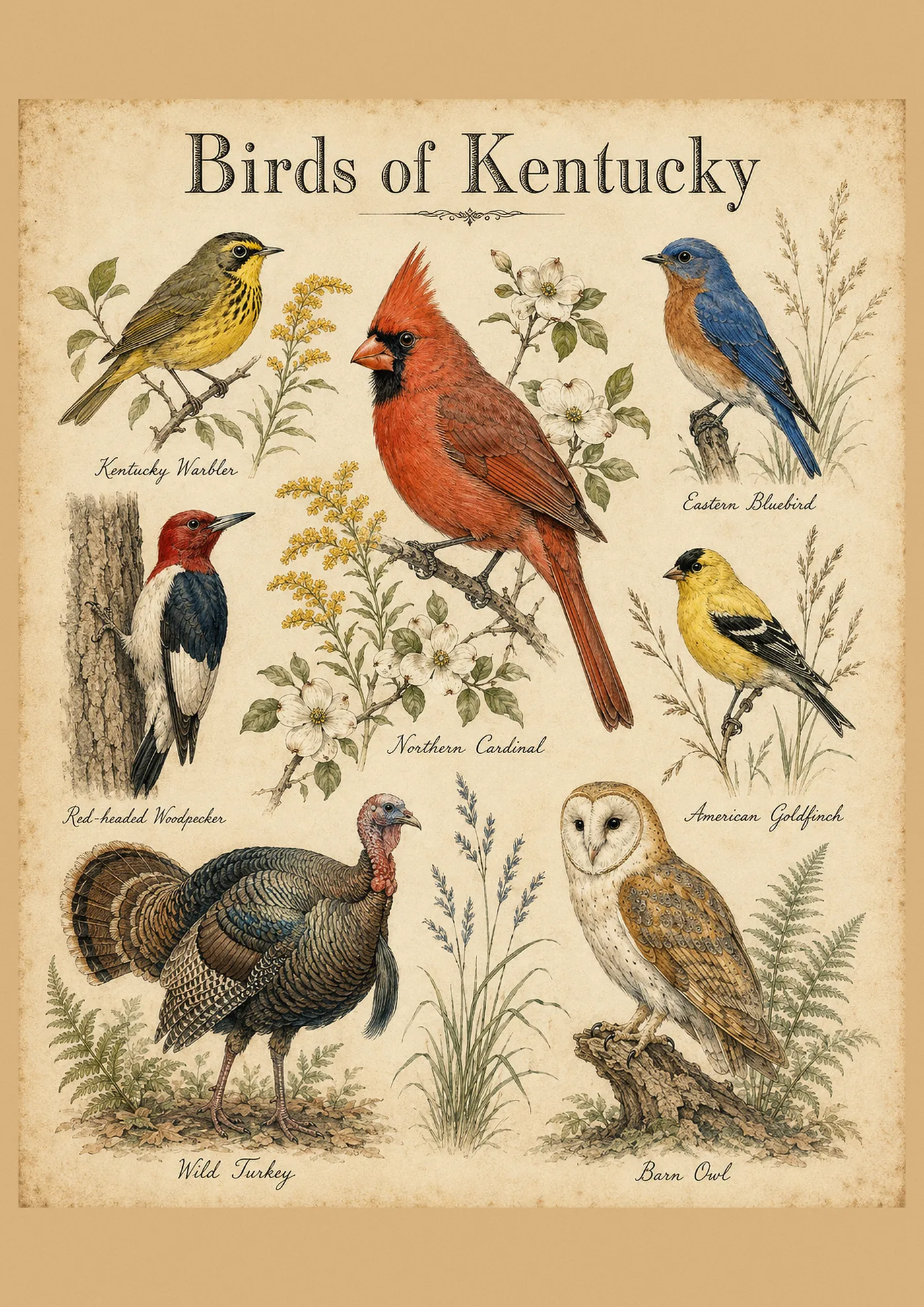
Kentucky was the first state in the United States to officially adopt the Northern Cardinal as state bird, in 1926. The choice set off a cascade. Six other states followed between 1929 and 1950: Illinois (1929), Ohio (1933), Indiana (1933), North Carolina (1943), West Virginia (1949) and Virginia (1950) all picked the same bird. Kentucky’s century-old decision is the original.
The state holds a long bird list (388 species recorded by the Kentucky Ornithological Society as of recent counts) and an unusually layered landscape. Western Kentucky sits in the Mississippi River bottomlands and is part of the Mississippi Flyway. Central Kentucky is the Bluegrass region, with open pasture, woodlots and the famous limestone karst. Eastern Kentucky is the Cumberland Plateau and the western edge of the Appalachian highlands. The state’s species mix reflects all three.
The state’s signature species
Beyond the cardinal:
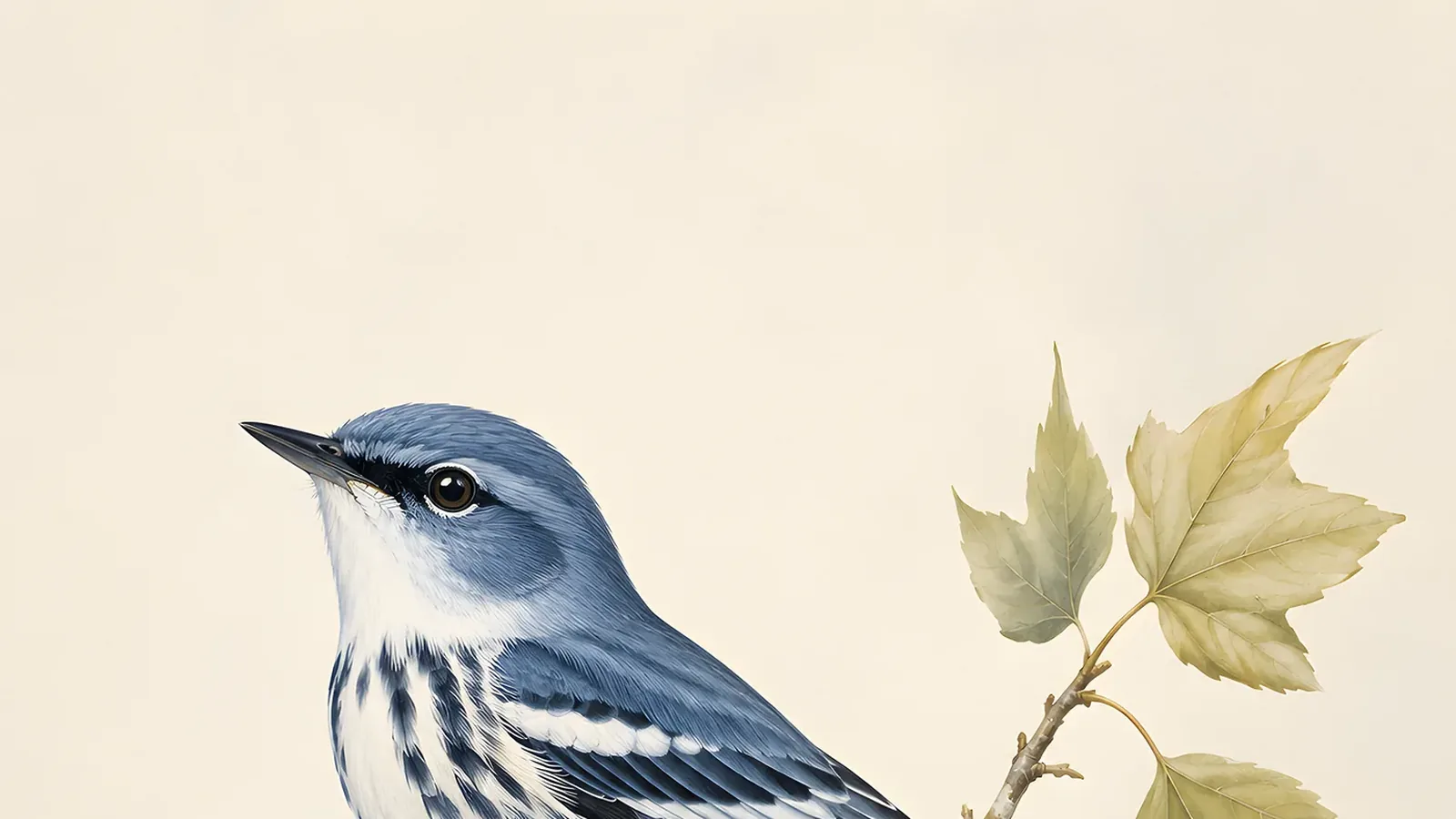
Cerulean Warbler is the state speciality. Kentucky’s Cumberland Plateau holds some of the densest remaining breeding populations of this declining warbler. The Cumberland Wildlife Management Area and Daniel Boone National Forest are critical strongholds. The species has lost roughly 70 per cent of its range-wide population since 1970.
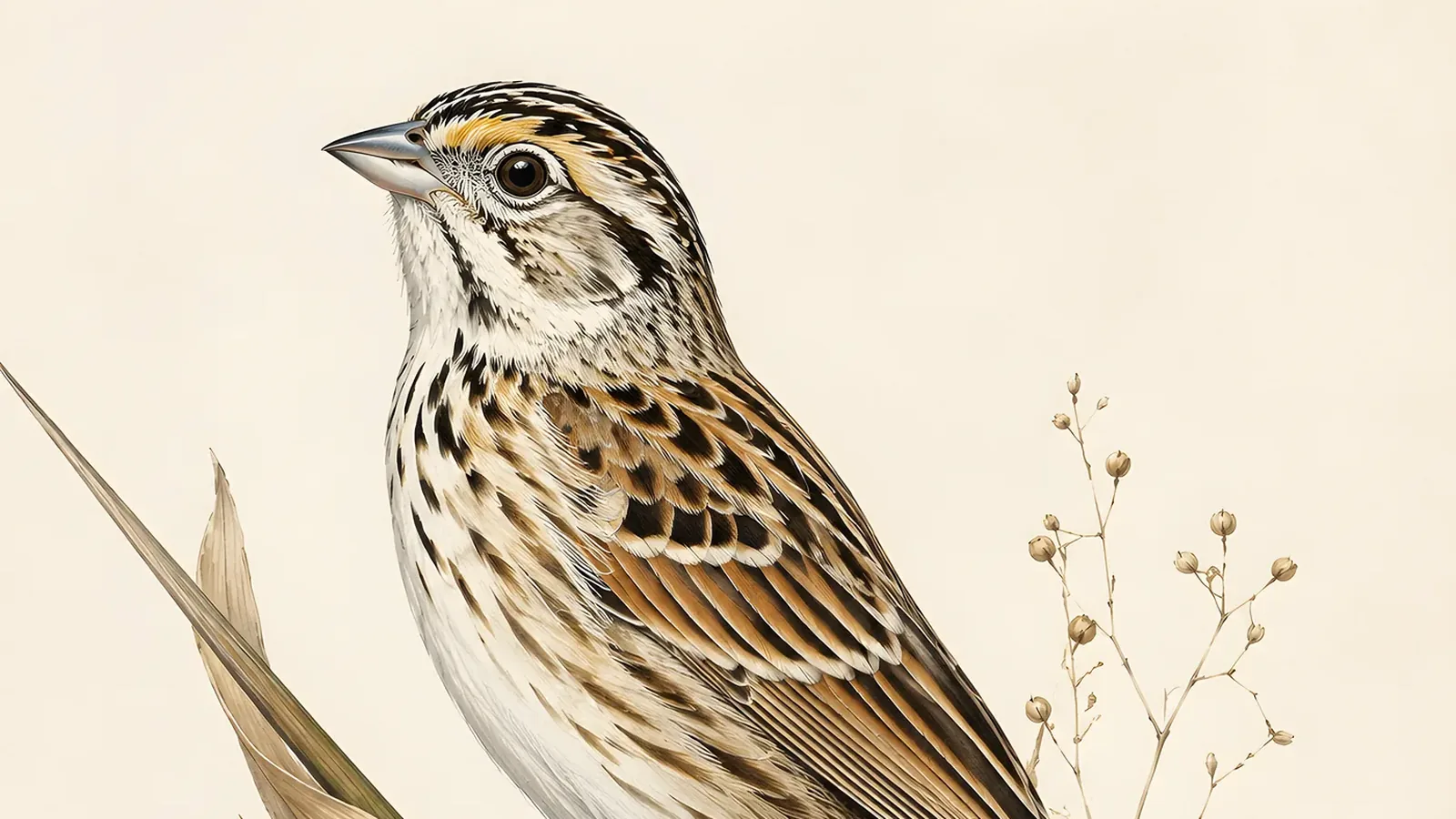
Bachman’s Sparrow is the state’s southern pine specialist, declining but still present in the Land Between the Lakes pine plantations. The species’ clear two-note whistle is one of the more difficult Kentucky breeding birds to find.
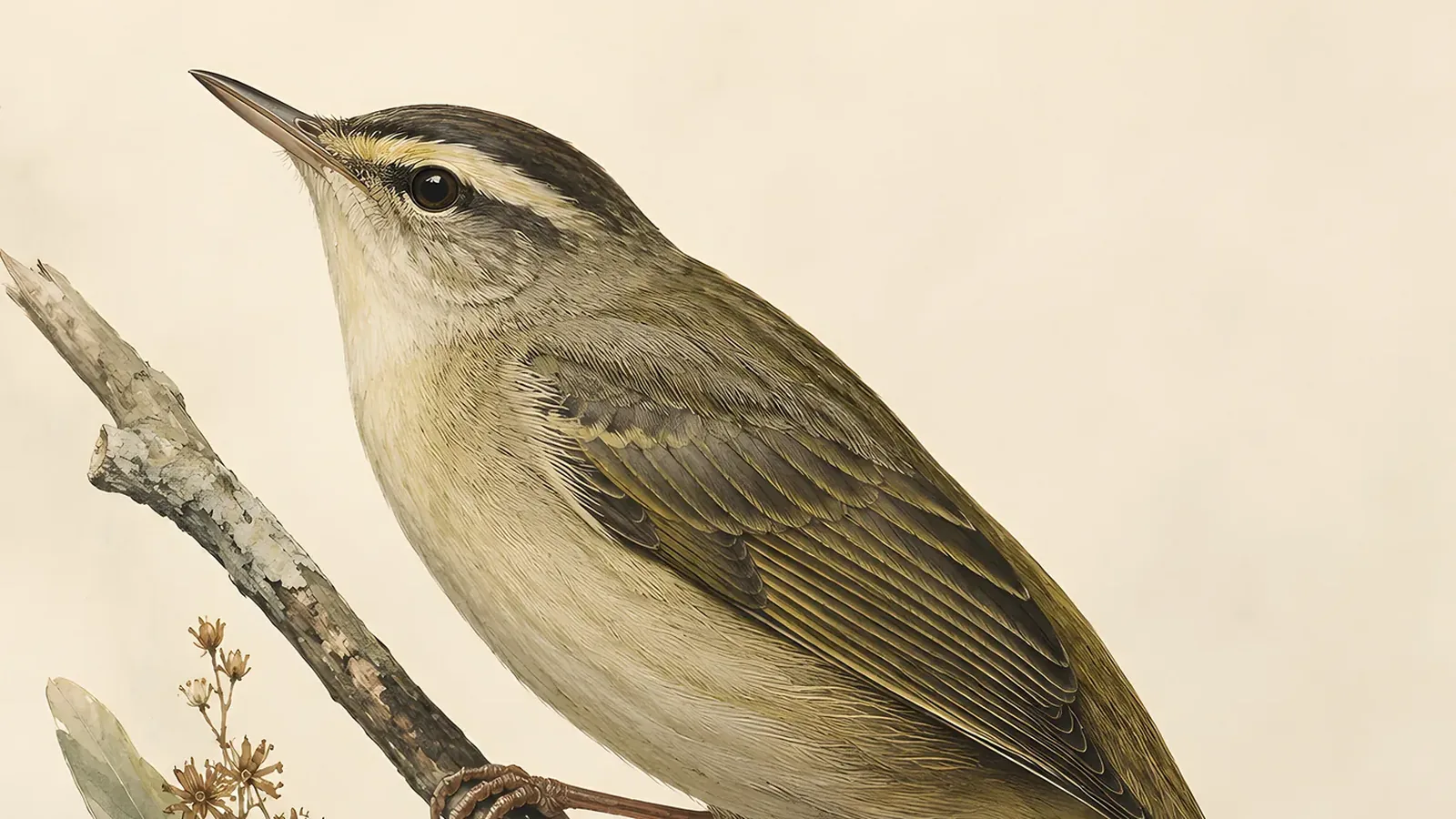
Worm-eating Warbler breeds in the steep wooded ravines of the Cumberland Plateau and Pennyrile.
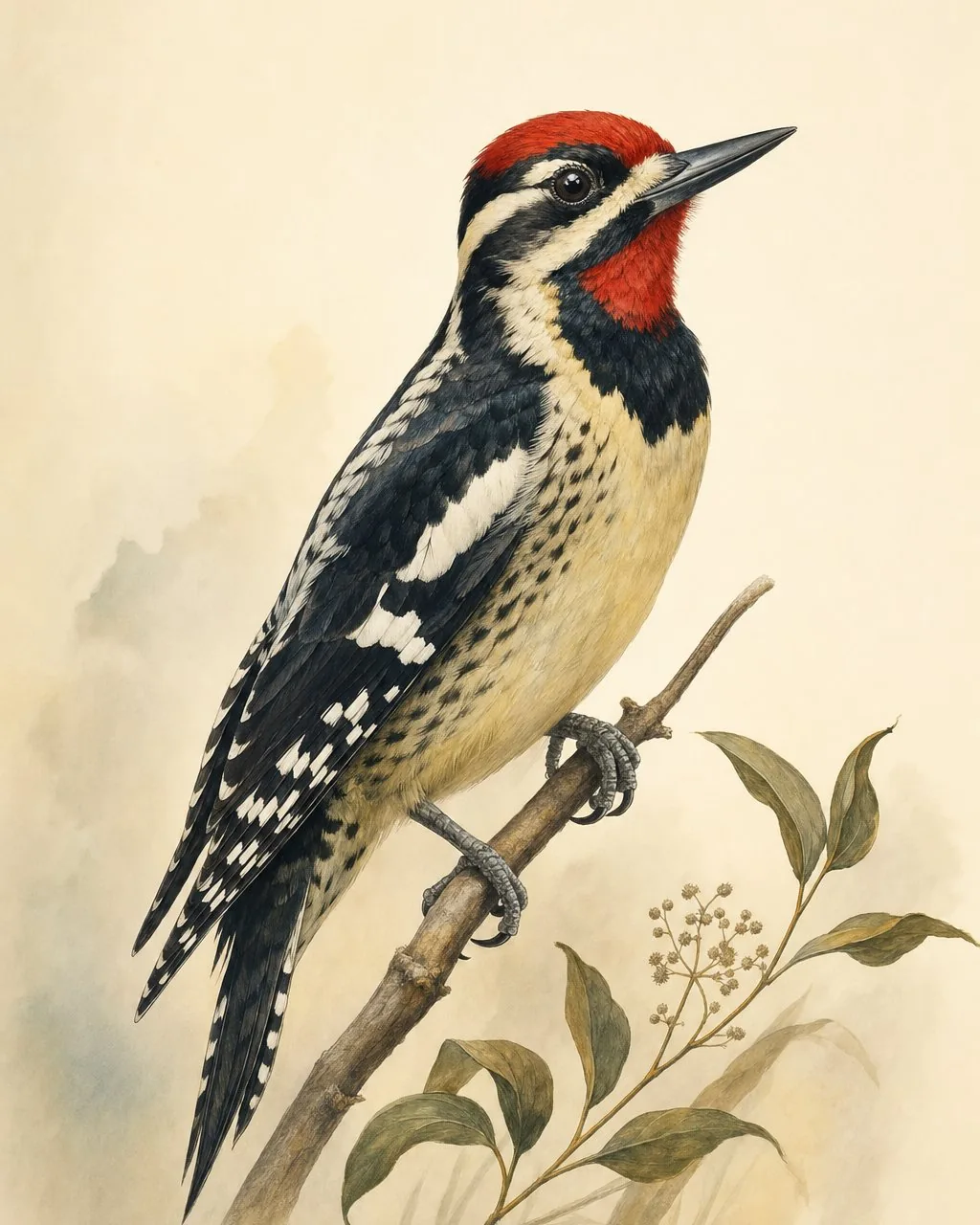
Yellow-bellied Sapsucker breeds in higher-elevation forests of the eastern Kentucky highlands - the southern edge of the species’ breeding range.
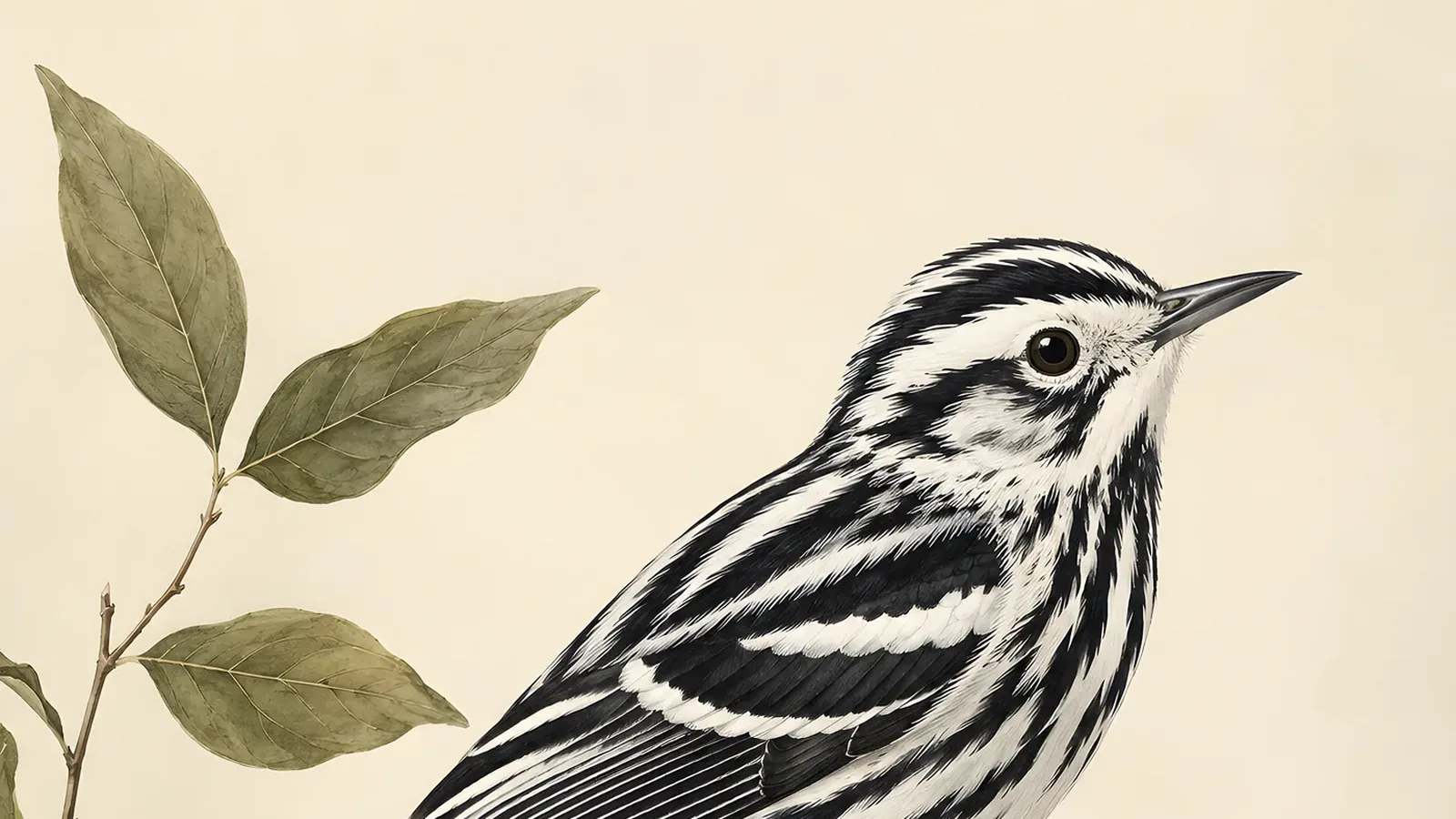
Black-and-white Warbler breeds throughout the state’s mature hardwood forest. The state-wide breeding population is one of the largest in the southeastern US.
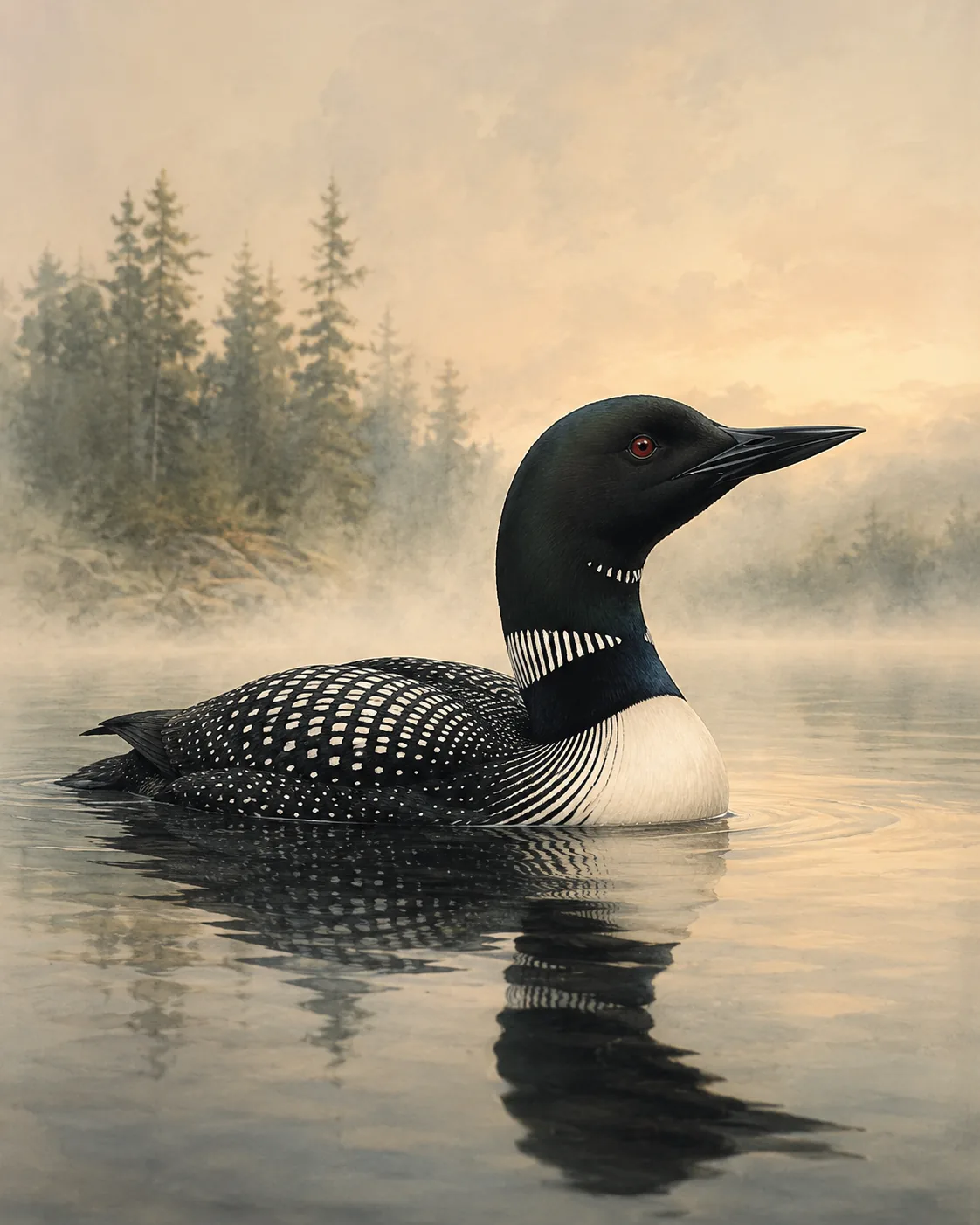
Common Loon uses Kentucky Lake and Lake Barkley as a major migration staging area in autumn. Concentrations of several hundred loons on a single afternoon are routine in November.
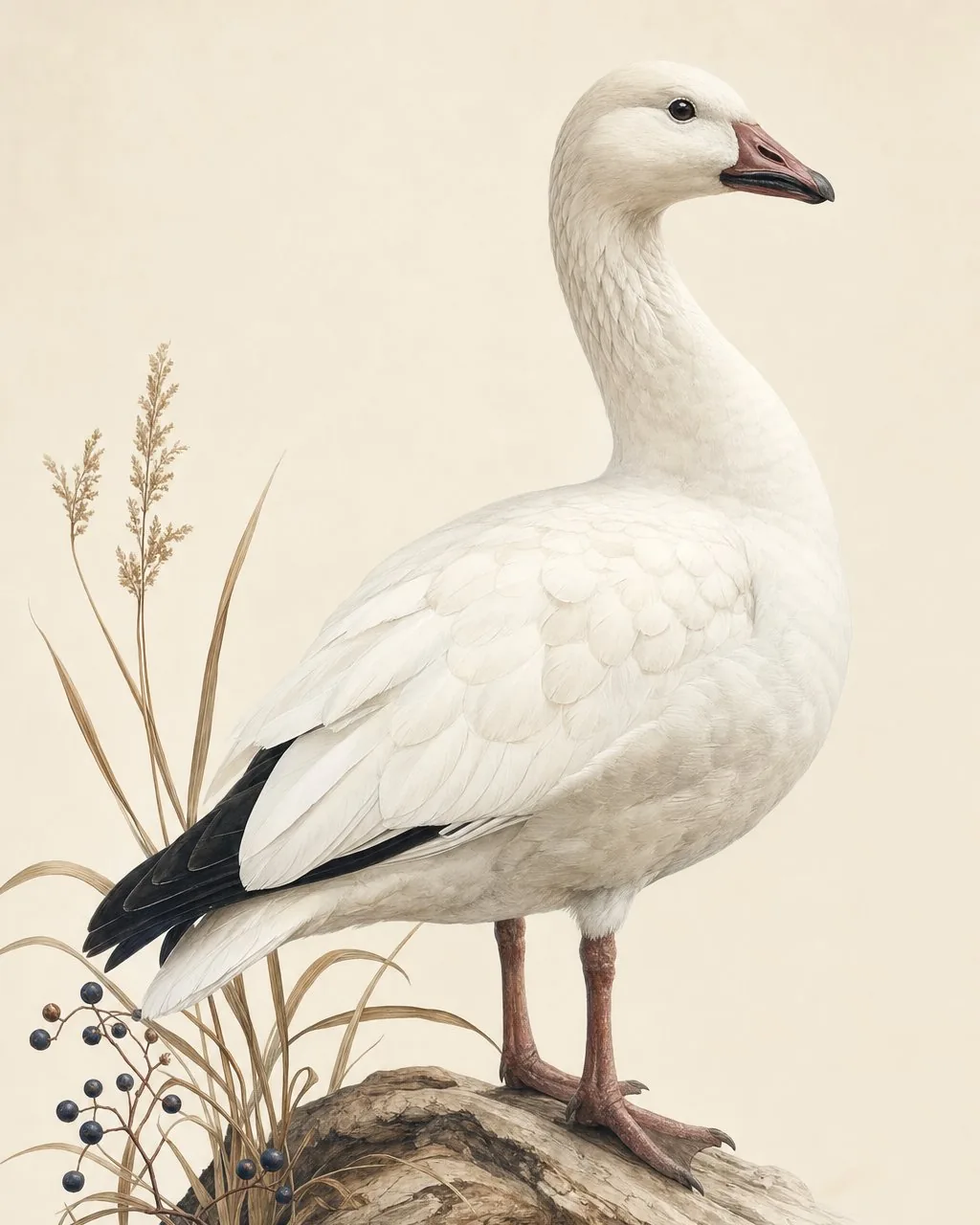
Snow Goose, Greater White-fronted Goose stage in massive numbers in western Kentucky’s Mississippi River refuges in winter. Ballard County and the Reelfoot Lake refuge complex just across the Tennessee state line hold hundreds of thousands of geese at peak.
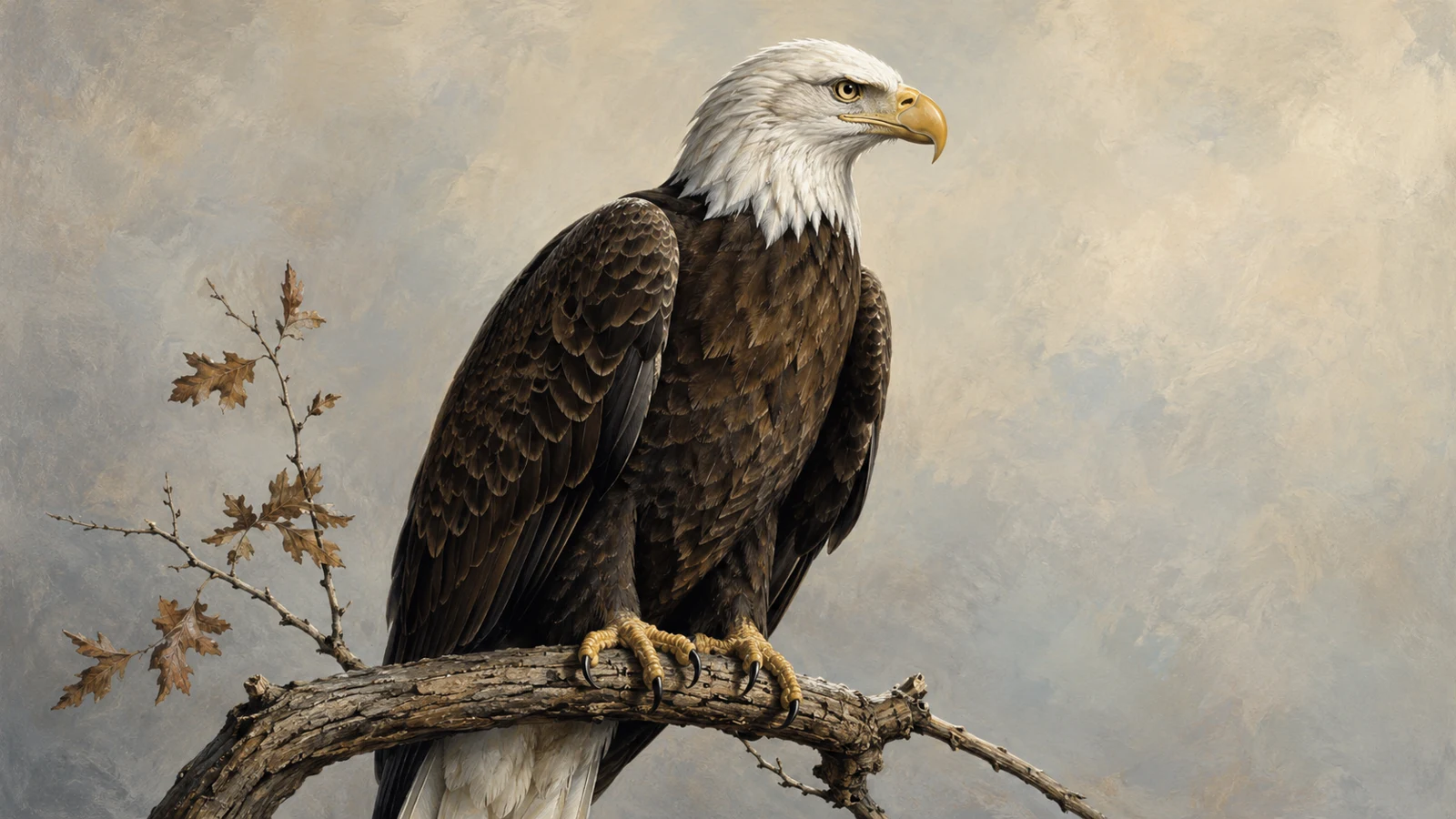
Bald Eagle has recovered strongly in Kentucky since the 1990s. The Land Between the Lakes hosts the state’s largest breeding concentration. Eagle Watch events run every January at Kentucky Dam Village.
Top backyard species
A typical Kentucky suburban garden:
- Northern Cardinal (state bird, year-round)
- American Robin (year-round)
- Blue Jay (year-round)
- Carolina Chickadee (year-round across most of the state)
- Tufted Titmouse (year-round)
- Carolina Wren (year-round, the noisy one)
- White-breasted Nuthatch (year-round)
- Mourning Dove (year-round)
- House Finch (year-round)
- American Goldfinch (year-round)
- Downy Woodpecker (year-round)
- Red-bellied Woodpecker (year-round)
- Eastern Bluebird (year-round, common with nest boxes)
- Northern Mockingbird (year-round)
- Ruby-throated Hummingbird (Apr-Sep)
Seasonal calendar
| Season | What is happening |
|---|---|
| Spring (Mar-May) | Cardinal first broods in March; warbler migration peaks late April through mid-May; the Cumberland Plateau is one of the eastern US’s prime breeding-warbler destinations |
| Summer (Jun-Aug) | Breeding season; cardinal molting begins late July; Cerulean Warbler breeding in the Cumberlands |
| Autumn (Sep-Nov) | Hawk migration across the Cumberland Plateau; loon and waterfowl staging on Kentucky Lake and Lake Barkley |
| Winter (Dec-Feb) | Cardinal pair-bond maintenance; massive waterfowl concentrations in western Kentucky; Bald Eagle viewing at Land Between the Lakes |
Where to watch
- Land Between the Lakes National Recreation Area (western Kentucky, between Kentucky Lake and Lake Barkley) - one of the most rewarding birding sites in the southeastern US. Year-round residents, breeding warblers, eagle and waterfowl in winter.
- Reelfoot Lake (northwest Tennessee, close to the Kentucky state line) - Snow Goose and Greater White-fronted Goose concentrations in winter, breeding Wood Duck.
- Daniel Boone National Forest (eastern Kentucky) - Cumberland Plateau breeding warblers including Cerulean.
- Mammoth Cave National Park (south-central Kentucky) - karst topography, mature hardwood breeding birds.
- Bernheim Arboretum and Research Forest (Bullitt County) - well-watched preserve close to Louisville.
- Falls of the Ohio State Park (Clarksville, IN, across the Ohio River from Louisville, KY) - migration shorebirds and gulls on the Ohio River shoals.