State Guide
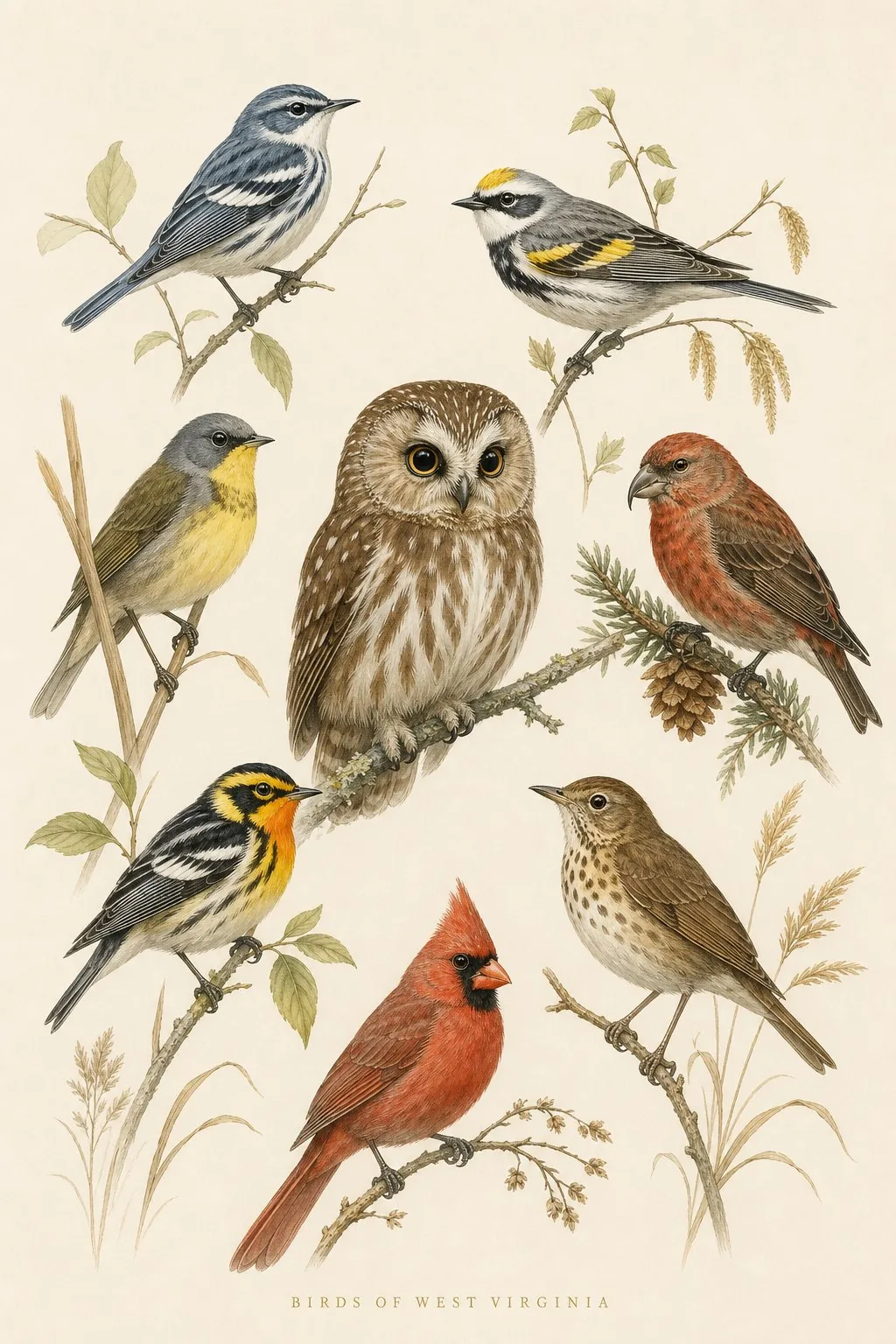
Birds of West Virginia
West Virginia is the only state in the continental United States that is entirely contained within the Appalachian Mountain system. The lowest point in the state is 73 metres above sea level on the Potomac. The highest point is Spruce Knob at 1,482 metres. About 75 per cent of the state is forested, and the forest is mostly mature mixed hardwood and red-spruce-fir.
The state adopted the Northern Cardinal as state bird in 1949. The cardinal is a year-round resident across the entire state, common in towns and along river valleys, less abundant in the high spruce-fir of the Monongahela National Forest where the climate is closer to southern Canada than to neighbouring Virginia. The cardinal is the bridge species - the bird who connects the lowland West Virginia of the Ohio Valley to the highland West Virginia of the Allegheny Front.
What makes West Virginia genuinely distinctive for birding is the northern species at southern latitudes. The high-elevation forests of the eastern panhandle and the Monongahela hold breeding populations of birds that elsewhere in the southern US do not breed at all. The state’s geography compresses Canadian boreal-forest species into a mountain band at 35-39 degrees north.
The state’s signature species
Beyond the cardinal:
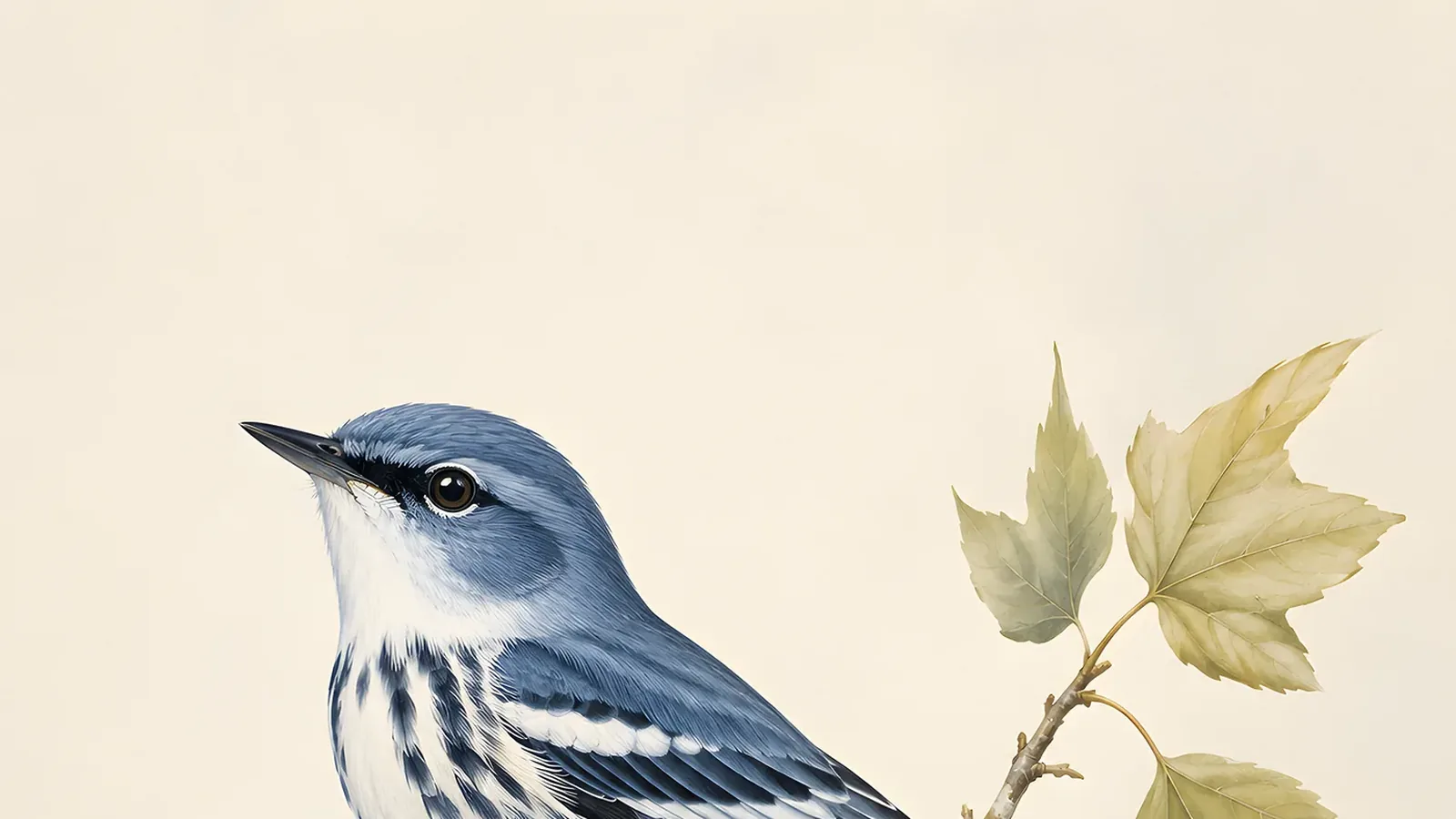
Cerulean Warbler breeds across the state’s mature hardwood forests. West Virginia holds one of the densest breeding populations of this declining species globally. The state’s commitment to Cerulean Warbler conservation in National Forest land has been substantial since the late 1990s.
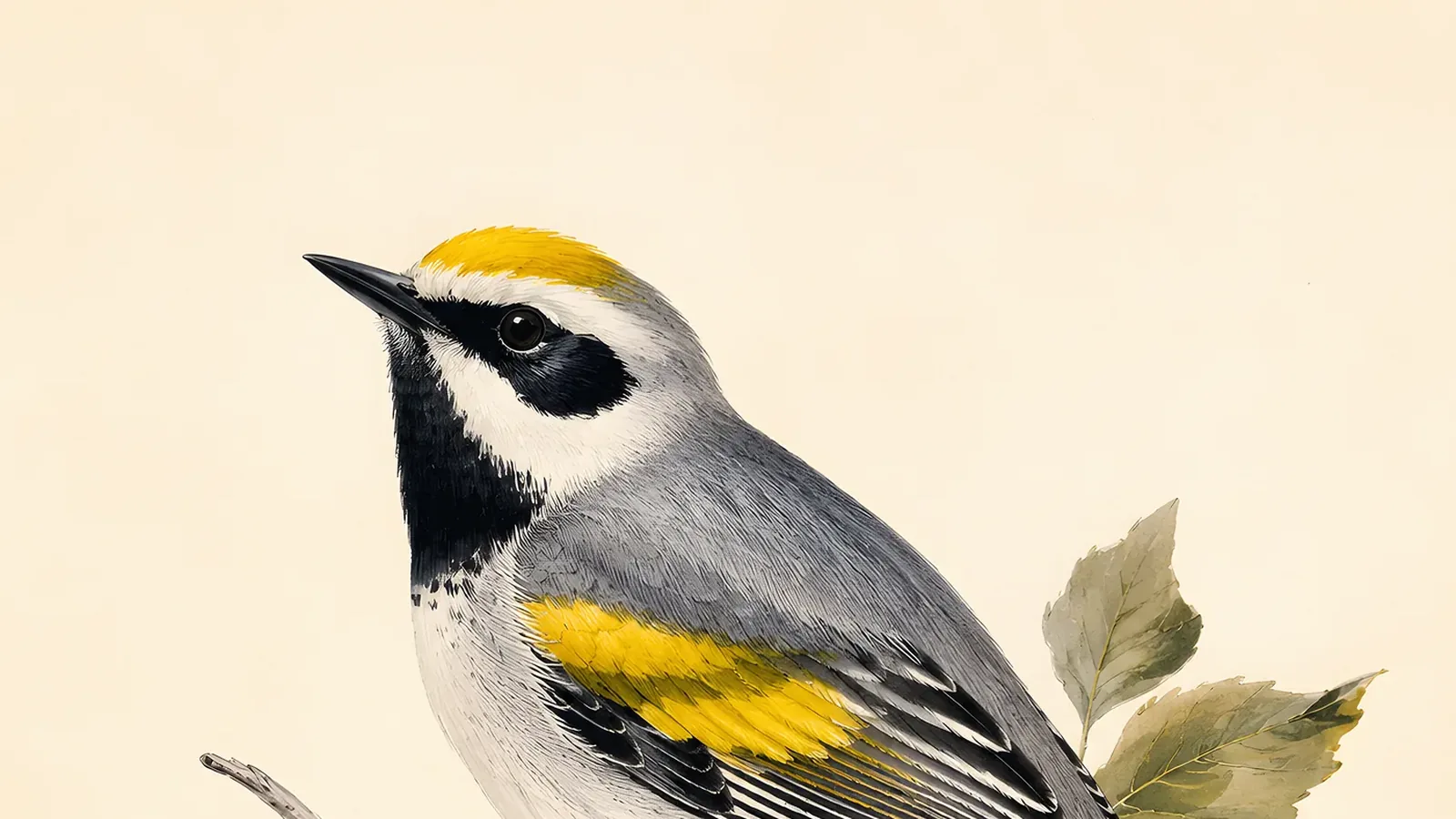
Golden-winged Warbler breeds in young successional forest and reclaimed strip-mine grassland-shrub habitat across central West Virginia. The species has lost roughly 65 per cent of its range-wide population since 1970 and West Virginia is one of the strongholds.
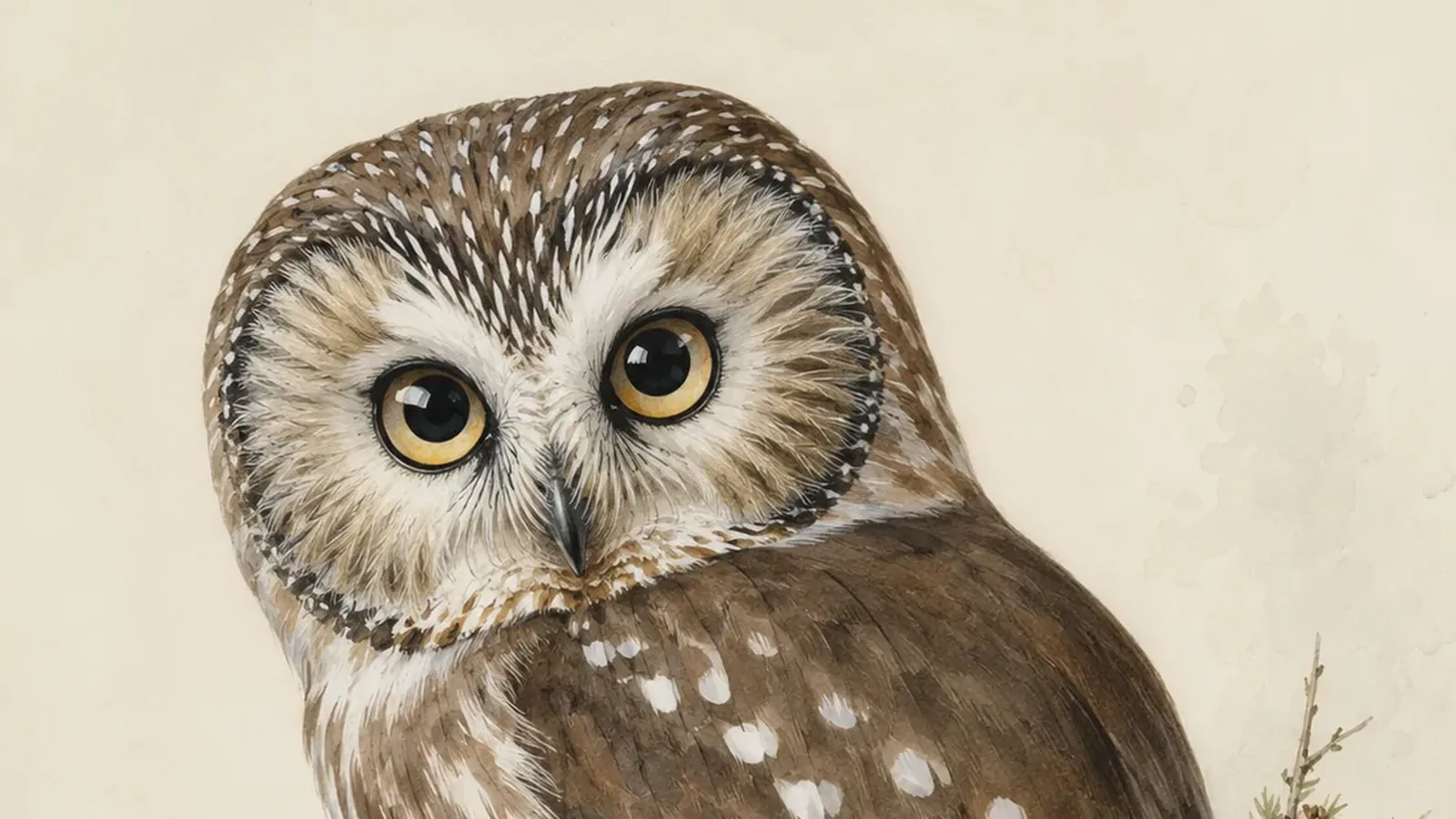
Northern Saw-whet Owl breeds in the high-elevation red spruce of the Monongahela. The state holds the southernmost confirmed breeding population in the Appalachians.
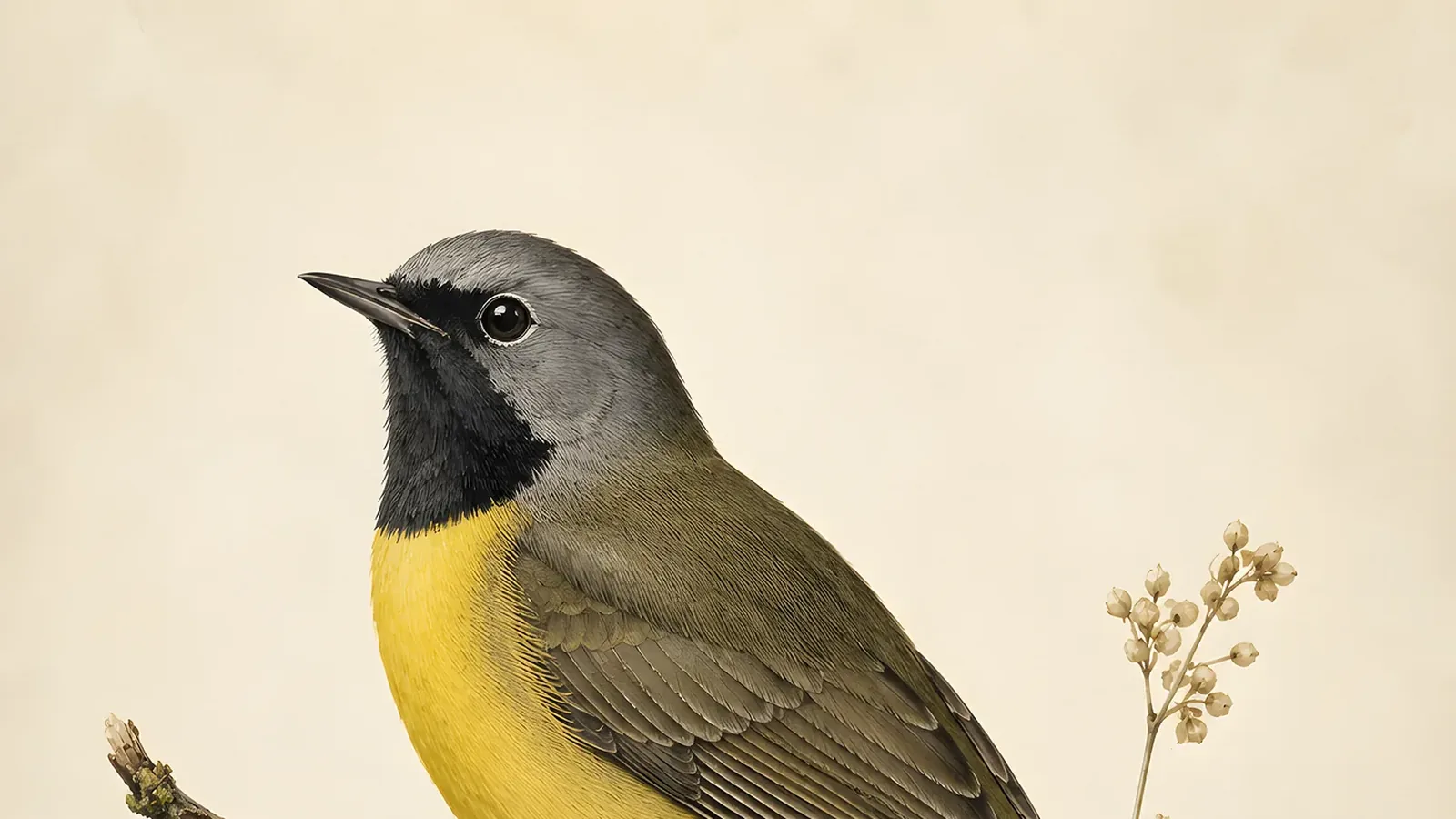
Mourning Warbler, Magnolia Warbler, Black-throated Blue Warbler, Canada Warbler all breed at high elevation in the Monongahela. These are species that elsewhere in the southern US occur only in migration. In West Virginia they are summer residents in the right elevation band.
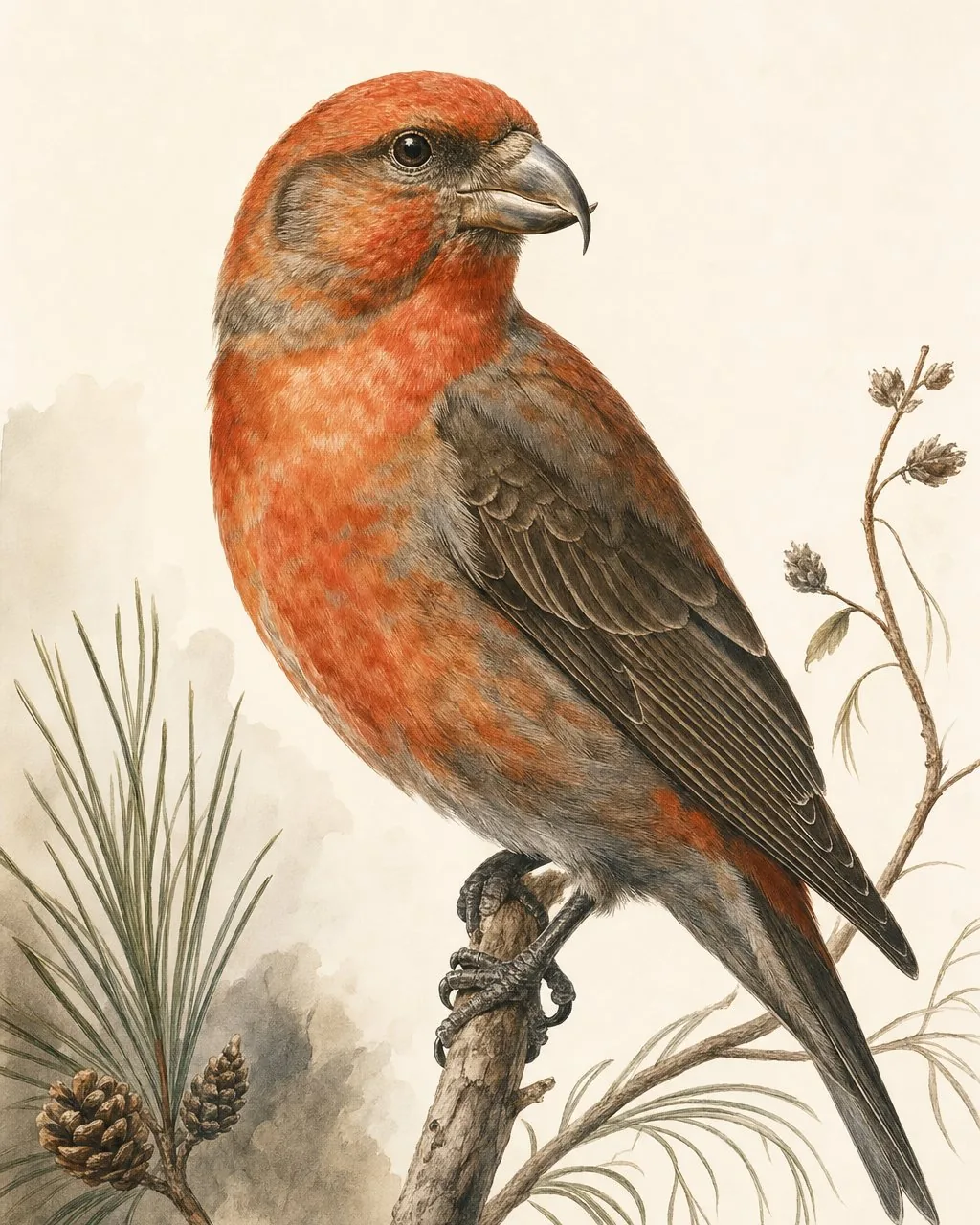
Red Crossbill is irruptive in the spruce-fir highlands. Some years the species breeds in the state; other years it is absent entirely.
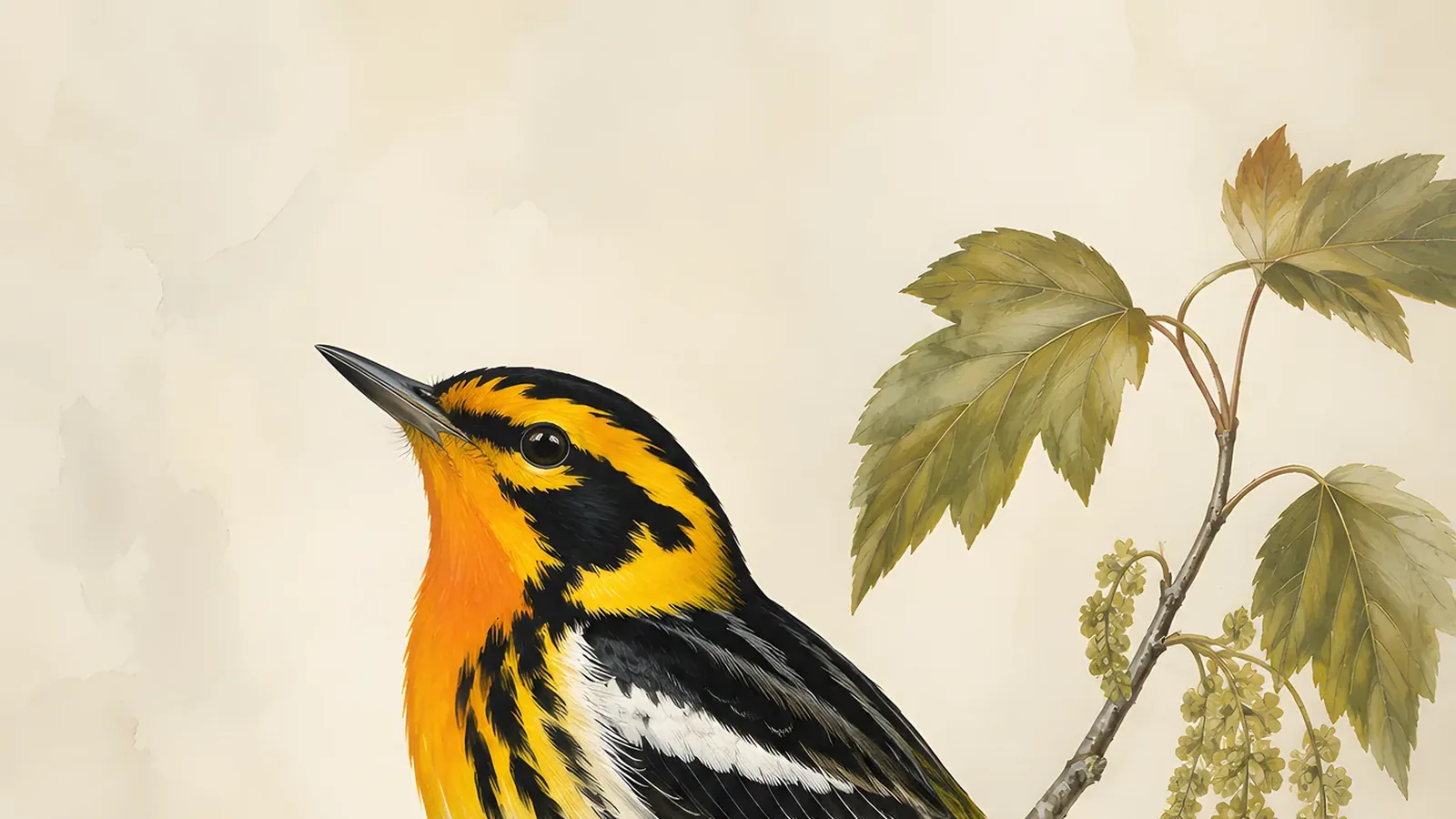
Blackburnian Warbler breeds in the upper-elevation conifer-mixed forest. The orange-and-black male is one of the most spectacular warblers of the eastern US.
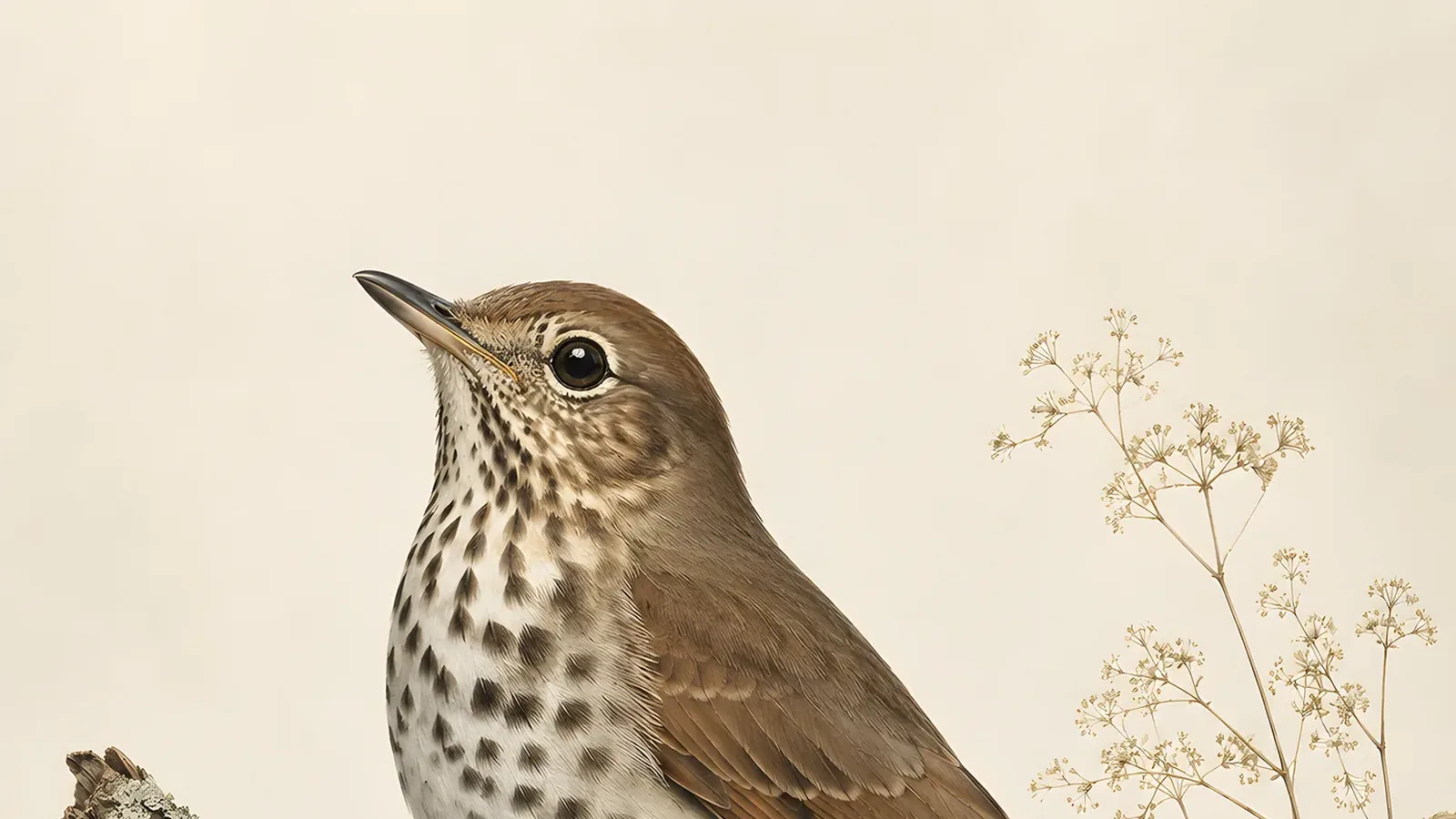
Hermit Thrush breeds at high elevation. Same species as the wintering Hermit Thrush of southern US backyards, but here as a summer resident in spruce country.
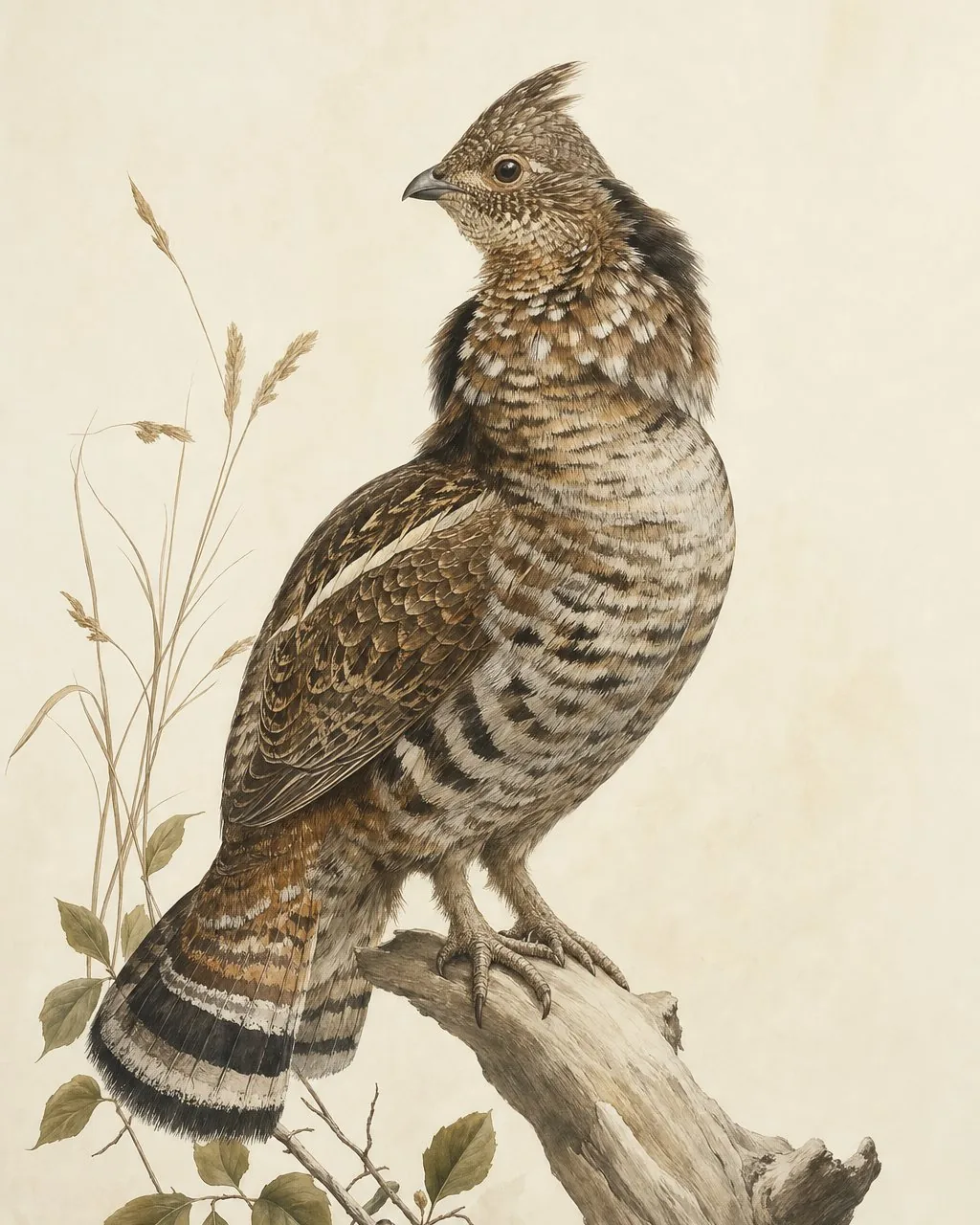
Ruffed Grouse is the state’s game bird, drumming on logs in mature forest throughout. Hunting and habitat have both shaped the species’ status; it is in decline but still present statewide.
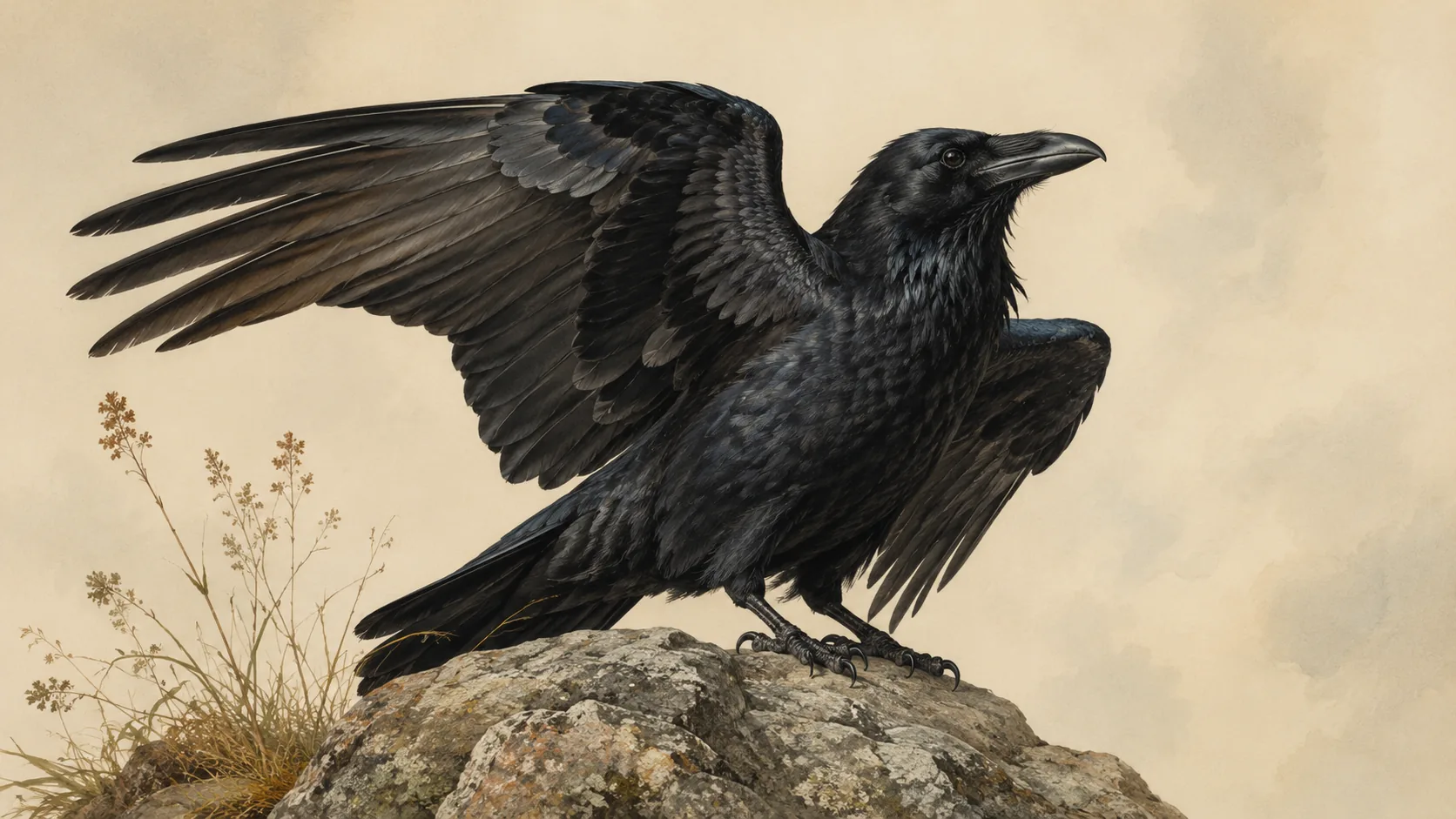
Common Raven is a year-round resident in the mountains. Same species as the raven of the Arctic and Pacific Northwest. West Virginia is one of the few eastern US states with a stable raven population outside the alpine north.
Top backyard species
A typical West Virginia suburban garden (mid-elevation):
- Northern Cardinal (state bird, year-round)
- American Robin (year-round, with winter influxes)
- Blue Jay (year-round)
- Carolina Chickadee (year-round, with Black-capped at higher elevation)
- Tufted Titmouse (year-round)
- Carolina Wren (year-round)
- Mourning Dove (year-round)
- House Finch (year-round)
- American Goldfinch (year-round)
- Downy Woodpecker (year-round)
- Red-bellied Woodpecker (year-round in lower elevations)
- Eastern Bluebird (year-round)
- Ruby-throated Hummingbird (Apr-Sep)
- White-throated Sparrow (winter)
- Dark-eyed Junco (winter at low elevations, year-round resident in the highlands)
Seasonal calendar
| Season | What is happening |
|---|---|
| Spring (Mar-May) | Cardinal first broods in March; warbler migration through the lowlands; high-elevation warblers arriving in early May |
| Summer (Jun-Aug) | Breeding season; spruce-fir warblers active in the Monongahela; cardinal molting begins late July |
| Autumn (Sep-Nov) | Spectacular hawk migration over the Allegheny Front, including thousands of Broad-winged Hawks in mid-September |
| Winter (Dec-Feb) | Cardinal pair-bond maintenance; northern winter visitors at lower elevations; Common Redpoll and Pine Siskin irruptions in some years |
Where to watch
- Dolly Sods Wilderness (Monongahela National Forest) - high-elevation breeding warblers, ravens, Canadian-shield bog plants and birds at 35 degrees north.
- Spruce Knob (highest point in the state) - spruce-fir specialists, Northern Saw-whet Owl breeding habitat.
- Cranberry Glades Botanical Area - sphagnum bog at 1,000 metres, Hermit Thrush, Mourning Warbler.
- Canaan Valley State Park / Refuge - one of the most productive birding sites in the Appalachians. Wetland and grassland species at elevation.
- Allegheny Front hawk watches (Bear Rocks, Hanging Rock) - autumn hawk migration concentration.
- New River Gorge National Park - lower-elevation breeding warblers in mature hardwoods.