State Guide
Birds of Vermont
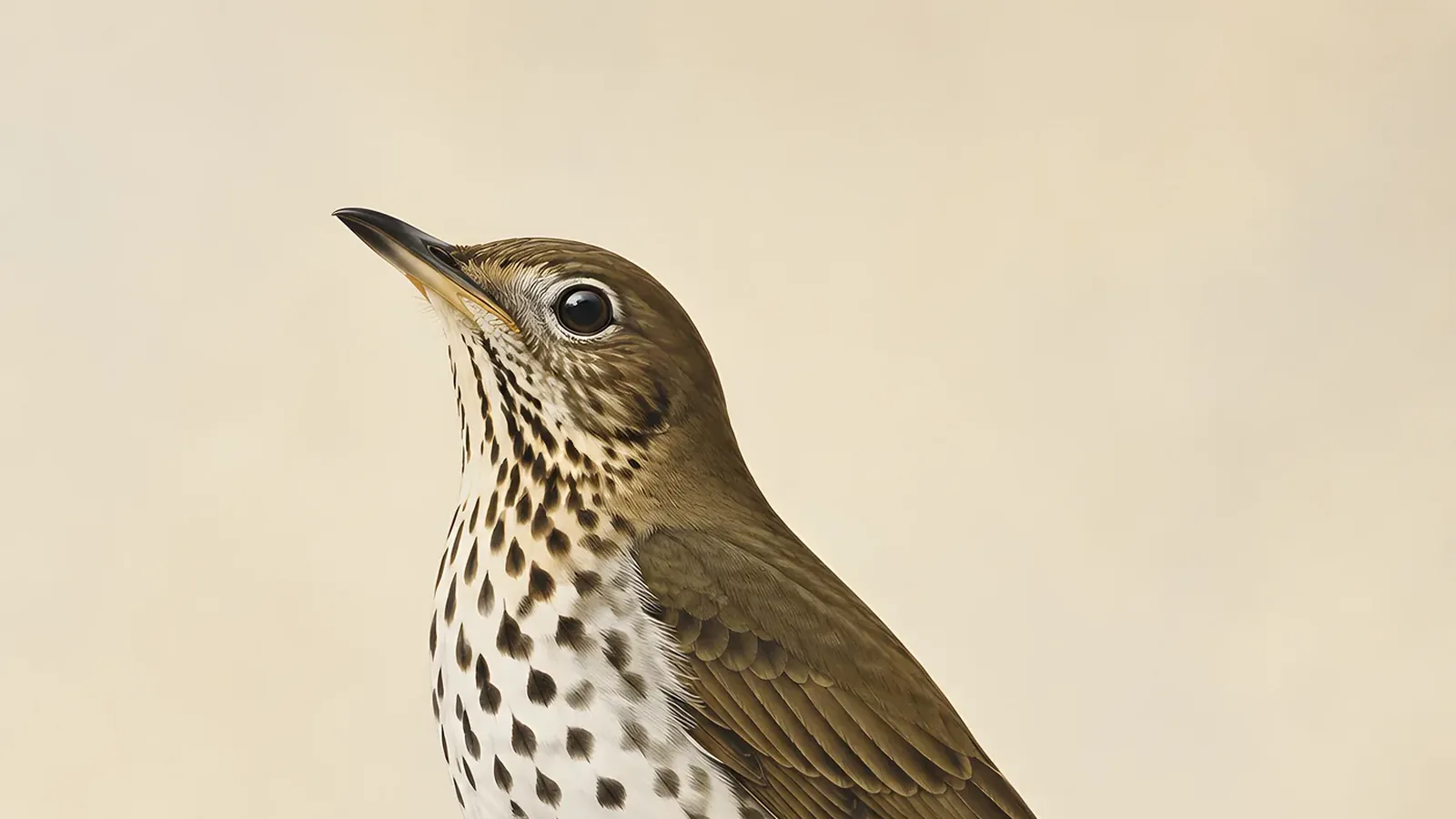
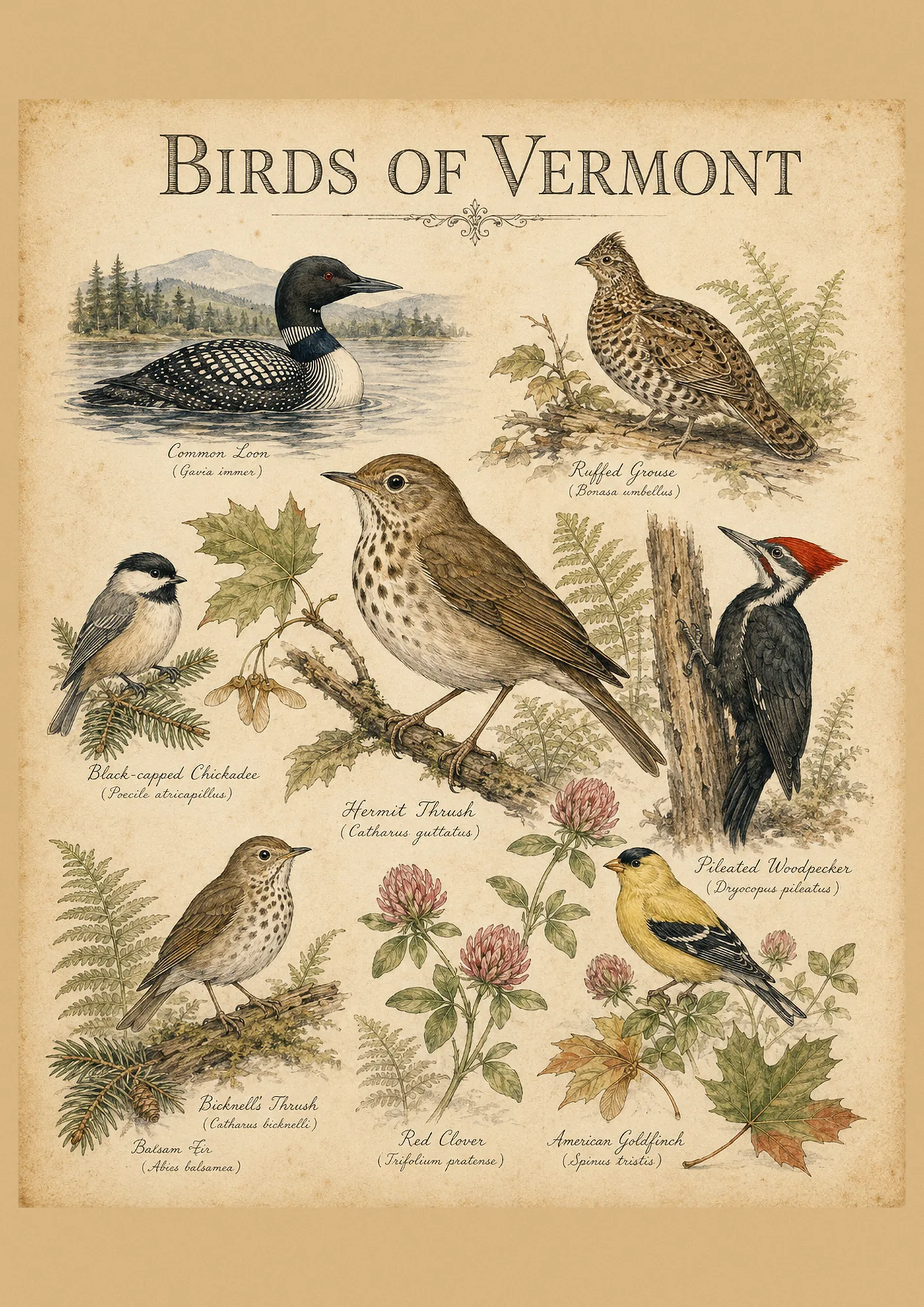
The Vermont Legislature officially named the Hermit Thrush (Catharus guttatus) the state bird on June 1, 1941. It nearly did not happen. Some lawmakers argued that a bird which migrates south for winter could not be a true Vermonter - they preferred the American Crow or Blue Jay, both year-round residents. The opposition folded when fellow legislators and local birders made the case: the Hermit Thrush breeds in every one of Vermont’s 14 counties, and its song was accepted as one of the finest in North America. The Vermont Federated Women’s Clubs had already made the same argument in 1927, when they first put the bird forward as their preferred state symbol. It took 14 more years for the Legislature to agree.
Cornell’s All About Birds describes the Hermit Thrush song as a series of fluted phrases - each one beginning on a whistled note, then branching upward in spiraling variations. The bird does not repeat itself. Males sing at dawn and again in fading light, typically from inside the forest rather than from a high exposed perch, which is part of why the sound seems to come from everywhere at once.
Vermont itself is small - 160 km north to south - but it runs from Lake Champlain in the northwest, with its extensive wetlands and migration corridor, through the Green Mountains spine, to the boreal forest and spruce bogs of the Northeast Kingdom in the northeast corner. That range produces a bird list with genuine depth. The Vermont Bird Records Committee lists approximately 400 species in the official state checklist.
Vermont’s signature species
Bicknell’s Thrush (Catharus bicknelli) is the bird that draws serious listers to Vermont’s high summits. In the United States, the species breeds only on the highest peaks of the Northeast - the montane spruce-fir zone above about 900 metres. Vermont Center for Ecostudies estimates roughly 71,000 adult birds remain in the U.S. population. Climate change is compressing the spruce-fir band upward, and the species has nowhere higher to go. Mount Mansfield and Jay Peak are two reliable Vermont sites; the birds arrive in late May and are gone south by August.
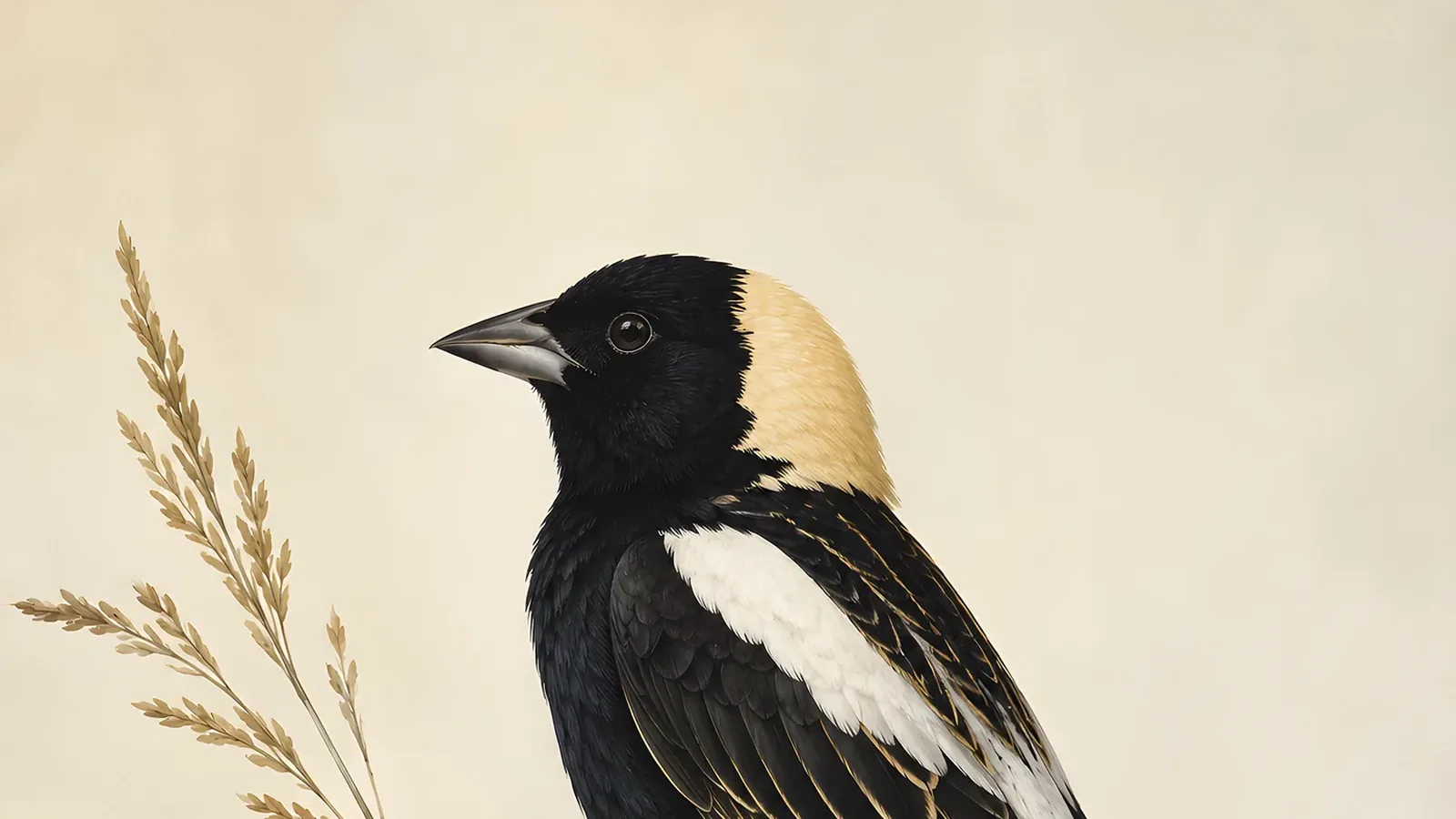
Bobolink (Dolichonyx oryzivorus) is the grassland specialist that once moved in waves over Vermont’s dairy farm meadows. The Vermont Center for Ecostudies now lists it as a Species of Special Concern. Bobolinks need field patches of at least four hectares to hold a breeding territory, and as farms consolidate and hayfields are cut earlier in the season, the birds lose ground. A singing male Bobolink in June - that bubbling, metallic cascade over a hayfield - is one of the more specific sounds of a Vermont summer, and it is becoming rarer.
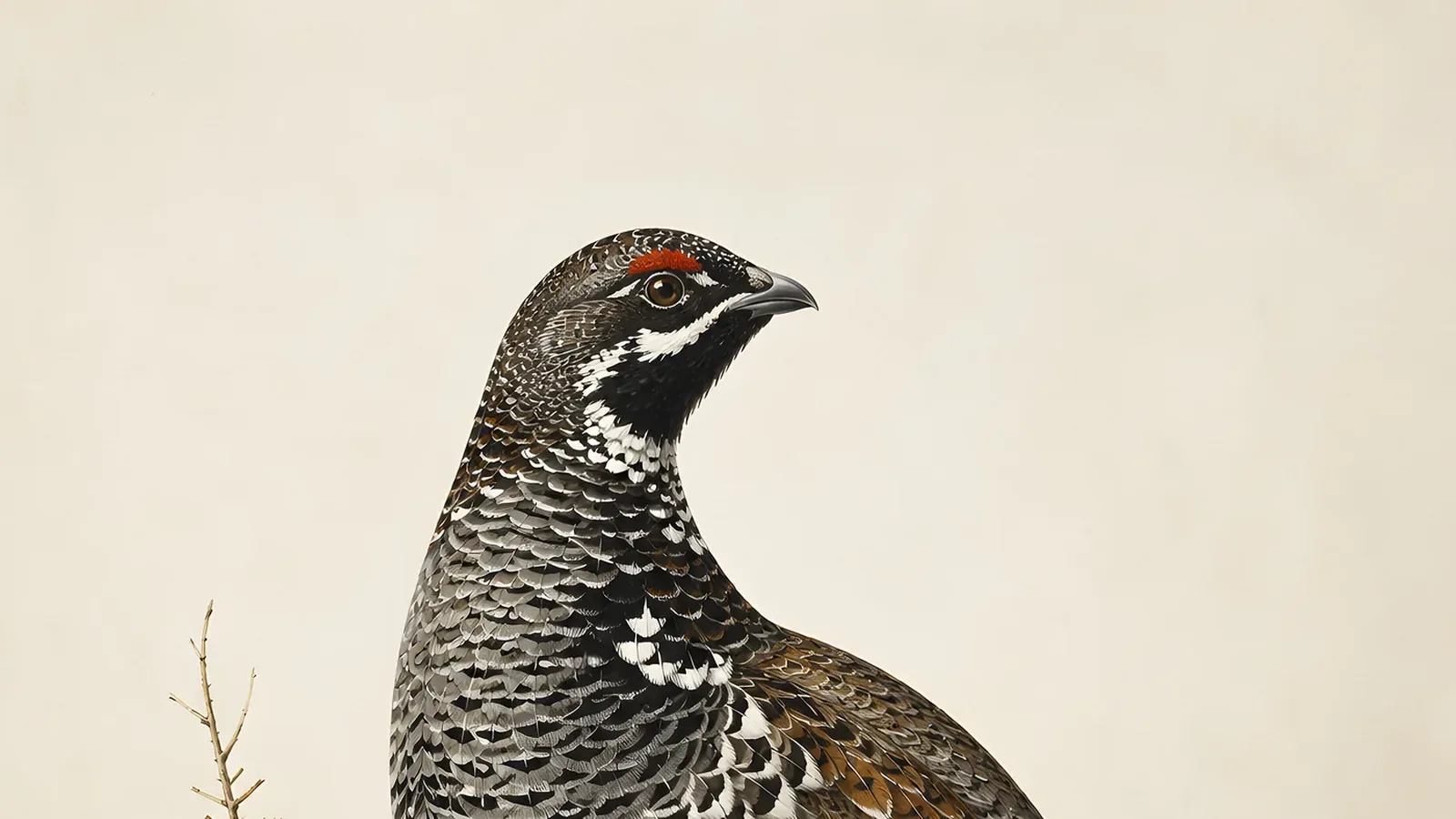
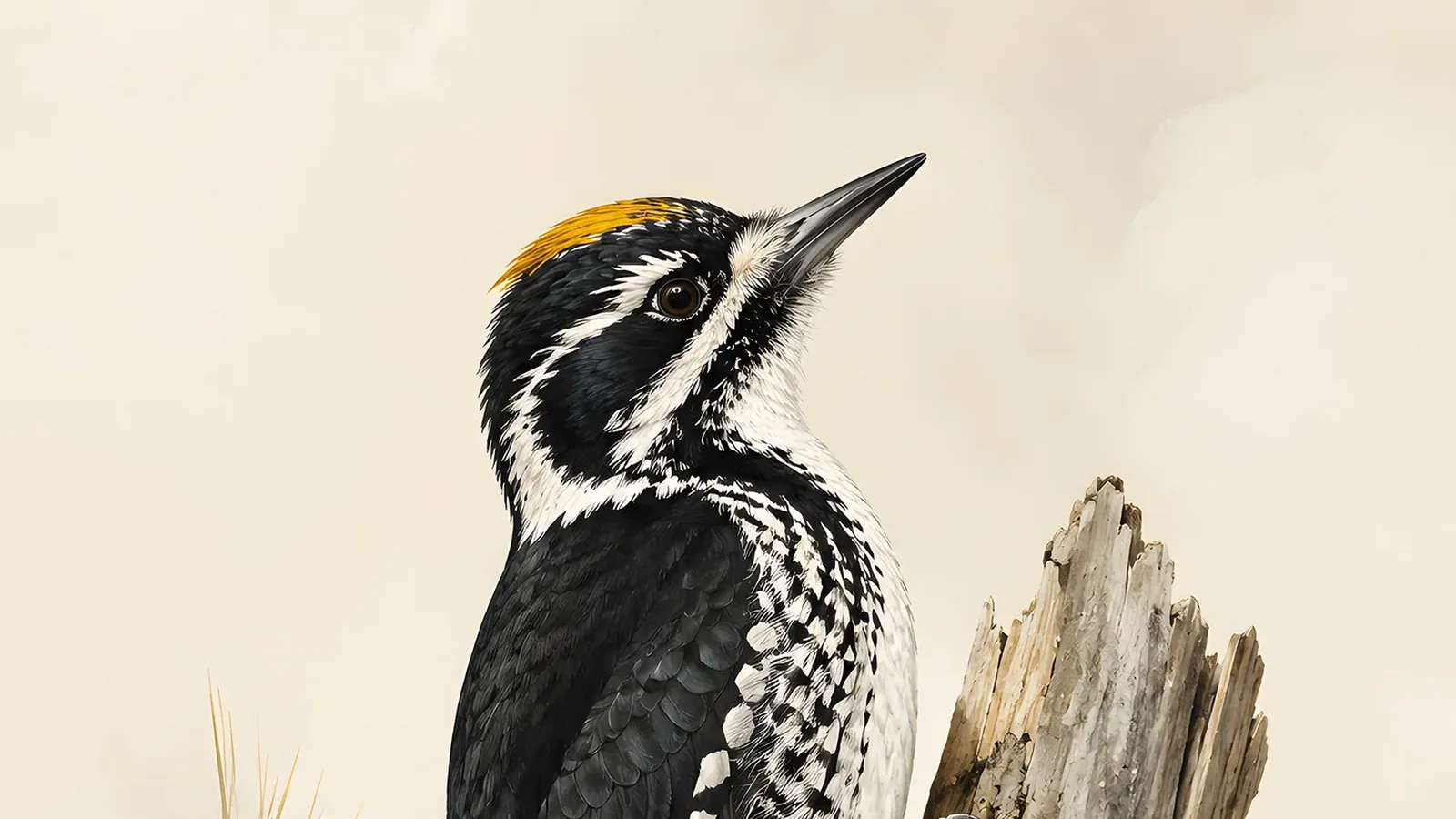
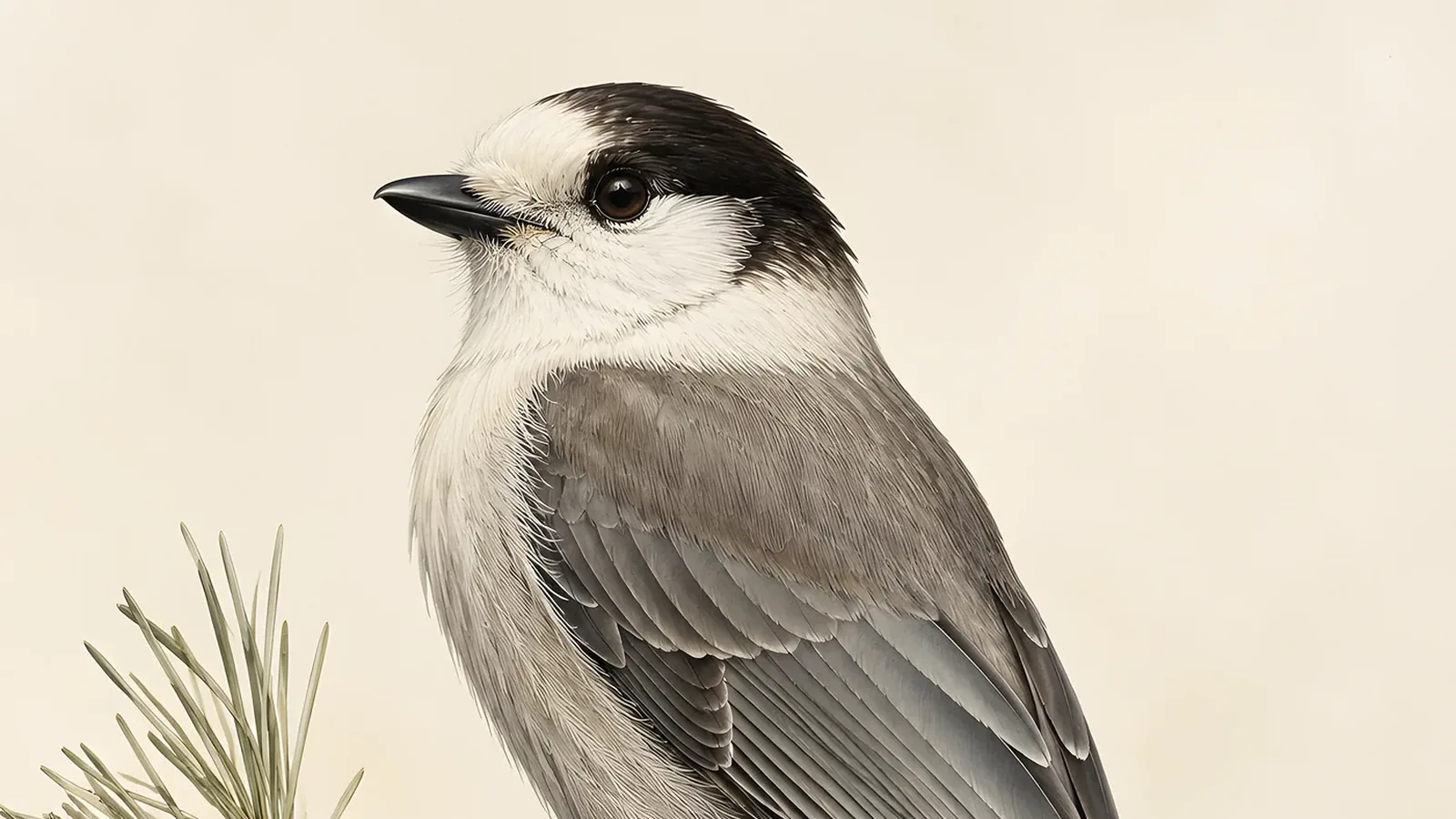
Spruce Grouse (Falcipennis canadensis) is dependent on damp black spruce stands in the Northeast Kingdom. Along with Black-backed Woodpecker (Picoides arcticus), Boreal Chickadee (Poecile hudsonica), and Canada Jay (Perisoreus canadensis), it forms what regional birders call the NEK Grand Slam - four boreal species that require a trip to the spruce bogs of Orleans or Essex counties to find. Moose Bog in the Wenlock Wildlife Management Area is the most-visited site for all four.
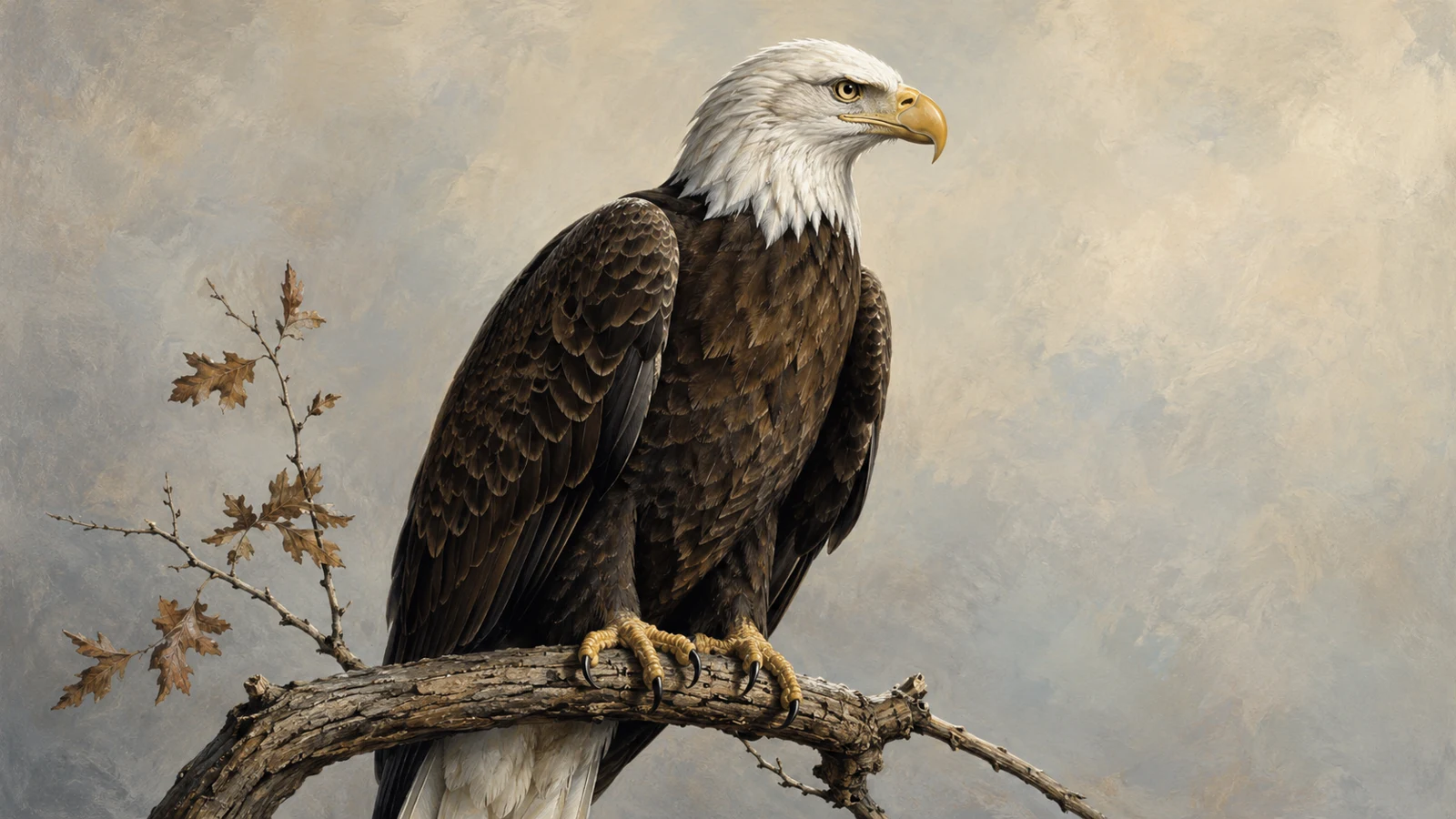
Bald Eagle (Haliaeetus leucocephalus) has recovered strongly in Vermont. Osprey and Bald Eagle both nest along Lake Champlain, and wintering birds concentrate along the unfrozen sections of the Winooski and Connecticut rivers.
Top backyard species
A typical Vermont garden, year-round or seasonal:
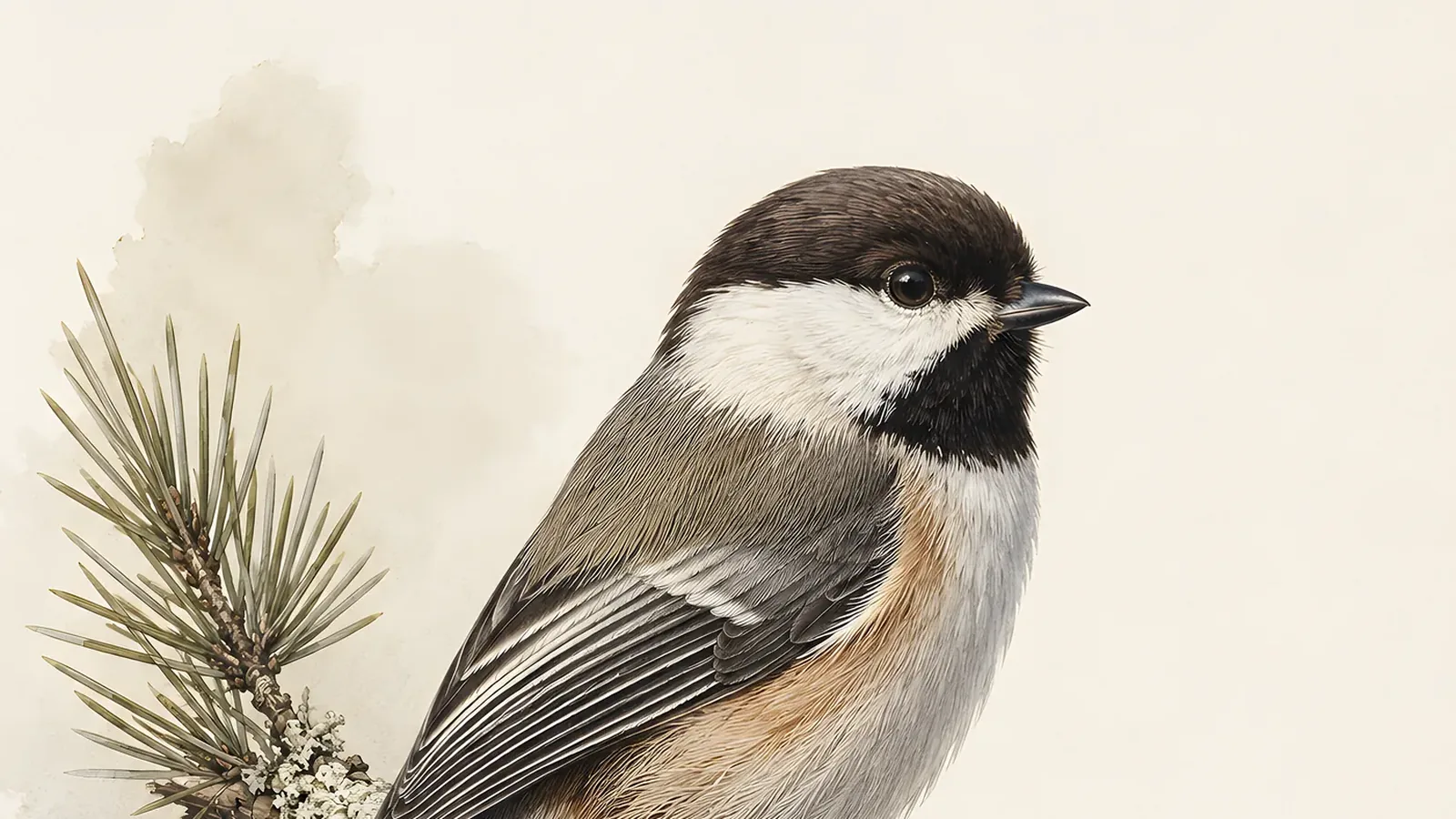
- Black-capped Chickadee (year-round, common)
- American Robin (year-round, abundant breeder)
- American Goldfinch (year-round)
- Downy Woodpecker (year-round)
- Pileated Woodpecker (year-round, forest edges)
- Mourning Dove (year-round)
- Blue Jay (year-round)
- Dark-eyed Junco (year-round, more numerous in winter)
- White-breasted Nuthatch (year-round)
- Cedar Waxwing (summer; winter flocks in fruit-bearing trees)
- Ruby-throated Hummingbird (May to September)
- Purple Finch (year-round, more at feeders in winter)
- Wild Turkey (year-round)
- Canada Goose (year-round)
Where and when to watch
Dead Creek Wildlife Management Area (Addison County) peaks in October, when tens of thousands of Snow Geese stage in the farm fields along Vermont Route 17. The Goose Viewing Area on Route 17 is one of the most-visited wildlife spectacles in the state. Waterfowl numbers can reach 20,000 ducks in autumn.
Missisquoi National Wildlife Refuge (Franklin County, near Swanton) covers 6,729 acres of wetland at the Missisquoi River delta on Lake Champlain. The refuge hosts a large breeding colony of Great Blue Heron, along with nesting Osprey and Bald Eagle. The Maquam and Black Creek trails are eBird-documented hotspots. Spring migration here, from late April through May, brings shorebirds, wading birds, and waves of wood-warblers.
Mount Mansfield (4,393 feet, Vermont’s highest peak) is accessible by toll road from late May through mid-October. The alpine zone and the krummholz belt just below the summit are the two most reliable places in Vermont for Bicknell’s Thrush, though the bird keeps low in the dense vegetation and calls more than it shows. Hawks ride the thermals over the ridge in autumn; the Green Mountains form a minor hawk migration corridor.
Moose Bog - Wenlock Wildlife Management Area (Essex County) is the flagship Northeast Kingdom birding site. A short walk leads to a boardwalk and viewing platform over a black-spruce bog. The four boreal specialties - Spruce Grouse, Black-backed Woodpecker, Boreal Chickadee, and Canada Jay - are present year-round, though they are easier to locate in winter when the trees are bare. eBird data for Moose Bog rank it among Vermont’s top hotspots by species diversity.
Vermont’s birding calendar runs from the first returning Red-winged Blackbirds in late February through the peak of spring warbler migration in the second and third weeks of May - Lake Champlain’s western shore concentrates migrants moving north - then through a breeding season that puts Bicknell’s Thrush on the summits from June through July. August is the first departure: shorebirds begin moving south through the lakeside mudflats, and Bicknell’s Thrush goes quiet on the peaks. October brings the Snow Geese to Dead Creek. By December, northern finch species - Purple Finch, Common Redpoll, and in some years Pine Siskin or Evening Grosbeak - arrive at feeders in numbers that vary with the cone crop failure cycle to the north.
The Hermit Thrush migrates south in autumn and returns in April. By mid-May, males are singing again in the spruce and mixed-wood forests across all 14 counties. The lawmakers who objected in 1941 were technically right that the bird leaves. They missed the point. A state bird that returns every spring and announces itself before any other forest species - that is a better emblem than one that simply stays.