State Guide
Birds of Iowa
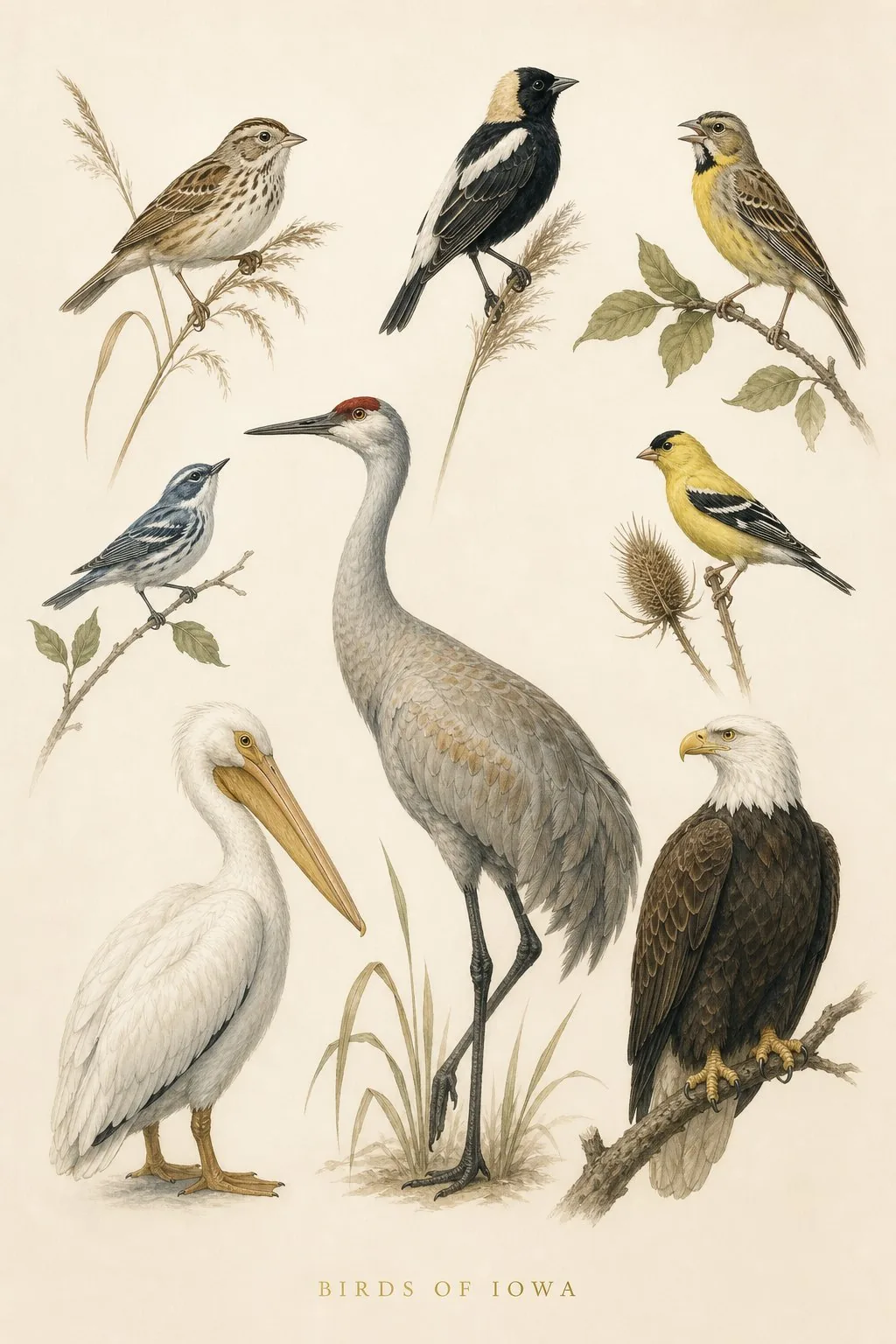
Iowa’s state bird was nearly the Western Meadowlark. The Iowa Ornithologists’ Union had been pushing for a state bird since 1926, and the meadowlark had enough support that a statewide schoolchildren’s vote was organised to settle the question. That vote never happened. When the IOU reconvened in Des Moines in May 1932, the assembly voted directly, chose the American Goldfinch (Spinus tristis) - then classified as Carduelis tristis and commonly called the “wild canary” - and sent the resolution to the legislature. State Representative J. Wilbur Dole introduced the motion in the Iowa House, and the Eastern Goldfinch became Iowa’s official state bird on March 22, 1933.
The goldfinch earned the designation partly by being genuinely common and year-round in Iowa rather than partly migratory, and partly because the male in breeding plumage is, by any practical standard, the most vivid small bird an Iowa child in 1932 was likely to see from a classroom window. He is a bright sulphur-yellow bird with black wings and a black cap, his flight undulating, his call a clear per-chi-cree. The female is duller yellow-green, easy to overlook. By late summer both sexes go quiet and olive, and the birds that wintered at your feeder in February are the same individuals that look almost unrecognisable by October.
Iowa’s bird list, as maintained by the Iowa Ornithologists’ Union, stands at 432 recorded species. That number reflects the state’s position at the intersection of three ecological zones: the eastern deciduous forest edge, the central grassland flyway, and the Mississippi and Missouri River corridors. Less than 0.1 per cent of Iowa’s original tallgrass prairie survives in fragments. The birds that once filled it - meadowlarks, bobolinks, Henslow’s Sparrows, Dickcissels - are now concentrated on managed refuges and reconstructed grasslands, and finding them requires knowing where to look.
Signature species
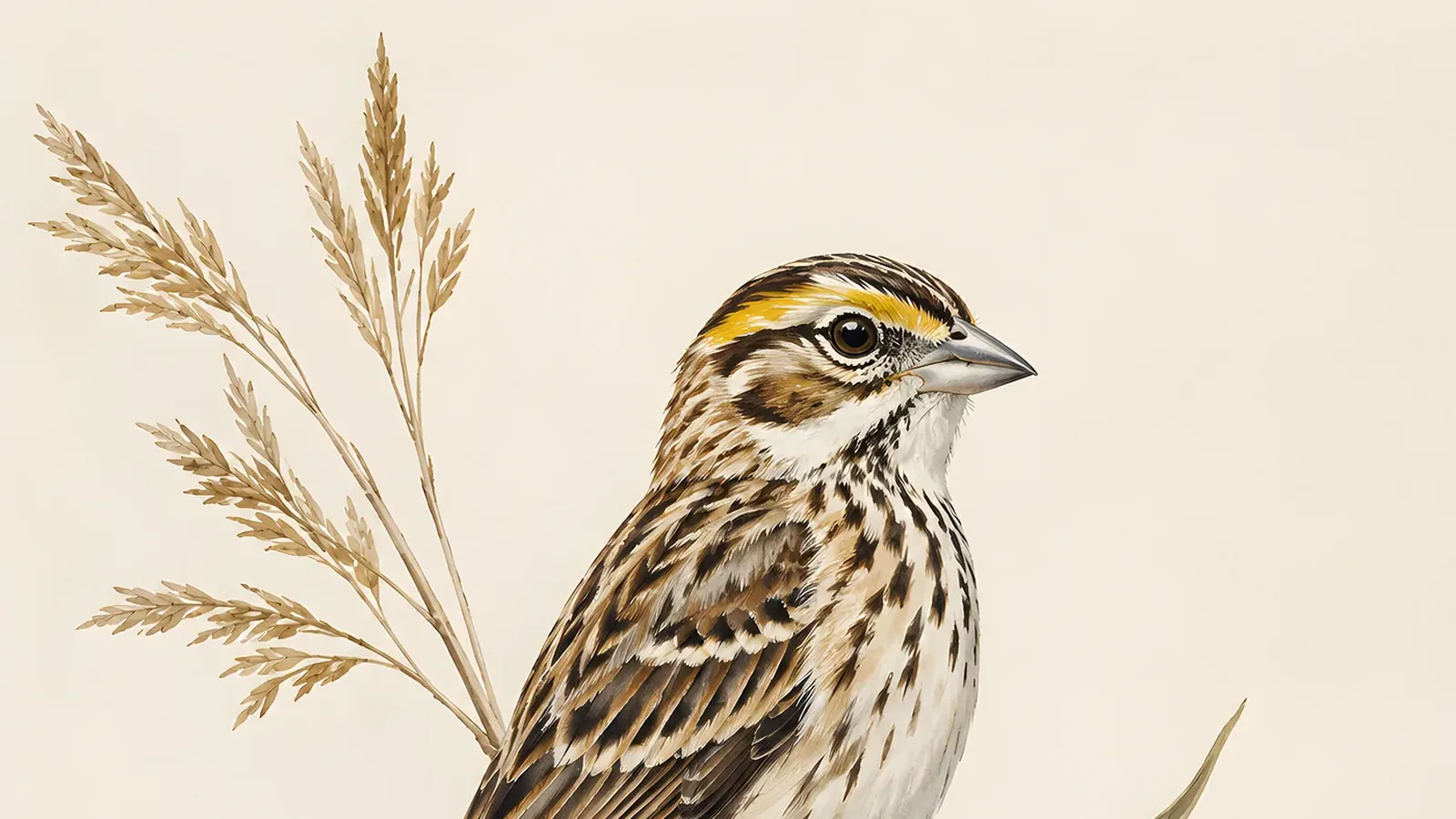
Henslow’s Sparrow is the state’s most quietly dramatic grassland bird. The species needs large, undisturbed stands of tall grass to breed. Iowa’s reconstructed tallgrass prairies at Neal Smith National Wildlife Refuge, 20 miles east of Des Moines, have become one of the more reliable sites to hear the bird’s flat two-syllable hiss-ick call in June and July. Neal Smith was established in 1990 specifically to protect, restore, and reconstruct native ecosystems of tallgrass prairie, oak savanna, and sedge meadow. Cornell’s All About Birds notes Henslow’s Sparrow as a species of conservation concern, and the Iowa reconstructions have demonstrably increased its breeding density in the state.
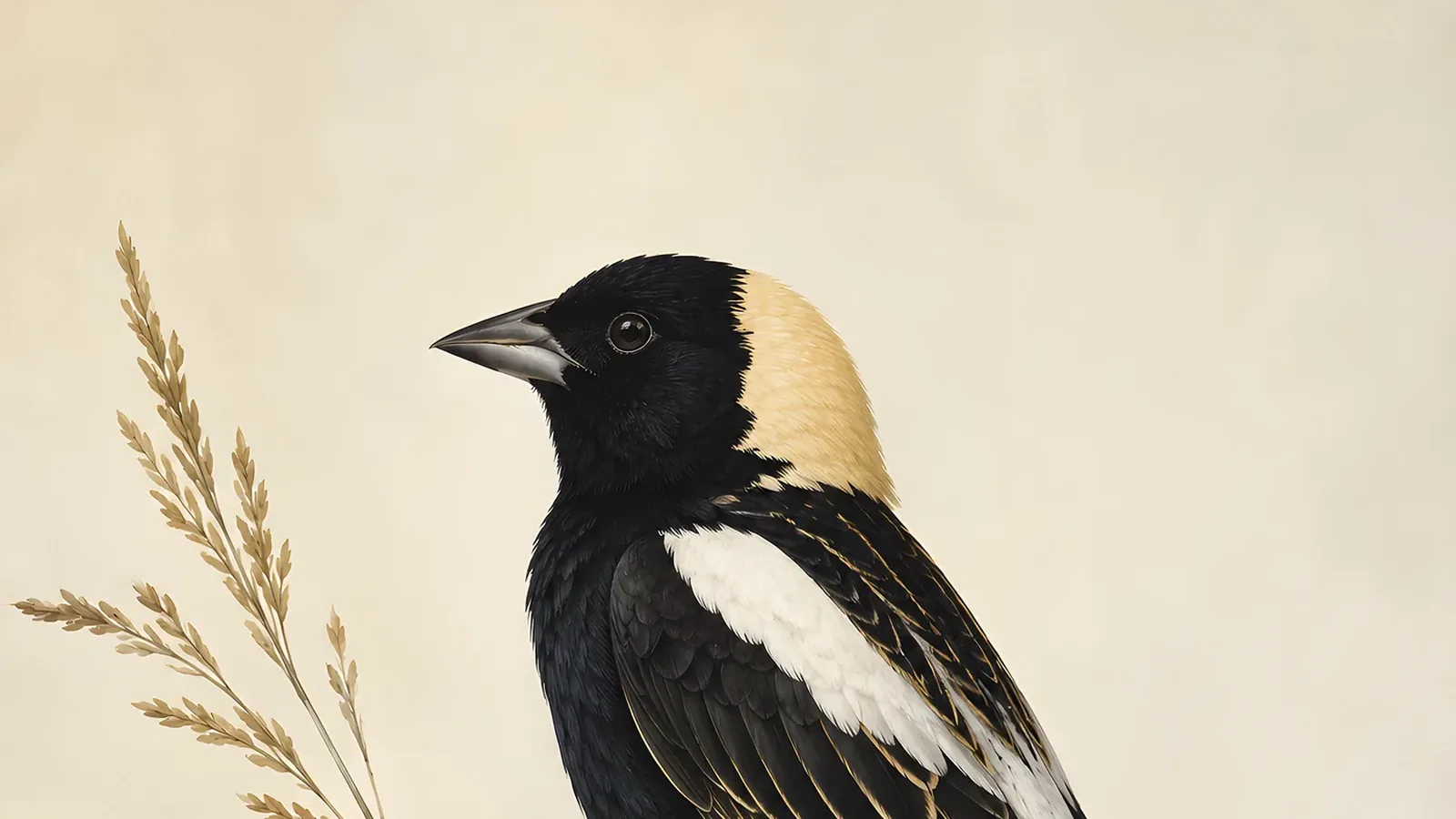
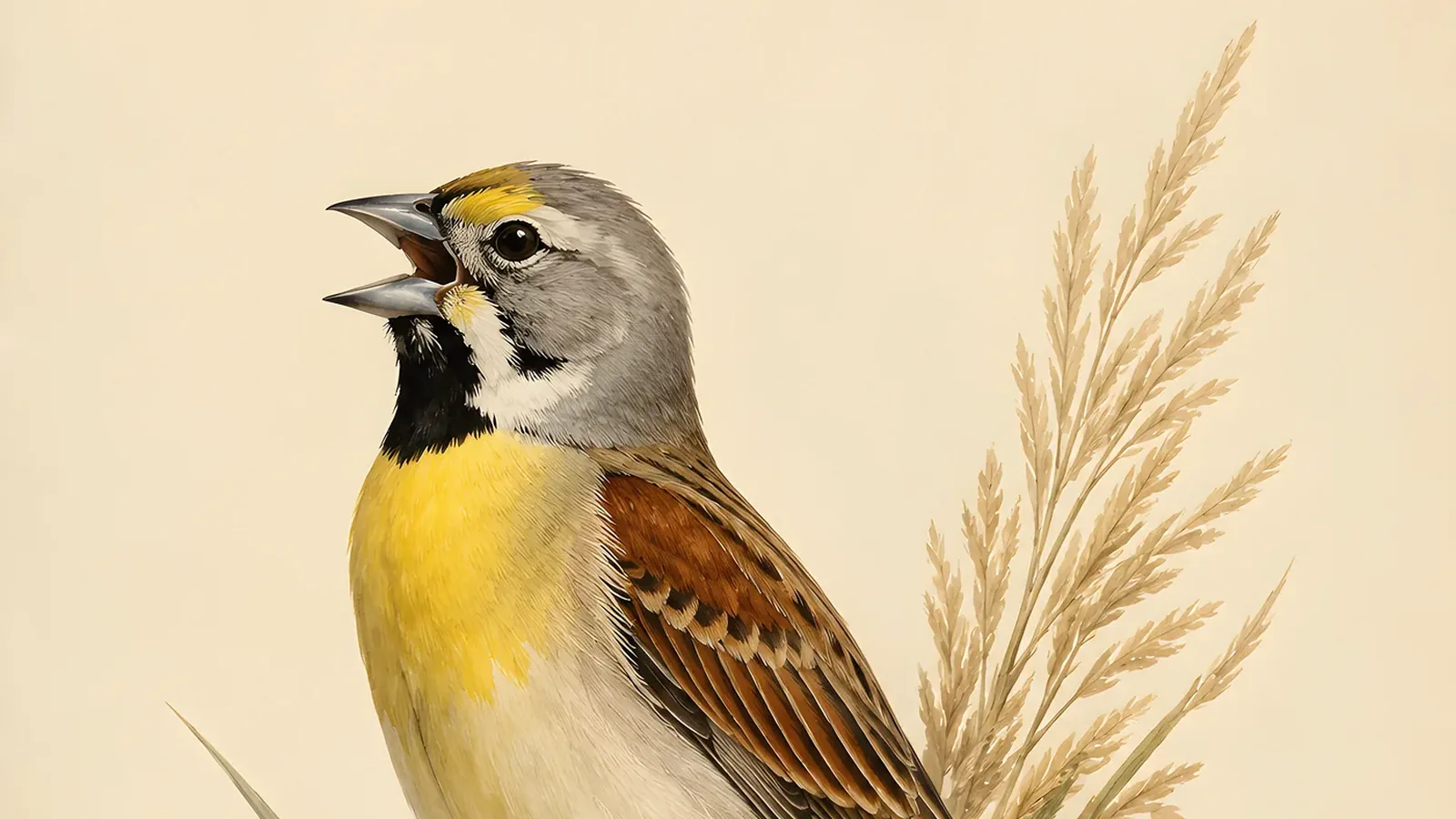
Bobolink and Dickcissel breed at Neal Smith alongside the Henslow’s Sparrow, and both species reward the effort of a June morning walk on the prairie trail. The bobolink’s bubbly, electronic-sounding song is one of the more recognisable sounds in the reconstructed grassland. The Dickcissel resembles a small meadowlark and perches on fence wires in farm country through much of central Iowa in summer.
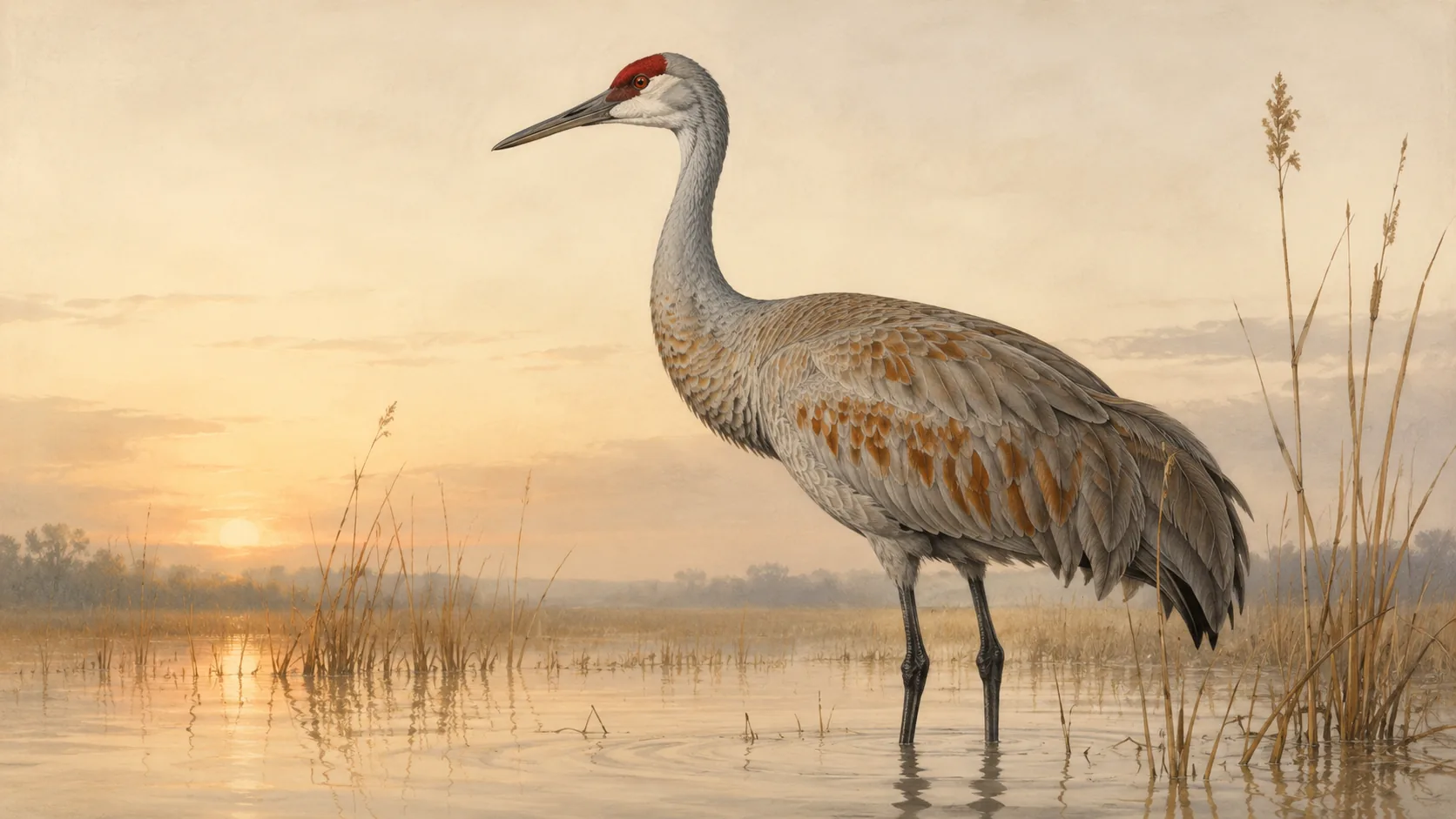
Sandhill Crane is Iowa’s great autumn spectacle. DeSoto National Wildlife Refuge, located along the Missouri River on the Iowa-Nebraska border about 20 miles north of Omaha, hosts staging cranes through October and into November. The refuge, which covers 8,365 acres of managed bottomland forest, tallgrass prairie, and wetland on both sides of the state line, also winters tens of thousands of ducks and geese. The Fish and Wildlife Service’s count of crane viewers at DeSoto reaches into the thousands on peak autumn weekends.
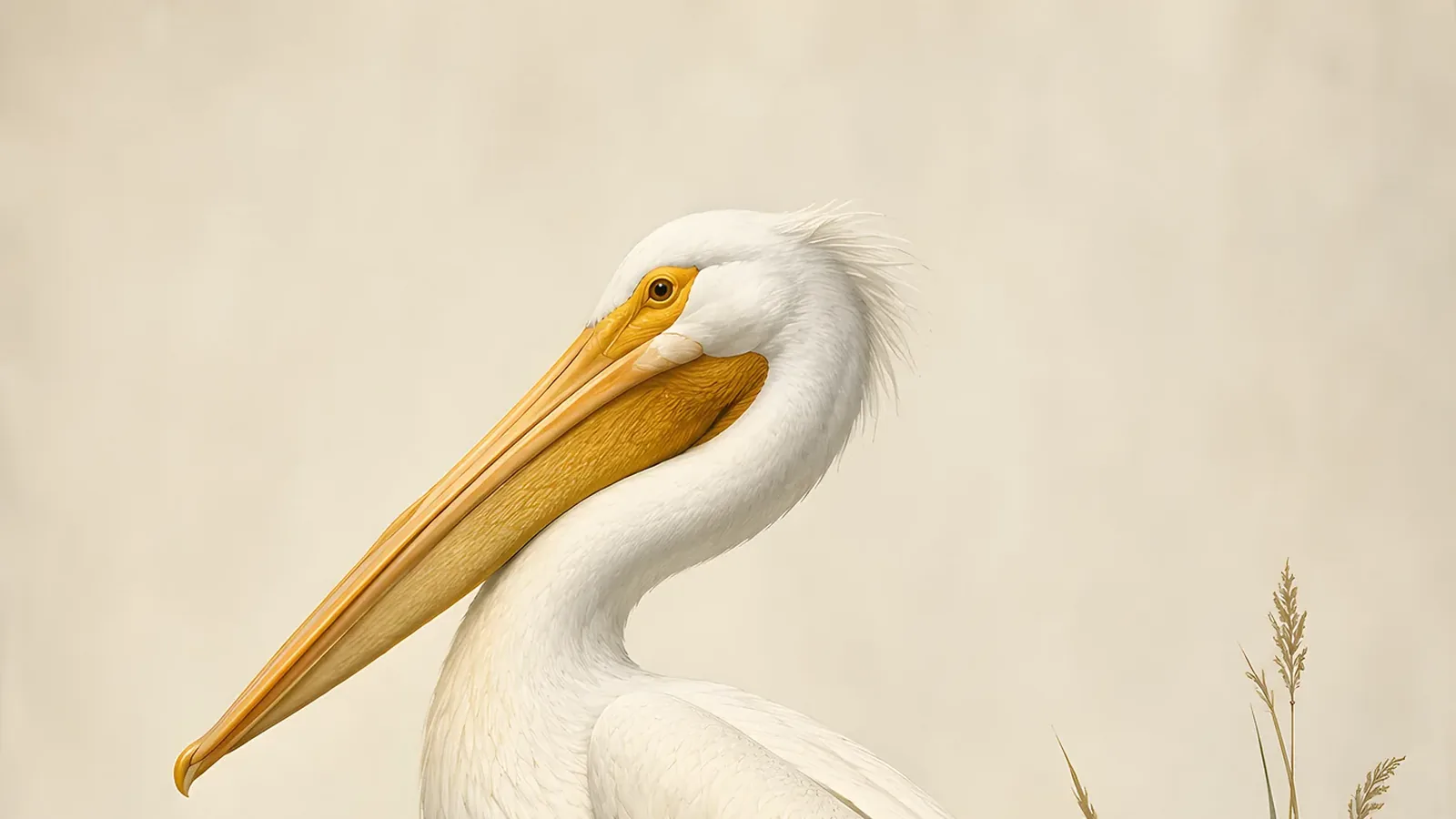
American White Pelican is the most striking spring and autumn migrant on Iowa’s larger reservoirs. The species moves through Saylorville Reservoir and Red Rock Reservoir in numbers, feeding in the shallows and riding thermals in the afternoon. The birds are white with black flight feathers and a nine-foot wingspan - impossible to misidentify.
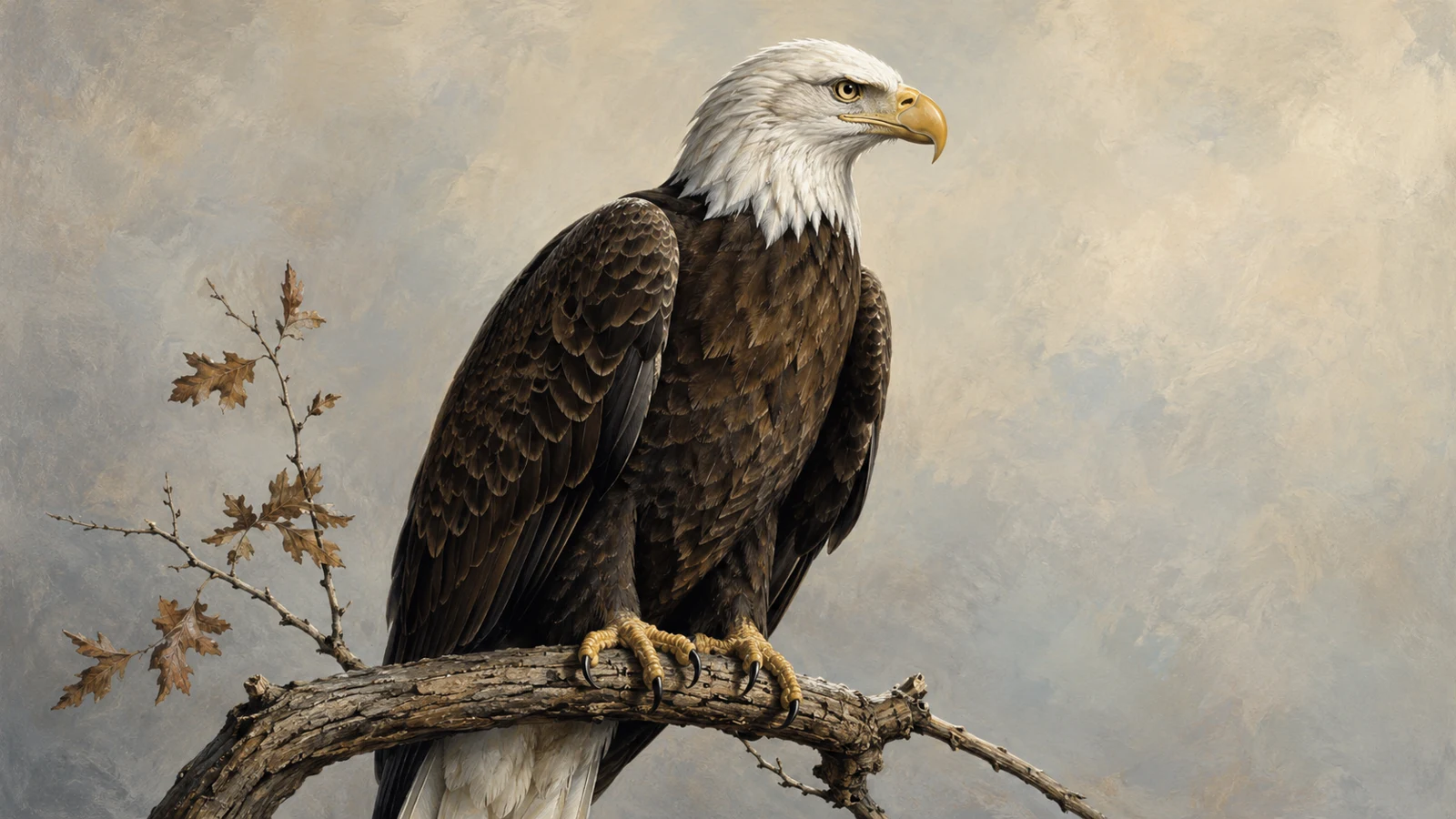
Bald Eagle has staged a documented recovery along Iowa’s rivers since the 1980s. The Mississippi River corridor in eastern Iowa now holds one of the largest concentrations of wintering Bald Eagles in the Midwest. Lock and Dam 14 near LeClaire and the Upper Mississippi River National Wildlife and Fish Refuge, which spans 240,000 acres across four states, provide open water and fish through hard winters when every other waterway freezes over.
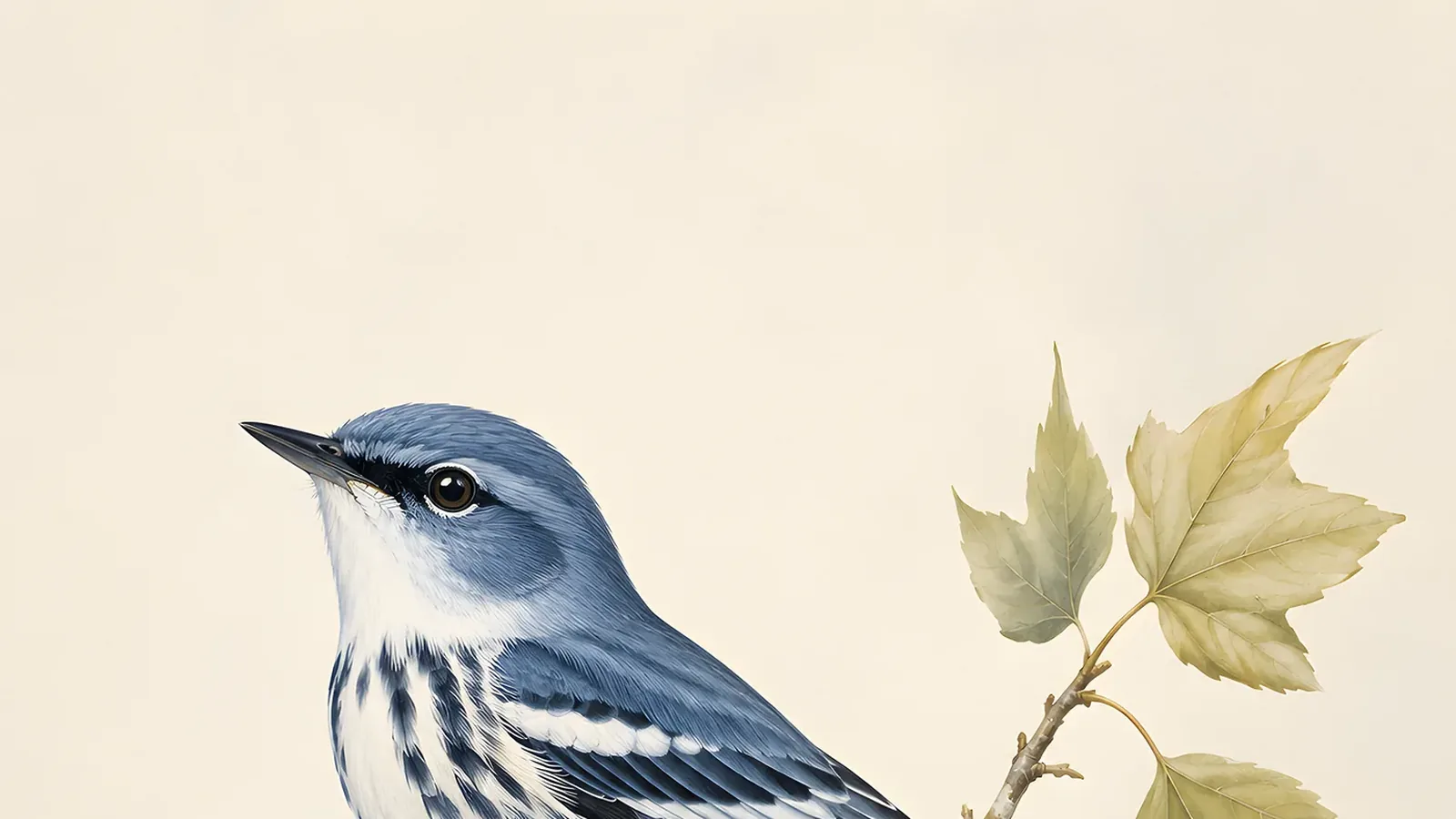
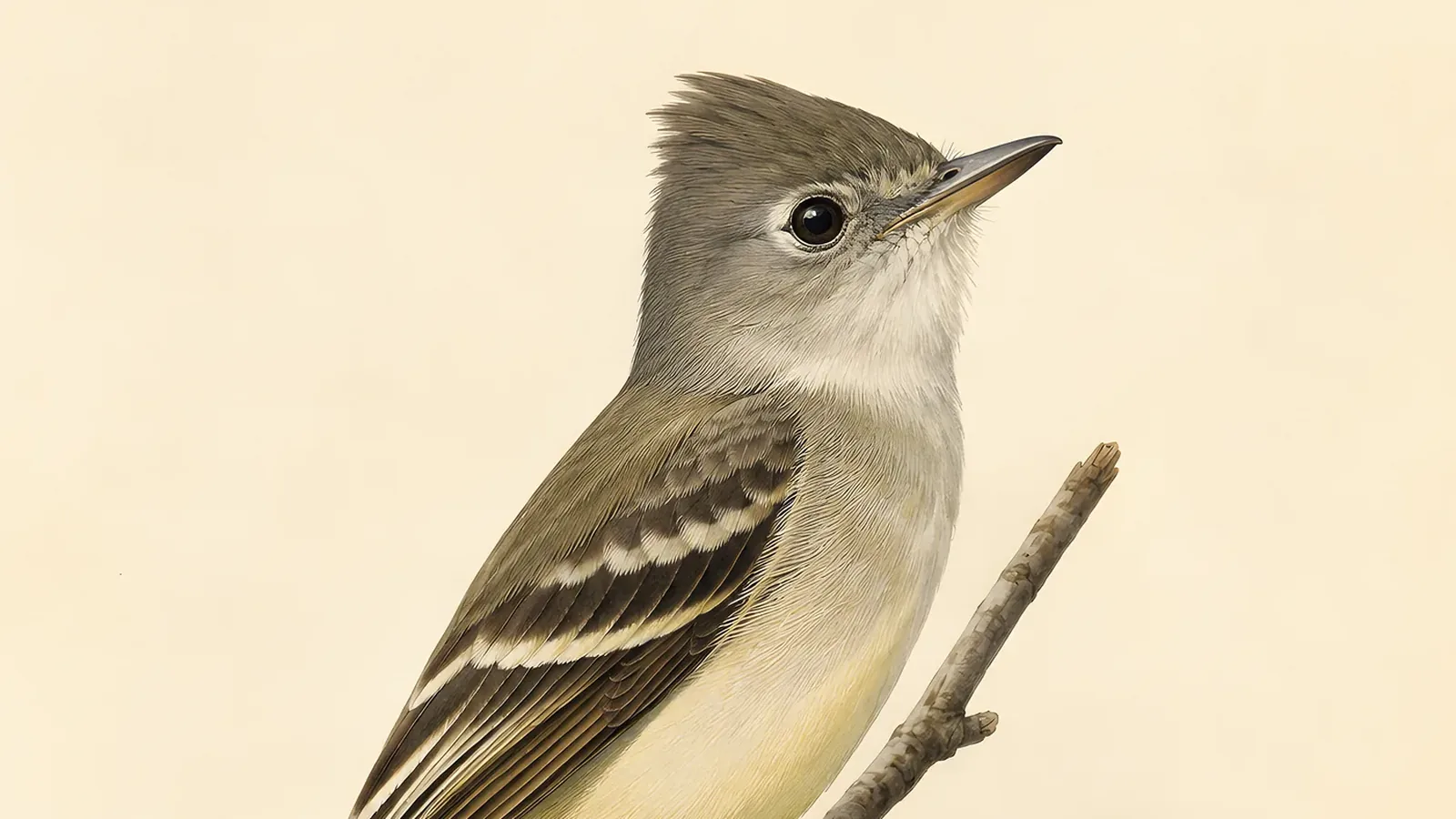
Cerulean Warbler and Acadian Flycatcher breed in the mature hardwood corridors of northeastern Iowa. Yellow River State Forest and the upland timber near Effigy Mounds National Monument are the most reliable sites. Both species need deep interior forest, and Iowa’s remnant timber patches - particularly in the rugged terrain where glaciation did not flatten the landscape - are holding a fragment of that breeding community.
Top backyard species
Iowa suburbs host a predictable but genuinely good feeder list:
- American Goldfinch (state bird, year-round, common at nyjer feeders)
- Northern Cardinal (year-round)
- American Robin (year-round, forages on lawns)
- Blue Jay (year-round)
- Black-capped Chickadee (year-round throughout the state)
- Downy Woodpecker (year-round)
- Eastern Bluebird (year-round in suitable habitat with nest boxes)
- Cedar Waxwing (year-round, forms large winter fruit-eating flocks)
- Mourning Dove (year-round)
- House Finch and Purple Finch (regular at seed feeders)
The goldfinch takes nyjer seed and sunflower seed, and in breeding plumage the male at a feeder in May is one of the more striking small-bird sightings available in any North American backyard. Pairs arrive later for nesting than any other Iowa breeding songbird, waiting until mid-summer when thistle seed - their primary nestling food - is available.
Where and when to watch
Saylorville Reservoir (north of Des Moines) is Iowa’s most-visited birding site. eBird records put the species total above 300, and the reservoir functions as a waterfowl and shorebird staging ground in both spring and autumn. The adjacent Jester Park has documented over 250 species. Migrant loons, grebes, and diving ducks concentrate on the open water in October and November. The Saylorville area is also an Important Bird Area designated by Audubon.
Neal Smith National Wildlife Refuge (Prairie City, east of Des Moines) is the place to look for grassland breeding specialists from May through July. Henslow’s Sparrow, Grasshopper Sparrow, Bobolink, Dickcissel, Upland Sandpiper, and both Eastern and Western Meadowlark breed on the restored tallgrass. The refuge also holds free-roaming bison and elk, which shape the grass structure in ways that benefit ground-nesting birds.
DeSoto National Wildlife Refuge (Harrison County, Iowa side) is the place to be in late October for crane staging. Bring binoculars and patience; the cranes feed at dawn and dusk and roost on the refuge oxbow lake overnight. The refuge also holds a significant waterfowl count through November.
Upper Mississippi River National Wildlife and Fish Refuge (eastern Iowa counties along the Mississippi) offers year-round birding across backwater sloughs, river islands, and floodplain forest. Bald Eagle numbers peak in January and February on the open river below the locks and dams.
Seasonal rhythm
Spring migration in Iowa peaks in the first two weeks of May, with warblers, shorebirds, and neotropical breeders moving north through the river corridors. The tallgrass prairie singers - bobolinks and Dickcissels - arrive in late May and are easiest to hear in June. Summer is the breeding season; July and August are quieter. Autumn shorebird migration begins in August on mudflats around reservoirs. October brings the crane staging and the waterfowl build-up. December and January are the months for Bald Eagles on open river and Snowy Owl irruptions in some years on open farmland.
Iowa is not an obvious birding destination the way Ohio’s Magee Marsh or Nebraska’s Platte River crane concentration are. It does not have a single event that draws international crowds. What it has is a quiet coherence: a state where the official bird was nearly something else, where less than a tenth of a percent of the original prairie survives, and where the birds that lived in that prairie are slowly, cautiously, coming back.