State Guide
Birds of Utah
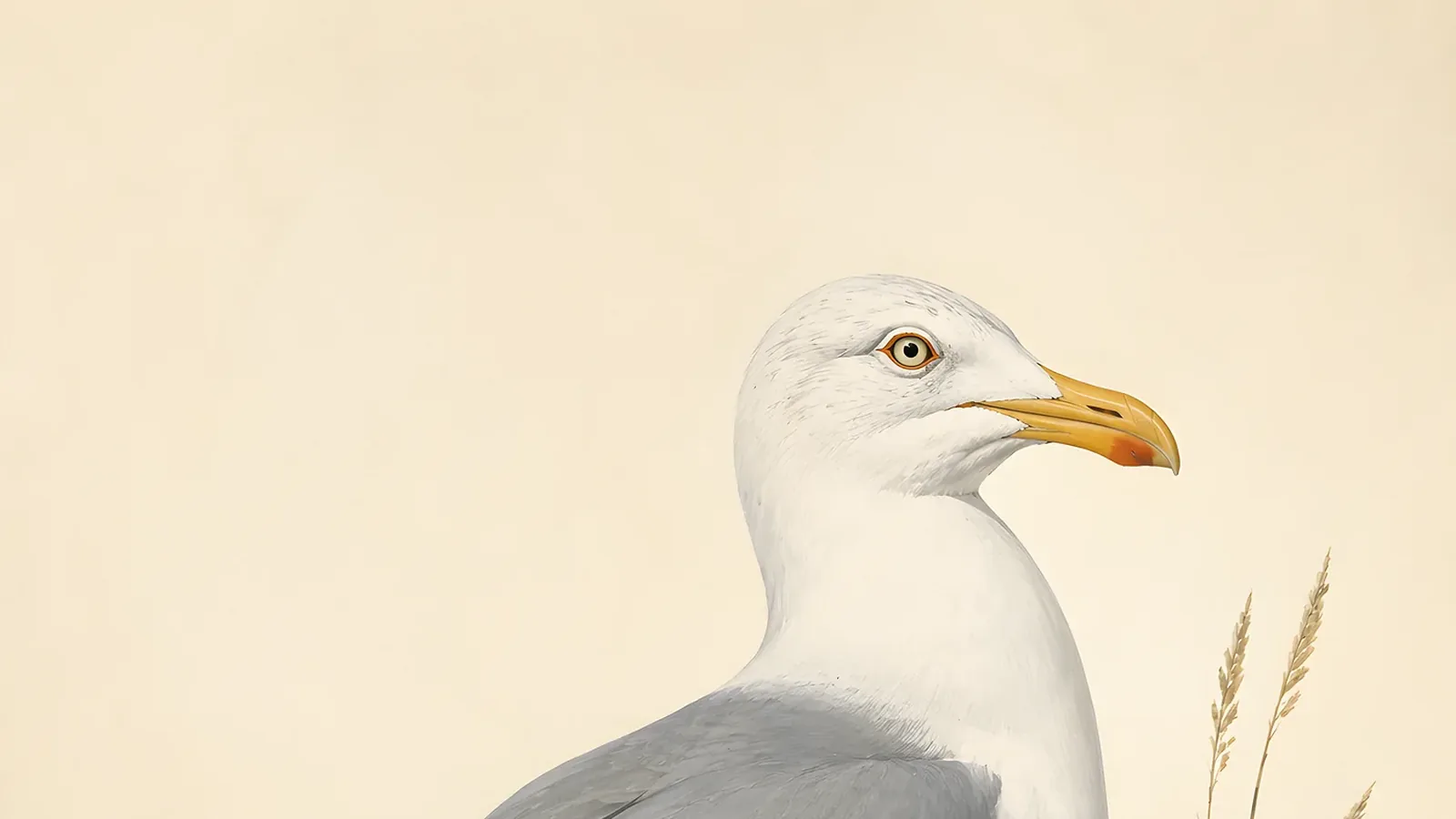
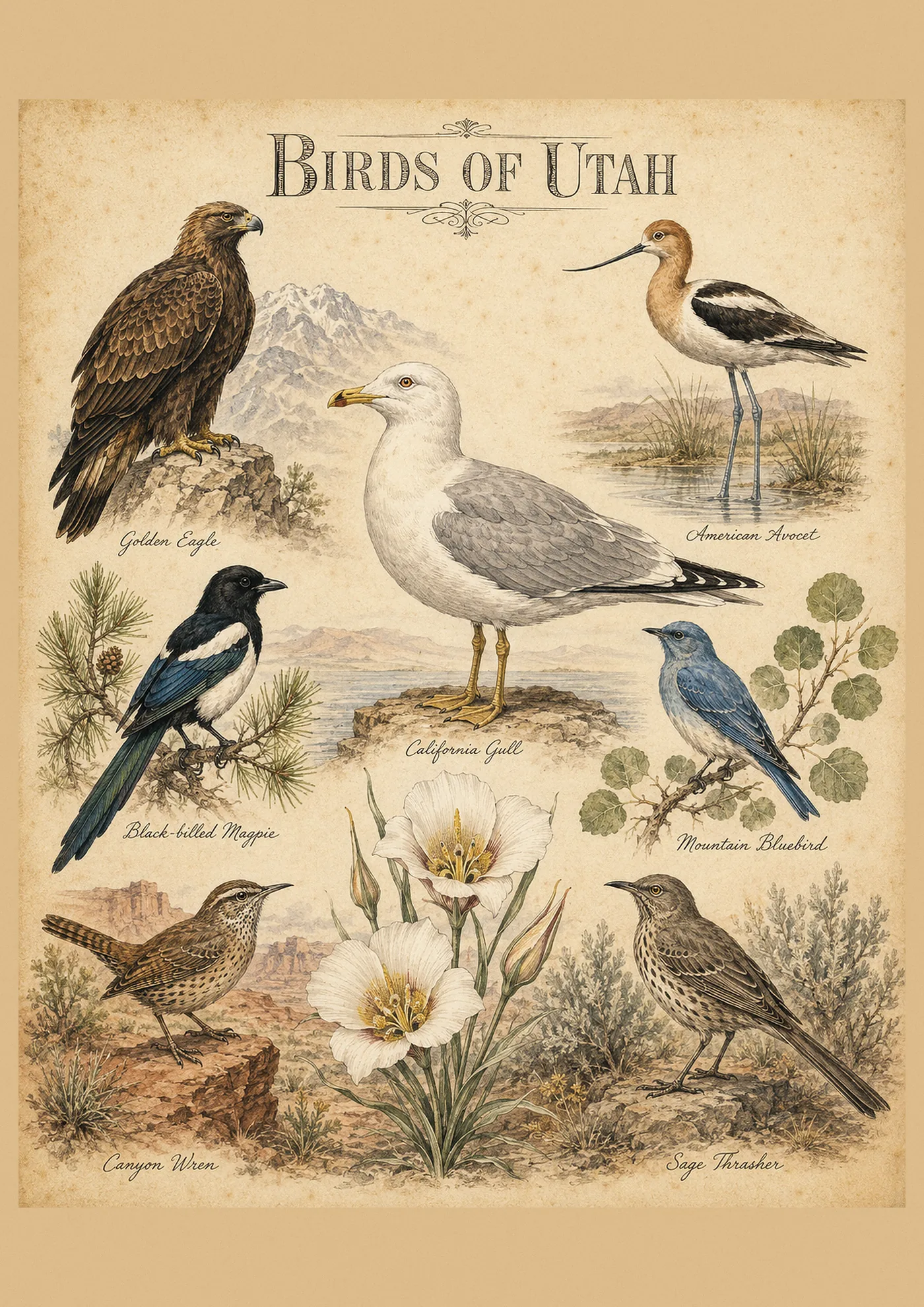
In 1955 the Utah State Legislature passed House Bill 51 and Governor J. Bracken Lee signed it into law on February 16, making the California Gull (Larus californicus) the official state bird. The legislation was not a sentimental gesture. It was an act of institutional memory, anchoring a specific event - the so-called Miracle of the Gulls - into state law. One hundred and seven years after the gulls appeared, Utah decided to make it permanent.
The story it commemorates: in the spring of 1848, pioneer settlers had planted their first crops in the Salt Lake Valley and faced a catastrophic plague of Mormon crickets moving through the fields. Nothing stopped the insects until great flocks of California Gulls arrived from the Great Salt Lake and spent weeks feeding on the crickets, consuming enough to save a harvest that would have otherwise failed. The Church of Jesus Christ of Latter-day Saints later erected the Seagull Monument on Temple Square in Salt Lake City in 1913 - reportedly the first monument in the world dedicated to a bird - sculpted by Mahonri MacKintosh Young. The legislature simply confirmed, four decades later, what Utah already believed about the bird.
California Gulls breed colonially in Utah, nesting on islands in the Great Salt Lake and at Utah Lake. They are not visitors passing through. They belong here.
Signature and speciality species
Utah sits at the convergence of the Great Basin, the Colorado Plateau, the Mojave Desert, and the central Rocky Mountains. This layering of habitats produces a state list that surprises: the Utah Birds Records Committee has confirmed more than 460 species, and eBird data show totals exceeding 460 species recorded across all years.
California Gull is the obvious beginning. Both the Great Salt Lake and Utah Lake host breeding colonies, and the birds are year-round residents rather than seasonal visitors.
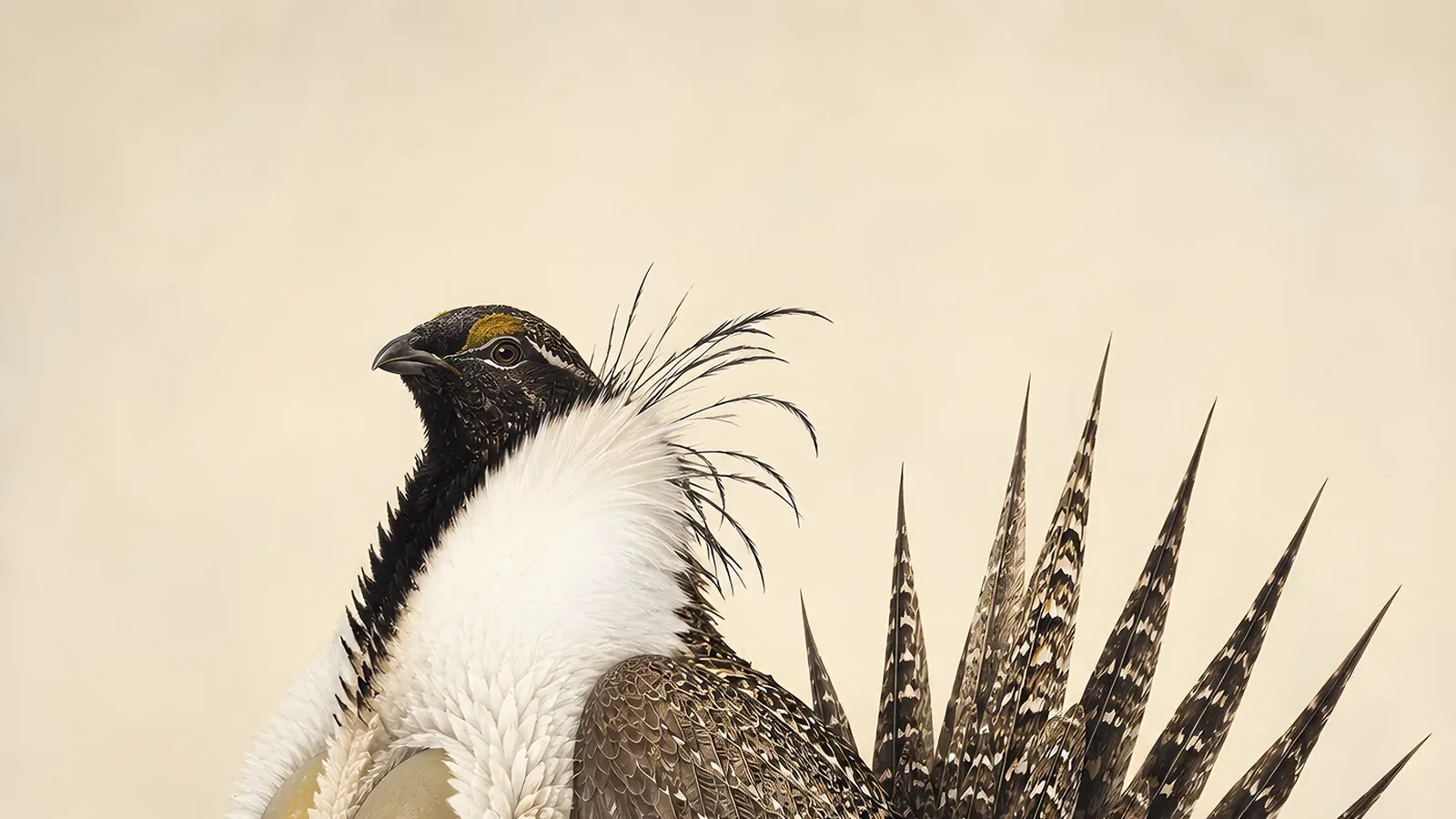
Greater Sage-Grouse performs its lekking display each spring across Utah’s sagebrush steppe. Males gather on traditional dancing grounds - open flats where visibility is long - and inflate twin yellow air sacs on their chests in a percussion-and-posture display intended to attract females. Great Salt Lake Audubon tracks lek sites in Box Elder, Tooele, and Juab counties. The bird is a reliable indicator species for intact sagebrush: where it displays, the habitat is still functional.
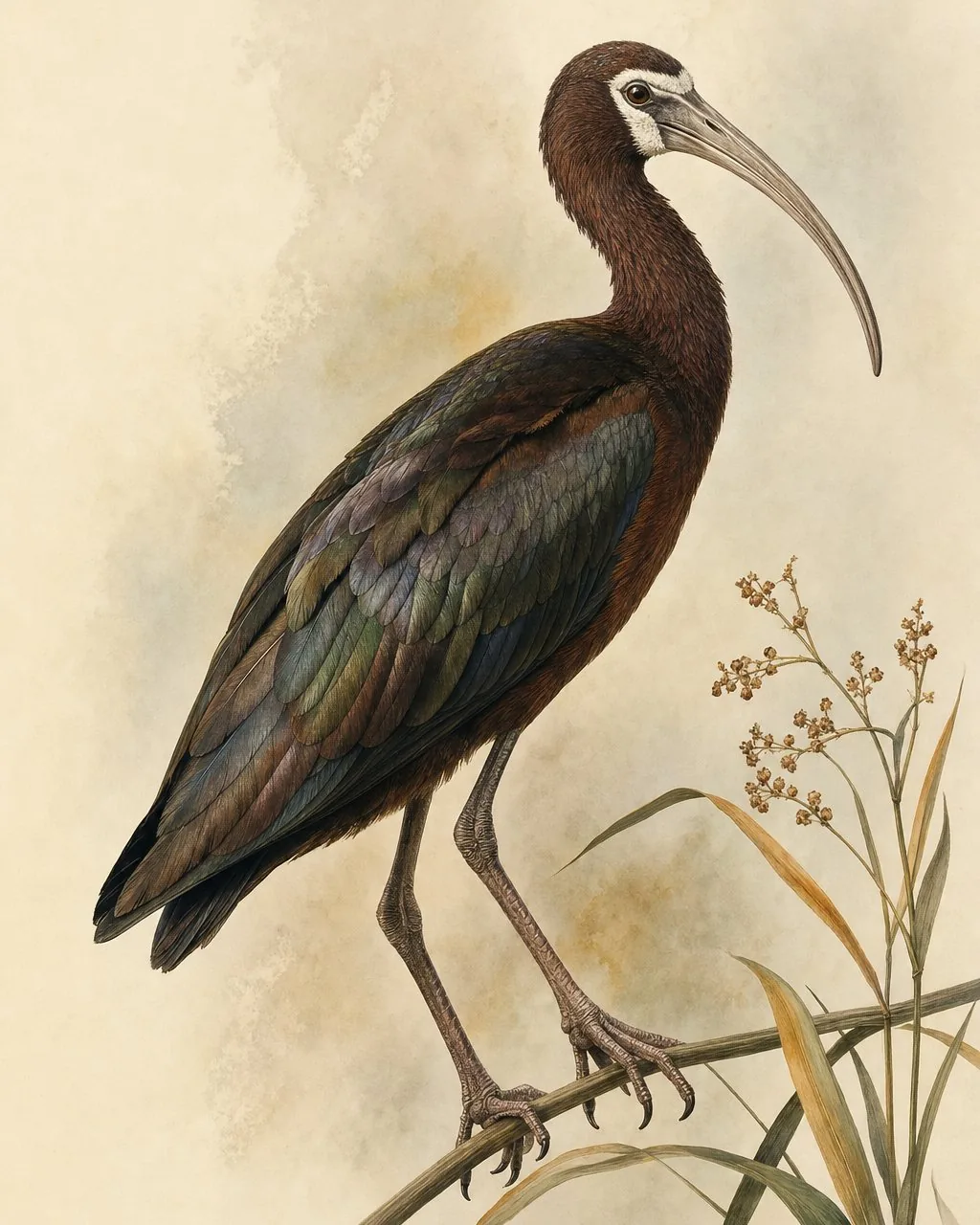
White-faced Ibis breeds in enormous numbers at Bear River Migratory Bird Refuge on the northeast arm of the Great Salt Lake. The refuge holds what wildlife managers describe as the largest nesting colony of White-faced Ibis in North America. The birds arrive in spring, bronze and iridescent in good light, and fill the marsh with a prehistoric sound.
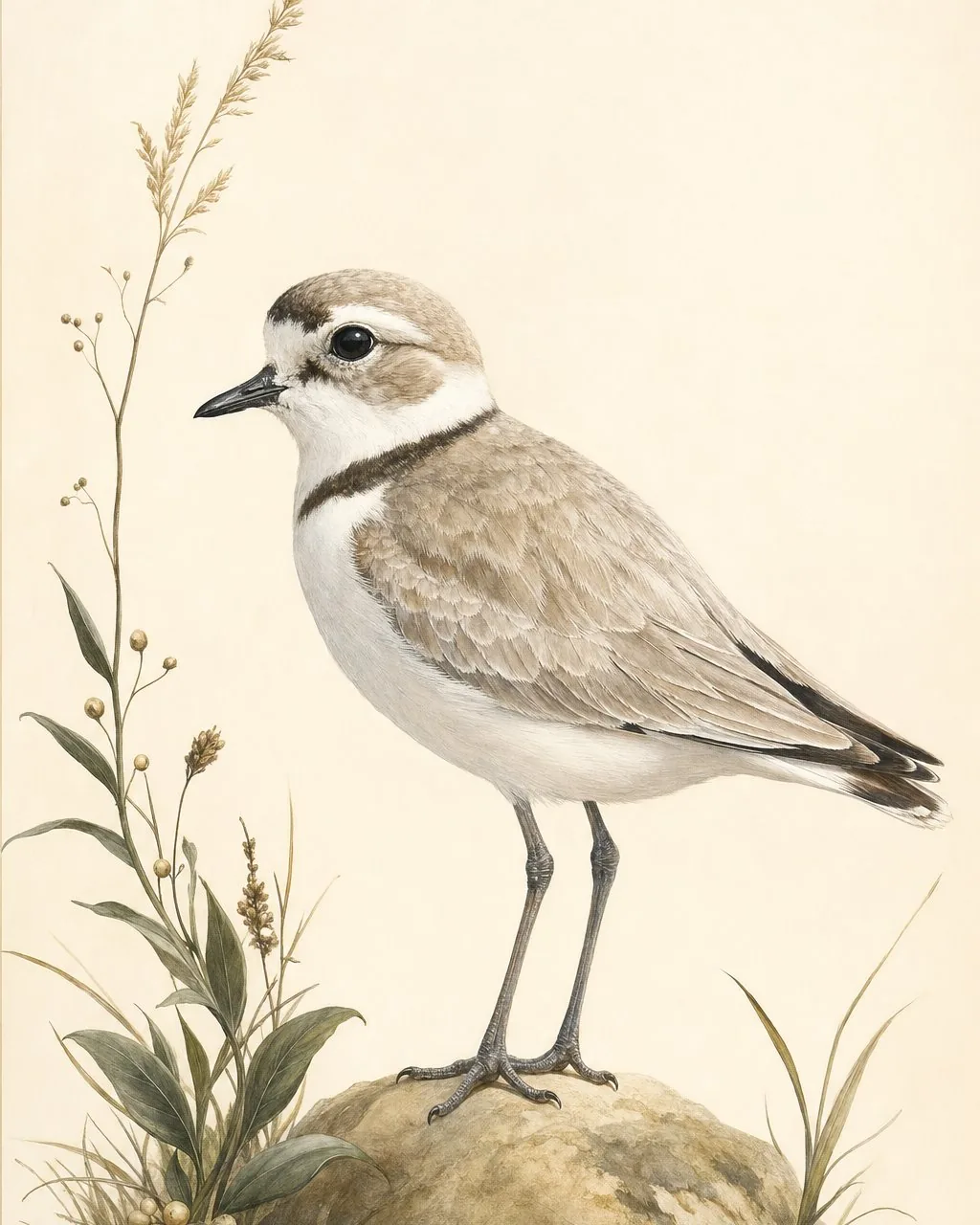
Snowy Plover breeds on the alkaline mudflats around the Great Salt Lake. A 2007-2008 survey documented 5,541 Snowy Plovers at the lake - roughly 23 percent of the total North American breeding population at that time. When Great Salt Lake water levels drop and mudflat exposure increases, the breeding numbers shift accordingly. The species is as much a gauge of lake health as a bird to watch.
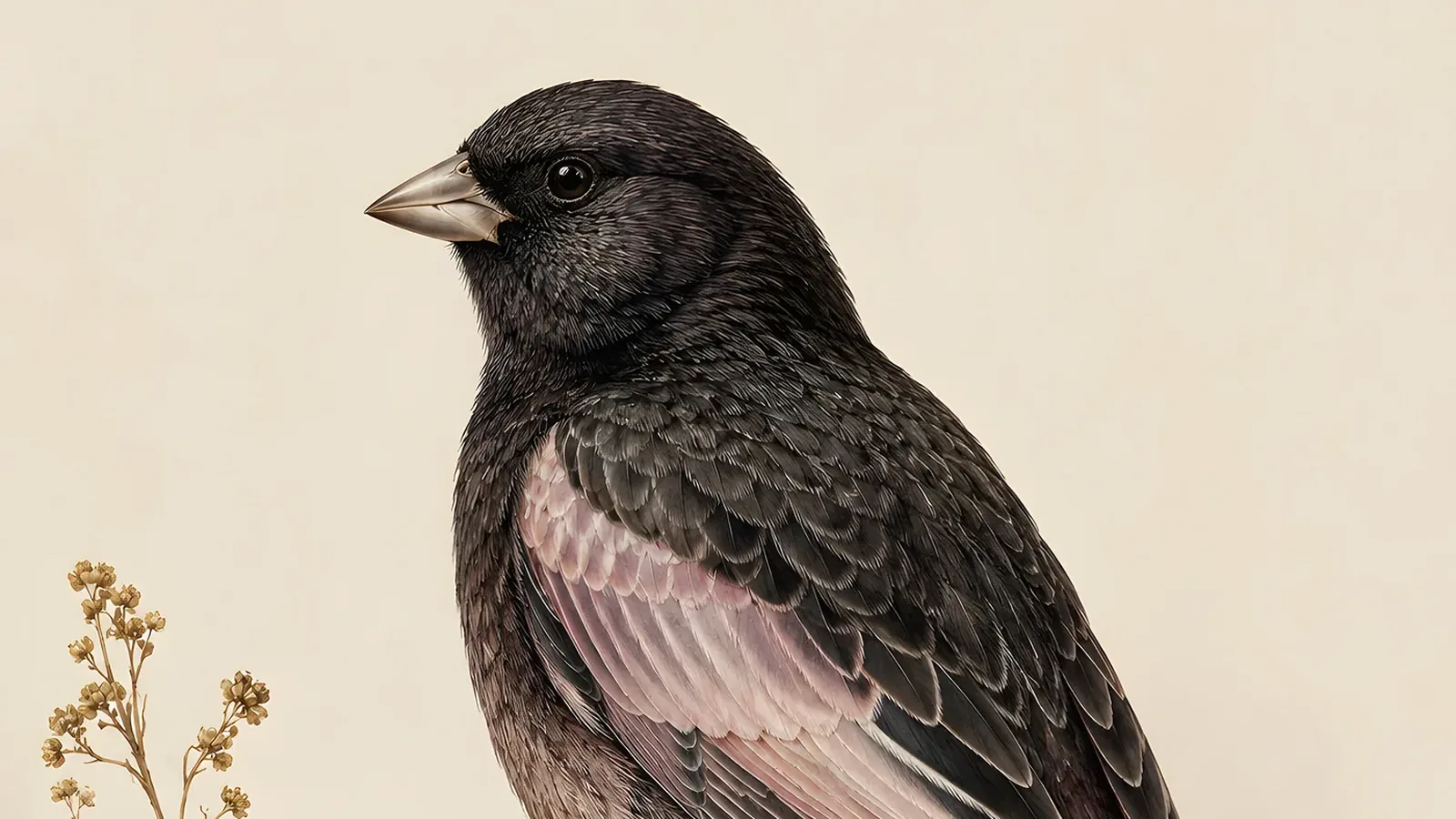
Black Rosy-Finch occupies the other extreme: alpine tundra above the treeline in the Uinta Mountains and Wasatch Range. These grey-and-pink finches are difficult in summer and spectacular in winter when they descend to lower elevations, sometimes visiting feeders at ski areas. The Mirror Lake Scenic Byway near Bald Mountain Pass offers reliable access to their summer range.
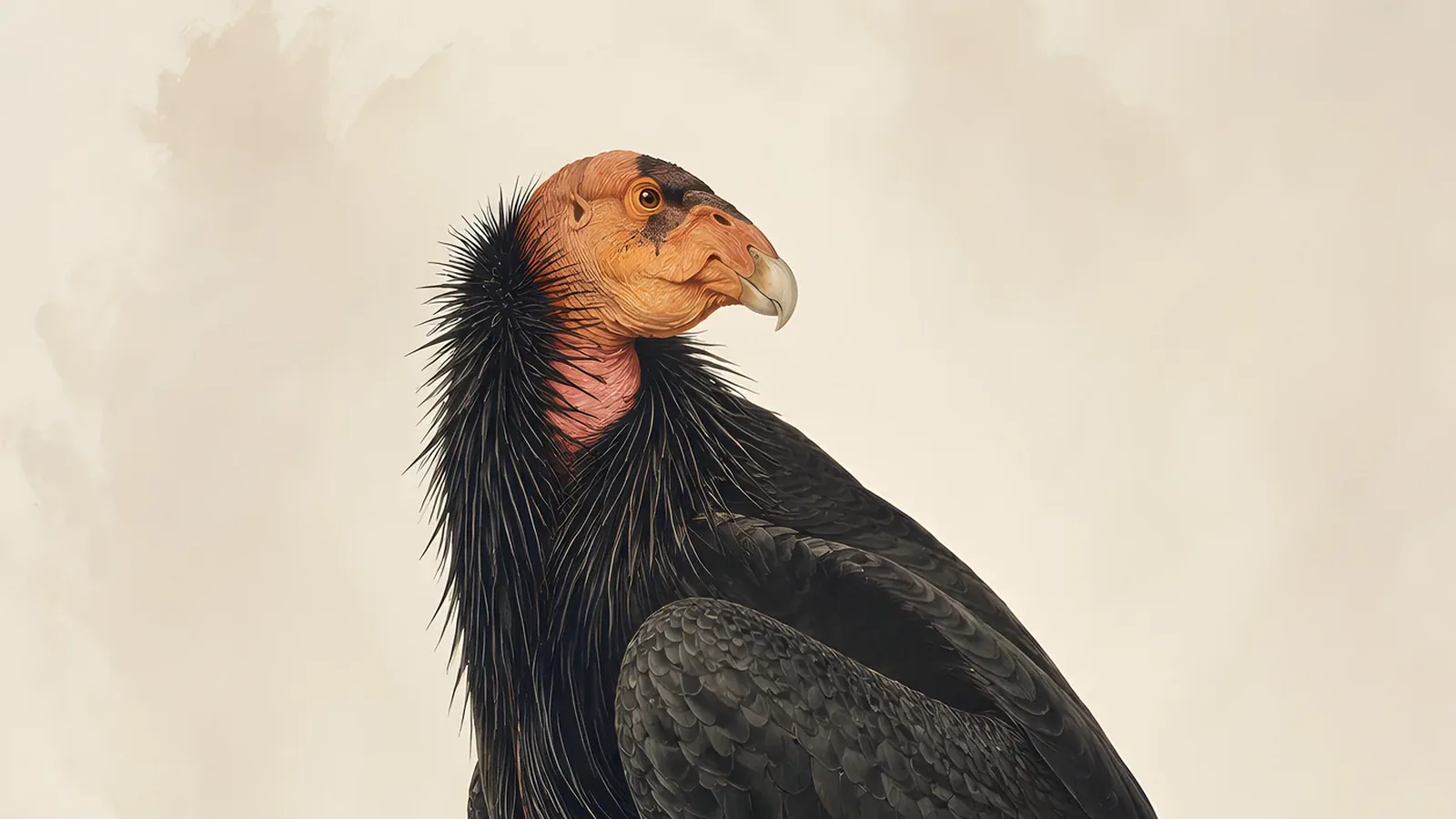
California Condor (Gymnogyps californianus) was absent from Utah for most of the twentieth century. Reintroduction efforts connected to the Vermilion Cliffs programme in Arizona have established a presence in the canyon country of southern Utah, particularly around Zion National Park. Audubon’s guide to Utah birding notes sightings in the Angels Landing area. The bird is not yet common, but it is present again.
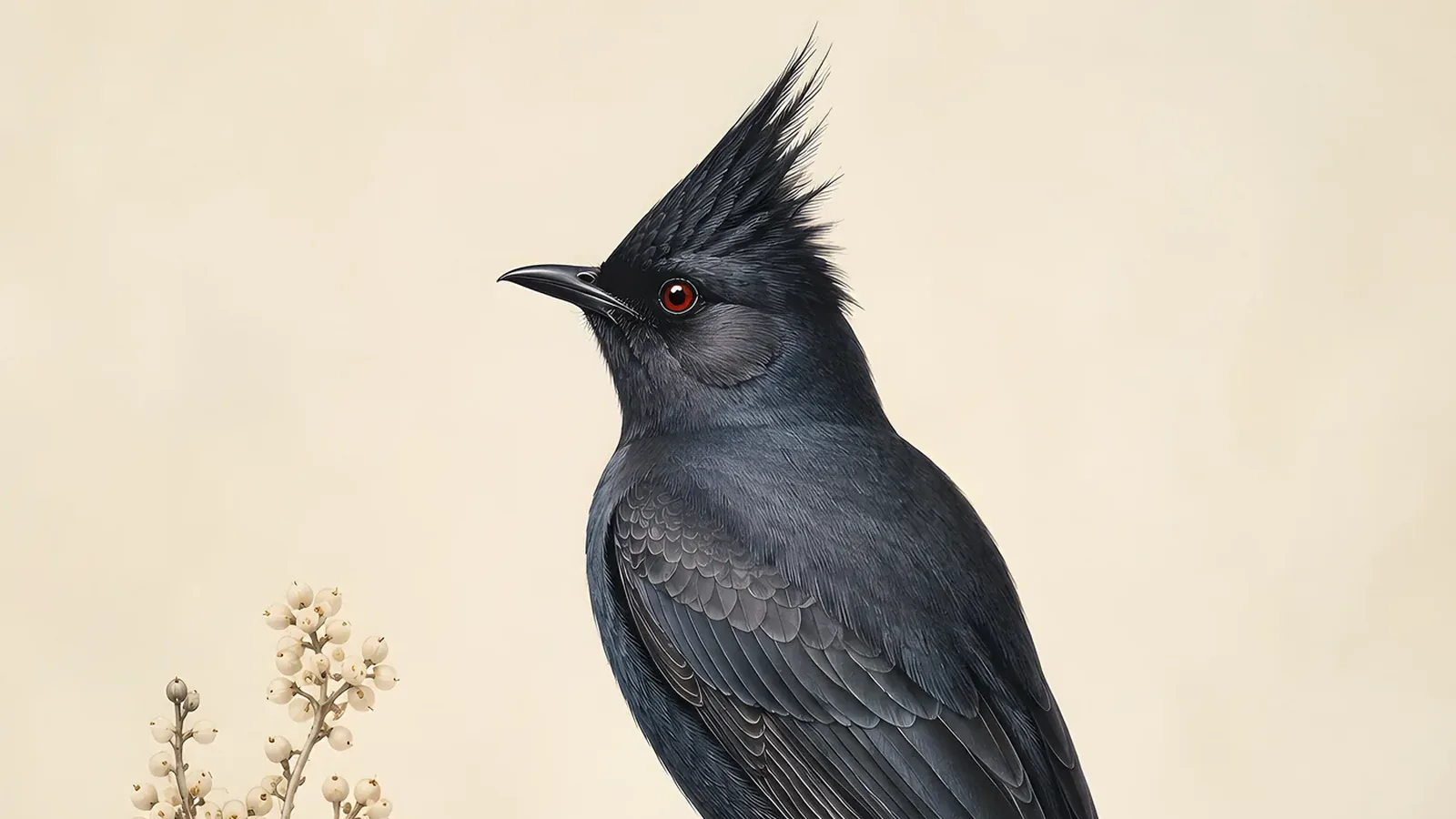
Phainopepla occupies a very different habitat corner - the Mojave Desert edge near St. George in Washington County. The silky-black male with his white wing patches is the most distinctive bird of Utah’s southern desert scrub, present where desert mistletoe grows.
Top backyard species
Utah’s urban gardens - most of them along the Wasatch Front from Ogden south through Provo - attract a predictable resident community. These are the birds that appear year-round:
- American Robin (year-round, the most frequently reported species in Utah on eBird)
- House Finch (year-round, present in approximately 30 percent of summer checklists and 34 percent of winter checklists statewide)
- Mourning Dove (year-round)
- Black-capped Chickadee (year-round in northern and mountain areas)
- Black-billed Magpie (year-round, resident of the valley floors and foothills)
- American Goldfinch (year-round)
- Northern Flicker (year-round)
- Downy Woodpecker (year-round)
- Steller’s Jay (year-round in forested elevations)
- Western Bluebird (year-round in suitable open woodland)
- House Sparrow (year-round, introduced)
- European Starling (year-round, introduced)
- Dark-eyed Junco (winter, in large numbers at feeders)
Where and when to watch
Bear River Migratory Bird Refuge, west of Brigham City, is 77,000 acres of marsh, mudflat, and open water at the northern end of the Great Salt Lake. It functions as a stopover for enormous numbers of migrants moving through the Pacific Flyway. Spring and autumn bring the highest species totals: tundra swans in March, shorebirds through April and May, breeding White-faced Ibis through summer, and wildfowl concentrations into November. The refuge checklist stands at 264 species according to site records.
Antelope Island State Park sits on an island connected to the mainland by a causeway across the south arm of the Great Salt Lake. The causeway itself - driving slowly along its edges - is one of the most productive shorebird locations in the United States. The Great Salt Lake is part of the Western Hemisphere Shorebird Reserve Network, and eBird data from Antelope Island and its causeway show 258 species recorded. Brine flies and brine shrimp support massive concentrations of phalaropes and other shorebirds during late summer migration.
Fish Springs National Wildlife Refuge sits about 100 miles southwest of Salt Lake City in the west desert. It is remote and the access road is unpaved, which keeps the crowds away. The refuge covers desert wetlands fed by natural springs and has recorded 289 species. Tundra Swans arrive in March and early April in the thousands. The birding is consistent across autumn, winter, and spring.
Zion National Park in the southwest combines desert floor, sandstone canyon, and conifer forest within a short elevation change. The canyon bottom hosts nesting species including Peregrine Falcon along the cliff faces, Canyon Wren in the rock walls, and Black-headed Grosbeak in the riverside cottonwoods. It is also one of the access points for sighting reintroduced California Condors drifting on thermals above the sandstone rim.
For timing: spring migration through the Great Salt Lake wetlands peaks in April and May. Breeding activity in alpine zones runs June and July. Autumn migration at Antelope Island and Bear River intensifies from August through October. Winter along the Provo River and Jordan River brings concentrations of Bald Eagles, and the Wasatch Front feeders fill with Dark-eyed Juncos from November to March.