Backyard
What Color Attracts Birds (and Why You're Seeing It Wrong)
A ruby-throated hummingbird arrives at a red feeder, and we pat ourselves on the back for picking the right color. We should not be too proud. She found that feeder despite our choice as much as because of it.
Birds do not see the world the way we do. Humans have three types of color receptors - red, green, and blue. Most birds have four, with a fourth channel tuned to ultraviolet light. What looks like a plain brown seed head to you glows in UV contrast to a goldfinch. The speckle pattern on a thrush egg, invisible to the naked human eye, is bold text to the bird that laid it. The red hummingbird feeder is genuinely effective, but it works in a spectrum richer than anything you can plan for at the hardware store.
The practical upshot is worth holding: if you want more birds in your yard, the single best color decision is not a feeder color at all. It is planting flowering and fruiting plants that birds have evolved to read as food signals. The feeder is a shortcut. The garden is the text.
Why red works - and where the logic stops
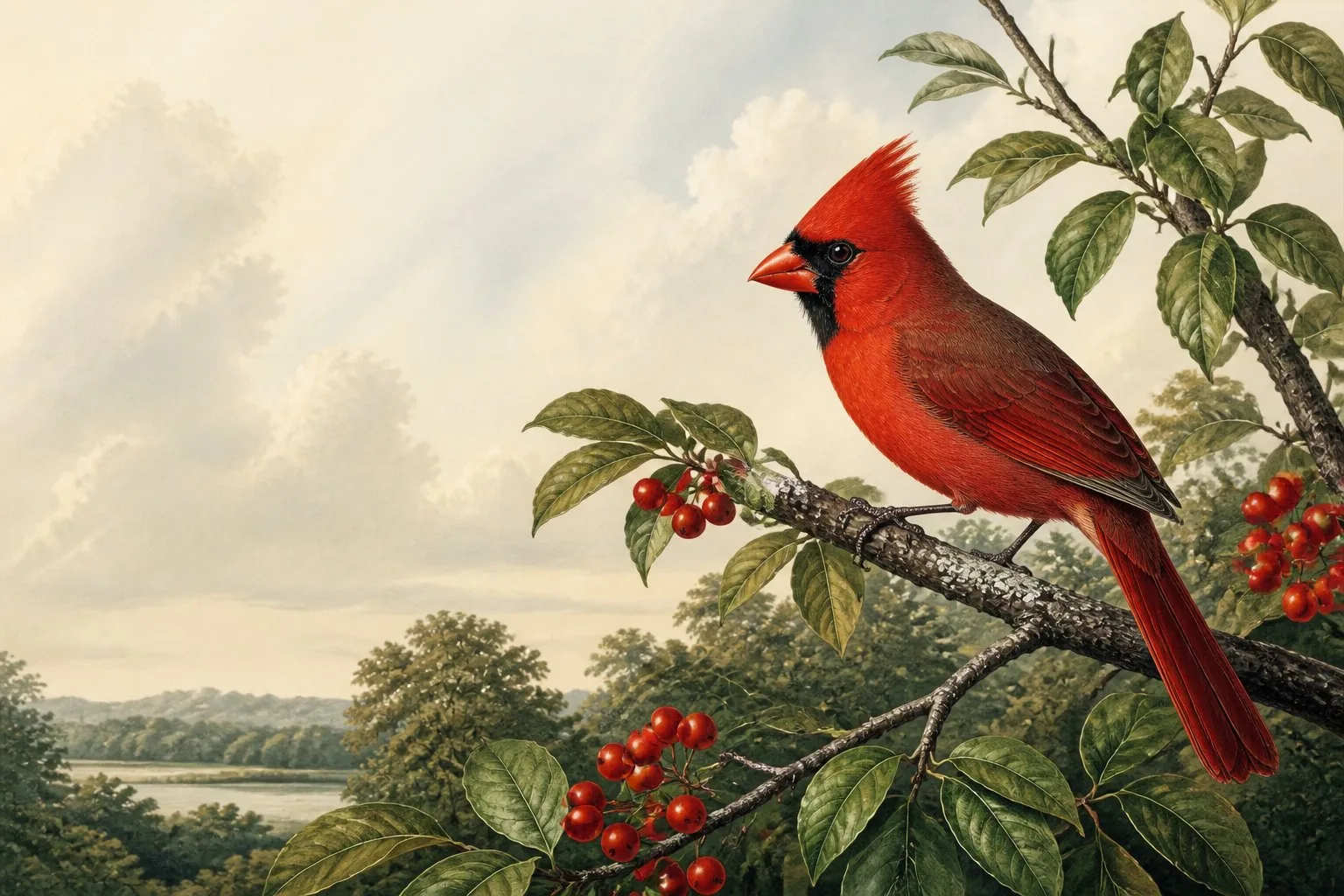
Red is the color most consistently linked to attracting a wide range of nectar and fruit feeders. Hummingbirds in North America learned to associate red tubular flowers with high-sugar nectar, and that association runs deep enough that they will investigate a red ribbon tied to a drainpipe. Cardinals, tanagers, and house finches respond to red fruit in similar ways - the red of a ripe berry against a green leaf is a high-contrast signal the eye is built to catch. When you choose a red hummingbird feeder, you are borrowing that signal.
The error is assuming red is a universal magnet. Place a sunflower seed feeder in a red housing and you will not pull in more birds than a plain one. The best place for a bird feeder matters more than its color by a wide margin.
Orange occupies a narrower niche. Baltimore and Bullock’s orioles respond strongly to orange - it matches the color of the ripe fruit they eat on migration. An orange feeder with grape jelly and orange halves is about as well-targeted a setup as backyard birding offers.
Yellow and the goldfinch signal
Goldfinches navigate largely by yellow. Their diet is almost entirely seeds from composite flowers - sunflowers, coneflowers, thistle - and those plants flag their seed heads with yellow. A yellow finch sock feeder works partly because the color shortens the decision time: the goldfinch has evolved to investigate yellow structures. It also works because nyjer and sunflower seeds are what the bird was looking for to begin with.
Warblers and some sparrows also respond well to yellow-green plantings, though they are mostly chasing insects through the foliage rather than approaching feeders directly. The color here is functional cover, not advertisement.
The colors that calm nervous birds
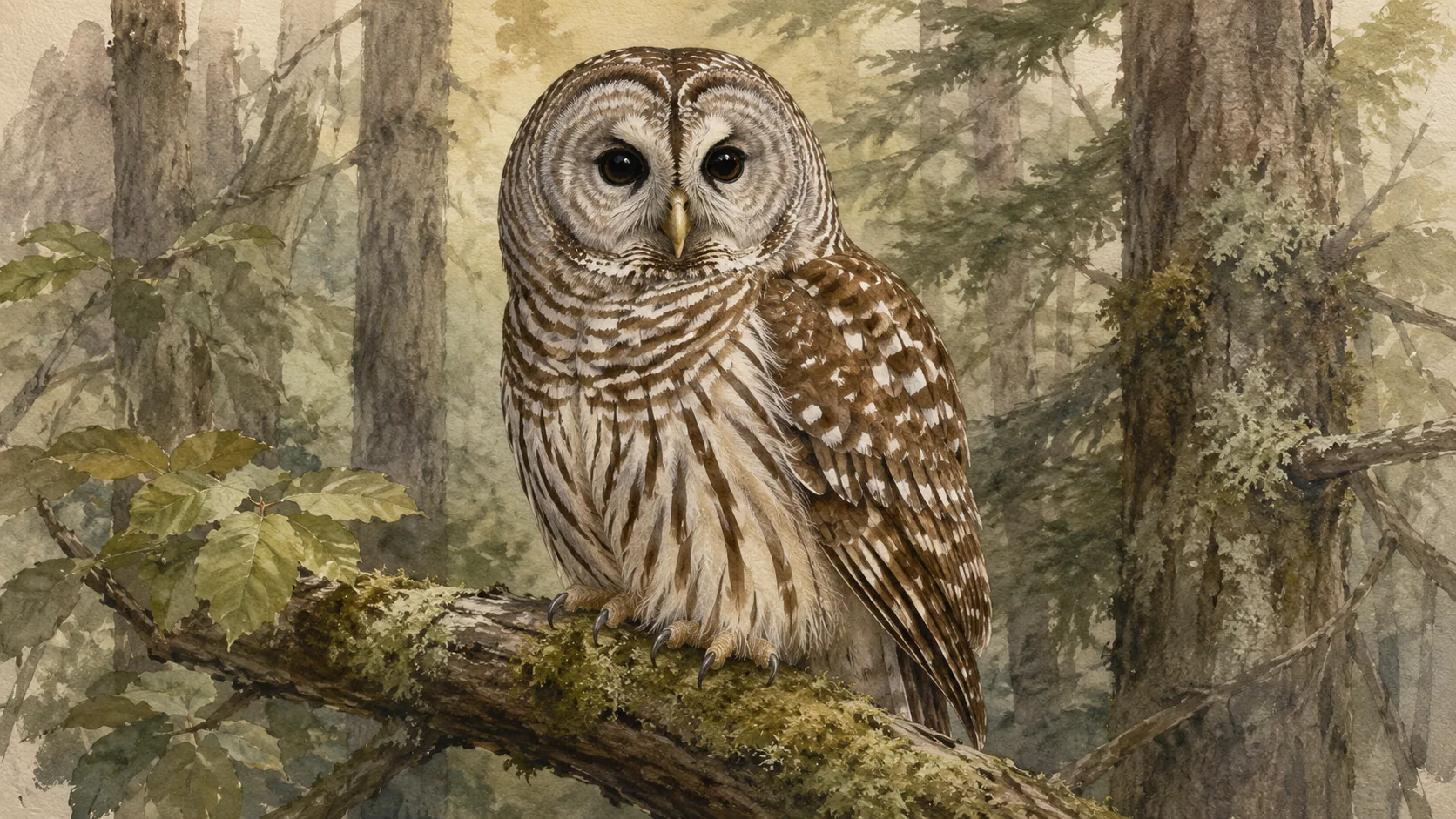
Not every yard species is pushing toward bright. Mourning doves, white-throated sparrows, juncos, and most thrushes are ground feeders that spend their lives watching for movement. For them, the relevant color signal is the absence of threat. Natural wood tones, dull greens, and earth browns read as safe. A brown scatter feeder placed low and near dense shrubs will pull in species that never touch a hanging red tube feeder.
Birdhouses follow the same logic. A bluebird box in pale blue or natural wood is appropriate. A birdhouse painted chrome or white sits wrong in the landscape - reflective surfaces suggest the kind of exposed open water or sky that small cavity nesters read as risk. How you hang or position feeders and houses matters here as much as the color of the surface.
The colors birds avoid
Large areas of bright white read as exposed space. Metallic or reflective surfaces throw confusing signals - the same properties that make reflective tape repel crows make shiny yard structures generally uncomfortable for smaller songbirds. This is not uniform: gulls and terns are white birds that nest in open exposed settings. For woodland and garden species, the rule holds.
Fluorescent colors have no analog in nature. Songbirds exposed to them show increased vigilance in study conditions. They are not reading the color as threat. They simply have no learned template for what fluorescent orange means, and novelty is always stress.
What the UV channel changes
The birds visiting your yard are reading a layer of color information you cannot see. The flowers, the bark, the seed heads, and the other birds all carry UV patterns that sharpen every decision they make. When you plant native, you are writing in a language you cannot read but they certainly can.
The UV channel matters most in mate selection and food detection. Carotenoid pigments in many bird species - the reds and yellows in a Northern Cardinal or a goldfinch - reflect in UV as well as visible light. The intensity of a male cardinal’s plumage signals health, and part of that signal is ultraviolet. When a female cardinal evaluates a male at the feeder, she is running a color analysis you cannot replicate looking through a window.
For practical purposes: plants produce UV signals alongside their visible color. Native plants match the UV signatures that local birds evolved to read. A non-native red flower may pull a hummingbird in once, but native red flowers - columbine, bee balm, cardinal flower - have co-evolved with local pollinators and carry the full signal.
A simple color framework for your yard
| Color | Target species | Best application |
|---|---|---|
| Red | Hummingbirds, cardinals, tanagers | Feeders, native flowers (columbine, bee balm) |
| Orange | Orioles | Feeder housing, orange fruit halves |
| Yellow | Goldfinches, warblers | Finch feeders, coneflower plantings |
| Earth tones | Sparrows, doves, thrushes | Low feeders, brush piles, ground cover |
| Blue-grey | Bluebirds, tree swallows | Nest boxes only |
This table is a starting point. The most effective single action is adding a diverse native planting bed - which covers every row in the color column at once and brings the UV layer along for free.
The red feeder is fine. It earns its place. But the hummingbird in your garden in July is reading the whole yard - the flowers, the water, the cover, the thermal gradient off the stone path - in four color channels you do not share. She arrived because of everything. The feeder is just where she stopped.