Backyard
The best place for a bird feeder is closer to the window than you think
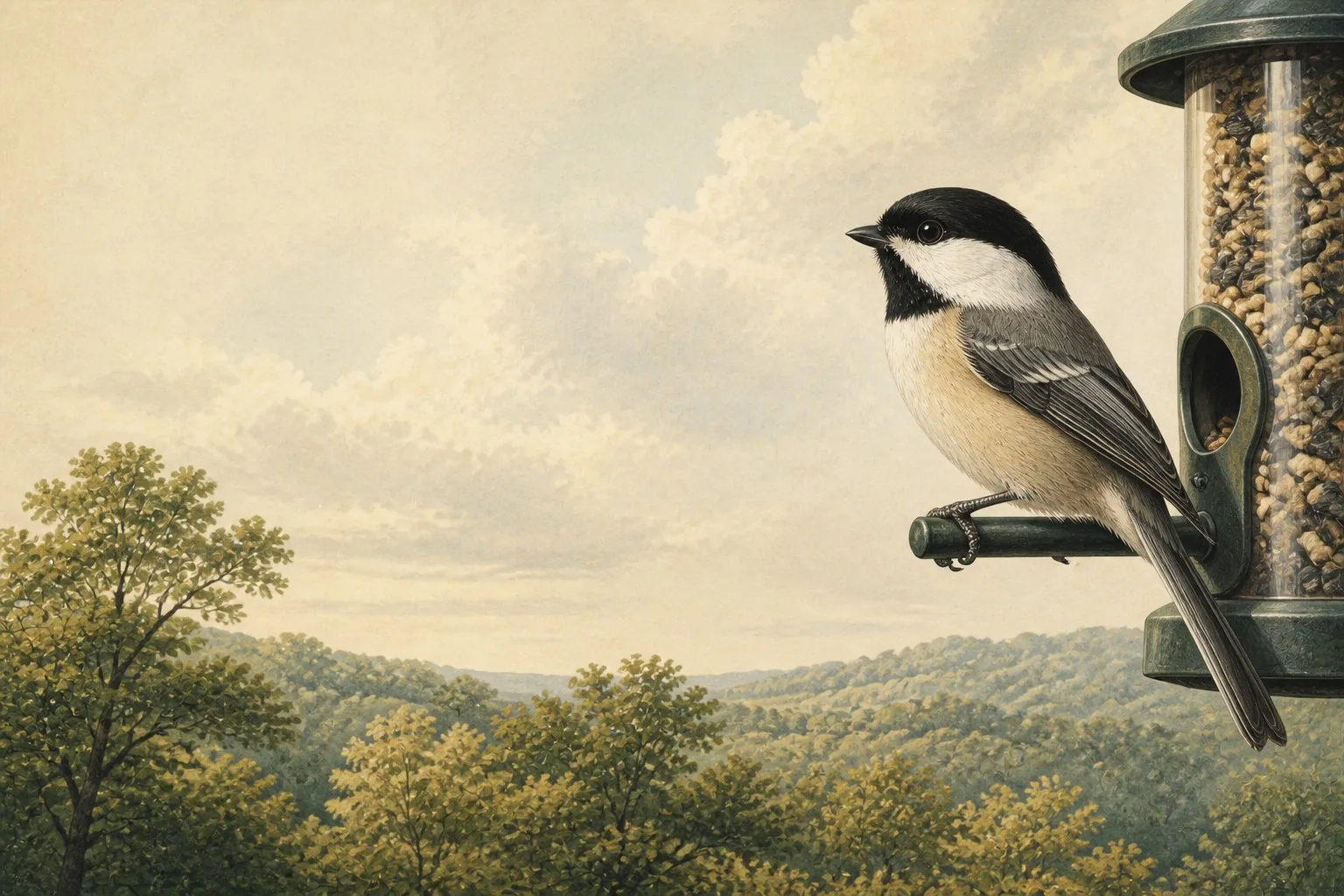
The feeder went up in the yard, a comfortable five feet from the kitchen window, and within a week the first bird hit the glass and fell to the patio. The position felt sensible. It was the worst place it could be.
Most people choose that middle distance instinctively - close enough to watch the birds, far enough that the feeder feels safely away from the house. Cornell Lab’s All About Birds calls that zone, roughly three feet to 30 feet from any window, the dangerous corridor. Birds flushed from a feeder in that range hit the glass at close to full speed. They have had just enough room to commit.
The window rule
Research from the University of Alberta, led by Justine Kummer and Erin Bayne, tested feeders at one metre and five metres from residential windows across a year of monitoring in Edmonton. There were 145 recorded collisions. Collisions were more frequent and more often fatal at the greater distance. At one metre, birds could not build enough momentum to injure themselves seriously. At five metres, the pattern reversed.
Cornell’s All About Birds, Audubon, and FLAP Canada - which runs one of the most active bird-collision monitoring programmes in North America - all state the same two safe zones: place the feeder within three feet of a window, or beyond 30 feet. A feeder mounted directly on the glass, on a suction-cup bracket, is the safest placement available. FLAP Canada recommends within half a metre.
The feeder you think is safely away from the window may be the one that kills the most birds. The one pressed to the glass is the one that kills the fewest.
The scale of window mortality makes placement a serious decision. A 2014 study by Scott Loss and colleagues, published in The Condor, estimated between 365 million and 988 million birds die annually in the United States from collisions with building glass. Audubon puts the working figure at roughly one billion. Residential windows account for the majority of those deaths - not office towers. Getting the feeder distance right does not solve all of that, but it removes the specific hazard the feeder itself creates.
Cover: how much, how close
Birds need escape cover. They also need the predator that uses cover to be unable to reach the feeder from it.
Cornell’s Project FeederWatch recommends roughly 10 feet between the feeder and the nearest shrub or tree with strong climbable branches - enough distance that a cat or squirrel cannot use branches as a launch point, close enough that a bird flushed by a Cooper’s Hawk can reach safety in a second or two. That balance is the point of the 10-foot figure, not either concern in isolation.
Evergreens earn their place more than most cover plants. Their foliage conceals waiting birds from approaching raptors and cuts wind in winter. A loose brush pile near ground level gives the birds that feed beneath the feeder - Song Sparrows, juncos, white-throated sparrows - somewhere to go when something moves overhead. These are functional additions. For more on managing what shows up once the birds arrive, how to keep crows away from bird feeders and yards covers the position-specific solutions.
For pole-mounted feeders, Audubon specifies a cone-shaped baffle of at least 17 inches in diameter, mounted between four and five feet off the ground. Without it, the squirrel problem solves itself at the squirrel’s expense, not yours.
Height
Five feet off the ground is the standard height for pole-mounted feeders, per Cornell’s All About Birds and Audubon. That is high enough to clear most ground predators, low enough to refill and clean without difficulty. Suet feeders should also reach five feet. Ground-level trays work for doves and sparrows, but only in genuinely open spots - no cover within sprinting distance for a cat.
Project FeederWatch is direct about cleaning: every two weeks minimum, more often in wet weather. Seed that has gotten wet and sat in the bottom of a feeder will go mouldy. Mouldy seed spreads disease through a local bird population. A position that gets morning sun and afternoon shade helps dry the feeder between uses. Keeping sunflower seeds from sitting wet is one of the small details that separates a feeder birds trust from one they learn to avoid. More on this at will birds eat wet seed.
Sun, shade, and feeder type
Seed feeders do well with morning sun and afternoon shade. The morning light dries overnight moisture. The afternoon shade keeps the seed from overheating in summer and slows the process that turns black-oil sunflower into something birds pass over.
Suet is the exception. It melts and goes rancid in direct sun faster than most people expect, and rancid suet is harmful. A shaded spot on the north side of a tree or fence is the right placement for suet year-round. Hummingbird feeders follow the same rule: partial shade extends how long the sugar solution stays safe. Audubon specifically recommends protected, mostly shaded locations for nectar feeders, because a swaying feeder in wind also spills solution.
After the window distance
Get the window measurement right first. Everything else is calibration.
A feeder at slightly awkward height, in slightly suboptimal shade, with cover a few feet closer or further than ideal, will still attract birds. A feeder sitting seven feet from a picture window will keep producing collisions regardless of how well the rest of the setup is arranged. Move it to within three feet or out past 30 feet, and that problem stops.
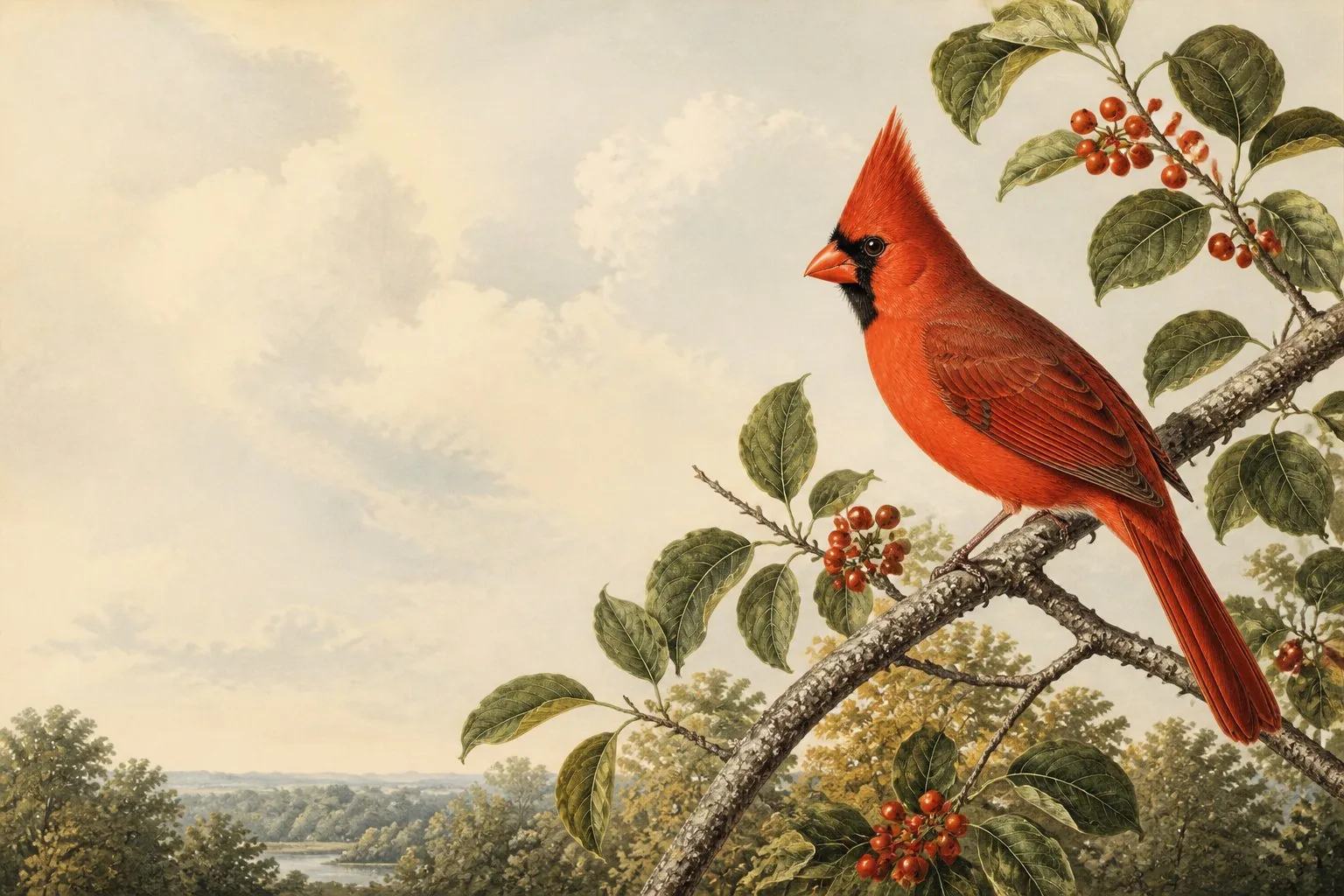
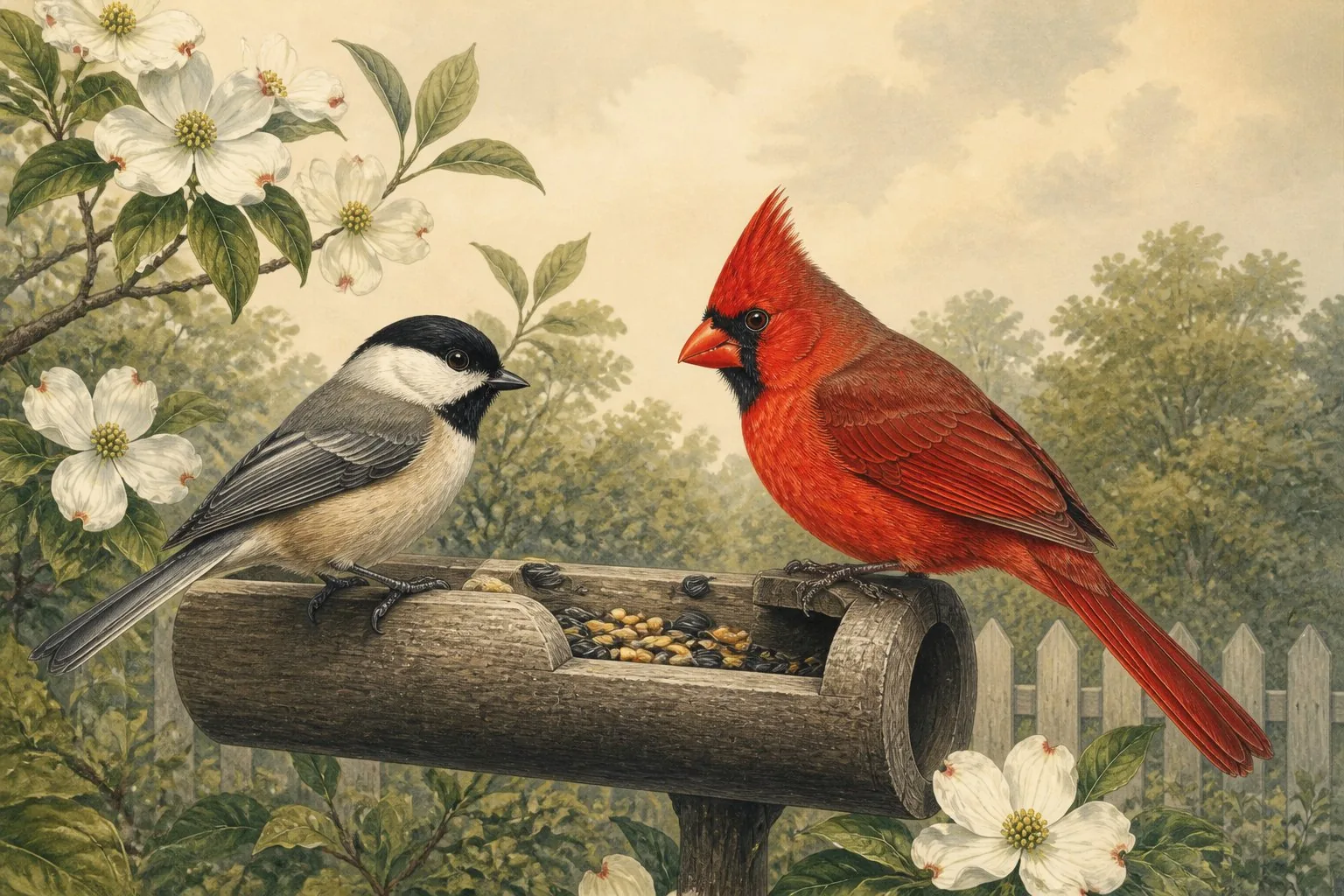
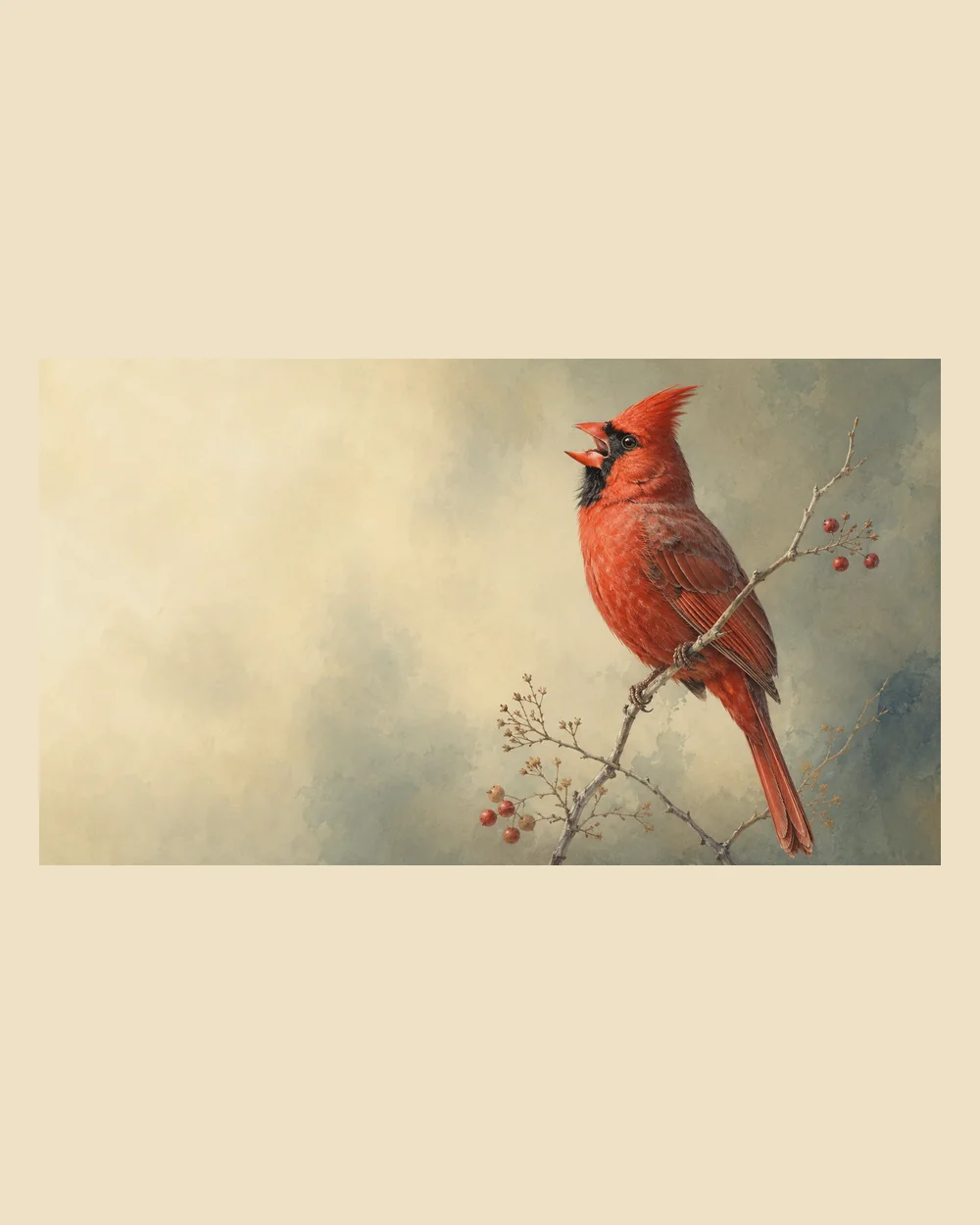
Read how to hang bird feeders once the position is decided. The Northern Cardinal will come for sunflower seeds when the spot is quiet, visible, and clear of the zone where birds stop being visitors and start becoming statistics.