Backyard
How Much Bird Seed Should I Put Out?
Reach into a hopper feeder in October and pull out a fistful of seed that has been sitting there since August. It will be damp. It will be slightly grey. A few pieces will have started to sprout. This is the most common feeder mistake in backyard birding, and it has nothing to do with the wrong seed or the wrong feeder placement - it is simply too much, put out too rarely.
The actual answer to “how much?” is not a measurement. It is a rule: put out only what disappears within two days. If seed is still sitting on day three, you put out too much. If the feeder is empty by mid-morning, you put out too little. The goal is a feeder that cycles through fresh seed continuously, not a stockpile that birds pick through when nothing better is available.
That principle solves more problems than any specific gram count.
Why volume matters less than turnover
Stale seed is not just unappetizing. It is a health problem. Wet seed grows mould within 24 to 48 hours in warm weather. Salmonella - one of the leading documented causes of songbird die-offs at garden feeders - moves through the droppings that accumulate on seed that sits too long. Rats and mice, which most people attract without realising it, are not drawn to feeders by the presence of seed so much as by the presence of seed that has been there long enough to smell like a reliable source.
The best placement for a bird feeder compounds this: a feeder in a sheltered, low-traffic spot keeps birds coming back, but that same shelter traps humidity and slows evaporation if seed sits too long.
Putting out less, more often, is the single most impactful change most backyard feeders can make.
How much to fill, by feeder type
The right fill level varies because feeders differ in how quickly they expose seed to weather and how many birds can access them at once.
| Feeder type | Fill level | Refill frequency |
|---|---|---|
| Small tube feeder | Half to three-quarters full | Every one to two days |
| Large tube feeder | Half full | Every two to three days |
| Hopper feeder | One to two days’ worth | Every two to three days |
| Platform feeder | One handful | Daily - these are open to rain |
| Suet cage | One cake | Every three to seven days |
| Nyjer feeder | Half full | Every two to four days |
Platform feeders deserve special attention. Because they are open to the sky, seed on a platform can go bad after a single rain shower. A handful at a time is not stinginess - it is the minimum amount of food that can actually be called fresh.
Seasonal adjustments
The two-day rule holds year-round, but the quantity that disappears in two days shifts with the seasons.
In winter, birds burn significantly more calories to stay warm. A feeder that empties in a day and a half in July may empty in hours on a January morning. Increase fill levels in cold weather and check the feeder before dark - birds load up heavily at dusk before a cold night.
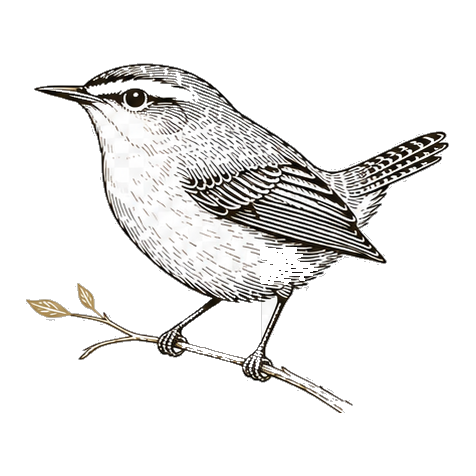
Spring is the season to add protein alongside seed. A tray of dried mealworms will bring in bluebirds and wrens that would otherwise ignore a seed feeder entirely.
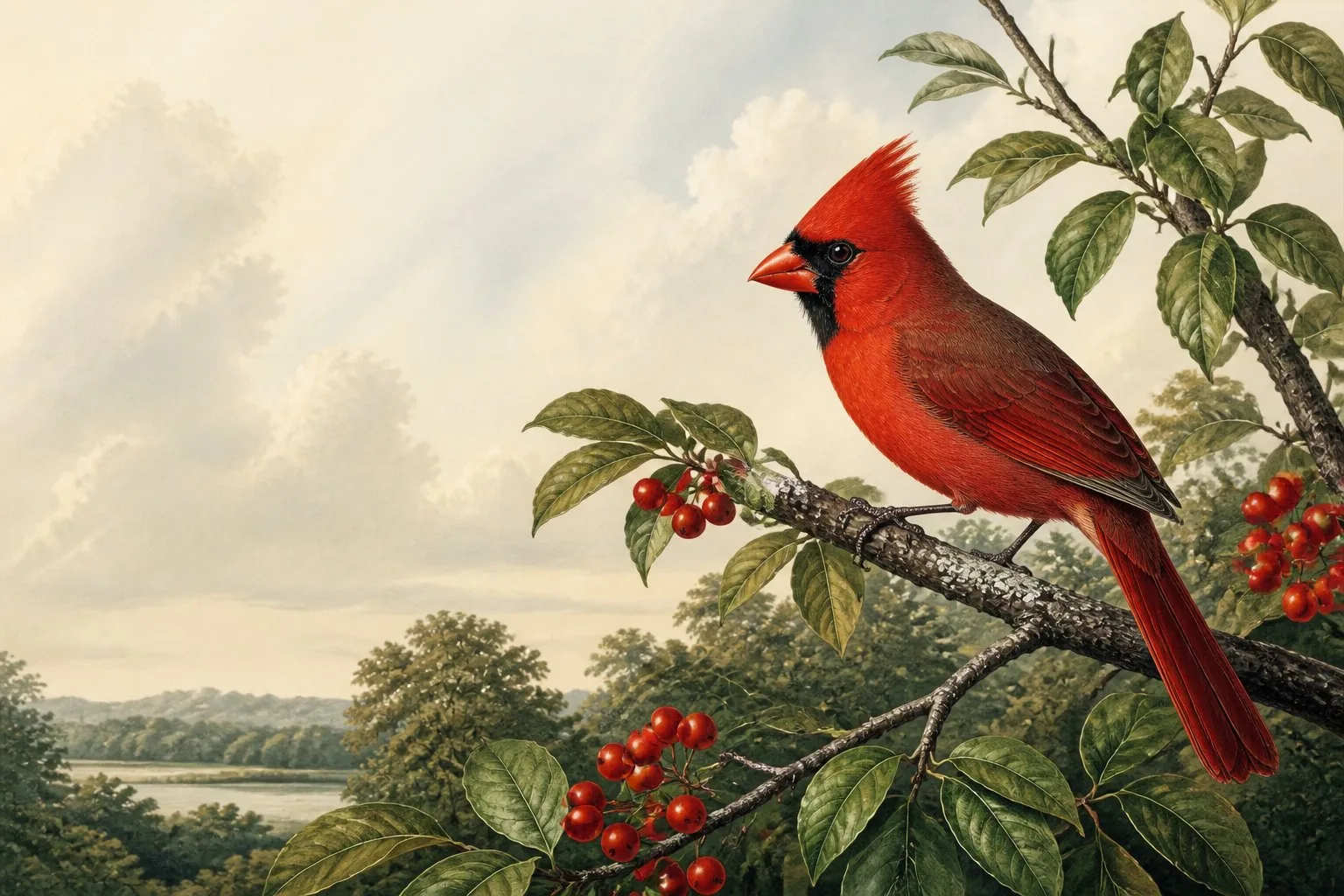
Summer is when most people overfill, because natural food is abundant and birds visit less consistently. Halve the fill level from May through August. A northern cardinal (Cardinalis cardinalis) in July has access to wild berry crops and insect protein that it does not have in February. Your feeder is a supplement, not a dining room.
The feeder that runs out by late afternoon is doing its job. The feeder that still has seed three days later is a disease vector, not a bird sanctuary.
Which seeds earn their place
Seed choice determines how much waste you see. Black oil sunflower seeds are the closest thing to a universal answer: almost every feeder species takes them, the thin shell produces little mess, and birds actively prefer them over cheaper mixes.
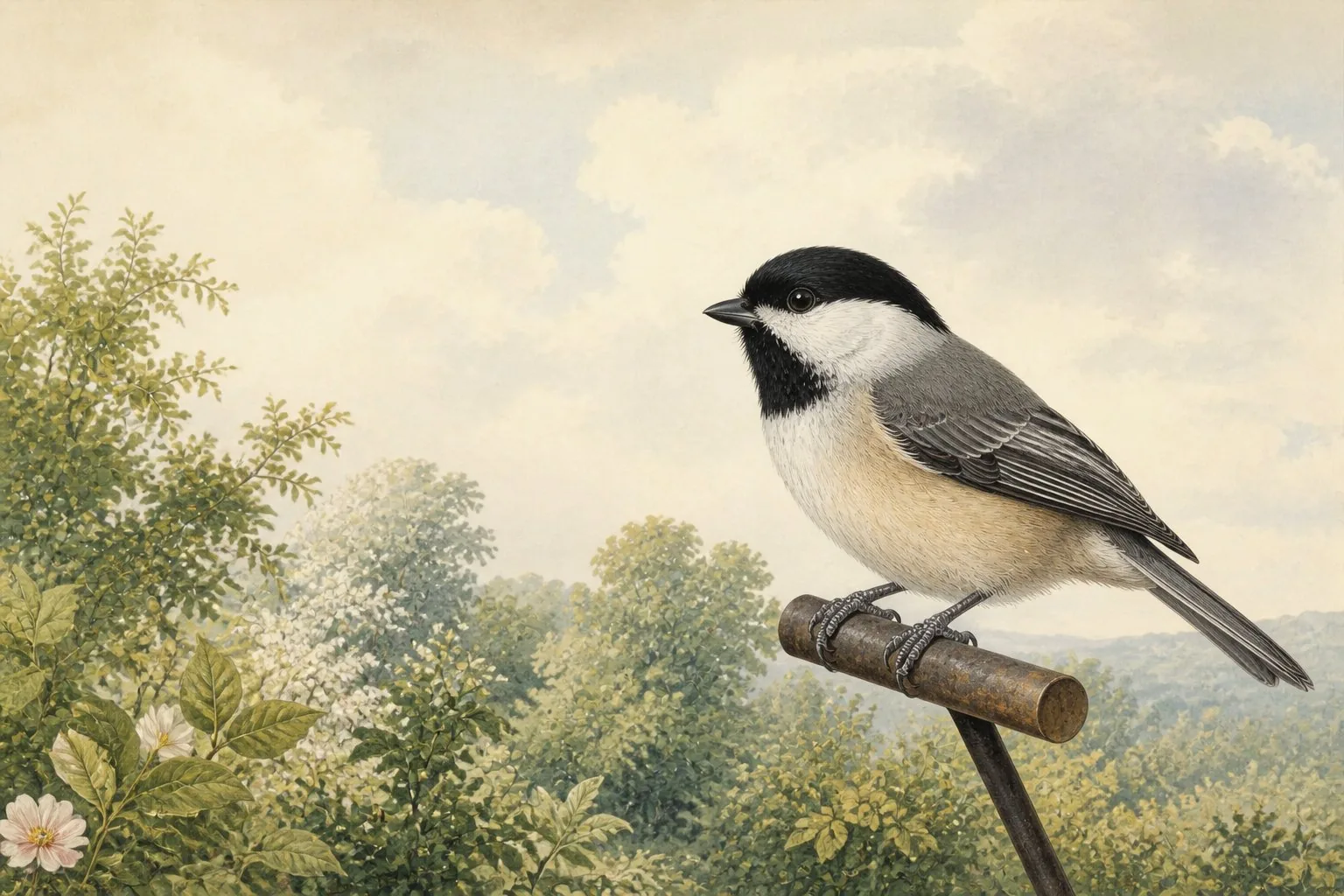
Cheap mixed seed is the main driver of waste at most feeders. Mixes padded with red millet, wheat, and flaxseed look generous but most feeder birds toss those fillers aside to find the sunflower. The discarded seed piles under the feeder and rots. Safflower is worth adding if squirrels are a problem - most squirrels avoid it, and Northern Cardinals, Carolina Chickadees, and titmice take it readily.
Nyjer (sometimes sold as thistle) attracts American Goldfinches and siskins without drawing house sparrows or starlings. It does go rancid faster than sunflower - if the goldfinches suddenly stop visiting, tip the seed out and start fresh.
Cleaning is not optional
The volume question cannot be separated from maintenance. A feeder filled with fresh seed but cleaned once a year is still a problem.
Scrub tube and hopper feeders with a dilute bleach solution - one part bleach to nine parts water - every two weeks. Rinse well and let the feeder dry completely before refilling. Platform feeders need this more often in summer.
If birds suddenly avoid a feeder they used reliably before, empty it, clean it, and check the seed. Mould is often invisible at a glance but detectable by a bird at three metres. Hanging feeders so they drain after rain - how to hang bird feeders covers the details - cuts how often wet seed becomes a problem in the first place.
The pest question
If rats or mice appear, the instinct is to take the feeder down. The more useful response is to reduce seed on the ground, switch to a no-waste blend of hulled sunflower and nyjer, and add a tray catcher. Removing the feeder entirely solves the immediate problem but usually just relocates it - the rodents were already in the area before the feeder arrived.
American Crows are a separate problem. A platform feeder loaded with seed is an open invitation for these corvids who will clear it and return every morning. Keeping crows away from bird feeders comes down to enclosed tube feeders rather than fighting over open ones.
Start small, adjust fast
Start with a half-filled tube feeder of black oil sunflower. Watch how quickly it empties over the first two weeks and adjust until you land on a quantity that disappears in 36 to 48 hours. That number becomes your baseline.
The feeders that attract the most birds over time are not the biggest. They are the ones that always have fresh seed. A bird that finds an empty feeder will circle back. A bird that finds stale, moulded seed will not.