Backyard
How to Attract Chickadees to Your Yard
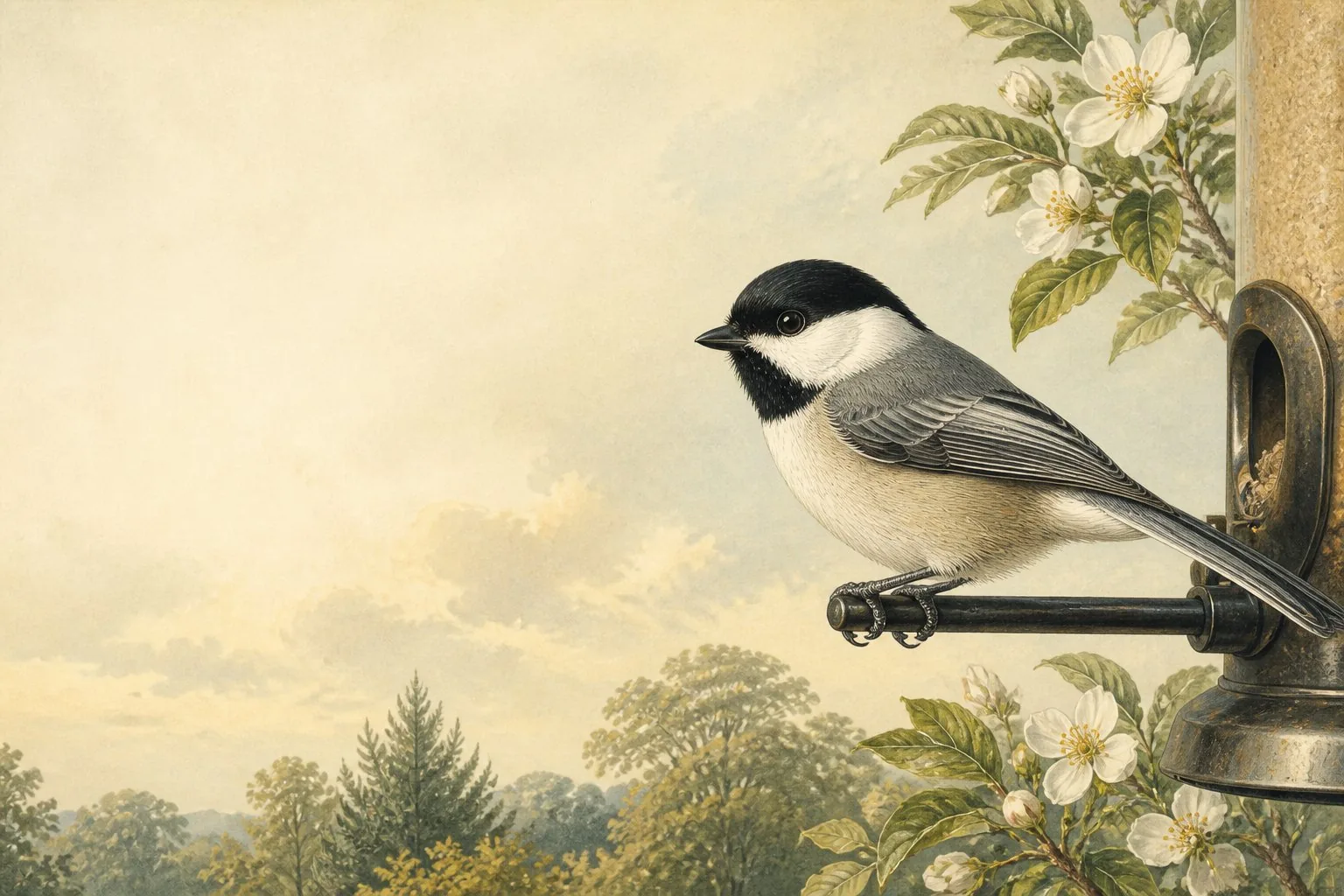
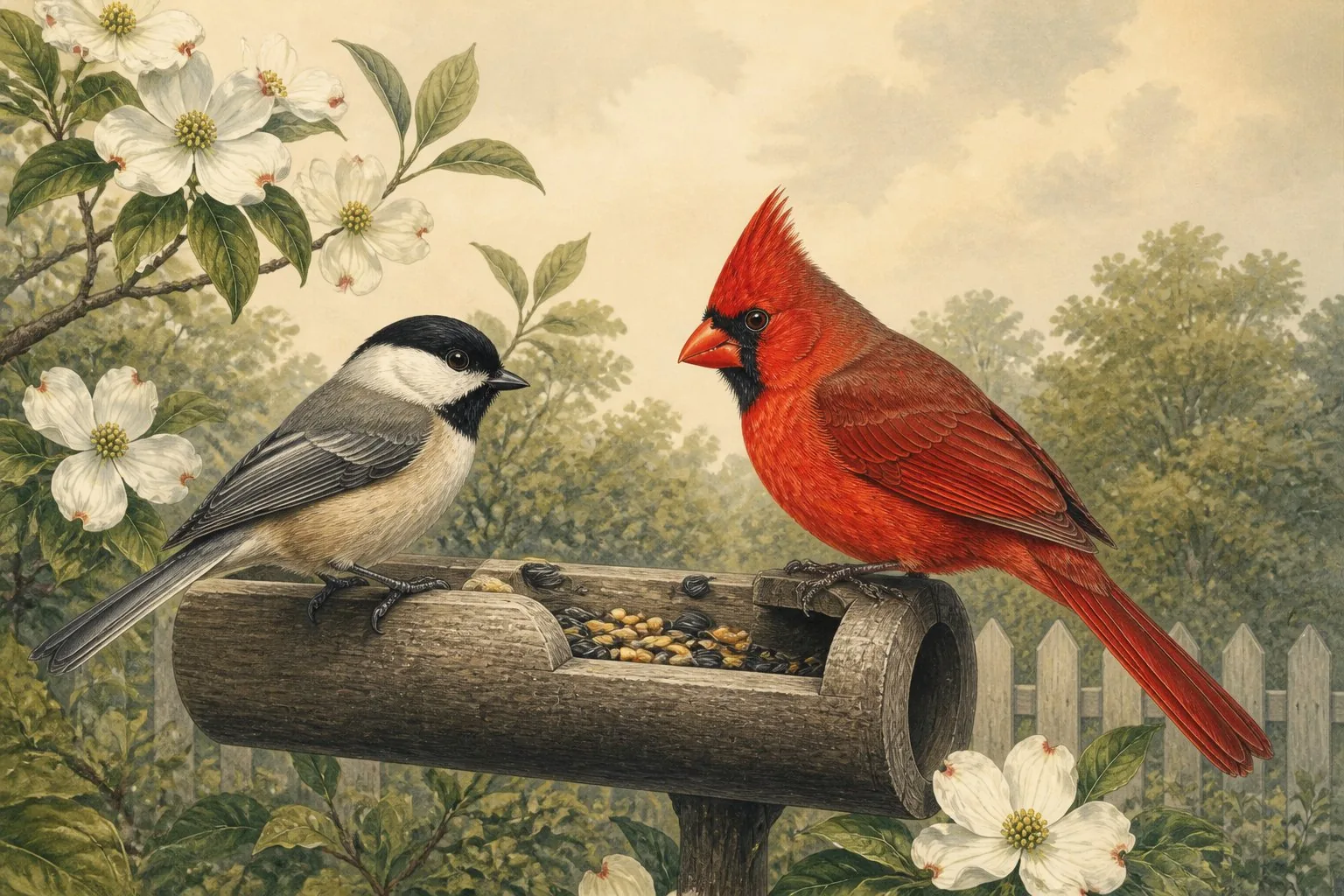
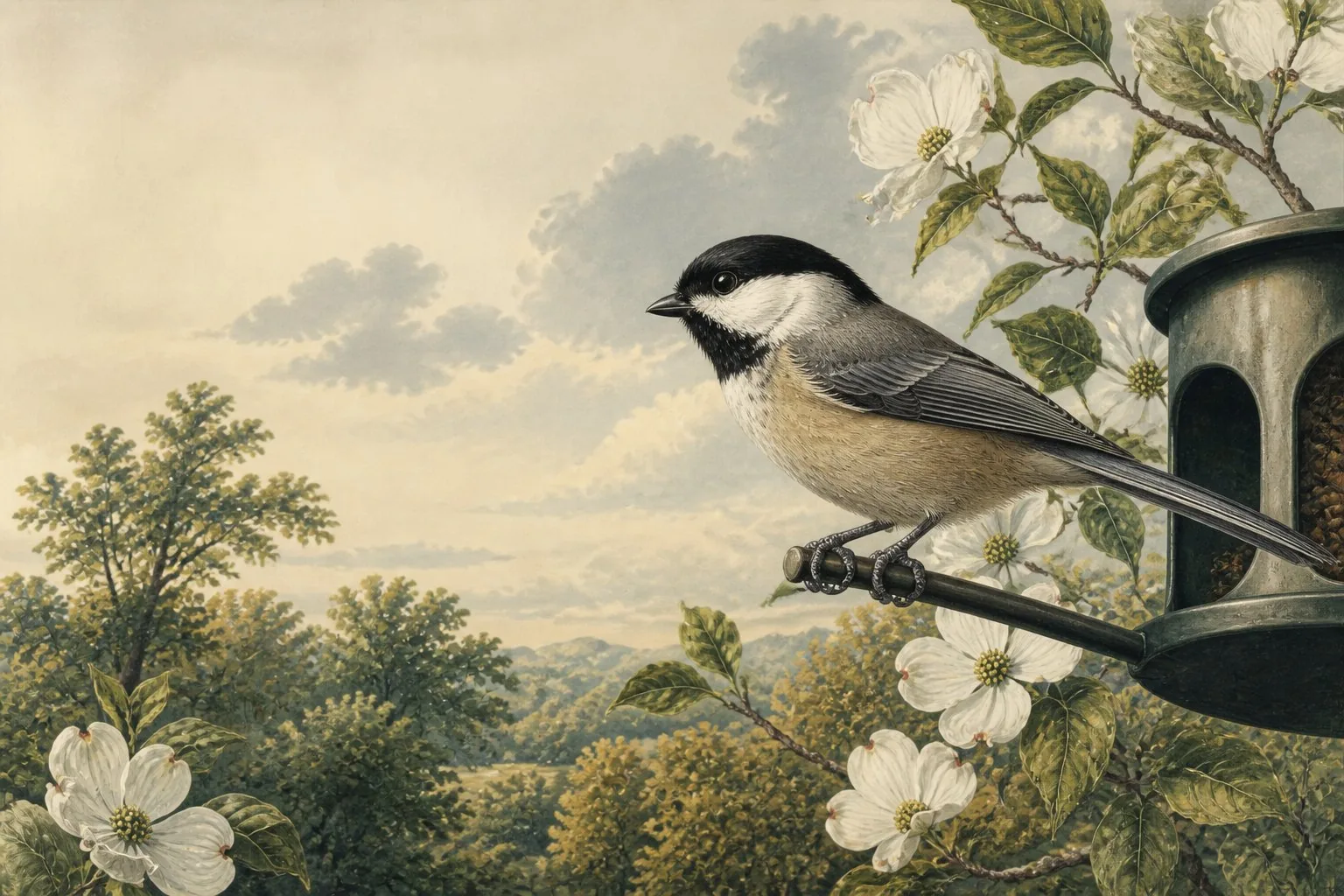
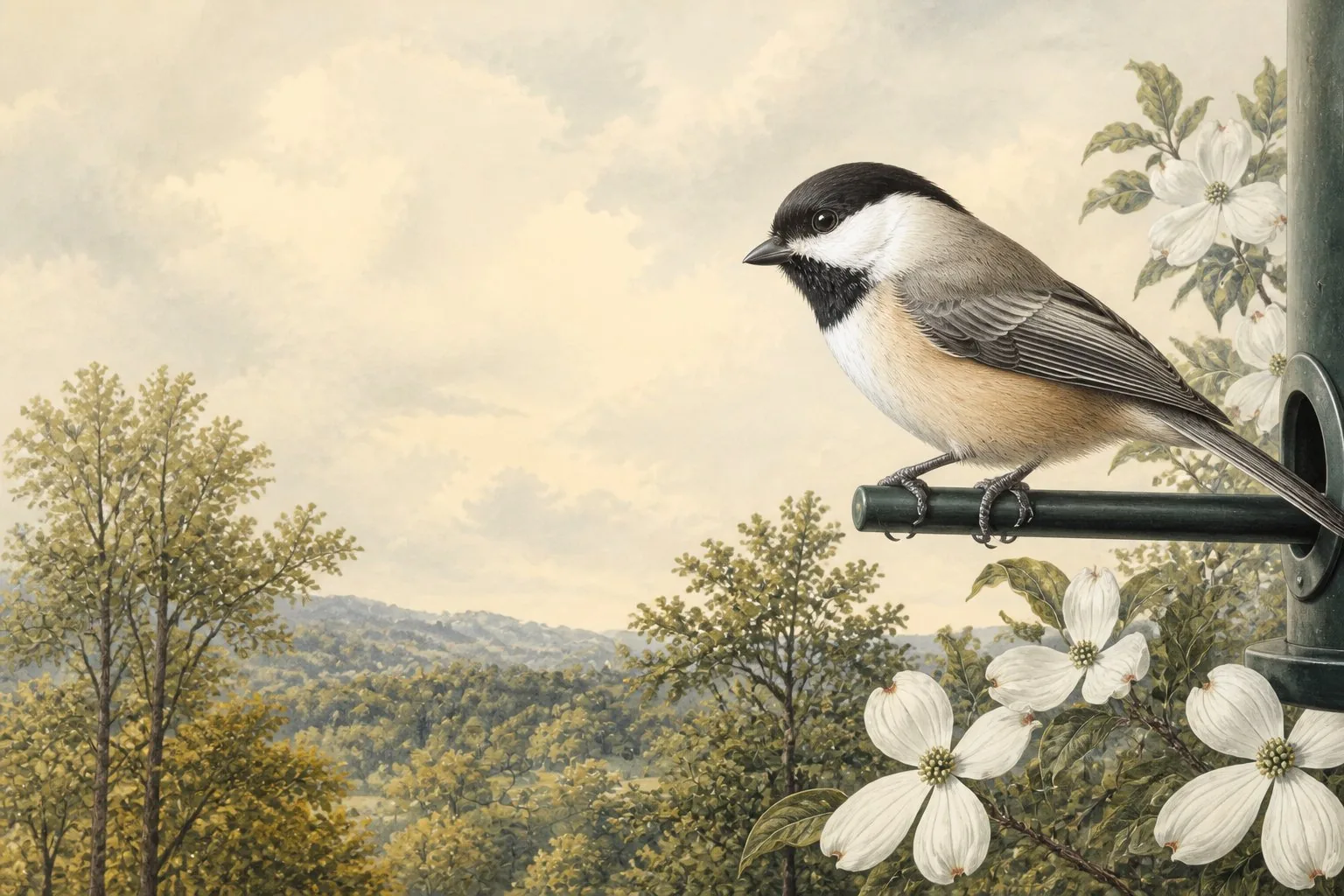
Put up a tube feeder on a Tuesday morning and a Black-capped Chickadee (Poecile atricapillus) will almost certainly find it before the weekend.
That speed is not an accident. Chickadees are scouts. A flock - ornithologists call it a ‘band’ - holds a territory through winter and sends members to investigate anything new. One bird finds the feeder. It calls. The others follow. The whole operation can take 48 hours. No other backyard species moves that fast, and almost no other species will then stay as reliably through January.
The thesis here is simple: chickadees are not hard to attract, but they are surprisingly specific about what keeps them. Get the food right, the feeder placement right, and the nesting situation right, and a chickadee band will treat your yard as its anchor point for years.
Food: sunflower first, then everything else
Black oil sunflower seeds are the single most effective food you can offer. The thin shell splits easily for a small bill, the kernel is calorie-dense, and chickadees will carry seeds one at a time to a nearby branch to crack them - a behaviour worth watching on its own. Sunflower seeds attract a wider range of feeder birds than almost any other food, but chickadees rank among the most consistent takers.
After sunflower, the ranking goes: hulled peanut pieces, suet (especially in winter), and live or dried mealworms during the breeding season when adults are feeding chicks. Mealworms matter because chickadees raising young need animal protein, not seeds. A parent chickadee can make dozens of trips to a feeder in a single morning if mealworms are available.
Nyjer seed draws finches well but chickadees only moderately. Safflower works but offers no particular advantage. If you are simplifying, sunflower seed in a tube feeder covers 80 per cent of the job.
Feeders: small perches, covered top, near cover
Chickadees prefer tube feeders with short perches. Short perches suit them and deter larger birds like House Sparrows and starlings that need a wider foothold. A caged tube feeder - one with wire mesh around the outside - adds another filter, since squirrels and larger birds cannot reach the ports. This matters more in yards with heavy squirrel pressure.
Where you hang the feeder matters as much as what goes in it. Chickadees want to land nearby, assess, then dart to the feeder and back. A feeder hung in the open with no shrubs within 10 feet will get fewer visits than one positioned a metre or two from dense cover. They are not timid birds, but they are precise about escape routes.
Avoid ground feeders for chickadees. They feed above ground level by preference, and ground feeding exposes them to cats. Learning how to hang bird feeders at the right height - roughly five to six feet from the ground, near but not touching branches - is the single adjustment that most improves chickadee traffic at a new setup.
Nesting boxes: the entry hole is everything
Chickadees are cavity nesters. They use natural tree holes, old woodpecker excavations, and nest boxes. They will also excavate their own cavity if the wood is soft enough - rotting birch is a favourite.
If you add a nest box, the entry hole dimension is the single most important spec. An opening of 1-1/8 inches (about 29 mm) admits chickadees and excludes House Sparrows, which would otherwise compete aggressively for the same cavity. Mount the box at 1.5 to 3 metres on a tree trunk or post, facing away from prevailing weather, near trees and shrubs that provide cover. Add a handful of wood shavings inside - chickadees will rearrange them to their preference.
If you offer one feeder, one nest box, and a birdbath with moving water, chickadees will claim your yard as part of their winter territory and return to nest in spring.
Water
A birdbath draws chickadees even in yards with no feeder at all. They bathe regularly and need fresh water through the year. In winter, an electrically heated birdbath keeps water liquid when natural sources freeze, which makes it disproportionately effective - open water in January is genuinely scarce in much of the chickadee’s range, which covers most of the northern half of North America.
Drippers and misters add moving water, which chickadees find easier to locate by sound. If you only have a static bath, rinse it every two or three days.
North American chickadee species
There are seven chickadee species in North America. The one you are most likely to attract depends on where you live.
| Species | Primary range |
|---|---|
| Black-capped Chickadee | Northern US, southern Canada |
| Carolina Chickadee | Southeastern US |
| Mountain Chickadee | Western mountain ranges |
| Chestnut-backed Chickadee | Pacific Northwest coast |
| Boreal Chickadee | Northern boreal belt |
The Black-capped and Carolina are the birds most backyard feeders are targeting. They look nearly identical in the field - the surest separation is range, since they meet along a band running roughly through New Jersey, Ohio, and Kansas. Black-cappeds are slightly larger with a cleaner white cheek patch.
Habitat beyond the feeder
Native plantings do things feeders cannot. Birch, alder, and willow host the caterpillars and larvae that make up the bulk of a chickadee’s diet outside winter. The Cornell Lab estimates that a chickadee family raising one brood consumes hundreds of caterpillars over the nesting season - numbers that no mealworm dish fully replaces. Dense evergreens provide the winter roosting cover that lets a band survive a cold snap without burning every calorie they have.
If you have a dead tree on your property and it poses no hazard, leave it. Snags are functional infrastructure for chickadees. They excavate new cavities in them, cache food in the bark, and use them as staging points before approaching a feeder. Crows and other large species can make feeders less welcoming, and a yard with structural complexity - snags, dense shrubs, multiple canopy layers - gives chickadees places to retreat that corvids rarely bother with.
Reduce pesticide use where possible. Insects are the food that actually raises the next generation. Seeds and suet keep adults alive through winter. Caterpillars, beetles, and aphids are what turns eggs into fledglings.
Watching what you have attracted
A chickadee band in winter is a social unit with a pecking order. The dominant pair feeds first. Subordinate birds wait. When a Sharp-shinned Hawk appears, a ‘chickadee-dee-dee’ alarm call goes out - the more ‘dee’ notes appended, the more serious the threat, a system the Cornell Lab and others have documented with considerable precision. You can learn to read the call and know what the band considers dangerous before you see it yourself.
The birds that visit your feeder in January are, most likely, the same birds that will raise young in your nest box in May and return to your feeder next November. Chickadees are not migrants. Once you have a band, you have a band. That continuity is what makes them worth setting up for properly.