Backyard
How to Attract Painted Buntings
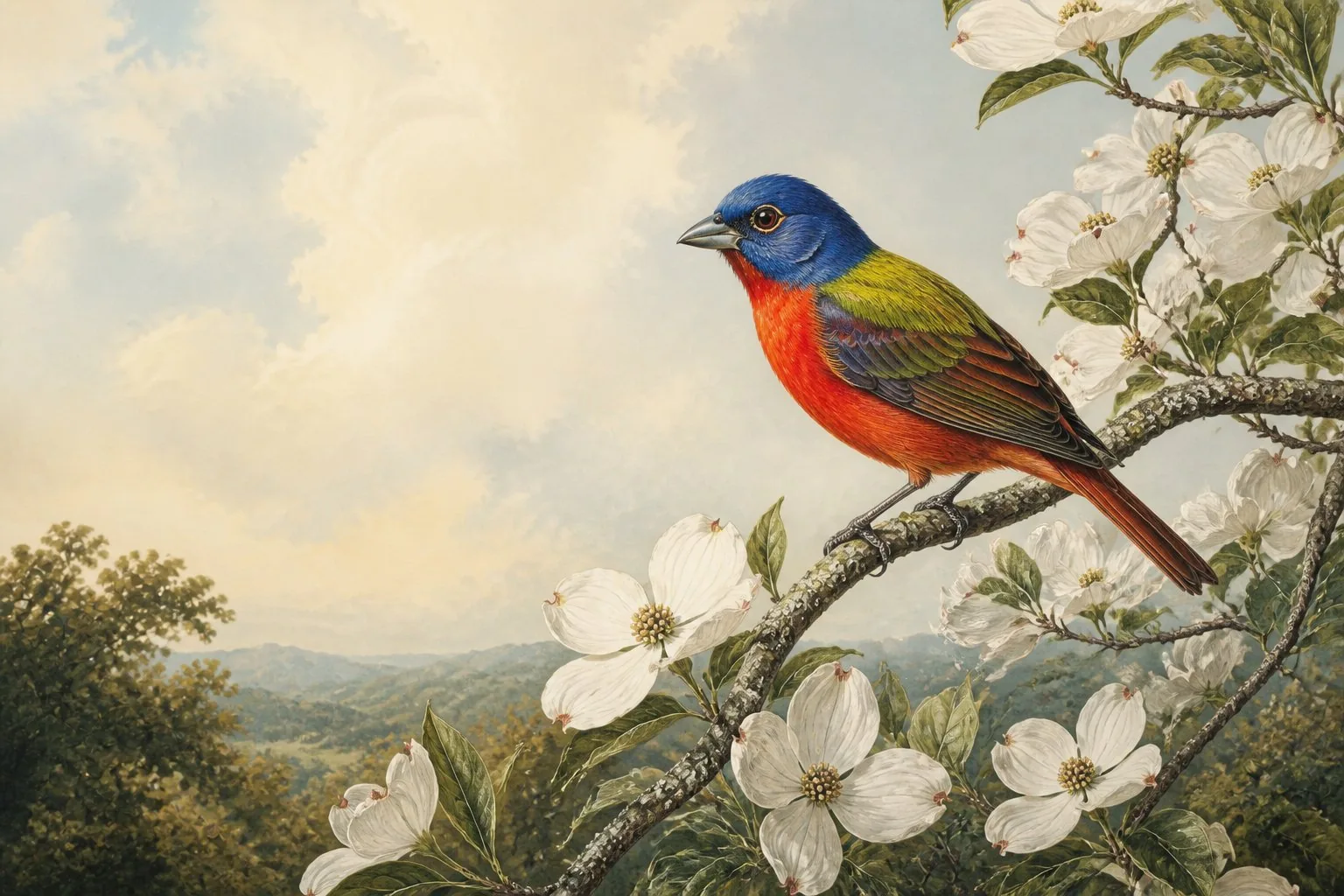
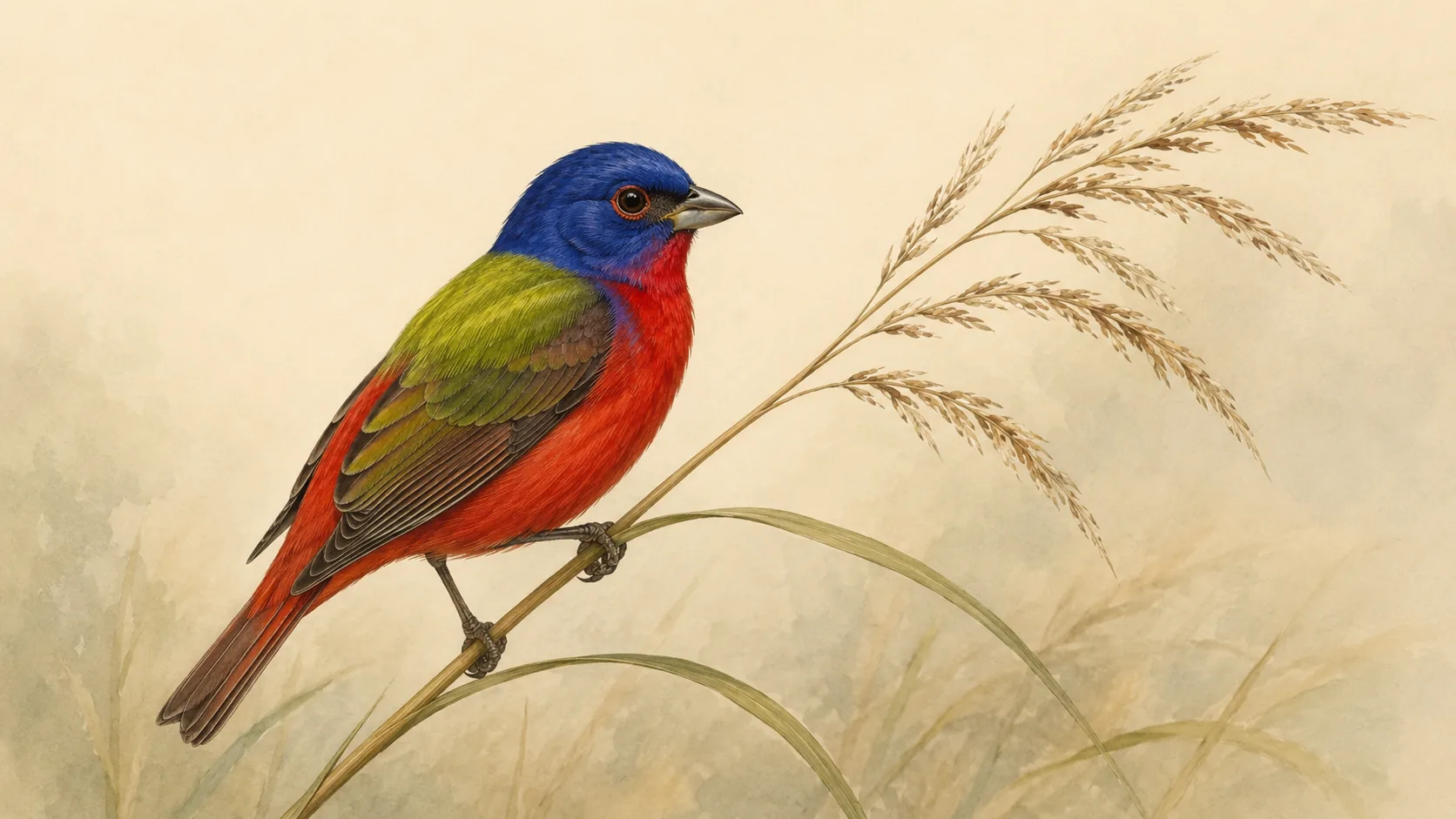
A male Painted Bunting at a feeder stops people cold. Scarlet belly, cobalt head, lime-green back - it looks less like a North American bird than something escaped from a tropical aviary. The trouble is that most readers asking how to attract one live somewhere those birds simply do not go. That is the honest starting point.
Are You in Range? The Honest First Question
The Painted Bunting has two completely separate breeding populations with a wide gap between them. Neither covers the whole Southeast, and neither overlaps with the other.
The eastern population breeds on the Atlantic coast - coastal South Carolina, coastal Georgia, and northern and central Florida. Inland SC and inland GA rarely if ever host breeding birds. The western population breeds across south-central Texas, Oklahoma, and Louisiana, in brushy country away from the coast.
You are in range if you live in one of these areas:
| Population | Core states | Key habitat |
|---|---|---|
| Eastern | Coastal SC, coastal GA, northern/central FL | Maritime scrub, palmetto thicket, wooded back dunes |
| Western | South-central TX, OK, LA | Brushy roadsides, weedy field edges, streamside thickets |
If you are in Tennessee, Virginia, inland Georgia, or anywhere in the Midwest, Plains, or West - your yard is simply not on their map. Save the millet for a trip to the right coast.
When to Expect Them
Both populations return in spring within roughly the same window. The western birds arrive across Texas from mid-April through mid-May, with the last stragglers trickling in through late May. The eastern population reaches coastal South Carolina and Georgia in late April to May.
Fall departure runs from early October through mid-November for most birds. A portion of the eastern population winters in southern Florida and may linger or appear year-round in the far south of the state. The western population winters in Mexico and Central America.
Plan your setup by early April if you are in Texas, or by mid-April if you are on the Atlantic coast. Late is better than never, but an empty feeder in May is a missed opportunity.
The One Feeder Trick That Actually Works
White proso millet. That is the short answer.
Cornell Lab of Ornithology’s All About Birds is unambiguous: white proso millet is the seed of choice for Painted Buntings. Nyjer (thistle) is for goldfinches. Black-oil sunflower is for cardinals and chickadees. Neither of those draws buntings reliably. Fill your tube or hopper feeder with straight white millet and nothing else.
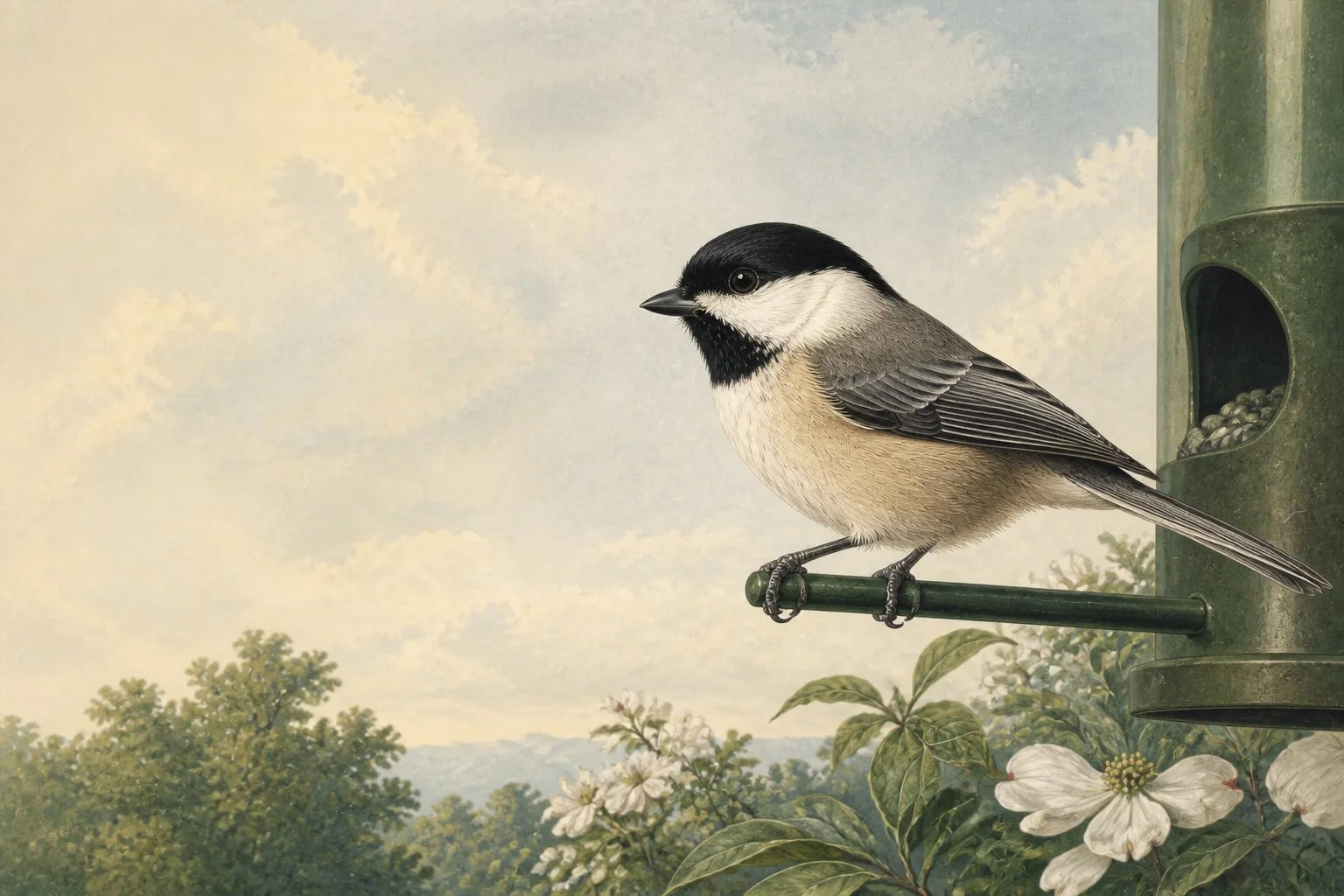
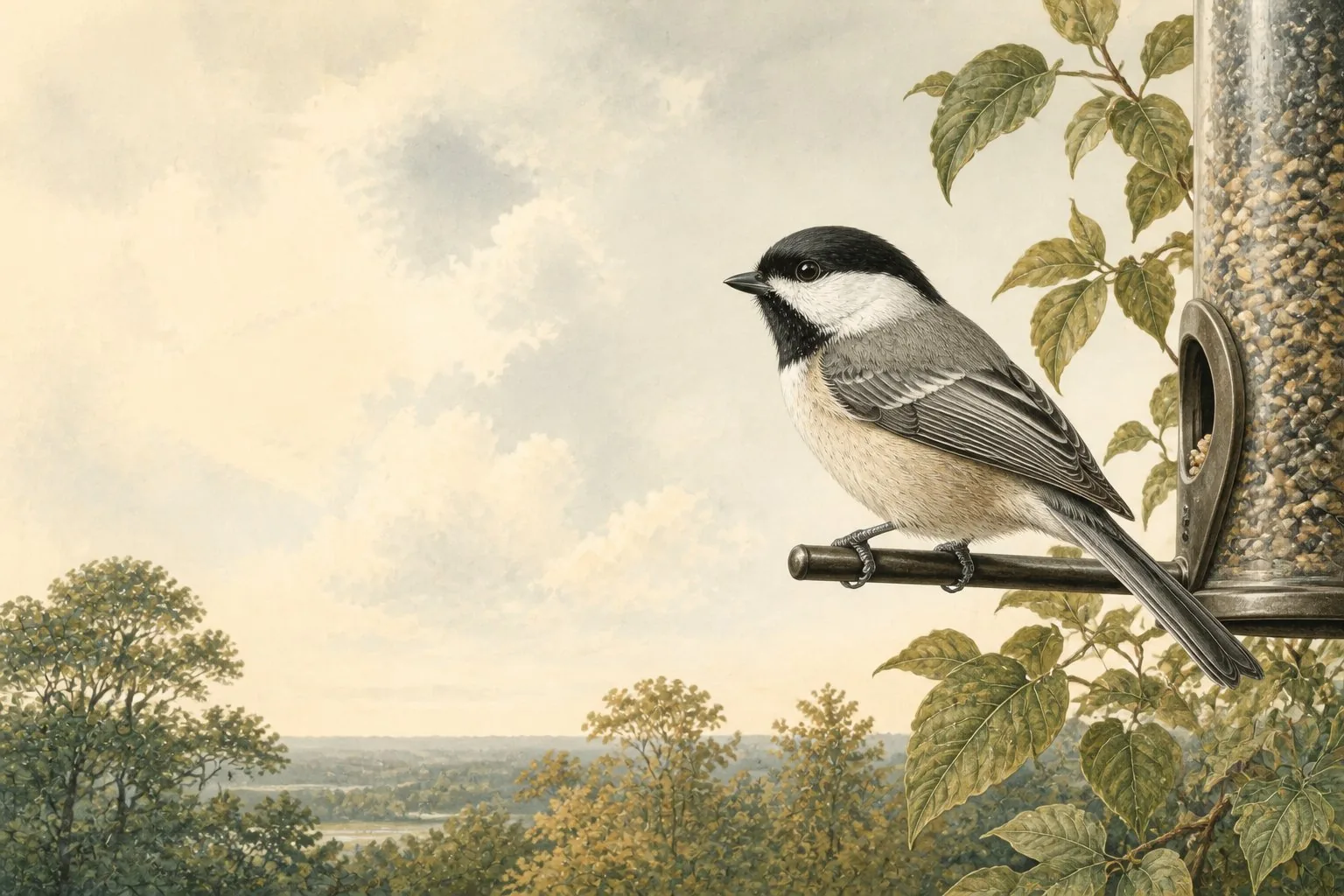
Feeder placement matters even more than feeder type. Painted Buntings forage on or near the ground and are naturally secretive. A feeder mounted five feet high in the centre of an open lawn gives a bird nowhere to feel safe. Place the feeder low - on a short pole, a stump, or a platform near ground level - and position it directly adjacent to dense low shrub or brushy cover. The bird needs to be able to dart into cover between visits. Without that, even a perfectly stocked feeder in the right county may sit ignored.
Habitat: What Your Yard Needs
The best backyard for a Painted Bunting is not particularly tidy. Dense low-growing native shrubs, unmowed weedy edges, thickets, and scrubby borders are what this bird evolved to use.
For the eastern population, wax myrtle, palmetto, and native coastal scrub plants create exactly the kind of staging cover the birds expect. Wooded back dunes and hedgerows work well. For the western population, brushy field edges, unmowed roadsides, and shrubby fence lines near your feeder replicate their preferred habitat.
A manicured lawn with ornamental beds and open sight lines reads as exposure to a bunting. Shrub up a corner of the yard, let a hedgerow thicken, or leave a strip of native brush along the fence. The feeder is secondary to the cover.
What You Will See (and What You Will Not)
Adult males are not the only Painted Buntings at feeders, and expecting only brilliant colour means missing most of your visitors.
The National Audubon Society notes that males do not acquire their full adult plumage until their second fall. First-year males look almost identical to adult females: plain yellow-green, easy to overlook, and frequently misidentified as a stray warbler or a female House Finch. If a small green-yellow bird is working your millet feeder, look again. It may well be an immature male Painted Bunting.
Adult males are dazzling but shy. Expect brief, cautious visits, often at dawn or dusk, usually from the cover edge rather than the open feeder. Males are also aggressively territorial with one another, and confrontations between rival males can turn violent. Two males at the same feeder tend not to coexist for long.
The yard that holds a Painted Bunting is not the cleanest yard on the street. It is the one with the most shelter.
Conservation: A Bird Under Pressure
The Painted Bunting is not doing well in the long run. According to USGS Breeding Bird Survey data summarised by Cornell Lab of Ornithology, the species has shown a gradual long-term decline across recent decades, with the eastern population declining faster than the western. Partners in Flight estimates the global breeding population in the low millions, a figure that sounds comfortable only until you track the downward trajectory.
Primary pressures include habitat loss and fragmentation across the breeding range, and illegal trapping for the cage-bird trade on the wintering grounds in Mexico, Central America, and the Caribbean.
In your own yard: keep cats indoors, treat windows with collision deterrents, and resist the urge to clear the brushy corners. Native shrubby cover is not just attractive habitat - it is protective infrastructure for a bird that genuinely needs it.