Backyard
Why Birds Are Not Coming to Your Feeder
You set the feeder up in October, and birds came. Now it is February and the seed sits untouched. Nothing has changed - or so it seems.
Something has. And in most cases it is one of seven things, nearly all of which take less than 20 minutes to fix.
The position most people take is that they have the wrong food. That is rarely true. The more likely explanation is that the right food has gone bad, or the feeder itself has become a place birds have learned to avoid. Birds are not being fussy. They are being sensible.
Stale or mouldy seed
Seed that sits in a feeder through two weeks of wet weather is not seed any more. It is a compressed block of fungal growth. Birds can detect it and will pass the feeder entirely rather than eat from it.
- Replace seed every two weeks in cold weather, every week in warm or wet weather.
- Store what you have not used in an airtight container in a cool, dry place.
- If the seed smells musty or has clumped together, throw it out. Mouldy seed can kill birds.
This is the single most common reason a previously busy feeder goes quiet. Check it before anything else.
A dirty feeder
Salmonella, avian pox, and trichomoniasis all pass between birds at contaminated feeders. A hawk does not need to visit your yard to clear it of birds - a sick House Finch sharing a perch with 30 others will do the same work over several weeks. If birds were regular visitors and then stopped, a disease event at the feeder is a real possibility.
If you find a dead or visibly sick bird beneath your feeder, take the feeder down for at least two weeks. Clean it with a 10% bleach solution, rinse it completely, and let it dry before refilling. This breaks the transmission cycle.
Clean every feeder every two weeks regardless. Scrub the ports, the perches, and the tray below. Rake up fallen seed from the ground beneath it. The ground scatter is where the most contamination happens.
Wrong food for the wrong birds
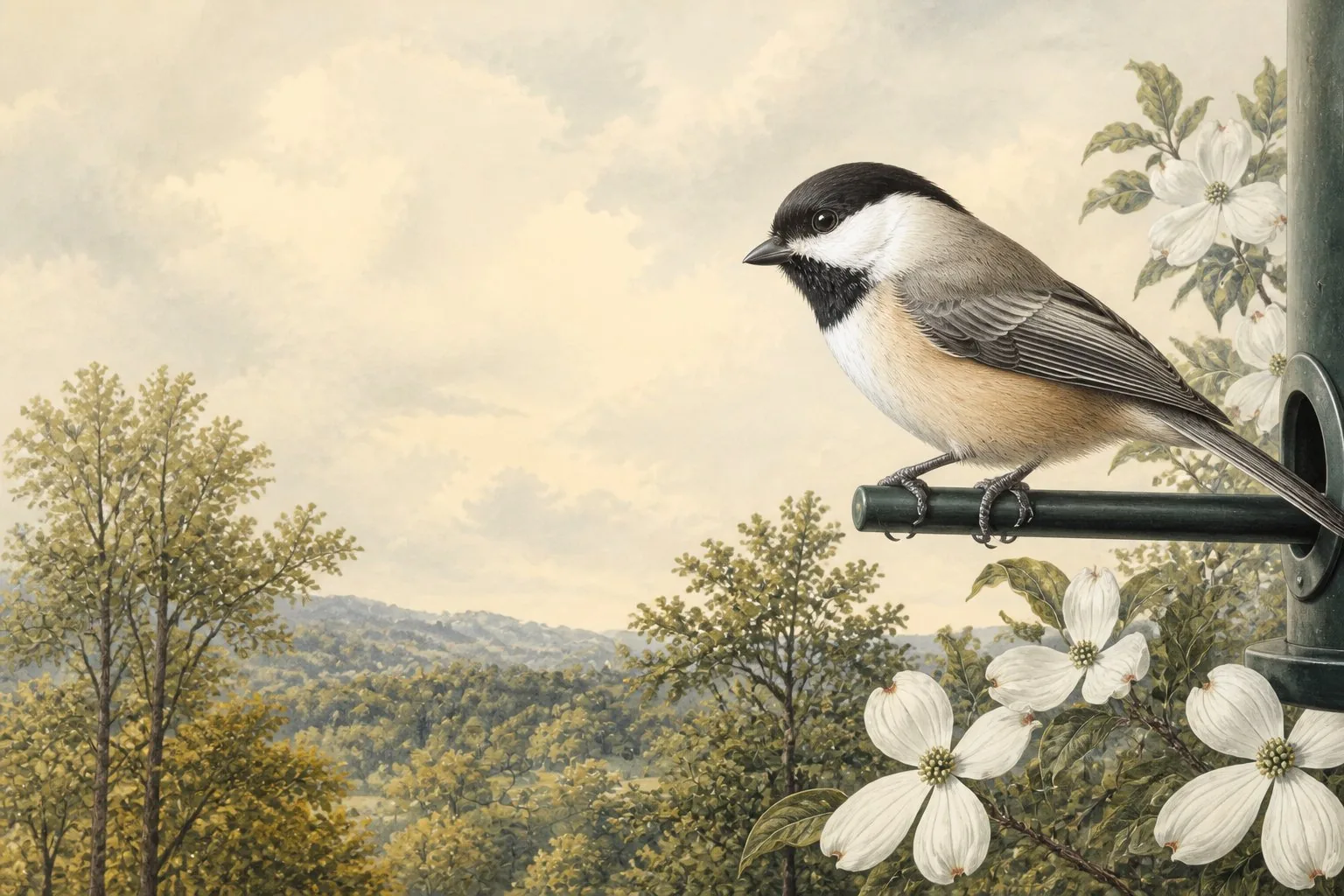
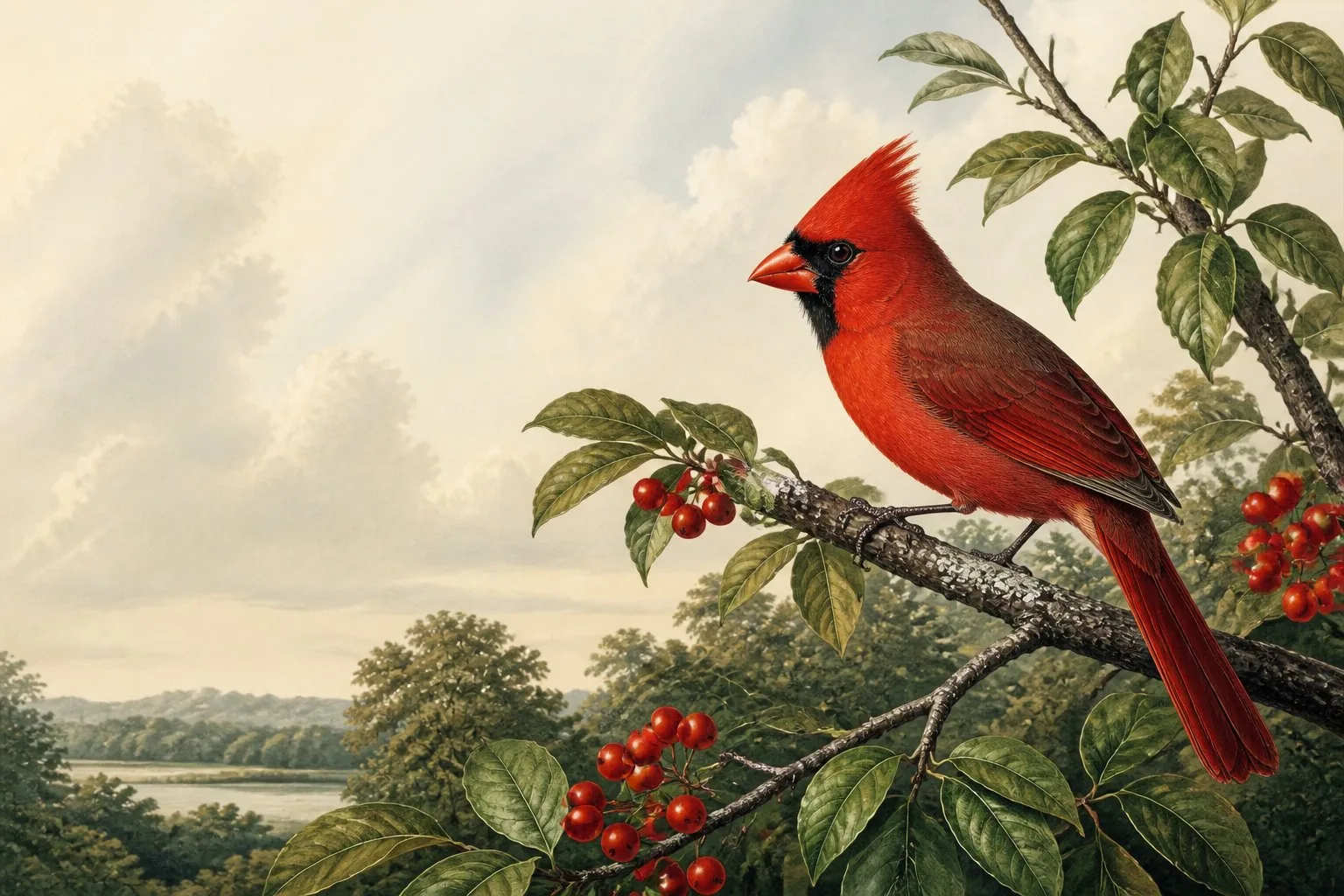
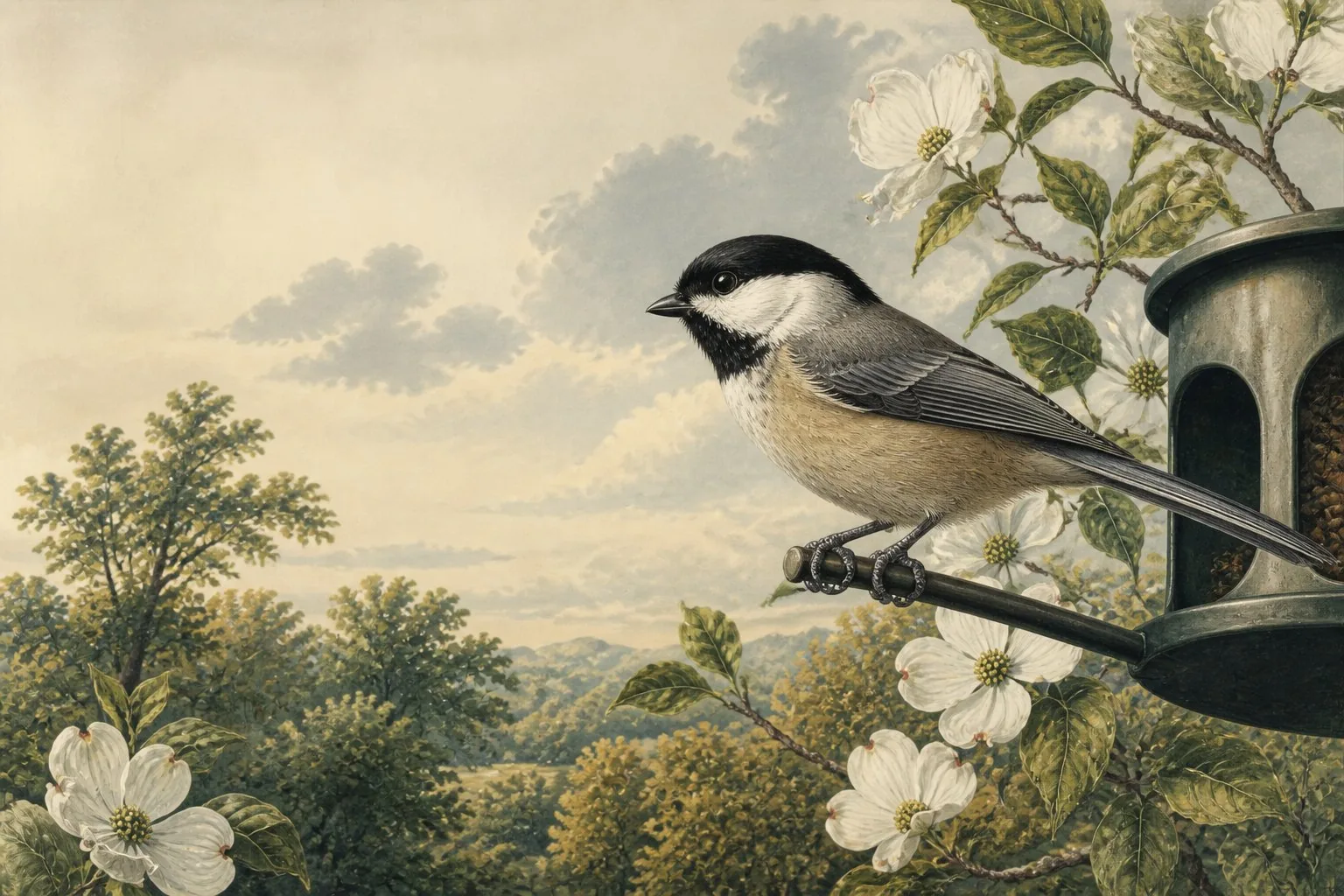
Black oil sunflower seeds are the single most useful thing you can put in a feeder. They have a thin shell that small birds can crack, high fat content that most species want in cold weather, and they attract Northern Cardinals, Carolina Chickadees, White-breasted Nuthatches, finches, and jays. If you are using a generic seed mix with filler grains - red millet, oats, wheat - most birds will pick through it and push the rest onto the ground to rot.
| Seed or food | Species it attracts |
|---|---|
| Black oil sunflower | Cardinals, chickadees, finches, nuthatches, jays |
| Safflower | Cardinals, chickadees - squirrels and grackles generally avoid it |
| Nyjer (thistle) | Goldfinches, pine siskins - requires a fine-mesh tube feeder |
| Suet | Woodpeckers, nuthatches, chickadees - hang in shade in summer |
| White millet | Sparrows, juncos, doves - best scattered on a low platform |
| Shelled peanuts | Jays, woodpeckers, titmice |
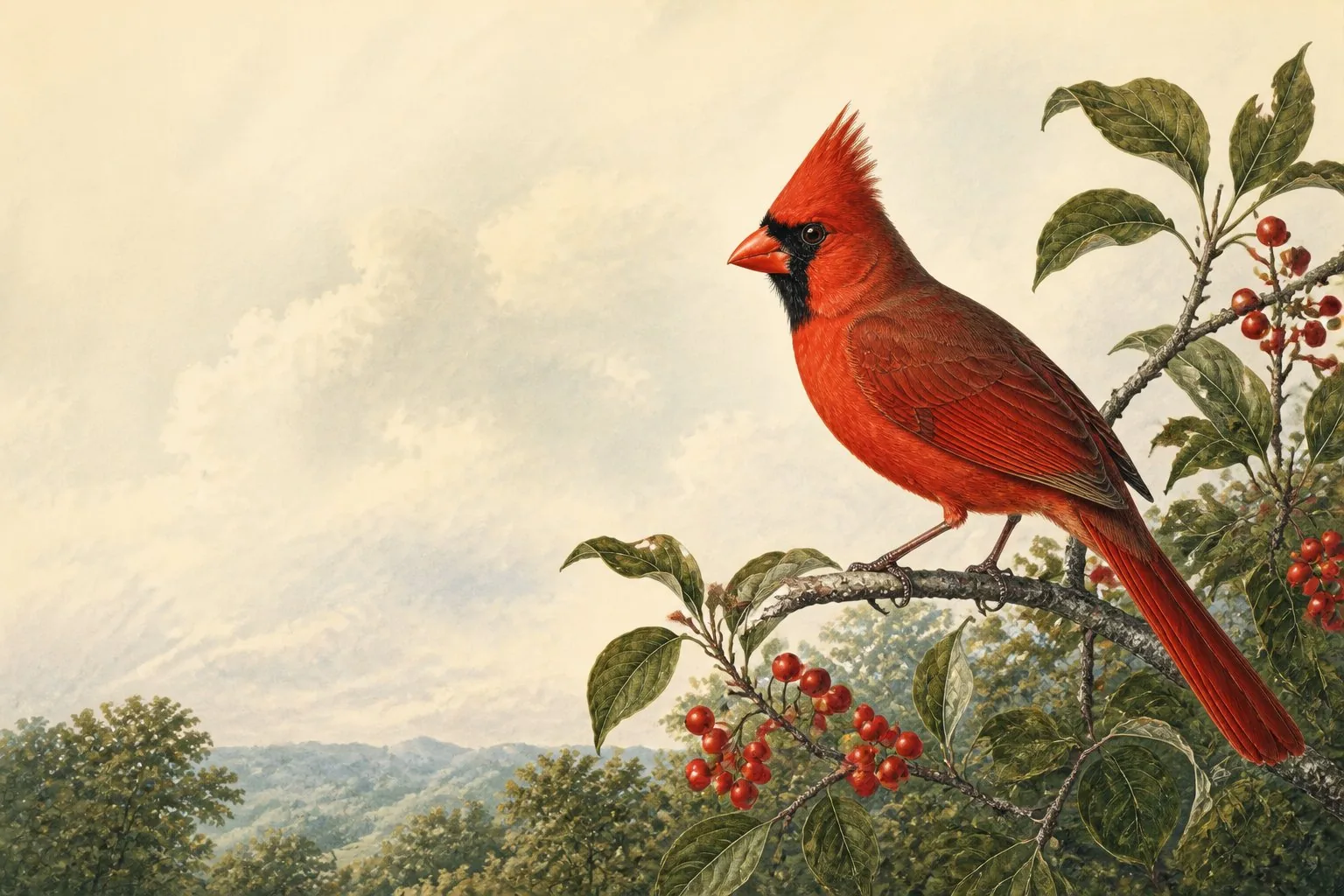
Avoid bread, honey, and flavoured mixes. If you want to attract Northern Cardinals (Cardinalis cardinalis) specifically, safflower alongside black oil sunflower is the combination that works.
Bad placement
Where you hang the feeder shapes which birds will use it and how long they will stay. Too close to dense cover and cats can wait in the bushes and ambush ground feeders. Too far from any cover and birds will not land at all - they need a clear escape route. Too close to a window and birds fly into glass.
The practical range is 2 to 3 metres from the house and at least 3 metres from dense shrubs or fencing. If window strikes are happening, how you hang the feeder matters too - either within one metre of glass, where a bird cannot build up fatal speed, or more than 10 metres away.
Predators
The Cooper’s Hawk is the feeder predator you will rarely catch in the act. A Cooper’s hawk or Sharp-shinned hawk hunting near a feeder will clear it for days. Birds are not being cautious in an abstract sense. They have watched a predator take another bird from that spot and they remember. The absence is not random - it is information.
Moving the feeder 5 metres is often enough to reset the association. A pole-mounted baffle stops squirrels and cats climbing to the feeder. If a cat from the neighbourhood is hunting the base, that is the thing to address first. Outdoor cats are the leading non-natural cause of bird mortality, and no seed selection will compensate for a feeder that doubles as a hunting ground.
Seasonal abundance
Late spring through midsummer, feeders slow down everywhere. Birds have insects, berries, caterpillars, and fresh seed heads available in the yard and hedgerow. The feeder is competing with the entire landscape and losing.
This is normal. Keep the feeder clean and stocked through summer, even if traffic is light. Traffic returns as natural food declines in late summer and early autumn, and if the feeder has gone rotten in August it will not be ready when birds start needing it in September.
A new feeder that has not been discovered yet
A brand new feeder in a new position can sit empty for one to four weeks. Birds find feeders by watching other birds, and it takes time for one individual to take the first risk on an unfamiliar object. Scatter a small amount of seed on the ground beneath the feeder to attract ground feeders first. Once any bird starts using the feeder, others will follow within days.
The same applies after a long gap. If a feeder sat empty and dirty all summer and you have just refilled it, treat it as a new feeder. The birds that used it in winter may need to rediscover it.
Most empty feeders are not a mystery. They are a feeder with seed that went bad three weeks ago, or a feeder that never got cleaned after last winter’s finch flock. Fix those two things first. The birds will tell you whether there is anything else to address.