Free shipping to the US, Canada & Europe
Biology
African Greys routinely outlive the people who buy them. Understanding exotic bird lifespans changes every question about whether to keep one.
July 22, 2023 5 min read
An African Grey parrot sold to a family in the 1980s is, in most cases, still alive today.
Psittacus erithacus, the African Grey, lives 40 to 60 years in captivity. The bird that came home as a housewarming present for a couple in their thirties may well outlive them both. This is not a curiosity. It is the central fact about exotic birds that changes every other question - whether to get one, what species, what commitment you are actually making. When ornithologists and avian vets talk about the exotic-bird welfare crisis, this is what they are talking about: birds that bond to one person for decades, then get rehomed when that person can no longer care for them, then bond again, then get rehomed again.
Most people who buy an exotic bird are thinking about years. They should be thinking about generations.
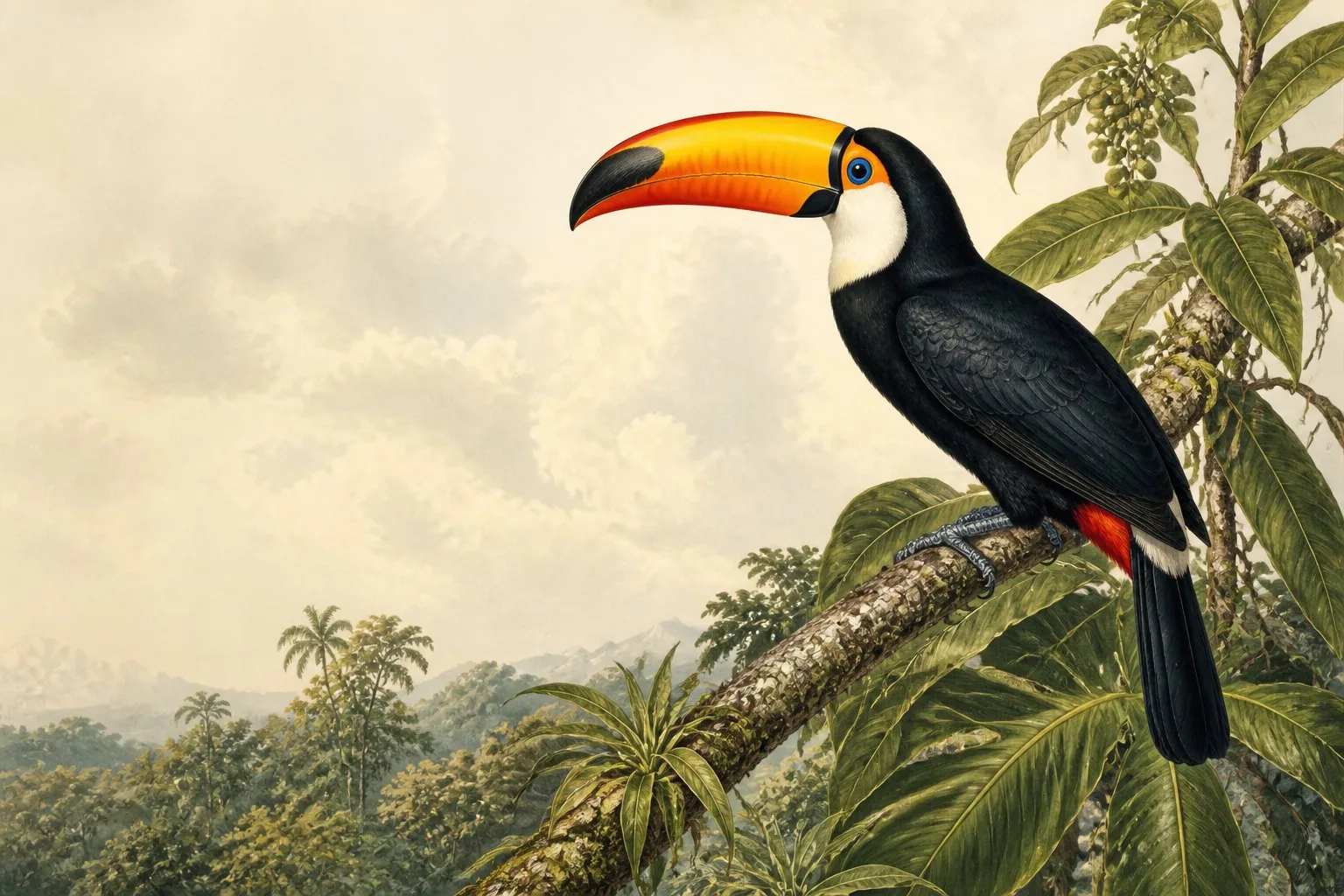
The category covers a wide range of species from Central and South America, Africa, Australia, and Southeast Asia. What they share is origin: tropical forests, grasslands, and scrublands where their wild equivalents still fly. The common cage birds - parrots, macaws, cockatoos, cockatiels, lovebirds - are all psittacines, the parrot order. Toucans, hornbills, and lorikeets are less common but kept by enthusiasts. Each group has its own biology. The lifespan and social complexity vary enormously, and that variation is where most prospective owners go wrong.
The five species most commonly kept in the UK and North America:
| Species | Adult size | Typical lifespan | Daily interaction needed |
|---|---|---|---|
| African Grey Parrot | 33 cm | 40-60 years | 3+ hours |
| Blue-and-Gold Macaw | 86 cm | 50-60 years | 4+ hours |
| Cockatoo (various) | 30-60 cm | 40-70 years | 4+ hours |
| Cockatiel | 30 cm | 15-25 years | 1-2 hours |
| Budgerigar | 18 cm | 5-10 years | 1 hour |
The budgerigar is not the same problem as the macaw. A budgie is a 10-year commitment and a small cage. A macaw is a 60-year commitment, a flight aviary, a specialised diet, and a noise level that has caused genuine neighbour disputes. The word “parrot” covers both and this blurs a distinction that matters.
Wild parrots are highly social, cognitively complex animals. In the rainforests of Venezuela or the eucalyptus woodlands of Queensland, they spend most of the day foraging in flocks, vocalising, problem-solving, and maintaining pair bonds. The behaviour that makes a captive African Grey so engaging - its ability to learn words, to recognise faces, to manipulate objects - is the same behaviour that makes deprivation so damaging. A bored or isolated parrot develops self-destructive habits. Feather-destructive behaviour is common. Screaming fits are common. These are not signs of a badly trained bird. They are signs of a social mammal-level intelligence being kept in conditions that do not match its biology.
The lifespan figures are not trivia. They are the commitment measured in years, and the commitment does not get shorter just because a bird changes hands.
The diet question follows from the same biology. Wild macaws eat dozens of food types across a year, tracking seasonal availability across large territories. The “seed and nut only” diet that many buyers default to produces nutritional deficiencies in the medium term. The Cornell Lab of Ornithology and avian vet organisations have documented the health effects in captive parrots: low vitamin A, low calcium, and accelerated decline. Formulated pellets now exist and most avian vets recommend them as the dietary base, supplemented with fresh fruit and vegetables. The exotic bird that lives 60 years in a good home lives 20 in a bad one.
The legal situation has shifted. Many parrot species are listed under CITES - the Convention on International Trade in Endangered Species - and sale of wild-caught birds is controlled. Any reputable breeder or rescue operates within this framework. If you are offered a bird without documentation, walk away. The documentation exists for reasons connected to conservation pressures on wild populations in Africa, South America, and Indonesia, where trapping for the pet trade has historically driven local declines.
If you have decided the biology fits your situation, four things matter more than species selection:
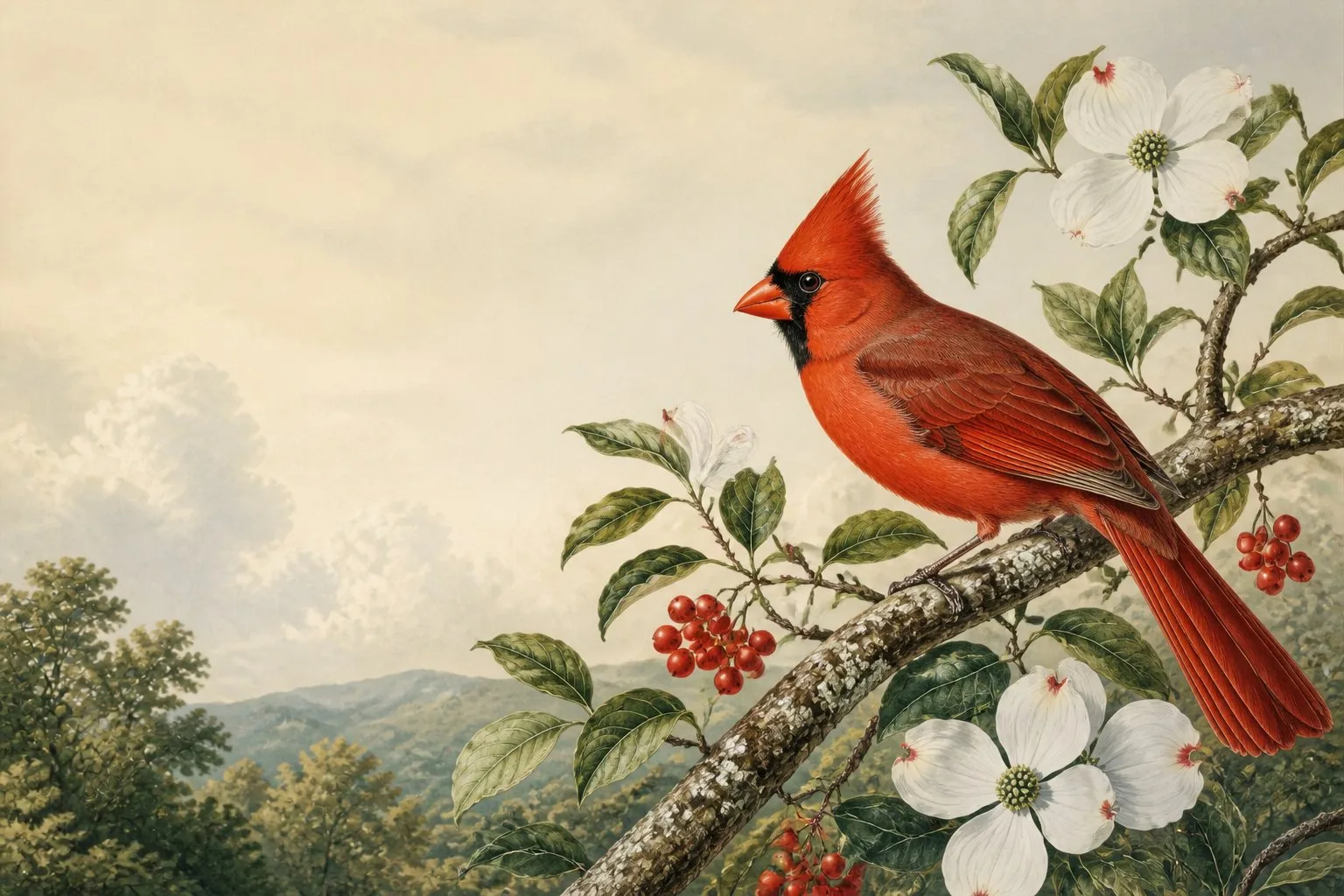
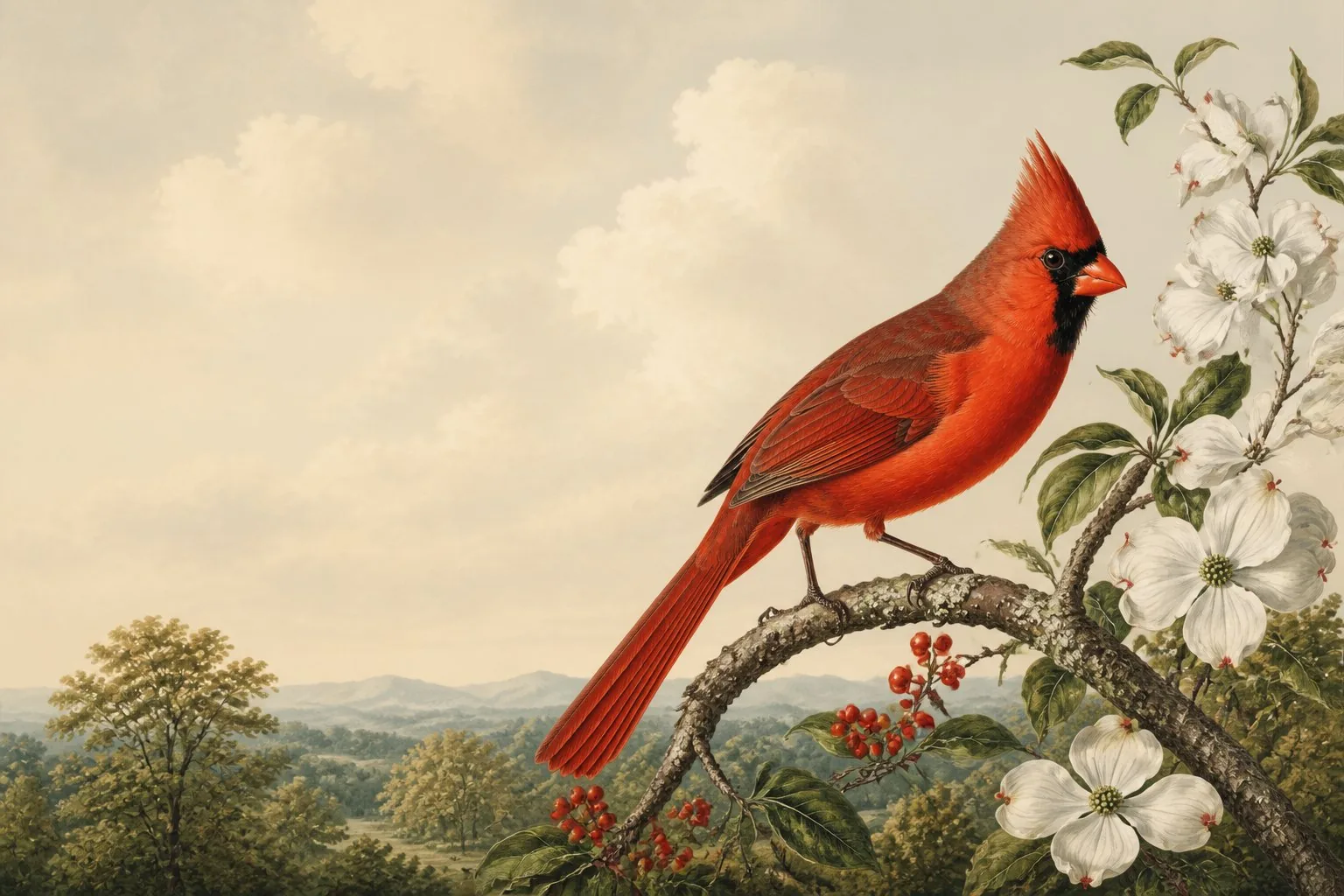
The Northern Cardinal as a backyard bird requires nothing from you beyond a well-placed feeder. A macaw requires more daily management than most dogs. The gap between those two is worth sitting with.
For anyone drawn to exotic birds by their colour, intelligence, and behaviour, the honest alternative is: go and find them. Macaws exist in wild populations in Belize, Costa Rica, and the Brazilian Pantanal. African Greys live in the Congo basin. Cockatoos spread across northern and eastern Australia. Responsible wildlife tourism supports conservation rather than draining it. You get to see what a Blue-and-Gold Macaw in flight actually looks like - which is nothing like a bird in a cage - and you carry nothing home that will outlive you.
The birds most worth understanding as biology rather than as property are the ones that behave as though they know the difference. If you pay attention to how the cardinal in your yard uses its territory - which you can read more about in the context of cardinal molting and the biological costs of seasonal change - you are doing something closer to what the best exotic-bird keepers do: watching a life being lived on its own terms, and staying out of the way.
The commitment, for the birds that demand it, is not measured in care instructions. It is measured in the number of years between your life and theirs - and for the African Grey, that number is almost certainly longer than you have planned for.
As an Amazon Associate we earn from qualifying purchases. Linked products are ones we genuinely recommend.

 July 22, 2023
 5 min read