Biology
Do Wild Birds Eat Walnuts?
A Blue Jay lands on the platform feeder, picks up a whole walnut, and is gone in three seconds. He does not eat it there. He takes it to a branch 30 feet away and works it against the bark, then hides it under a layer of leaves for later. The walnut has not been cracked. It will not be cracked until he needs it - possibly weeks from now, possibly in a February that has not arrived yet.
That caching behaviour is the thesis of this piece. Wild birds do eat walnuts, but the more interesting fact is that different species have developed entirely distinct strategies for handling a food source that is hard, heavy, and sometimes larger than their own head. The walnut is less a seed than a test.
Which birds eat walnuts
| Bird | Strategy |
|---|---|
| Blue Jay | Carries whole nuts to cache or hammers on a hard surface |
| American Crow | Drops walnuts from height onto pavement or rock to crack them |
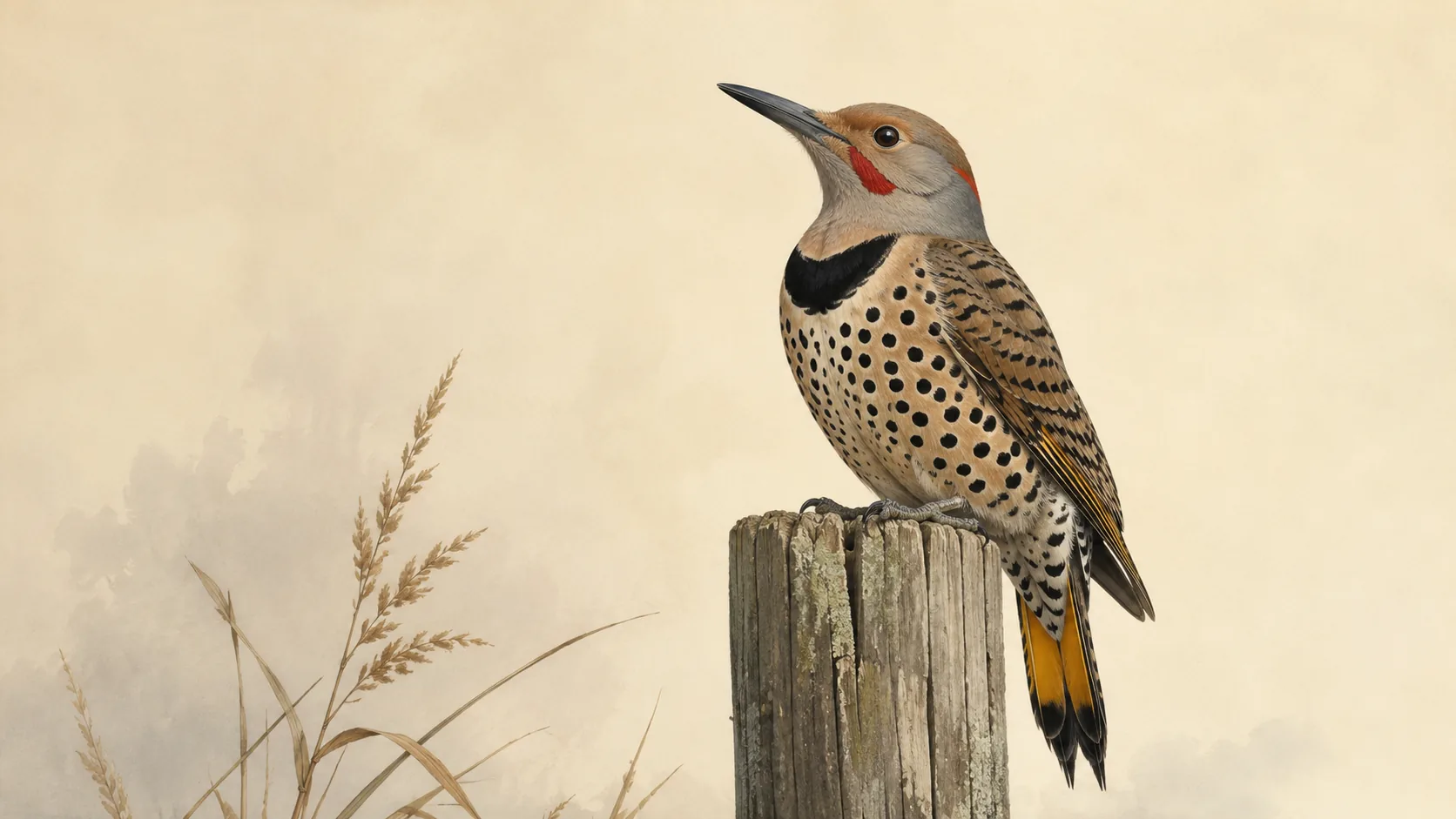
| Woodpeckers | Wedges pieces into bark crevices and pecks them open |
| White-breasted Nuthatch | Wedges pieces into furrows, hammers with bill |
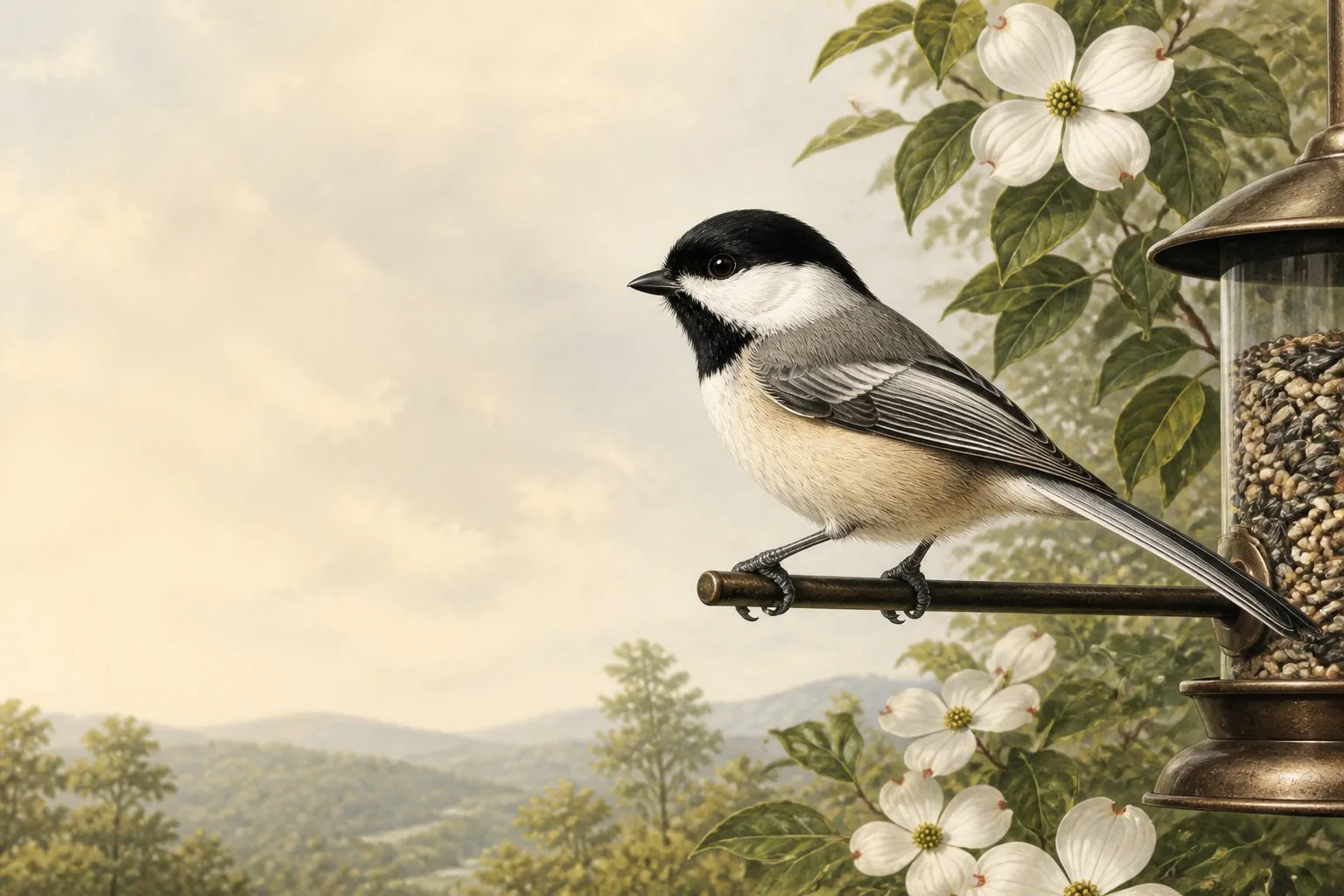
| Black-capped Chickadee | Takes small pre-cracked pieces, eats or caches individually |
| Tufted Titmouse | Grabs a piece, flies to a branch, holds it under a foot and hammers |
| Common Grackle | Picks up crushed fragments from feeder trays |
Crows deserve a note. The behaviour of dropping hard-shelled nuts onto paved surfaces to crack them has been documented at several urban sites. Some individuals learn to position the nut on pedestrian crossings and wait for passing vehicles to do the work. Whether this counts as tool use is a question ornithologists still argue about, but the behaviour itself is well-established.
Why walnuts are worth the effort
Walnuts are energy-dense. The fat content - mostly unsaturated - makes them one of the higher-calorie foods a bird can cache against a cold spell. The protein supports feather growth during late-summer moult. If you are offering them at a winter feeder alongside sunflower seed, walnuts fill a different nutritional gap than the seed does. The same logic applies to lower-fat staples like oats, which round out a feeder rather than power a cold spell.
The birds that eat walnuts most efficiently are the ones that treat them as a problem to solve rather than a food to consume on the spot. Caching, hammering, and dropping are all the same insight: the shell is an obstacle, not a reason to move on.
How to offer walnuts safely
Plain and unsalted is the only rule that is non-negotiable. Salted, roasted, or flavoured walnuts carry additives that can cause kidney stress in small birds. Mouldy or discoloured walnuts risk aflatoxin, a fungal toxin that is genuinely harmful at sufficient dose. Beyond that, the main variable is size.
- For small birds (chickadees, titmice, nuthatches): crush or roughly chop the nut meat into pieces no larger than a pea. A zip-lock bag and a rolling pin takes 20 seconds.
- For jays and crows: whole walnuts, in or out of the shell, on a platform feeder or the ground. They will handle the rest.
- For woodpeckers: wedge halves into bark or a suet cage. They prefer to work a stationary food source.
Avoid leaving shelled walnuts out in rain. Wet nut meat goes rancid faster than seed does and will go soft and unappealing before it goes dangerous. A covered platform feeder or a small amount replaced daily solves this.
Walnuts versus other nuts
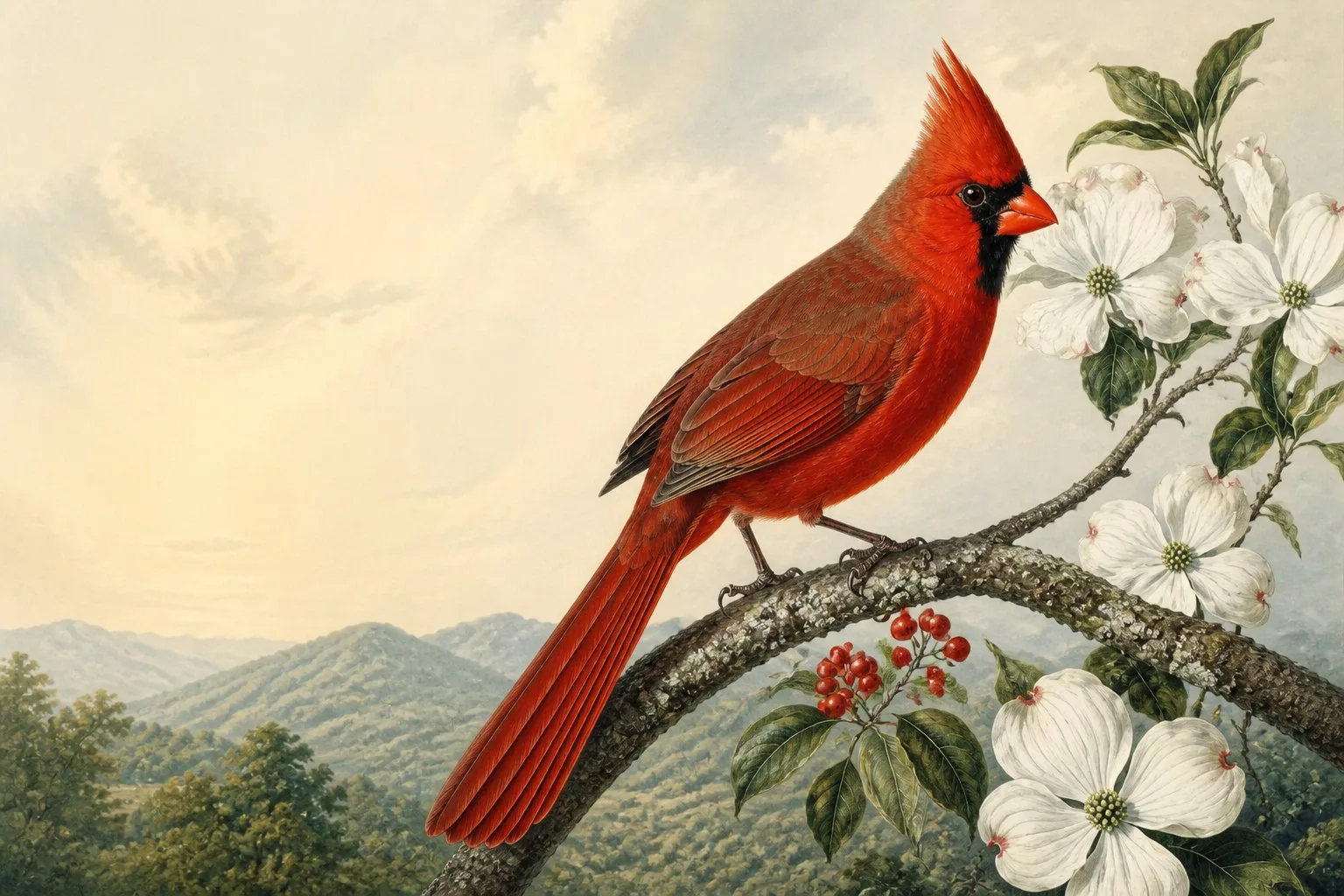
Peanuts are easier to source, cheaper, and taken by a wider range of species - including Northern Cardinals, which rarely bother with whole walnuts. If you are setting up a new feeder and want the broadest appeal, peanuts outperform walnuts. Walnuts earn their place as a supplement targeted at corvids, woodpeckers, and nuthatches.
Pecans are broadly similar to walnuts in nutritional profile and are taken by the same birds. Hazelnuts and almonds are acceptable but less commonly offered, partly because the cost per calorie is higher and partly because most of the birds that would eat them are already served by peanuts or walnuts. Nuts are not the only kitchen scrap people wonder about either, and the answer to whether wild birds eat lettuce follows the same logic of calories versus effort.
One nut to avoid: macadamias. They are high in a fat fraction that sits poorly with several bird species and there is no good reason to use them when alternatives are available.
A note on Black Walnuts specifically
Black walnuts (Juglans nigra) are native across much of eastern North America, and jays and woodpeckers forage on them in the wild. If you have a Black Walnut tree in your yard, the birds already know about it - you will see Blue Jays in the canopy in September working the green husks before they fall. The husks contain juglone, which stains skin and clothing but does not harm birds that eat the nut inside. Fallen Black Walnuts on the ground attract the same species as English walnuts at a feeder.
The differences are practical rather than nutritional. Black Walnut shells are significantly harder than English walnut shells. Birds that can crack an English walnut half may struggle with a whole Black Walnut. Pre-cracking, or simply leaving fallen nuts for jays and crows to work on themselves, is the easier path.