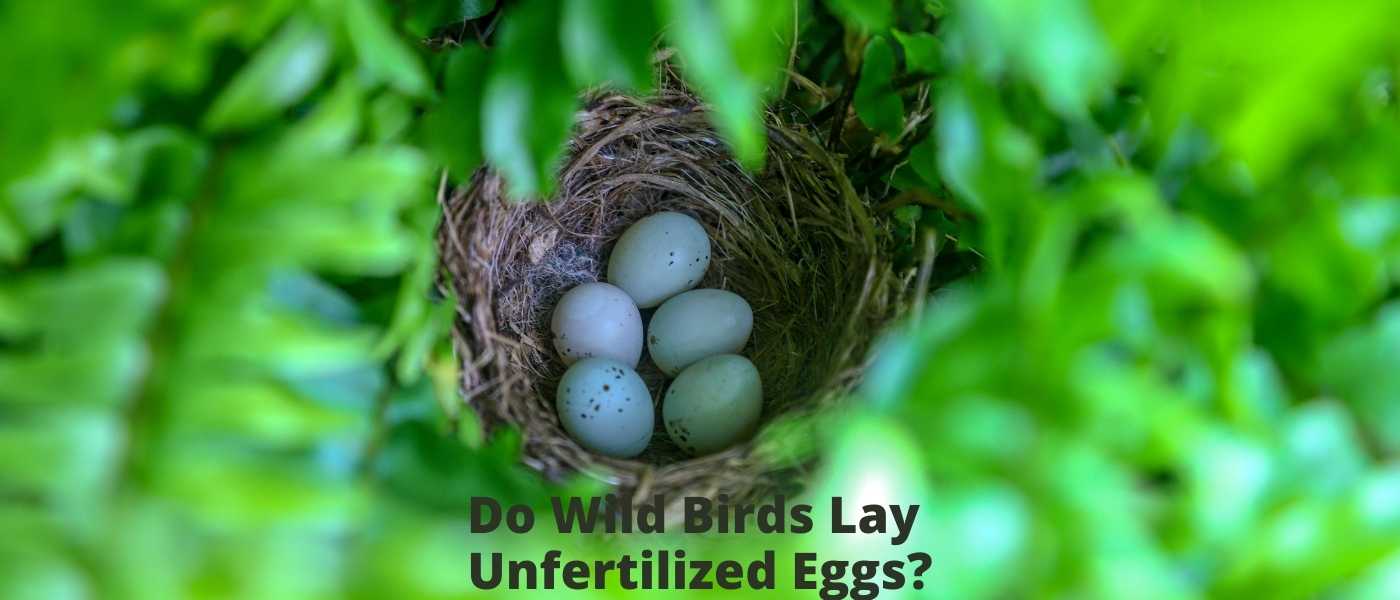
Rarely. Most wild birds only lay eggs after mating with a male. Unlike domestic chickens, which have been selectively bred to lay eggs constantly regardless of fertilisation, wild birds conserve energy by only producing eggs when they have a mate and conditions are right for breeding.
Wild Birds vs Domestic Birds
| Feature | Wild birds | Domestic chickens |
|---|---|---|
| Lay without a male? | Very rarely | Yes - routinely |
| Eggs per year | 2-15 depending on species | 200-300+ |
| Egg production trigger | Mating + hormonal breeding cycle | Continuous, regardless of mating |
| Energy cost | High - eggs are produced only when necessary | Bred to sustain constant production |
| Unfertilised eggs | Extremely uncommon | The majority of store-bought eggs |
How Bird Egg Production Works
| Step | What happens |
|---|---|
| Breeding season begins | Daylight length triggers hormonal changes |
| Ovaries enlarge | Female’s ovaries grow and mature egg cells (oocytes) |
| Mating occurs | Female stores sperm in the oviduct |
| Fertilisation | Sperm meets egg cell in the infundibulum |
| Shell formation | Hard calcium shell added in the uterus |
| Egg laid | Passes through the cloaca |
If no mating has occurred, most wild bird species simply reabsorb the mature egg cell rather than forming and laying an unfertilised egg. This saves enormous energy.
Infertile vs Unfertilised Eggs
| Term | Meaning |
|---|---|
| Unfertilised | No sperm reached the egg - will never develop |
| Infertile | Bird is physically unable to reproduce, even if mated |
| Fertile | Egg has been fertilised and can develop into a chick |
Which Birds Lay Without Mating?
| Bird | Lays unfertilised eggs? | Why |
|---|---|---|
| Domestic chickens | Yes - constantly | Selectively bred for maximum egg output |
| Domestic ducks | Sometimes | Similar breeding for egg production |
| Pet parrots | Sometimes | Hormonal triggers in captivity |
| Pet cockatiels | Sometimes | Common in captive females |
| Wild songbirds | Almost never | No evolutionary benefit |
| Wild raptors | Almost never | Too energy-costly |
If You Find Eggs in a Nest
Eggs found in a wild bird’s nest are almost certainly fertilised. Do not touch or disturb them. The parent bird is likely nearby and will return. Birds will often abandon a nest if they detect human interference.
Wild birds are efficient - they do not waste energy producing eggs that will never hatch. Unfertilised egg laying is overwhelmingly a trait of domesticated species that have been bred to produce eggs for human consumption.