Biology
Do Wild Birds Eat Lettuce?
A male American Goldfinch lands on a lettuce plant that has gone to seed and works through the seed heads with the systematic focus he normally reserves for a thistle stand. The gardener who planted that row in April meant to eat it. By July she has forgotten it, and the goldfinch has found it.
This is the answer to the lettuce question, and it is more interesting than a yes or no. Birds eat lettuce leaves, yes. What they are actually after, at least the birds most reliably attracted to it, are the seeds the leaves are preamble to. The thesis is this: a bolted lettuce plant is one of the most productive summer feeding stations you can have in a yard, and it costs nothing.
What birds eat lettuce
Goldfinches lead the list, and they are worth separating from the others. Most birds that nibble lettuce leaves are opportunists taking a leafy snack from a garden bed. The goldfinch is a specialist. He belongs to a family of birds adapted to extracting seed from composite plants, and lettuce - which is a member of the same plant family as thistle and dandelion - is squarely in his territory. He will take leaves in spring, but when the plant bolts and sends up its flowering stalk, he shifts into full foraging mode.
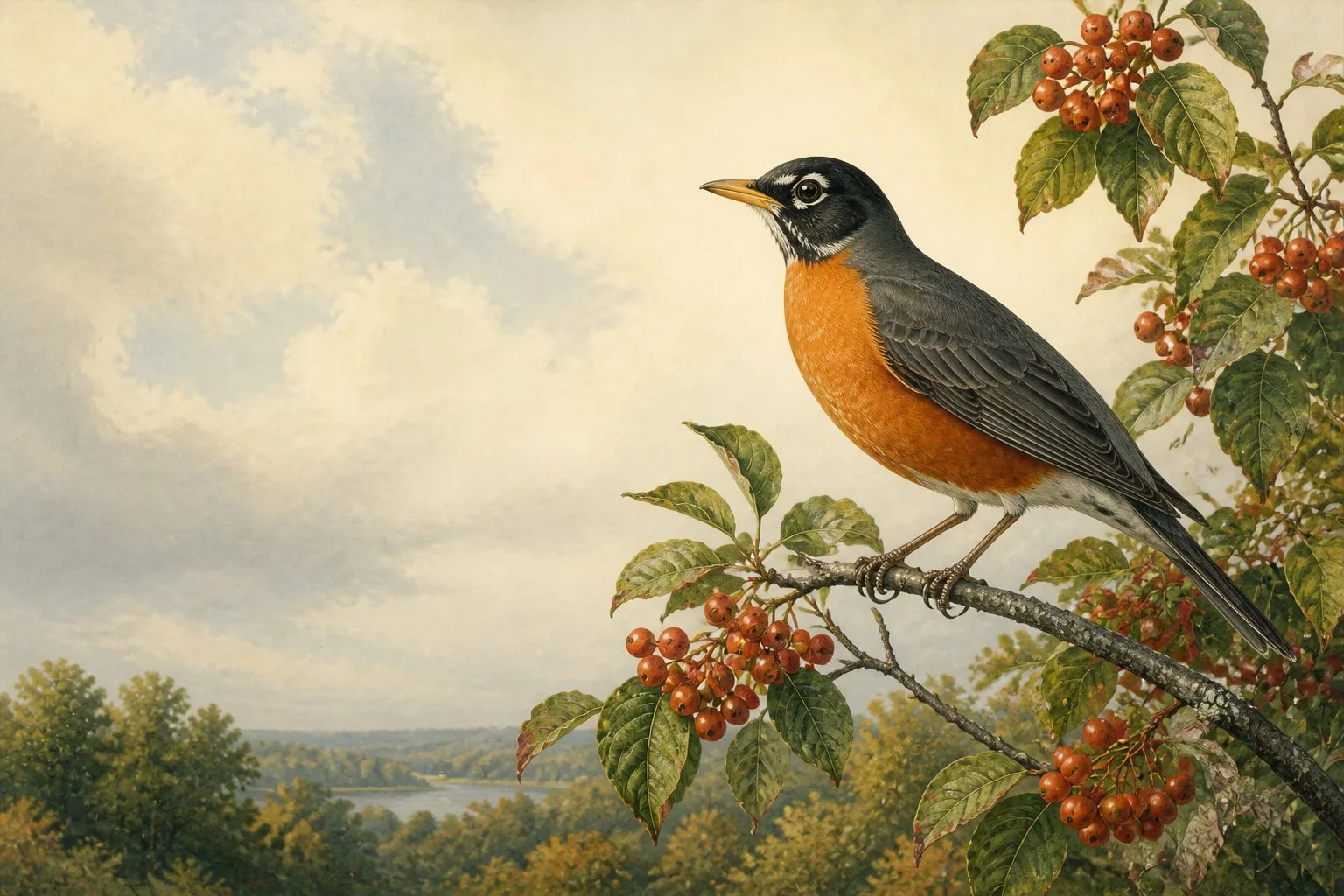
Other birds that visit garden greens include house sparrows, robins, starlings, finches, and pigeons. They take leaf fragments from the ground or from low beds. Their visits are shorter and less committed than the goldfinch’s. Worth noting if you see them; worth planning around if you want to draw goldfinches.
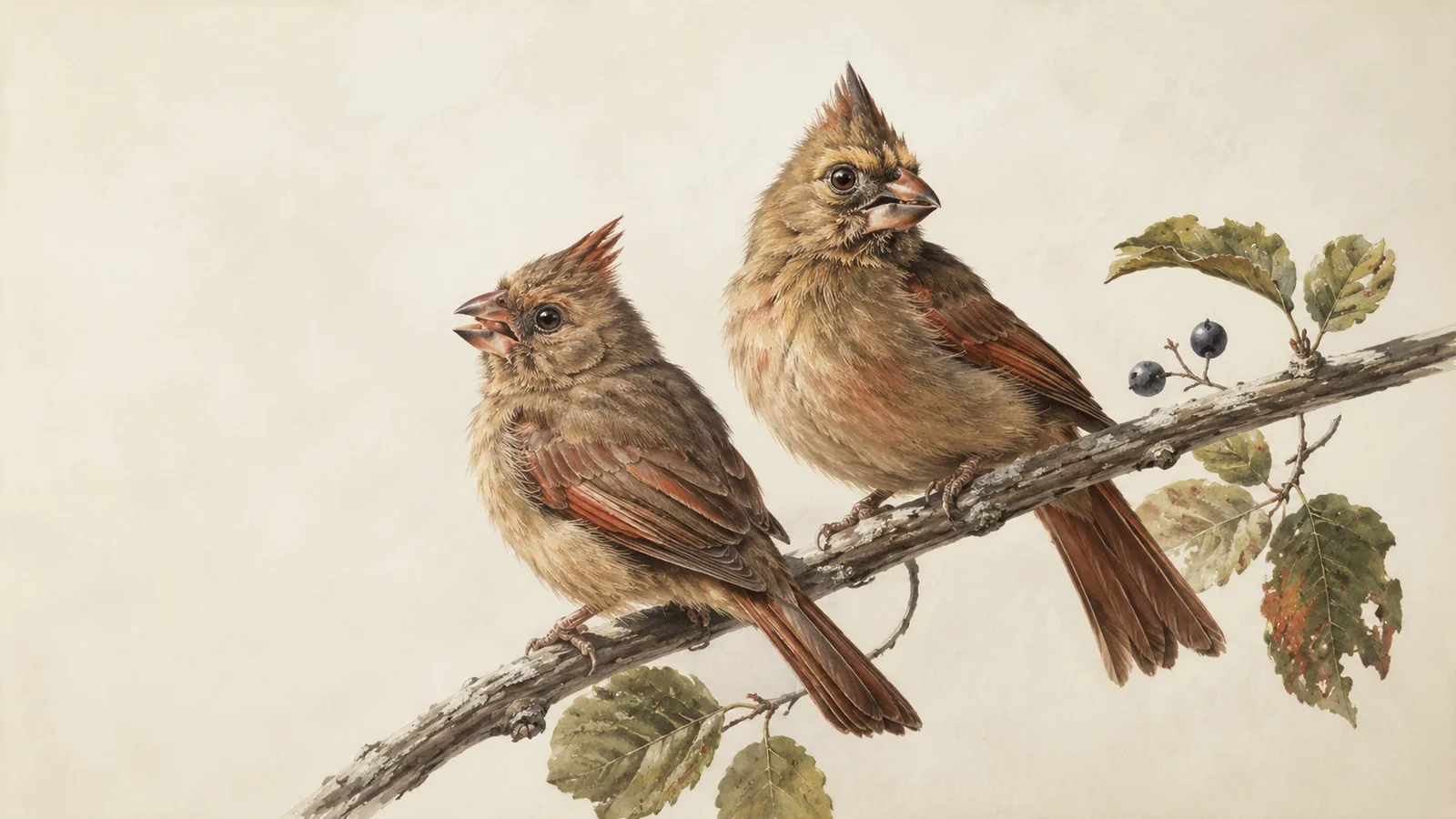
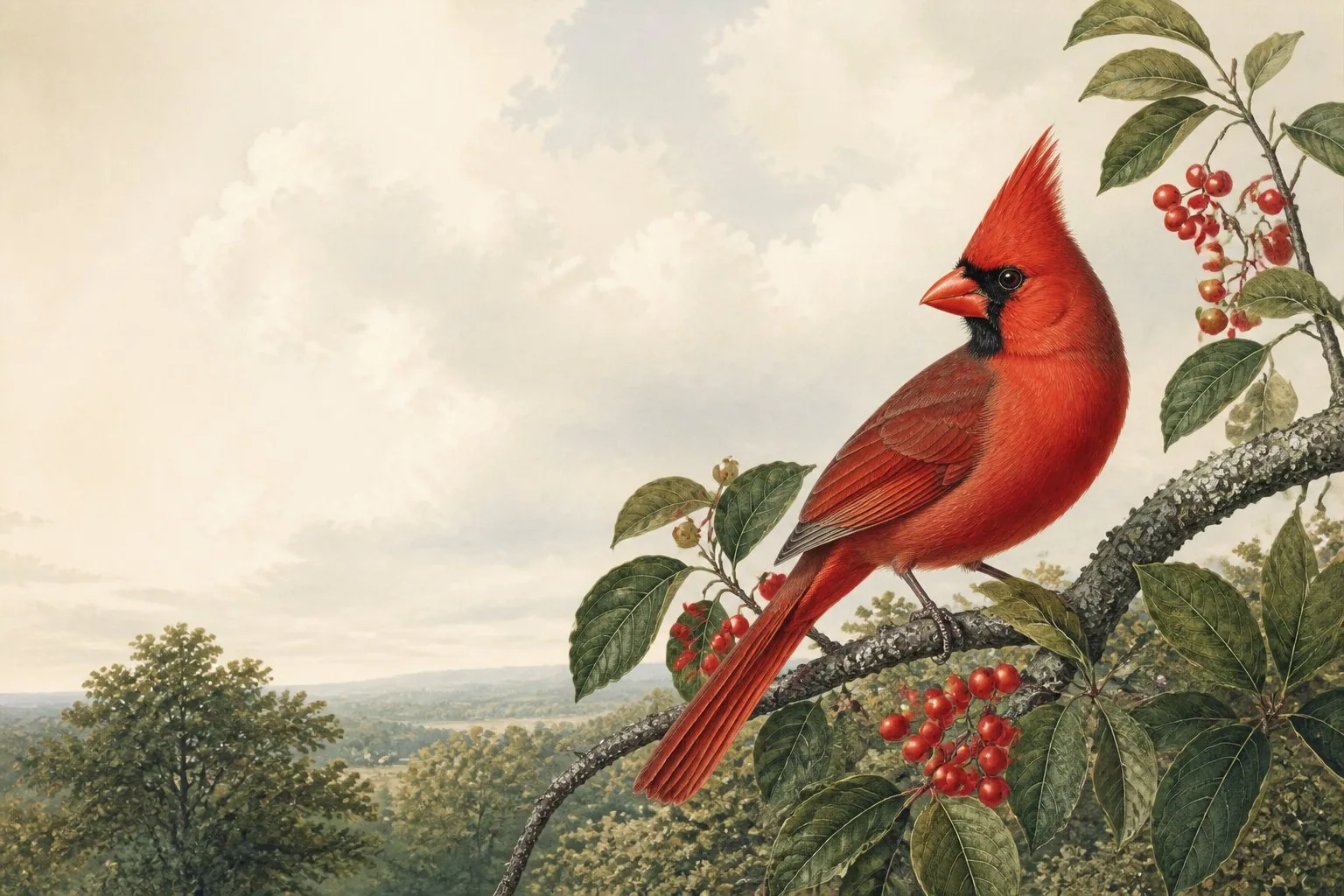
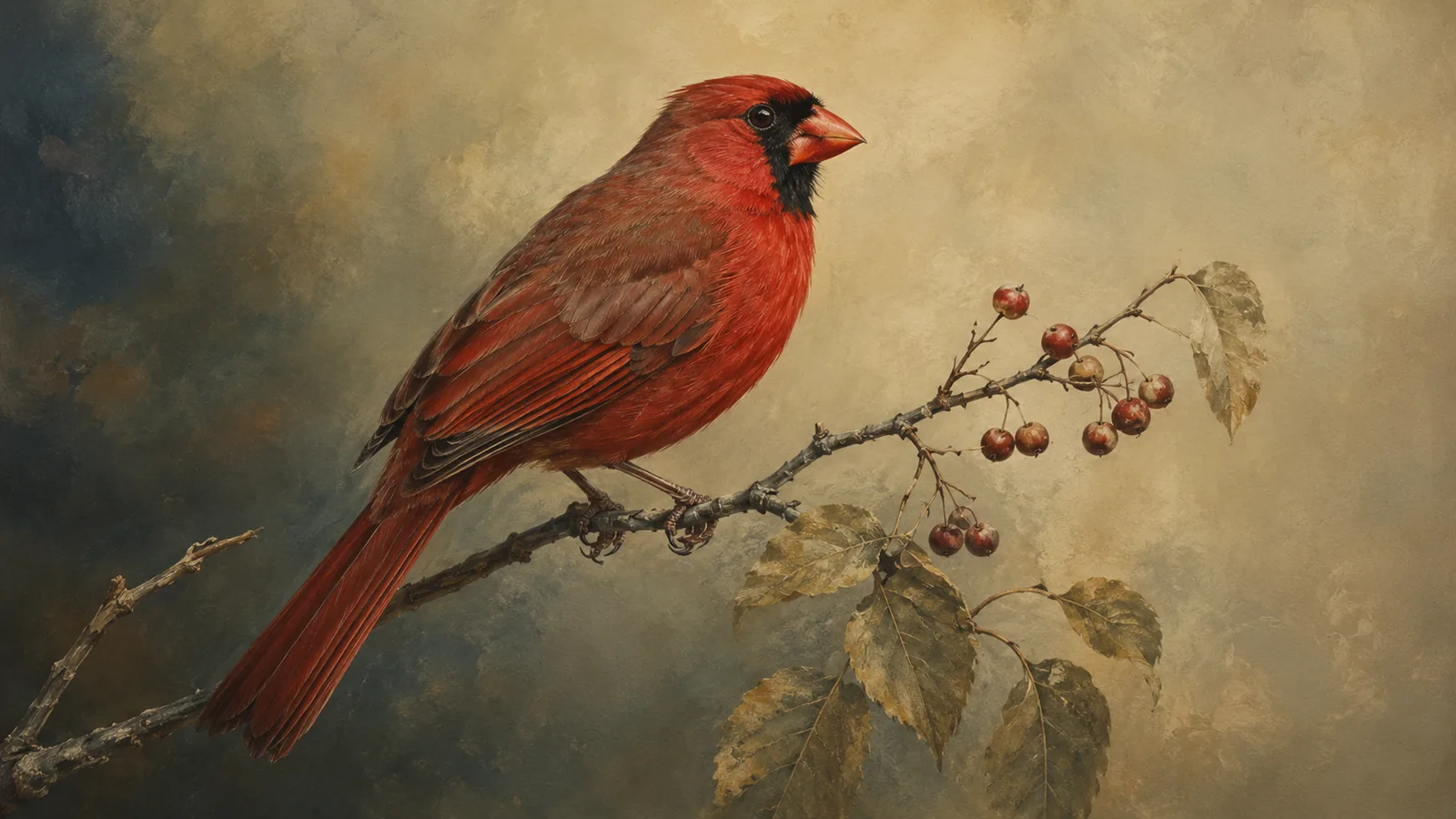
For more on what makes certain birds seed specialists, see the Northern Cardinal field guide - the cardinal is another dedicated seed-cracker, with bill anatomy shaped for exactly that work.
The leaf question: which lettuces are worth offering
If you are tearing leaves and placing them on a platform feeder, the variety matters.
| Lettuce | Safe? | Nutritional value |
|---|---|---|
| Romaine | Yes - best choice | Good fibre, vitamins A and K |
| Leaf lettuce (red or green) | Yes | Moderate nutrition |
| Spinach | Yes | High in vitamins A and iron |
| Kale | Yes | Among the best greens for birds |
| Iceberg | Avoid | About 96% water, almost no nutrients |
Iceberg is not toxic. It will not harm a bird who takes a few bites. The problem is that it crowds out better options and provides almost nothing in return. A bird filling its crop with iceberg is a bird not eating something useful. If you have romaine or leaf lettuce, use that. If all you have is iceberg, skip it.
Tear leaves into small pieces before placing them on a platform feeder. Whole leaves are difficult for small birds to manage and tend to blow off before anyone eats them.
The bolted lettuce strategy
The best way to feed lettuce to wild birds is not to buy it for them. It is to let your garden lettuce go to seed. The seed heads attract goldfinches reliably, and a single bolted plant can hold several birds at once.
Most gardeners pull lettuce plants that have bolted because the leaves turn bitter and the plant looks untidy. If you want to attract goldfinches, leave two or three plants to run their full cycle. The seed heads appear in midsummer and persist for weeks. Goldfinches will strip them. Once you have seen this happen you will set aside a corner of the bed deliberately.
This pairs well with other goldfinch-friendly plants. Sunflowers, coneflowers, and black-eyed Susans all produce seed heads that goldfinches work the same way. Lettuce just happens to be something most vegetable gardens already have. It is the simplest conversion from food crop to feeding station that exists.
Other greens and kitchen scraps that work
Beyond lettuce, a short list of kitchen vegetables that birds will take from a platform feeder:
- Thawed frozen peas
- Chopped carrots
- Broccoli florets
- Chopped bell peppers
- Cooked plain rice
Nuts work too, in moderation: wild birds will take walnuts, unsalted and broken into pieces. Avoid anything salted, seasoned, or cooked with oil. Avoid chocolate, avocado, and raw onion. These are not edge cases - avocado in particular contains persin, a compound that is toxic to birds. Mouldy food is also a straightforward no.
Milk, cream, and hard cheeses can be offered sparingly, but dairy is not something birds digest efficiently. Mild cheddar crumbled on a feeder in cold weather is a traditional British garden-bird practice. In summer, skip it.
A practical note on protecting a crop
If you are growing lettuce for yourself and do not want birds competing with you for it, a floating row cover over the bed is the clean solution. It keeps birds off young plants without harm to either party. Remove it when you want to begin harvesting, then leave the last few plants uncovered to bolt.
The goldfinch does not distinguish between the lettuce you planted for yourself and the lettuce you planted for him. He is doing the same calculation either way. You are the one who decides which rows get covered and which do not.
For a wider look at birds that visit backyard feeders and the foods that attract each, the cardinal molting piece covers what goes into a bird’s diet at the metabolic level - the protein and carotenoid demands that make feeding choices more than incidental.
The gardener who forgot her lettuce planted a goldfinch station by accident. The more deliberate version is just to leave a few plants every year, pull up the ones you want, and let the rest go. By August the seed heads are full and the goldfinches have found them. It is the least effortful bird-feeding decision you will make.