Biology
Can Wild Birds Eat Oats?
On a January morning, the porridge is bubbling and the feeder is empty, and the temptation is to scrape a spoonful of both out the back door at once. Do not.
Uncooked oats are safe for wild birds. Cooked oats are not. This single distinction matters more than anything else on the subject, and it is the thing most first-time feeders get wrong.
Why raw oats work
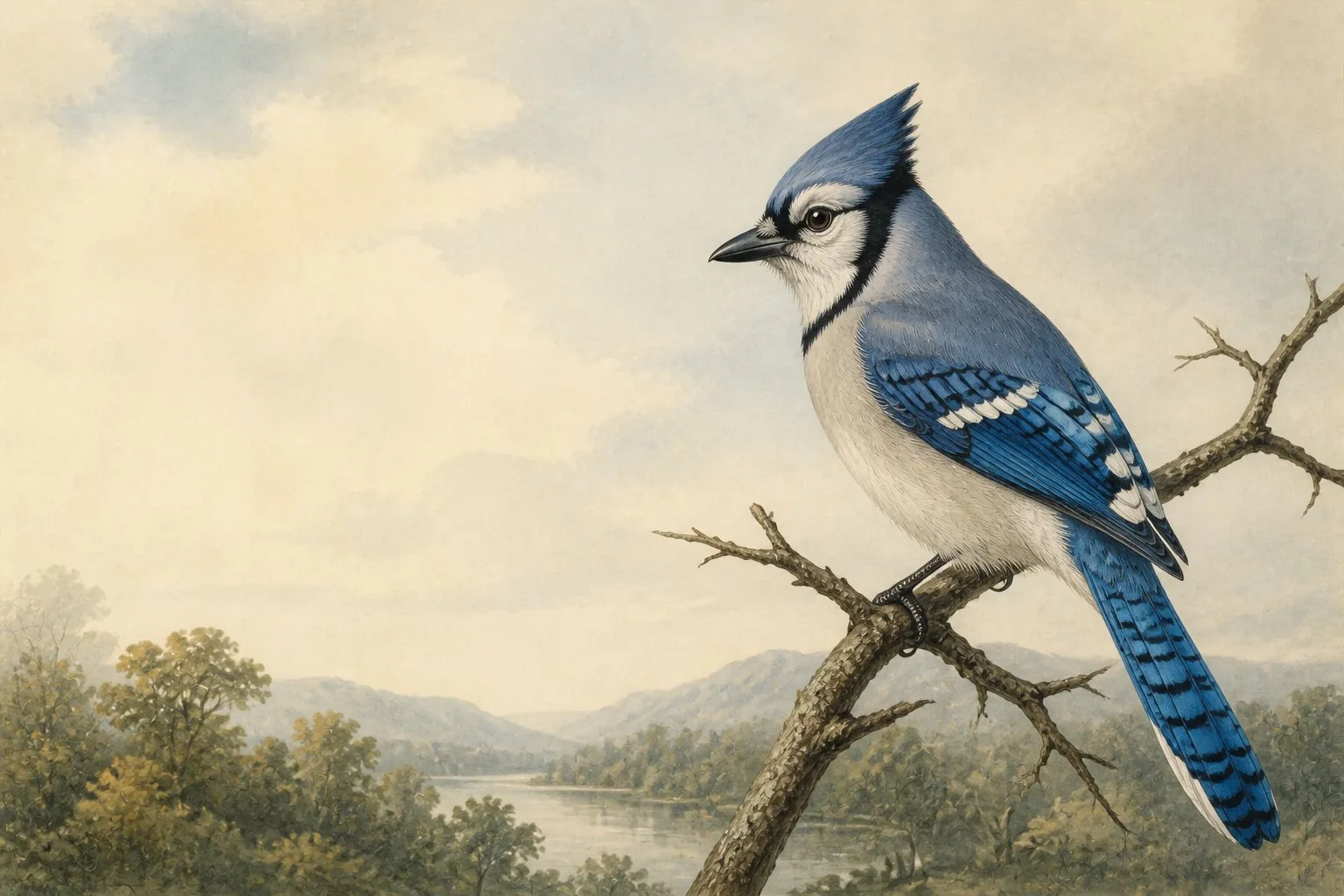
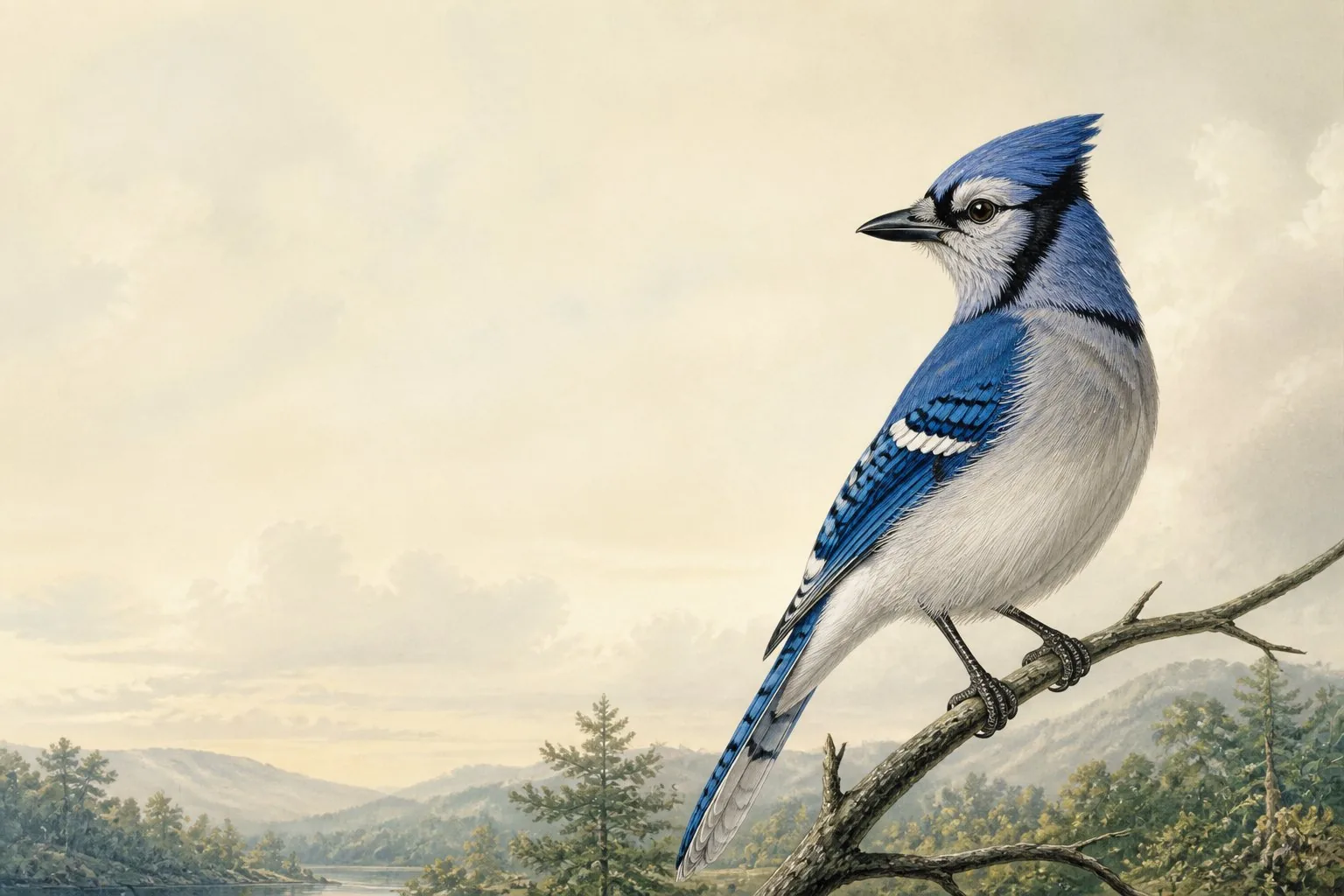
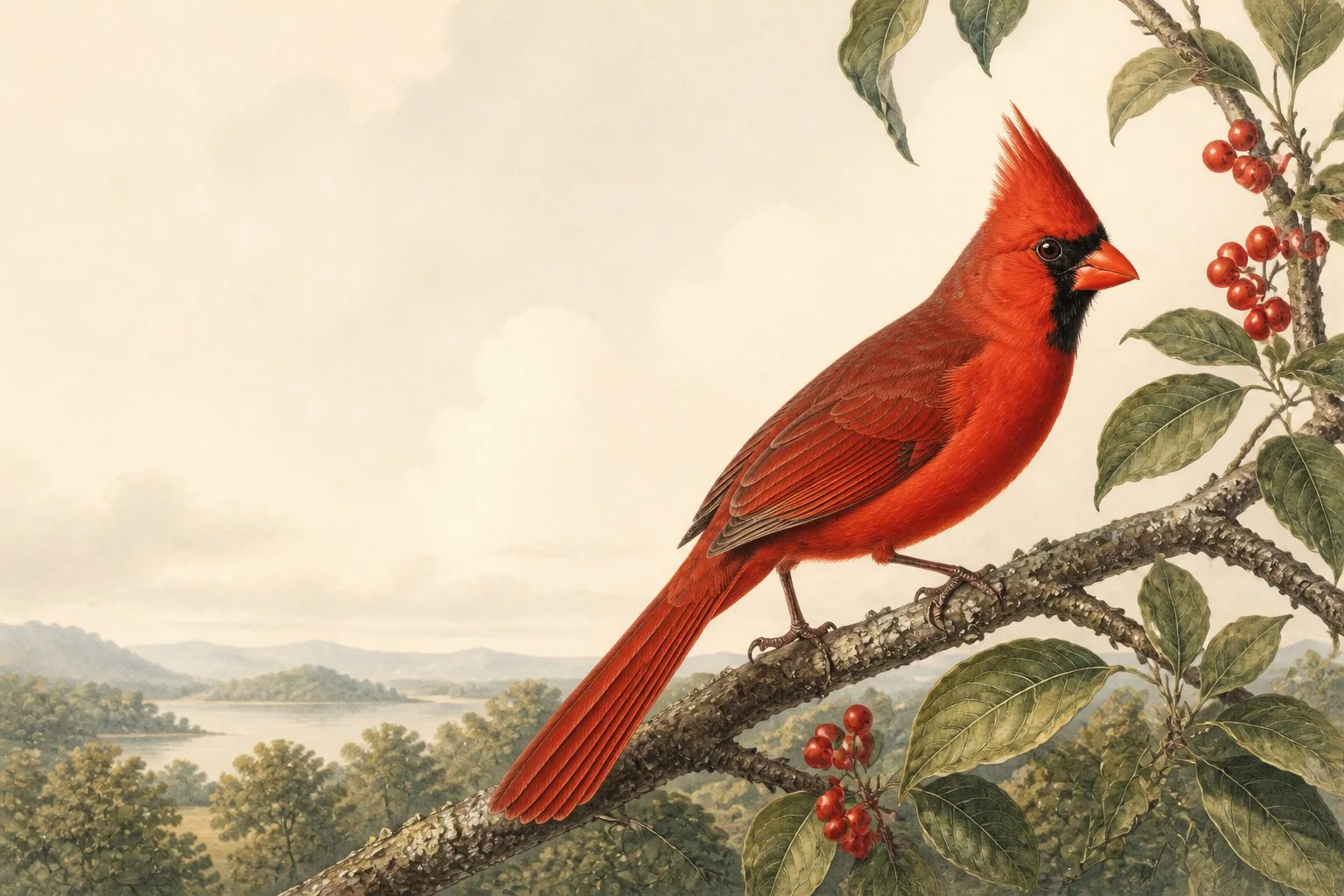
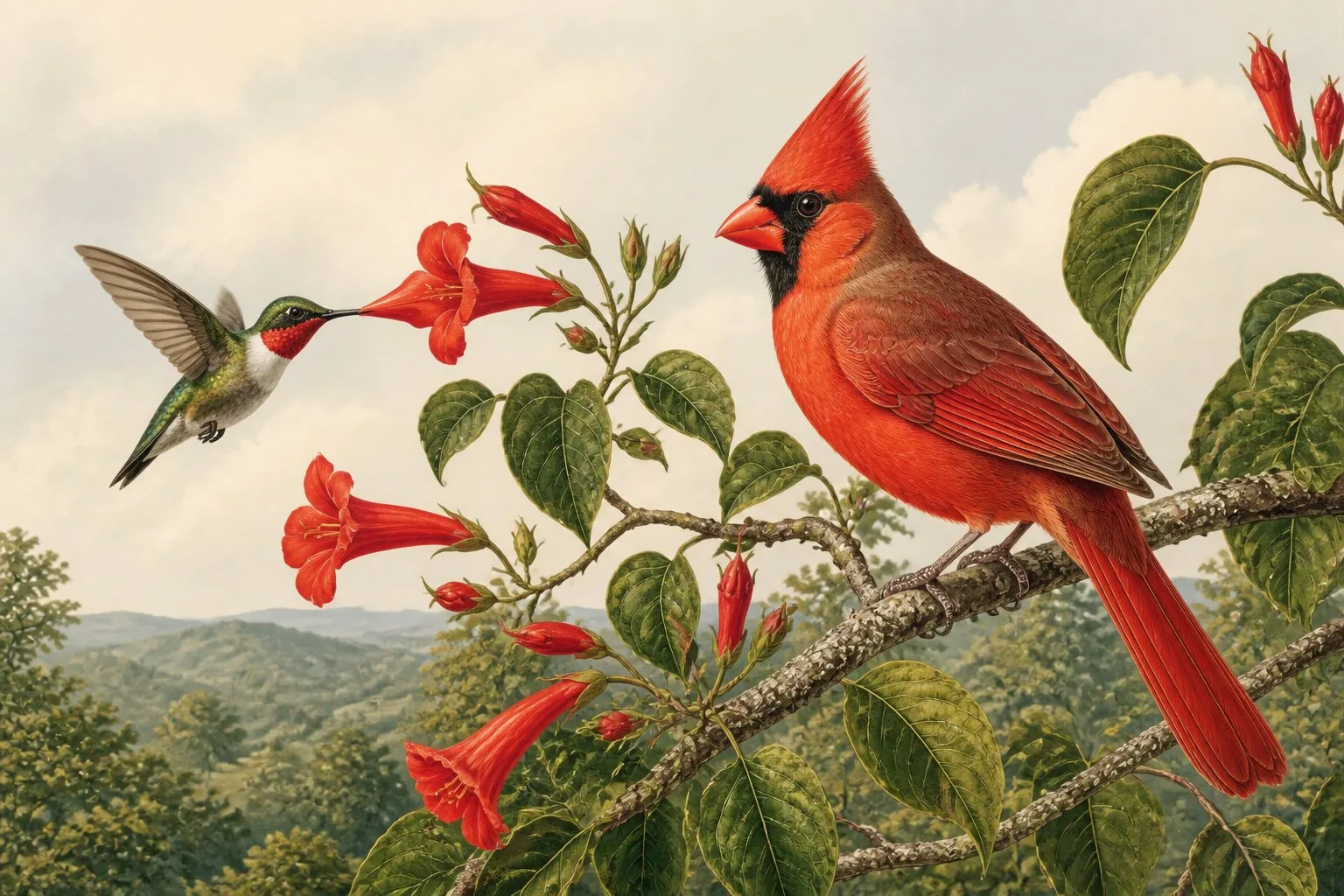
A rolled oat is dry, lightweight, and easy for most birds to pick up and handle. It contains useful carbohydrates, some fat, and enough protein to be a worthwhile winter supplement. Ground-feeding species - sparrows, doves, blackbirds, and the Northern Cardinal (Cardinalis cardinalis) - will work through a scatter of oats quickly on a cold morning. Finches and blue jays take them from platform feeders. The food is cheap and shelf-stable, which makes it a sensible backup when a seed mix runs low.
Why cooked oats cause harm
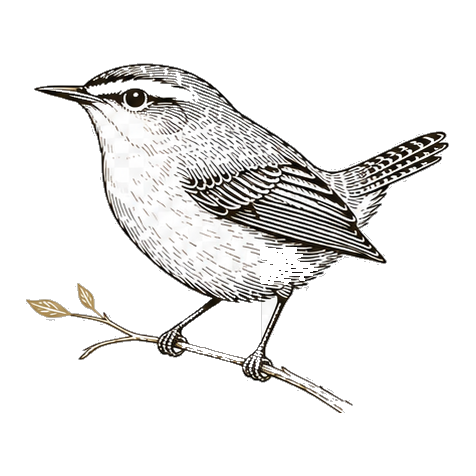
When oats are cooked they absorb water and become glutinous. That stickiness is the problem. Porridge that cools on a flat surface sets into a paste. A bird pecking at it picks up material that dries rapidly around the base of the bill. In a small bird - a sparrow, a finch, a wren - this can restrict the bill’s movement enough to interfere with feeding and preening. In the worst cases the hardened material cannot be worked off without intervention, which means handling a wild bird - something most birds find acutely stressful.
The harm is not poisoning. It is a mechanical problem, a sticky substance in the wrong place. But that distinction offers no comfort to the bird trying to scratch porridge off its beak against a fence post.
Serve oats dry. Cooked oats are harmful not because of what they contain, but because of what they become.
The same logic applies to oats mixed with milk or cream. Dairy products are poorly processed by most birds - avian physiology does not produce meaningful levels of lactase, the enzyme needed to break down milk sugar - and the combination of sticky wet oat and dairy residue is worse than either alone. If you see a recipe for “winter bird porridge” that involves milk, ignore it.
Which oats to use
| Type | Notes |
|---|---|
| Rolled oats | Best all-round choice. Easy for birds of any size. |
| Steel-cut oats | Harder for small birds to manage. Fine for larger species. |
| Oat bran | Good mixed into a suet cake but dusty on its own. |
| Instant oats | Acceptable. Often dusty; fine grain clogs small nostrils. |
| Flavoured instant oats | Never. Added sugars, salt, and artificial flavourings are harmful. |
Rolled oats from any supermarket are the right choice. There is no need to buy specialist bird oats.
How to serve them
The simplest method is scattering a handful on the ground or on a flat platform feeder. Ground-feeding birds prefer this. Scatter near cover - a hedgerow, a dense shrub - so birds can retreat quickly if a group of cardinals at the feeder turns competitive.
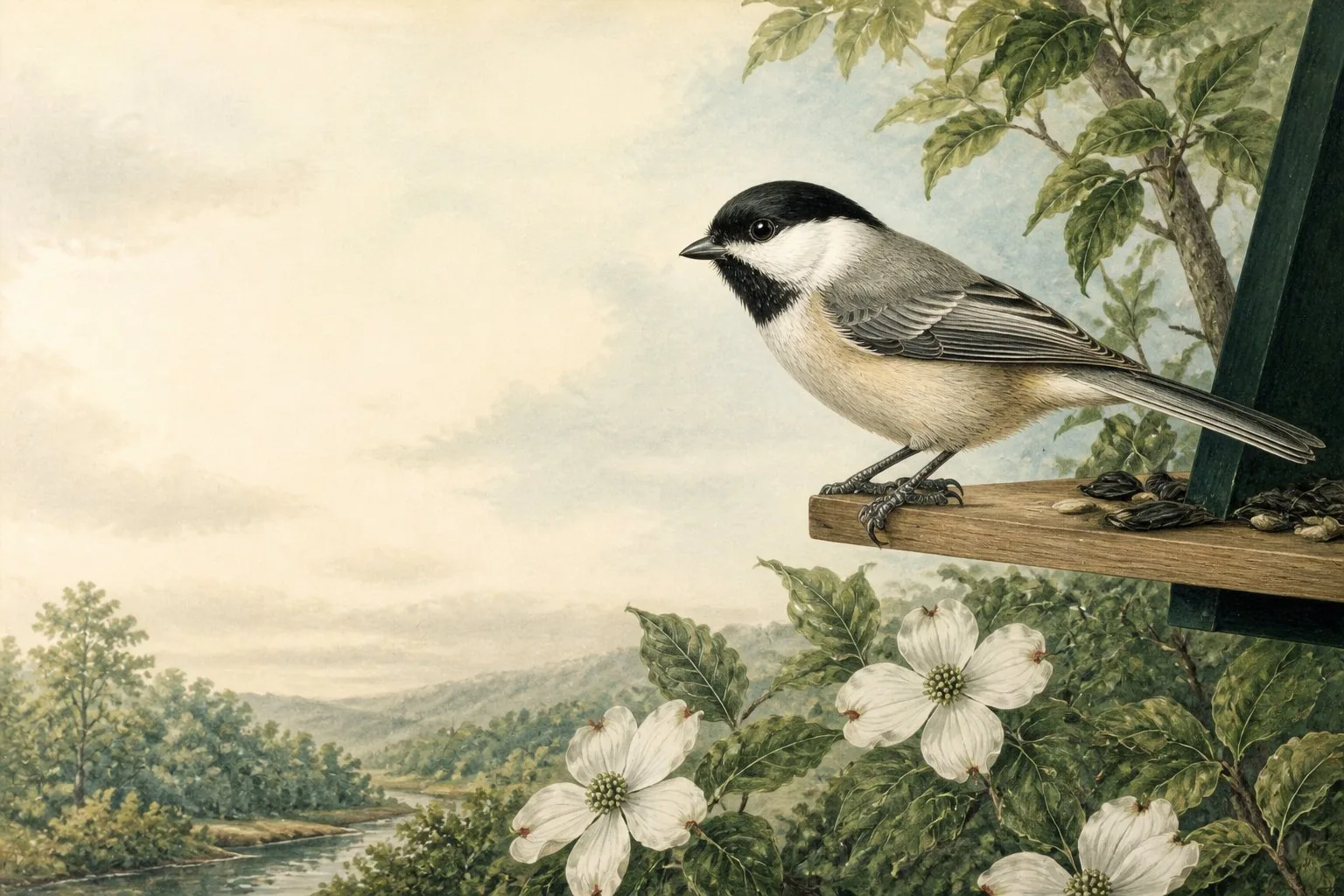
In winter, oats work well packed into a suet cake. Mix one part rendered lard or suet with two parts dry rolled oats, add dried fruit or chopped unsalted nuts, and let the mixture set hard in a container before placing it on a platform or hanging it in a mesh bag. This gives cold-weather birds a calorie-dense food that will not scatter in wind or dissolve in light rain the way loose oats can.
Avoid leaving oats out in wet weather without shelter. Dry oats in standing water ferment quickly. A platform feeder with a roof is a better delivery mechanism than the ground on a rainy November afternoon.
The broader principle
The birds most attracted to oats - sparrows, doves, cardinals, blackbirds - are the same birds that tend to struggle most in hard winters. They are not specialist feeders with strong preferences for expensive nyjer or hulled sunflower. They eat what is on the ground. A few handfuls of rolled oats scattered under a hedge costs almost nothing and, on the right morning, feeds a dozen birds that might otherwise spend much of the short winter daylight searching for that amount of food.
Oats qualify. Porridge does not.
For a broader look at how diet and condition interact in the birds visiting your feeder, the cardinal molting article covers how summer nutrition shapes the feathers a bird grows - a connection between what a bird eats in one season and what it looks like in the next that applies well beyond cardinals.