Free shipping to the US, Canada & Europe
Biology
White vinegar cleans hummingbird feeders safely and leaves no residue. Here is the method, the Audubon-verified schedule, and the real disease risk.
April 19, 2023 4 min read
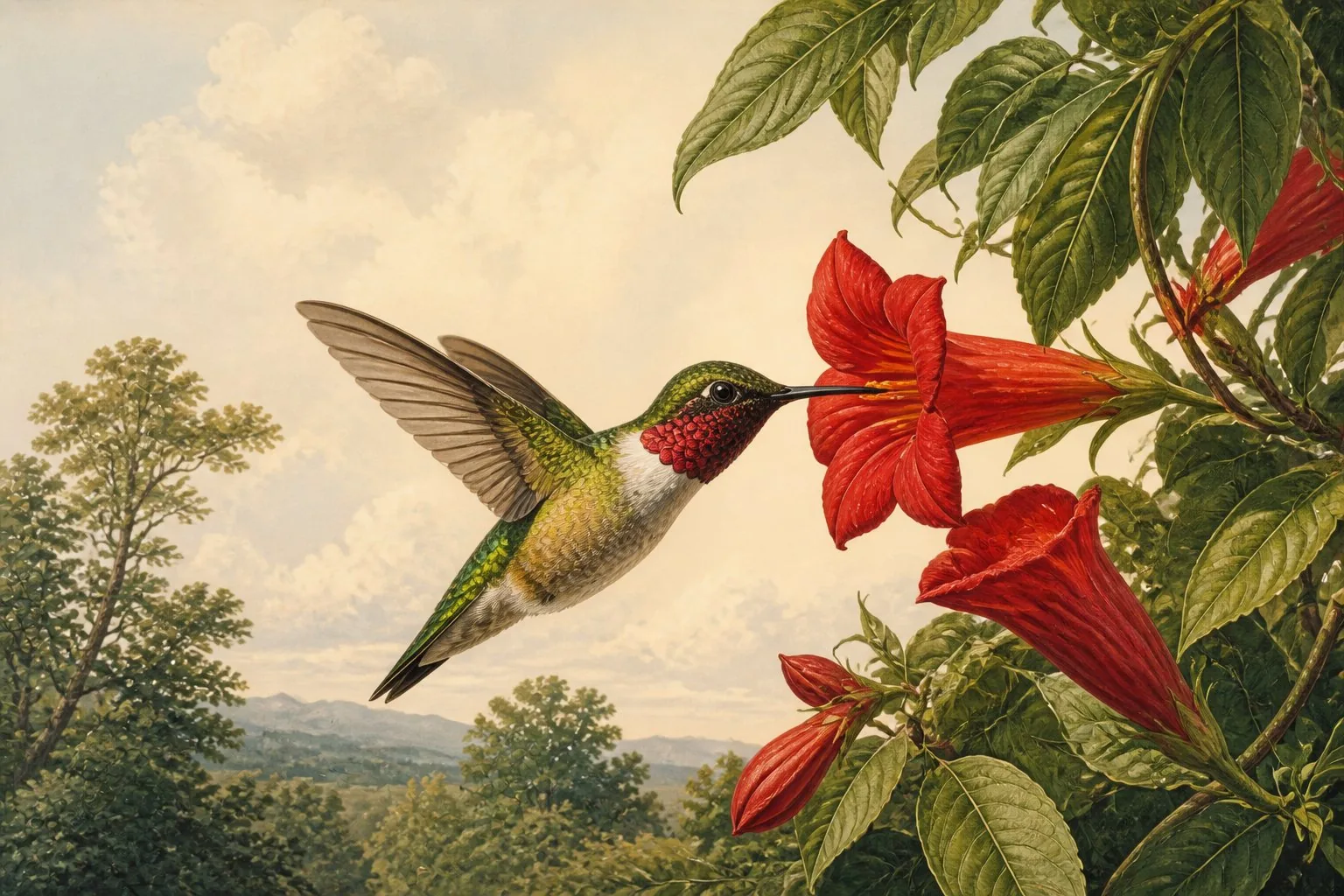
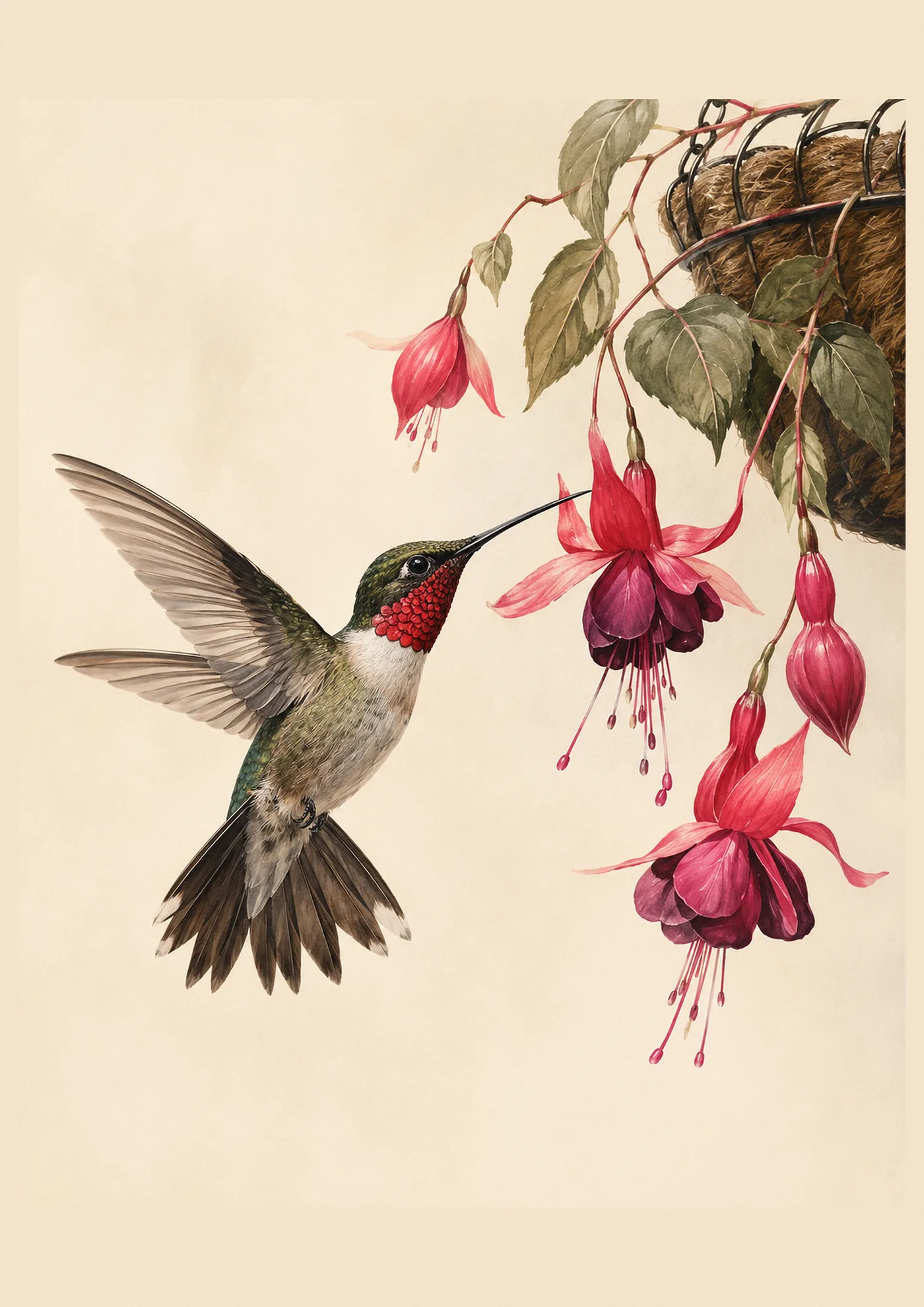
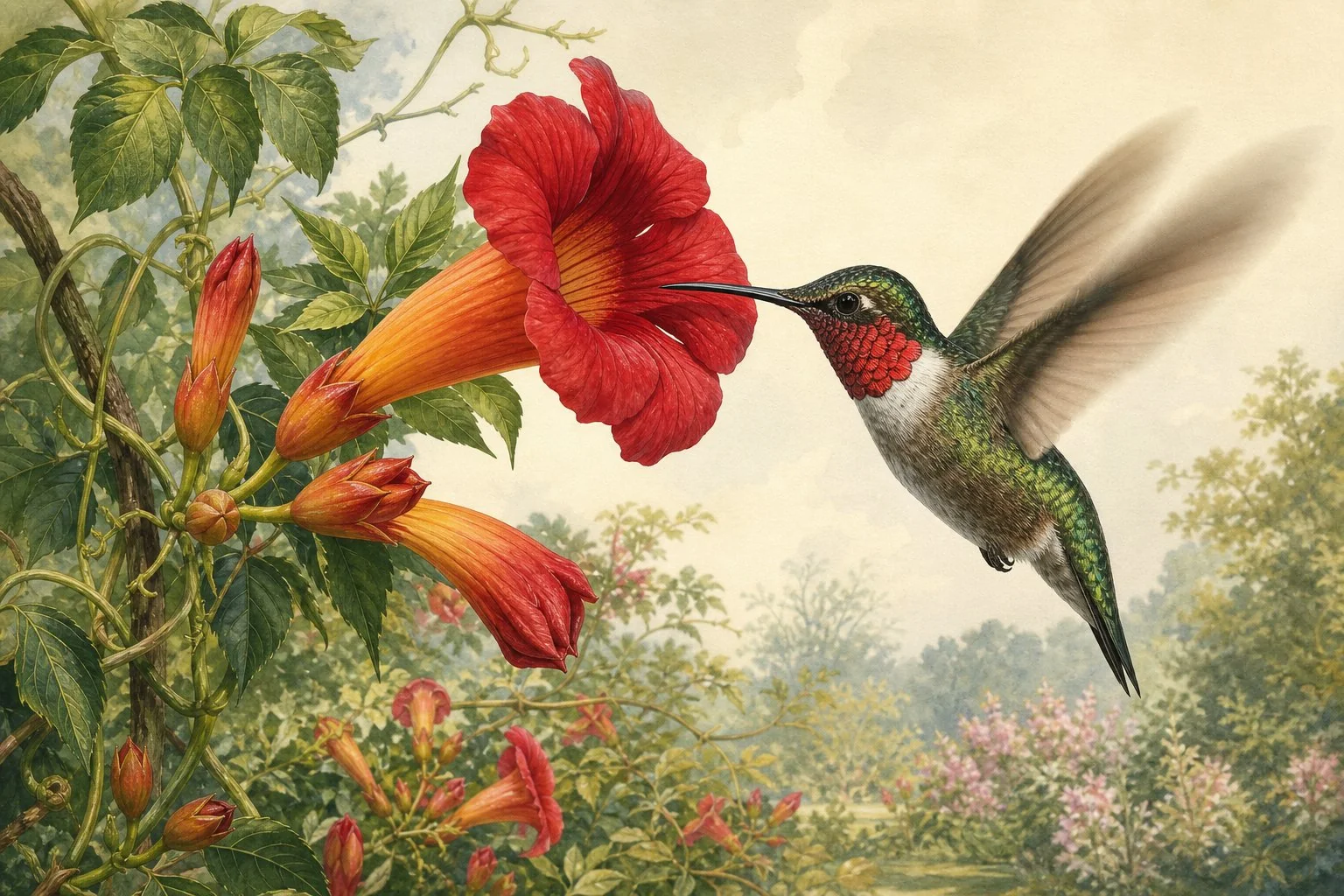
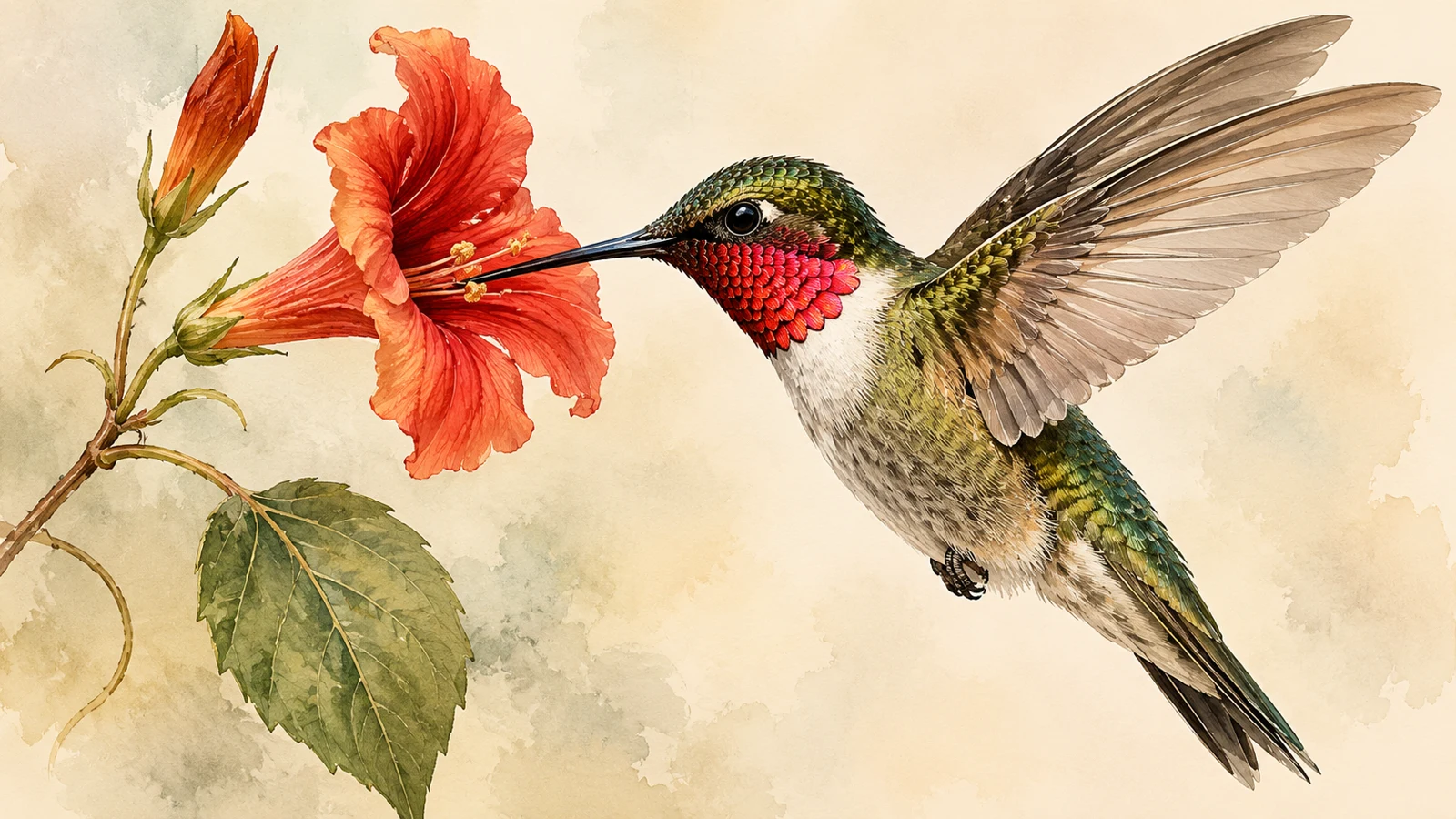
A hummingbird visits your feeder every ten to 15 minutes during an active feeding day, according to Audubon. She does not inspect the nectar before drinking. If the sugar water has been standing in August heat for four days and has begun to grow a biofilm on the reservoir wall, she drinks it anyway.
This is the case for cleaning often - and for understanding what “clean” actually means with a hummingbird feeder.
Most of the argument for white vinegar is an argument against the alternatives. Audubon’s hummingbird feeding guidance names dish soap specifically as a product to avoid because it “can leave harmful residue” in the feeder. That residue does not have to be visible to deter birds or affect the nectar. Bleach is listed as an option by Audubon for general bird feeders but requires thorough rinsing and complete drying - the seams and port channels of most nectar feeders make “thorough rinsing” harder than it sounds.
White distilled vinegar - plain 5% acetic acid, not apple cider - leaves no residue that harms hummingbirds, and Audubon’s FAQ lists it as an acceptable cleaning agent alongside hot water and hydrogen peroxide. Imperfect rinsing is not a crisis. That is its main virtue.
The method:
Soaking alone is not enough. The sugar biofilm that forms on glass and plastic after a few days of nectar requires physical scrubbing to remove.
Most feeder guides understate how often cleaning is needed. Audubon’s hummingbird FAQ breaks the schedule by temperature:
| Conditions | Clean every |
|---|---|
| Hot weather | Daily or every other day |
| Temperate weather | Every three days |
| Cool weather | Twice per week |
The Smithsonian’s National Zoo gives a minimum of twice weekly in warm months. These are not overly cautious recommendations - they follow from how fast sugar water ferments in summer heat.
Audubon states that feeders should be emptied and cleaned every day or every other day in hot weather. A feeder cleaned once a week in high summer is running four or five days behind schedule for most of those days.
If that schedule is difficult to maintain, the practical fix is a smaller feeder. A feeder that holds less nectar empties faster and gets cleaned on time by necessity. Two small feeders rotated on alternate days is a workable approach for a busy garden.
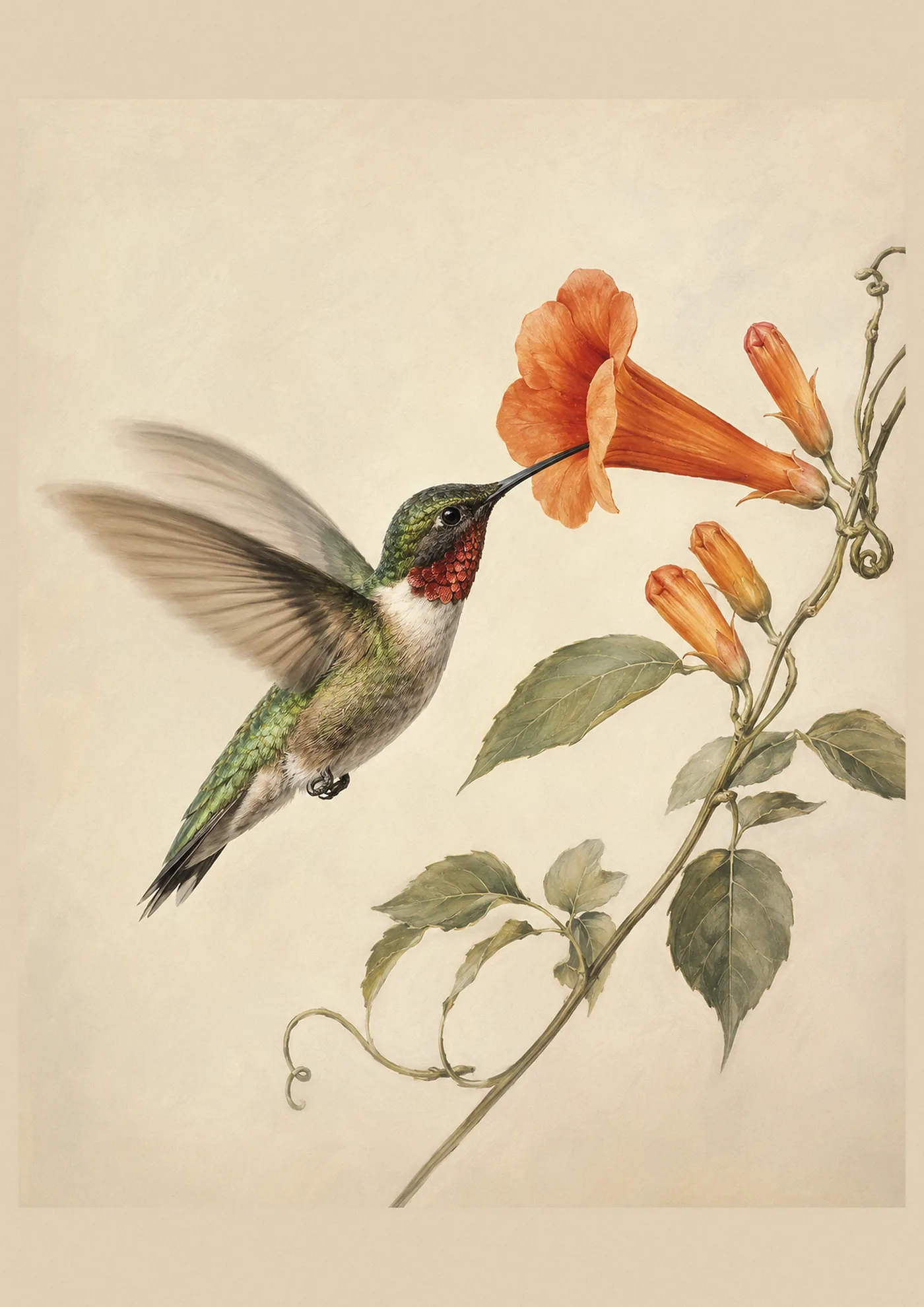
The disease most directly linked to contaminated feeders is candidiasis - a fungal infection that attacks the hummingbird’s tongue. Observers and licensed wildlife rehabilitators have documented the progression: the bird’s tongue swells and eventually cannot be retracted. A bird that cannot retract its tongue cannot feed. The condition is often fatal. Anti-fungal treatment from a licensed rehabilitator can help if the bird is caught early, but most are not caught early.
Honey in nectar is separately dangerous for the same reason: Audubon warns explicitly that honey “can promote dangerous fungal growth.” The nectar formula that avoids this is one part refined white sugar to four parts water - a quarter cup of sugar dissolved in one cup of boiling water, cooled before filling. Nothing else. No brown sugar, no molasses, no artificial sweeteners, no red dye. Audubon notes red food coloring is unnecessary and potentially harmful.
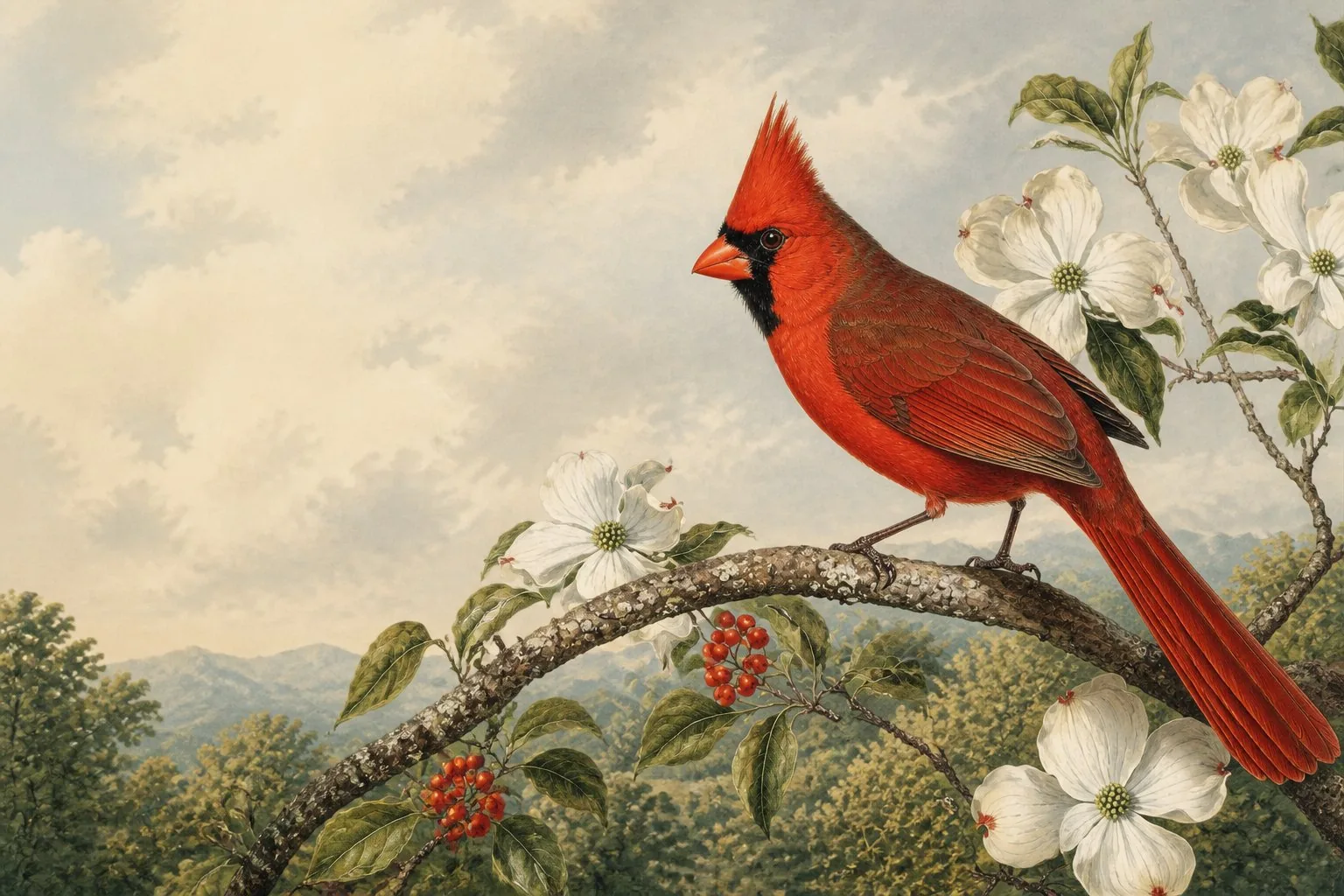
The same principle - that what you put in a feeder matters to the health of the birds using it - applies to seed feeders. If you also feed Northern Cardinals at a seed feeder nearby, the same cleaning schedule logic applies, though sunflower seed feeders tolerate longer intervals than liquid nectar feeders in warm weather.
Shade slows fermentation. A feeder in direct afternoon sun heats the nectar and shortens the safe interval before cleaning. The Smithsonian suggests placing feeders in shade away from windows and near trees where hummingbirds can perch between feeding visits.
Shade buys time. It does not replace the schedule.
The chemistry of cleaning - vinegar versus bleach versus soap - is a second-order question. The first-order question is how many days has this feeder been hanging in July heat since it was last scrubbed. Answer that honestly and the cleaning product barely matters.
From field guide to wall
See the birds from this guide as fine-art plates, printed to order and available framed or unframed.
Explore the collectionAs an Amazon Associate we earn from qualifying purchases. Linked products are ones we genuinely recommend.
 April 19, 2023
 4 min read