State Guide
Red Birds in South Carolina
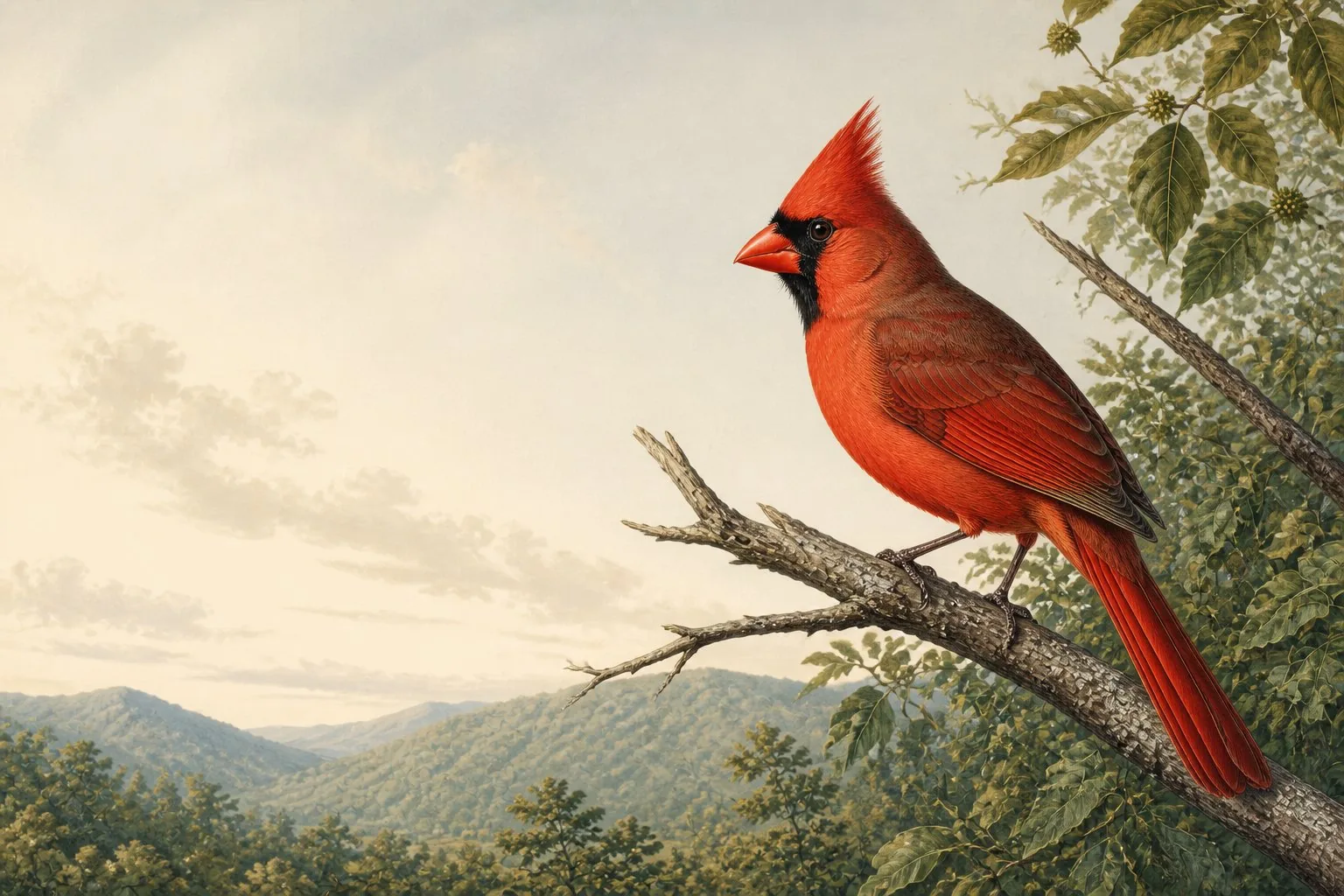
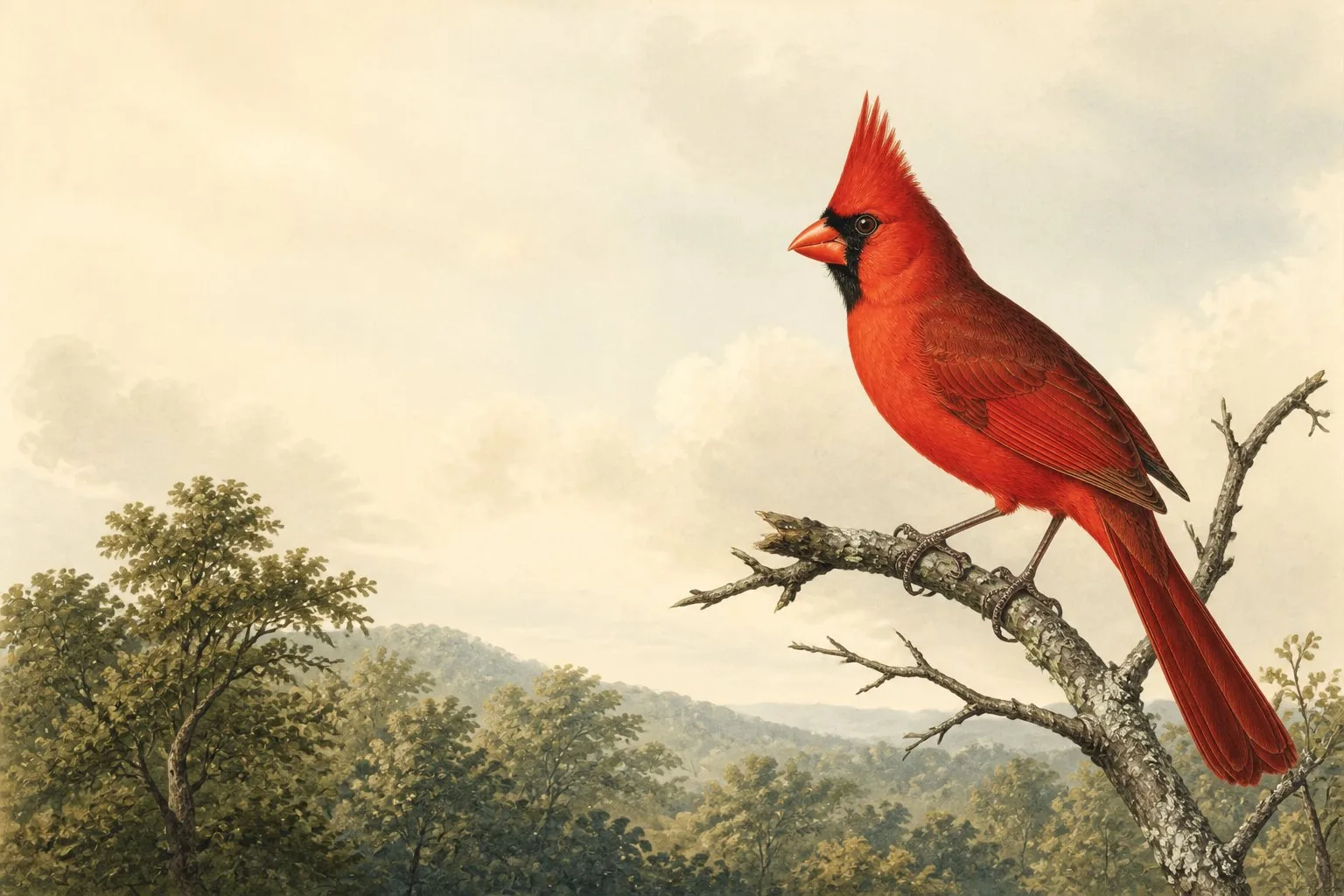
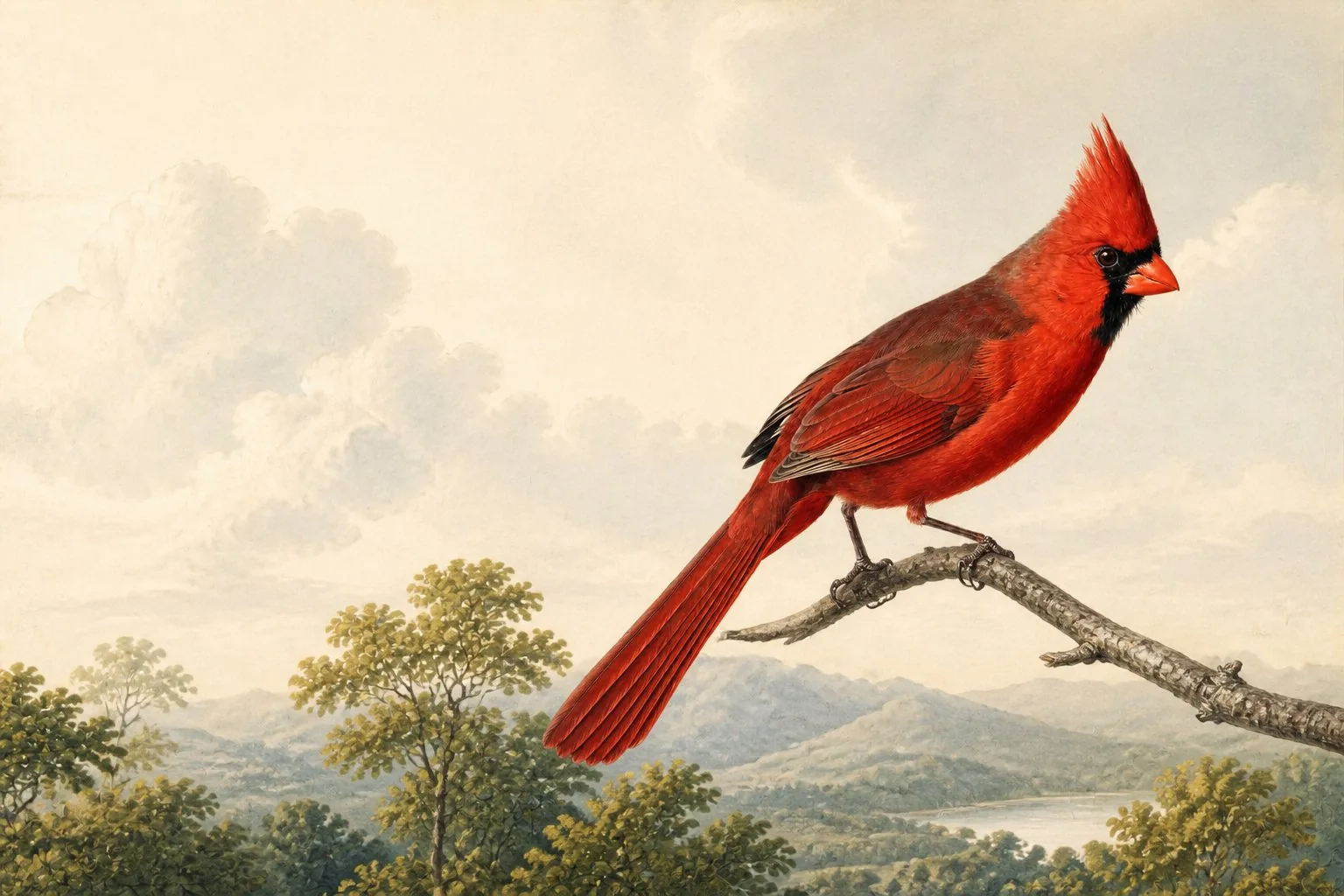
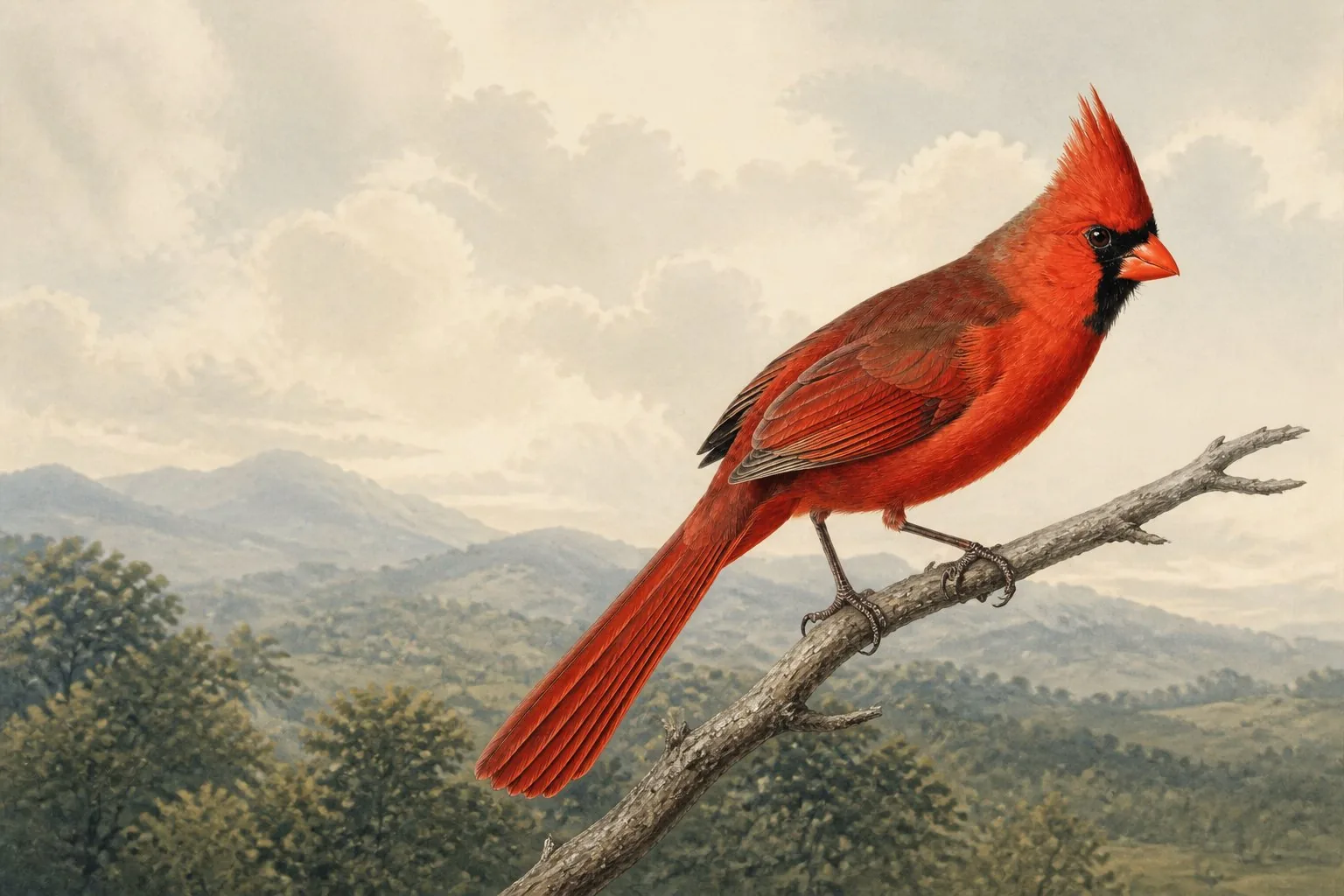
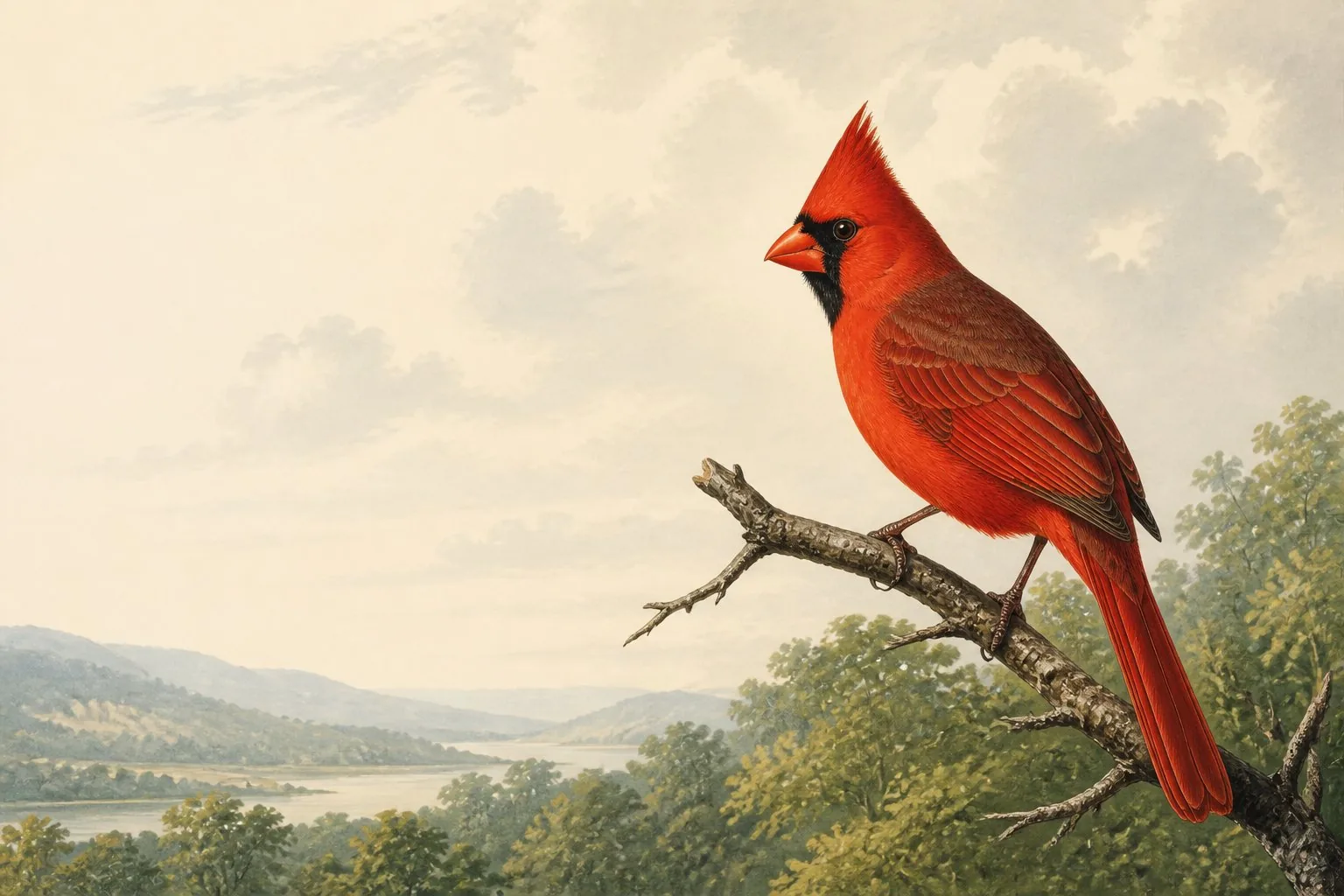
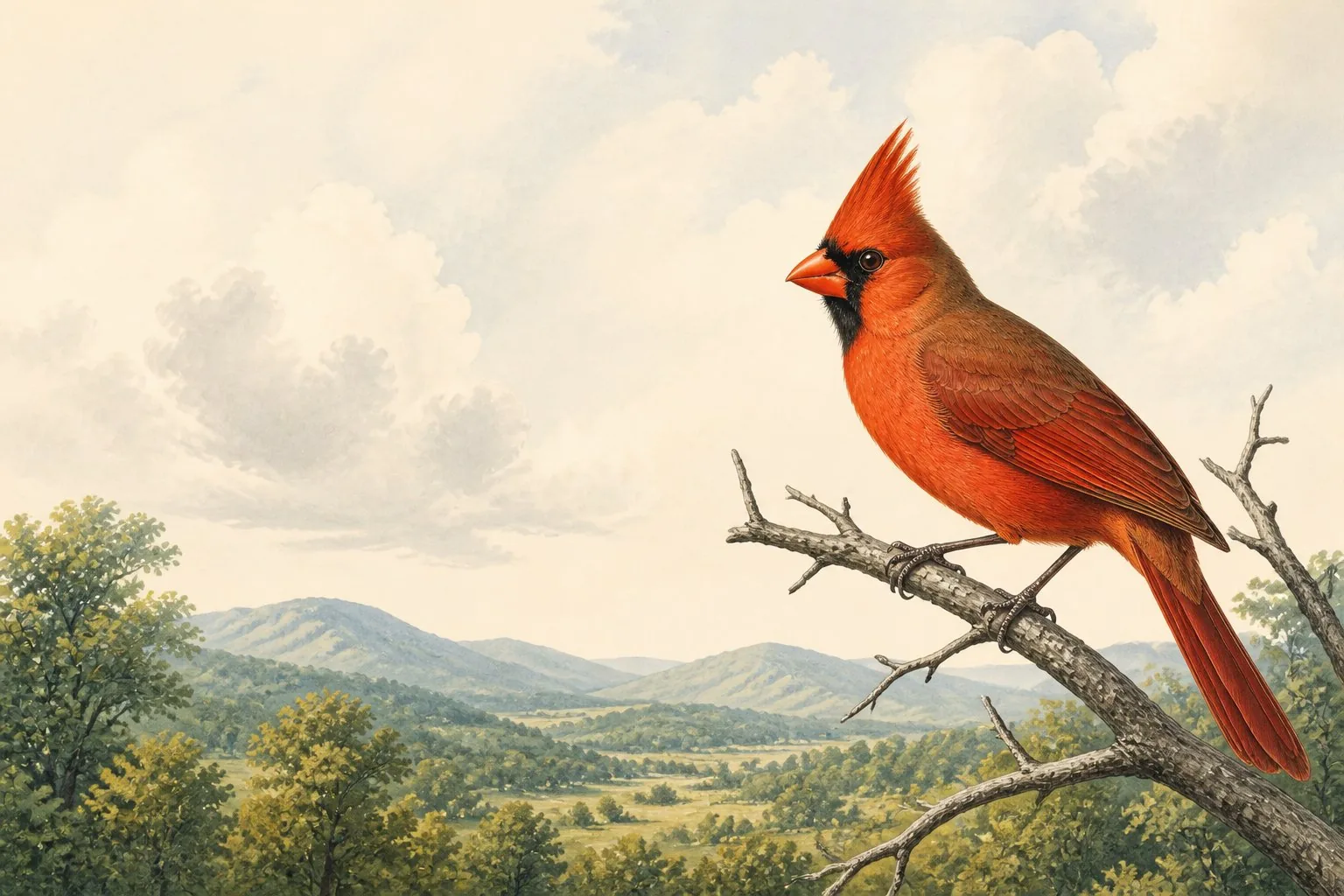
Stand at a feeder anywhere in South Carolina and you will see a male Cardinalis cardinalis within the hour. The Northern Cardinal is so consistent across the state that he functions less as a bird than as a landmark. The more interesting question is which red birds are with him - because that depends almost entirely on where in the state you happen to be standing.
South Carolina runs roughly 200 miles from the Blue Ridge Escarpment down to the Atlantic barrier islands, dropping through Piedmont forest, Sandhills, and Lowcountry marsh along the way. Each zone has its own red bird. Get the zone wrong and you will miss them. Get it right and you will see species that are genuinely hard to find anywhere else on the East Coast.
The four red birds worth planning around
The Northern Cardinal needs no planning. He is in your yard already. The other three reward a short drive.
The Summer Tanager (Piranga rubra) is the only entirely red bird in North America with no black in its wings. Where the Scarlet Tanager arrives in spring with jet-black wing panels that identify him instantly, the Summer Tanager is a uniform, somewhat dusty red - the colour of old brick rather than fresh paint. He breeds in the open pine-oak woodlands of the Piedmont and Coastal Plain, arriving in April and staying through September. Listen for a distinctive pit-ti-tuck call before you look up. He hunts bees and wasps in flight and can take a whole bumblebee on the wing. Females are olive-yellow and often overlooked.
The Scarlet Tanager (Piranga olivacea) is the mountain bird of the group. He breeds in the mature deciduous forests of the Blue Ridge, particularly around Caesars Head State Park and Table Rock, and migrants pass through the Piedmont in May and again in September. The combination of brilliant red body and pure black wings is one of the cleaner field marks in North American birding. By September the breeding males are already moulting into their dull female-like winter plumage - one of the more jarring seasonal transformations at any feeder. For more on how cardinals go through a similar collapse, see What the bald cardinal in August is for.
The Painted Bunting (Passerina ciris) is the one that stops people cold. The male carries red on his breast and rump, electric blue on his head, and lime green across his back - a colour combination that looks implausible in a temperate-zone bird. South Carolina’s coast holds one of the strongest Painted Bunting breeding populations in the Eastern subspecies, concentrated in the maritime scrub and cordgrass edges of the barrier islands and the ACE Basin. They arrive in May and stay through August.
South Carolina’s coast is one of the best places in eastern North America to see a breeding Painted Bunting. The ACE Basin - roughly 350,000 acres of undeveloped estuary - supports nesting pairs from May through August within driving distance of Beaufort and Charleston.
The bunting’s preference for dense, low, tangled scrub at the interface of marsh and woodland is specific. He does not wander into suburbs or turn up at Piedmont feeders in summer. Drive to the coast, find the right edge habitat, and he is there. Stay inland and he is not.
Where to find each species
| Species | Best zone | Peak months | Key sites |
|---|---|---|---|
| Northern Cardinal | Statewide | Year-round | Any feeder, any county |
| Summer Tanager | Piedmont, Coastal Plain | April to September | Congaree National Park, Santee NWR |
| Scarlet Tanager | Blue Ridge, upper Piedmont | May, September (migration) | Caesars Head State Park, Table Rock |
| Painted Bunting | Lowcountry coast | May to August | ACE Basin, Hunting Island, Folly Beach |
Congaree National Park earns particular attention for tanagers. The old-growth bottomland hardwood forest there - one of the largest surviving stands of floodplain forest in the Southeast - supports both Summer Tanager breeding pairs and good Scarlet Tanager passage. The canopy is tall enough that you will hear them long before you see them. Bring binoculars with a wide field of view and look into the upper branches.
A note on the woodpeckers
Three woodpecker species with red markings are common year-round: the Red-headed Woodpecker (Melanerpes erythrocephalus), with his entirely crimson head; the Red-bellied Woodpecker (Melanerpes carolinus), whose red cap runs from bill to nape; and the Pileated Woodpecker (Dryocopus pileatus), crow-sized with a blazing red crest. None of these is a “red bird” in the sense the tanagers or bunting are, but the Red-headed is worth stopping for - he is less common than he once was across much of the East, and the open woodlands of the Sandhills give him better habitat than he can find in most states to the north. Open-country birders watching red birds in Ohio or red birds in Michigan will find the Red-headed notably easier to locate in South Carolina.
The finches in winter
House Finch and Purple Finch both reach South Carolina feeders in winter, and both males carry enough red to cause confusion. The House Finch male (Haemorhous mexicanus) shows a raspberry-red wash on his head, breast, and rump but is streaky throughout. The Purple Finch male (Haemorhous purpureus) - misnamed, as he is closer to wine-red than purple - appears dipped in colour rather than streaked, with a cleaner border between the red and the brown. By February most Purple Finches have pushed back north, while House Finches remain year-round. The difference in range timing is a reliable field aid when the light is bad.
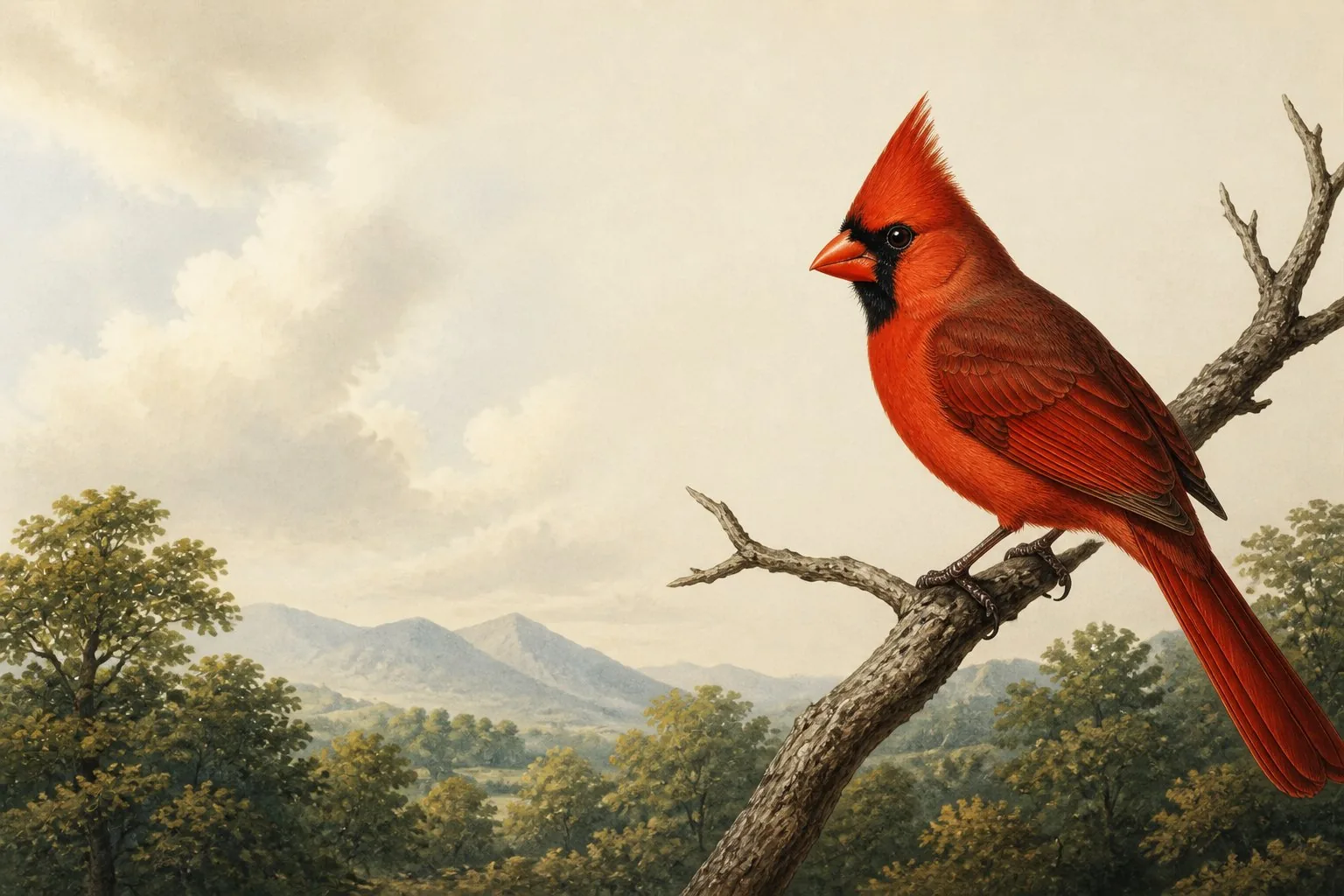
The Northern Cardinal male is the one bird that does not require any of this calibration. No other common South Carolina bird is uniformly bright red with a crest and an orange bill. He is the baseline against which everything else is measured - which is perhaps why he is so easy to overlook. Worth pausing on that. The species that most people photograph last, once the Painted Bunting or the Scarlet Tanager has been ticked, is the one that is actually the most successful at being red in every county, at every elevation, in every month of the year.
For a print of the cardinal - the bird that holds this whole list together - see the Northern Cardinal print.