Biology
What Do Blue Jays Eat
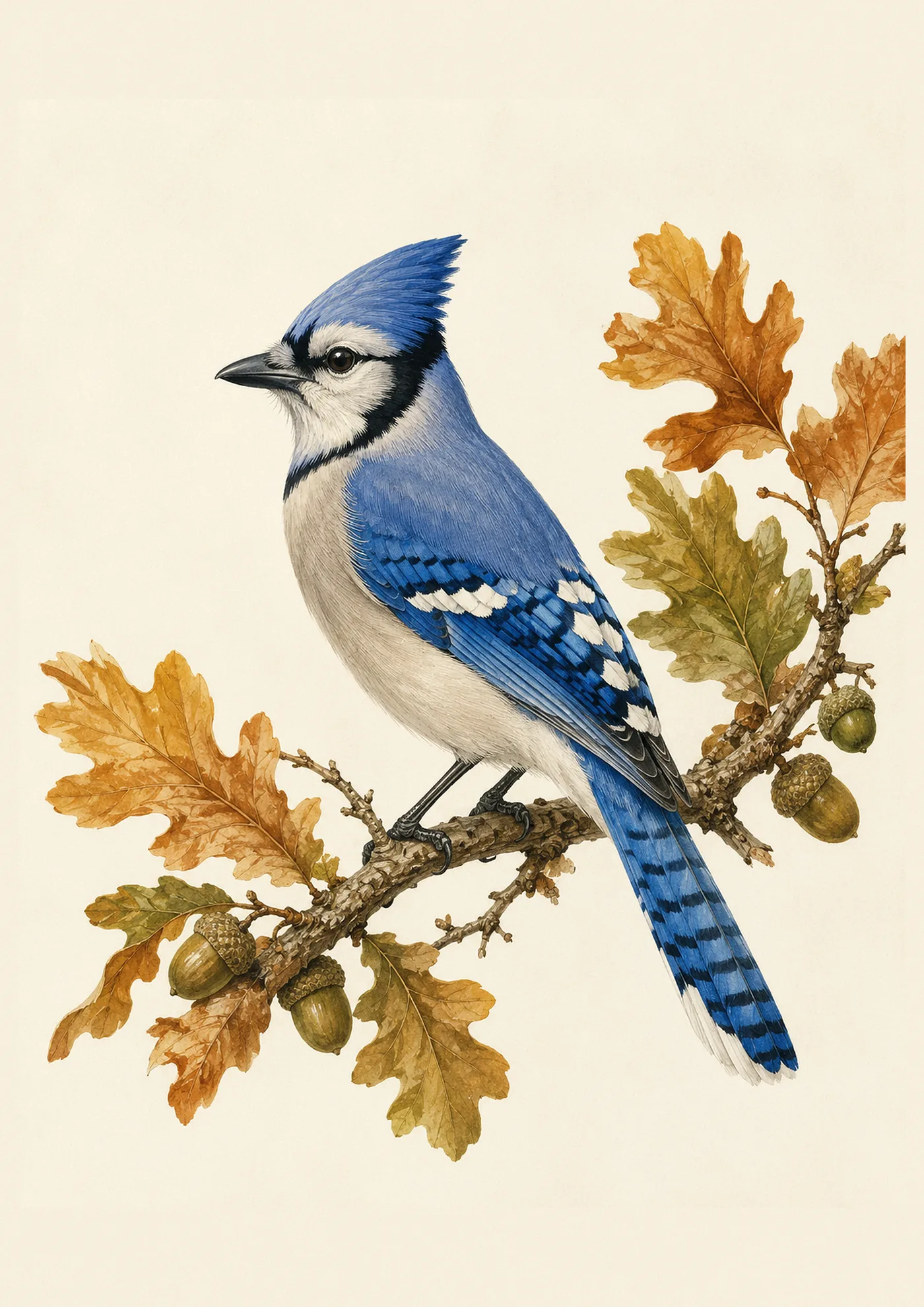
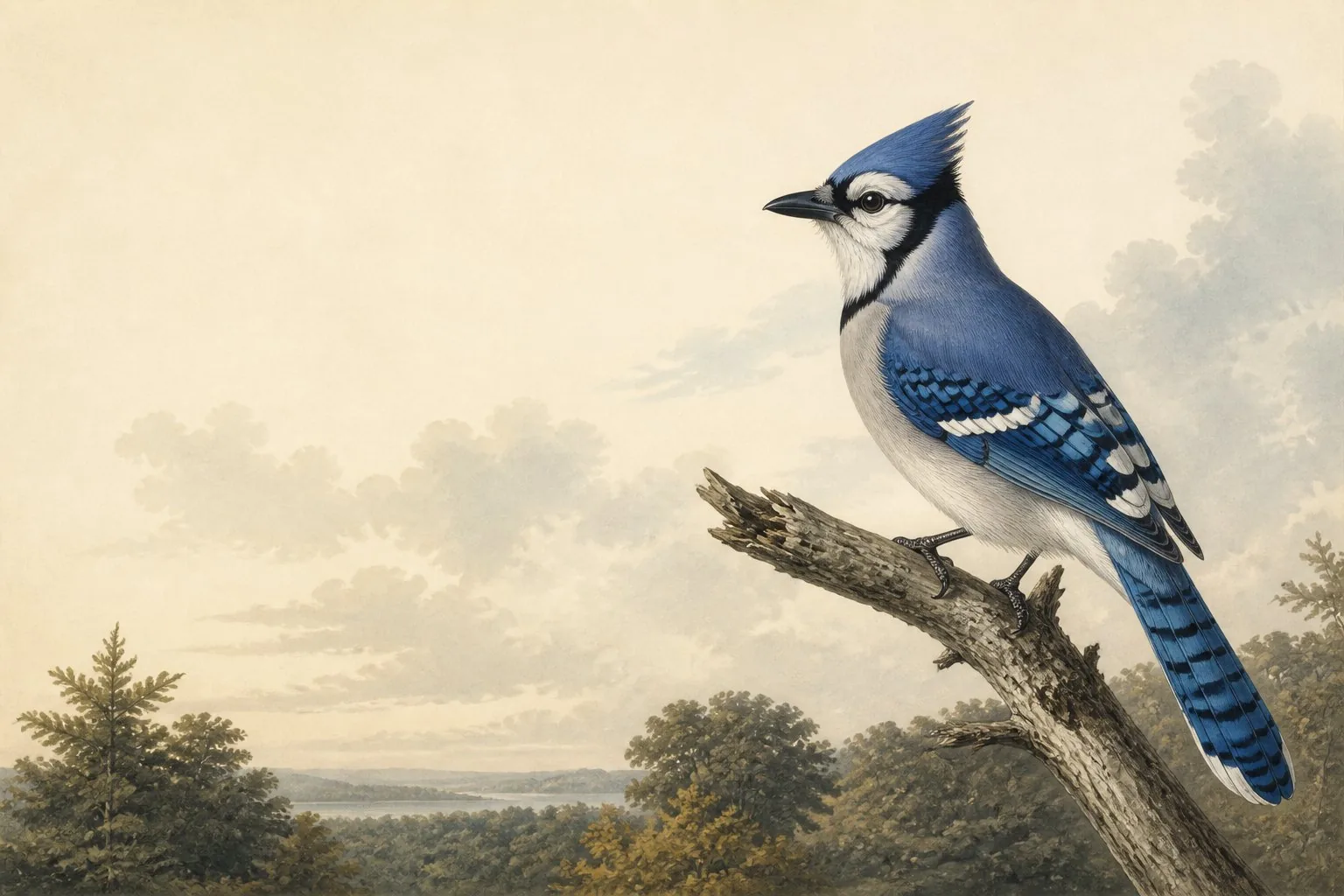
Watch a Blue Jay work an oak tree in October and you will see what the bird actually is: not a feeder bully, not a hawk-alarm specialist, but a forest engineer hiding behind a loud mouth.
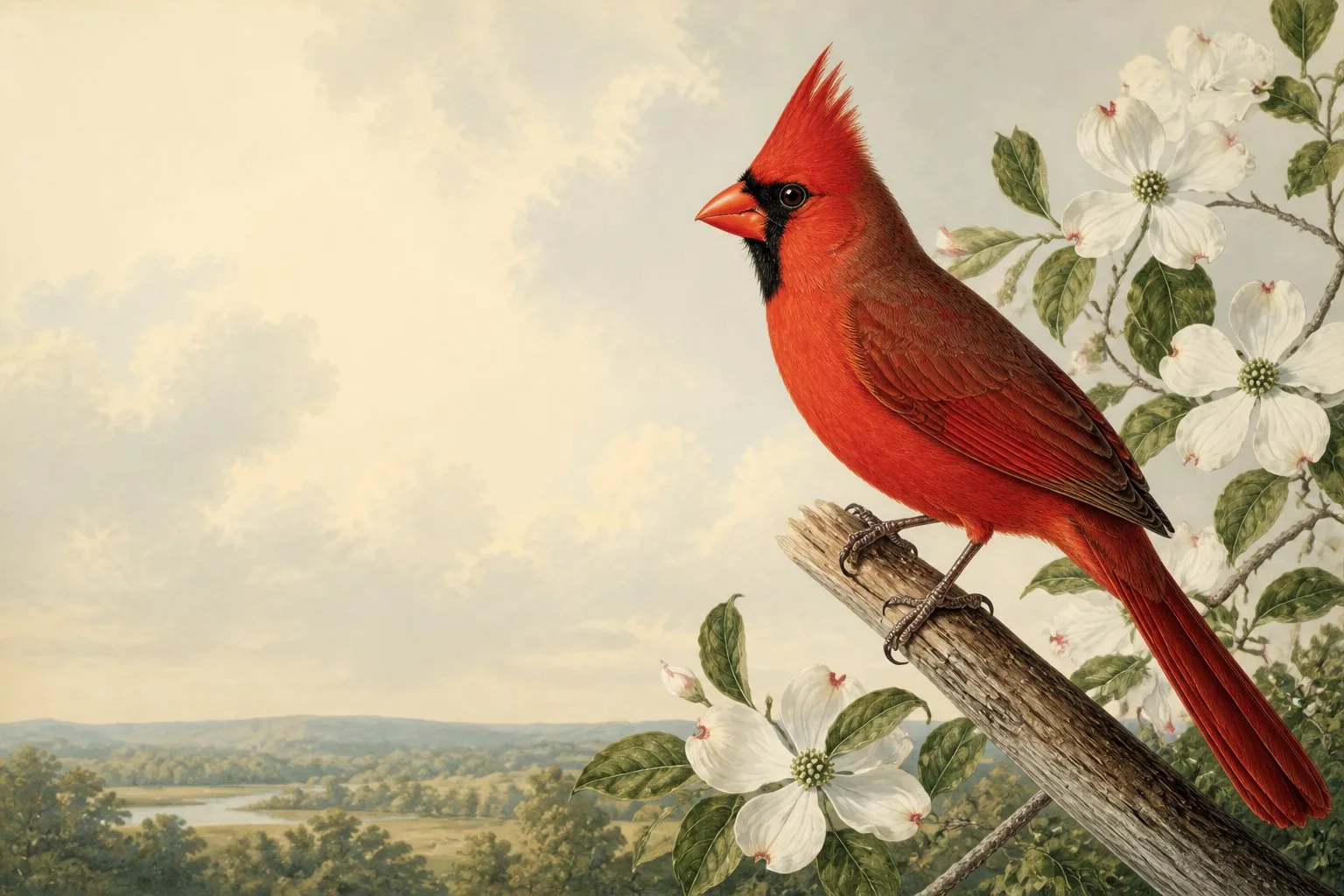
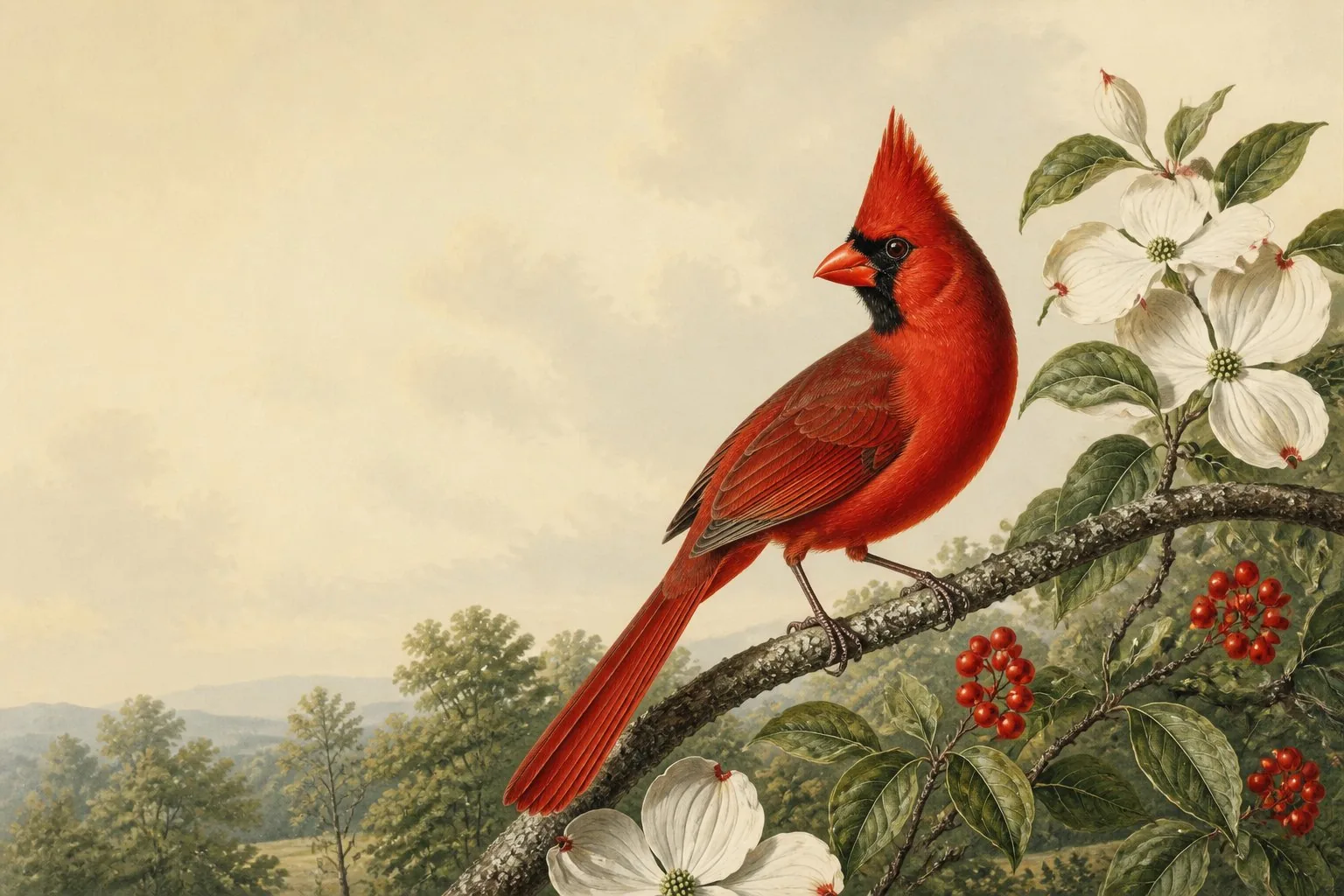
Cyanocitta cristata is one of the more familiar blue birds of North America, and an opportunistic omnivore with one of the broadest diets of any North American songbird. Seeds, nuts, insects, fruit, the occasional egg, carrion when nothing better is available. The range is wide. But the acorn habit is the thing that distinguishes a Blue Jay from every other bird at your feeder, including the cardinals it shares a tray with, and the one that has had the most lasting effect on the landscape.
What the diet actually looks like
Plant material makes up roughly three-quarters of a Blue Jay’s annual intake. Animal protein - insects, grubs, the odd nestling - fills most of the remainder. The egg-raiding that earns Blue Jays their bad reputation is real but rare: studies from the Cornell Lab suggest it accounts for less than 1 per cent of observed foraging. A Blue Jay dismantling a robin’s nest is memorable. The same jay spending six hours in an oak is unremarkable, which is why we have the wrong picture of what they eat.
Diet at a glance:
| Food type | Share of diet | Notes |
|---|---|---|
| Acorns and mast | ~25% | Stored in large autumn caches |
| Seeds | ~20% | Sunflower, safflower, corn |
| Insects | ~20% | Caterpillars, beetles, grasshoppers |
| Fruit and berries | ~15% | Cherries, elderberries, wild grape |
| Other plant matter | ~10% | Grains, buds, cultivated crops |
| Eggs and small animals | ~5% | Opportunistic; much rarer than reputation suggests |
The insect share climbs sharply in spring and early summer when adults are feeding nestlings. Caterpillars in particular - a Blue Jay can carry several in its bill at once. By September the diet swings back toward carbohydrates as the bird begins caching in earnest.
The acorn economy
A single Blue Jay can transport and store 3,000 to 5,000 acorns in one autumn. The bird uses a specialised pouch in its oesophagus - the crop - to carry multiple acorns at once, sometimes four or five at a time, pressing them against the bill for the short flights between oak and cache site. The caches are buried shallow, typically two to five centimetres down in soft soil or leaf litter, often several hundred metres from the source tree and sometimes up to 2.5 kilometres away.
The Blue Jay does not retrieve them all.
A Blue Jay that cached 4,000 acorns in October and retrieved 3,500 by March has planted 500 oak trees. Most will not survive. A few will. Over thousands of years, across a continent, that arithmetic produced the eastern hardwood forest.
Ecologists who study forest regeneration after glacial retreat note that oaks spread northward faster after the last ice age than their seeds should have been able to travel. The leading explanation is Blue Jays. Squirrels cache near the parent tree. Blue Jays carry far and cache wide. Where you stand in a mature oak-hickory forest in Pennsylvania or Virginia, there is a reasonable chance a Blue Jay planted the trees.
Seasonal shifts
In spring, Blue Jays return to cached acorns and switch to protein. Breeding pairs actively hunt caterpillars and soft insects for nestlings. Cached acorns that sprouted are left alone - a germinated acorn is not worth the calories to shell, and the Blue Jay appears to recognise this.
Summer is the high-insect season. The jay’s broad bill cracks beetles and grasshoppers with the same efficiency it uses on sunflower seeds. Fruit comes into the diet as cherries, elderberries, and wild grapes ripen.
By late August, the caching drive kicks in. This is when a Blue Jay at a peanut feeder will clean out the tray in a single morning - not eating on the spot, but loading the crop and flying to a cache site it will return to in January. The behaviour looks greedy. It is actually logistics.
Winter diet runs on cached stores and feeder supplements. Suet and whole peanuts are the highest-calorie options you can offer. A Blue Jay working a suet cage in February is burning reserves it cached in October; your feeder is a buffer against a cache that came up short.
What to put in a feeder
Blue Jays do best on platform or hopper feeders with stable, wide perches. They are large birds and need room. The foods that draw them most reliably:
- Whole peanuts in the shell (they crack them themselves)
- Sunflower seeds, black-oil or striped
- Cracked or whole corn kernels
- Suet, especially in winter
Tried and tested
Black-oil sunflower seed, in the shell
The reliable single-bag answer for Blue Jays and Northern Cardinals alike, and the cheapest per kilogram of bird-grade seed in most US markets.
As an Amazon Associate we earn from qualifying purchases.
If you have a yard with any depth to it, plant oaks. A Blue Jay with access to a live acorn supply will treat your feeder as a secondary resource and cache the high-calorie items you put out. You will see the bird working both sources in rotation. You will also, over decades, end up with more oaks than you planted.
This is not a side effect. It is the point of the bird.