Biology
Do Blue Jays and Cardinals Get Along?
A male Blue Jay lands on the platform feeder. A male Northern Cardinal, who arrived a minute earlier, hops to the far edge and then drops off entirely. No contact, no chase, no sound. Just a fast recalibration of who belongs where.
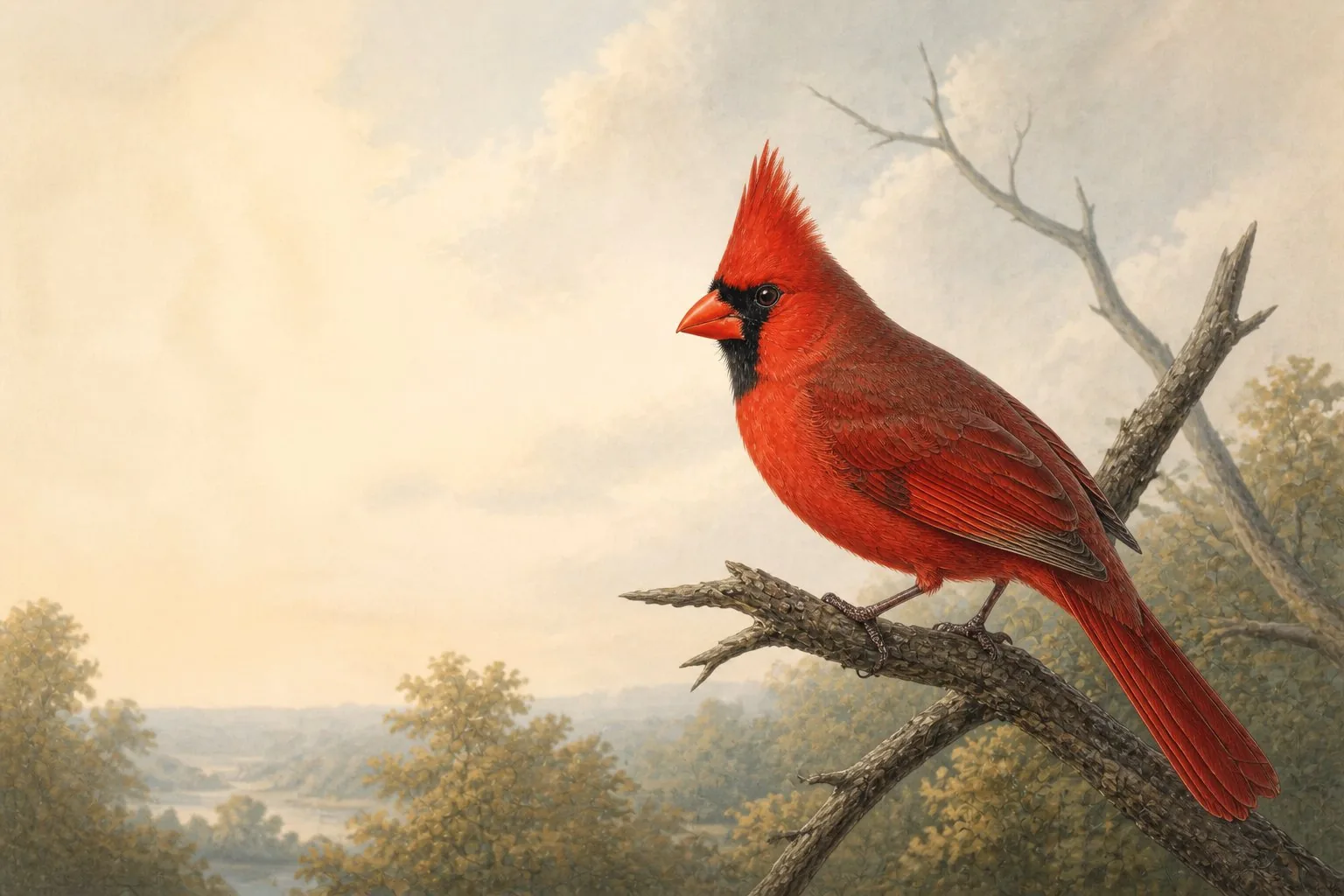
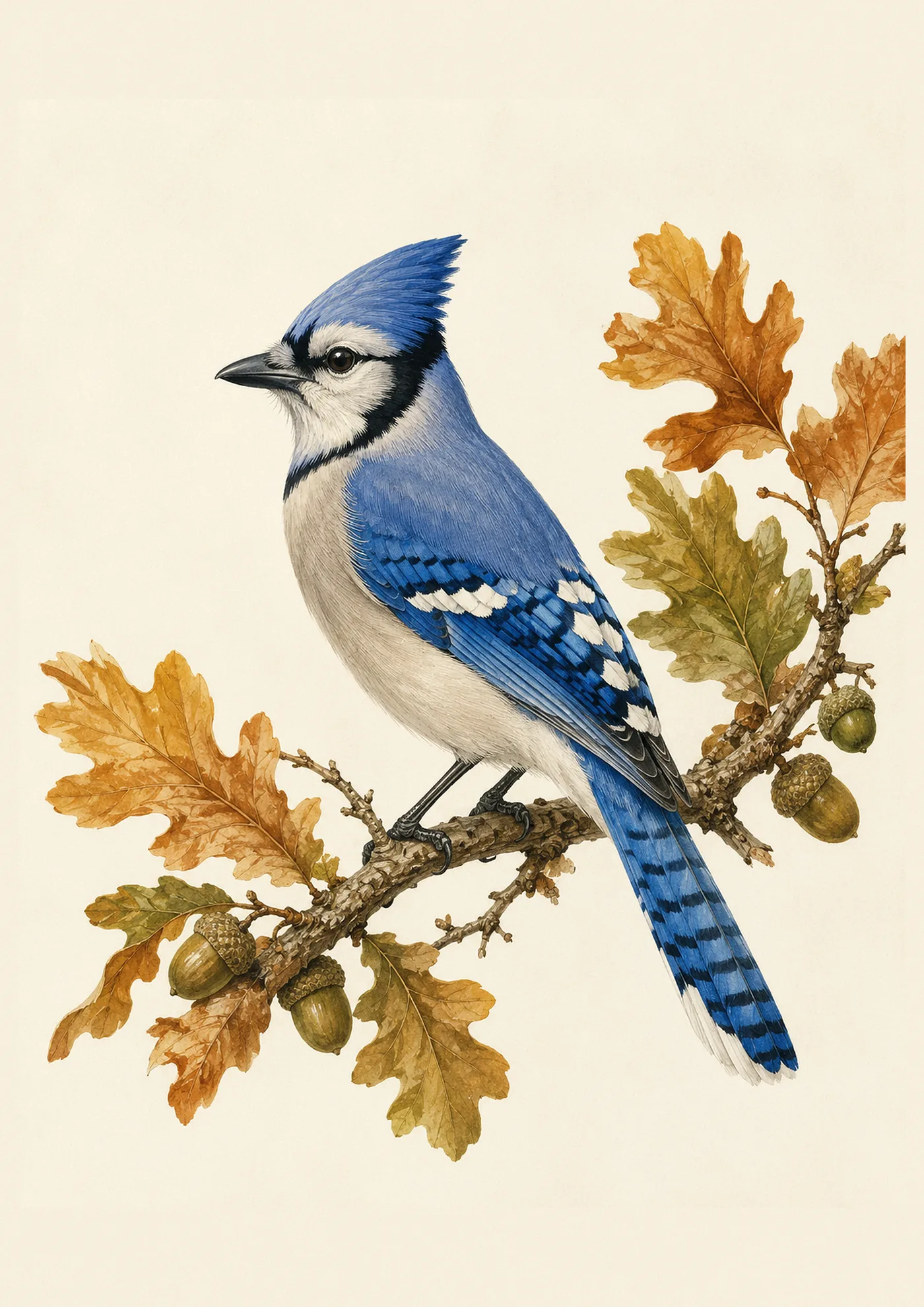
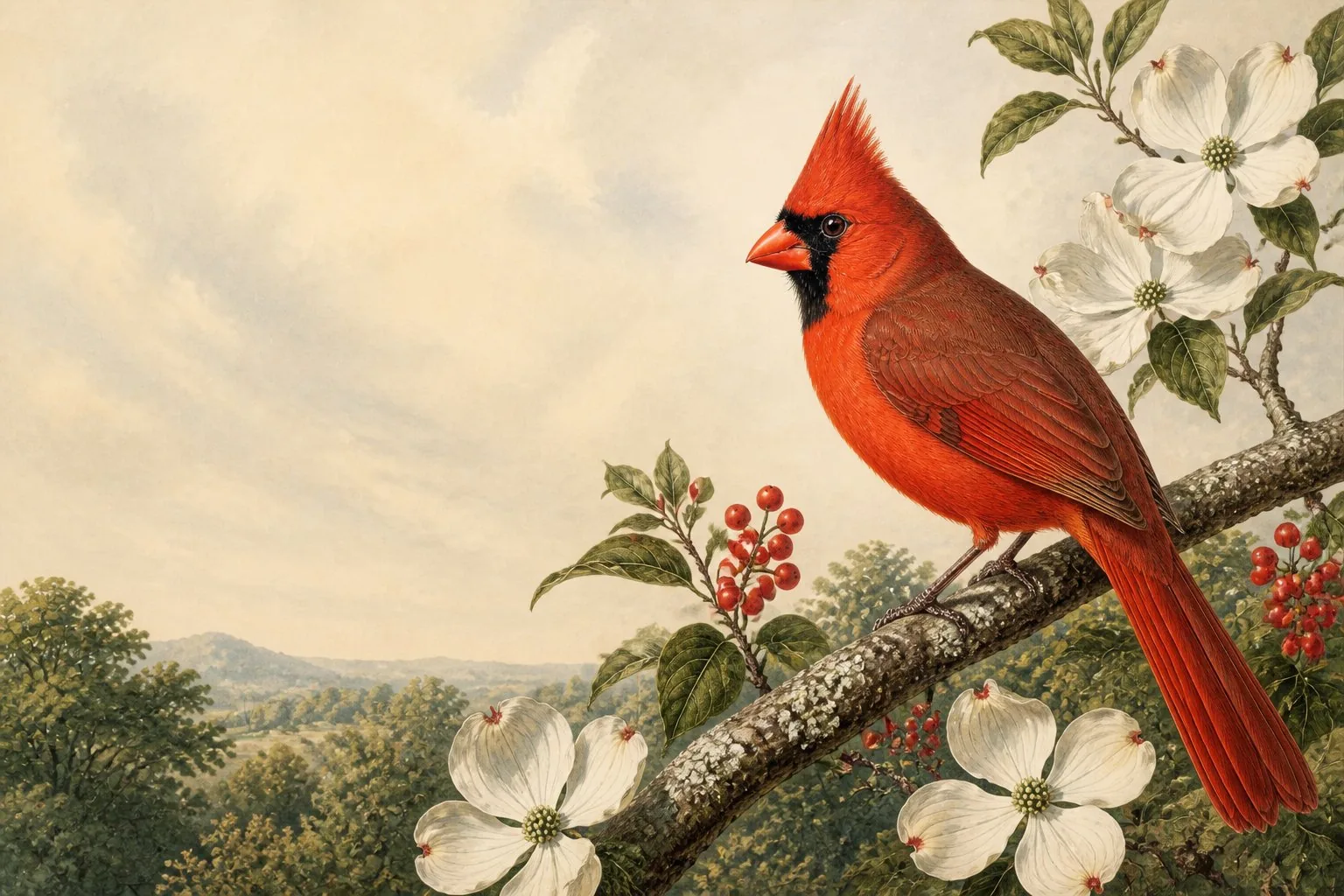
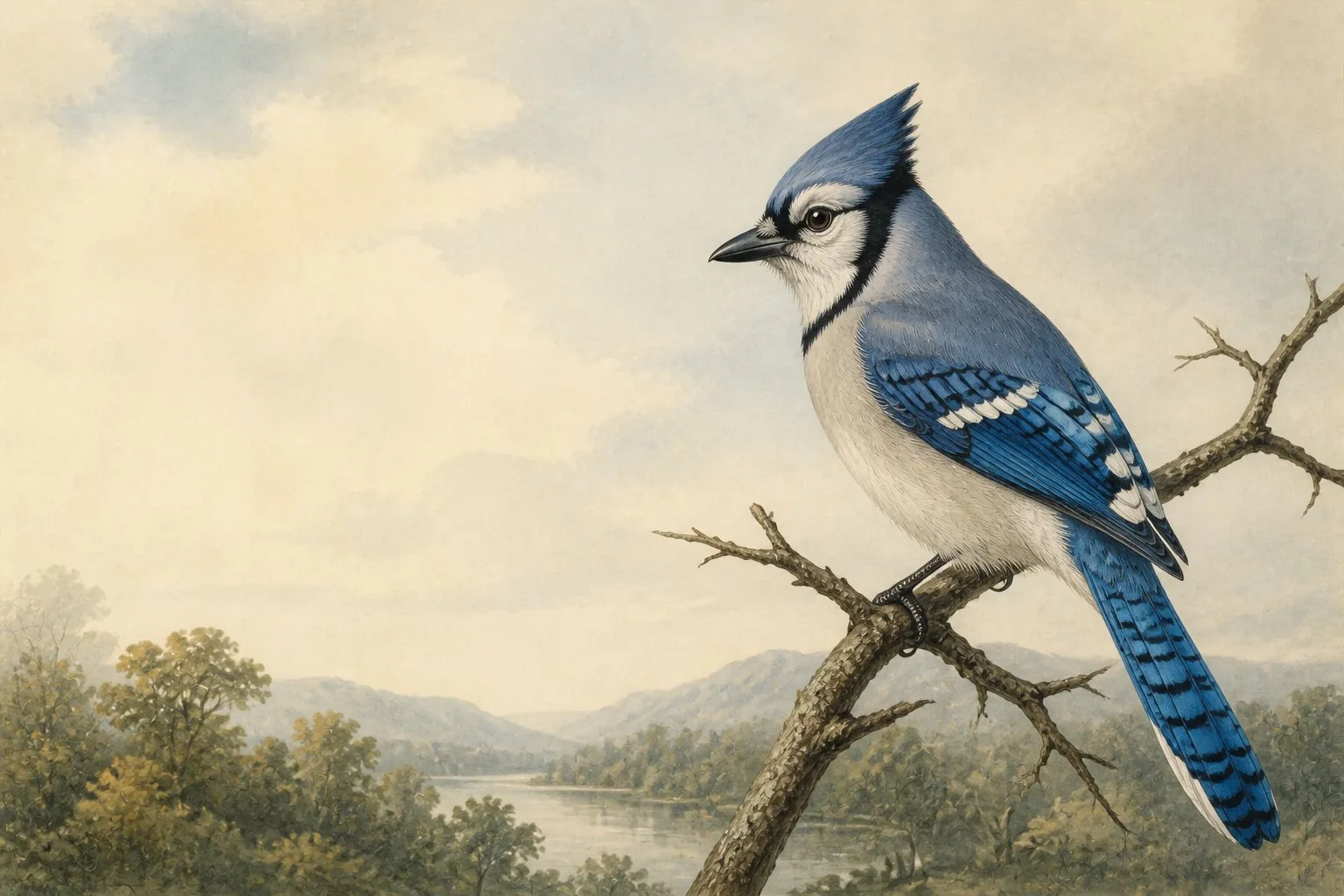
That unhurried withdrawal is the honest answer to the question. Blue jays (Cyanocitta cristata) and Northern Cardinals (Cardinalis cardinalis) share habitat across most of eastern North America, visit the same feeders, and eat many of the same seeds. They do not fight constantly. They do not avoid each other. But neither species treats the other as an equal, and the data on which direction the advantage runs is not ambiguous. The blue belongs to the Jay, not the Cardinal, which raises a question worth settling: are there blue cardinals?
What the numbers say
Cornell Lab’s Project FeederWatch analysed displacement interactions among 136 North American bird species, drawing on observations from over 1,500 FeederWatch sites across four winters. The study ranked each species by how often it displaced others versus being displaced itself. Out of 136 species, the Blue Jay ranked 50th and the Northern Cardinal ranked 69th. In 126 recorded direct interactions between the two species specifically, the Blue Jay won 94% of the time.
That gap is larger than the size difference alone would predict. A Blue Jay weighs 70-100 grams; a Northern Cardinal weighs 42-48 grams, according to Audubon’s field guide for both species. The Blue Jay is roughly twice the mass. But in the Project FeederWatch hierarchy, size is not the only variable. Corvids and woodpeckers consistently outrank the position their body weight alone would assign them. Doves and finches consistently underperform. The Blue Jay’s advantage over the Cardinal is partly physical and partly temperamental.
Project FeederWatch researchers noted that “doves really are peaceful, and jays really are feisty” - body size explains dominance only up to a point; family membership explains the rest.
What the Blue Jay actually is
The Blue Jay is a corvid, in the same family as crows and ravens. Audubon describes the species as “intelligent and adaptable,” and that description carries practical weight at a feeder. Blue Jays cache food, carrying up to five acorns at once using a gular pouch in the throat - two or three in the pouch, one in the mouth, one at the bill tip. They can mimic the call of the Red-shouldered Hawk accurately enough to scatter other birds from a feeder without a physical confrontation. A 1997 study by Tarvin and Woolfenden, published in The Condor, found that within Blue Jay flocks the dominance hierarchy is non-linear and unstable - males dominate females consistently, but rankings among males shift with season and flock composition. The bird is not simply aggressive. It is calculating.
The nest-raiding reputation is real but narrow in scope. Audubon’s field guide confirms that eggs, nestlings, and small vertebrates appear in the Blue Jay’s diet. But the species is primarily vegetarian: acorns, beechnuts, seeds, grain, berries, and insects make up most of what it eats across the year, with plant matter rising higher still in winter, when Audubon records vegetation comprising up to 75% of annual intake.
What the Cardinal does instead
The Northern Cardinal is not passive. Males defend territory aggressively against other males, sometimes fighting a window reflection for extended periods. Audubon describes active territorial defence in both sexes. But the Cardinal is primarily a solitary feeder - foraging in low cover and on the ground - and Audubon’s research on feeder dynamics found that Cardinals “tend to fare worse in fights with more of their kin around.” It is an unusual pattern compared with species that benefit from group presence.
The Cardinal’s response to a Blue Jay is typically evasion rather than contest. It is not submission so much as economy. A bird that weighs roughly 45 grams and loses 94% of direct encounters with a particular species learns quickly that the feeder will be accessible again in a few minutes. Waiting in the hawthorn costs less than fighting on the platform. Cardinals are not endangered - Audubon puts the population at 130 million stable birds - and the feeder hierarchy imposes no meaningful survival cost on them.
Same yard, workable arrangement
Both species are permanent residents through most of their shared range. The Cardinal has expanded northward for decades and now breeds into southeastern Canada, according to Audubon. The Blue Jay holds a stable population of 17 million across eastern North America (Audubon). They share woodland edges, suburban gardens, and parks without apparent consequence for either species at the population level. The same quiet truce holds when bluebirds and cardinals cross paths at a feeder. What plays out at any individual feeder - the Cardinal stepping off, the Jay loading its throat pouch and leaving - is a local negotiation, not an ecological contest.
If you want both birds feeding comfortably, the practical options are straightforward. Blue Jays cannot perch comfortably on narrow tube feeders with short perches. A platform feeder stocked with peanuts placed away from a tube feeder reduces the Jay’s incentive to monopolise the Cardinals’ preferred spot. Dense shrubs near the cardinal feeder give the smaller bird cover and a landing stage. Neither species requires intervention. They have been managing this arrangement without human help for considerably longer than we have been watching.
The Cardinal stepping off the feeder when the Jay arrives is not a failure of coexistence. It is coexistence. They are simply honest about the terms.