Biology
Understanding Bird Behavior Through Play
A budgerigar that has played with the same hanging toy every morning for two years will skip it on the first day of an infection - before the droppings change, before she fluffs, before she refuses food.
That is the diagnostic value of play. Ornithologists who study captive bird welfare consistently rank behavioral change as the earliest reliable indicator of illness, and in companion birds, the behavior that changes first is usually play. You will see it before you see anything else. This makes knowing how a healthy bird plays - and what normal looks like for that individual - more useful than any checklist symptom guide.
What play actually looks like
Play in birds is not one behavior. It is a cluster of distinct actions, each with a different function, and the mix shifts depending on the bird’s species, age, and social situation.
Object play is the most visible kind: a parrot batting a hanging toy, a mynah tossing a foot toy across the cage floor, a canary working at a woven grass bundle. It signals that the bird feels secure enough to investigate its environment. A bird under stress does not investigate. It watches.
Social play - gentle beak fencing, head bobbing toward a human or a cage-mate, mock preening - indicates strong bonds and a bird that is well-socialized enough to read another creature’s signals without becoming afraid. This is learned early in life. Birds that were isolated as fledglings often lack it entirely and never develop it later, which is one reason the handraising debate in aviculture is still contested.
Locomotor play, which is simply using the body for its own sake - flying from perch to perch, swinging, hanging upside down - is a sign of physical confidence and health. Birds in chronic pain or with respiratory problems restrict their movement before they restrict anything else.
Vocal play is underrated as a welfare indicator. A bird practicing sound sequences, babbling to itself, or working variations on a whistle is a relaxed bird. The neurological work of vocal learning requires a calm state. Stressed birds go quiet, or they repeat alarm calls. They do not riff.
The one table worth keeping
| Change in play | Likely cause | First step |
|---|---|---|
| Stops playing abruptly | Illness, pain, acute stress | Vet check within 48 hours |
| Play turns aggressive | Hormonal shift, identified trigger | Remove the trigger; note timing |
| Excessive self-directed play or feather-pulling | Loneliness, anxiety, skin irritation | Increase interaction; vet check if feathers are damaged |
| Pacing instead of playing | Cage too small, chronic stress | Assess environment; add space or enrichment |
| Sudden return to play after absence | Often recovery from a mild illness | Monitor for relapse |
The table exists because the pattern is genuinely tabular - each change has a distinct response, and scanning a grid is faster than reading prose when you are worried about a bird at seven in the morning.
Body language is the grammar of play
A bird playing with pinning eyes - pupils dilating and contracting rapidly - is excited, possibly overstimulated, and will sometimes tip into biting if the play continues. Fluffed feathers during calm object play signal contentment. Tail fanning is ambiguous and context is everything: fanned with wing droop means one thing in a macaw reaching the end of a play session, and something quite different in a conure facing a perceived rival.
Beak grinding - that soft, rhythmic clicking - at the end of a play bout signals that the bird is winding down, content, ready to rest. It is not a warning sound. It is the equivalent of a satisfied exhale.
Play is a bird’s emotional barometer. A sudden change in play behavior is often the first sign that something is wrong - before changes in appetite, feathers, or droppings become obvious.
Learning an individual bird’s play signature - what toys it favors, how long a typical session runs, what sounds accompany play versus rest - takes a few weeks of observation. After that, a deviation is recognizable almost immediately.
What this has to do with wild birds
The same principles apply in the field, though wild bird play is less studied and harder to observe. Juvenile corvids - crows, jays, ravens - are some of the most documented wild play-players. Young ravens engage in object play that appears to have no instrumental function: carrying objects to height and dropping them, retrieving them, repeating the sequence. Studies of corvid cognition have used play behavior as a proxy for cognitive flexibility, on the argument that animals only play when they can afford to - when they are well-fed, safe, and not under immediate physiological stress.
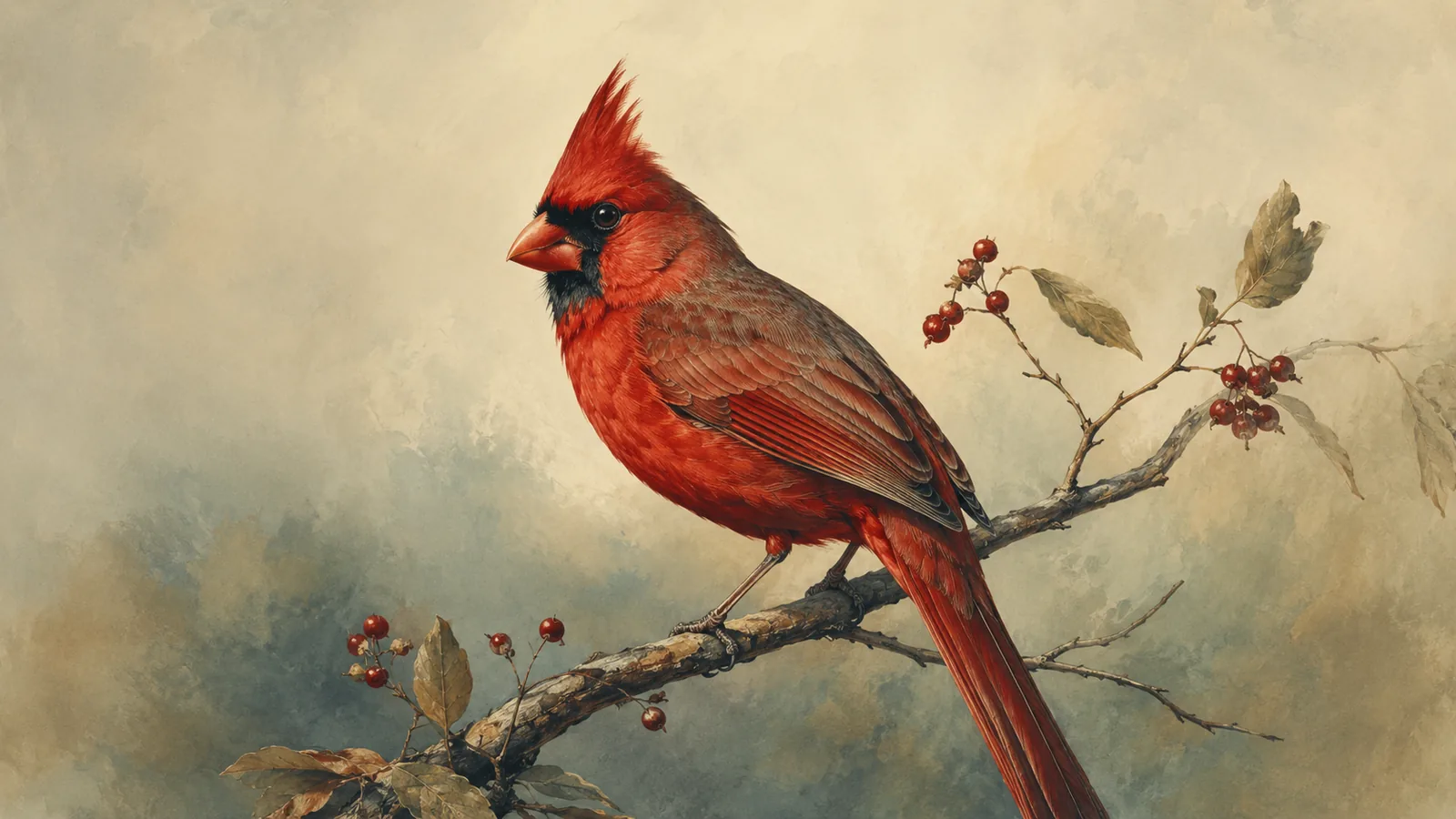
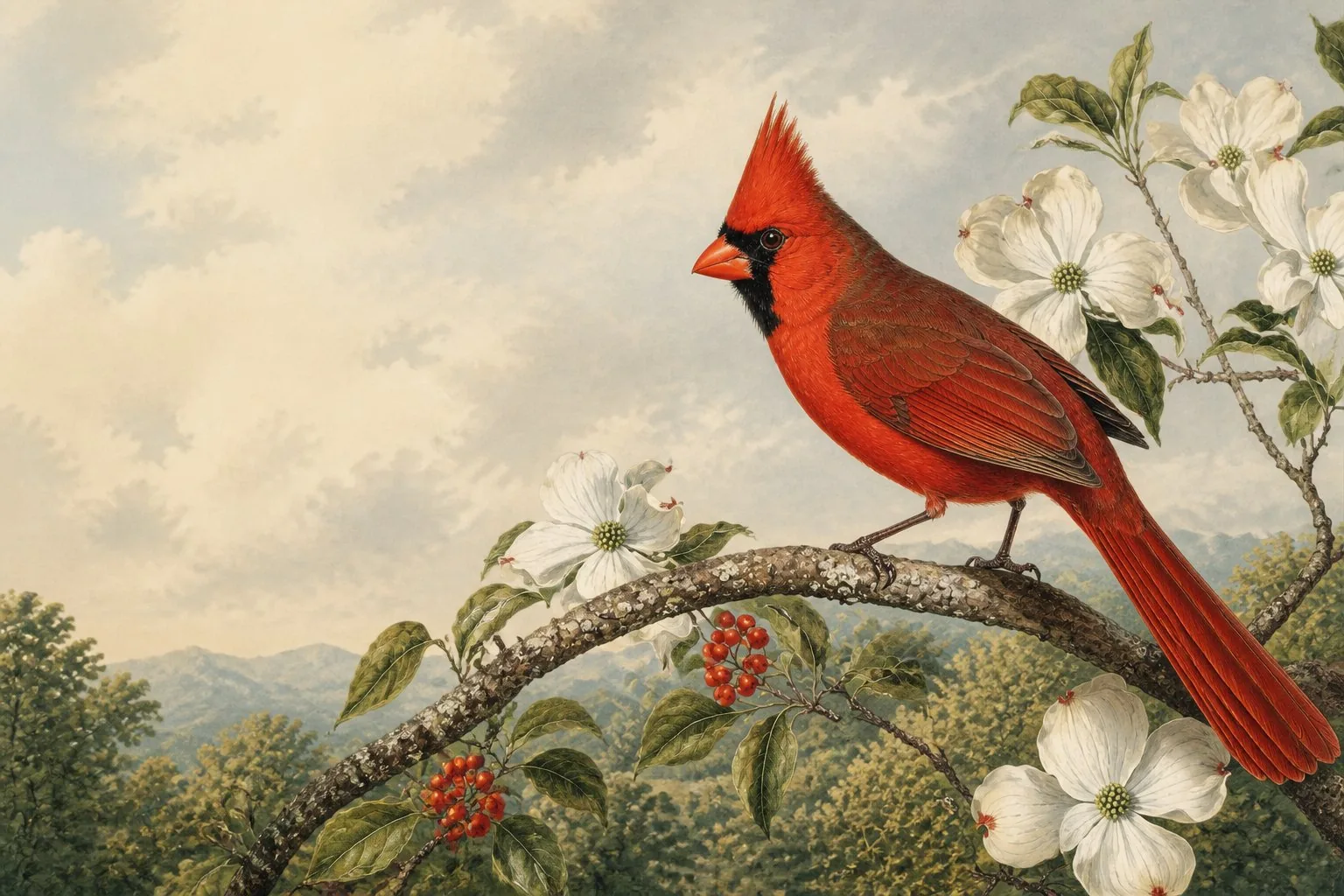
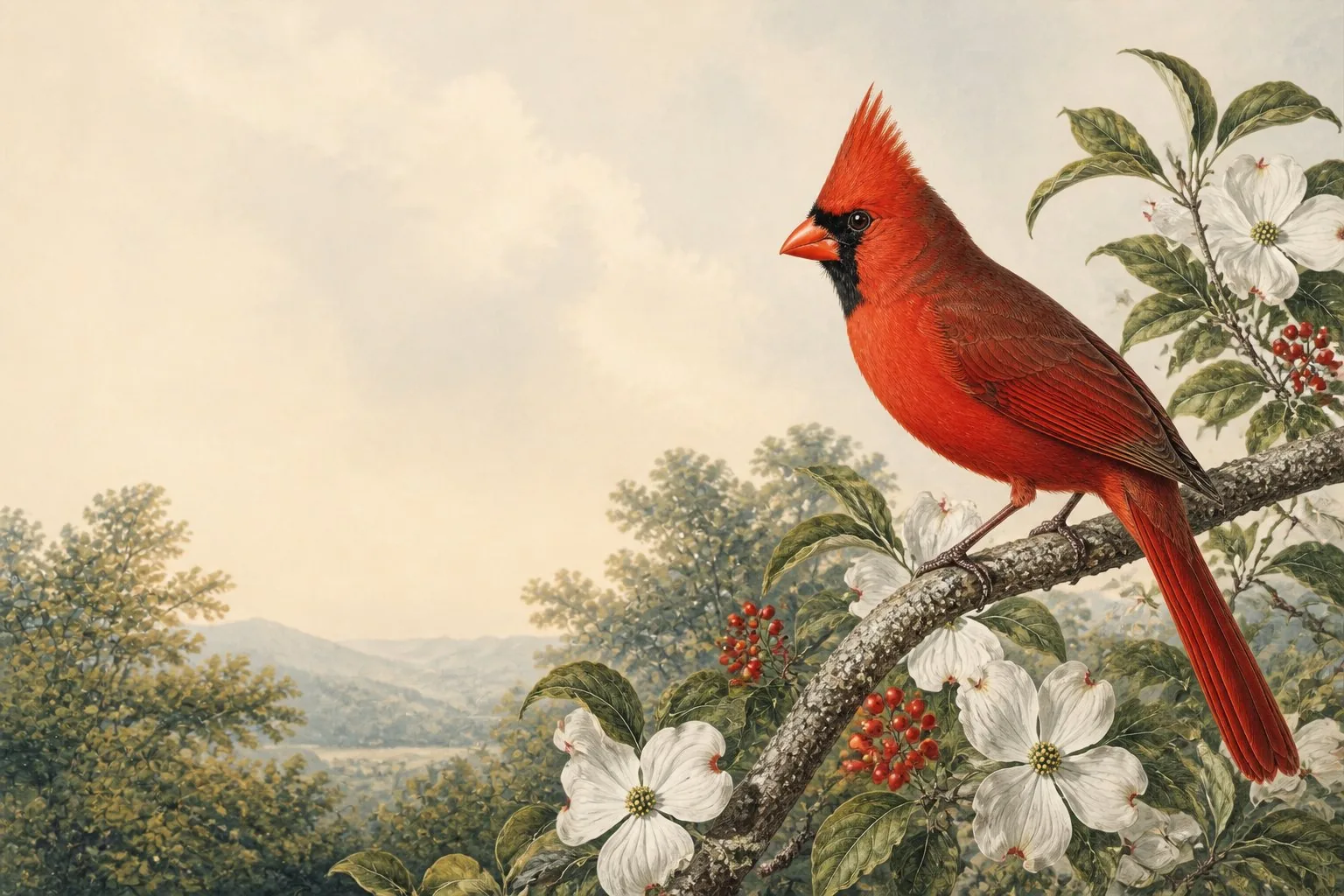
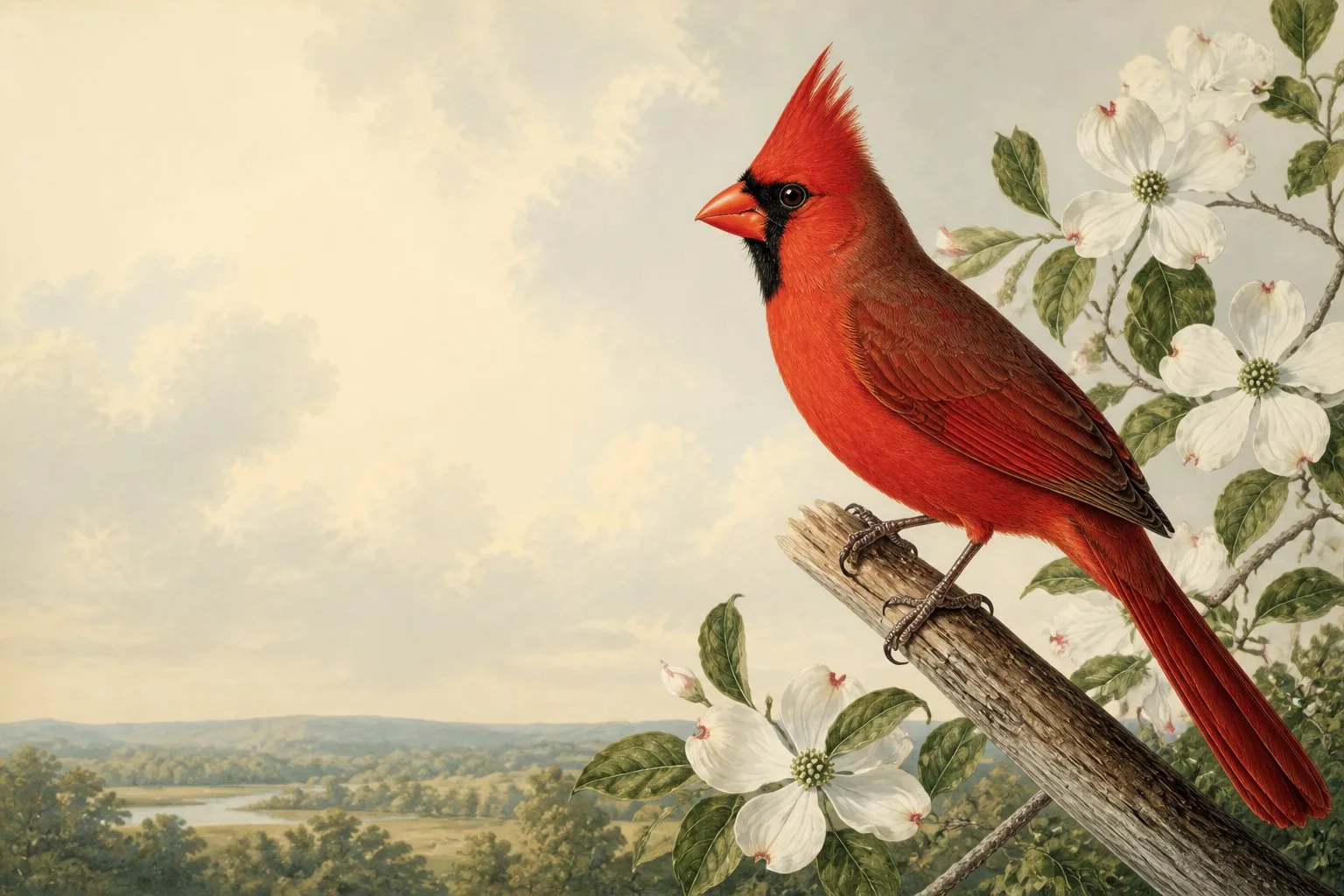
This is why a Northern Cardinal that has been visiting a feeder daily and then stops is worth noticing. The absence of normal behavior is data. It may mean nothing more than a hawk in the nearby oak. But it may mean the bird is sick and conserving energy for something more urgent than sunflower seeds.
Cardinals are a useful species to observe for behavioral change because their song is so consistent. A male cardinal that has been singing from the same sweet gum every morning and then goes quiet is demonstrating the same early-warning pattern that a parrot skipping its toy demonstrates. The biology is identical. The diagnostic logic is the same.
Understanding how cardinals form groups and interact socially also matters here - a bird behaving differently within a flock signals stress just as clearly as a solitary cage bird going quiet. Even the visual cues matter: a male appearing duller or more bedraggled than usual - similar to what happens during cardinal molting - can indicate either normal seasonal change or something worth watching.
The broader point is that play is not an ornament. It is a window. The bird that plays freely and stops is telling you something. The bird that has never played freely was probably never fully well.