Biology
What Colors Do Birds Not Like
Put a large, flat white panel in your yard and the sparrows that were feeding beside it this morning will leave by afternoon.
That is not folklore. It is the practical result of one fact: birds have four types of color-sensitive cone cells in their eyes, compared to three in humans, and they use that extra channel constantly. Color is not decoration to a bird. It is information - information about predators, food, mates, and the safety of a given patch of ground. When a color signals danger, birds respond to it the way they respond to a hawk’s shadow. They go somewhere else.
The thesis here is simple: birds do not dislike colors the way we might dislike a paint chip. Their aversions are threat assessments, and understanding the threat logic tells you far more than a list of colors to avoid ever could.
The fourth cone changes everything
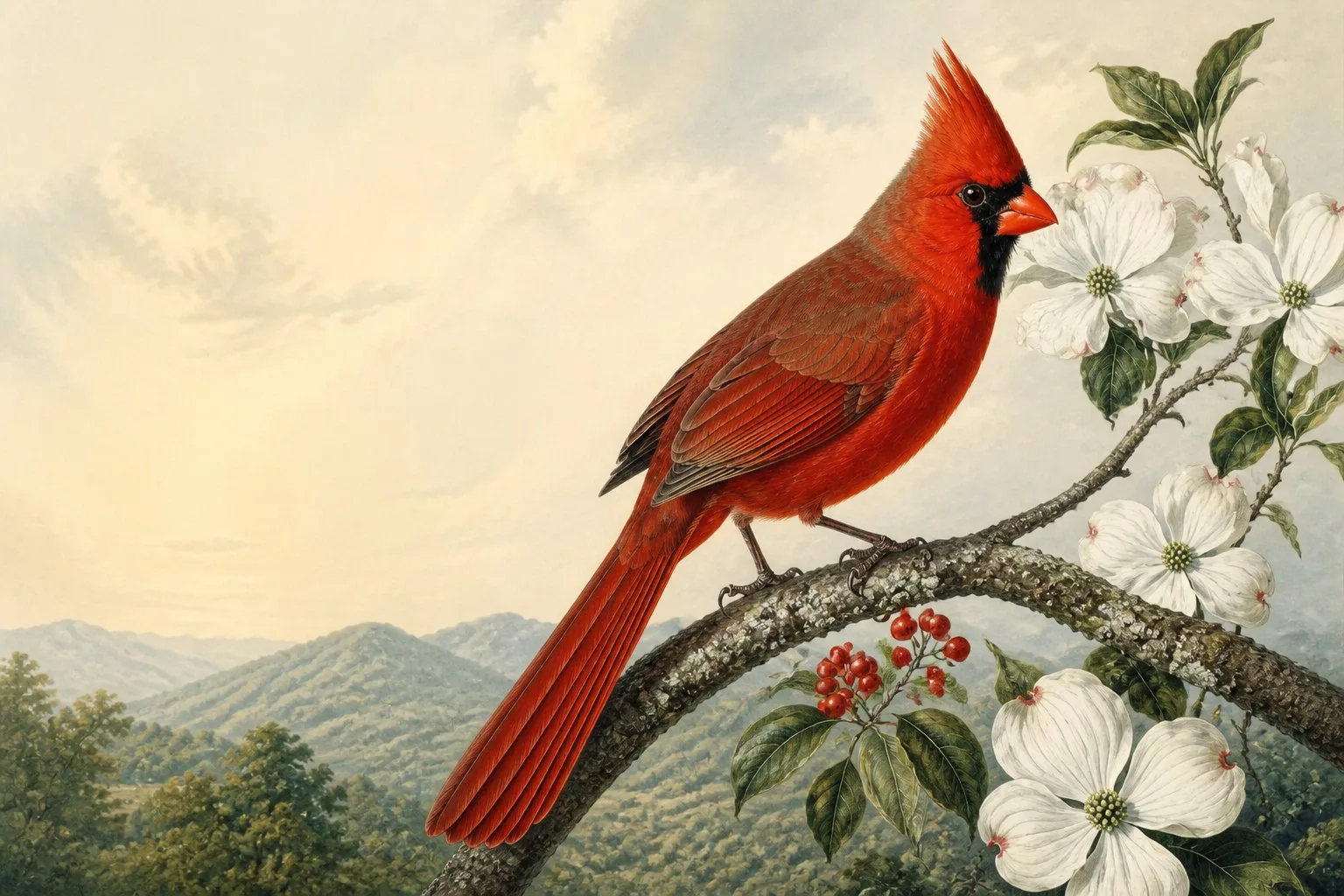
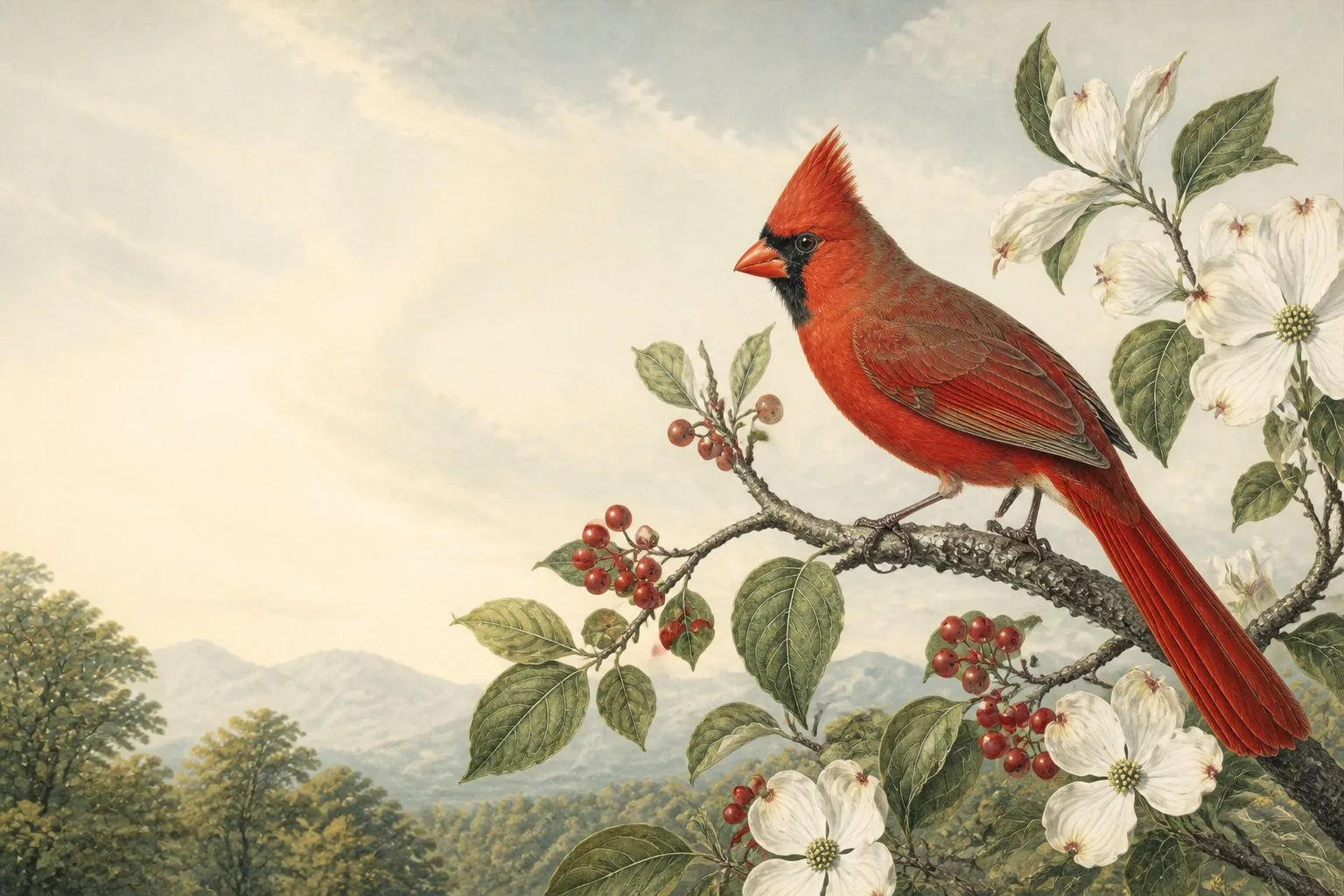
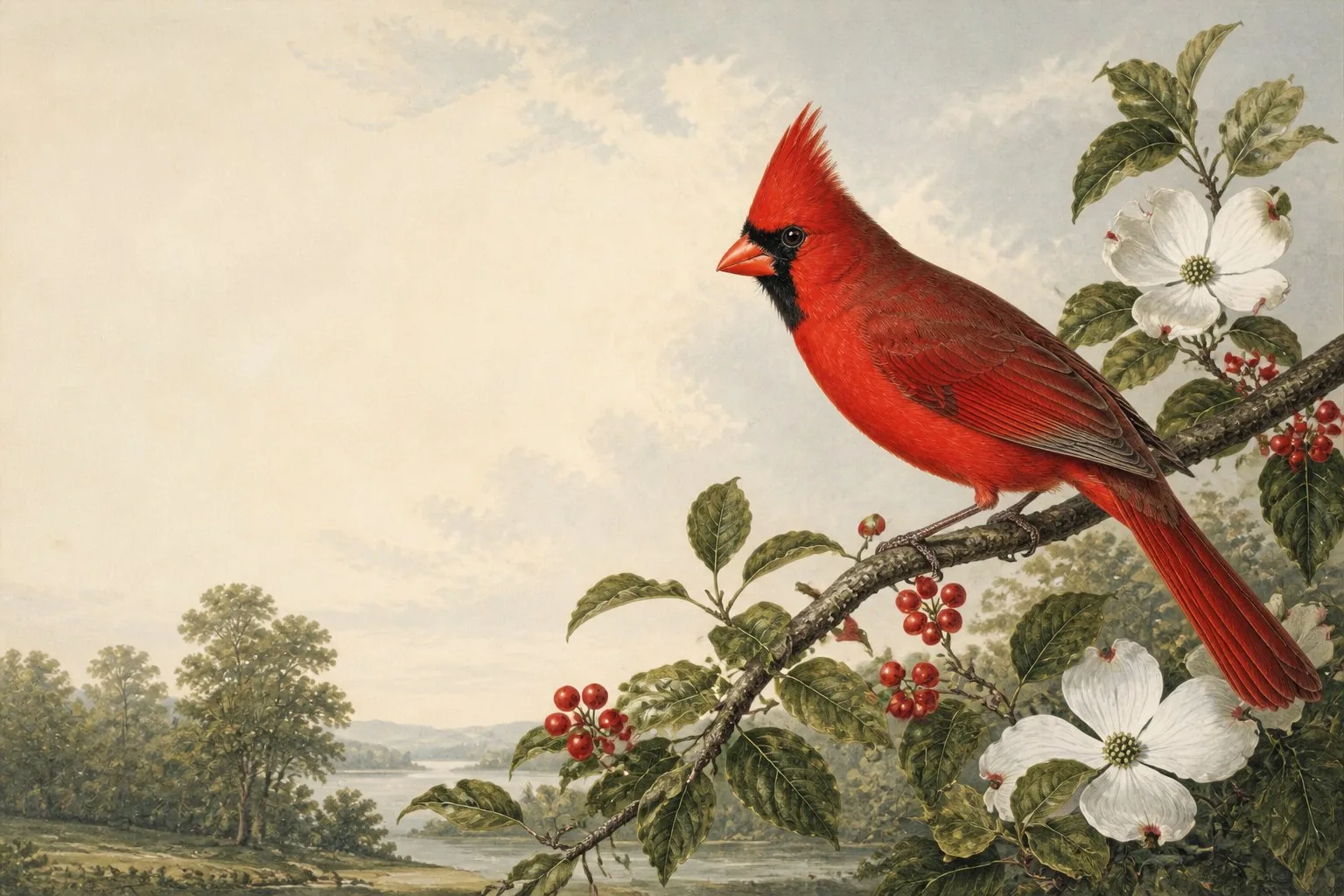
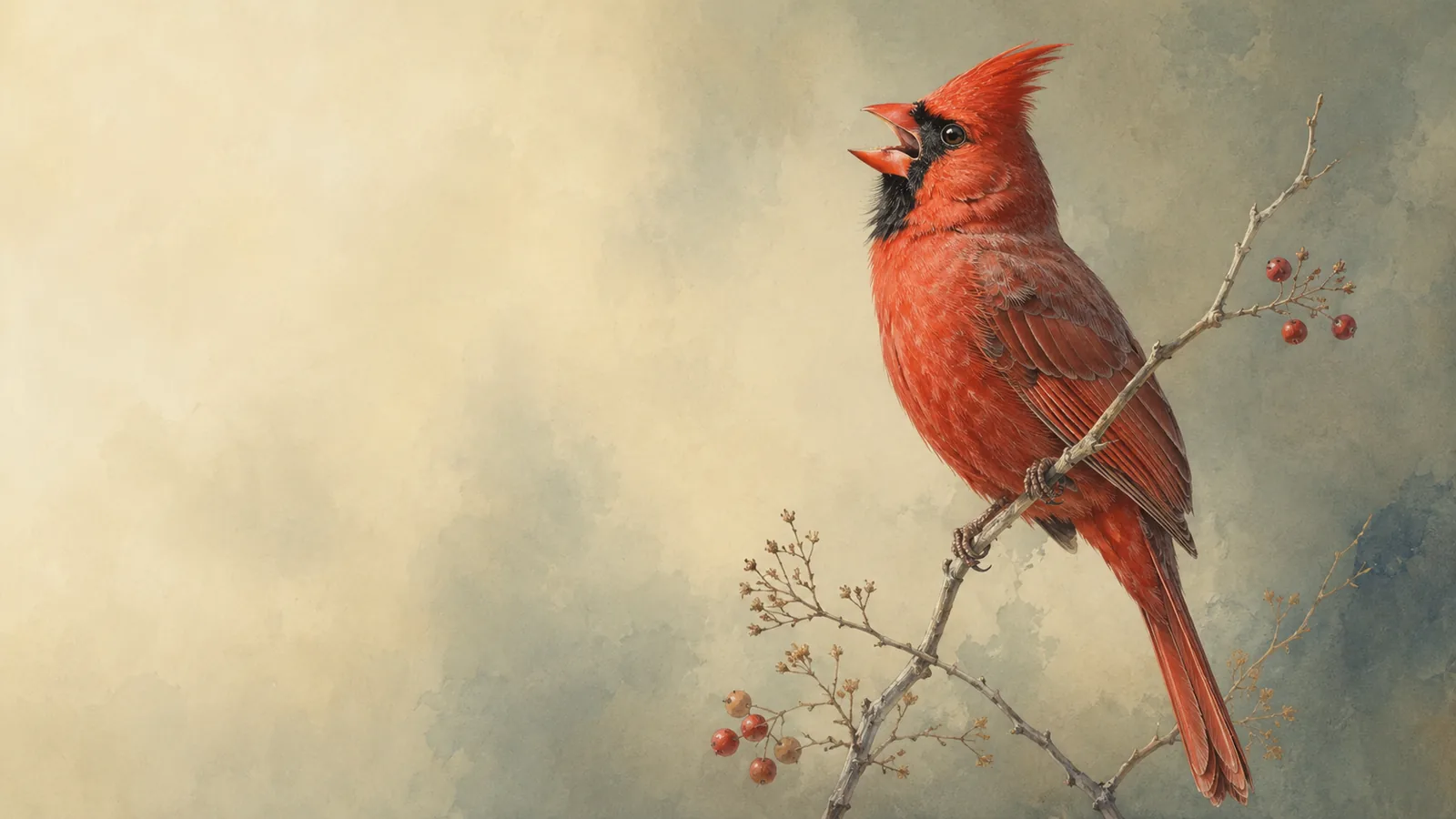
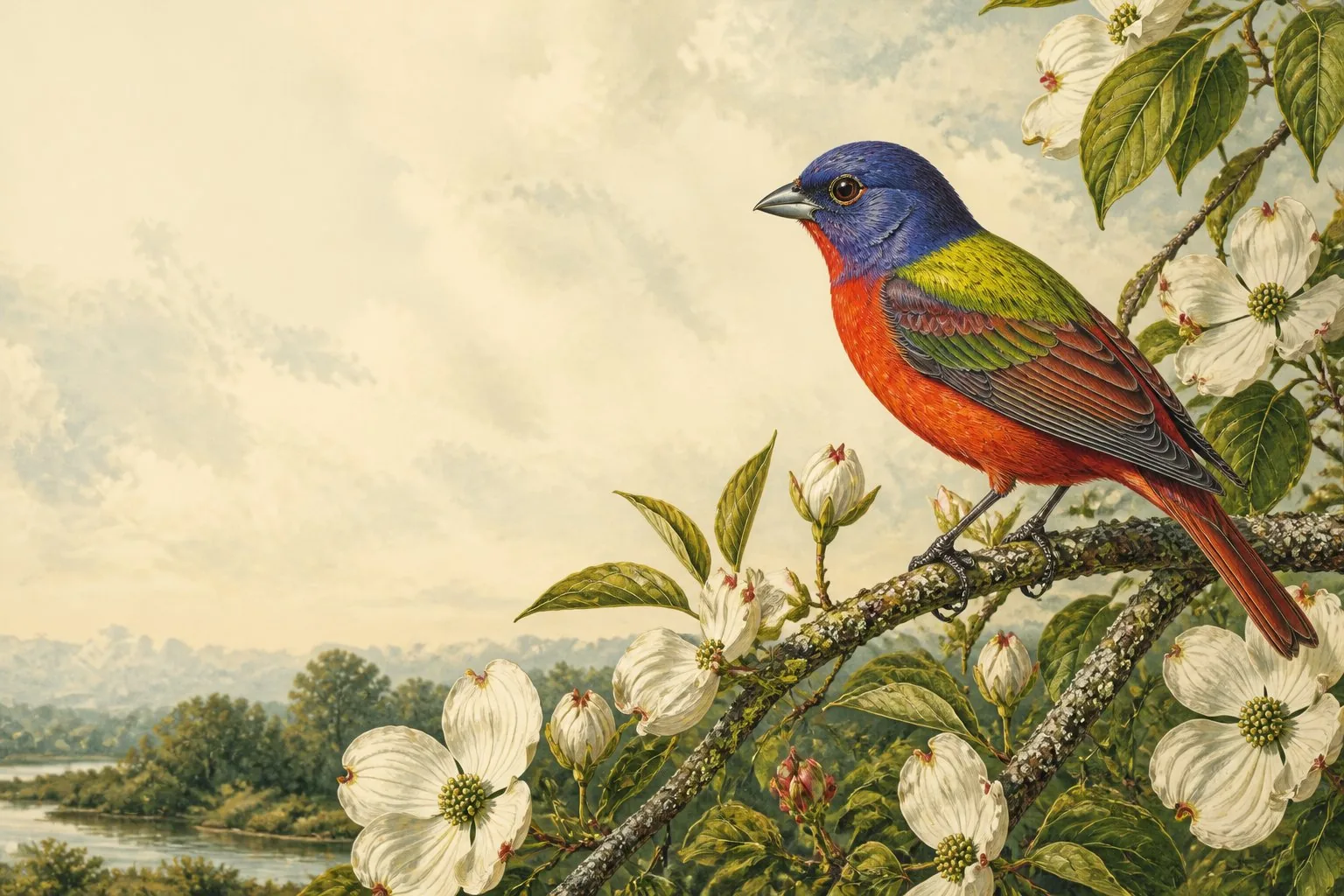
Human color vision runs on red, green, and blue receptors. Birds add a fourth: ultraviolet. This means bird plumage, ripe fruit, and even certain predators carry markings that are effectively invisible to us but sharp and legible to them. A male cardinal Cardinalis cardinalis in full spring color is already one of the most vivid birds in North America to human eyes. To a female cardinal, he is reading on a channel we cannot see - the UV component of his feather structure is part of what she is assessing when she chooses a mate.
A color that reads as neutral to you may read as a strong signal to the birds in your yard. The same physics that lets a bird produce a UV signal governs every shade it wears, which is its own subject - how birds get their colors is a story of pigment and feather structure working together. This is why feeder color choices matter more than most backyard guides acknowledge.
Colors birds treat as warnings
Bright white on large surfaces is the most consistent deterrent across species. The pale underside of a hawk or falcon - the flash you see just before the stoop - is the dominant association. A small white accent on a feeder does little. A large white birdhouse, a white reflective panel, or a white ground cloth under a feeding station is a different thing. Sparrows, juncos, and ground-feeding birds will feed near it briefly, then stop returning. The patch reads as an open-sky threat.
Metallic and reflective surfaces work on a related mechanism. Moving reflections are disorienting because they do not match anything in the natural environment. Reflective tape and holographic ribbon exploit this - they work as deterrents precisely because a bird cannot categorize the stimulus. The same logic applies to chrome shepherd hooks and glass-sided feeders in direct afternoon sun. This cuts against the popular idea that birds are drawn to shiny things; for most species, glitter reads as a hazard, not a prize.
Fluorescent colors are not found in nature. They are not threatening in the way white is threatening, but they read as alien, and shy species will avoid them. Hummingbirds are an exception: they have learned to associate saturated red and orange with nectar sources, and commercial red feeders exploit this learned response.
Birds do not hate specific colors the way humans dislike a shade. Their aversions are survival assessments - white means predator approach, metallic means disorientation, fluorescent means unrecognized. The colors that work in a bird garden are the ones that read as safe within a bird’s threat model, not the ones that happen to look pleasant to us.
Red is not simple
The most common question in backyard birding is whether red attracts birds or alarms them. The answer is: both, depending on species and context.
Hummingbirds track red as a proxy for high-energy nectar flowers. Cleaning hummingbird feeders with vinegar and refilling them regularly matters partly because a clean red feeder is a recognizable signal; a stained or dulled one is not.
For songbirds including Northern Cardinals, red feeder accents are neutral to mildly attractive. But red can trigger territorial aggression where it functions as a status signal between competing males. A male cardinal does not confuse a red feeder with a rival - his red coloring is processed as rank, not threat - but the feeder color can still shift the social dynamics at a feeding station.
Practical table
| Color | Effect | Notes |
|---|---|---|
| Bright white | Deterrent on large surfaces | Predator-flash association |
| Metallic / reflective | Deterrent via disorientation | Moving reflections strongest |
| Fluorescent | Deterrent for shy species | Unnatural stimulus |
| Red | Attracts hummingbirds; mixed for others | Context and species dependent |
| Green and brown | Attractive to ground feeders | Reads as safe cover |
| Black (large) | Deterrent for cavity nesters | Dark cavity predator association |
What this means for feeders and birdhouses
Earth tones - brown, sage green, dull grey - are the default safe choice because they read as neither threat nor invitation. They disappear into the visual background and let the food or cavity itself do the work.
Groups of cardinals - a ‘college’ is the collective noun - will use a brown or green feeder without hesitation. They approach a white or chrome one with a noticeable extra pause. That pause is a threat assessment on a color that reads as ambiguous.
If you want to deter birds from a specific area, reflective tape or white pinwheels exploit exactly the mechanism described above. If you want to attract a greater variety of species, go dull: brown cedar feeders placed near dense shrubs outperform red plastic feeders in open lawn for most songbirds.
A bird’s eye is a predator-detection instrument that also finds food and mates. When you choose a feeder color, you are entering that instrument’s data stream. The colors that read as background are the ones that let birds relax enough to actually feed.