Biology
Do Cardinals Kiss?
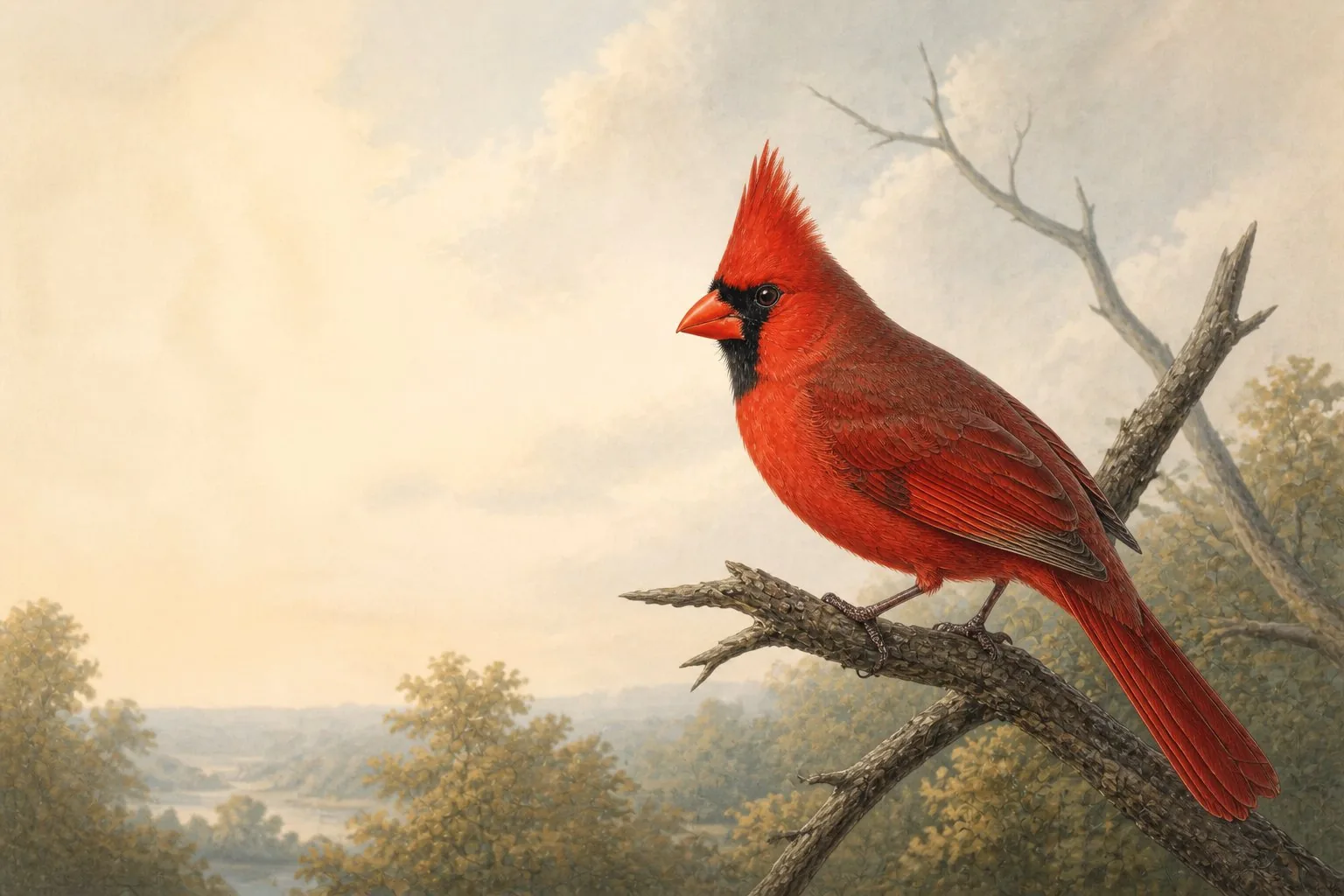
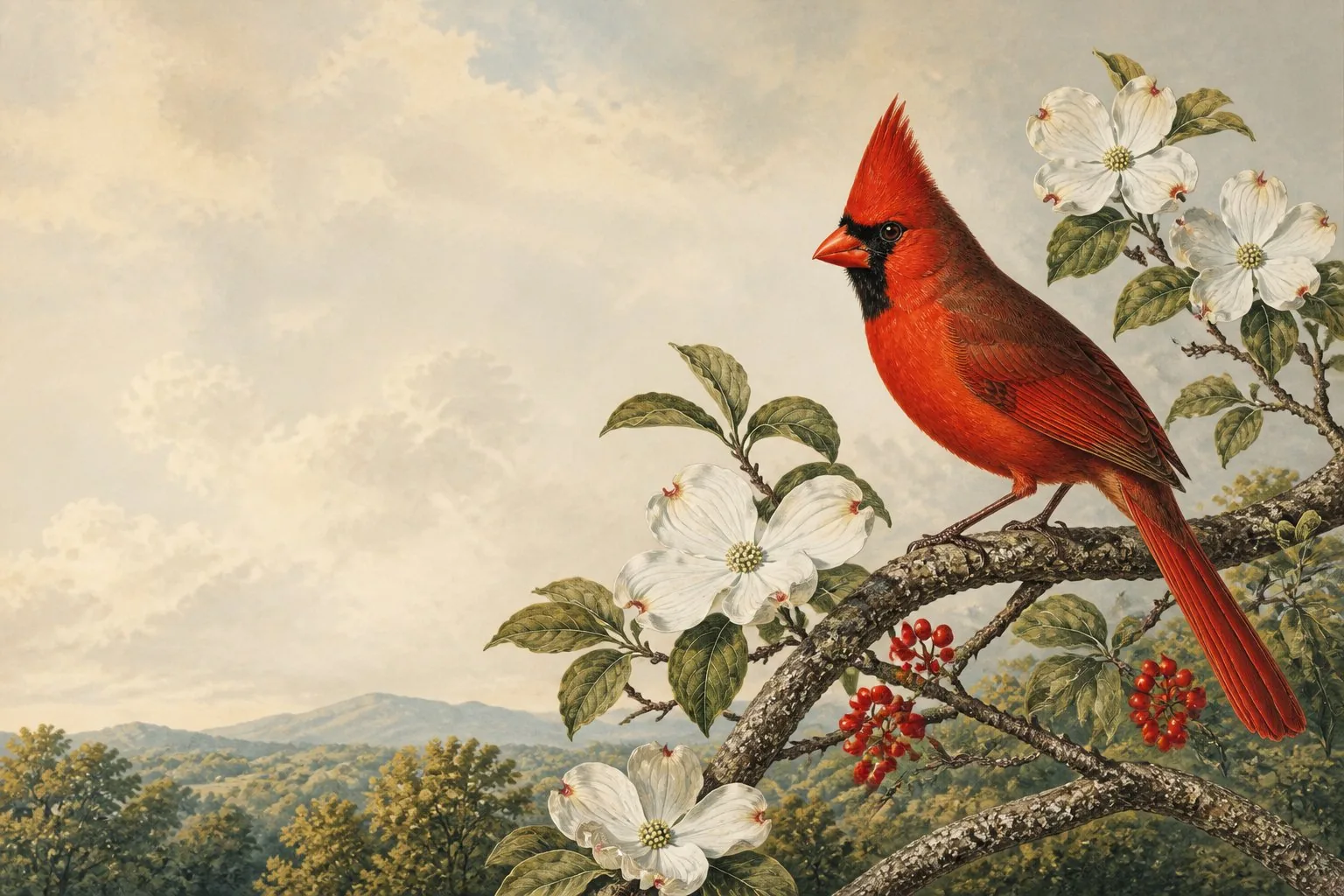
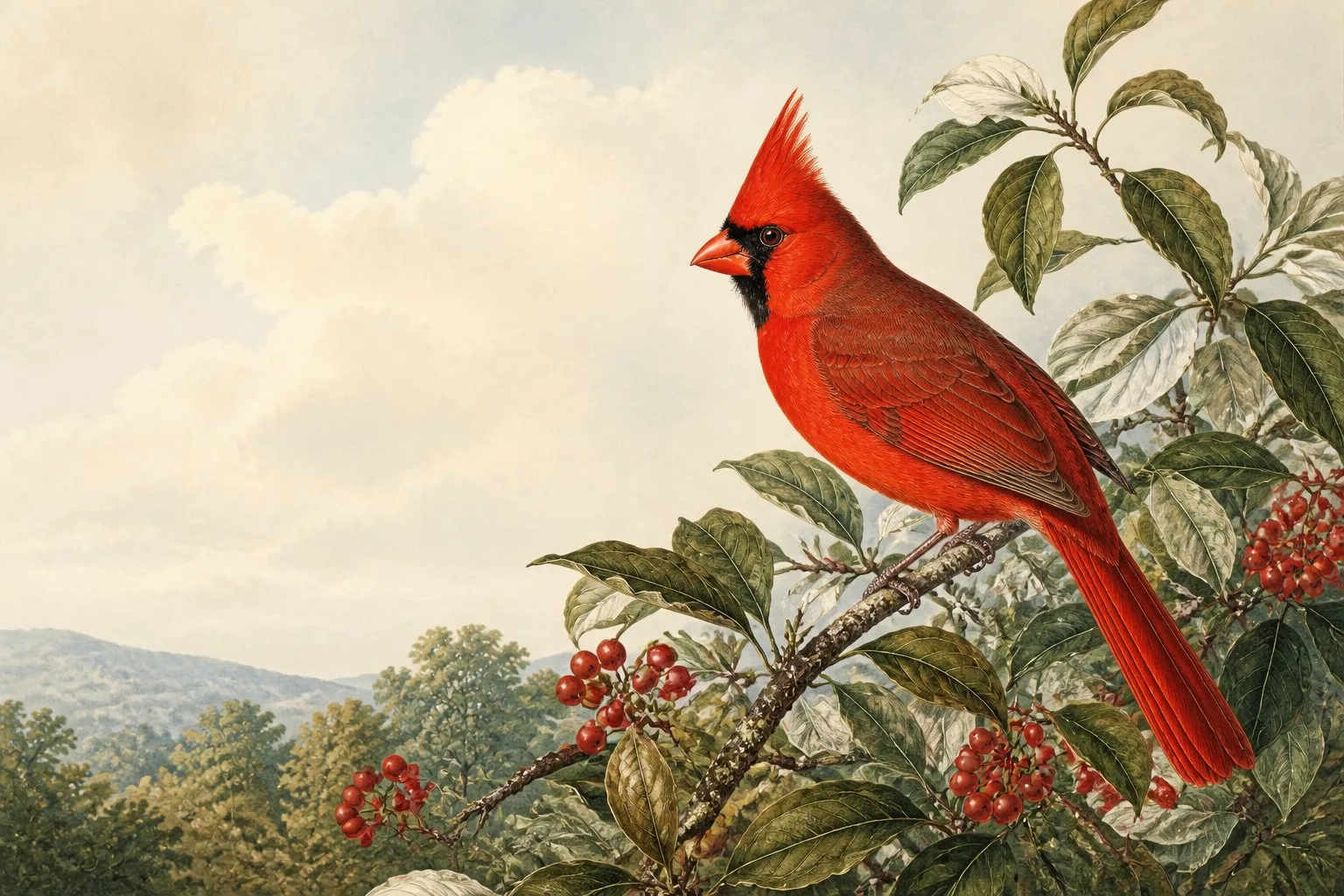
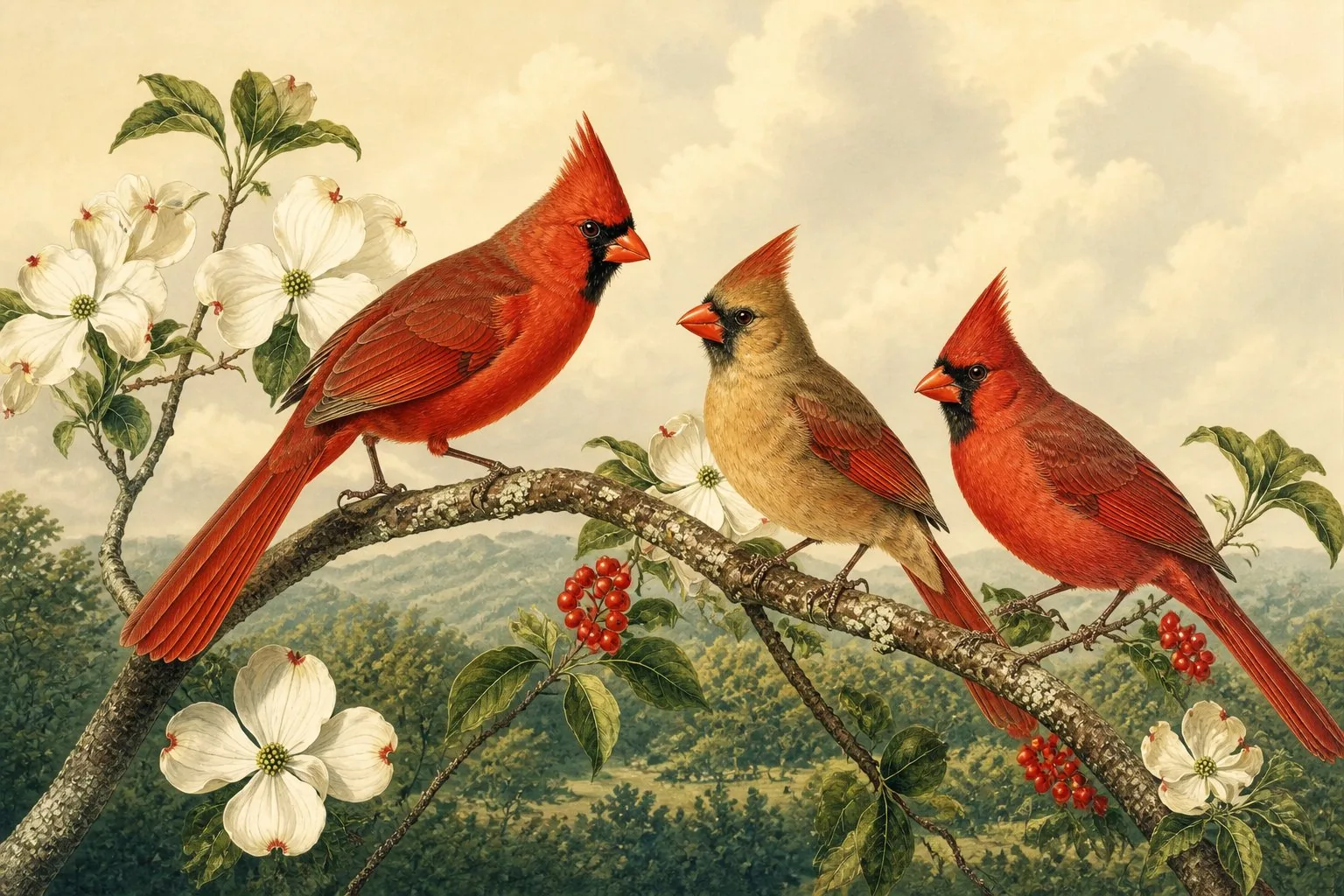
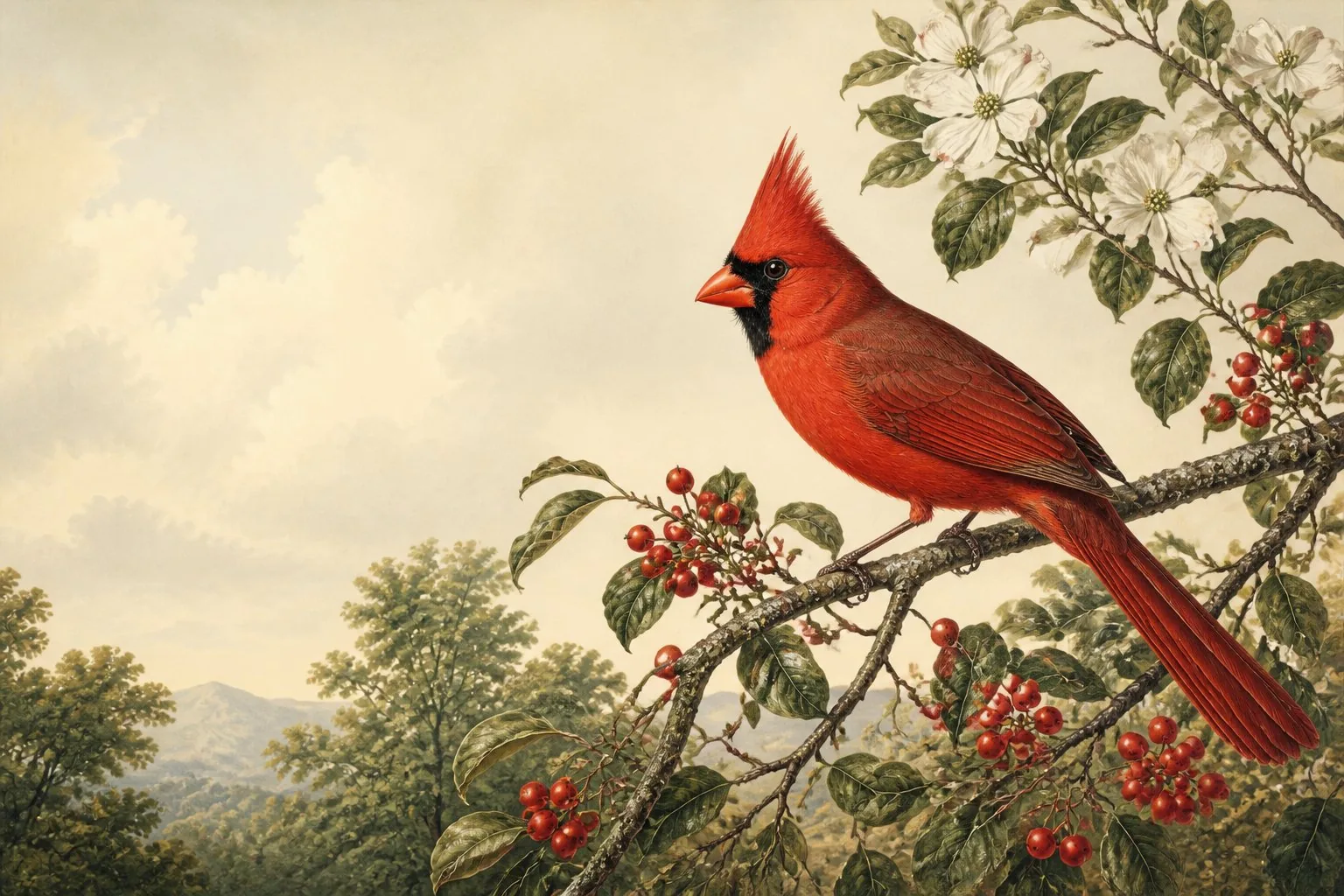
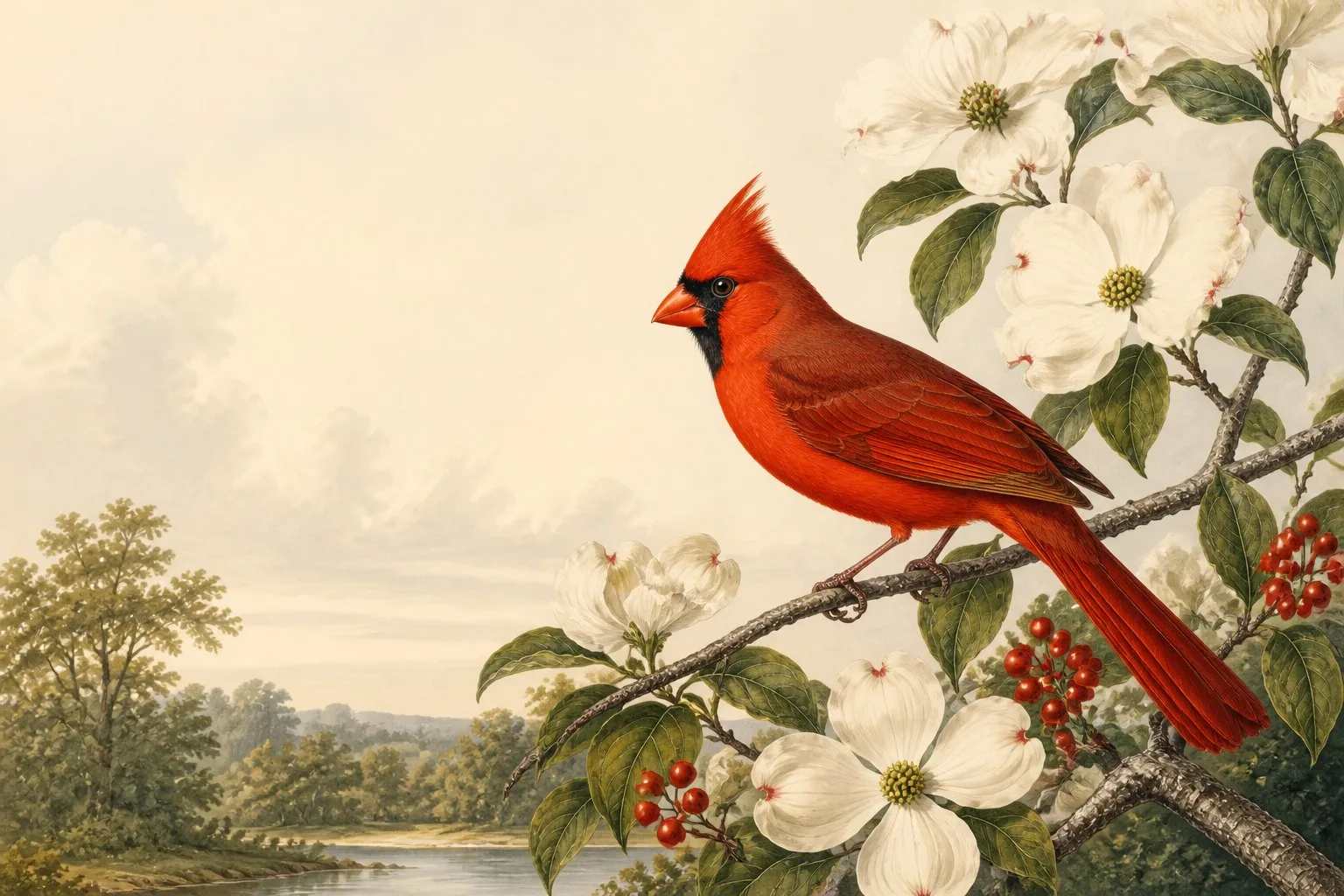
A male Cardinalis cardinalis picks up a sunflower seed, hops two steps toward his mate, and places it directly into her bill. Their beaks touch for less than a second. He hops back. She swallows.
People watching this at a February feeder in Ohio or Virginia tend to say the same thing: they are kissing. They are not wrong that something significant is happening. They are wrong about what it is.
Mate feeding, not affection
The behaviour has a name in ornithology: courtship feeding, or allofeeding. The male collects food and delivers it to the female beak-to-beak. Audubon’s field guide to the Northern Cardinal notes that males begin offering food to females early in the breeding season, with the behaviour continuing through incubation. The Animal Diversity Web account for Cardinalis cardinalis records that breeding pairs form between March and September, with the male provisioning the incubating female throughout the 11-to-13-day incubation period.
The female is not passive. Observers at Bird Watcher’s General Store have recorded females soliciting food by quivering their wings - the same posture a fledgling uses when begging - at a rate approaching once every 15 seconds during active courtship. She is not accepting a gift. She is running an assessment.
What the research actually shows
Three explanations for courtship feeding have circulated in ornithological literature. First: the female evaluates paternal quality. Second: the exchanges reinforce pair bonds. Third: she simply needs the extra calories.
In 2011, researchers Galván and Sanz analysed data from 170 bird species to test which explanation held up. Their conclusion, reported in Behavioral Ecology, was that courtship feeding correlates most strongly with nutritional demand - specifically in species where females shoulder a greater reproductive burden, such as building nests and incubating eggs alone. Bond-reinforcement was the weakest of the three explanations.
For the Northern Cardinal, that finding is pointed. The female builds the nest herself, typically a cup-shaped structure in dense shrubs or low trees one to three metres off the ground. She incubates alone. The male, meanwhile, feeds her on the nest throughout incubation and then continues feeding each brood after hatching while she begins a second clutch. According to the Animal Diversity Web, cardinals raise two broods annually on average, sometimes three, between March and September. The male’s provisioning capacity is not a metaphor for commitment. It is the actual logistical requirement of raising a cardinal family.
The beak-to-beak moment at the feeder is a field test, not a tender gesture. The female is checking whether this male can keep food coming through months of incubation, because her survival during that stretch depends on it.
What the ‘kiss’ conceals
The romantic reading is understandable. Both birds face each other, bills touch, the interaction is brief and careful. But what makes cardinal mate feeding worth understanding is precisely that it resists the sentimental interpretation.
The male is not advertising love. He is demonstrating foraging efficiency and territory quality in a single exchange. Audubon’s account notes that males perform several physical displays during courtship - raising the head, swaying, singing softly - before feeding begins. The feeding exchange is the closing argument, not the opening statement.
The genetics complicate the picture further. The Wikipedia account of the Northern Cardinal, citing published DNA studies, reports that 9 to 35 per cent of nestlings in monitored populations were not fathered by the female’s social mate. Cardinals are described by the Animal Diversity Web as “serially monogamous” - pairs often reconnect across breeding seasons, and the account notes they “may remain together year-round” - but the genetic data suggests that the beak-to-beak moment does not seal anything as exclusive as the word ‘kiss’ implies.
Timing and what to watch for
The exchanges are most frequent in late February and March, just before nesting begins. At backyard feeders in winter, pairs feeding side by side are usually already bonded from a previous season. The active beak-to-beak provisioning - with the wing-quivering solicitation and the deliberate hop-and-transfer - ramps up once the female begins spending time near a future nest site.
Cardinals are year-round residents across their range, which is why the behaviour is visible at feeders through cold weather. The pair bond is reinforced partly through something that sets cardinals apart from most songbirds: both sexes sing. Mated pairs counter-sing to each other before nesting begins, according to Audubon. The beak-to-beak feeding, when it comes, follows weeks of this shared vocal rehearsal.
The sequence observers describe runs like this: the female approaches or positions herself and quivers her wings; the male picks up a seed and moves toward her; their bills meet briefly; she takes the food. The whole exchange can last under two seconds. If you have seen it and called it a kiss, you were watching closely. You were just watching the wrong species for that emotional category.
The male’s side of the transaction
For the male, consistent provisioning also keeps her in his territory while she makes up her mind. She is not yet committed. Other males are singing from adjacent ranges. Sustained mate feeding anchors her to his patch of shrubs and his feeder, day after day. The act serves his interests as much as hers, which is characteristic of most courtship behaviour.
Plumage brightness matters too - females favour males with deeper red feathers, a signal that correlates with diet quality and overall condition. The red of a spring male is produced during the late-summer moult: see cardinal molting for how that process works. Mate feeding sits alongside plumage and song as a package. A bright male that will not provision is a poor candidate. A consistent feeder with average plumage may do better than the literature suggests.
The female cardinal, watching from the feeder rail while a male hops toward her with a seed, is doing something her species is remarkably well-suited for: she is choosing. The beak-to-beak contact is the moment she acts on that choice, or withholds it. Call it a kiss if you like. She is calling it something else.