Biology
Do Cardinals Eat Grape Jelly?
The jar of grape jelly goes out on the platform feeder in late April, and by mid-morning there is a Gray Catbird in it up to his elbows. The Baltimore Oriole finds it at noon. The cardinal comes at three, samples one bite, and goes back to the sunflower seeds.
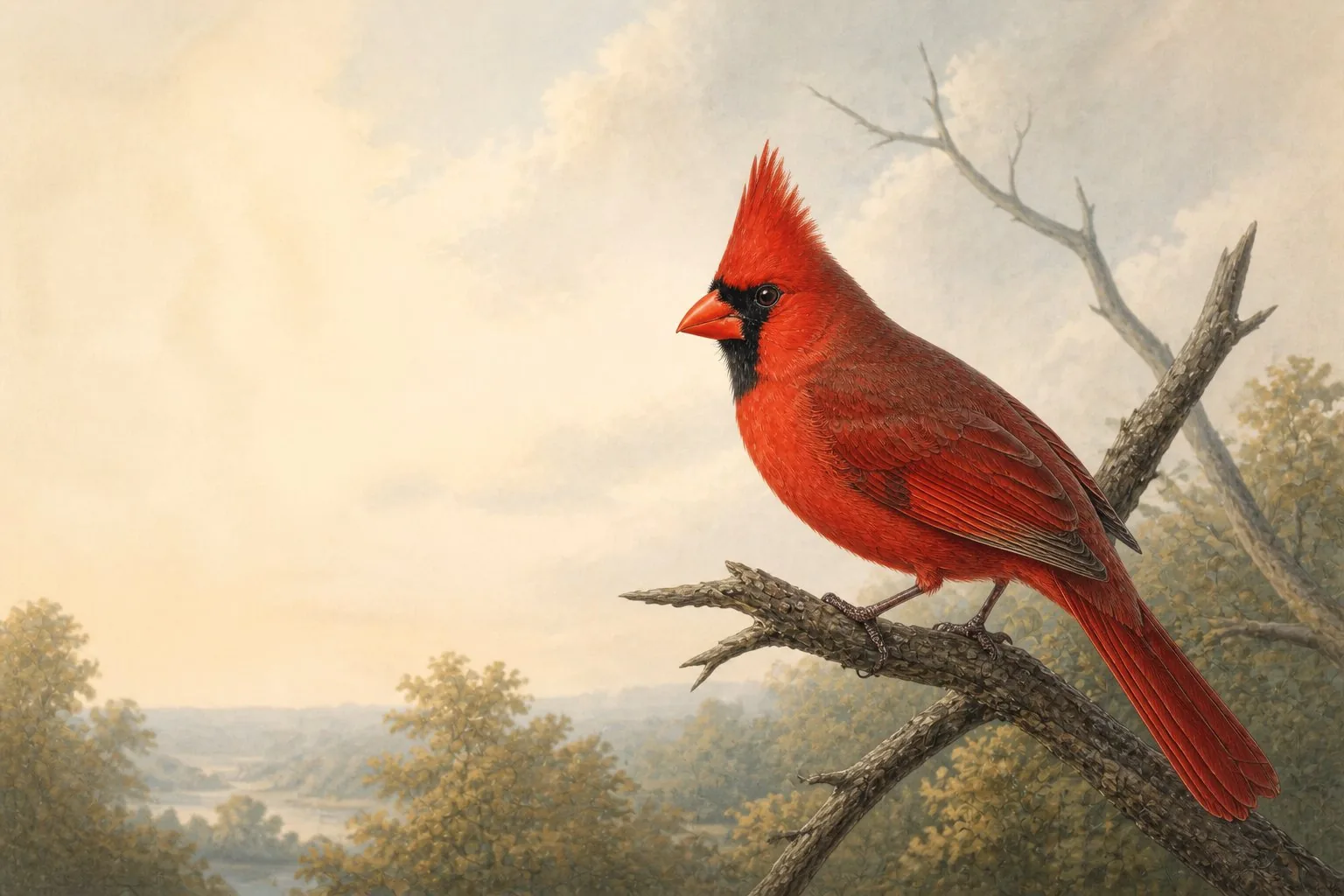
This is what usually happens, and it answers the question more honestly than a yes or no. Cardinalis cardinalis is not a jelly bird. He will eat grape jelly if it is there and nothing else is better - birds are opportunists by necessity - but the food was not made for him, and his body treats it accordingly.
Why cardinals are not built for jelly
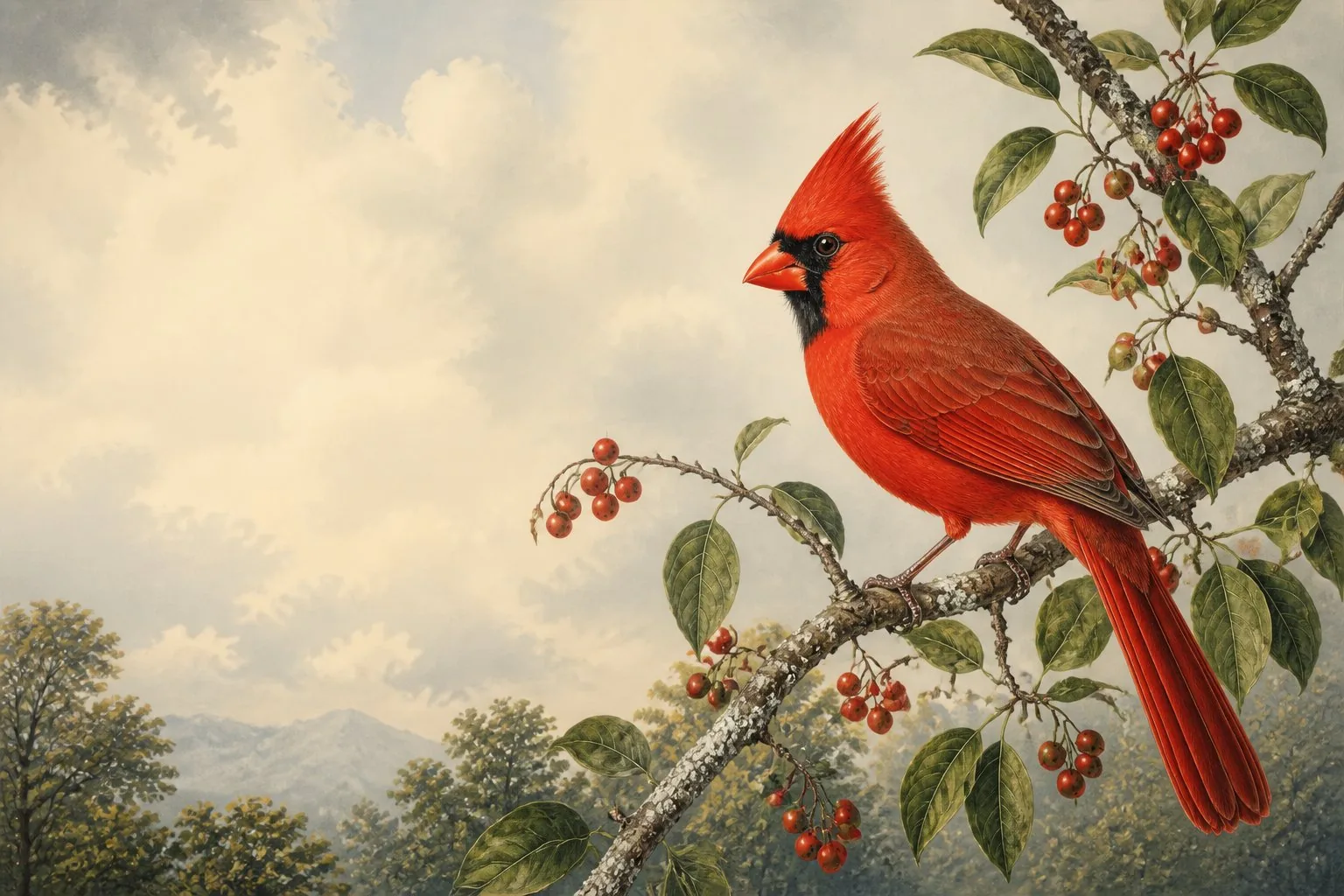
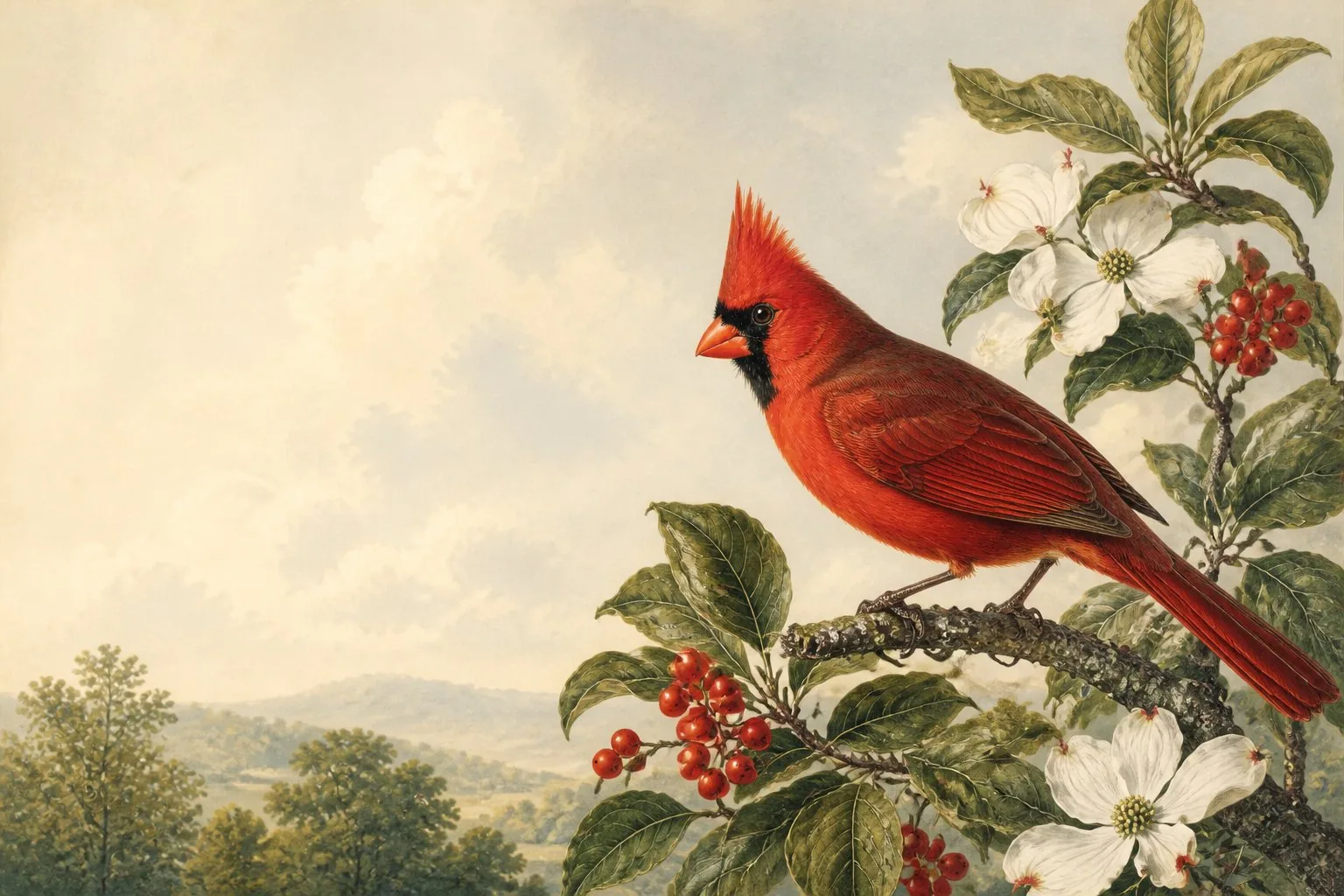
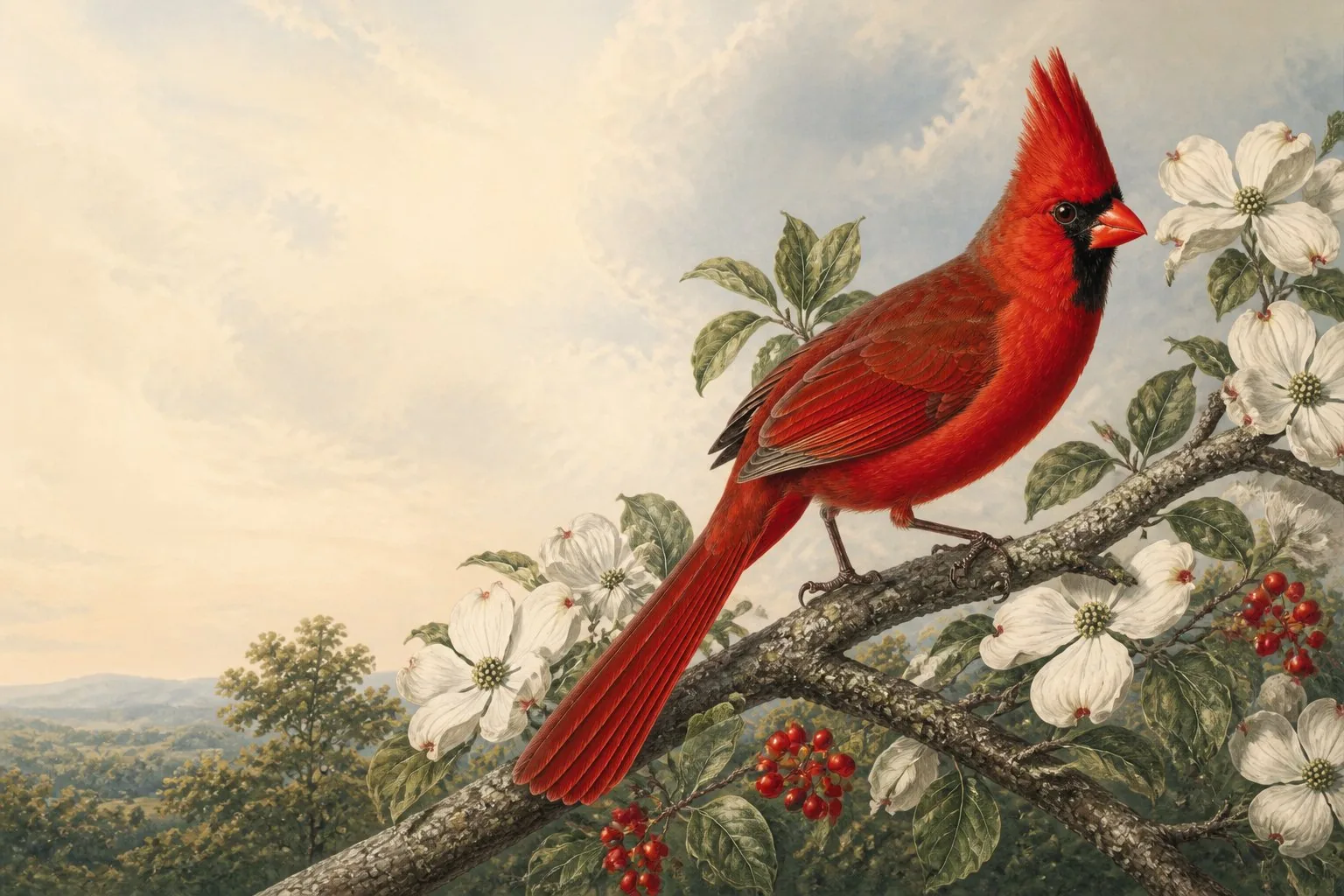
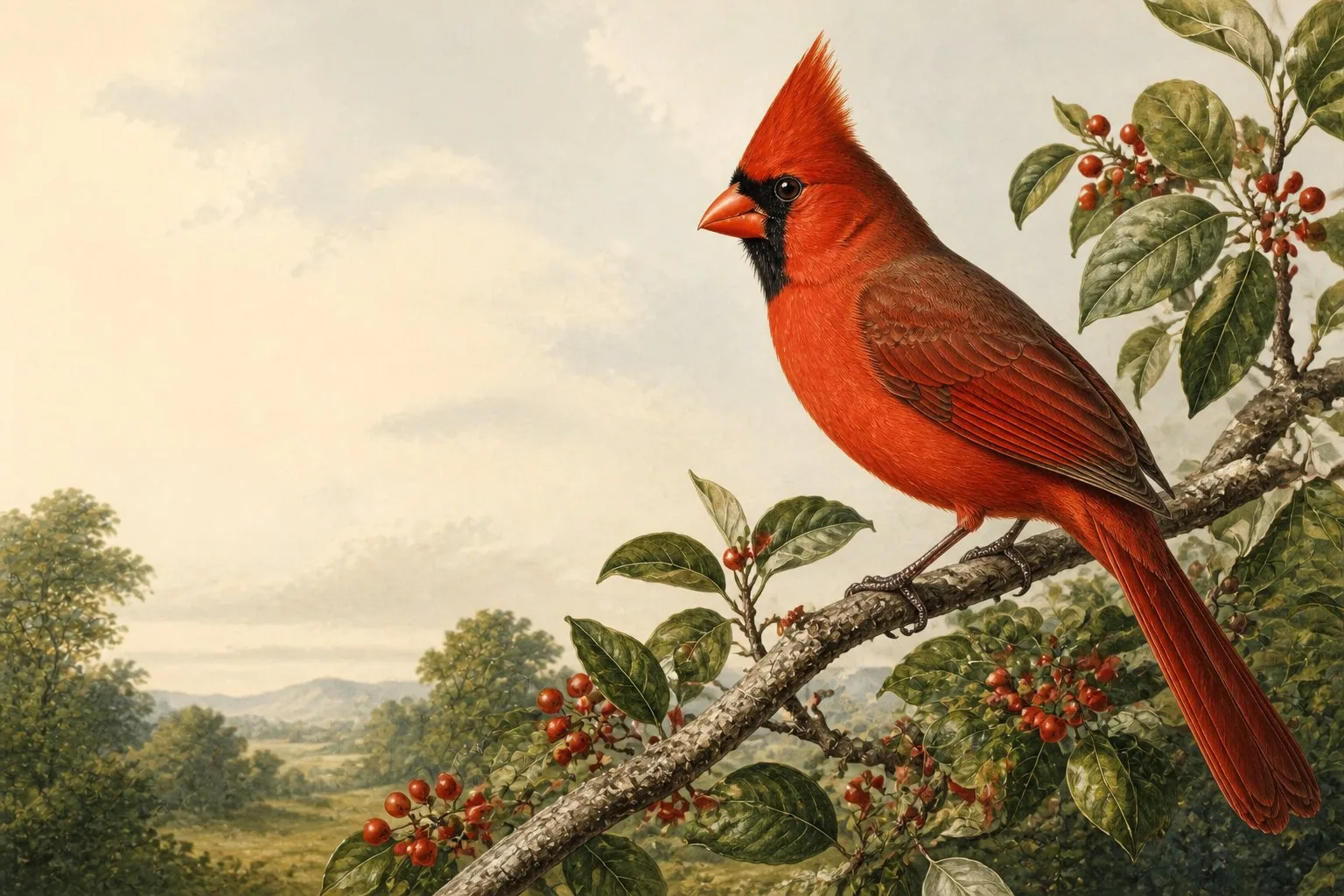
The cardinal’s bill is a seed-cracker. Thick, conical, strong enough to split a safflower seed that a house finch will abandon. It evolved for hard food, not soft food. Cardinals eat seeds for most of the year, shift toward insects during breeding season for the protein load, and supplement with berries through autumn and winter. Fresh fruit falls within that pattern. Processed sugar does not.
Commercial grape jelly is typically 50 per cent or more sugar by weight. Natural fruit - the wild grapes, dogwood berries, and mulberries a cardinal actually eats - runs closer to 10 to 15 per cent sugar, with fibre, water, and micronutrients alongside. The concentration in jelly has no analogue in anything a cardinal would encounter in the wild. A small amount causes no measurable harm. A jar left out as a primary food source is a different thing.
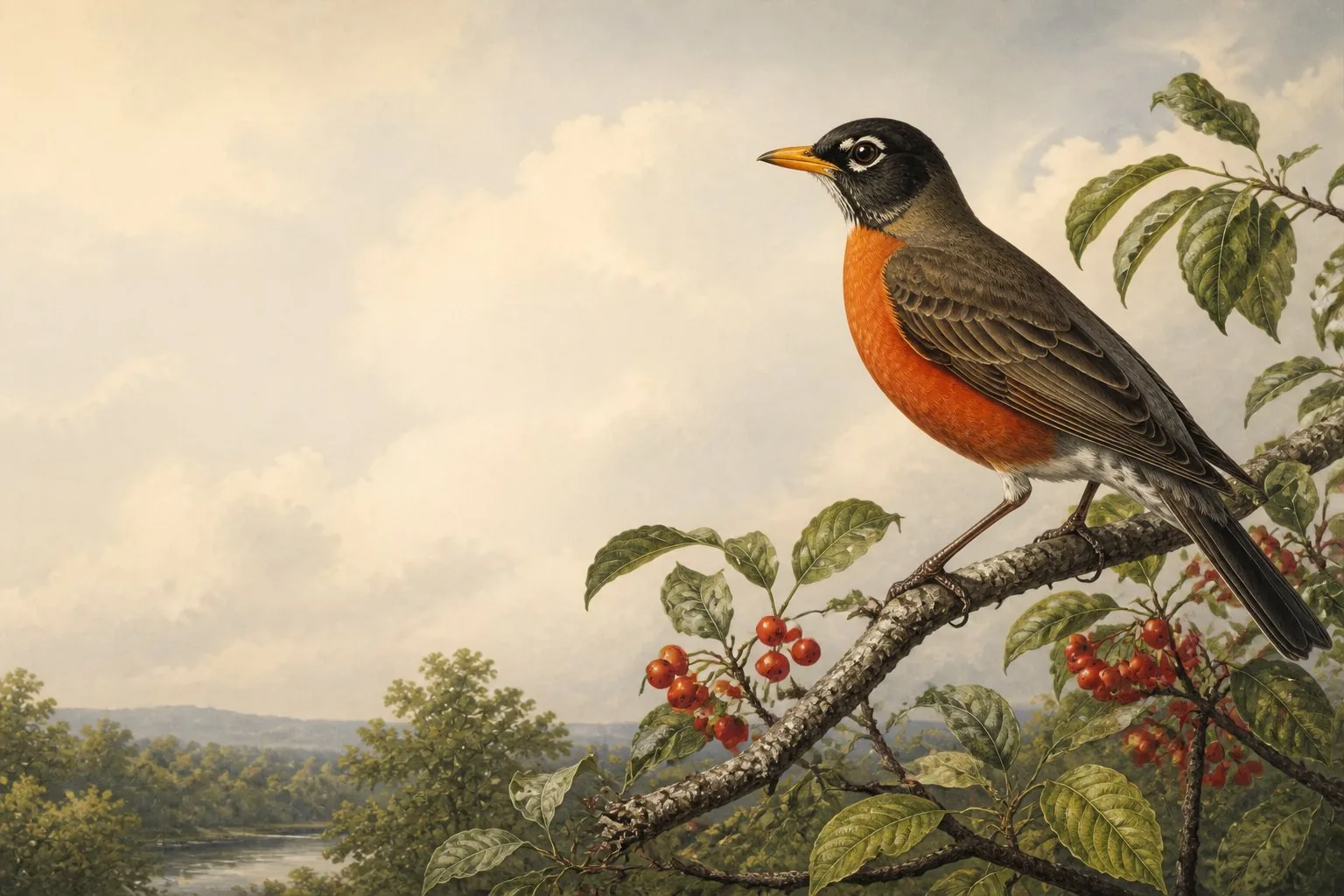
The birds that eat grape jelly regularly - orioles, catbirds, thrashers, some woodpeckers - have longer, thinner bills and guts that evolved alongside soft, high-sugar tropical fruit. They handle the load differently. The cardinal was not part of that evolutionary bargain.
Cardinals are seed-eaters first. The single best thing you can offer at a feeder is black oil sunflower seeds. They will take them in any season, in any weather, and choose them over almost everything else.
What cardinals actually eat at feeders
| Food | Why it works |
|---|---|
| Black oil sunflower seeds | High fat, thin shell the cardinal cracks cleanly |
| Safflower seeds | Cardinals take them readily; squirrels and starlings tend to leave them |
| Fresh or halved grapes | Natural sugar at safe concentrations, plus water |
| Mealworms | Especially useful during breeding season when protein demand peaks |
| Cracked corn | Ground-feeding supplement, budget-friendly |
Fresh grapes are worth noting specifically, because the question about grape jelly often comes from a genuine desire to offer fruit. Cut grapes in half and set them on a platform feeder. Cardinals will take them. So will mockingbirds, catbirds, and orioles - the same birds drawn to jelly, but without the sugar concentration problem. The seeds inside fresh grapes are not harmful. Cardinals crack them without hesitation, which should come as no surprise from a bird built to split safflower.
The oriole problem
Putting out grape jelly specifically for cardinals is likely to draw orioles and catbirds instead, which is not a bad outcome - Baltimore Orioles are worth watching - but it does not accomplish what you were after. If you want cardinals, the reliable path runs through sunflower seeds and dense shrubby cover, not jelly jars.
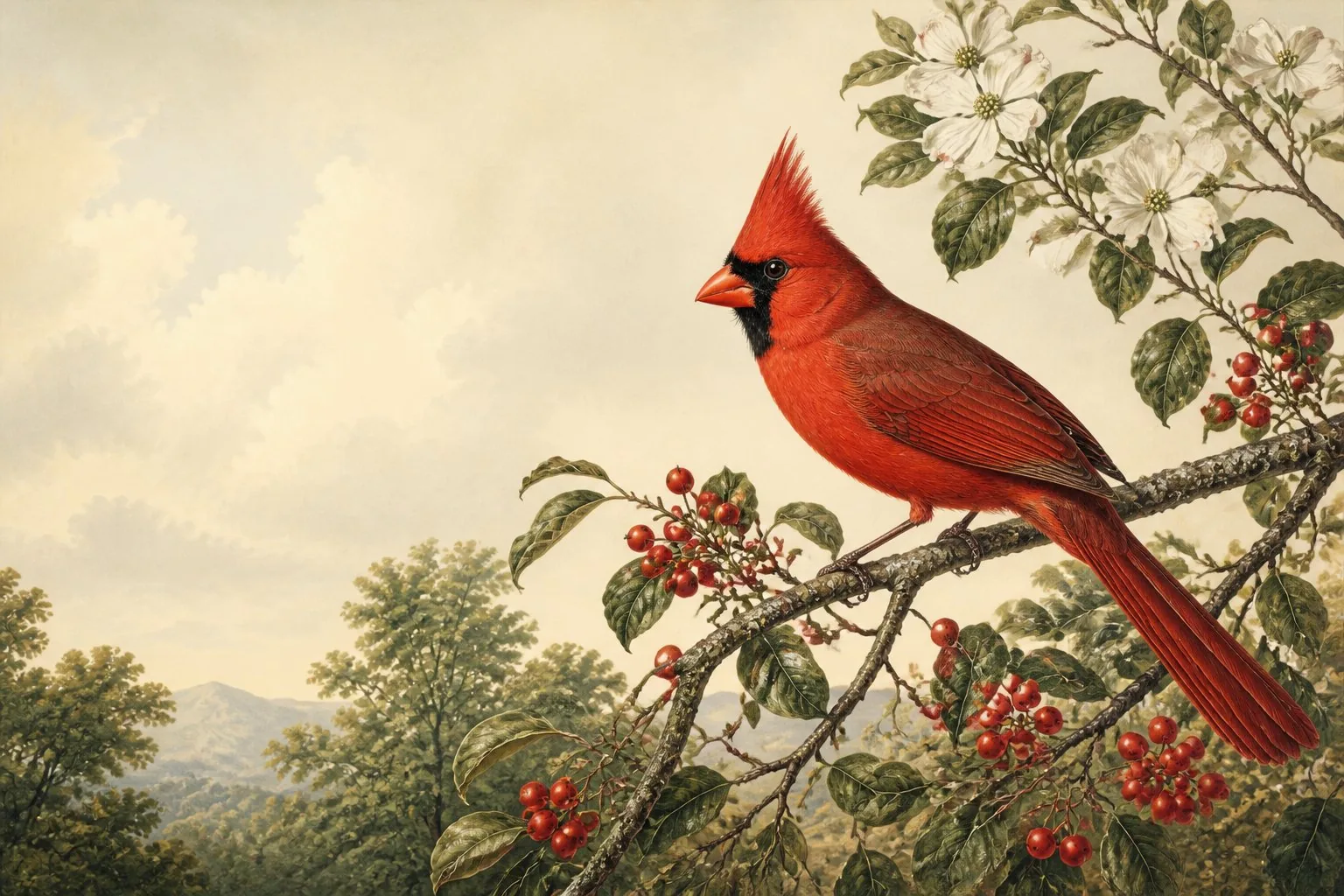
Cardinals are drawn to yards with layered vegetation. A hawthorn or holly at the feeder edge matters as much as what is in the feeder. The Northern Cardinal is not a bird that perches in the open if it can help it. He likes a clear exit.
For orioles, grape jelly works well in small shallow dishes changed every two to three days before it ferments. The same platform feeder that holds halved grapes for cardinals can hold a ramekin of jelly for orioles - two birds, one feeder, different positions on the same surface. There is no conflict there.
A note on feeder hygiene
Grape jelly ferments faster than most people expect in warm weather. Fermented jelly can cause problems for any bird that eats it in quantity. If you are running jelly for orioles alongside your cardinal sunflower setup, keeping feeders clean matters more in summer than at any other time. The same logic applies to fruit. Halved grapes left out for more than a day in July should come down.
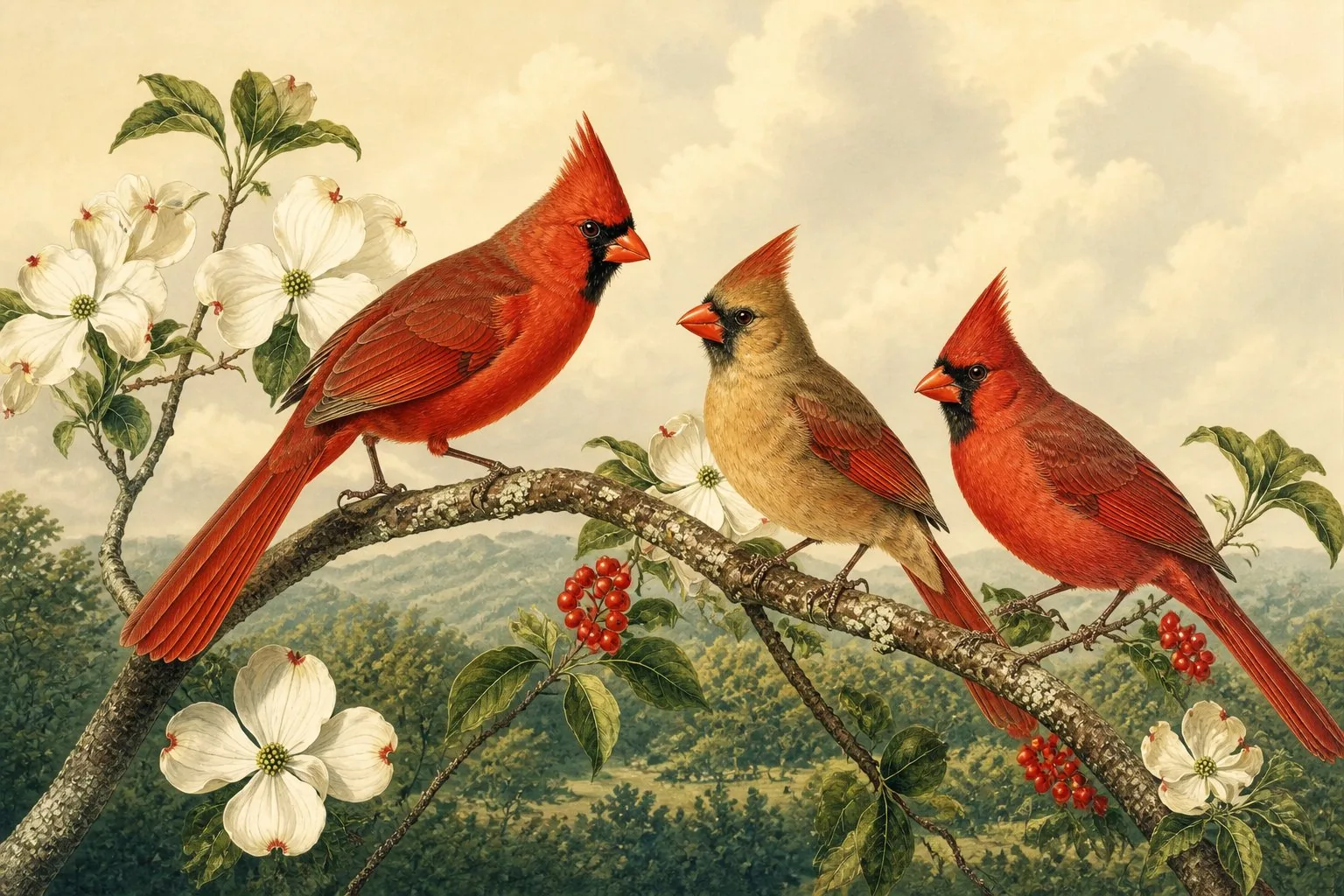
Cardinals are, for the most part, low-maintenance feeder visitors. They prefer platform feeders or hopper feeders to hanging tubes - their size and build make the grip awkward on thin perches. They tend to feed twice a day, morning and late afternoon, and they will sometimes travel in loose winter groups that arrive at the feeder together. Those groups almost always return to the same feeders across consecutive winters. The male is easy to spot. The female, in the brown-and-brick tones that make her one of the more interesting cardinals to learn, is the one worth watching more carefully.
The grape jelly question matters mostly because it points toward a better question: what is the specific bird you are trying to feed, and what does it actually want? For cardinals, the answer has been consistent since the first field study - sunflower seeds, dense cover, and a clean water source. The jelly was never part of the brief.