Biology
Do Cardinals Chase Away Hummingbirds?
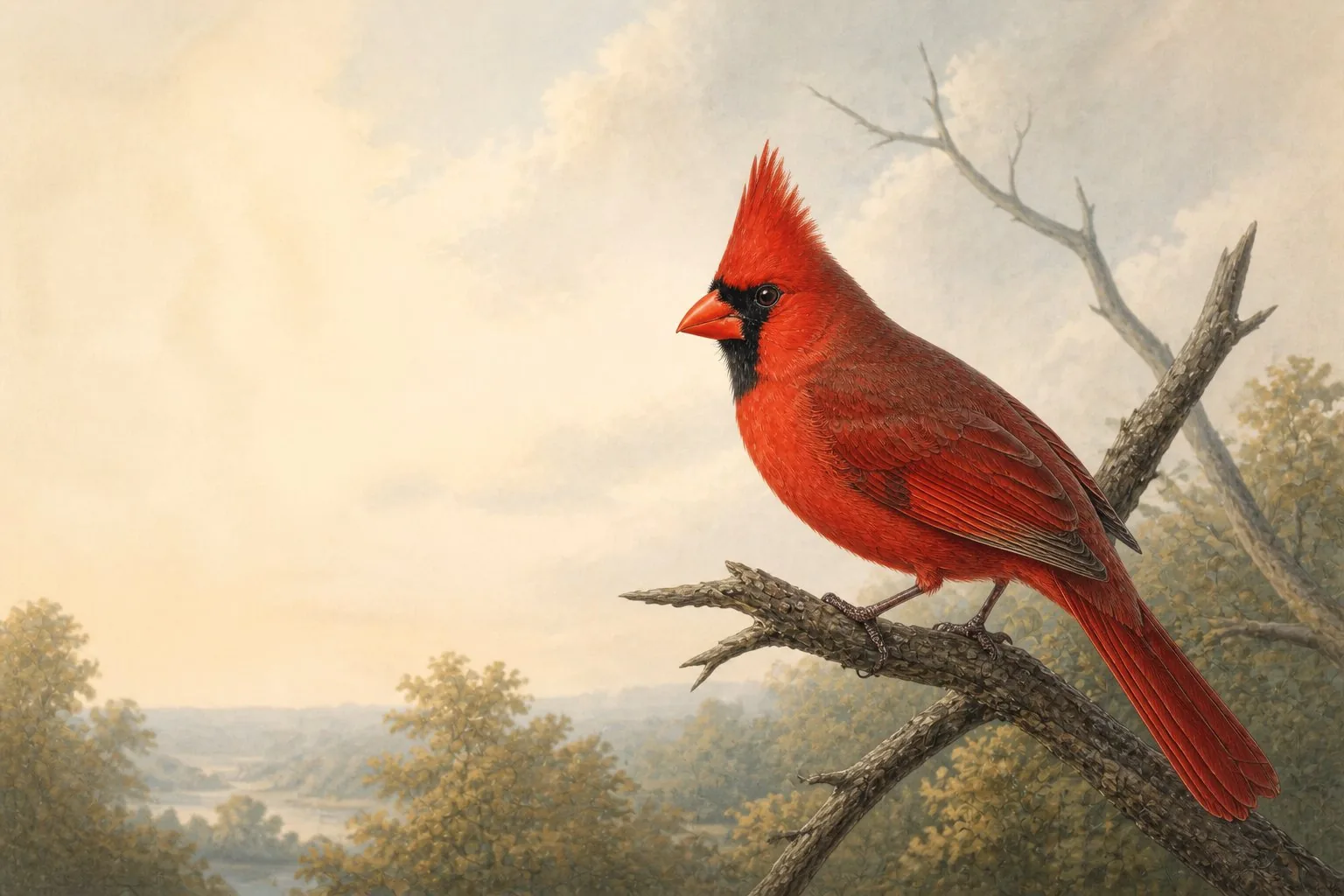
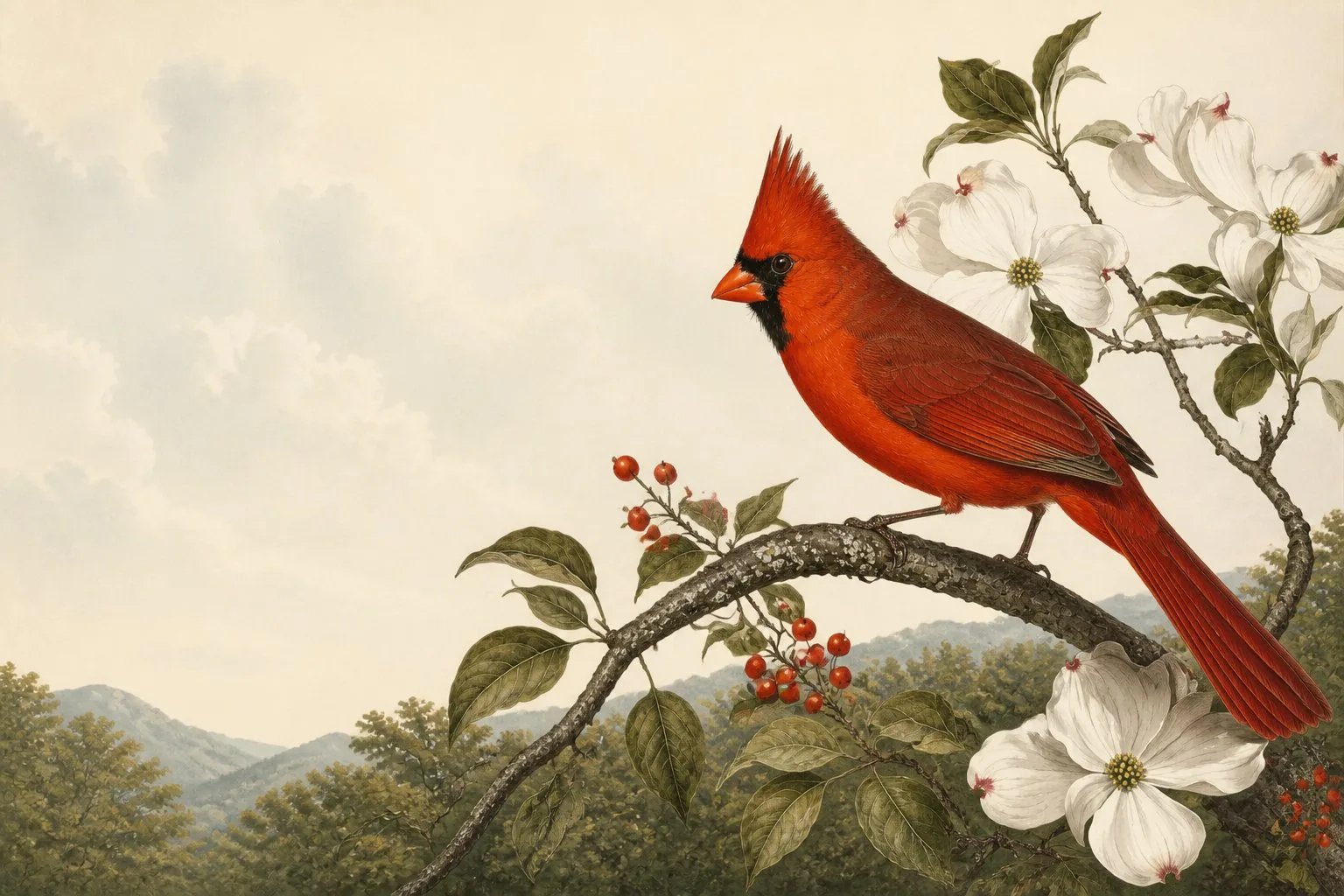
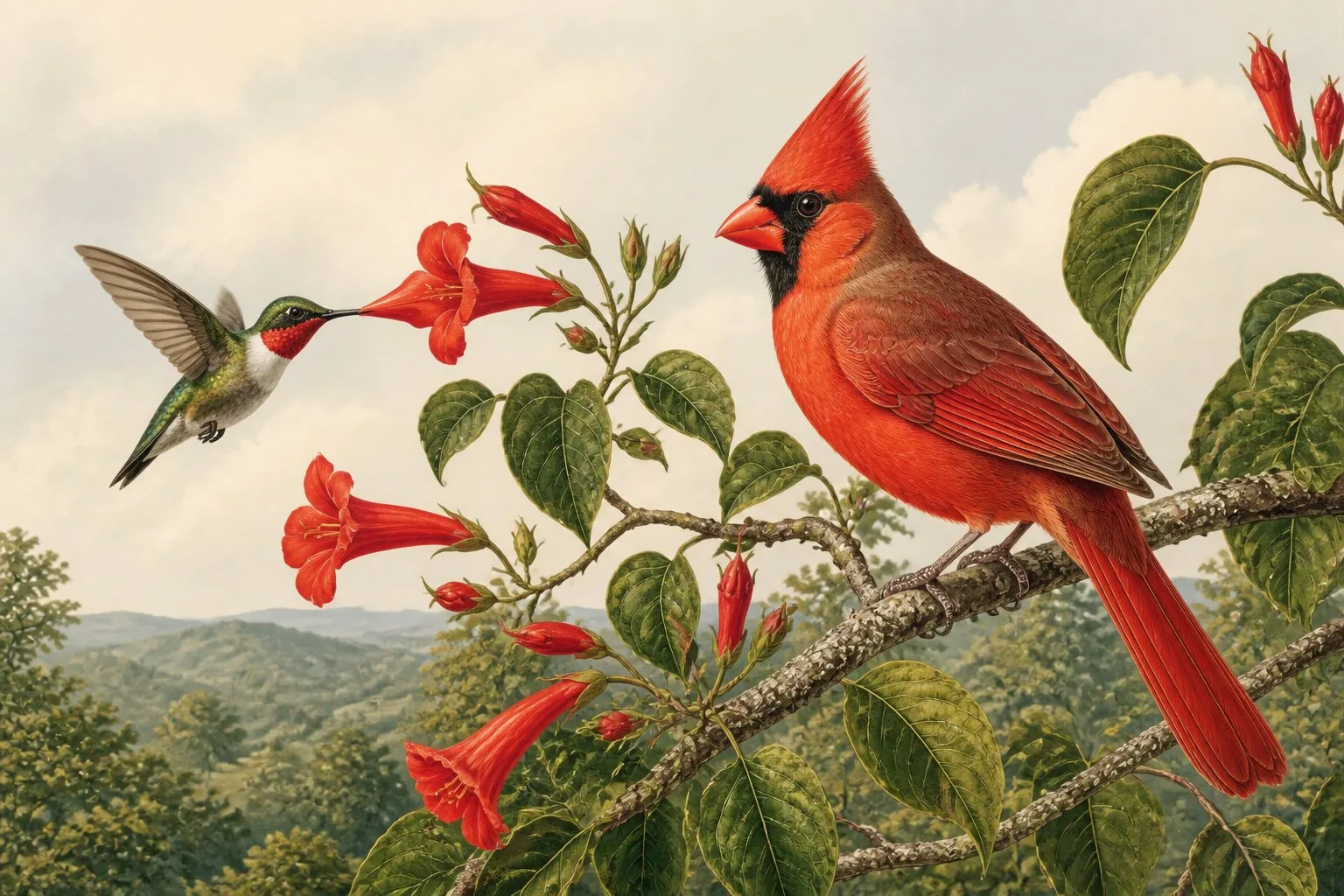
Late April in a Virginia backyard. A male Cardinalis cardinalis holds the forsythia hedge and runs everything out. Titmice scatter. A song sparrow retreats. Then a ruby-throated hummingbird hangs in the air at the hedge’s edge, and the cardinal launches.
The hummingbird is already gone before he arrives.
This is the encounter that sends people to Google. The answer they find is usually a simple yes or a simple no. The honest answer is more precise: cardinals sometimes chase hummingbirds, but the hummingbird is not the target. The territory is.
The cardinal’s case for aggression
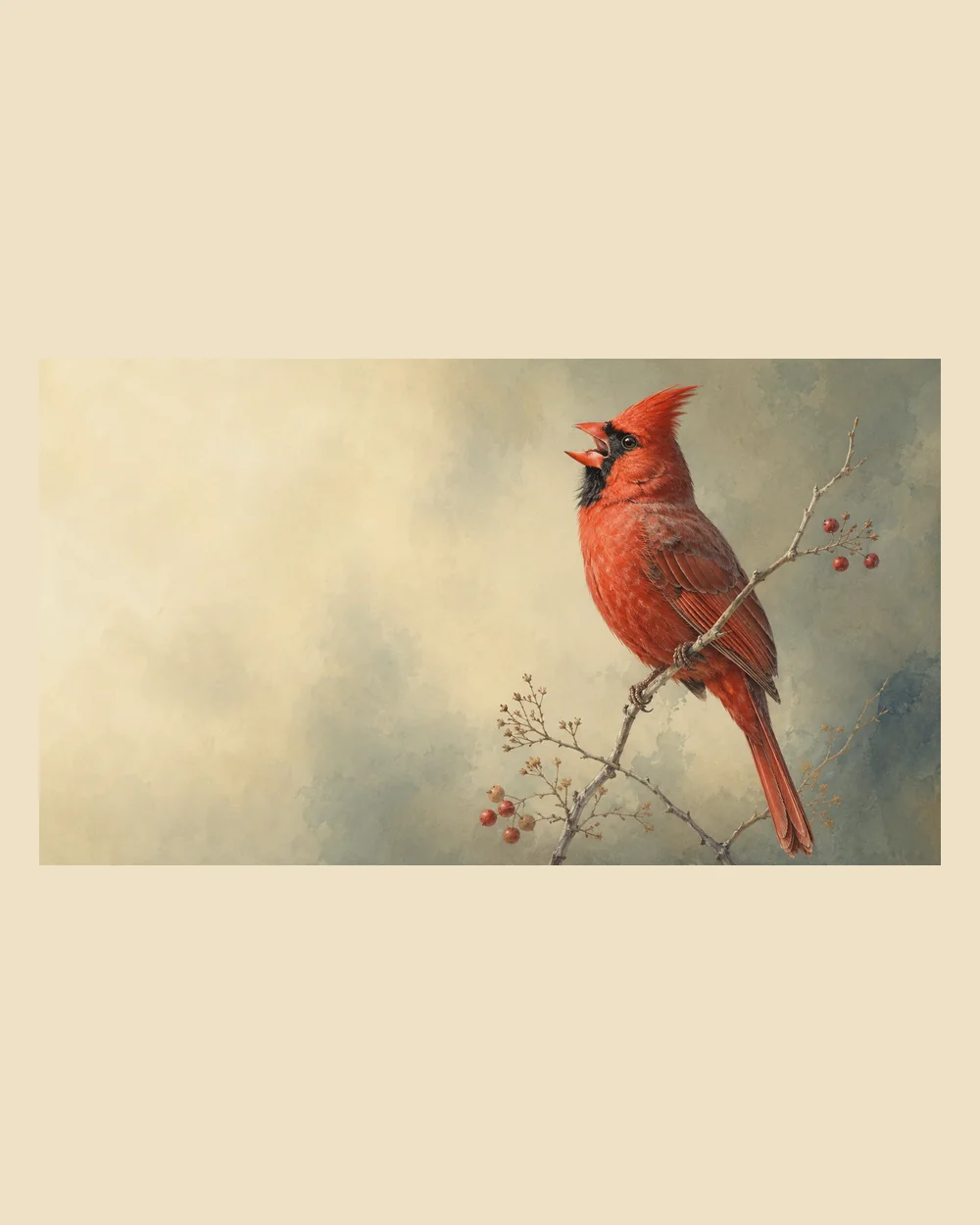
Cardinalis cardinalis is a permanent resident across most of eastern North America. It does not migrate. It holds territory year-round, with active defense peaking from late winter into summer. Cornell’s Birds of the World documents that territory establishment begins as early as January, and that defended areas range from 0.21 to 2.60 hectares. Males signal ownership through song, posturing, and direct pursuit. When a bird crosses the line, the cardinal responds with a signature display - crest flat, body low, wings vibrating - and if the intruder holds ground, it chases.
The documented targets of that aggression tell the real story. Birds of the World records cardinals actively driving House Sparrows, Field Sparrows, and Harris’s Sparrows from feeding stations during the breeding period. These are seed-eating competitors - birds the cardinal has an actual reason to exclude. A hummingbird is not competing for anything a cardinal wants. Cardinals crack seeds and eat berries and insects. Archilochus colubris, the ruby-throated hummingbird, drinks nectar and catches small insects on the wing. Their diets do not meaningfully overlap. The cardinal has no territorial logic that specifically targets a hummingbird.
What it has is a threshold. Any moving object that enters the defended space at the wrong moment gets chased. The hummingbird crossed at the wrong moment.
The size argument, examined
A male northern cardinal weighs roughly 44 grams, according to the Audubon field guide. A ruby-throated hummingbird, Audubon notes, weighs around 3 grams at its baseline body mass. The cardinal is approximately 15 times heavier. In most interspecific encounters at feeders, larger birds displace smaller ones - Cornell’s All About Birds describes exactly this dynamic at seed feeders, where dominant species claim the best spots and smaller birds wait.
The hummingbird’s escape from a cardinal is not close. It is aerially capable in ways the cardinal simply is not, and a chase that begins near a hedge ends before the cardinal finishes banking.
This is worth sitting with. People watching the encounter worry about the hummingbird. Ornithologically, the hummingbird is the more aggressive bird. Male ruby-throated hummingbirds spend more energy defending a nectar feeder from other hummingbirds than feeding from it, diving at rivals and chasing competitors across wide distances. Ornithologist Scott Weidensaul has described the stakes behind this behavior: hummingbirds burn energy at extraordinary rates, and there is only so much nectar available. Every flower not defended is potentially a flower needed later. Their aggression is metabolic necessity. A cardinal flying through the area registers as a distraction, not a threat.
When conflict actually occurs
The overlap in time is real. Ruby-throated hummingbirds arrive in the eastern United States from April onward and depart by October - the full span of cardinal nesting season. The overlap in space is less reliable. Cardinal nesting aggression is concentrated around the nest site itself, usually in dense shrubs or low branches several metres from where feeders tend to hang. A hummingbird working a nectar feeder away from that nesting core will be ignored.
The cases where cardinals genuinely do chase hummingbirds tend to involve a nectar feeder hung too close to an active nest or territory boundary - close enough that the hummingbird’s hovering reads as an intrusion. Distance solves this. Moving the nectar feeder further from the nearest dense hedge or shrub reduces cardinal contact without affecting hummingbird access. A gap of 10 metres or more is usually enough. You can keep both birds in the yard; they simply need different corners of it.
For everything about maintaining the feeder once it is placed, cleaning hummingbird feeders with vinegar covers the practical side. A clean feeder draws hummingbirds reliably, which makes the siting decision worth getting right.
What the cardinal is not doing
Cardinals are not predators. They do not take other birds or eggs. A chase from a nesting male cardinal is alarm behavior - it ends the moment the intruder clears the boundary, and the cardinal returns to its perch. No hummingbird is in danger of being caught. The encounter that looks like bullying is closer to a boundary dispute that one party resolves immediately by leaving.
White cardinals - the rare birds lacking pigment - behave identically to normally colored males in this regard. The albinism changes nothing about the territorial drive. Cardinals are what they are across all plumage variations.
The species is a permanent resident across the eastern half of the continent - not a rare visitor but a constant presence in most yards with sufficient shrub cover. It will be there when the hummingbirds arrive in April and still there after they leave in October. For most of that span, the two birds share a yard without incident. The spring chase you remember is the exception. The long season of mutual indifference is the rule.