Free shipping to the US, Canada & Europe
Pets
Sound is not decoration in a bird toy - it is the mechanism. The toys that hold a parrot's attention are the ones the bird can control, not just hear.
August 15, 2024 6 min read
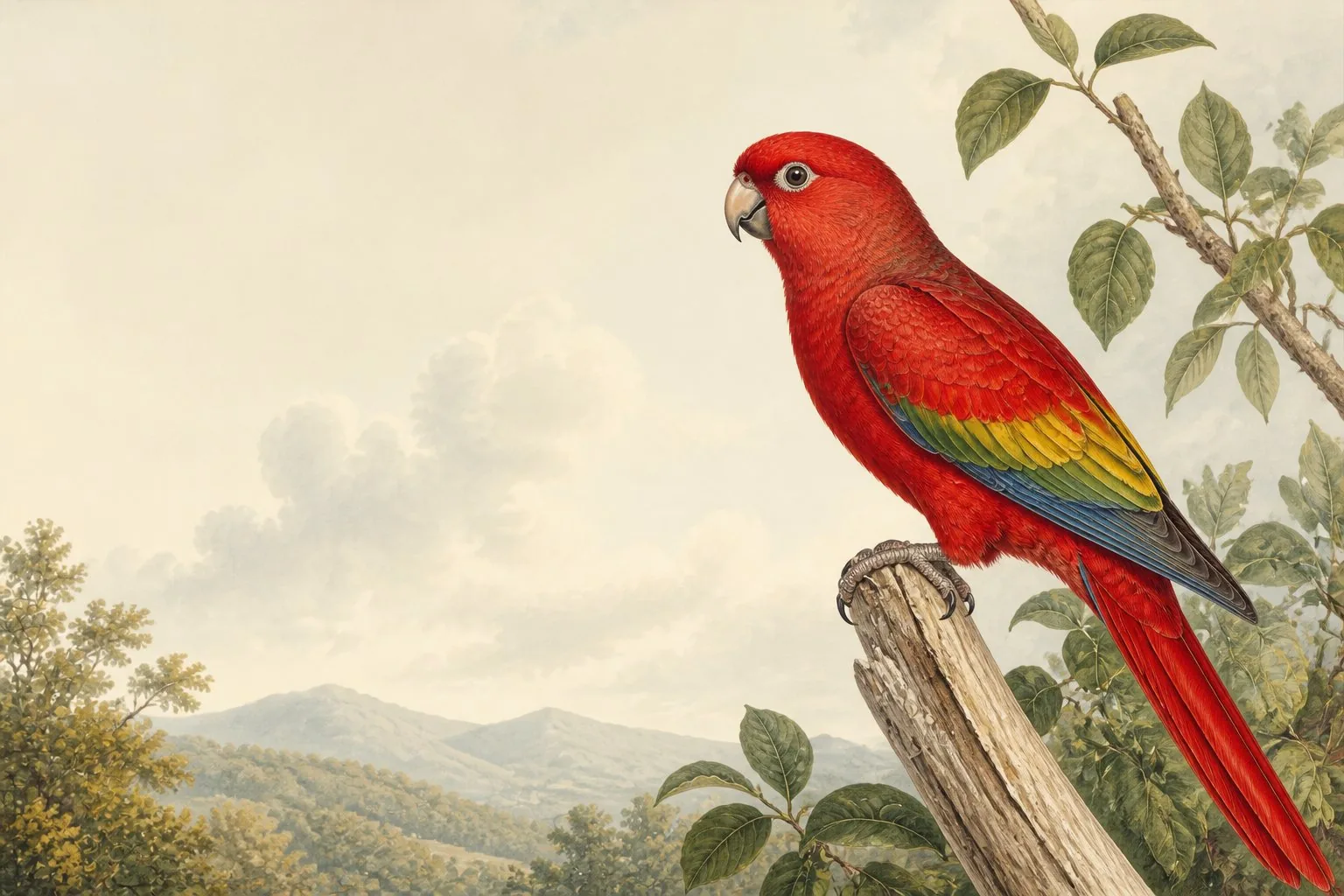
A cockatiel touches a brass bell for the first time, hears the ring, and then touches it again. He is not playing. He is checking a hypothesis.
That small test - cause, effect, repeat - is what separates a useful sound toy from a noisy ornament. Birds live inside a world of call and response. They locate flock members by sound. They signal alarm, territory, and readiness to mate almost entirely through vocalisation. When a cage bird discovers that it can produce a sound by touching something, it is not being entertained. It is participating in something that, in the wild, would matter.
The distinction is worth holding onto, because most of what gets sold as a “sound toy” does not meet the threshold. Pre-recorded tunes, motion-activated chirps, battery-powered melody boxes - these are sounds the bird can hear but not cause. They may briefly catch attention. They do not hold it, because there is nothing to figure out. The bird is an audience, not an agent.
Wild parrots spend a large part of the day in acoustic exchange. A flock of budgerigars (Melopsittacus undulatus) maintains contact across a stand of trees through call notes that are partly learned and partly individual - each bird develops its own signature variation on the contact call. African grey parrots (Psittacus erithacus) have been observed in the wild adopting calls specific to their local group, a form of vocal culture that researchers compare loosely to regional dialect. To put a bird from either lineage into a silent cage and hand it a plush toy is to remove it from one of its primary means of orientation.
Sound toys do not replace that. But the best of them give a bird something to push against. A bell requires contact. A rattle requires shaking. A foraging toy that clicks when the lid moves rewards the correct manipulation with acoustic confirmation. The bird learns the toy’s logic. That learning is the point.
Most guides organise sound toys by type - bells, rattles, chimes, crinkle toys. That taxonomy is less useful than the one that asks a simpler question: who controls the sound?
Bird-activated sound - bells, rattles, crinkle materials, clicking foraging toys - requires the bird to do something. Interaction produces feedback. The feedback teaches the bird what it just did and invites it to do it again. This is enrichment in the strict sense: the bird is problem-solving.
Passive or ambient sound - pre-recorded tunes, radio left on, melody toys that run on a timer - provides audio input without requiring engagement. These have a limited calming function for anxious birds in a new environment, the way white noise settles a nervous person in an unfamiliar hotel room. They do not build behaviour. A bird that spends its day listening to a melody box has not done anything.
If you are choosing a first sound toy for a bird that ignores its current toys, start with a small brass bell mounted at beak height. It rings on contact, every time, with no delay. The relationship between action and result is immediate. Most birds figure it out within a day.
The sound that matters is not the sound the toy makes. It is the sound the bird makes happen.
Not every bird wants the same acoustic experience. Body size and native habitat both shape what sounds a bird finds manageable.
Small birds - finches, budgerigars, canaries - come from environments where most sounds are soft: contact calls in grass, wing beats, the rustle of seed heads. A large, sharp bell at cage level can stress a small bird the same way a car alarm stresses a person trying to sleep. Chimes with a soft metallic tone, or crinkle paper that rustles rather than cracks, are appropriate starting points.
Cockatiels (Nymphicus hollandicus) sit in the middle. They have a loud contact whistle and will often mirror a toy’s sound back at it - you hear the bell, then you hear the bird attempting the bell’s pitch. Medium-weight bells work well. Sudden electronic sounds tend to startle them.
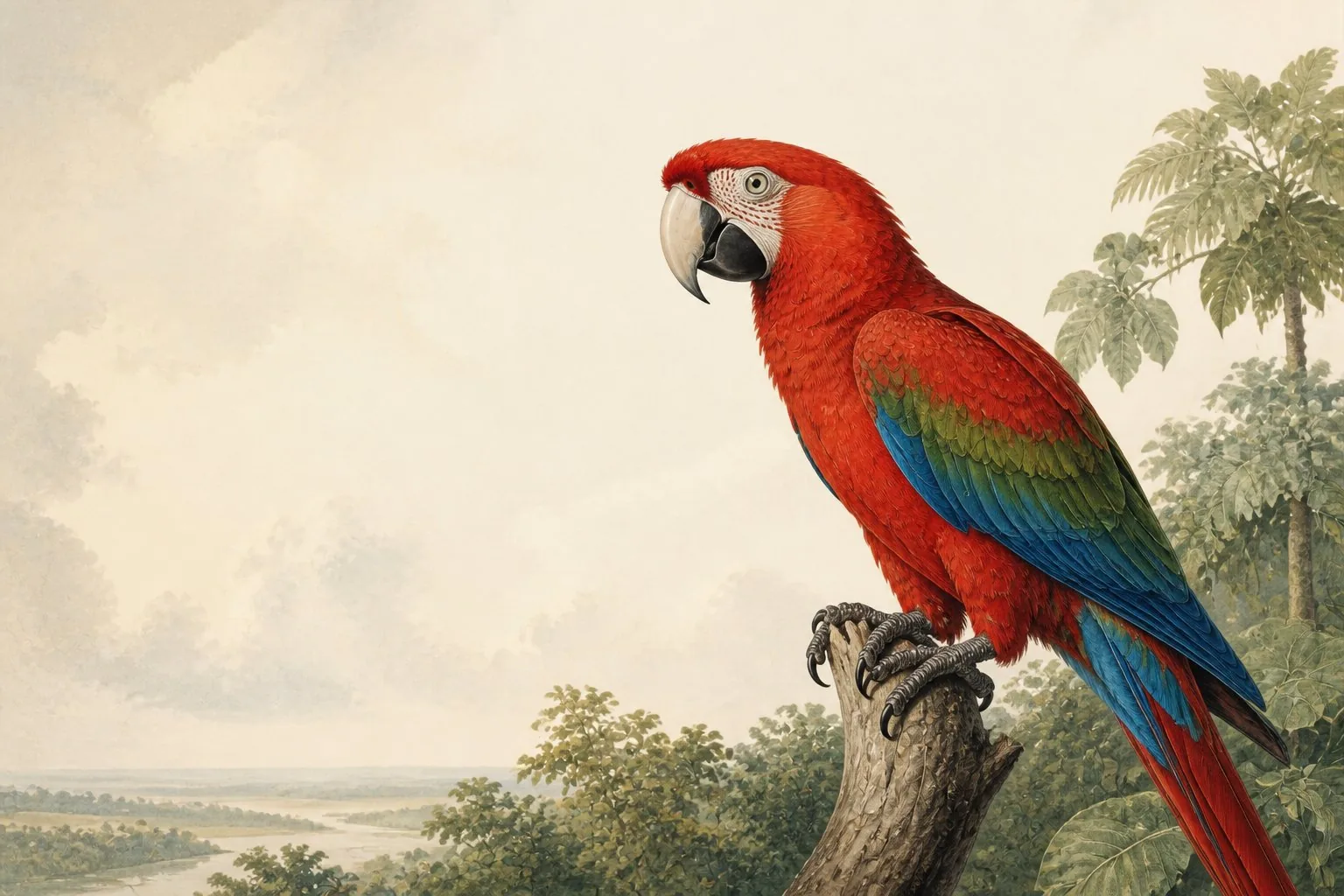
Conures and macaws come from environments where competing over sound is a survival strategy. A conure that looks calm while wearing out a large jingle bell is doing exactly what its lineage prepared it for. The concern with very loud species is not the sound of the toy. It is the reinforcement loop: a bird that learns that extreme noise brings attention will produce extreme noise to bring attention. The human’s response is the variable, not the bell.
For species capable of true mimicry - African grey parrots, Amazon parrots (Amazona spp.) - the most engaging category is sounds they can replicate. A bell that rings in a pitch the bird can whistle back at holds attention far longer than one it cannot match.
If you are navigating the question of which toys suit your bird’s age and developmental stage, how to choose age-appropriate bird toys covers that in more detail.
A bird that is engaging well with a sound toy shows a readable cluster of behaviours: head tilting toward the toy, repeated contact with the sound-producing element, vocalisation in response, and - in parrots - attempted mimicry of the tone. Budgies often bob. Cockatiels often echo. African greys often go silent and watch with an intensity that looks almost calculating before they make their first deliberate contact.
A bird that freezes and presses its feathers flat when the toy makes noise is frightened. Remove the toy. Reintroduce it on the far side of the cage, then move it closer over several days once the bird is relaxed near it. Gradual introduction works for most fearful responses.
A bird that screams after interacting with a toy and cannot settle is overstimulated, not engaged. Loud toys in small cages amplify faster than most people expect. Softer options first, always.
If a bird is chewing through a sound toy more than interacting with it, that usually points to a broader foraging deficit rather than a problem with the toy. What parrots can eat and how food is presented sit in the same picture as what they play with. A bird that forages for food through a clicking, rattling toy is getting sound enrichment and feeding enrichment from a single object. Foraging, in fact, is what most birds actually want from a toy in the first place.
A bird that has never interacted with sound toys can take longer than expected to engage with one, not because it dislikes sound but because it has learned that objects in the cage are inert. Cage birds can habituate to environmental stillness the same way any animal habituates to a predictable environment. The toys stop being objects of interest because they have never responded to anything the bird did.
The fix is the same as the initial training principle: make the causal link visible. Touch the bell yourself, in front of the bird. Let it ring. Step back. Wait. Most birds will approach within a few minutes, and the first contact - deliberate or accidental - usually produces enough reinforcement to start the loop.
Sound toys belong in the broader conversation about what captive birds need. Interactive vs passive bird toys draws that line clearly. For birds that seem generally disengaged, understanding bird behavior through play is worth reading before adding more toys to the problem.
The bell the cockatiel rings is not a toy in the way a child’s toy is a toy. It is, for the bird, a small piece of evidence that it can act on the world and the world will respond. That is not a modest thing to offer.
As an Amazon Associate we earn from qualifying purchases. Linked products are ones we genuinely recommend.

 August 15, 2024
 6 min read