Pets
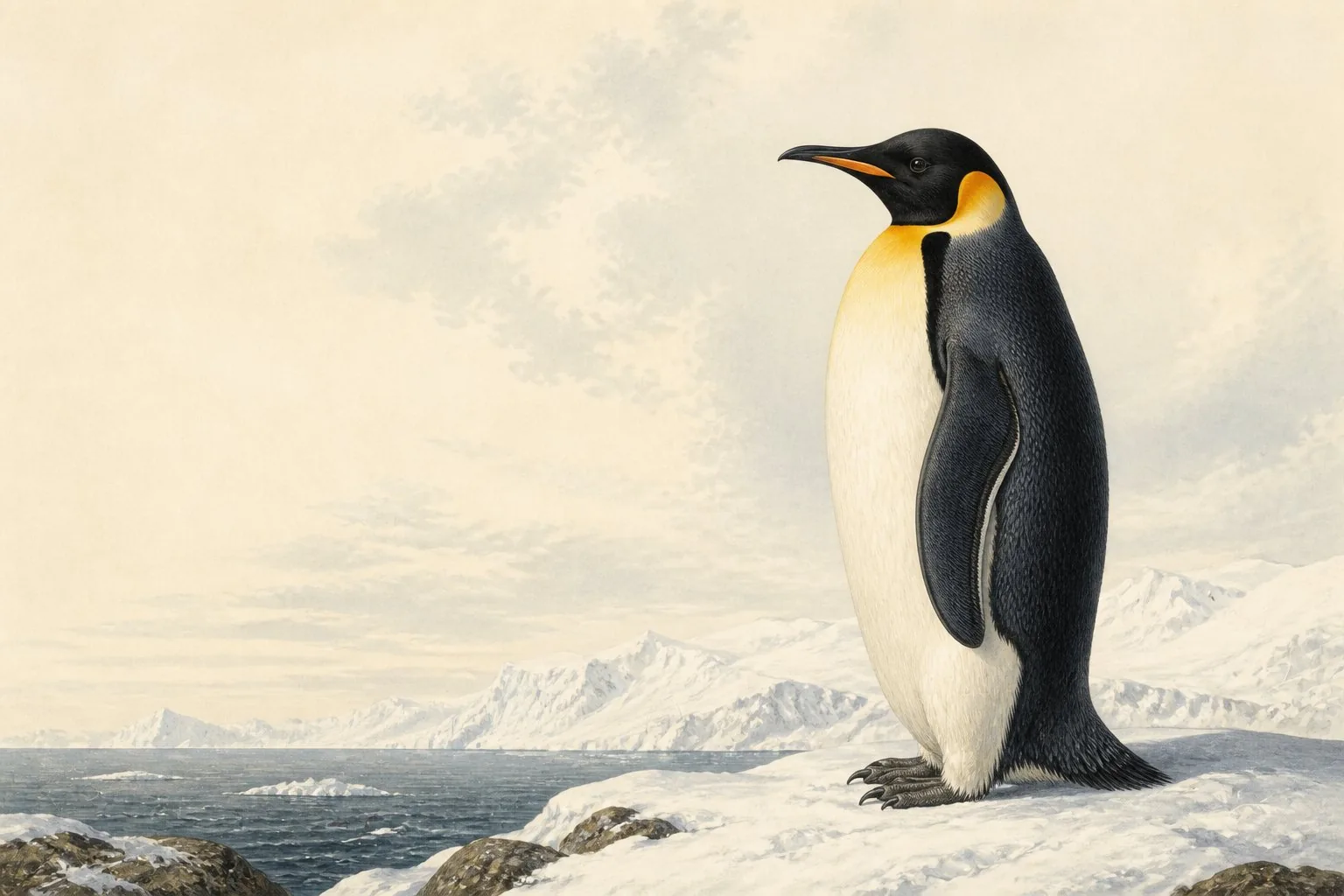
Can you have a penguin as a pet?
No. You cannot have a penguin as a pet. Not because of a single law that prohibits it - although several do - but because of a stack of laws, biology, logistics and ethics that all point the same way. The Antarctic Treaty of 1959 makes it illegal to remove a penguin from the southern continent. CITES protects most of the rest. No US state, no EU country, no Canadian province and no Australian state permits private penguin ownership. The few people who legally keep penguins outside zoos are licensed wildlife rehabilitators in the bird’s native range.
The more interesting version of this question is: what do people actually want when they ask?
They usually want one of three things. The penguin who lives in a tiny suit and runs across the kitchen floor on television (which is a CGI bird). The bird who lets you scratch its head and waddles after you (which exists and which we will get to in a moment). Or the bird who flies, which the penguin does not.
What it would actually cost if it were legal
If, somehow, you ran a licensed aquarium and you wanted to keep a small penguin colony, the rough figures look like this.
| Cost | Amount |
|---|---|
| Permits and licensing | Years of process. Many small jurisdictions will not issue. |
| Birds | $500 to $20,000 each, from a captive-breeding programme |
| Minimum colony size | 10 to 12. Penguins kept singly suffer depression and self-injury. |
| Saltwater pool | $50,000 to $250,000 to build. Industrial filtration. Refrigeration in any climate warmer than Cardiff. |
| Annual fish | $3,000 to $10,000 per bird. Fresh, whole, sushi-grade. |
| Specialist veterinarian | $5,000 to $20,000 per year. Not many people do this. |
| Climate control | A small fortune in electricity if you live anywhere with summer. |
You are looking at a starting cost in the region of a small house and an annual running cost in the region of a private school tuition for ten children. For ten years per bird, minimum.
The reason zoos are the gatekeepers is not that they are gatekeepy. It is that almost nobody else can or wants to spend this much on captive seabirds.
Why penguins are also bad pets even in principle
Set aside the legal and financial barriers for a moment and imagine you could and you would. The bird itself does not want what you want.
- Penguins are colonial. A single penguin in a house is a depressed bird. A colony of twelve is a flock that will need a colony pool, a colony beach and a colony noise level. The noise of an active penguin colony at full volume runs around 90 decibels at close range. That is roughly a motorcycle.
- The smell. Penguin guano is one of the strongest-smelling waste products in the bird world. Antarctic researchers have measured the ammonia output of medium-sized colonies and reported headaches at downwind distances of half a kilometre.
- Penguins bite. The bill of an adult King Penguin is engineered to grip slippery fish at depth. Handlers report regular puncture wounds. They are not malicious. They are not in your reference class.
- Lifespan. Emperor and King Penguins live 15 to 20 years. Smaller species 10 to 15. You are not buying a goldfish.
The single biggest argument is the social one. A pet, in the ordinary sense, has been domesticated to want what the human can offer. The penguin has not. There is no way to make it want a kitchen.
What you actually want instead
If you want a clever, intensely curious bird who will follow you around and respond to your face: get a corvid-friendly garden and feed it for ten years. Magpies, jackdaws and crows in suburban gardens regularly form attachment-like behaviour toward the humans who feed them, will arrive at the back door when called, and will bring small “gifts” - usually shiny objects, occasionally dead worms. These are not pets. The relationship is voluntary on both sides. That is what makes it work.
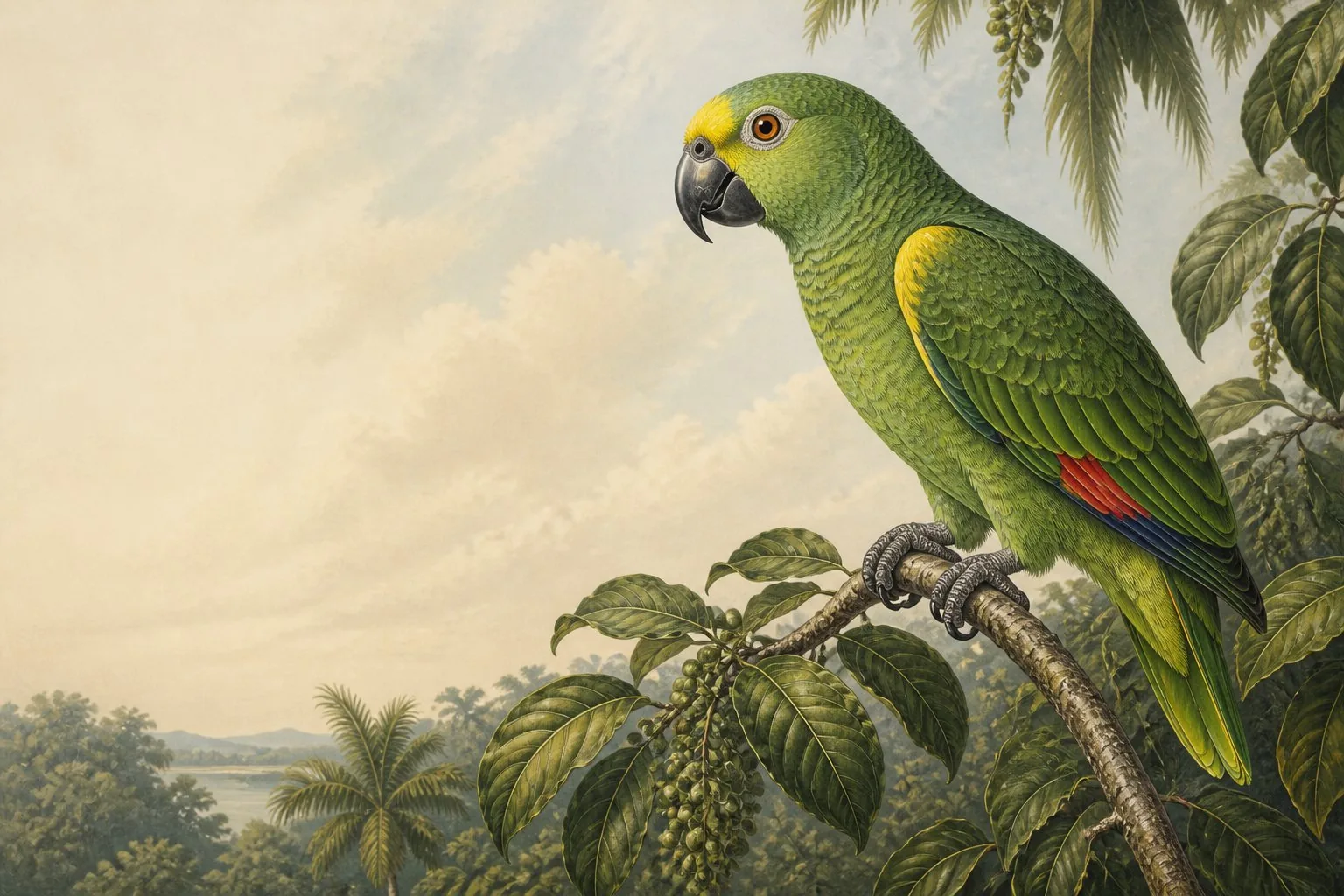
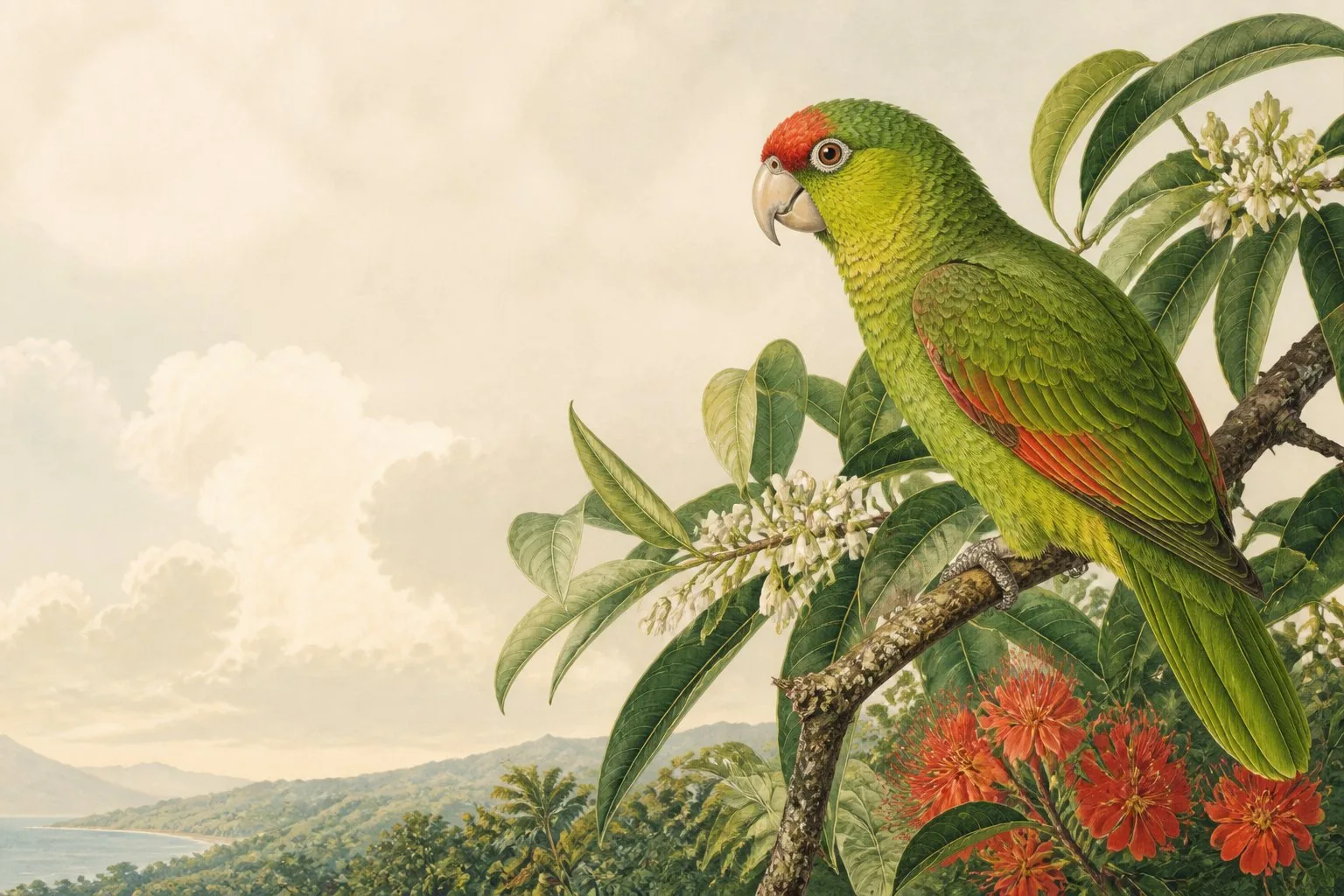
If you want a bird you can hold and that will hold you back: get a cockatiel or, if you have the time and the space and the next thirty years to spare, an African Grey Parrot. See the parrot types guide. The commitment is significant. The reward is a bird that arguably knows your name.
If you want a bird that swims: keep a duck. The bird that does most of what an inquisitive small penguin would do, including waddling, swimming and demanding routine, is a domestic Indian Runner Duck. They are legal, affordable, and they will not require you to refrigerate your house.
Better ways to be in the same room as a penguin
- Visit a colony. Several Antarctic-tour operators run small landings at Gentoo, Adelie and Chinstrap colonies in the Antarctic peninsula. The window is November to March. The trip is expensive but not house-expensive.
- Volunteer at a sanctuary. The South African Foundation for the Conservation of Coastal Birds (SANCCOB) takes volunteers who clean and feed rescued African Penguins. The bird is critically endangered.
- Adopt a penguin symbolically. Almost every major Antarctic and African conservation organisation runs a sponsorship programme. The money goes to research. You get a certificate.