State Guide
Red Birds in Maryland: Cardinal, Tanager, Finch, and the Winter Arrivals
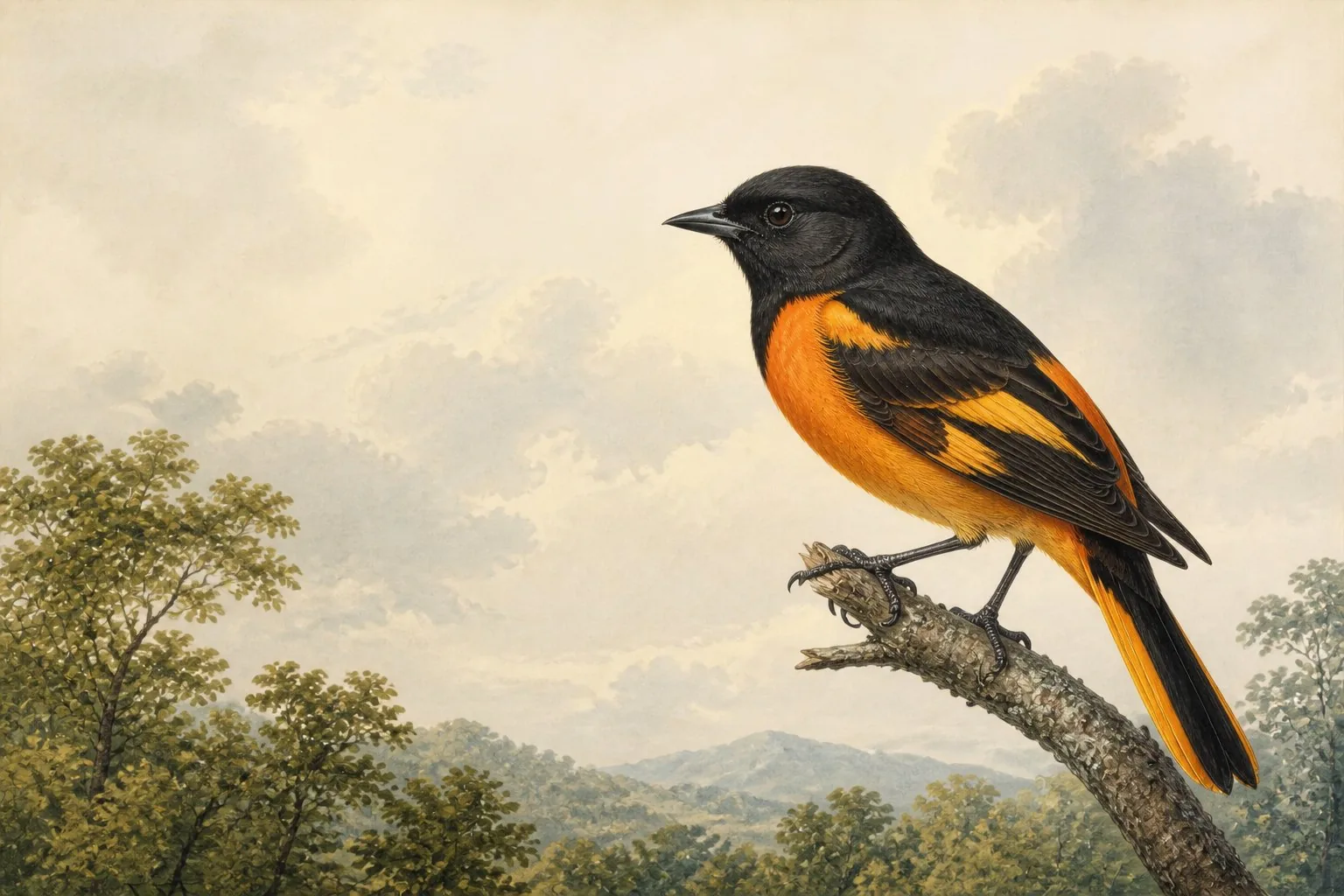
In early May, before the oaks have finished leafing out in Catoctin Mountain Park, a Scarlet Tanager drops into the understorey for a few seconds. He is impossibly red - fire-engine red, not the softer cardinal red - set against coal-black wings. Then he is back in the canopy and gone. The whole thing takes less than a minute. Most people driving up Route 15 do not know he is there at all.
Maryland is a small state with an outsized bird list, and its red birds map neatly onto habitat and season. The cardinal is everywhere. The tanagers are summer specialists. The finches are a matter of luck and latitude. Knowing that structure is half the work.
The permanent resident: Northern Cardinal
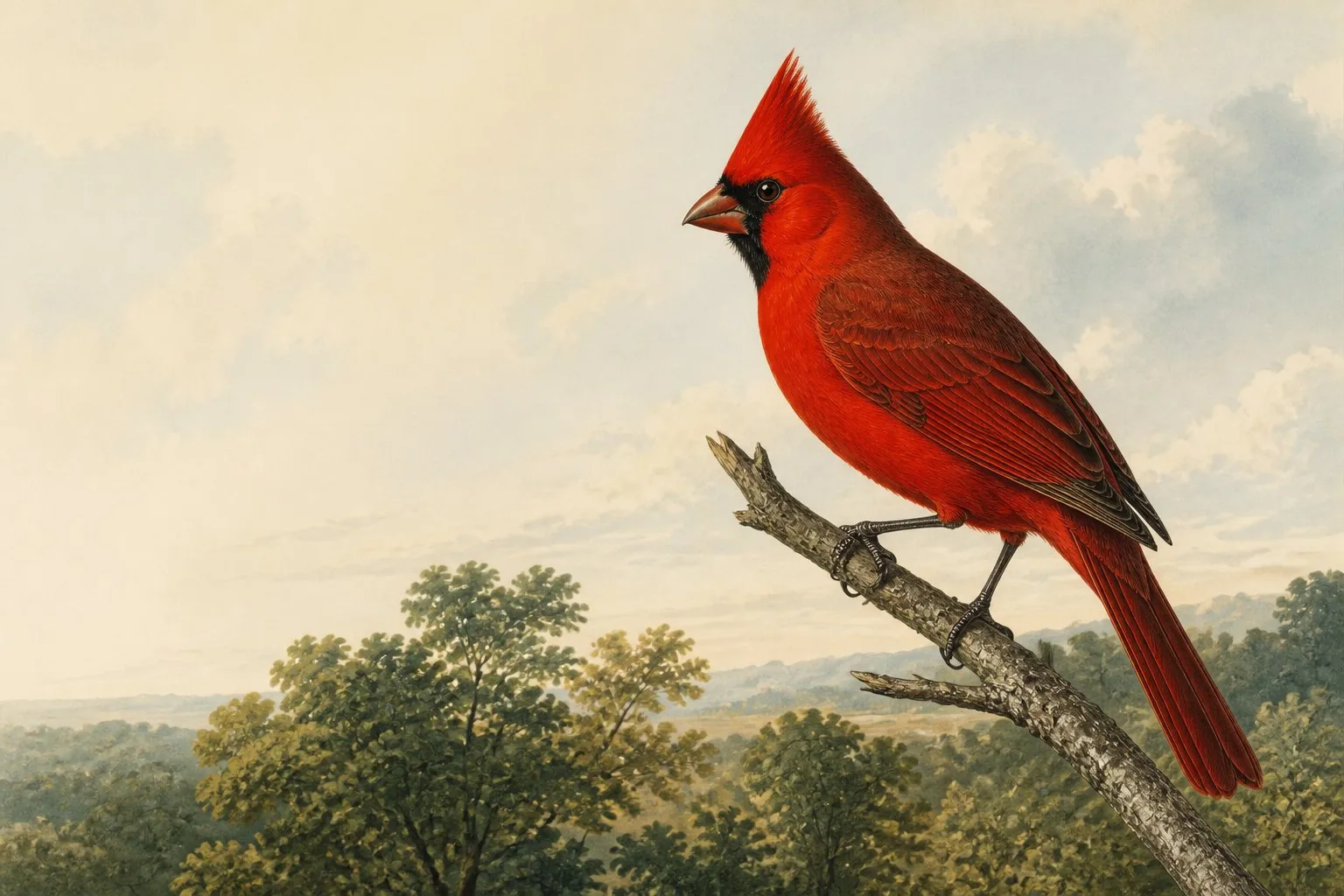
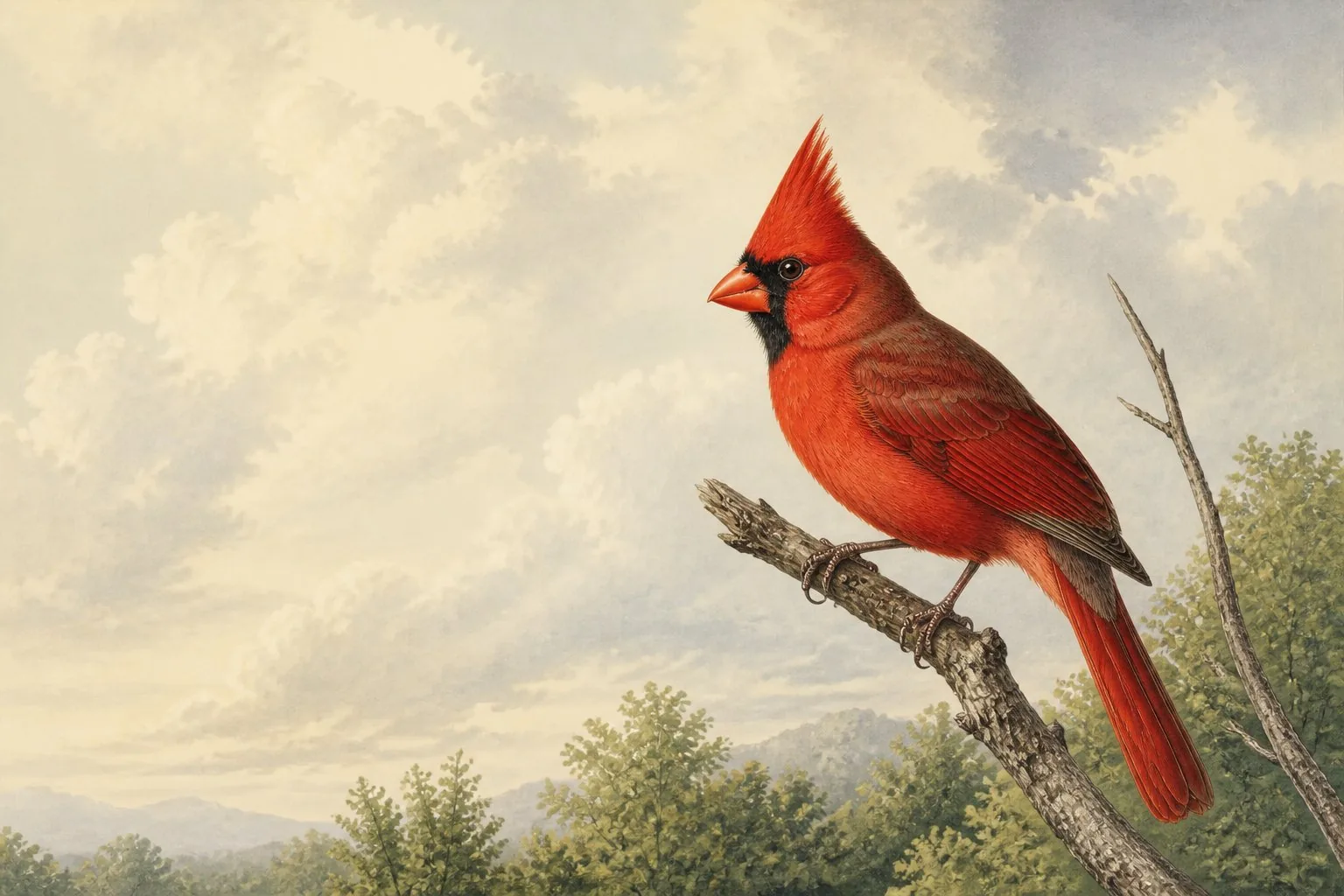
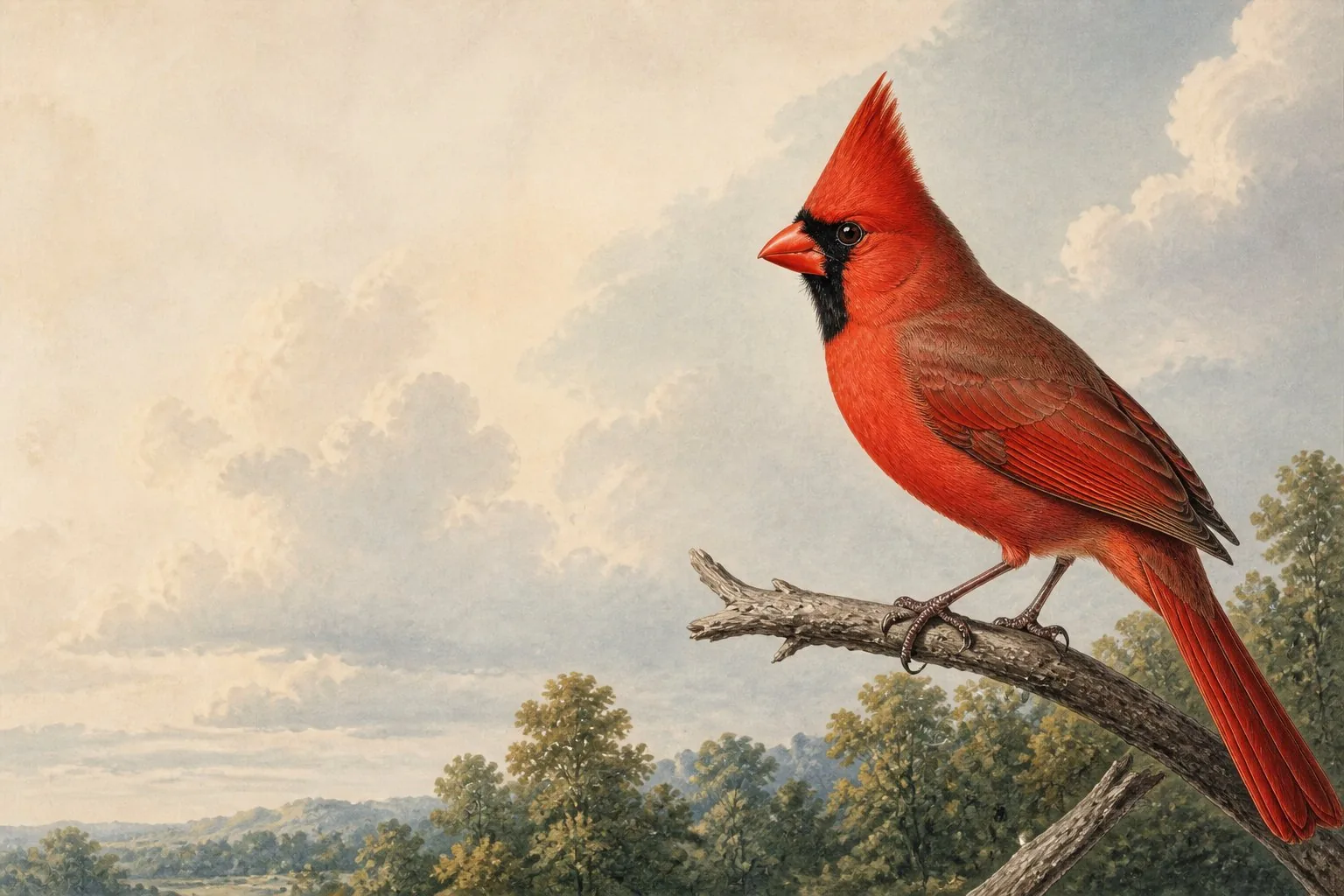
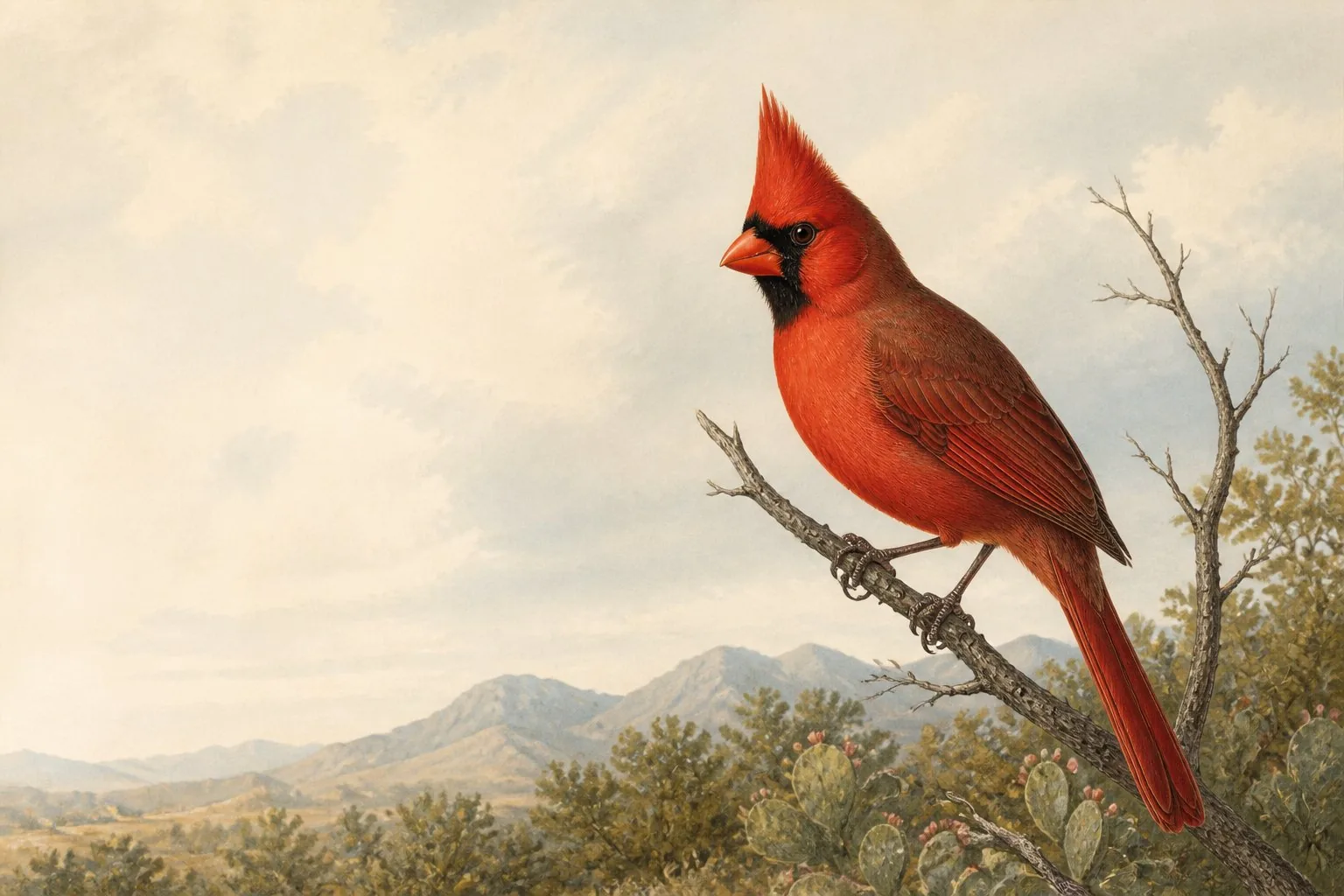
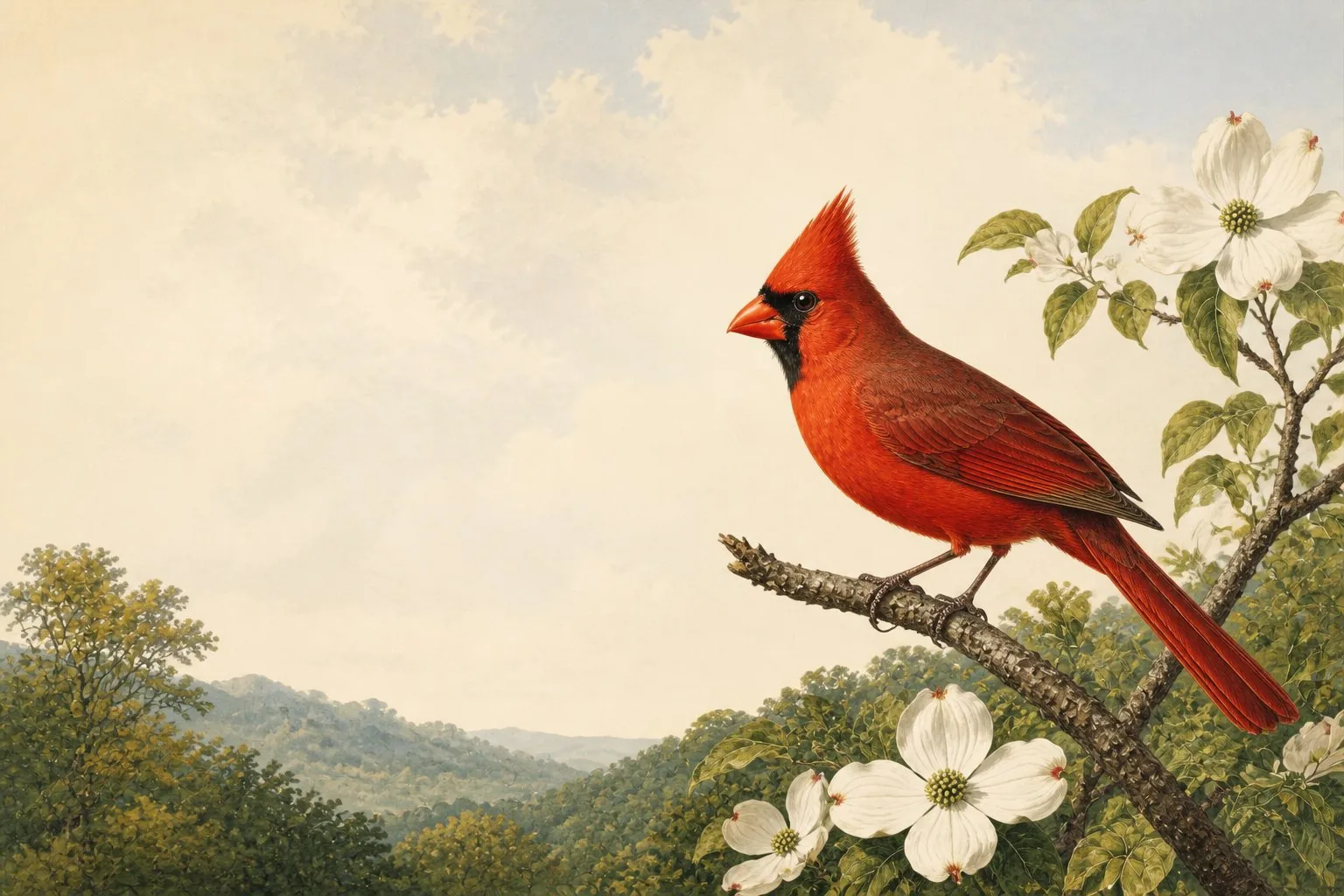
Cardinalis cardinalis is the bird Maryland birders see every month of the year, in every county. From the hedgerows of the Eastern Shore to the suburbs of Montgomery County to the hemlock-lined creeks of Garrett County, the male cardinal is the red point of reference for everything else on this list.
He does not migrate. He does not wear a duller winter plumage. In February, when almost nothing else is moving, he is already singing from the top of a cedar. Cornell Lab’s All About Birds puts the total North American cardinal population at roughly 130 million. That abundance is reflected in Maryland, where he shows up on virtually every eBird checklist submitted from residential areas, parks, and woodland edge.
The red comes from carotenoid pigments taken from fruit - dogwood berries, wild grape, pokeweed, mulberry. Males that feed on richer carotenoid sources carry brighter plumage, and females select them accordingly. It is one of the cleaner demonstrations in North American ornithology of diet shaping mate choice.
The forest fire of May: Scarlet Tanager
Piranga olivacea arrives in Maryland from mid-May onward, fresh from a transatlantic flight across the Gulf of Mexico. The male is brilliant red with black wings and tail. The female is olive-yellow and nearly impossible to spot in the canopy. Both stay high.
Audubon’s field guide notes the species “breeds mostly in deciduous forest, mainly where oaks are common but also in maple, beech, and other trees” and “does poorly in smaller forest fragments.” That sentence matters enormously in Maryland. The reliable breeding sites are large connected tracts: Catoctin Mountain Park, South Mountain, the hardwood ridges of Allegany County, and the Patuxent Research Refuge blocks in Prince George’s and Anne Arundel Counties. Small woodlots and fragmented suburban patches will not hold them.
Males arrive roughly a week before females. By late July the post-breeding molt begins; the male’s red fades to a patchy olive-green, the black wings retained. By September most have departed for wintering grounds east of the Andes. The window for seeing the male in full breeding plumage is May through July - about ten weeks.
The Scarlet Tanager sings from the canopy - a burry, robin-like phrase that veteran birders describe as “a robin with a sore throat.” Hearing it before looking up is the reliable method. Find a stand of mature oaks of at least 20 acres, arrive by seven in the morning in the third week of May, and listen.
The southern breeder: Summer Tanager
Piranga rubra is the other all-red tanager, and the male carries no black at all. He breeds in dry, open pine-oak and oak-hickory woodland across the American South, and his range extends north into the mid-Atlantic. Audubon’s field guide places him in the Mid Atlantic region.
In Maryland, the Summer Tanager is a genuine but local breeder. The Eastern Shore’s loblolly pine and scrub-oak flats, and the sandy-soiled open woodlands of St. Mary’s and Calvert Counties, provide the dry open-canopy conditions the species needs. He is not the bird to expect in the Blue Ridge or Allegheny highlands - those colder, denser forests belong to the Scarlet Tanager. Look for the Summer Tanager in the coastal plain and southern counties from May through August.
Where the Scarlet Tanager occupies the dense canopy interior, the Summer Tanager tends toward more open stands with clearings and edges. Audubon notes he specializes in bees and wasps taken in flight - an unusual dietary preference that shapes where he forages. Listen for his song, which is cleaner and less burry than the Scarlet Tanager’s, more like an unhurried American Robin.
The partial-red residents: House Finch and Purple Finch
House Finch (Haemorhous mexicanus) is a year-round Maryland bird, common at feeders across the state. Only the male carries red, concentrated in a wash across the forehead, eye stripe, throat, and breast. Some males show orange or yellow in those same areas, depending on what carotenoid sources were available during the previous summer’s molt. Audubon documents the eastern population as descendants of birds released in New York in 1940 by a pet dealer selling them illegally as “Hollywood Finches.” Within 50 years their descendants had spread to the Great Plains and met the native western population.
Purple Finch (Haemorhous purpureus) visits Maryland in winter. The male’s color reads as a deep wine-red wash rather than the clean red of the cardinal, covering the head and upper chest. Audubon describes it as “dull red on head and foreparts.” The species migrates in flocks and is irregular in numbers - some winters bring flocks through the piedmont and mountains; others produce very few. The key to separating it from the House Finch is the female: she carries a strong dark whisker mark and a clear white eyebrow that House Finch females lack. Once you see that facial pattern, the identification is straightforward.
The irruptive visitors: crossbills and redpolls
In some winters, when boreal seed crops fail across Canada, irruptive finches push south into Maryland. These arrivals are never guaranteed - some years bring good numbers, other years none - and they depend entirely on conditions far to the north.
Red Crossbill and White-winged Crossbill are nomadic birds that follow spruce, pine, and hemlock cone crops. eBird records document their occasional appearance across the northeastern states including Maryland during flight years. The male Red Crossbill is brick-red; the male White-winged Crossbill is brighter pinkish-red with two white wing bars.
Common Redpoll - now a single species following the 2024 taxonomic revision that merged Common, Hoary, and Lesser Redpolls - is a small streaked finch with a red cap and, in adult males, a rose-pink flush on the breast. Audubon’s winter finch coverage notes strong southbound redpoll flights typically move from the Great Lakes eastward through northern New York and New England. Maryland sits at the southern margin of this movement. When the flight is strong, birds turn up at weedy fields and birch stands. When it is weak, Maryland sees none.
The irruptive finch years have a quality of unexpectedness that the resident species cannot match. Checking feeders and birchy thickets in November and December costs nothing.