Pets
Parrot types: choosing the bird who will outlive you
The single fact most prospective parrot owners do not absorb until they have already bought the bird is that a healthy Macaw bought today will be alive in 2080. A Cockatoo will outlive your mortgage, possibly your marriage, and almost certainly your career.
The world’s parrot rehoming sanctuaries are full of large parrots given up by their second or third owner. Many have been through four homes by their twentieth birthday. The bird is not the problem. The problem is that nobody told the first owner.
Here is the honest version. Choose the bird with the lifespan you can match, not the bird with the colour you like.
The ten species you might actually consider
| Species | Adult length | Lifespan | Noise | Pet suitability |
|---|---|---|---|---|
| Budgerigar | 18 cm | 5 to 10 years | Low | The right beginner bird. Affordable, sociable in pairs. |
| Cockatiel | 30 cm | 15 to 25 years | Moderate | The right intermediate bird. Genuinely affectionate, tractable. |
| Lovebird | 13 to 17 cm | 10 to 15 years | Moderate | Better in pairs. Can be nippy with a single human. |
| Conure (Green-cheeked, Sun) | 25 to 30 cm | 20 to 30 years | Loud | Playful, demanding, excellent for someone home most of the day. |
| Quaker Parrot | 29 cm | 20 to 30 years | Moderate to loud | Talkative, social. Illegal in several US states. |
| Eclectus | 35 cm | 30 to 40 years | Moderate | Calm, striking sexual dimorphism. Sensitive to diet. |
| African Grey | 33 cm | 40 to 60 years | Moderate | The most cognitively demanding companion bird kept domestically. |
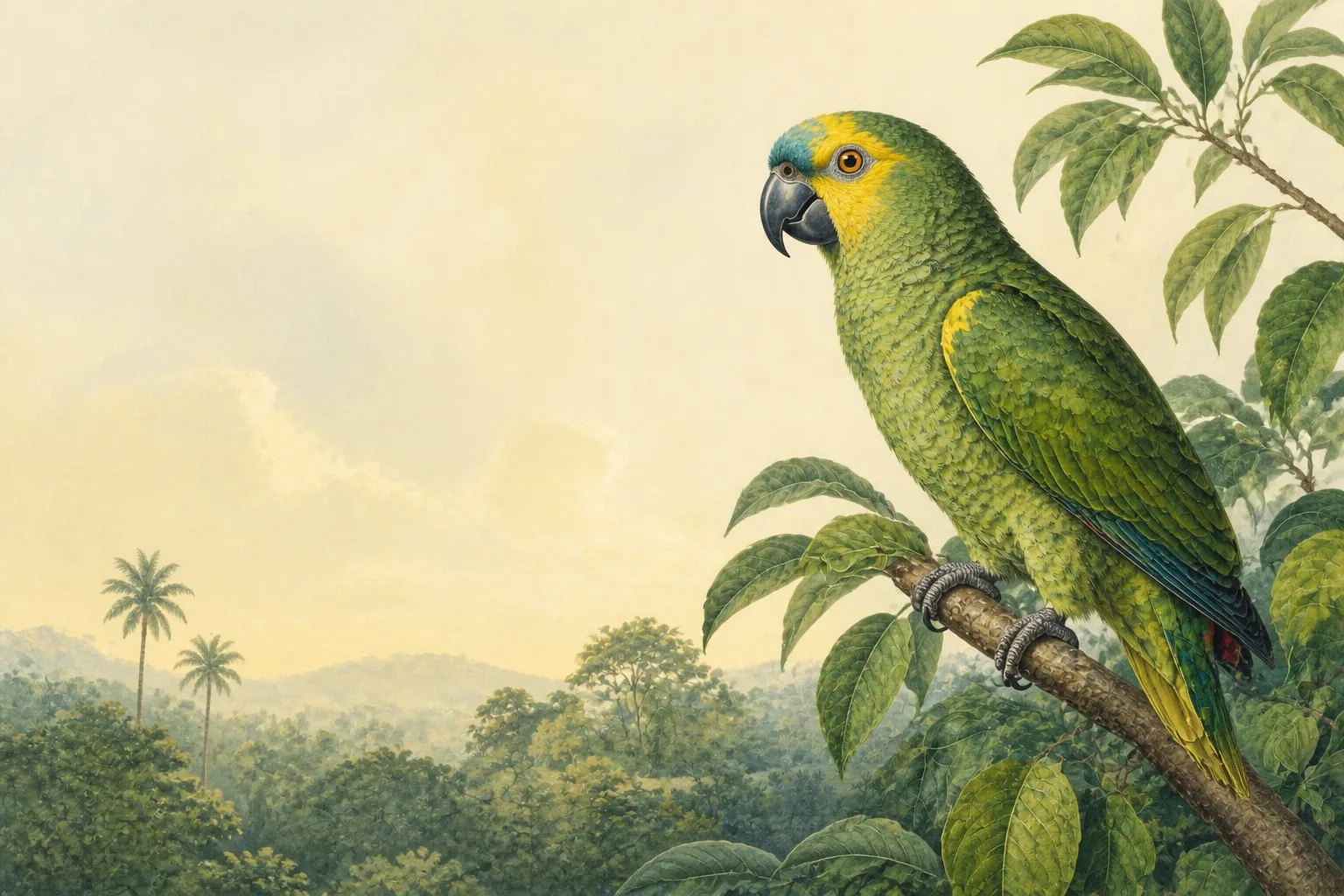
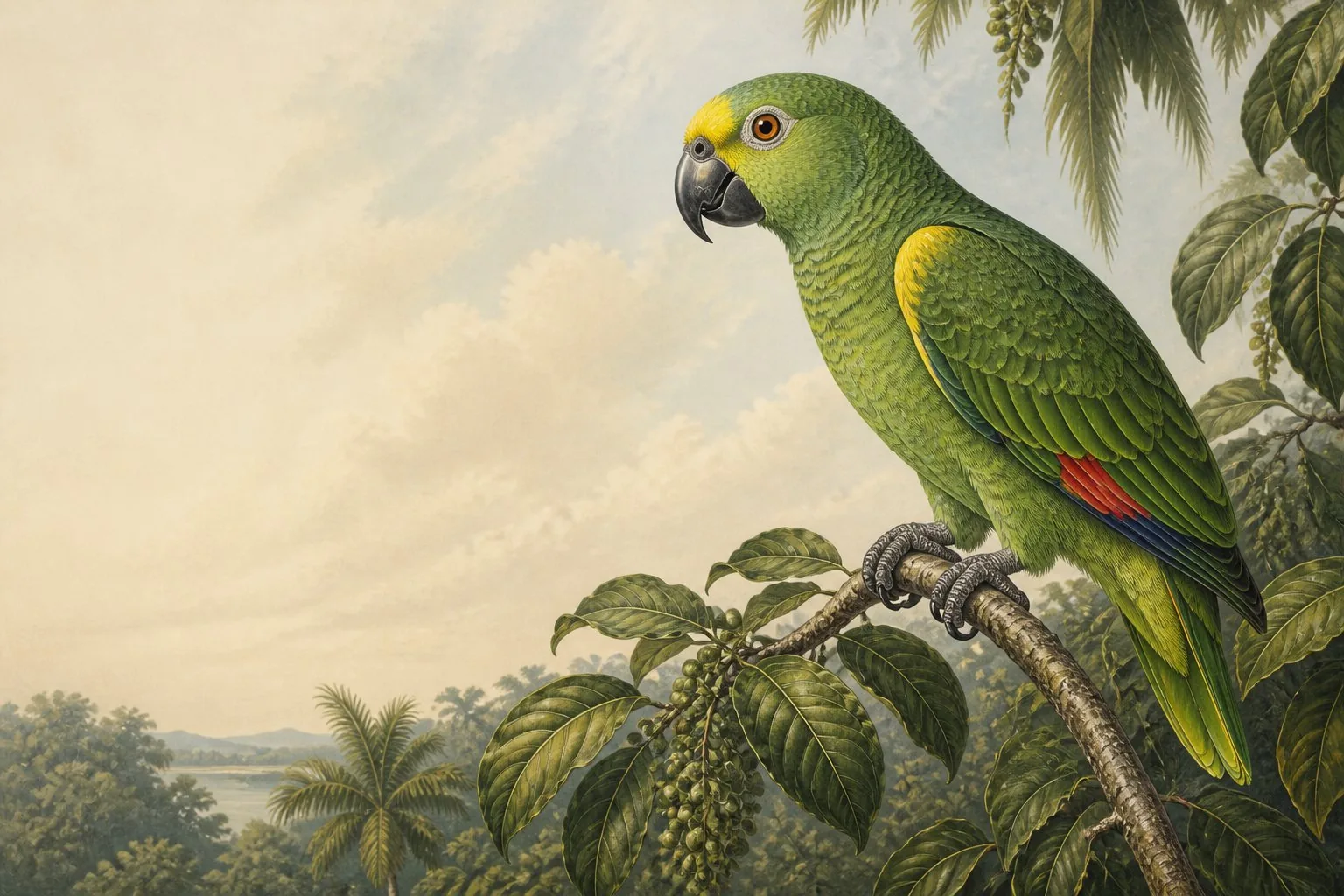
| Amazon (various) | 30 to 40 cm | 40 to 70 years | Loud | Excellent talkers. Strong hormonal cycles. |
| Cockatoo | 30 to 60 cm | 40 to 70 years | Extremely loud | The single most-rehomed large parrot. Bonds intensely; suffers when bond is broken. |
| Macaw (Scarlet, Blue & Gold) | 80 to 100 cm | 50 to 60 years | Extremely loud | Beautiful, demanding, needs a flight aviary and a person home most of the day. |
The bottom four rows are the rows people see at the pet shop and remember when they think “parrot.” They are also the rows that fill rehoming sanctuaries.
The lifespan reality
A 25-year-old buying a Macaw is buying a bird who will be alive when they are 75 and probably still alive when they are 80. The bird will have outlived the owner’s career, the owner’s romantic relationships and possibly the owner. Most rehoming intakes happen at three life stages of the owner: when they have children (the noise no longer works), when they get divorced (custody is bird-shaped), and when they die.
The cheapest and most honest decision a first-time parrot owner can make is to start with a Cockatiel. Fifteen to twenty-five years is a serious commitment. It is not, however, “I am buying a bird who will be alive in 2080.” A Cockatiel is the bird most current Macaw owners should have bought first.
The noise reality
The loudest birds are not loud occasionally. They are loud daily and reliably. A Moluccan Cockatoo’s contact scream measures around 135 decibels at close range, which is in the same band as a jet engine at 30 metres. Cockatoos do this twice a day, every day, regardless of the floor plan of your apartment.
Macaws have a similar volume profile in a slightly deeper register. A scarlet macaw in a flat will be heard several doors away. Conures are smaller but proportionally louder. Cockatiels and Budgerigars are at the quiet end of the scale; both still chirp and whistle through the day but at conversational volume.
If you live in a flat or share a wall, the bottom two rows of the table are not options. The middle three (Conure, Quaker, Eclectus) require tolerant neighbours. The top three (Budgie, Cockatiel, Lovebird) are workable.
The diet reality
The “seed mix” diet from the pet shop is what has killed most pet parrots historically. A parrot fed a seed-only diet runs deficient in vitamin A, calcium and several amino acids, develops fatty liver disease, and dies young. Modern avian veterinary practice recommends a base of formulated pellets (Harrison’s, Roudybush, Zupreem) at roughly 60 to 70 per cent of the diet, with the remainder fresh vegetables, occasional fruit and a small portion of seed for enrichment.
The expense is significant. A Macaw eats roughly two to three kilograms of food per week including the fresh component. A 30-kg bag of high-quality pellet runs around $150 and lasts a single Macaw a few months.
The foods that will kill a parrot
| Never feed | What it does |
|---|---|
| Chocolate | Theobromine is acutely toxic |
| Avocado | Persin causes cardiac failure |
| Onion, garlic, leek | Damages red blood cells |
| Caffeine (coffee, tea, cola) | Toxic at small doses |
| Alcohol | Toxic at trace doses |
| Apple seeds, cherry pits, peach pits | Contain cyanogenic compounds |
| Salt, processed snacks | Kidney damage over time |
The list looks short. In practice it is the list of things that get fed accidentally because the parrot is on the kitchen table and the chocolate is sitting there.
What you actually want
If you want a clever bird that responds to your face: African Grey or Eclectus. The African Grey parrot is the most cognitively able companion bird kept in homes, and both species are demanding and require hours of daily interaction. Expect a 40-year companion who will know your name and possibly mimic your phone alarm.
If you want a beginner parrot: Cockatiel, hand-raised, single bird so it bonds to humans rather than to a cage-mate. The most-recommended starter parrot for valid reasons.
If you want a parrot that will not eat your bookshelves and that you can keep in a flat: Budgerigar, kept as a pair so they have each other.
If you want a Cockatoo or a Macaw: spend a year visiting a parrot rescue first. Volunteer. Help clean cages. Listen to the noise. Talk to people whose marriages survived their birds and to those whose did not. Then decide.