Biology
What Do Crows Eat
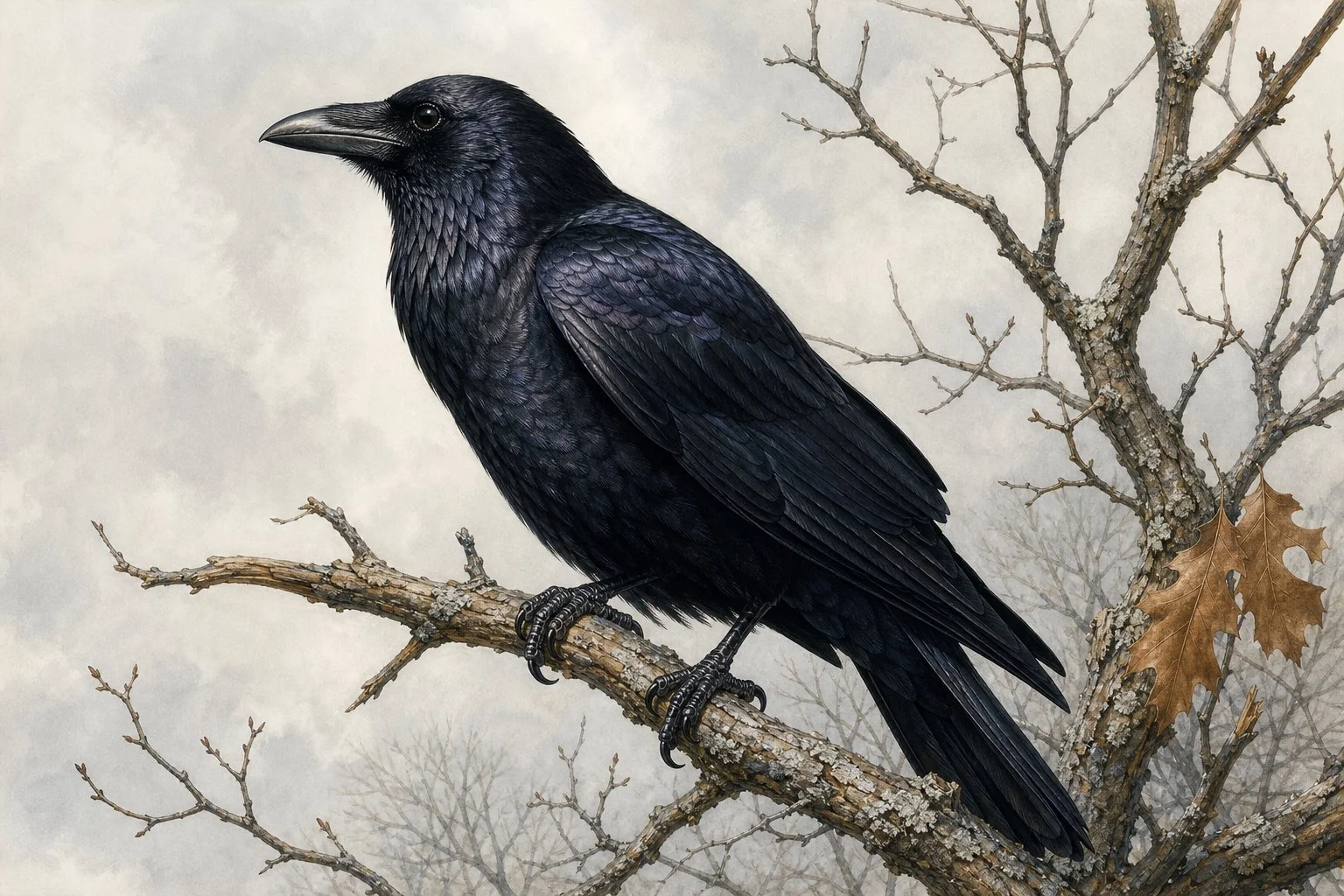
A group of crows trailing a river otter along a Pennsylvania bank is not a coincidence. One bird pecks the otter’s tail to distract it. The others swoop in and take the fish. This is a documented foraging technique - a cooperative theft from a mammal - and it is about as far from “scavenger” as a bird can get.
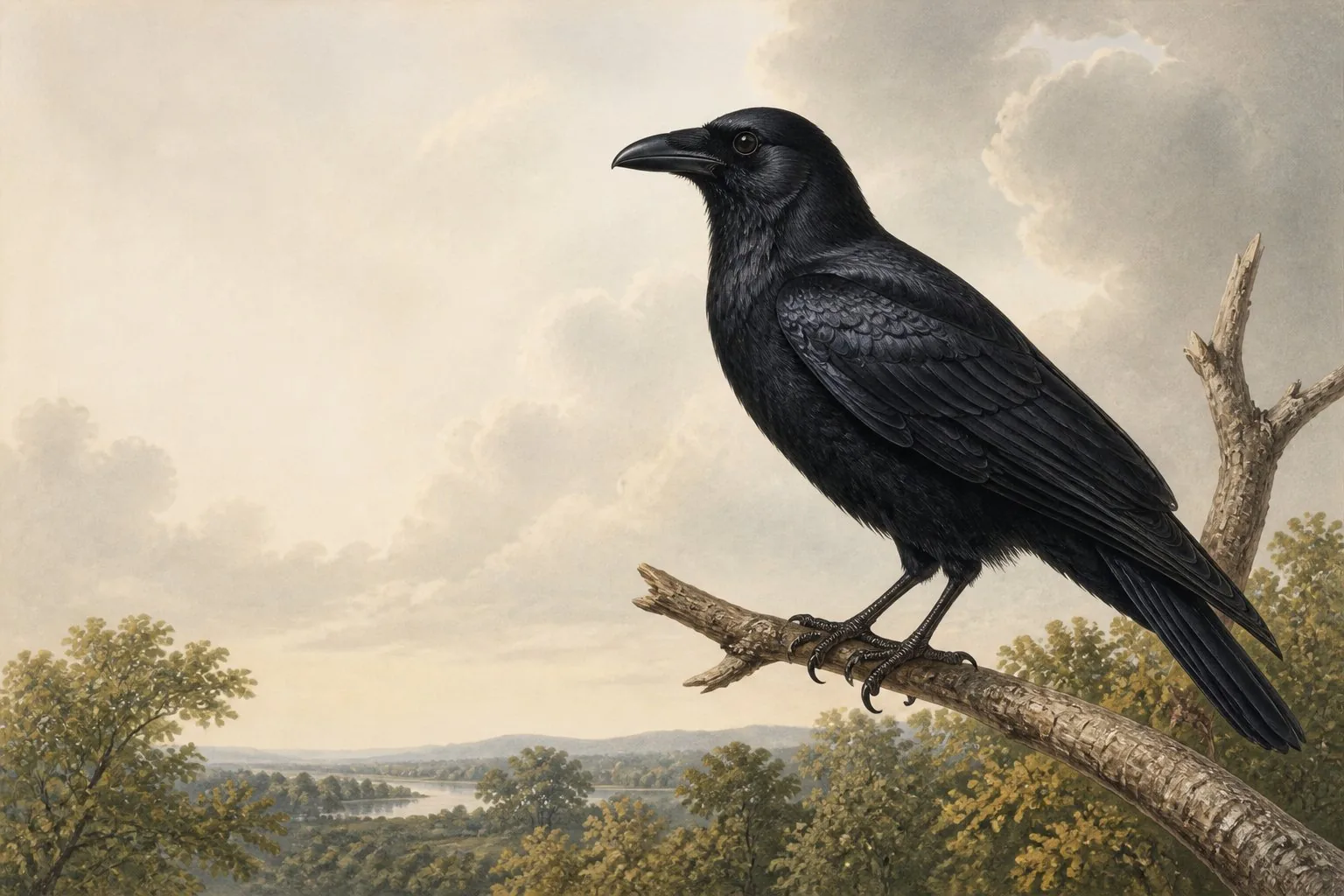
The American crow, Corvus brachyrhynchos, is an omnivore, but that word does not carry enough weight. The American Bird Conservancy puts it plainly: the crow’s diet is not a list of tolerated foods but an actively managed resource, adjusted by season, location, and what other animals nearby happen to be doing.
What crows eat
Cornell’s All About Birds lists the core diet as insects, earthworms, spiders, snails, frogs, small snakes, shellfish, carrion, garbage, eggs and young of other birds, seeds, grain, berries, and fruit. The American Bird Conservancy’s survey adds specific detail: nuts including pecans, walnuts, and pistachios; fish species such as gizzard shad and trout carcasses; small mammals including mice and voles; and eggs taken from nesting loons, terns, robins, and mallards.
One study cited by the American Bird Conservancy found the diet across the full year to be roughly 72% plant and 28% animal matter. The ratio shifts by season - autumn and winter tilt toward nuts, acorns, and leftover grain; spring and summer toward earthworms, insects, and protein from raided nests.
| Season | Primary foods |
|---|---|
| Spring | Earthworms, insects, eggs and nestlings |
| Summer | Fruit, insects, grain |
| Autumn | Nuts, acorns, berries |
| Winter | Carrion, grain, garbage, stored caches |
Indigestible material - bone fragments, shell, chitin from beetle cases - is compacted and regurgitated later as pellets, the same way owls dispose of what they cannot absorb.
How crows crack hard food
Audubon’s field guide documents American crows carrying hard-shelled mollusks high into the air and dropping them onto rocks to break them open. The same logic applies to nuts: hold the item under one foot and strike with the bill for softer shells; fly to height and release over a hard surface for tougher ones. The choice of technique varies by what the crow is working on.
Captive American crows have been recorded modifying small pieces of wood to probe holes in search of food, and using cups to carry water to dry mash. Cornell notes this tool use is learned, not hard-wired - which is a meaningful distinction. Behavior that spreads through observation rather than genetics can accelerate and change. What one crow discovers, the next generation can inherit.
Nest predation and what it requires
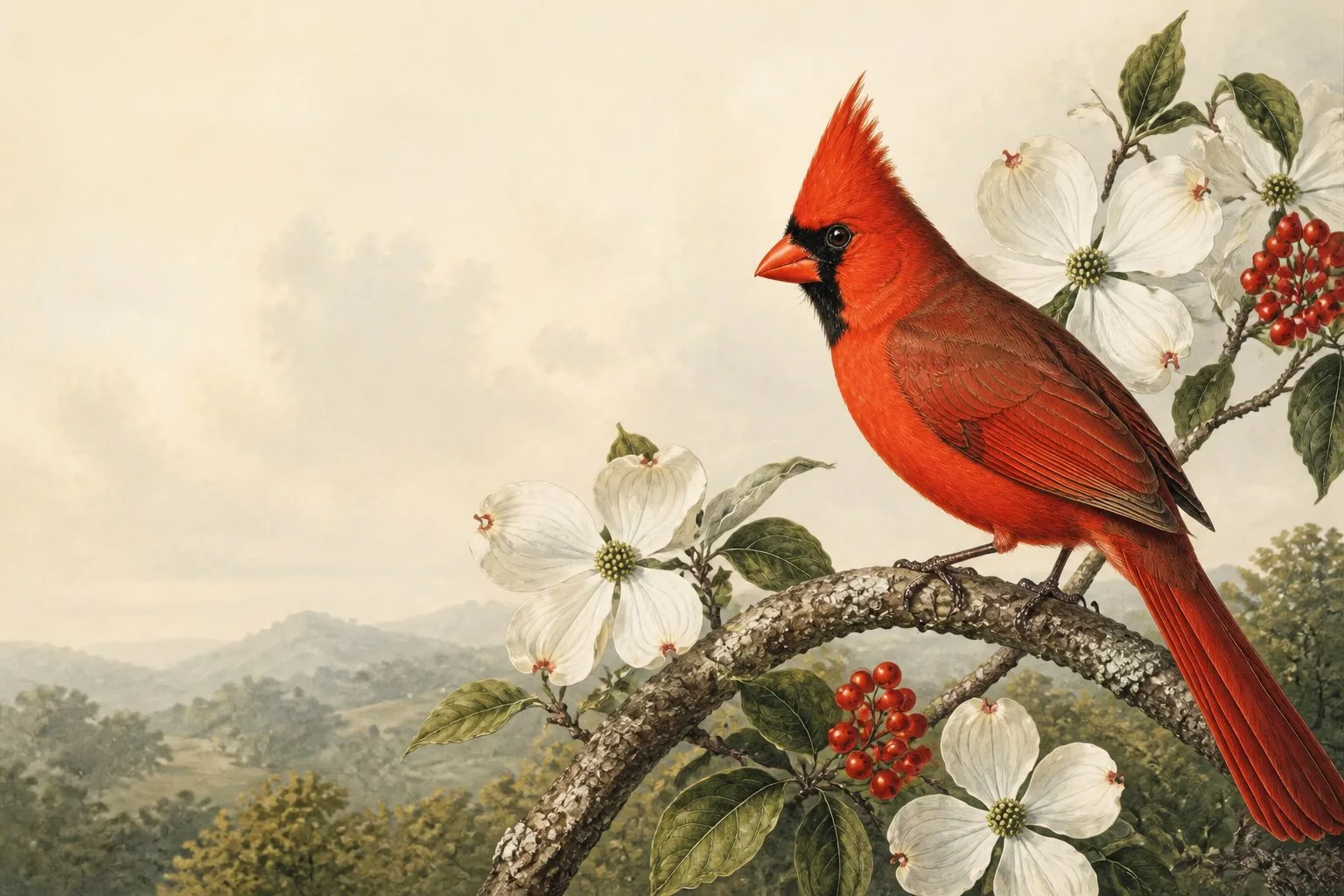
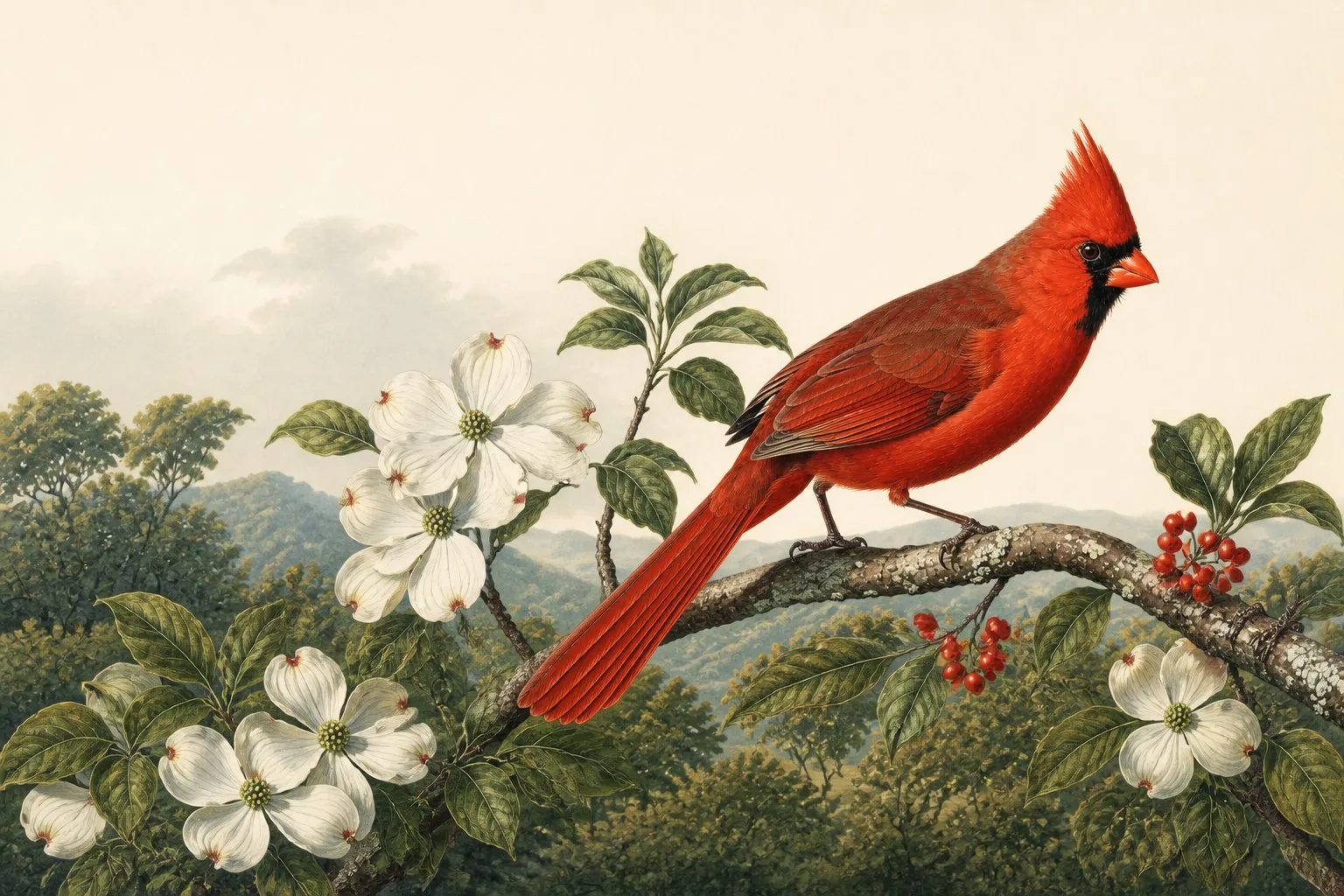
The spring predation behavior gets the most complaint from people who feed smaller birds. Crows follow adult songbirds back to concealed nests, wait until the adults leave, then take eggs or nestlings. Cornell’s All About Birds confirms this pattern across a range of species: sparrows, robins, Common Mergansers, loons, terns, Common Eiders. The Northern Cardinal nests in dense shrubs partly because open-cup nests in exposed locations are crow-vulnerable. Understanding that pressure helps explain why thick native cover matters for cardinal populations.
Crows are crafty foragers that sometimes follow adult birds to find hidden nests. A group of crows was seen distracting a river otter to steal its fish. Another group followed Common Mergansers to intercept minnows the ducks were chasing into the shallows. - Cornell Lab of Ornithology
Caching and memory
Crows store food in tree crevices, under leaf litter, in ground depressions, and in snow. Birds of the World notes that the caching method varies by food type - the bird treats a clam differently from a walnut, which differently from a piece of fish. Laboratory research on food-caching corvids, including work by Nicola Clayton’s group at Cambridge, found that corvids remember not just where a cache is but what they put there and when. They move caches when they believe they were watched while hiding them. That last behavior requires modeling another individual’s knowledge state - a cognitive step that makes the foraging habits of a bird like the Northern Cardinal look uncomplicated by comparison.
A note on the agricultural complaint
Crows steal corn, wheat, and oats. They have done so reliably enough that farmers invented scarecrows, organized shooting contests, and in the 1930s ran actual banquets trying to establish crow as a viable table bird. None of it worked. The American Bird Conservancy notes that crow crop damage is widely suspected to be offset by the volume of insect pests crows remove from the same fields - grasshoppers, corn borers, cutworm moths. The population reflects the outcome: roughly 28 million American crows now live across the continent, a number the American Bird Conservancy reports has grown by more than 90% over 40 years.
That is what an unrestricted appetite, a good memory, and the willingness to steal from an otter will produce.