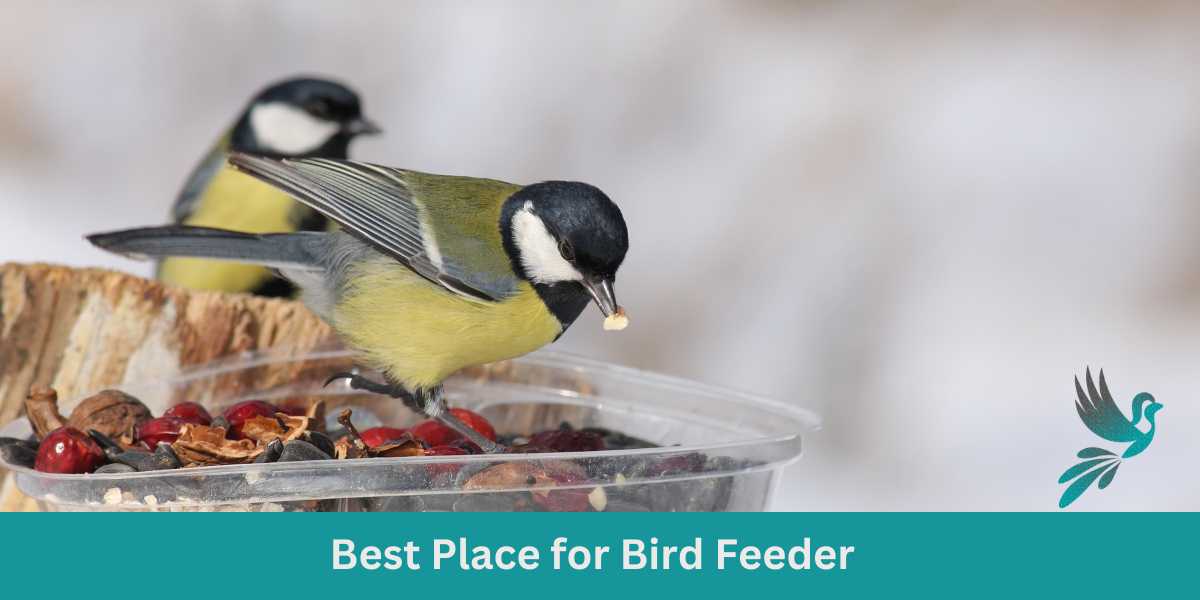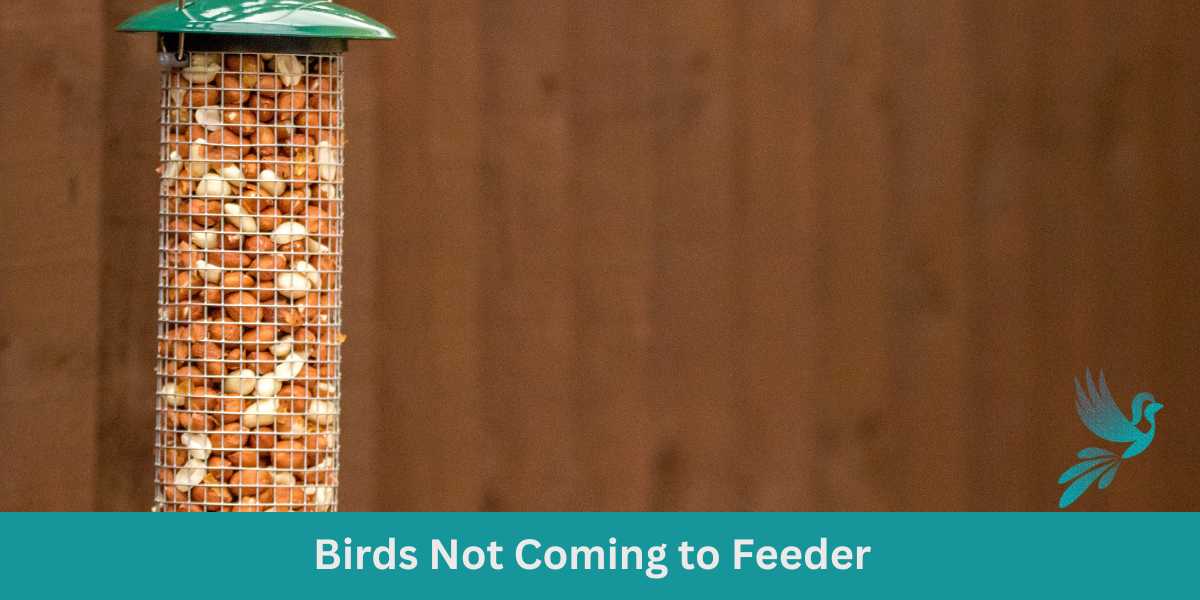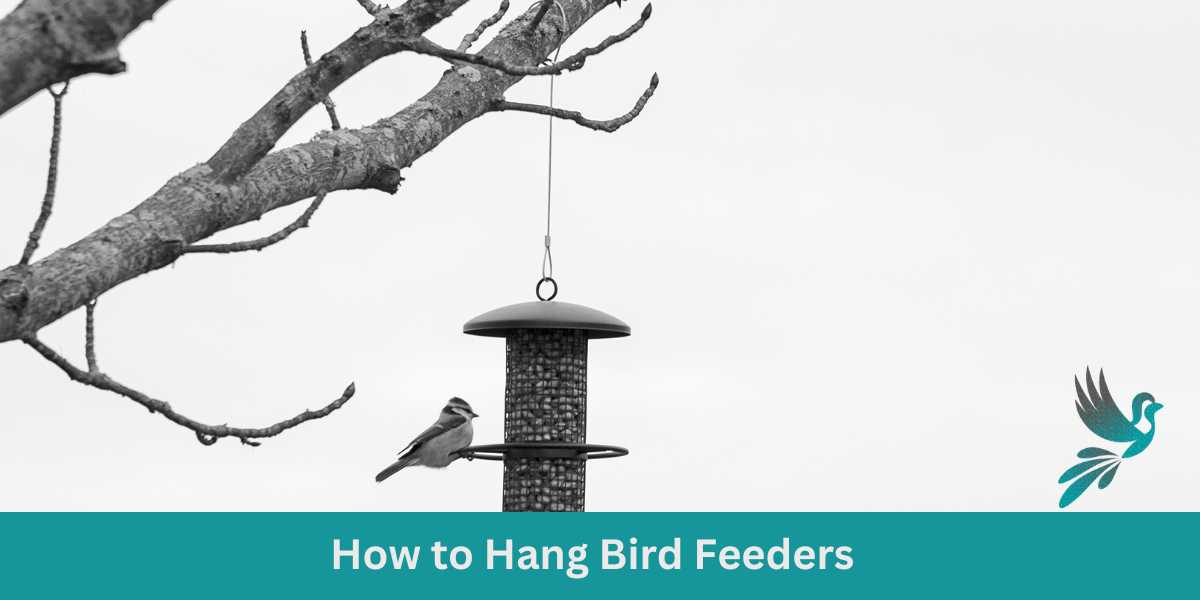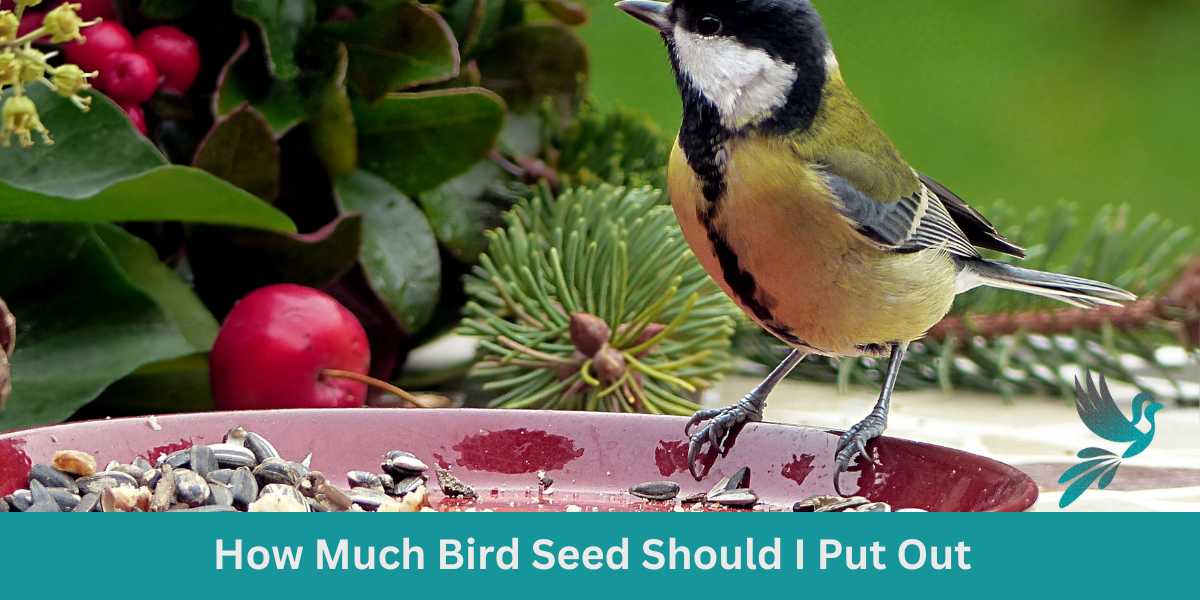
Only put out enough seed for 1-2 days at a time. If seed sits in a feeder for more than 2-3 days without being eaten, you are putting out too much. If the feeder empties within hours, add more. The goal is fresh seed that gets eaten quickly - not a stockpile that goes stale or attracts pests.
How Much Seed by Feeder Type
| Feeder type | How much to fill | Refill frequency |
|---|---|---|
| Small tube feeder | Half to three-quarters full | Every 1-2 days |
| Large tube feeder | Half full | Every 2-3 days |
| Hopper feeder | 1-2 days’ worth | Every 2-3 days |
| Platform feeder | One handful at a time | Daily (exposed to weather) |
| Suet cage | One suet cake | When consumed (3-7 days) |
| Nyjer feeder | Half full | Every 2-4 days |
Why Less Is More
| Problem from overfeeding | Why it matters |
|---|---|
| Seed goes stale | Old, wet seed grows mould and bacteria |
| Disease spreads | Droppings accumulate on uneaten seed, spreading salmonella |
| Attracts pests | Rats, mice, and squirrels move in for easy food |
| Seed sprouts | Spilled seed grows unwanted plants under feeders |
| Waste | Birds toss aside stale seed to find fresh pieces |
Seasonal Feeding Guide
| Season | How much to offer | Why |
|---|---|---|
| Winter | More - increase by 25-50% | Birds burn extra calories staying warm, natural food is scarce |
| Spring (breeding) | Moderate, add mealworms | Protein demand increases for egg production and chick feeding |
| Summer | Less | Natural food is abundant |
| Autumn | Moderate, increasing toward winter | Birds build fat reserves |
Best Seed Types
| Seed | Which birds eat it | Waste level |
|---|---|---|
| Black oil sunflower | Almost every feeder bird | Low - universally loved |
| Hulled sunflower | Same as above, no shell mess | Very low - zero shell waste |
| Nyjer (thistle) | Goldfinches, siskins, redpolls | Low - very specific audience |
| Safflower | Cardinals, chickadees, titmice | Low - squirrels and starlings avoid it |
| White proso millet | Sparrows, juncos, doves | Moderate - ground feeders mainly |
| Cracked corn | Jays, doves, sparrows | Moderate - budget option |
Feeder Maintenance
Clean every 2 weeks - Scrub with a 10% bleach solution, rinse thoroughly, dry completely before refilling.
Remove wet seed immediately - Rain-soaked seed grows mould within hours. Platform feeders are especially vulnerable.
Check for clumping - If seed clumps together in a tube feeder, it is wet and needs to be replaced.
Move feeders occasionally - Prevents ground contamination buildup under feeders.
Tips for the Right Amount
- Start with a small amount and adjust based on how fast it disappears
- If seed is left after 2 days, reduce the amount next time
- Refill in the early morning when birds are most active
- In winter, ensure feeders are full before dark - birds feed heavily at dawn after cold nights
The best feeding approach is small amounts of fresh seed, refilled frequently. This keeps birds healthy, reduces waste, discourages pests, and ensures every visit to your feeder offers clean, nutritious food.