Biology
Can You Eat Penguins?
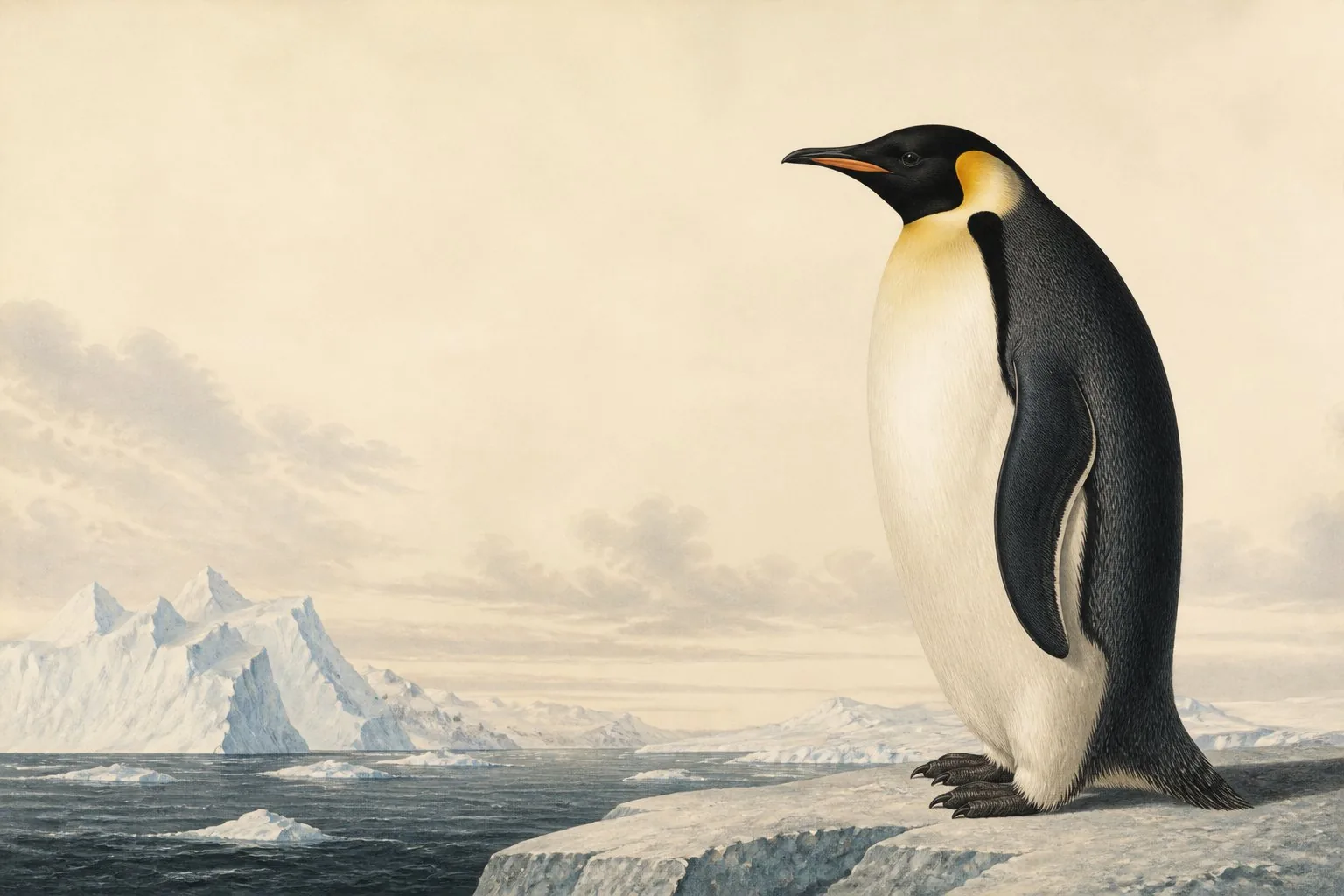
During an 1890s Antarctic expedition, the ship’s surgeon Frederick Cook tasted Emperor Penguin meat and wrote down what it was like. His verdict: somewhere between beef, oily cod fish, and duck, cooked in blood and cod-liver oil. The men ate it because they had little choice. Nobody asked for seconds.
That record is useful because it settles the biology before the law does. Penguins are not good to eat. The question of whether you can eat them is therefore two separate questions: can the body handle it, and is it legal. The answer to the first is probably yes, with caveats. The answer to the second is no, everywhere, without exception.
What the law says
The Antarctic Treaty of 1959 designated the continent as a scientific preserve. Among other things, it banned the taking or harming of native Antarctic wildlife, which includes all penguin species that breed there, the Gentoo Penguin among them. The United States reinforced this with the Antarctic Conservation Act of 1978, which makes it a federal offence for American citizens or vessels to harm, harass, or collect penguins or their eggs without a research permit.
Beyond Antarctica, the African Penguin (Spheniscus demersus) and Humboldt Penguin (Spheniscus humboldti) are listed under CITES Appendix II, and countries where penguins breed - South Africa, Argentina, Chile, New Zealand, and Australia among them - have national protections that carry serious penalties.
| Protection | Geographic scope |
|---|---|
| Antarctic Treaty (1959) | Antarctica and the Southern Ocean |
| Antarctic Conservation Act (1978) | US persons and vessels worldwide |
| CITES Appendix II | International trade prohibition |
| National wildlife laws | Each penguin-range country |
There is no legal route to obtain penguin meat.
Why the taste is so distinctive
Penguins eat fish, krill, and squid. They eat little else. The oils from that diet accumulate in the flesh and the thick blubber that insulates a bird built for water, not air. The result is a meat that tastes, as Cook noted, intensely of the ocean - not the way a good piece of salmon tastes of the sea, but the way a heavily-used fish dock smells of it.
Penguin eggs behave differently from any other bird egg you have encountered. The whites do not turn white when boiled. They turn transparent, because of specific glycoproteins in the albumen. French explorer Jean-Baptiste Charcot collected thousands of penguin eggs during one Antarctic expedition to feed his crew. His men ate them. Their journals do not suggest enthusiasm.
The mercury issue is real. Penguins are high on the marine food chain, which means they bioaccumulate heavy metals from their prey. Regular consumption would carry the same risks as eating large predatory fish in quantity - a concern that applies to any long-lived ocean predator.
The question people are actually asking
The real interest in this question is not culinary. Penguins are one of the most visible and widely recognised birds on the planet, and the question “can you eat them” is a way of asking how completely they are protected - and whether that protection is stable.
The Antarctic Treaty is one of the few international agreements that has held without significant defection since it was signed. Sixty-plus countries are party to it. The penguins are, for now, safe not because they taste bad but because the agreement has held.
The same explorers who ate penguins for survival in the 1890s also witnessed the scale at which Antarctic wildlife was being harvested for oil and feathers. The protection that followed was a direct response to that era, not an abstract conservation principle applied later.
The polar bear confusion
Polar bears live in the Arctic. Penguins live in the Southern Hemisphere. The two have never shared habitat in the wild. This comes up often enough to be worth stating plainly: no wild polar bear has eaten a penguin. They live on opposite sides of the planet.
The biology behind this matters a little. Polar bears evolved with Arctic seals as their primary prey. Penguins evolved without large terrestrial predators at all, which is one reason early hunters found them so easy to approach on foot. An animal that has no reason to flee will not flee. That tameness, which looks like charm to modern visitors, was very nearly the thing that killed them.
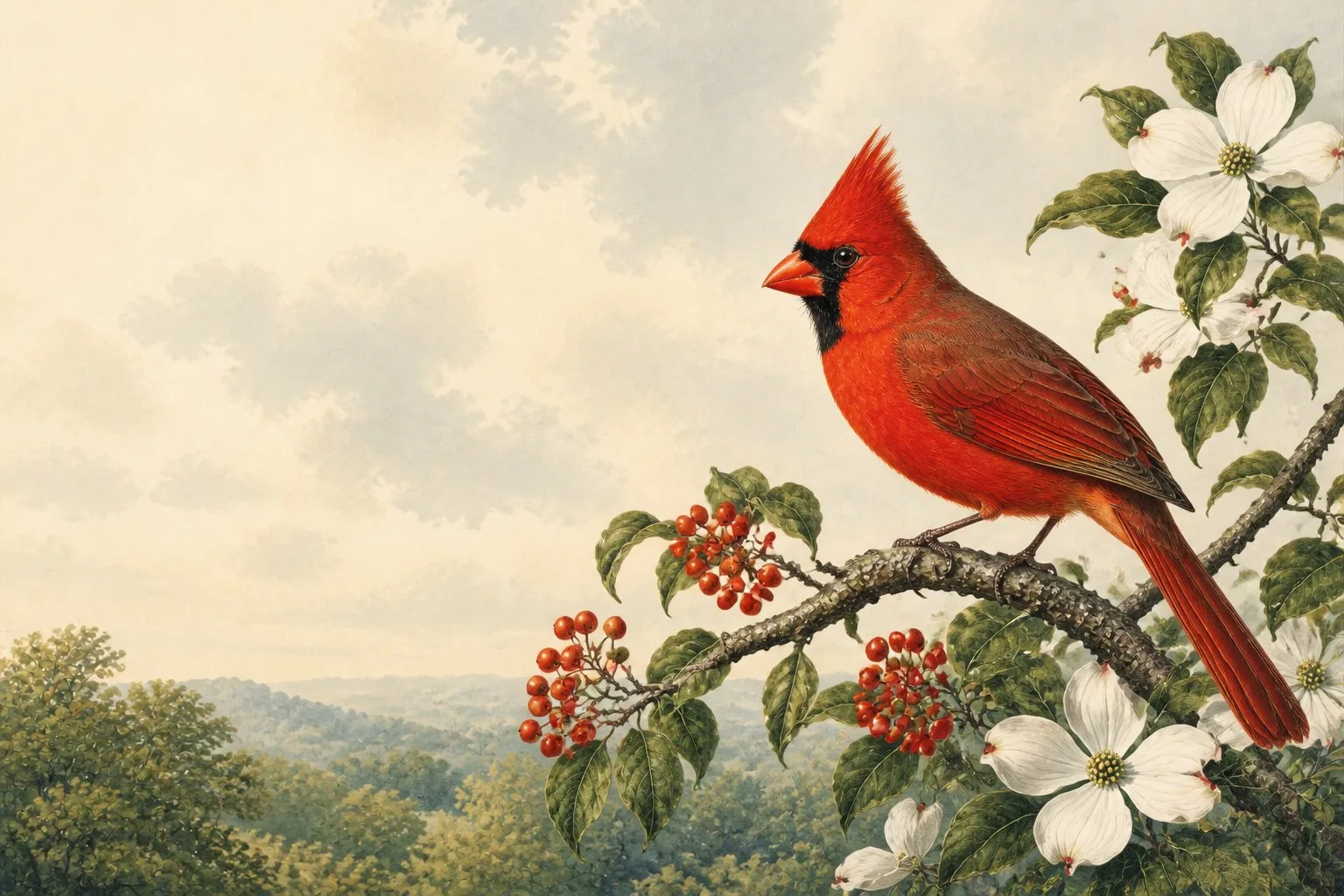
The cardinal’s moult is another case where an animal’s vulnerability is built into its biology - public and unavoidable. Penguins in the breeding era faced something similar: they could not run, they gathered in enormous colonies, and they had no instinct for the kind of threat humans represented. Conservation law arrived later than the threat did.
Penguins are not protected because we find them appealing. They are protected because we nearly finished them.