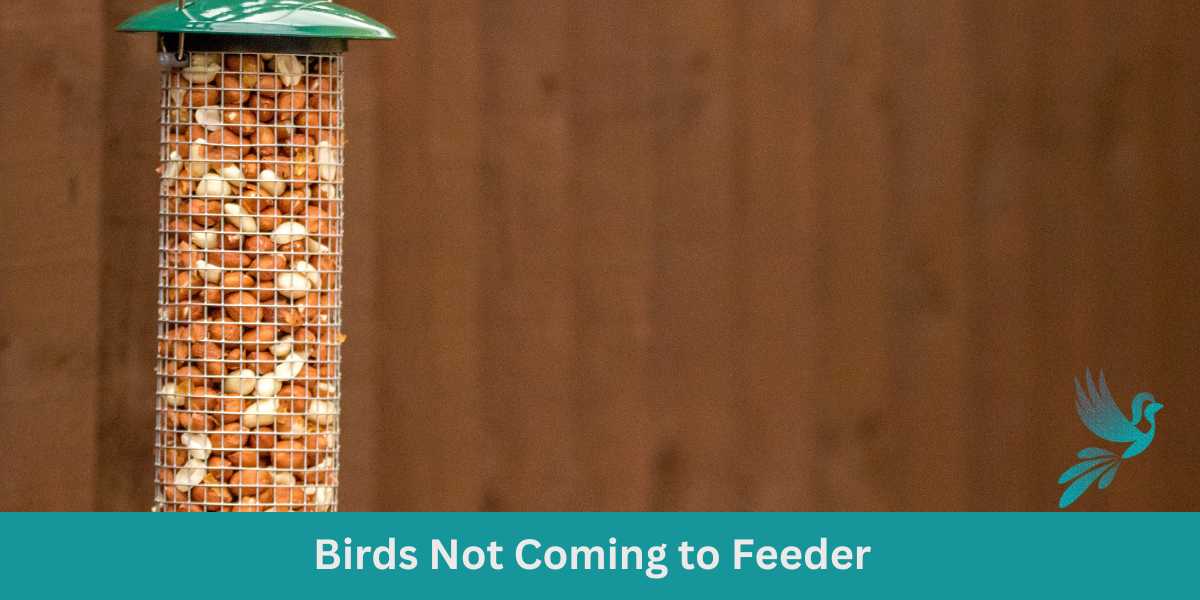
A bird feeder in the wrong spot with the wrong seed will sit untouched for months. The good news is that empty feeders almost always come down to a handful of fixable problems.
The Most Common Reasons
| Problem | Fix |
|---|---|
| Stale or mouldy seed | Replace seed every 2 weeks. Store in airtight containers. |
| Dirty feeder | Clean with dilute bleach every 2 weeks. Rinse thoroughly. |
| Wrong food | Use black oil sunflower seeds as your default - most species eat them. |
| Bad placement | 2-3m from the house, 3m+ from dense cover, under 1m or over 3m from windows. |
| Predators nearby | Cats, hawks, or squirrels are scaring birds away. Add baffles, move feeder. |
| Seasonal changes | Natural food is abundant in spring/summer. Birds return to feeders in autumn. |
| Migration | Some species leave your area seasonally. They will be back. |
| New feeder | Birds can take 1-4 weeks to discover and trust a new feeder. |
Stale Seed
Old birdseed loses nutritional value and can grow mould that is toxic to birds. If seed has been sitting in the feeder for more than two weeks - especially in wet weather - throw it out and start fresh.
- Store seed in airtight containers in a cool, dry place
- Check for clumping - Clumped seed means moisture has got in
- Smell it - If it smells musty, it is mouldy. Bin it.
Dirty Feeders
A dirty feeder spreads disease. Salmonella, avian pox, and trichomoniasis can all pass between birds at contaminated feeders. If birds were coming and then stopped, a disease outbreak at your feeder may be the reason.
- Clean every 2 weeks with a 10% bleach solution (1 part bleach, 9 parts water)
- Scrub all surfaces including ports, perches, and trays
- Rinse thoroughly and dry completely before refilling
- Rake up fallen seed below the feeder regularly
If you notice sick or dead birds near your feeder, take the feeder down for at least 2 weeks. Clean it thoroughly before putting it back up. This breaks the disease transmission cycle.
Wrong Food
Different birds eat different things. If you are only offering one type of seed, you are limiting which species will visit.
| Food | What it attracts |
|---|---|
| Black oil sunflower | Cardinals, chickadees, finches, nuthatches, jays - the best all-rounder |
| Safflower | Cardinals, chickadees - squirrels and grackles avoid it |
| Nyjer (thistle) | Goldfinches, siskins - needs a specialised tube feeder |
| Suet | Woodpeckers, nuthatches, chickadees - put in shade in summer |
| Sugar water (4:1) | Hummingbirds - no red dye needed |
| Peanuts (shelled) | Jays, woodpeckers, titmice |
| Millet | Sparrows, juncos, doves - scatter on a platform feeder |
Avoid bread, honey, and flavoured seed mixes with filler grains. Birds will pick through them and leave the rest to rot.
Predators
If a hawk has been hunting near your feeder, birds will avoid the area for days or weeks. Cats hiding in nearby bushes have the same effect.
- Move feeders 3m+ from any dense cover where cats could hide
- Add a baffle to pole-mounted feeders to stop squirrels and cats climbing
- Take the feeder down for a week after a hawk attack - birds will return once the threat passes
- Keep cats indoors - The single most effective thing you can do
Seasonal Changes
Feeders are busiest in winter when natural food is scarce. In spring and summer, birds have insects, berries, seeds, and nectar everywhere. Your feeder is competing with the entire landscape.
This is normal. Keep the feeder stocked and clean through summer, and traffic will increase again in autumn.
New Feeder Patience
A brand new feeder in a new location can take 1-4 weeks before birds find it. Scatter some seed on the ground nearby to attract attention. Once one species starts using it, others will follow.